
If you're choosing between vinyl and alumawood patio covers, here's the honest answer: alumawood (wood-grain embossed aluminum) wins for structural strength, wind load performance, and longevity in most climates, while vinyl is a strong contender if UV-resistance and absolute zero-maintenance are your top priorities on a tighter budget. Neither is perfect, and the right pick really comes down to your climate, how close you are to the coast, what you want the cover to look like, and how much you're willing to spend upfront versus over time.
Vinyl vs Alumawood Patio Covers vs Aluminum: Side-by-Side Guide

Lark Perry
19 Jun 2026
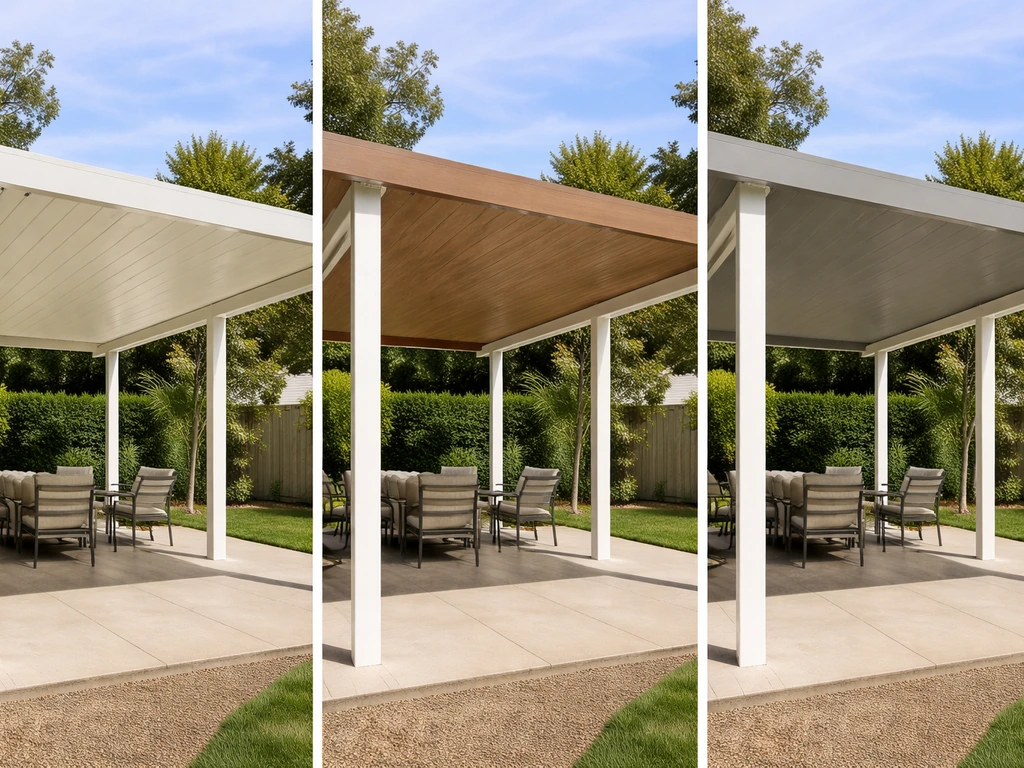
What each material actually is (not just the marketing version)
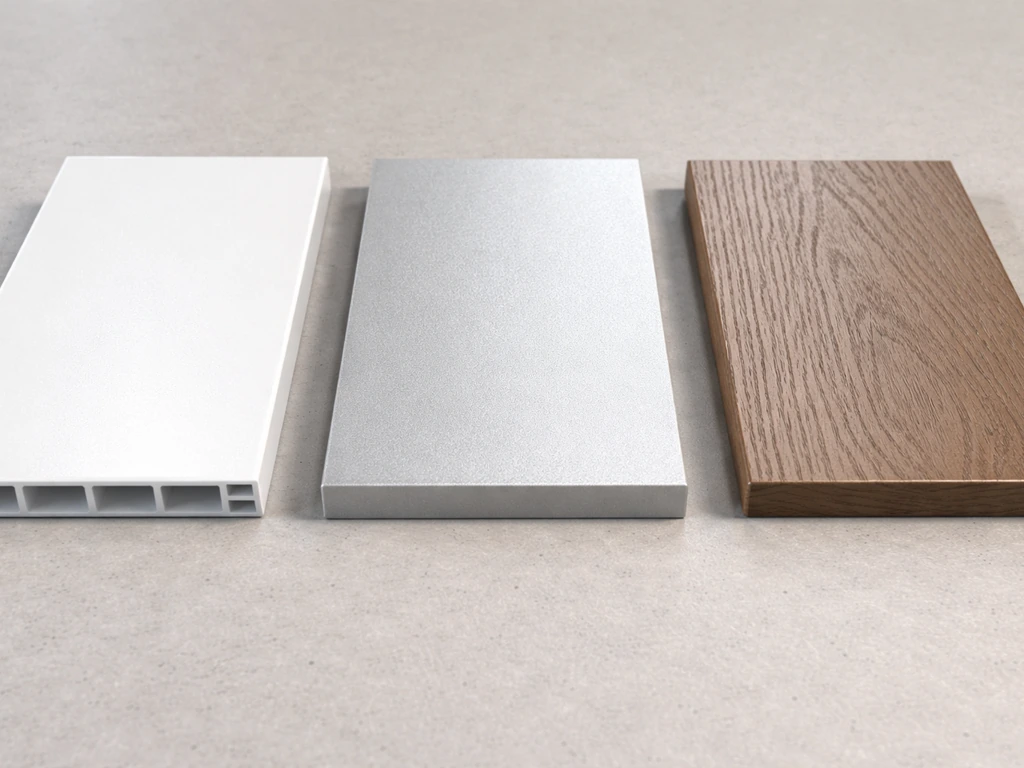
This part trips people up because the terms get used loosely. Let's be precise before comparing them.
Vinyl patio covers
Vinyl patio covers are made from rigid PVC (polyvinyl chloride), typically 100% virgin PVC formulated with impact modifiers for strength and titanium dioxide (TiO₂) pigment for UV protection. That TiO₂ is the critical ingredient: it's what prevents the yellowing and chalking you see in cheaper, unprotected PVC products. Good vinyl cover systems are engineered not to warp, rot, peel, or splinter. They come in panel or lattice configurations and are usually white or off-white, though color options have expanded. The structure and panels are both PVC.
Aluminum patio covers
Standard aluminum patio covers use extruded or roll-formed aluminum alloy panels and framing, typically finished with a factory-applied powder coat. They're strong, lightweight, and resistant to rot. The panels come in solid, insulated, or lattice styles. The main variables are the alloy spec, the coating system, and the load ratings the system is engineered to meet.
Alumawood patio covers
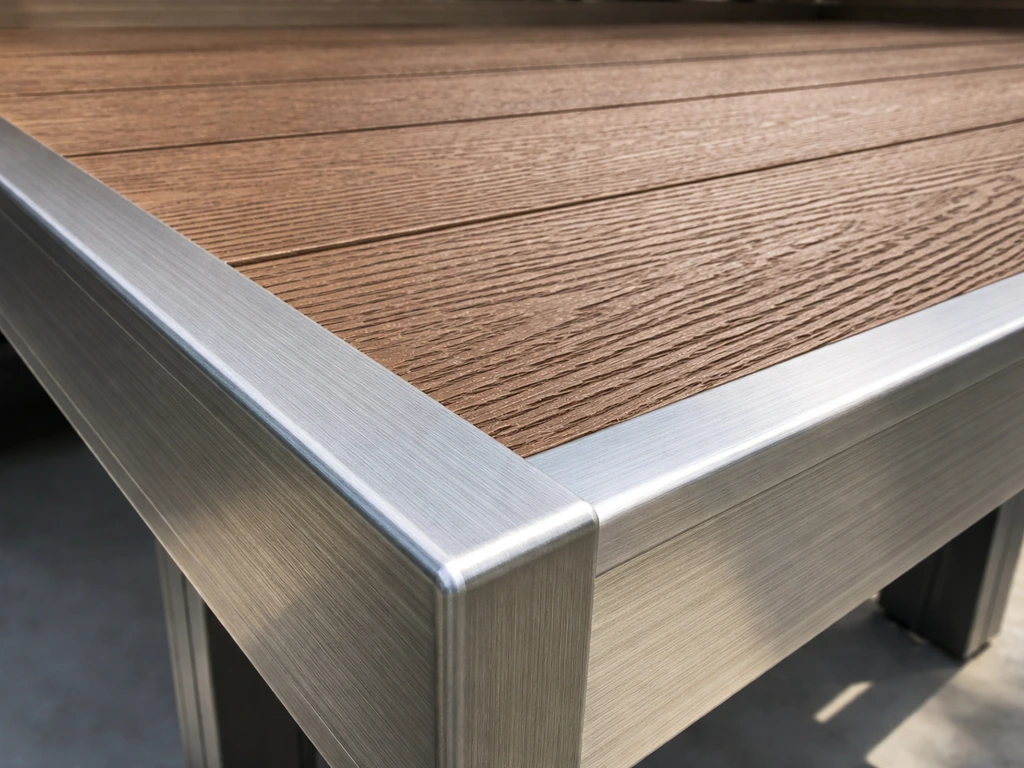
Alumawood is not a different material, it's a brand-driven product category. The panels and framing are aluminum (alloys like 3004-H36 or 3015-H25), but the surface is embossed with a wood-grain texture and finished in earth-toned colors to simulate the look of real wood. The ICC-ES evaluation report ESR-1398P specifically documents the Alumawood Outdoor Living system's structural performance for code purposes, and it's worth knowing that "Alumawood" started as an Amerimax brand name that has since become a generic term used by many manufacturers for any wood-grain embossed aluminum cover. When someone says "alumawood," they almost always mean wood-look aluminum, not a wood composite or PVC hybrid.
Durability and weather performance
This is where the materials diverge the most, so it's worth breaking down by weather type.
Heat and UV exposure
Aluminum handles heat better structurally. It doesn't expand and contract as dramatically as PVC, which means less potential for loosening fasteners, gapping, or panel warping in extreme sun. Vinyl's performance in heat depends almost entirely on formulation. If you're comparing options, the best vinyl patio covers usually prioritize UV protection with quality PVC formulation and reputable warranty terms.
High-quality vinyl with TiO₂ and proper impact modifiers is genuinely stable, and manufacturers like Vinyl Patio Kits offer lifetime warranties specifically against UV yellowing. Budget vinyl without those additives? That's where you'll see yellowing and surface degradation within a few years. NIST Technical Note 2304 discusses weathering evaluation methods, including accelerated and natural outdoor exposure and UV testing conditions, along with using color and gloss measurements to track appearance changes like yellowing [yellowing and surface degradation within a few years](https://nvlpubs.
nist. gov/nistpubs/TechnicalNotes/NIST. TN. 2304.
pdf). Alumawood's factory-applied coating is designed for UV resistance too, but the Amerimax/Alumawood warranty explicitly excludes chalking and fading from normal weathering, meaning cosmetic degradation over time is on you, not the manufacturer.
Rain and water intrusion
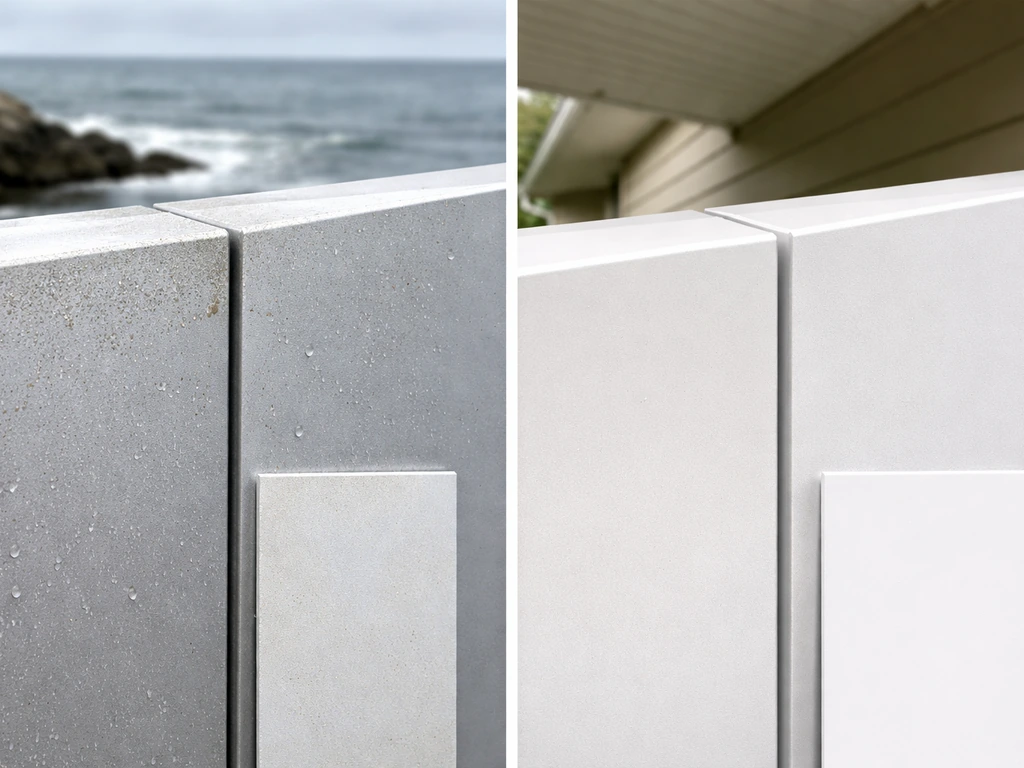
Both materials are inherently water-resistant at the panel level: aluminum doesn't rust in typical residential conditions, and vinyl doesn't absorb water. The weak points are always at the connections: fascia seams, flashing, end caps, and gutters. Alumawood systems have well-documented water intrusion issues at the fascia/flashing junction where the cover meets the house, and clogged gutters during storms are a common real-world complaint. Drainage planning is something good installers build into the design upfront, and if yours doesn't bring it up, ask about it directly.
Snow and wind loads
Aluminum wins here. As a structural material, aluminum is significantly stiffer and stronger per unit weight than PVC. Alumawood systems rated to ASTM E330 wind-load testing standards can handle serious structural stress. Alumashade, for example, rates their standard covers at a 10 lb live snow load and 110 mph wind load at the product level. Vinyl is not typically rated to comparable load standards, which is why it's less common in areas with heavy snow or high wind design requirements. If you're in a hurricane zone or an area that regularly gets heavy snowfall, aluminum or alumawood is the right structural choice, not vinyl.
Coastal and corrosive air environments
This is where alumawood has a real hidden weakness most people don't read until after they buy. The Amerimax/Alumawood warranty card explicitly excludes corrosion due to salt air and atmospheric contamination. The aluminum substrate itself can corrode when the coating is compromised, and in coastal or industrial air environments, that coating takes a beating. Vinyl has a meaningful edge here because PVC is chemically inert and doesn't corrode. If you're within a mile or two of the ocean or near industrial air, high-quality vinyl with TiO₂ UV protection is worth serious consideration over alumawood.
Maintenance and long-term upkeep
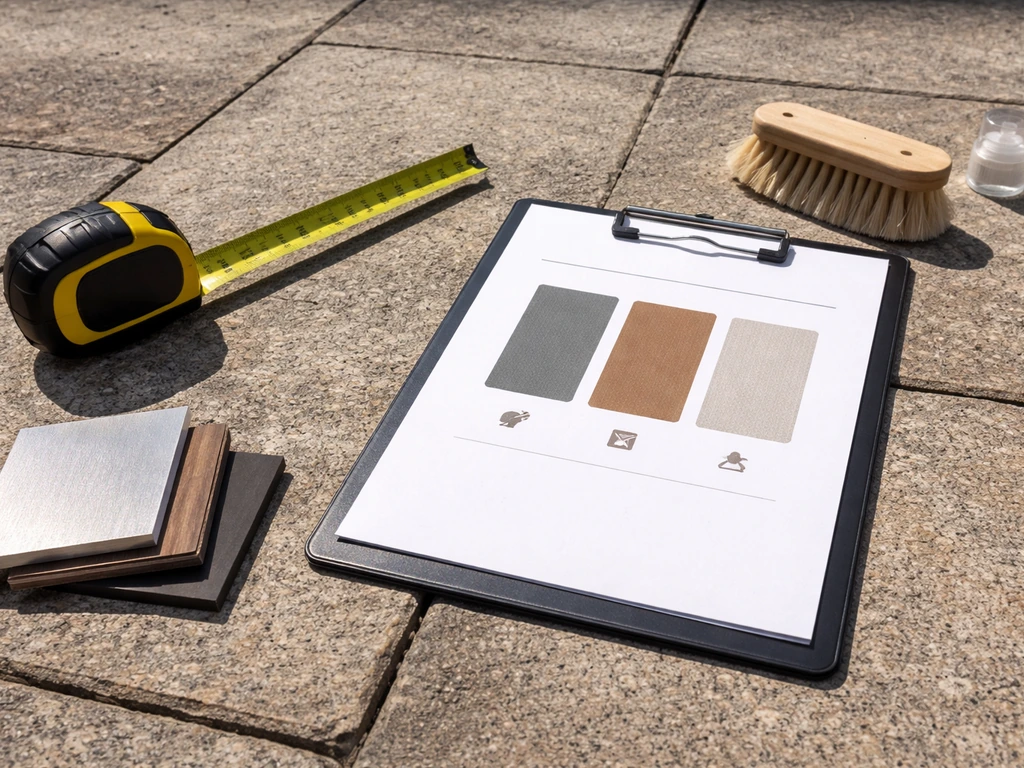
Both materials are marketed as low-maintenance, and they mostly live up to that claim, but in different ways.
Alumawood maintenance is straightforward: occasional washing with clear water and a soft-bristled brush handles most dirt and grime. The panels themselves rarely need anything else. What catches people off guard is the drainage system. If you have gutters, clean them before storms. Water backing up behind a clogged gutter is how you end up with flooding on your patio despite having a premium cover. One critical maintenance restriction: do not repaint alumawood panels yourself. Field-applied paint or coatings void the manufacturer warranty on the painted portion, which can become a problem when you eventually need a warranty claim.
Vinyl maintenance is similar for panel cleaning, typically soap and water or low-pressure washing. Organic growth (algae, mildew, lichen) is a real possibility on vinyl surfaces in humid climates, and a biocide-based softwash approach handles it better than pressure washing alone. The good news is that vinyl won't require repainting, ever, if you bought quality material with stable pigmentation. Unlike alumawood, if your vinyl looks dull or dirty, cleaning restores it rather than requiring a refinishing decision.
Long-term repairs favor aluminum. If a vinyl panel cracks from a hard impact (falling branch, dropped ladder), the repair is messier because color matching aged vinyl is difficult. A dented or scratched alumawood panel has the same problem with color matching, but the structural integrity is more predictable under heavy loads before you get there.
Looks, comfort, and how the cover actually feels to sit under
Appearance and curb appeal
Alumawood has a clear aesthetic advantage for most homeowners who want something that doesn't look like a utility structure. The wood-grain embossing and earth-tone color palette (browns, tans, taupes) blend naturally with stucco, brick, and wood-framed homes. It reads as wood at a distance, which is the whole point. Vinyl covers, especially in traditional white, look cleaner and more modern but less "architectural." If you live in a neighborhood where curb appeal matters or you have a HOA that specifies color palettes, alumawood is usually the easier approval.
Heat and insulation under the cover
This is an area where neither standard vinyl nor standard alumawood is exceptional. Bare aluminum panels conduct heat readily, so a solid aluminum panel cover can radiate heat downward on a hot day. Insulated aluminum panel systems (foam-core panels) address this significantly and are worth the upgrade if you're in Phoenix, Las Vegas, or anywhere temperatures consistently exceed 100°F. Vinyl panels also transmit heat but slightly less so than bare aluminum. If thermal comfort under the cover is a priority, the panel system and whether it's insulated matters more than vinyl-vs-aluminum alone.
Rain noise
Aluminum is louder in rain. Raindrops on aluminum panels produce a noticeable drumming sound, which some people find pleasant and others find intolerable. Insulated aluminum panels dampen this significantly. Vinyl panels are quieter under rain than bare aluminum, though still not silent. If you want to have a conversation on your patio during a rainstorm, insulated panels are the real solution regardless of material.
Thermal expansion and noise from movement
Vinyl expands and contracts more than aluminum with temperature swings. Properly installed vinyl systems account for this by using fastening approaches that allow movement rather than rigidly fixing panels in place. If a vinyl cover is installed too tightly, you'll hear popping and creaking as it heats and cools. This is an installation issue, not a materials defect, but it's worth knowing because it comes up in reviews. Alumawood panels have less thermal movement, so this is less of a common complaint.
Cost breakdown: what you'll actually spend
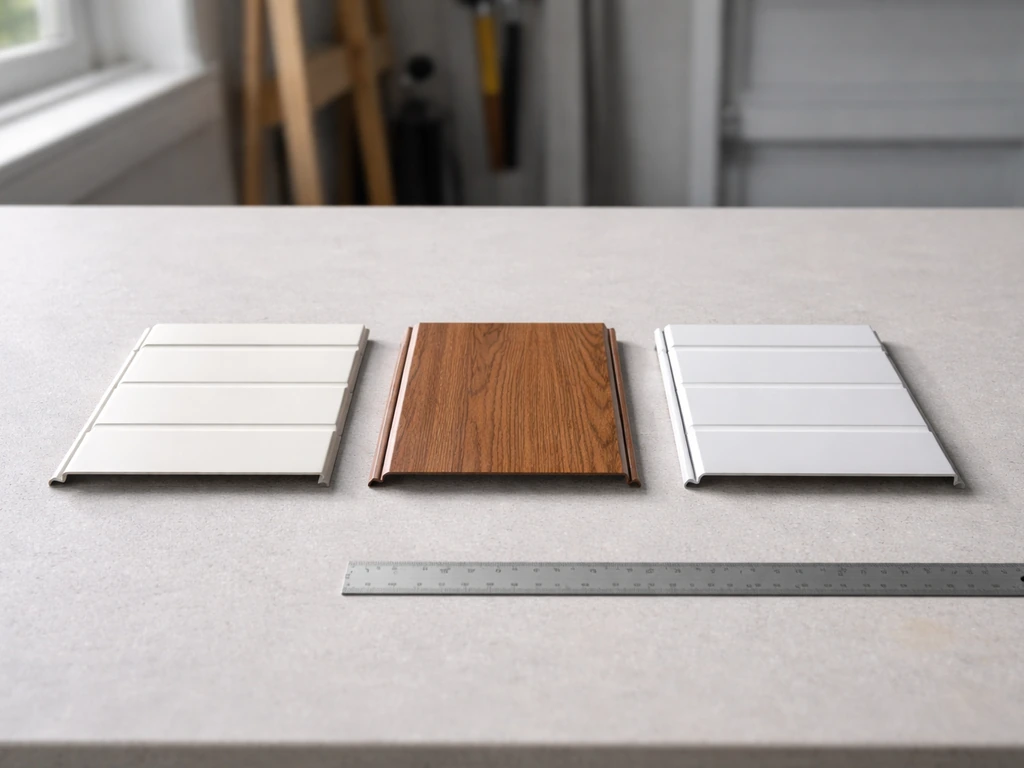
| Cost Factor | Vinyl | Alumawood (Wood-Look Aluminum) |
|---|---|---|
| Typical material cost (DIY kit) | Lower: roughly $8–$15/sq ft for panel systems | Moderate: roughly $12–$22/sq ft for panel systems |
| Professional installation | Moderate: $20–$35/sq ft installed | Moderate to higher: $25–$45/sq ft installed |
| Insulated panel upgrade | Limited availability | Widely available, adds $5–$10/sq ft |
| Repainting over life | None needed (quality vinyl) | Not recommended (voids warranty) |
| Expected structural lifespan | 20–30+ years (formulation-dependent) | 30–40+ years in non-coastal climates |
| Warranty coverage (typical) | Lifetime on UV/yellowing (premium products) | 20 years structural; finish fading/chalking often excluded |
The cost gap between vinyl and alumawood has narrowed. A few years ago, vinyl was noticeably cheaper across the board. Now, DIY alumawood kits are widely available and competitive on material cost. Where vinyl still wins on price is in simpler panel systems and DIY-friendly installations. Alumawood with insulated panels and professional installation is the premium end of the budget range, but it also has the longest expected structural life, which affects the real cost-per-year over a 30-year ownership horizon.
One warranty cost most people overlook: if your alumawood cover develops a cosmetic issue (chalking, fading, surface corrosion) after several years in a harsh climate, that's typically not covered. If you want to compare real-world alumawood patio cover reviews, focus on the cosmetic issues people report in harsh sun and coastal conditions. You're either living with it or paying out of pocket to address it. Factor that into your total cost assumption, especially in sun-belt and coastal locations.
Installation: what to know before you commit
Both vinyl and alumawood covers are available as DIY kit systems and for professional installation, but there are real differences in how installation affects long-term performance.
For alumawood: the most common installation mistakes involve fastener choice and placement, flashing at the house connection, and drainage planning. Using wrong fasteners compromises structural integrity under wind loads. The fascia-to-house flashing junction is where leaks originate, and if the pitch isn't set correctly during framing, water pools instead of shedding. Ask your installer specifically how they handle the fascia flashing and what pitch they're building to. If they can't answer clearly, find someone else.
For vinyl: the critical installation detail is allowing for thermal expansion. Panels should be hung with the ability to move slightly, not fastened rigidly. If they're over-secured, you'll hear it every temperature swing. Verify the installer understands this before work starts.
For both materials, get clear answers on these items before you sign anything:
- What are the load ratings for the specific product (wind mph and snow lb per sq ft)? Ask for documentation, not just a verbal claim.
- What is the warranty on the structural components versus the finish/coating, and what voids each?
- How is the cover attached to the house and what flashing system is used?
- What drainage provisions are included, and where does water exit during a heavy storm?
- Are permits required in your jurisdiction, and will the installer pull them?
- What alloy and coating system is specified for the aluminum, or what PVC formulation for vinyl?
- Does the product carry any third-party structural evaluation (such as an ICC-ES evaluation report)?
Before any contractor visit, measure your patio footprint accurately (length x width), note the attachment point height on your house wall, check local wind speed design requirements (usually available from your building department), and know whether your area gets snow. These four pieces of information will make every contractor conversation faster and help you spot who actually knows what they're doing.
Which one should you choose: a direct guide by situation
Here's where I'll be direct. Most homeowners outside of coastal areas or extreme snow country will be happy with alumawood as long as they buy from a reputable manufacturer with a documented structural warranty and use a qualified installer. But there are specific scenarios where vinyl is clearly better, and a few where neither is optimal without an upgrade. If you want a quick starting point, compare duracool patio vs alumawood side by side for durability and maintenance fit.
| Your Situation | Best Choice | Why |
|---|---|---|
| Coastal or salt-air environment (within ~2 miles of ocean) | Vinyl (high-quality, TiO₂-formulated) | PVC doesn't corrode; alumawood's coating warranty excludes salt damage |
| Hot, sunny climate (Southwest, Sun Belt) | Alumawood with insulated panels | Better structural stability; insulation reduces heat transfer below the cover |
| Heavy snow or high-wind region | Alumawood (aluminum) | Aluminum rated to higher structural loads; vinyl not typically rated comparably |
| Tightest possible budget, DIY installation | Vinyl | Lower material cost, simpler installation, no finish-voiding concerns |
| Want a wood-like aesthetic | Alumawood | Embossed wood grain is the closest thing to real wood without the upkeep |
| Maximum long-term low-maintenance priority | Vinyl (quality formulation) or alumawood | Vinyl has edge in corrosive/humid climates; alumawood wins in structural longevity |
| HOA or neighborhood with strict color rules | Alumawood | Earth-tone palette blends with most home exteriors; easier approvals |
| Humid subtropical climate (Southeast US) | Either, with mildew-resistant treatment plan | Both need periodic cleaning; vinyl slightly better on corrosion, aluminum better structurally |
| Frequent heavy rain / monsoon regions | Alumawood with proper flashing and drainage | Superior drainage design options; verify installer flashing detail |
If you're still on the fence, think about it this way: choose alumawood if you want it to look good and last structurally for decades in a non-coastal climate. Choose vinyl if you're near salt air, working with a tighter budget, or you want the maximum warranty protection against UV and color change. And if you're comparing alumawood to other aluminum-based systems like Duralum or Duracool, those comparisons follow similar logic around coating quality, load ratings, and warranty structure since they're all competing in the same wood-look aluminum category. If you’re comparing duralum patio covers vs alumawood, focus on the same factors: coating quality, load ratings, and how their warranties handle cosmetic aging duralum or Duracool.
Your next steps right now
You don't need to have everything figured out before reaching out to suppliers or contractors, but a little preparation makes the conversations much more useful. If you're comparing vinyl fence deck and patio cover options, focus on durability, UV protection, and the right installation details so you get the look you want for years. Here's what to do today:
- Measure your patio: total square footage, plus the height of the attachment point on your home's wall.
- Check your local wind speed design requirement by searching your county name plus 'basic wind speed map' or calling your building department. This single number rules out some products immediately.
- Decide on your aesthetic direction: do you need it to look like wood, or is clean white or neutral fine? This narrows your material choice fast.
- Look up the specific product warranty for anything you're considering: read what's actually covered versus excluded, especially around fading, chalking, and corrosion.
- If you're getting quotes, ask each contractor for the product name, alloy spec or PVC formulation, load ratings, and whether the product has a third-party evaluation report (like an ICC-ES report).
- Ask for a written drainage and flashing plan before installation, not after.
The material choice matters, but the installation quality and product spec matter just as much. A well-installed vinyl cover outperforms a poorly installed alumawood cover every time. Get the details in writing, understand what voids your warranty, and don't skip the drainage conversation. That's where most patio cover headaches actually start. If you're weighing alumawood patio covers pros and cons, the biggest deciding factors are your local climate, installation quality, and how your cover handles wind, UV, and water at the house connection.
FAQ
If my patio cover is DIY, how do I choose between vinyl and alumawood kits without creating warranty problems?
Start by matching the kit to your attachment conditions. If your patio needs custom flashing at the house wall or unusual pitch due to roof lines, alumawood DIY is higher risk unless you already have the right flashing experience. For vinyl, the key DIY pitfall is over-fastening, which can cause popping and panel stress during temperature swings. Before purchase, ask for the exact fastener type and fastening pattern included in the install manual, and confirm which steps are required to keep the warranty active.
Do I need insulated panels for comfort if I go with vinyl vs alumawood?
Insulation is a panel-system decision, not just a material decision. If your location regularly exceeds about 100°F (or your patio is fully sun-exposed), insulated panels usually outperform bare panels for heat comfort under the cover, regardless of vinyl vs alumawood. If you already plan to shade the patio with landscaping or awnings part of the day, you may be able to stay with non-insulated panels and save money.
How close to the coast should I be to treat alumawood as a higher-risk option?
A practical rule is to be cautious within a mile or two of the ocean or anywhere you get frequent salt spray or heavy industrial air exposure. In those cases, the coating layer on wood-grain embossed aluminum becomes the critical weak point. If you still choose alumawood, ask whether the warranty explicitly covers coating-related corrosion or limits it for atmospheric contamination, and plan for more frequent visual checks for scratches or coating chips.
What’s the most common “looks fine at first” problem with each material?
For alumawood, the common late-stage issue is cosmetic aging in harsh sun, such as fading or chalking, plus potential corrosion if the coating is compromised at edges or penetrations. For vinyl, the most common early warning sign is uneven or accelerating yellowing/chalking, which often points to insufficient UV stabilization (TiO₂) or a cheaper formulation. In both cases, inspect after the first full summer and after winter freeze-thaw cycles, focusing on cut edges, fastener areas, and the house connection.
Can I paint or refinish a vinyl or alumawood patio cover to fix cosmetic issues later?
Vinyl is typically not designed for repainting, and refinishing can void expectations about UV performance or warranty. Alumawood has a specific restriction that field-applied paint or coatings on the panels can void warranty coverage for the painted portion. If cosmetic appearance matters, choose the color and finish you want upfront, and budget for professional cleaning before you consider any coating change.
How do I prevent leaks at the fascia and flashing junction (the usual failure point) when comparing quotes?
Ask for a written description of the flashing method and the intended water path, including the pitch they will build into the framing. For both materials, require details on how seams are handled and how water is directed away from the house rather than trapped behind fascia. If the installer cannot clearly explain flashing at the house connection, treat it as a red flag, because that junction is where many leaks originate.
What should I ask about wind and snow ratings if the contractor just says “it’s rated”?
Request the engineered system ratings, not just the generic material strength. Ask whether the design meets local wind speed requirements and, if you get snow, what live snow load the system supports. Also confirm whether the rating applies to the full system (fasteners, framing spacing, panels, and connections), since mismatched components can downgrade real-world performance.
Which material is quieter in rain, and is insulation the deciding factor?
Yes, insulation is usually the deciding factor. Bare aluminum tends to produce a noticeable drumming sound, while insulated aluminum panels dampen it significantly. Vinyl is generally quieter than bare aluminum, but it still can be audible. If you are sensitive to rain noise, prioritize insulated panels and confirm panel type (solid vs insulated) in the quote.
If my current gutters clog and water backs up, will vinyl or alumawood handle that better?
Neither material fully compensates for poor drainage, because the weak points are the connections at the house and the gutter/drainage system. Water backing up behind a clogged gutter can cause flooding onto the patio even with a premium cover. When comparing options, ask whether the installer designs overflow paths and how often they recommend gutter maintenance, and make sure the downspout routing is included in the plan.
What’s the best way to compare lifetime warranties for vinyl vs alumawood?
Compare what is actually covered and what is explicitly excluded. Look for UV yellowing and chalking language on vinyl warranties, and check whether alumawood warranties exclude cosmetic degradation or corrosion from salt air and atmospheric contamination. Also ask the warranty claim process requirements, such as proof of purchase, approved installation details, and inspection intervals, because those details often determine whether claims get honored.
Does thermal expansion mean vinyl is more likely to fail than alumawood?
Not automatically, but incorrect installation can make vinyl problems obvious. Vinyl expands and contracts more than aluminum, so the fastening method must allow movement. If panels are mounted too rigidly, you can hear creaking or see stress around fasteners. When evaluating quotes, verify the installer understands the required clearance or fastening approach for thermal movement.
Next Articles
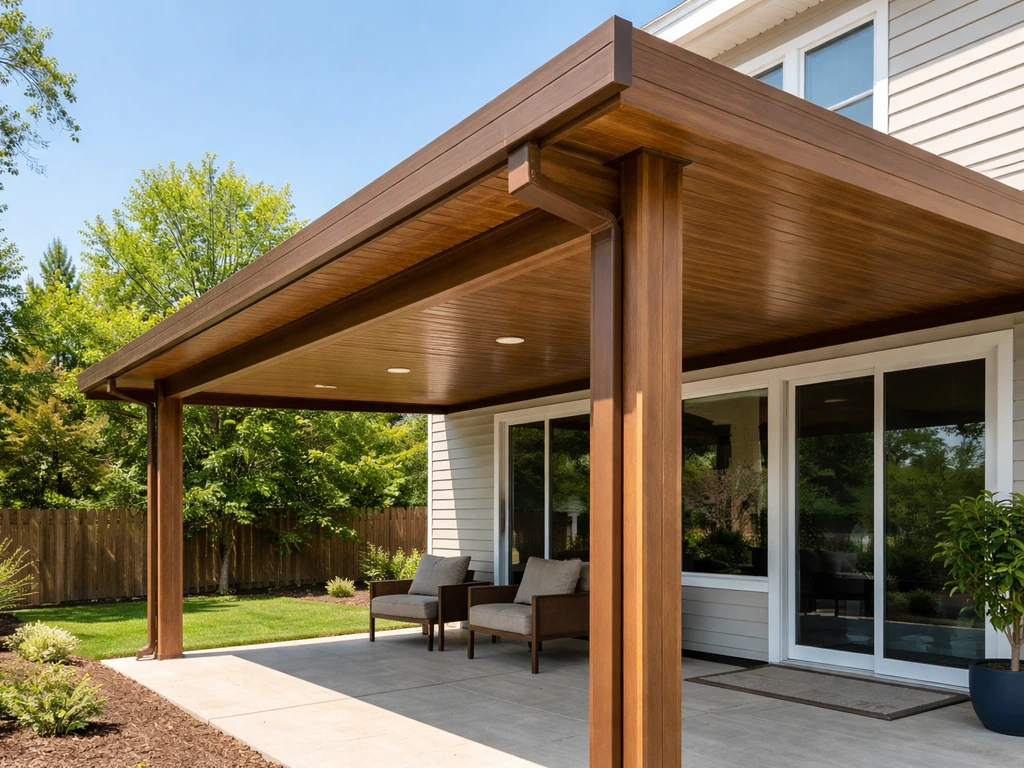
What Is an Alumawood Patio Cover and Is It Worth It?
Know what Alumawood patio covers are, how they’re built, coverage and costs, plus durability vs wood, vinyl, metal and p
Alternative to Patio Cushions: Durable, Stylish Options and DIY
Alternative to patio cushions: durable, weatherproof seating options, pros, DIY tips & buying guide.
Best Color for Outdoor Patio Cushions in 2026
Choose the best cushion color for sun, heat, and fading in 2026, with pairing tips for patio furniture and durability.