
Both Duralum and Alumawood are aluminum patio cover systems that look like wood, resist rust, and skip the repainting headaches of real wood. For most homeowners, Alumawood is the more widely available option with a larger contractor network and well-documented DIY kits, while Duralum is a strong competitor with similar engineering but a more specialized dealer base. If you're in Southern California or the Southwest, you'll likely get bids for both. Outside those regions, Alumawood tends to be easier to source. The right pick depends less on which brand is objectively better and more on who's installing it, what your climate demands, and whether you're going insulated or not.
Duralum Patio Covers vs Alumawood: Costs, Lifespan, Performance

Lark Perry
27 Jun 2026
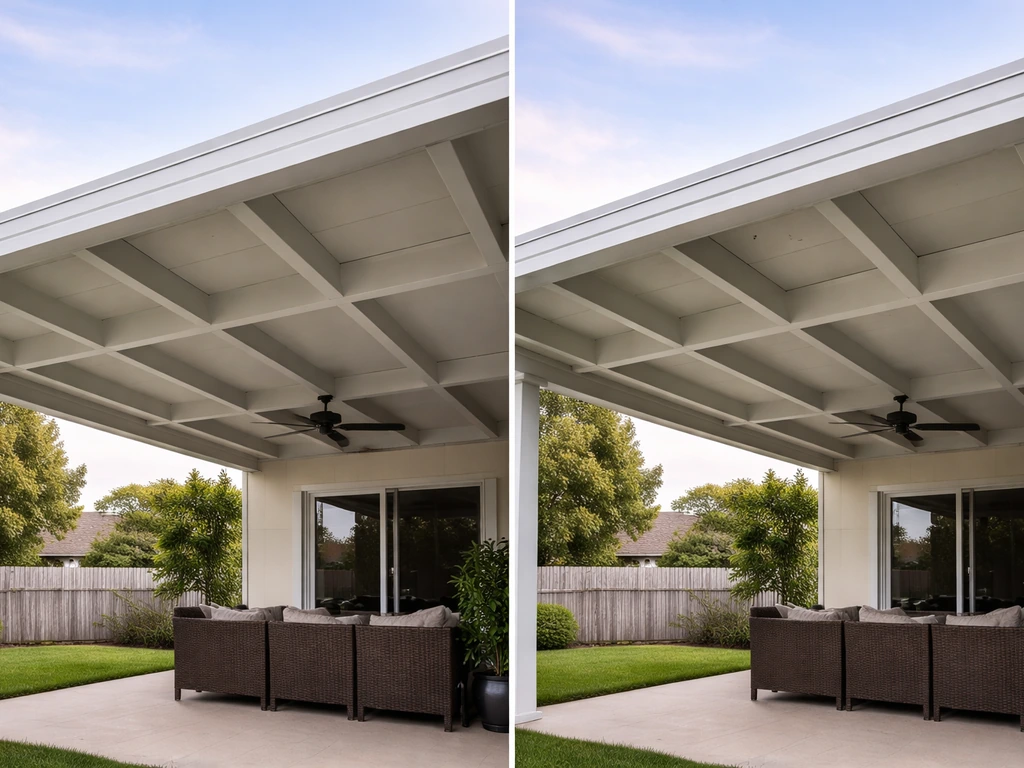
What Duralum and Alumawood actually are
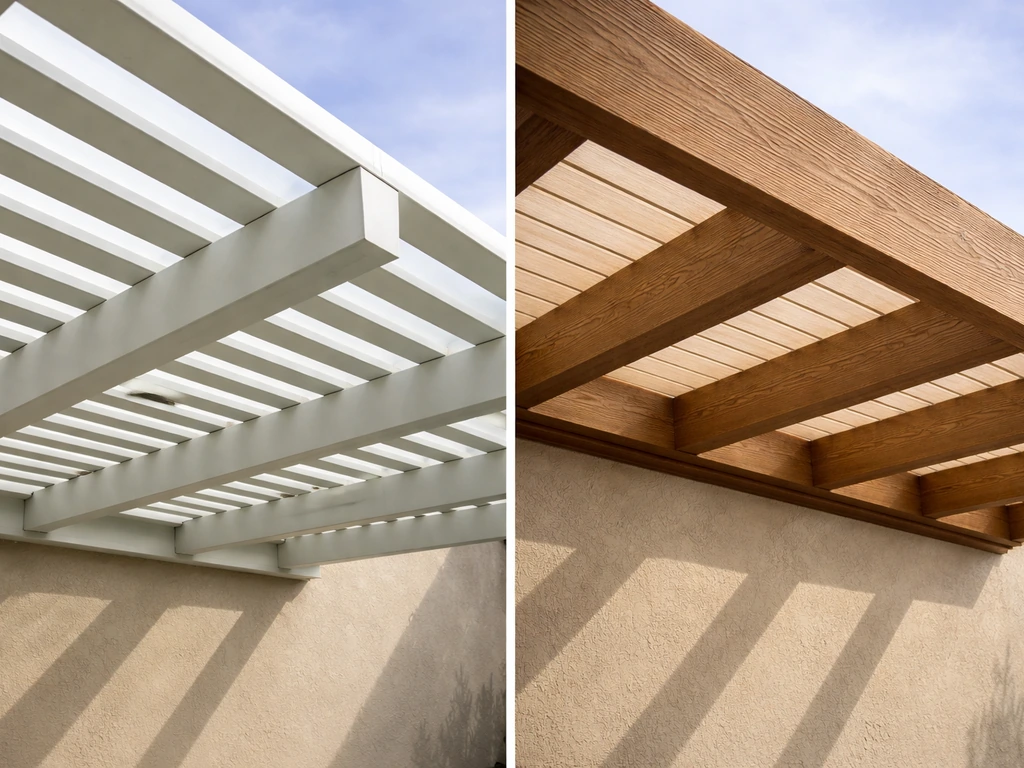
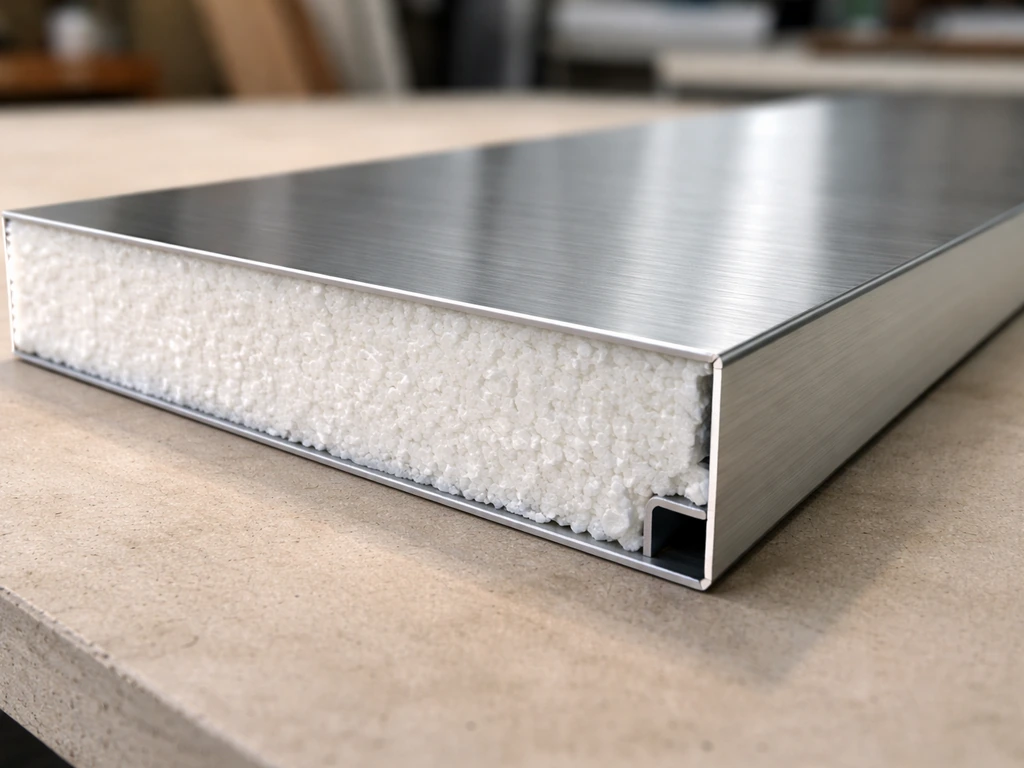
Duralum Products, Inc. has been making aluminum patio cover systems since 1962, which means they've been at this longer than most competitors. Their product line includes lattice covers, solid flat-pan covers, and their flagship Weatherwood Monterey insulated cover. The insulated version uses an embossed aluminum skin on the outside, a foam core in the middle, and another aluminum skin underneath. The embossing gives it a wood-grain texture so it doesn't look like a sheet of raw metal sitting over your patio. Duralum applies what they call a DuraTough Coating to the finish, which they claim resists dirt, stains, heat, and corrosion. The entire system, including posts and beams, is aluminum.
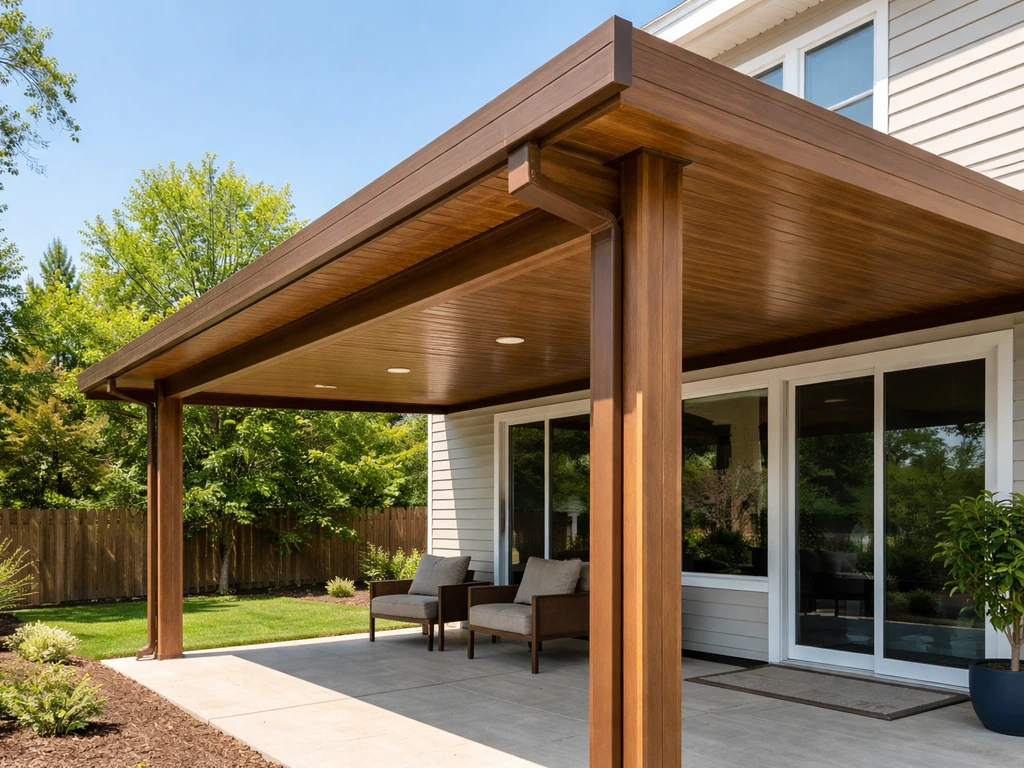
Alumawood is a branded product line originally tied to Four Seasons Building Products and now associated with Amerimax Exterior Home Products. Like Duralum, it's an aluminum system engineered to mimic cedar wood. The embossed, painted finish is specifically designed to look like cedar grain, and it comes in similar categories: open-top pergola lattice, solid non-insulated, and solid insulated roof panel. The insulated version uses an blank" rel="noopener noreferrer">EPS (expanded polystyrene) foam core sandwiched between two aluminum skins. Both brands are going after the same customer: someone who wants the low maintenance of aluminum but doesn't want their patio to look industrial.
The core materials are nearly identical between the two. Both use aluminum skins over foam cores for their insulated panels. Both offer lattice and solid non-insulated options. The meaningful differences show up in finish coatings, engineering specs, warranty language, and installer availability rather than in the fundamental construction approach.
Key differences: cost, longevity, maintenance, and performance
Cost
Installed prices for either system fall in roughly the same range. Alumawood patio covers typically run about $18 to $55 per square foot installed, with insulated systems landing closer to $36 to $50 per square foot. Standard lattice and non-insulated Alumawood in competitive markets like Riverside County can come in at $12. 77 to $18.
04 per square foot, with average projects including common upgrades running $22. 74 to $37. 45 per square foot. Duralum pricing tends to be comparable since the materials and construction approach are similar, though Duralum has a smaller dealer network, which can limit competitive bidding in some areas.
In Temecula and similar Southern California markets where both brands are active, expect installed covers to land in the $25 to $35 per square foot range regardless of brand.
Longevity and weather performance
Duralum's insulated cover is engineered for winds up to 130 MPH and seismic activity Category D. That's a meaningful spec for anyone in earthquake country or hurricane-adjacent regions. Alumawood's Ultra Lattice and arbor systems are designed to resist live loads of 10 to 30 pounds per square foot, and the brand's warranty language promises no splitting, chipping, peeling, flaking, or blistering under normal wear for the life of the original purchaser. Both systems are inherently resistant to rot, insect damage, and rust since aluminum doesn't do any of those things. In practical terms, a properly installed cover from either brand, maintained reasonably well, should last 20 to 30 years or more.
Insulation and comfort
The insulated versions of both systems use foam cores specifically to slow heat transfer. Alumawood's insulated panels are marketed as capable of reducing patio temperatures by up to 15 degrees compared to a non-insulated cover. Duralum's Weatherwood Monterey insulated cover makes similar heat-reduction claims through its layered panel design. If you're in Arizona, Nevada, or Southern California where summer afternoon heat is the main complaint, go insulated. Non-insulated lattice and solid covers still provide shade but don't do much to reduce radiant heat from above.
Noise and rain behavior
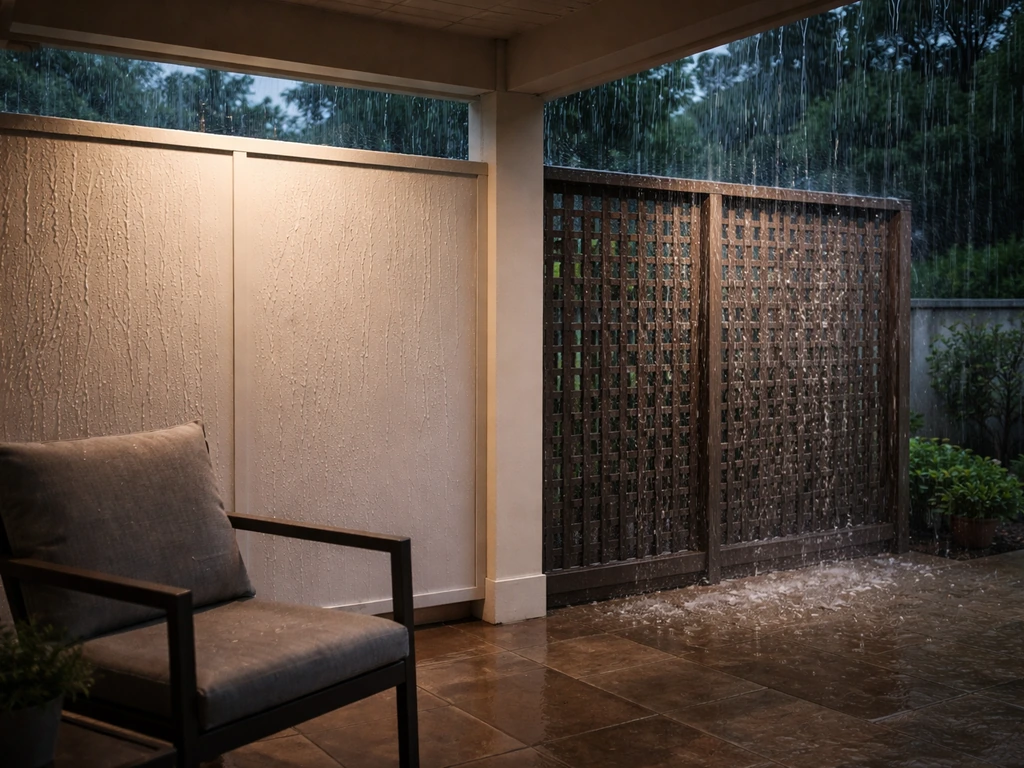
This is where solid insulated panels have a real advantage over lattice and non-insulated solid covers. Rain hitting a thin aluminum panel without foam backing is loud. The foam core in insulated versions dampens that sound noticeably. Lattice covers obviously let rain through entirely, which some people prefer for plants but most find annoying during actual rainstorms. If you entertain outdoors or have a covered dining area, the noise difference between an insulated panel and a non-insulated one is worth the extra cost.
| Factor | Duralum | Alumawood |
|---|---|---|
| Primary material | Aluminum skins, foam core (insulated) | Aluminum skins, EPS foam core (insulated) |
| Wood-grain appearance | Yes, embossed finish | Yes, embossed cedar-grain finish |
| Installed cost range | $20–$50+ per sq ft (varies by region) | $18–$55 per sq ft installed |
| Wind rating (insulated) | Up to 130 MPH | Varies by system; 10–30 lb/sq ft live load |
| Seismic rating | Category D | Not specified on most product pages |
| Warranty | Transferable lifetime (subject to terms) | Limited lifetime (original purchaser) |
| DIY kits available | Yes, with system-specific PDFs | Yes, widely available through multiple retailers |
| Installer network | Smaller, regional dealer base | Larger, broader national network |
| Finish coating | DuraTough Coating | Painted/embossed (manufacturer varies) |
| Rain noise (insulated) | Reduced by foam core | Reduced by EPS foam core |
Installation considerations
DIY vs. hiring a pro
Both systems offer DIY kits, and both come with detailed installation PDFs covering different panel styles and configurations. Duralum provides system-specific guides, meaning the flat-pan cover installation is different from the insulated cover installation, so you need to pull the right document before you start. Alumawood kits are also widely available through retailers, and the installation instructions are fairly thorough. That said, "available as DIY" doesn't mean "easy DIY." You're attaching a structure to your house, setting posts in concrete, and cutting aluminum panels to size. If you're comfortable with basic framing and have done outdoor projects before, it's doable. If this is your first structural outdoor project, hiring a contractor is worth the cost.
Slope, drainage, and flashing
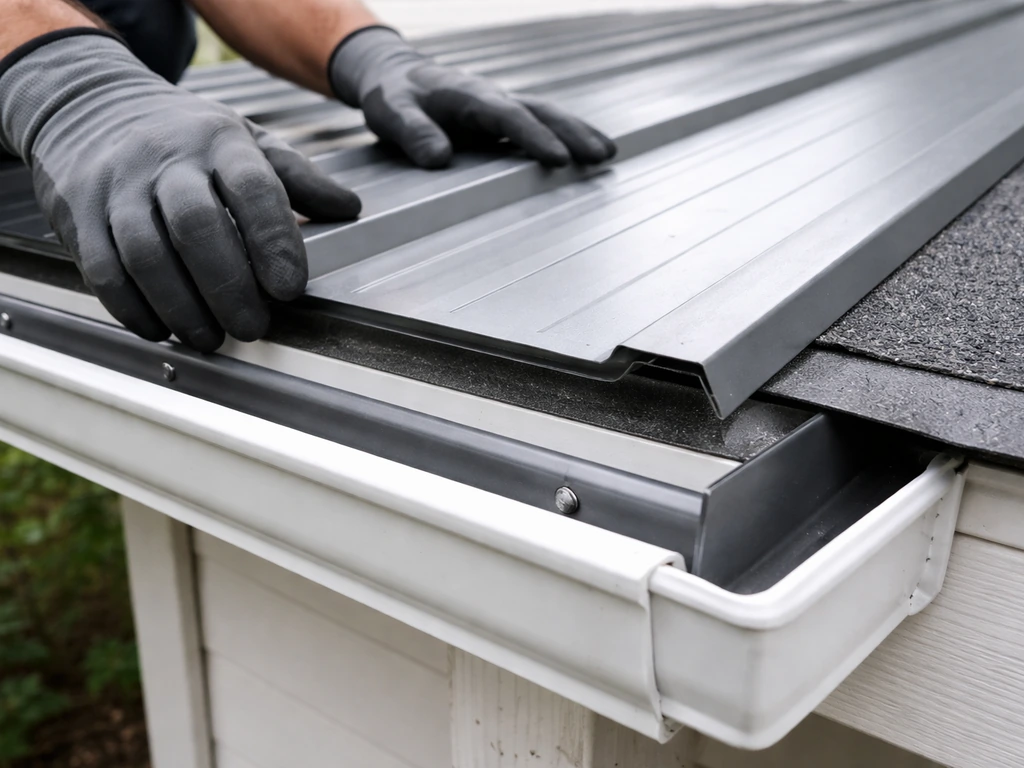
Both Duralum and Alumawood systems require a minimum pitch of 1/2 inch per foot for drainage. This isn't optional. If you install a cover flat, water pools, and eventually you get leaks or panel damage. The flashing where the cover meets your house fascia is another common failure point. Reddit threads document this repeatedly: Alumawood covers leaking at the fascia connection because the flashing wasn't integrated properly or the caulking failed. This matters for both brands equally. Get the flashing and pitch right during installation, and check the caulk line every couple of years.
Permits and structural requirements
Most jurisdictions require a permit for a permanent attached patio cover. This is true regardless of brand. The permit process typically requires drawings showing dimensions, attachment method, post footings, and sometimes structural calculations. Duralum's seismic Category D engineering may be specifically relevant if you're in California, where building departments often ask for that documentation. Check with your local building department before you order anything, because permit requirements affect your design choices, not just your paperwork.
Climate fit
In hot, dry climates like Arizona or the Inland Empire, insulated panels from either brand are the right call. The foam core makes a real difference in comfort. When you're comparing the best vinyl patio covers, focus on how well insulated panels perform in your specific climate and heat conditions. In high-wind regions or earthquake zones, Duralum's published wind (130 MPH) and seismic (Category D) ratings give you documented specs to bring to a permit office.
In wet Pacific Northwest climates, gutter maintenance matters more than it does in the desert. A Reddit post about an Alumawood gutter flooding during a storm is a good reminder that debris clearing is part of ownership anywhere it rains. For coastal areas with salt air, both brands' aluminum construction is appropriate since aluminum handles salt exposure far better than wood or steel.
Duralum vs Alumawood: which fits your priorities
Here's how I'd make the call based on what most buyers actually care about: If you want a quick alumawood patio covers pros and cons comparison, focus on insulation performance, warranty transferability, and how well the installer integrates flashing.
- Best for lowest long-term maintenance: Either brand is essentially tied here. Both use aluminum that doesn't rot, rust, or need repainting. Duralum specifically claims its DuraTough Coating avoids the need for refinishing. Alumawood's warranty language promises the finish won't chip, peel, or blister. Day-to-day maintenance is minimal for both.
- Best durability in extreme weather: Duralum's published 130 MPH wind rating and seismic Category D specs give it an edge for documented engineering in high-risk zones. If your building department or insurance company asks for specs, Duralum has them on paper.
- Best aesthetics: Alumawood has the wider color and style selection in most markets and a larger installer base that's familiar with custom configurations. The cedar-grain look on Alumawood is well-regarded. Duralum's embossed finish is comparable but may have fewer color options depending on your dealer.
- Best value for typical projects: In competitive markets where both are available, pricing is similar enough that the better value is usually the better bid. Get at least two quotes for each brand and compare total installed cost, not just material cost.
- Fastest install: Alumawood DIY kits are more widely available and have a larger community of installers familiar with the system. If you're on a tight timeline, you're more likely to find an Alumawood contractor quickly.
- Best for insulated comfort: Both brands' insulated panels perform comparably since they use the same basic foam-core construction. Alumawood's insulated panels are marketed with a specific 15-degree temperature reduction claim, which is a useful reference point.
- Best for seismic and hurricane zones: Duralum, based on its published engineering specs for Category D seismic and 130 MPH wind resistance.
If you're choosing based purely on which brand has better long-term support and resale documentation, Alumawood's association with Amerimax and Four Seasons Building Products gives it broad brand recognition that contractors and future homebuyers are more likely to recognize. Amerimax presents Alumawood as its branded aluminum patio cover, pergola, and shade structure product line, which supports the branding connection to Amerimax mentioned here Amerimax presents Alumawood as its branded product line. Duralum is a legitimate, well-engineered product, but it has a smaller footprint in most markets.
Maintenance and cleaning: what to do and what to skip
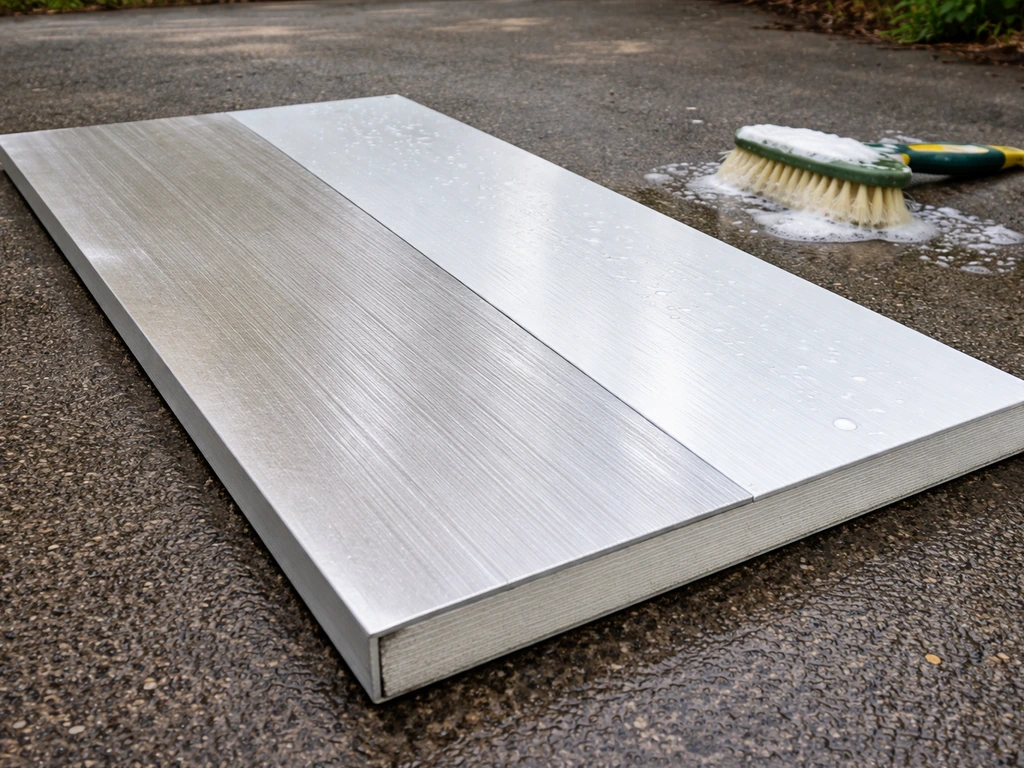
Both systems are low maintenance by design, but "low maintenance" still means some maintenance. When you plan a vinyl fence deck and patio covers layout, matching materials and measurements helps the whole outdoor space look cohesive and perform better over time low maintenance. Here's what actually matters:
- Clean the panels once or twice a year with mild soap and a soft brush or cloth. Both brands recommend avoiding sharp tools or abrasive materials that can scratch the aluminum finish. Duralum specifically warns against high-pressure washing, which can scratch the DuraTough Coating or dislodge panels.
- Check and clear gutters and drainage channels after storms or leaf-fall season. Clogged gutters on solid covers can cause water to flood both sides of the cover, a documented failure mode. This is more relevant in wet climates but worth doing everywhere.
- Inspect the flashing where the cover meets your house fascia every one to two years. Recaulk if you see cracking or separation. This is the most common leak point on both Alumawood and Duralum covers.
- Verify the pitch after any significant seismic event or if you notice standing water. Connections can shift over time, and a cover that was properly pitched at installation can gradually lose slope.
- Touch up any scratches on cut edges or connection points with manufacturer-supplied touch-up paint. Duralum's installation guides mention touch-up paint for covering exposed surfaces during install. Both brands' aluminum frames resist corrosion well, but cut edges are more vulnerable.
- Do not use bleach-based cleaners, steel wool, or abrasive pads on the aluminum surface. These will damage the finish and void warranty coverage.
The good news is that neither system requires painting, staining, sealing, or any of the annual maintenance real wood demands. If you're comparing performance and longevity, the construction and warranty details can make a bigger difference than the brand name alone in duracool patio vs alumawood decisions maintenance. If you're coming from a wood patio cover, the drop in maintenance effort is significant.
Buying checklist and questions to ask your contractor
Measurements to take before you call anyone
- Measure the width of your patio (parallel to the house) and the projection (how far out from the house you want the cover to extend)
- Note the height of your existing fascia or soffit where the cover will attach
- Measure the clearance from the attachment point to the patio surface to confirm post height
- Identify whether your patio is concrete, pavers, or another surface (affects post footing approach)
- Check for any obstructions: HVAC units, downspouts, electrical boxes, gas meters near the install area
Questions to ask contractors and dealers
- Are you an authorized dealer or installer for this specific brand? (Warranty coverage often requires authorized installation)
- Does this system require a permit in my jurisdiction, and will you pull it?
- What wind and live-load specs does this system meet? Ask for the spec sheet in writing.
- What is the warranty on materials, and what is the warranty on labor?
- Is the Duralum warranty transferable to a future buyer, or is it tied to me as the original purchaser?
- What pitch will you install the cover at, and how will drainage be managed?
- How will the cover attach to my fascia, and what flashing method will you use?
- What color and finish options are available, and can I see samples before ordering?
- What is included in the quoted price, and what are common add-ons that increase the final cost (lighting, fans, gutters)?
Warranty expectations
Duralum offers a transferable lifetime warranty on its products, which is a meaningful advantage if you plan to sell your home. For homeowners comparing options, these alumawood patio cover reviews can also help you understand common expectations for warranty coverage and long-term performance. Alumawood's Four Seasons Building Products warranty covers the life of the original retail purchaser, meaning it typically does not transfer. Both warranties have exclusions, so read the actual documents before signing anything. Ask your contractor to provide the warranty documentation before installation begins, not after.
How to verify product specs
Both brands publish installation PDFs and spec sheets. For Duralum, the insulated cover specs including wind and seismic ratings are on their product pages and in the installation PDFs. For Alumawood, live-load ratings are in the installation instructions for specific product lines. Ask your contractor to show you the spec sheet for the exact product being installed, not just the brand name. "Alumawood" covers several different product lines with different engineering ratings, so the specific system matters.
One last thing: if you're comparing Alumawood against other options beyond Duralum, it's worth knowing how it stacks up against vinyl patio covers, which are a different material category with different trade-offs around UV resistance, weight, and cost. And if you're still early in the research phase, reviewing the full pros and cons of Alumawood as a standalone category can help you decide whether aluminum is the right direction before you get into brand comparisons at all.
FAQ
Do I need to bring specific engineering specs from Duralum or Alumawood to get a permit?
Check whether your local building department treats the patio cover as a “roof” or “covered structure,” then verify the required documents for permits (site plan, attachment details, and sometimes structural calcs). Even if both brands are similar, the accepted engineering package can differ by product line and installer.
Will the warranty be valid when I sell the house, or does it only cover the original owner?
Look for the installed warranty transfer wording (for example, whether coverage follows the home, the original retail purchaser, or the installer). Also ask whether the warranty is triggered by documented maintenance (like keeping flashing seals intact) and what exclusions apply to wind-driven debris or hail.
What should I confirm to make sure I’m comparing the same type of cover between both brands?
Confirm the exact model category (lattice, solid non-insulated, solid insulated, and the specific insulated roof type). Wind, live-load, and performance claims are not universal across every “Alumawood” or every “Duralum” product line, so you should request the spec sheet for the exact SKU your contractor will install.
Why can two bids with the same brand end up costing very different amounts?
In most cases the cost difference comes from insulation, frame sizing, and how the contractor handles drainage and flashing. Ask for an itemized bid that separates labor for fascia integration, gutters (if included), concrete post footings, and panel upgrades, because those line items swing the total more than the brand name.
If I get snow or heavy rain, will an insulated aluminum panel still be sufficient?
Expect a snow-load conversation if you are outside typical desert and coastal climates. Insulated foam does not automatically mean higher structural capacity, so ask for the live-load or snow-load design value the installer will use for your jurisdiction and roof pitch.
Does choosing an insulated panel affect ventilation or safety for outdoor dining with heaters?
Insulated panels reduce heat and noise, but they can also trap heat near the underside if ventilation is poor. If you plan to run outdoor heaters near the covered area, ask your contractor about code-clearances and ventilation so the cover meets safety requirements and stays within design limits.
If my house has stucco or older siding, will flashing still be straightforward with these covers?
Yes, but the limiting factor is usually the wall attachment and flashing integration, not the cover material. If you already have stucco, check whether the contractor will use compatible flashing and sealing methods for that substrate and how they prevent water from migrating behind trim.
What’s the practical way to prevent pooling water and leaks at the fascia connection?
Don’t rely only on the minimum pitch statement, verify the planned pitch path to a designated drainage point (gutter, downspout, or discharge location). Also confirm the contractor won’t “flatten” the layout during installation to line up aesthetics, because that is where ponding and leaks start.
How much maintenance should I expect after installation, especially in areas with lots of trees?
Ask your contractor how they will clear debris during storms (leaves, acorns, small branches). Both lattice and solid covers can accumulate material, and debris stuck at edges and gutters is a common cause of overflowing water and recurring caulk stress.
Are there coating or UV-performance differences I should care about in high-sun or wildfire-prone areas?
For regions with wildfire smoke or high UV, confirm that the coatings are rated for long-term exposure and that the foam core and aluminum skins remain within the manufacturer’s temperature and impact assumptions. The key is matching the exact coated panel type, not just buying an “aluminum that looks like wood.”
Next Articles
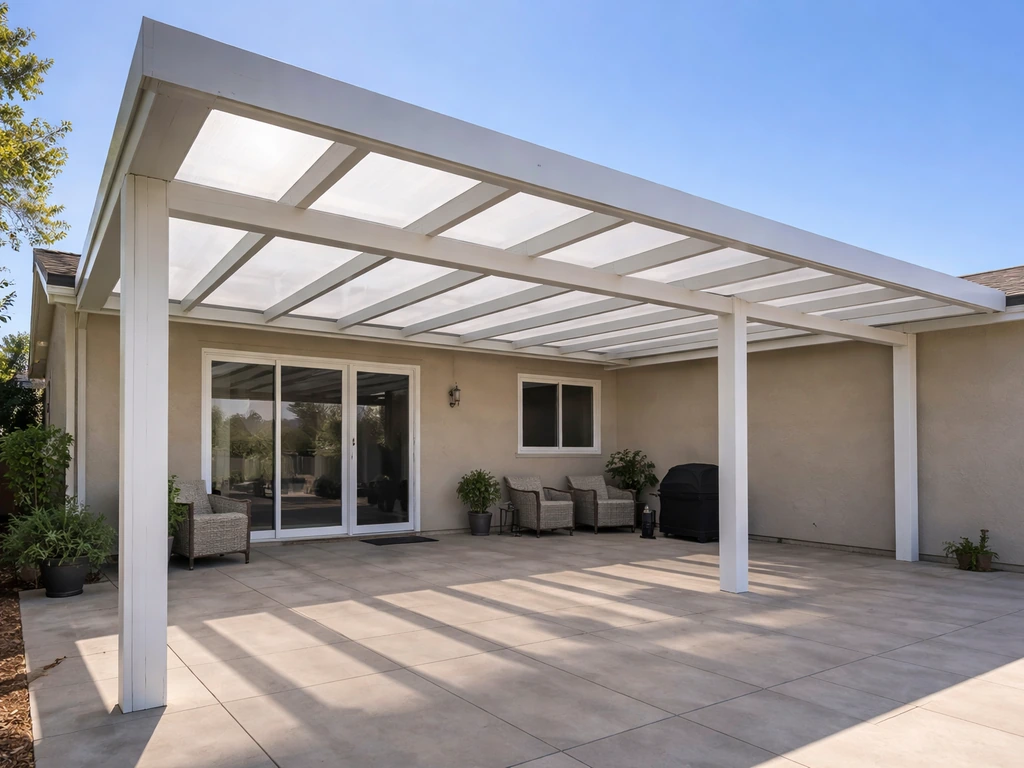
Best Alumawood Patio Covers: Buying Guide and Best Picks
Buying guide to choose the best alumawood patio covers by size, pitch, wind loads, drainage, costs, install and maintena
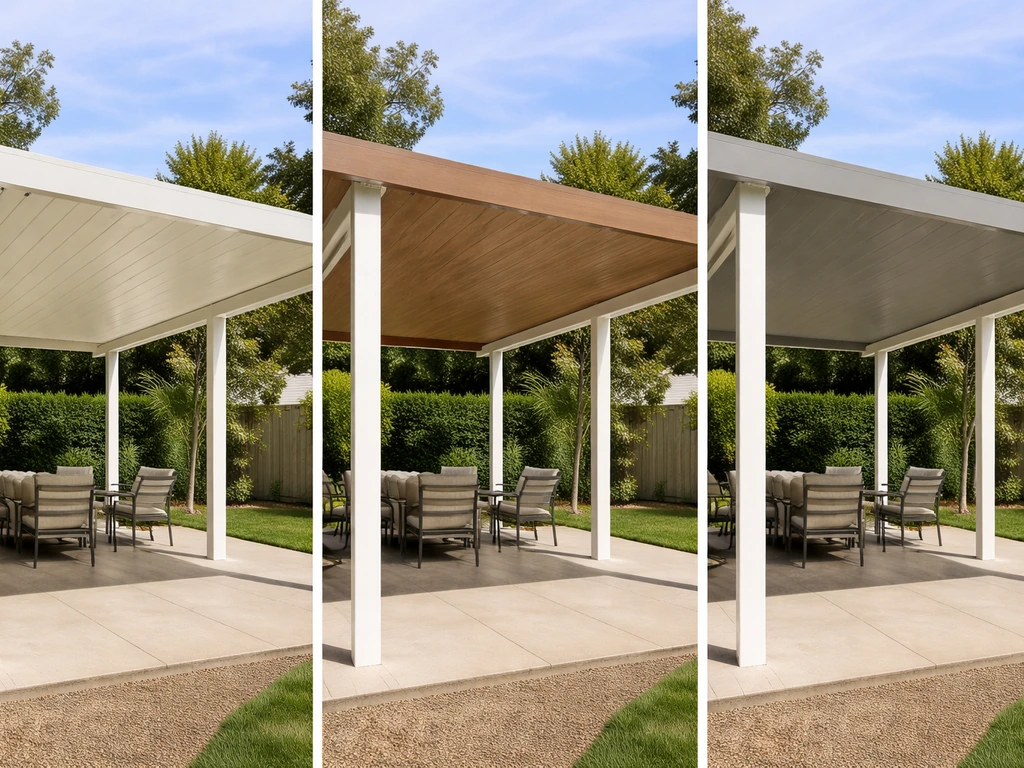
Vinyl vs Alumawood Patio Covers vs Aluminum: Side-by-Side Guide
Side-by-side vinyl vs alumawood vs aluminum patio covers: durability, maintenance, costs, climate fit, and pick guidance
What Is an Alumawood Patio Cover and Is It Worth It?
Know what Alumawood patio covers are, how they’re built, coverage and costs, plus durability vs wood, vinyl, metal and p