
For most patios, a medium-toned solid or pattern in gray, blue-gray, navy, or warm tan is going to be your best all-around choice. Those colors resist fading better than deep jewel tones, hide everyday dirt better than white or cream, stay cooler than true black or dark charcoal, and pair easily with nearly any furniture or decking material. But the real answer depends on your sun exposure, climate, and how much time you want to spend cleaning, so here's how to think through each factor before you buy.
Best Color for Outdoor Patio Cushions in 2026

Lark Perry
5 Jul 2026
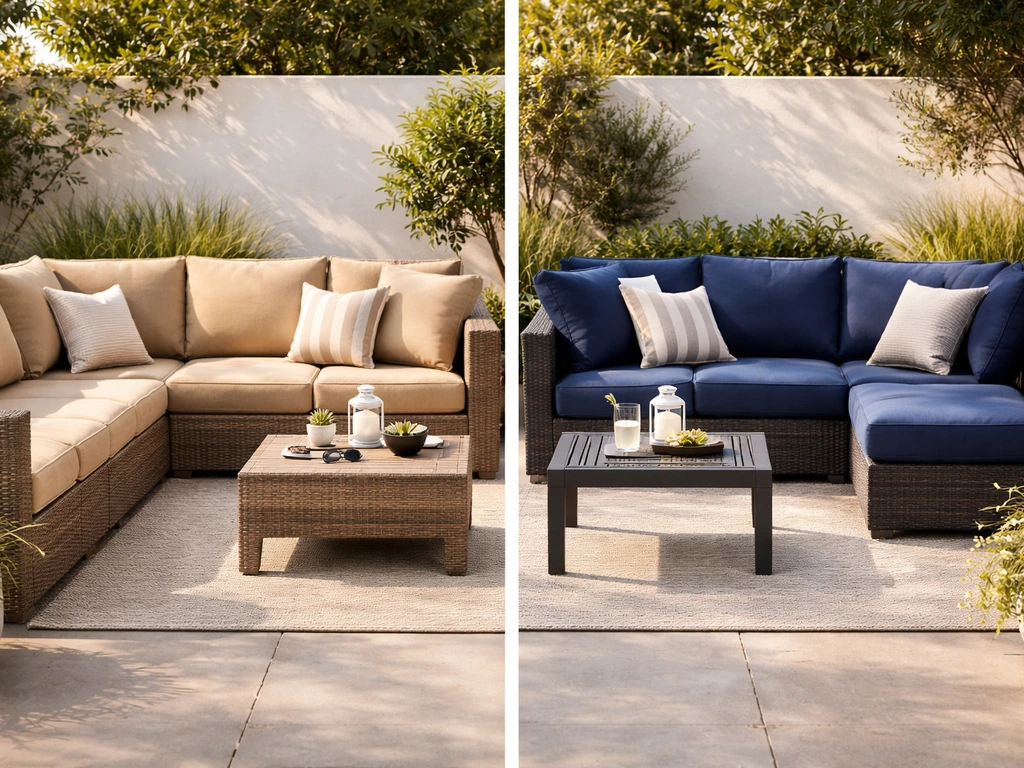
How outdoor cushion color affects heat, fading, and comfort
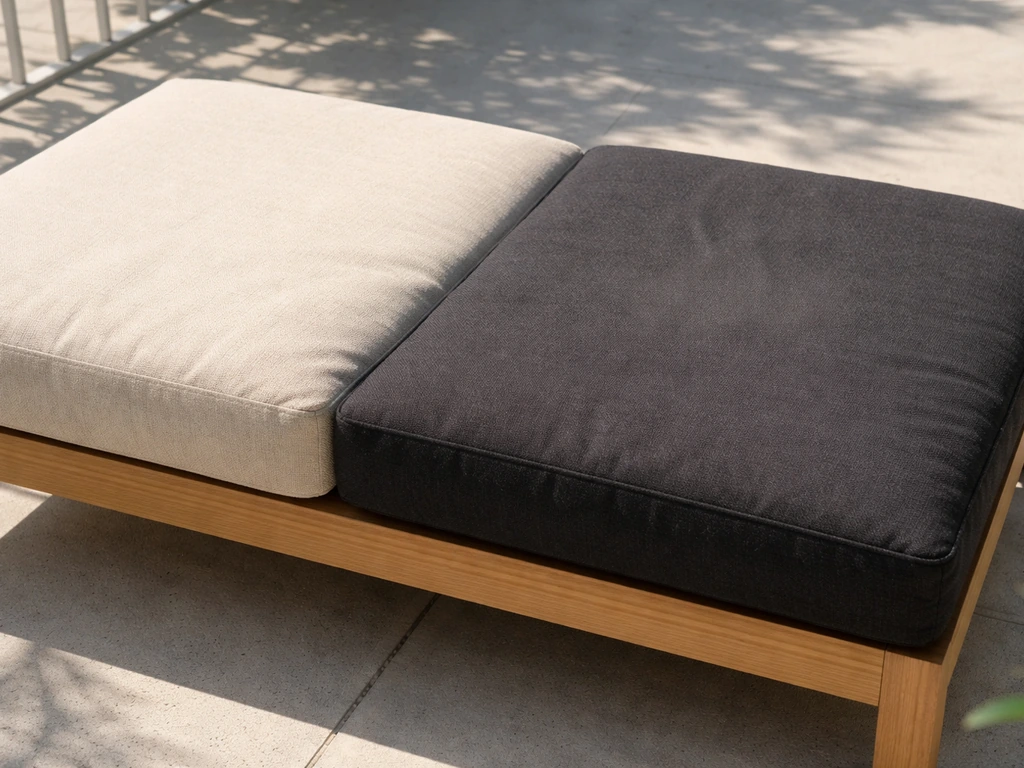
Color does three things that matter practically: it absorbs or reflects heat, it shows fading as UV breaks down dye molecules, and it shapes how comfortable the cushion feels when you actually sit on it on a hot afternoon. These aren't marketing concerns, they're real physics you'll notice within the first summer.
Dark colors absorb more solar radiation and surface temperatures on a deep charcoal or black cushion in direct sun can feel genuinely uncomfortable to sit on or touch during peak afternoon heat. Light colors reflect more heat, which is why white and pale linen cushions feel cooler to the touch. Medium tones land in the middle, which is part of why they're practical.
Fading is a separate issue from heat. UV light degrades the dye or pigment in any fabric over time, and the rate depends more on how the fabric was colored than what color it is. That said, deep saturated colors, vivid red, cobalt blue, forest green, tend to show fading more obviously than muted or mid-tone versions of the same hue. A faded medium gray looks weathered but acceptable; a faded bright red looks washed out and tired.
High-quality solution-dyed acrylics like Sunbrella are marketed as achieving an ISO 105 B02 UV color fastness rating of 8 out of 8, which is the highest possible rating in that test standard. That's a real and meaningful difference from cheaper polyester or printed fabrics where the dye sits only on the surface of the fiber.
For comfort, lighter and breathable fabric covers tend to keep seated surface temperatures more reasonable. If you're in a region that regularly hits 90°F or above and your patio gets full afternoon sun, that alone can push you toward lighter neutrals even if you'd prefer darker colors aesthetically.
Color choices by weather and sun exposure
Full sun patios
Full sun is where color choice matters most. Deep, saturated colors will fade noticeably faster here unless you're buying a premium solution-dyed acrylic. Even then, vivid colors show the progression of UV exposure more visibly than muted tones. My recommendation for full-sun patios: stay in the mid-tone range, stone, warm gray, dusty blue, or terracotta, and avoid anything marketed as 'bright' or 'vivid.' Those colors are almost always achieved with surface dyeing and they won't hold up. If you love bold color and sit in full sun, go with a solution-dyed fabric and accept that you'll need to replace cushions every 4 to 5 years instead of 7 to 10.
Partial shade and covered patios
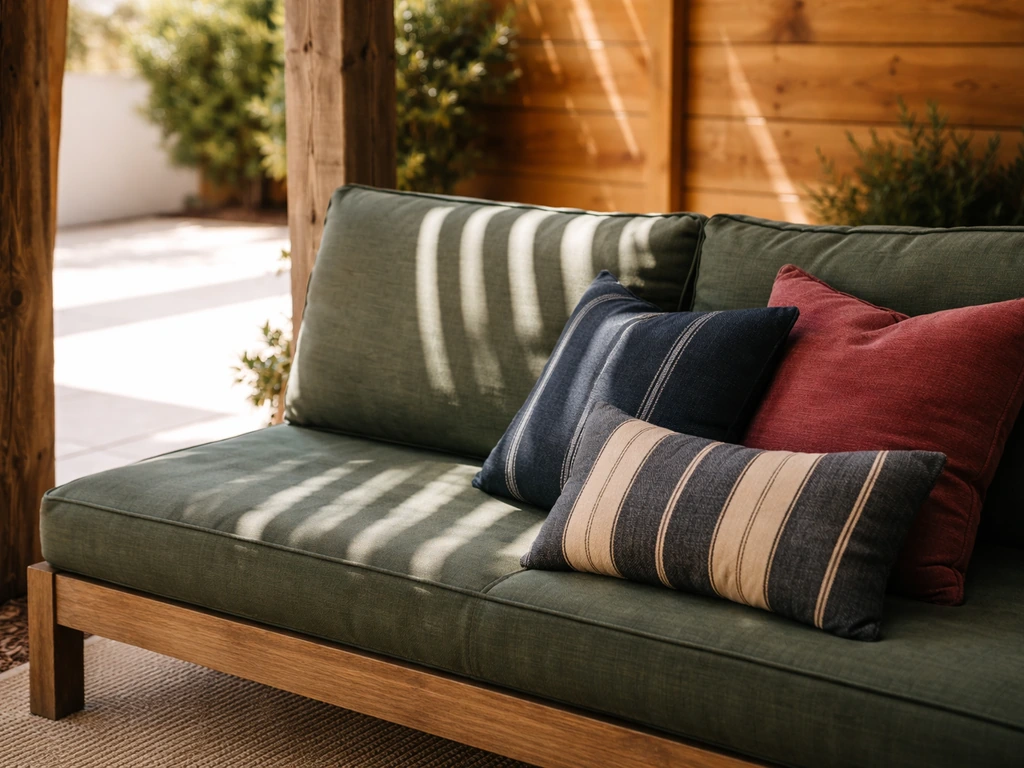
Under a pergola, umbrella, or awning, the UV load drops significantly and you have more freedom with color. This is where deep greens, navies, or even a rich burgundy can stay looking sharp for several years. Heat is less of a concern too, so darker cushions that would feel punishing in full sun become a reasonable choice. Shaded patios are also more likely to trap humidity, which matters for mildew, more on that below.
Rainy, humid, and coastal climates
In humid climates or coastal environments with salt air, mildew and grime buildup is a bigger concern than fading. Medium tones are again a practical middle ground, they don't show salt deposits and water marks as badly as dark colors, and they don't show mildew accumulation as immediately as light colors. Coastal environments also tend to bleach everything over time, so lighter colors that are already close to 'bleached out' actually hold their look longer. If you're near the water, stick to natural-looking neutrals: sand, driftwood, pale gray, soft sage.
Stain and dirt resistance: light vs dark and practical cleanability
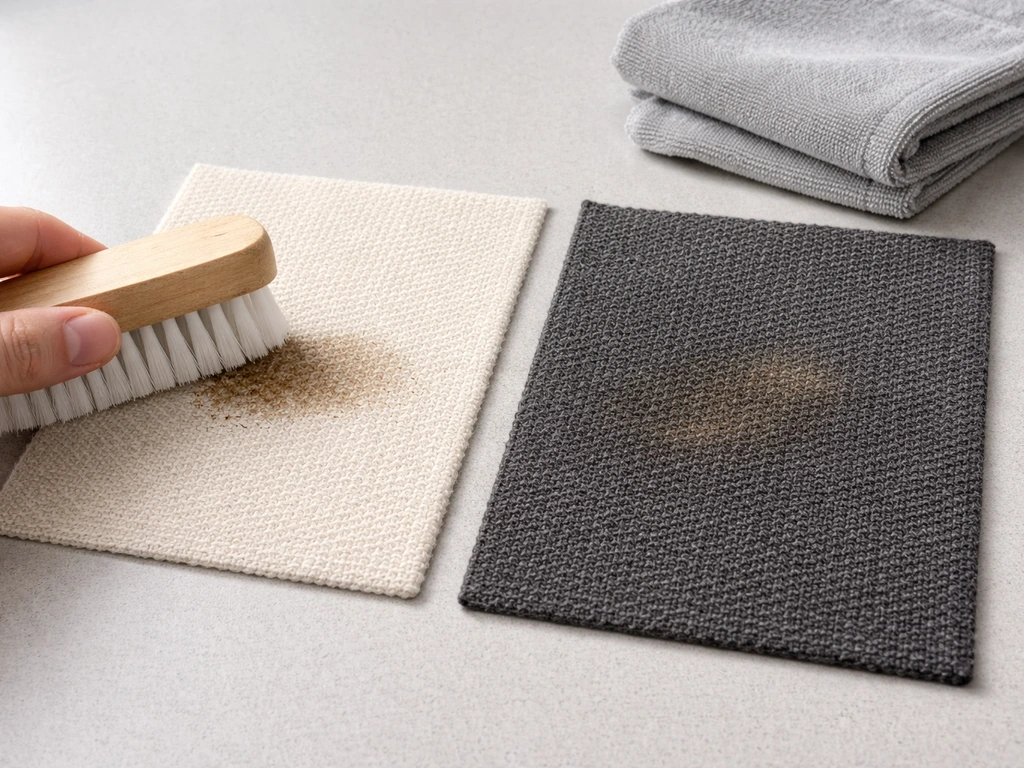
This is the section most buying guides skip, and it's one of the most important practical factors. The color you choose will directly affect how often you're hauling cushions inside to clean them.
White and cream look beautiful in photos and on the showroom floor. On a real patio, they show everything: sunscreen, drink rings, food, bird droppings, leaf tannins from oak or maple trees, and the gray grime that accumulates from general outdoor use. If you're going with light colors, you need to be genuinely committed to regular cleaning, at minimum hosing down every couple of weeks and doing a soap wash monthly during active use.
Dark colors hide casual everyday dirt and food stains well, but they show salt deposits, water spots, dust, and pet hair very clearly. In humid climates, mildew shows up as lighter patches on dark fabric, which is one of the more stubborn visual problems to deal with.
Medium tones and patterns, particularly those with visual texture or variation, are the most forgiving in real daily use. A multi-tone woven pattern or a stripe in gray and white hides casual grime between cleaning sessions better than any solid color.
On cleaning: for most quality outdoor cushion fabrics, a mild soap and water spray is the go-to approach for regular maintenance. For mildew or stubborn stains on fabrics like Sunbrella or Outdura, a diluted bleach solution works, typically around 1 cup of bleach and a quarter cup of mild soap per gallon of water. Never use undiluted bleach directly on the fabric. The key thing to know about mildew is that it doesn't actually grow on the fabric fibers in quality solution-dyed acrylics, it grows on accumulated dirt and organic material on the surface. Keeping cushions clean is the single best prevention strategy, and that's true regardless of color.
| Color Range | Dirt Visibility | Mildew Visibility | Heat Absorption | Fading Visibility |
|---|---|---|---|---|
| White / Cream | Very high | High | Low | Low |
| Light neutral (tan, stone, pale gray) | Moderate | Moderate | Low to moderate | Low |
| Medium tone (gray, dusty blue, terracotta) | Low to moderate | Moderate | Moderate | Low to moderate |
| Dark solid (navy, charcoal, forest green) | Low (except dust/water spots) | High (shows as pale patches) | High | Moderate to high |
| Pattern / multi-tone | Very low | Moderate | Varies | Low to moderate |
Matching cushion colors to furniture, decking, and outdoor decor
Getting the color right on its own isn't enough, you want it to work with your existing patio setup. Here's how to approach the main surface types.
Wood decks and natural teak or teak-look furniture
Warm-toned wood surfaces pair well with earthy neutrals: tan, warm gray, rust, dusty sage, off-white. Navy and deep blue also work as a classic contrast against warm wood, think coastal cottage or Hamptons-style aesthetic. Avoid very cool grays or pure white on warm wood tones; it can look clinical rather than relaxed.
Concrete, tile, and stone patios
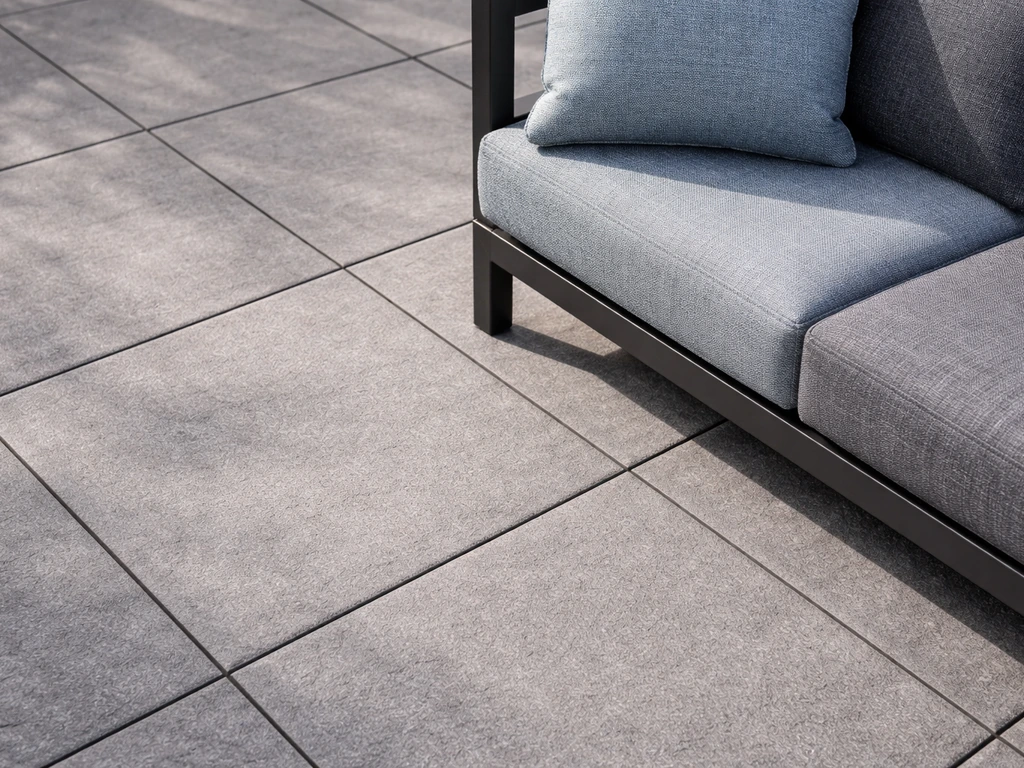
Gray concrete or stone reads as cool and modern, so it works well with cooler tones: blue-gray, slate, charcoal, and clean whites. If your stone has warm undertones (beige, buff, terracotta tile), go with warmer neutrals or earthy patterns. Patterns generally work well here because the neutral base of the floor surface doesn't compete.
Black or dark gray metal and powder-coated furniture
Dark metal frames are versatile and pair with almost anything, which means you have the most freedom here. Crisp white, soft linen, and textured neutrals all look sharp. Patterns also work well against a dark frame. One thing to avoid is a very dark cushion on very dark furniture; it flattens the visual contrast and makes the whole setup look heavy.
Wicker, rattan, and all-weather wicker
Natural-looking wicker reads warm and casual. Lean into that with soft, warm neutrals and muted patterns, dusty blues, warm taupes, sage green, cream. Wicker furniture does well with cushions that have a bit of visual texture or pattern rather than a flat solid color, because the weave of the furniture creates enough visual interest that solid cushions can look a bit flat.
Intentional contrast vs. matching
You don't have to match everything. A warm wood deck with a few deep navy cushions creates intentional contrast and tends to photograph and look great in person. The rule is just that the contrast should feel deliberate, not accidental, so pick one or two accent colors that connect somewhere else in your space (a potted plant, a throw, a lantern color) rather than just picking a color in isolation.
Material and fabric considerations that change how color performs
Here's something worth understanding before you buy: the fabric construction affects color performance more than the color itself. Two cushions in the exact same shade of navy blue can perform completely differently depending on how they're made. If you want to skip traditional cushions altogether, look for alternatives to patio cushions like outdoor seat pads or slipcover-style cushion covers alternative to patio cushions.
Solution-dyed acrylic is the gold standard for outdoor color retention. Brands like Sunbrella and Outdura use this construction, where the pigment is built into the fiber itself before it's even spun into yarn, not printed or coated on afterward. That's why Sunbrella can legitimately claim an 8 out of 8 score on ISO 105 B02 UV color fastness testing. The color can't wash or bleach out the way surface-applied dye can, because the color goes all the way through the fiber.
Polyester and olefin fabrics are common in budget outdoor cushions. They can look great initially but UV exposure degrades the surface dye relatively quickly, often within a single season in harsh sun exposure. The fading is often uneven, too, with the most sun-exposed surfaces going lighter first.
UV-resistant coatings on cheaper fabrics do offer some protection, but coatings wear off, especially with regular cleaning. A coating-protected light blue might look fine in year one and noticeably faded in year two.
Fabric breathability matters for color appearance too. Non-breathable covers trap moisture under the cover and between the cover and the insert, which creates the conditions for mildew, even on fabrics that are inherently mildew resistant. The mildew grows on trapped dirt and organic material, not the fabric itself, but it still shows. Breathable fabric covers and cushion inserts that drain and dry quickly reduce this problem significantly. Quick-dry foam inserts paired with solution-dyed acrylic covers are the best combo for humid or rainy environments.
In practical terms: if you're buying a budget cushion at a big-box store, stick to lighter neutrals (where fading is less visible) and plan to replace every two to three years. If you're investing in quality cushions with solution-dyed acrylic fabric, you have real flexibility to go with deeper or bolder colors and realistically expect them to look good for five to ten years with regular cleaning.
Best-pick color recommendations for common patio styles
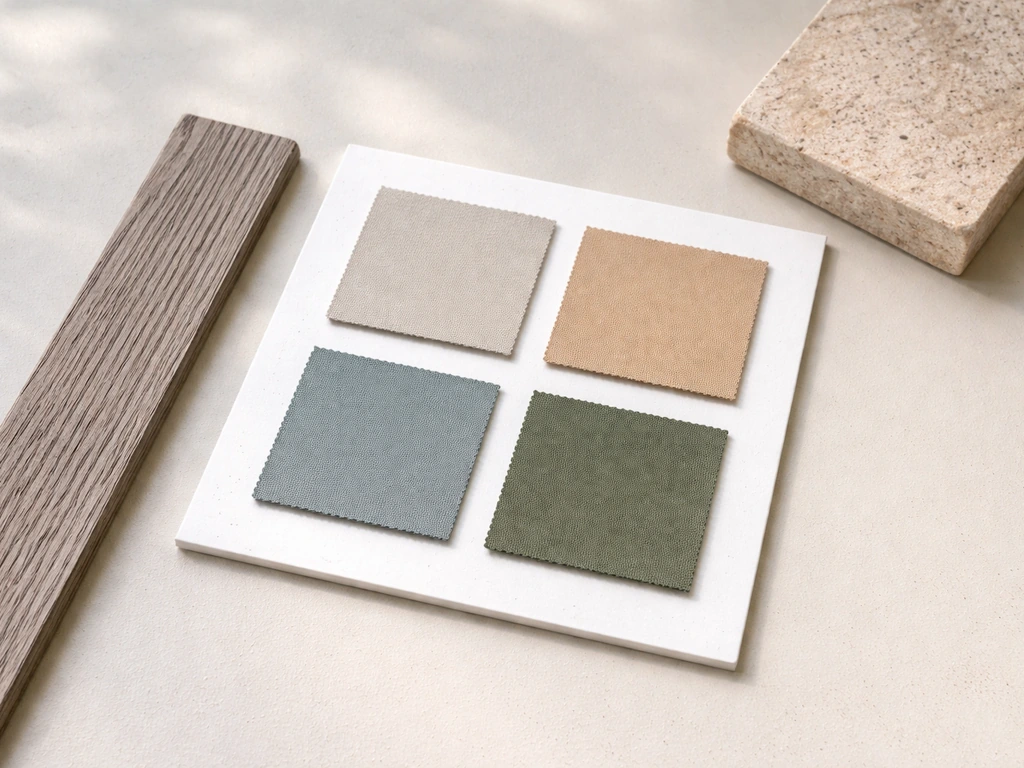
Here's the direct version, organized by situation. These aren't vague suggestions, these are the choices I'd make and that I'd tell someone standing in the store right now. If you want to narrow it down quickly, look at the top rated patio cushions for your climate, sun exposure, and preferred fabric.
- Full sun, hot climate, wood deck: Warm gray or dusty tan in a solution-dyed acrylic. The warm tone works with the wood, the muted mid-tone hides sun-fade progression, and the gray keeps things cooler than dark colors. If you want an accent, a stripe pattern with one warm and one cooler tone gives you both.
- Shaded patio or covered pergola: You have real flexibility here. Deep navy, slate blue, or rich forest green all hold up better out of direct UV exposure and look sophisticated under a pergola. This is where I'd spend a bit more and go bold.
- Humid or coastal environment: Driftwood, pale sand, or soft sage. These colors are close to what they'll look like after light weathering anyway, so they age gracefully. Pair them with a quick-dry foam insert and a breathable cover.
- Modern patio with concrete, metal, or tile: Cool gray, charcoal, or clean white—but only white if you'll clean consistently. Gray is the lowest-maintenance option here and genuinely looks good with nearly every modern outdoor furniture finish.
- Wicker or rattan furniture, relaxed casual style: Warm linen, cream, or a muted stripe or botanical pattern. Avoid solid white (too much contrast with wicker's texture) and solid black (too heavy for the style).
- Tight budget, planning to replace in 2-3 years: Go lighter. Pale gray, stone, or soft blue—because budget fabrics fade, and lighter colors show that progression the least. You'll get more usable-looking life out of a light neutral than a deep solid when the fabric quality isn't there.
- Mixed-use patio with kids, pets, or heavy outdoor entertaining: Patterned cushions in a mid-tone multi-color. Patterns are the single best way to camouflage everyday grime between cleaning sessions. A gray-and-white geometric or a neutral botanical print hides sunscreen, food, and general chaos better than anything else.
If you're shopping for specific cushions alongside this color decision, it's worth looking at how top-rated options compare in terms of fabric quality, fill, and construction, the color choice only pays off if the cushion itself is built to last. The best outdoor patio cushions tend to share a few construction traits: solution-dyed or UV-treated fabric, quick-dry foam, and covers that either zip off for washing or can be bleach-cleaned on the frame. Those features exist across a range of price points, so you don't have to spend on premium Sunbrella cushions to make a smart color choice that holds up.
The bottom line: pick a medium-toned solid or pattern in a solution-dyed acrylic if you can. Match the tone (warm or cool) to your furniture and floor surface, factor in your actual sun exposure and climate, and think honestly about how much you want to clean. That combination will get you more years of good-looking cushions than any single color trend or decorator recommendation.
FAQ
What’s the safest pick if I’m unsure whether my patio gets full sun or mostly shade?
If you do not know your exact sun exposure, pick a mid-tone pattern first (stone, warm gray, dusty blue, terracotta). Patterns also reduce the visual impact of uneven fading, which is common with surface-dyed or budget fabrics.
How can I tell whether a gray cushion will look warm or cool after it fades?
Avoid relying on “it looks gray” in the store, because gray can shift warm or cool once it fades. Bring a sample outside near the time you use the patio most, and check it at the same lighting you’ll sit in (morning vs afternoon light).
Can I choose a bright color (like cobalt or red) and still expect it to last?
Yes, but only if the fabric is genuinely solution-dyed acrylic or an equivalent fiber-dyed construction. For surface-printed polyester, the print usually lightens first and can become patchy, so buy vivid colors only when you’re also buying for high UV performance and plan for replacement sooner.
What color should I choose for a humid or coastal patio to minimize mildew and spotting?
With mildew risk, color alone won’t solve it. Prioritize breathable covers, quick-dry inserts, and regular rinsing, then choose medium tones or patterns to reduce how obvious water marks and salt deposits are on dark fabrics.
Are dark patio cushion colors always a bad idea for hot climates?
Dark cushions are more likely to feel hot and to show pet hair and dust, but they can still work under shade. If you want dark, choose the darkest shade only for a pergola or awning setup, and use patterned or textured fabrics to hide debris between cleanings.
Which cushion color hides cooking splatters and food stains best?
If the cushions are near a grill or cooking area, grease and tannins will stain in ways that are hardest to remove on light solids. In that case, go medium-toned and textured (or multitone) so stains do not concentrate into obvious rings.
I love white cushions in photos, but I don’t want to clean constantly. What’s the compromise?
Use the cushion fabric’s care expectations as the real constraint. If you cannot commit to frequent rinsing and monthly soap washes, steer away from white and cream and choose medium neutrals or patterns to reduce how often stains become permanent-looking.
Do outdoor furniture covers change the best color choice?
If you use covers, make sure they allow airflow and that the cushion dries quickly when the cover is on. Non-breathable covers trap moisture and accelerate the visual “mildew on the surface” issue even when the fabric is rated mildew-resistant.
What should I choose if I live somewhere that is both hot and humid?
Because heat and mildew show up at the same time, your best move is to optimize fabric performance, not just color. Look for quick-dry foam inserts plus solution-dyed acrylic covers, then select a medium tone that hides both light fading and light water staining.
How do I make sure my cushion color matches the patio without looking mismatched?
Mixing tones is fine, but avoid accidental monochrome by keeping contrast deliberate. A simple method is to match one element (like cushions to a throw pillow or a planter) and then choose a single supporting shade that matches the undertone of your floor or furniture (warm vs cool).
Next Articles
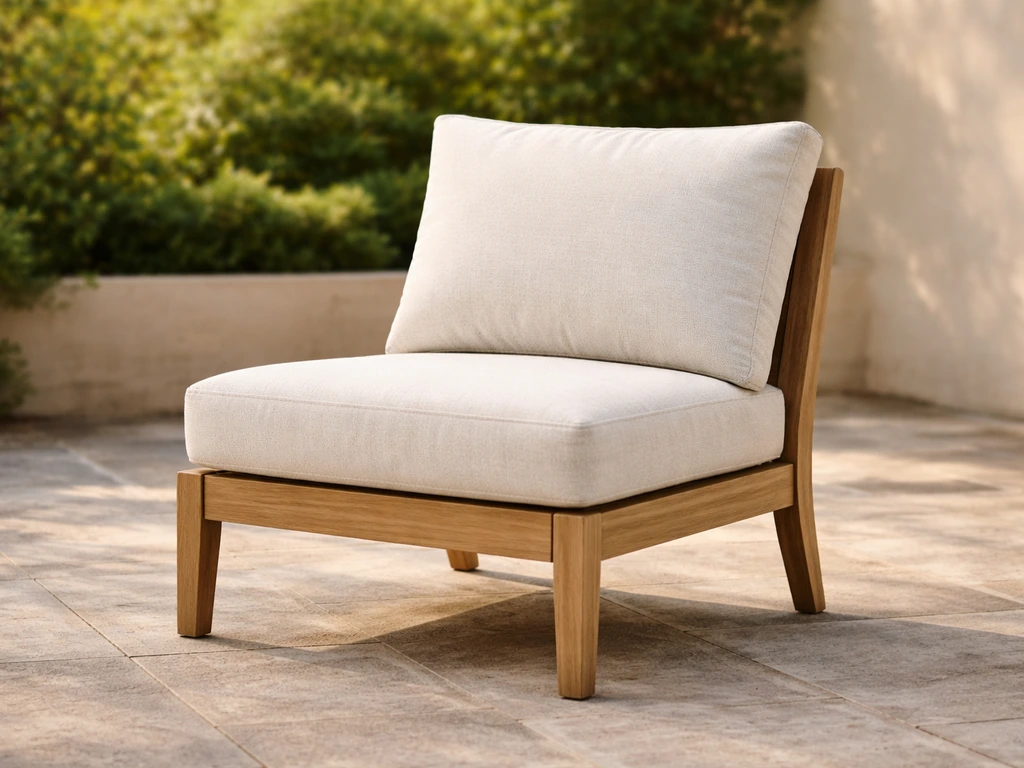
Top Rated Patio Cushions: How to Choose Fast and Right
Step-by-step guide to choose top rated patio cushions by fit, materials, weather durability, and easy cleaning for your
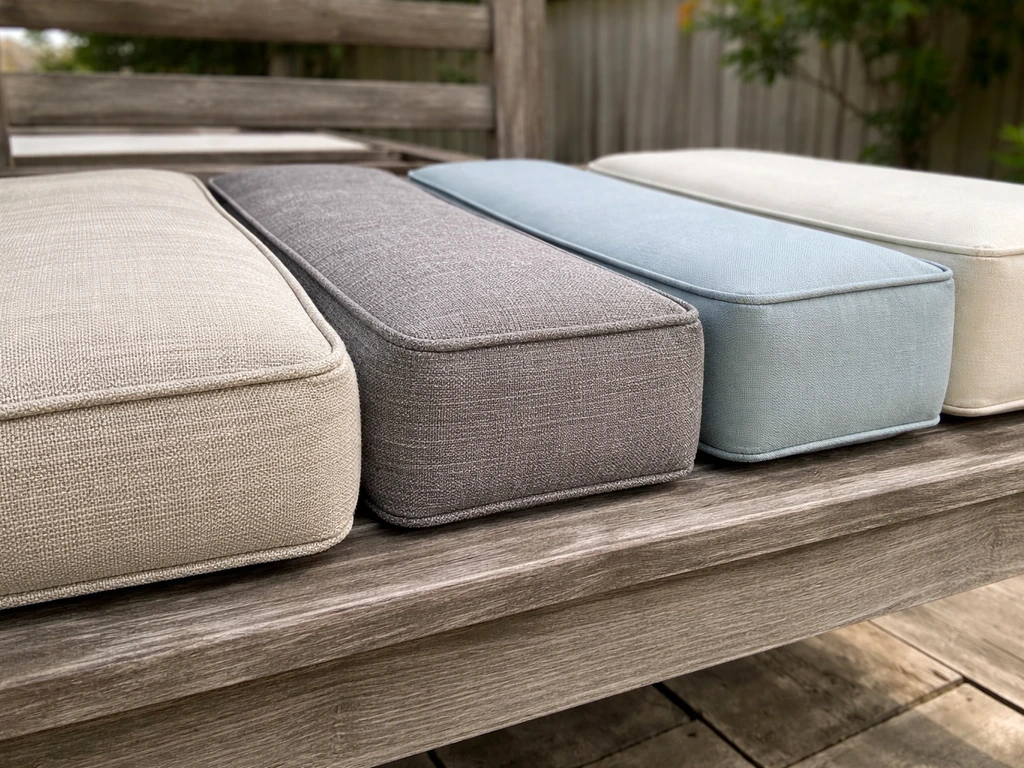
What Are the Best Outdoor Patio Cushions? A Buying Guide
Choose the best outdoor patio cushions with fit tips, weatherproof fabrics, foam comfort, and care for long-lasting comf
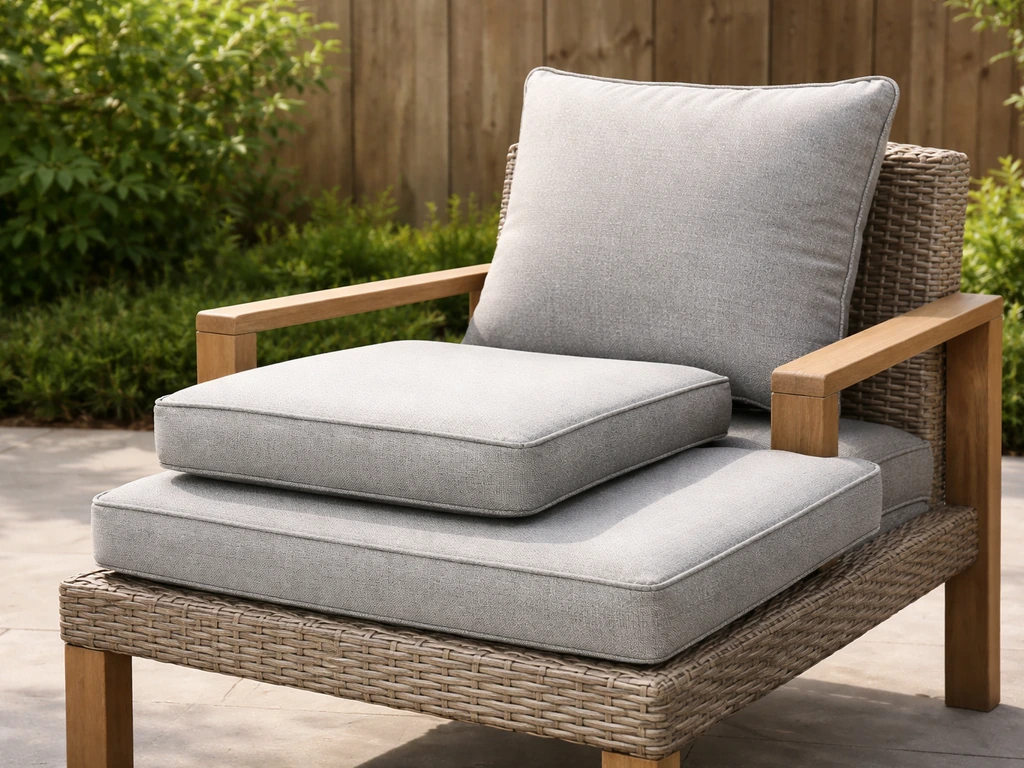
Best Outdoor Patio Cushions: Fit, Comfort, Weatherproof Tips
Choose weatherproof patio chair and seat cushion styles, fit, thickness, foam, covers, and care for lasting comfort.