
The best Alumawood patio cover for most homeowners is a solid-panel attached model sized to your actual patio footprint, engineered to your local wind and snow loads, and installed with correct ledger-board attachment and proper drainage slope. Choosing the right vinyl fence deck and patio covers also helps you match your outdoor materials for a cohesive look and better long-term weather protection. If you want shade, weather protection, and a finish that won't rot or peel, Alumawood delivers all of that in a system that's been independently evaluated (ICC-ES ESR-1398P) and is backed by a lifetime finish warranty from Amerimax. The key decisions are style (solid vs. lattice), attachment method (attached vs. freestanding), and whether you hire a pro or go the DIY kit route. Get those right and you'll have a cover that performs for decades with minimal upkeep.
Best Alumawood Patio Covers: Buying Guide and Best Picks

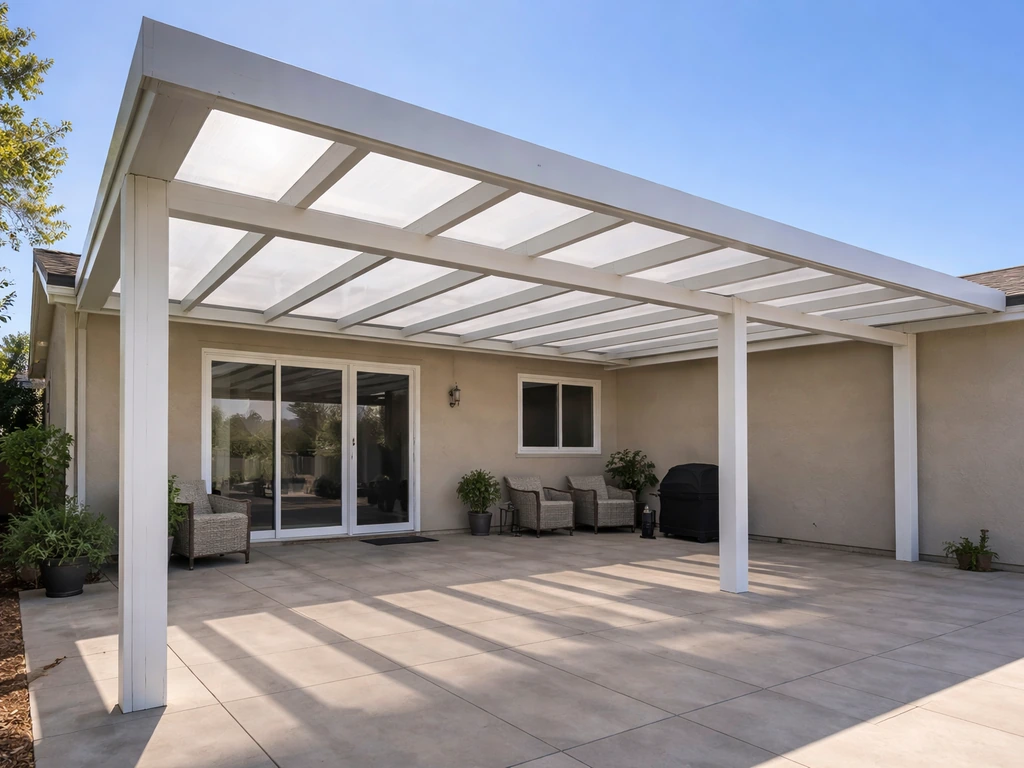
What Alumawood actually is (and how it compares to other patio covers)
Alumawood is a branded line of aluminum patio cover products manufactured by Amerimax. The name blends "aluminum" and "wood" because the panels, beams, and posts are made from structural-grade aluminum alloys with an embossed wood-grain surface texture and a baked-on "Aluma-Shield" paint finish. From a distance, and honestly up close too, it reads as wood. But it's all-aluminum, which means it won't split, rot, warp, or absorb moisture the way real lumber does.
The columns use a hollow-core interior design that lets you route electrical cables or lighting wires through them invisibly, which is a detail most generic aluminum covers skip entirely. The non-combustible aluminum construction also gives Alumawood a fire-resistance edge over wood patio covers, and because there are no exposed raw steel components in a correctly installed system, rust isn't a real concern. Compare that to wood, which needs sealing, staining, and periodic replacement of rotted sections, and the maintenance math tilts heavily toward Alumawood.
How does it stack up against the other major alternatives? Vinyl is the closest competitor: UV-resistant vinyl can slow fading and won't rust either, but it's less structurally rigid than aluminum under heavy wind and snow loads. A good way to decide is to compare vinyl vs alumawood patio covers side by side for rigidity, weathering, and maintenance. Wood gives you a natural look but demands far more maintenance and is vulnerable to moisture and pests. Shade sails and fabric pergolas are dramatically cheaper upfront but don't provide solid weather protection and have much shorter lifespans. If you're weighing vinyl specifically, there's a detailed comparison worth reading that covers the trade-offs between vinyl and Alumawood side by side.
How to pick the right Alumawood cover for your specific home
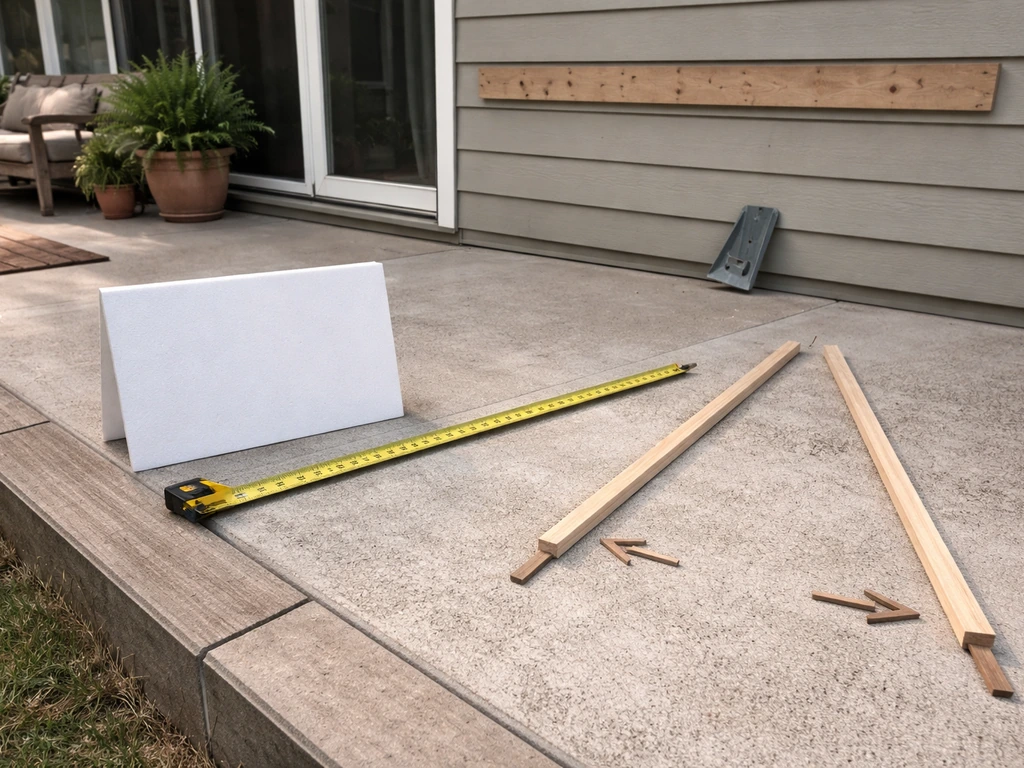
Getting this decision right starts with four practical factors: size and layout, roof pitch and drainage, local wind and snow loads, and how the cover attaches to your home. Skip any one of these and you're either going to have a cover that underperforms or one that fails a permit inspection.
Size and layout
Measure your usable patio area and add a few feet of overhang if you want edge protection from afternoon sun or rain. Common residential sizes run from around 10x12 feet up to 20x24 feet or larger for wraparound designs. The engineering packet you get with an Alumawood system will specify maximum post spacing based on your panel width and load requirements, so don't assume you can just spread posts wherever you want. The spacing has to match the engineering, full stop.
Roof pitch and drainage
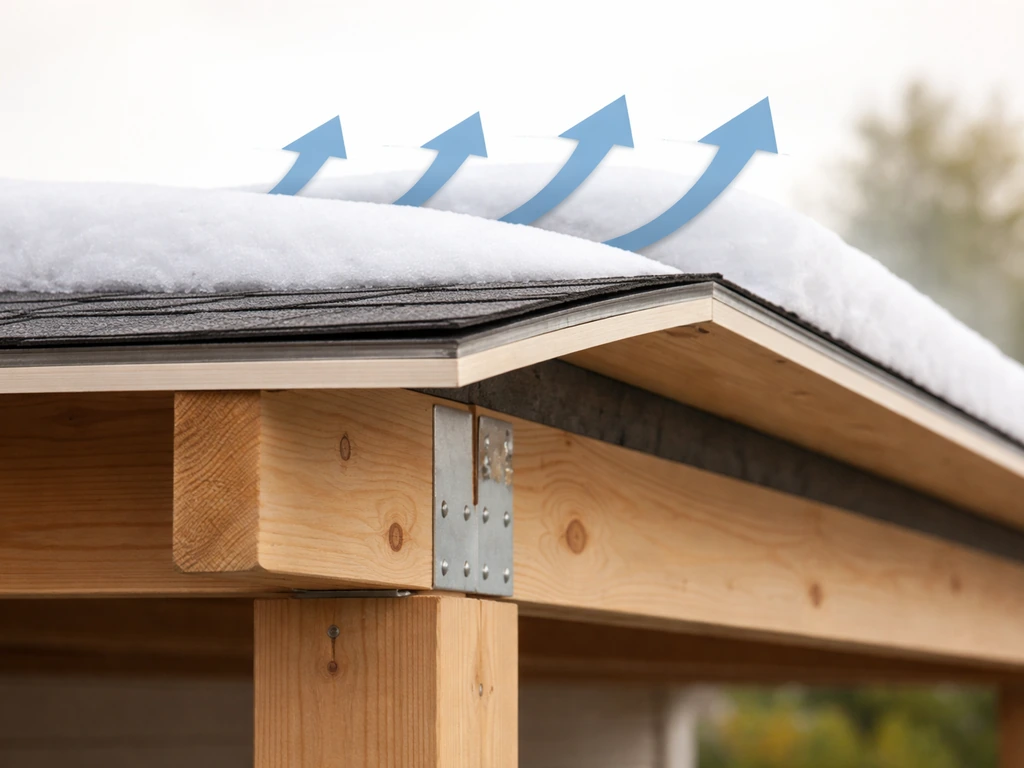
Alumawood engineering specifies a minimum roof slope for drainage, and this isn't optional. If the slope is too shallow, water pools and eventually finds its way into the joint between the cover and your house fascia. This is actually one of the most common sources of leaks homeowners report after installation: inadequate slope combined with improper flashing and caulking at the ledger. The cover should slope away from the house, and you should plan for where that water goes (a gutter, a drip edge, or open drainage to the yard). If you skip gutters, know that heavy rain will dump off the leading edge in a sheet.
Wind and snow loads
This is where a lot of homeowners get into trouble. The 2018 IBC Appendix I requires patio covers to handle at minimum a 10 psf vertical live load, plus wind and seismic loads appropriate to the site. If you're in a high-wind zone or an area with meaningful snow accumulation, your engineering packet needs to reflect that with appropriate post sizing, fastener requirements, and footing depth. The Alumawood engineering plans include tables for these load parameters, but they also clearly note that outside certain limits you'll need additional site-specific engineering. The 2018 IBC engineering plan example load and connection values in the Alumawood Solid EXP engineering PDF include load and uplift connection details, and it also notes when additional site-specific engineering is needed outside the stated parameters tables for these load parameters. If your municipality requires a permit (most do for attached structures), the inspector will check the engineering packet against your local wind speed map.
Ledger-board attachment
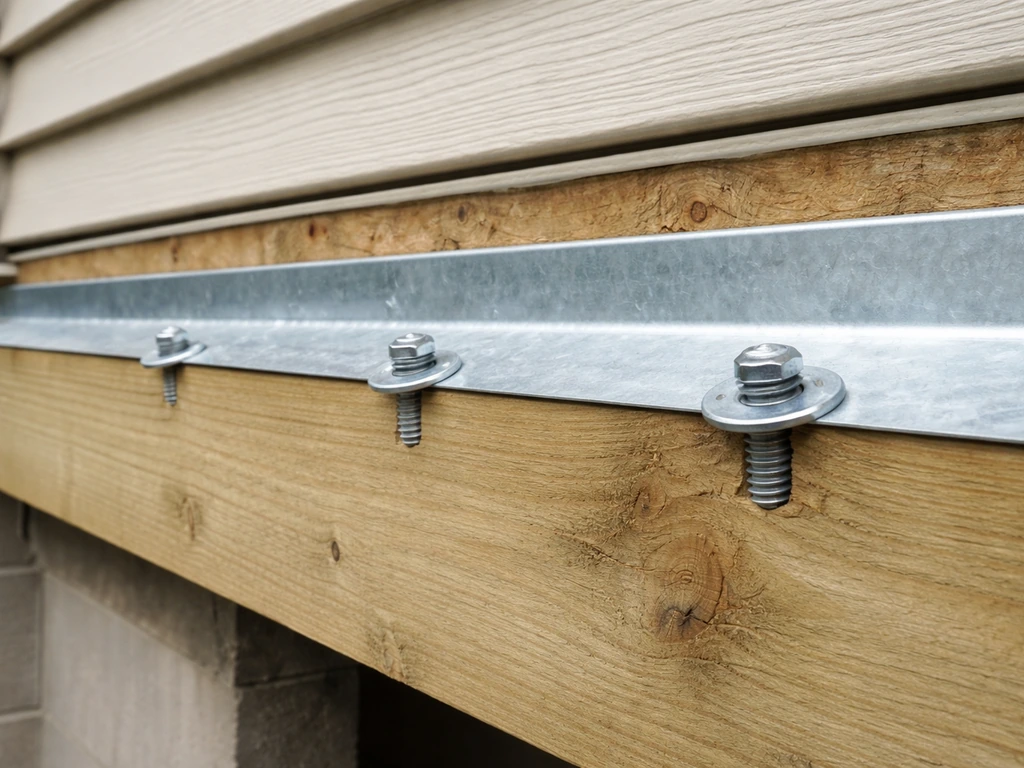
How the cover connects to your house is a structural question, not just an aesthetic one. Ledger-board bolt spacing and size vary depending on the cover's load, span, and the type of wall construction behind your siding or stucco. There needs to be solid wood framing behind the attachment point. The engineering plans include specific lag-screw penetration requirements and wall-attachment details, and these aren't interchangeable. If you're going DIY, read the engineering packet before you buy lumber or pick up a drill.
Best styles and use cases: which type fits your situation
Alumawood covers break down into a few core styles, and the best one for you depends on how you use your patio, your climate, and your budget.
| Style | Best For | Rain/Sun Protection | Ventilation | Typical Cost Range (installed) |
|---|---|---|---|---|
| Solid panel | Full shade, rain protection, hot/sunny climates | Excellent | Low (hot underneath without fans) | $20–$55/sq ft |
| Open lattice | Partial shade, mild climates, aesthetic-first installs | Partial | High | $18–$40/sq ft |
| Insulated solid panel | Year-round use, temperature control, premium installs | Excellent | Low (better thermal performance) | $35–$65/sq ft |
| Freestanding (solid or lattice) | No wall attachment possible, pool areas, detached patios | Good to excellent | Varies by style | Add 10–20% for extra posts/footings |
Solid vs. open lattice
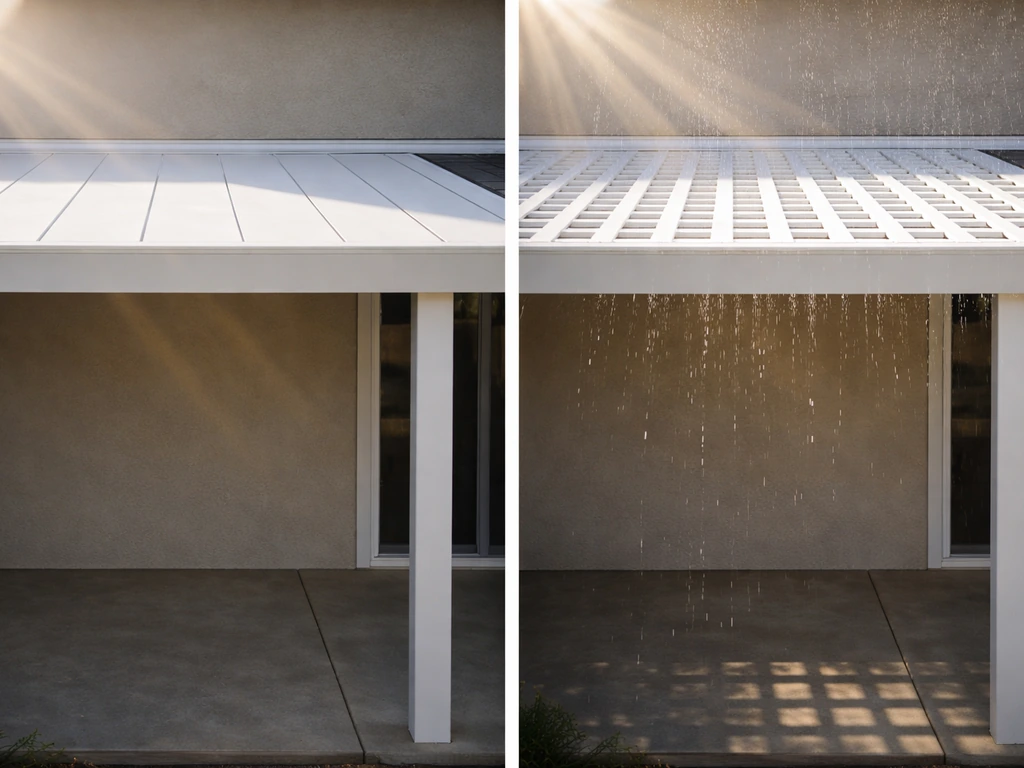
Solid panels block rain and direct sun completely. They're the right call if you're in a sunny, hot climate (like Southern California, Arizona, or Texas) and you want a genuinely usable outdoor room year-round. The downside is that trapped heat under a solid cover can make the space uncomfortable in summer without a ceiling fan or two. Open lattice lets in filtered light and allows airflow, which keeps things cooler, but you won't stay dry in rain and you'll get dappled rather than full shade. For mild coastal climates or heavily tree-shaded patios, lattice can work well. For most situations where weather protection matters, solid wins.
Attached vs. freestanding
Attached covers connect to your home's ledger board and typically need only two front posts, making them more economical and easier to integrate with existing exterior lighting and electrical. Freestanding covers stand on their own four or more posts and can go anywhere in your yard, but they require more footings and slightly more structure. If your home's exterior wall can't accommodate a ledger attachment (some stucco and EIFS walls present complications), freestanding is your fallback.
DIY kits vs. professional installation
Alumawood kits are sold through retailers as DIY-friendly, and for handy homeowners with some framing experience, that's accurate for smaller, simpler attached designs. But the engineering packet still governs everything: post spacing, footing depth, fastener specs. A DIY mistake on any of these isn't just a cosmetic issue, it's a structural safety issue under wind load. If you're in a higher wind zone, dealing with a complex roofline, or attaching to a wall you're unsure about, hire a licensed contractor who knows the ESR-1398P documentation. The cost difference is real, but so is the liability of a cover that fails in a storm.
How Alumawood actually performs in real weather
Alumawood's structural-grade aluminum alloy construction means it genuinely doesn't rot, warp, crack, or rust the way wood does. The Aluma-Shield baked-on paint finish resists chipping, peeling, and blistering, and Amerimax backs this with a lifetime warranty for the original purchaser (the finish warranty is transferable to subsequent owners during the first 10 years). In practice, the finish holds up well in sun and rain across hot, dry climates. In coastal environments with salt air, aluminum with a quality baked-on finish outperforms bare or powder-coated steel products significantly.
Thermal performance is the one area where solid Alumawood covers get mixed reviews. The panels themselves don't insulate, so a solid cover can radiate heat downward on a hot afternoon. Ceiling fans help considerably. If thermal comfort is a priority, look at insulated panel options (a foam-core aluminum sandwich panel) which add meaningful temperature reduction. These cost more but are worth the investment if you're in Phoenix or Las Vegas rather than San Diego.
In wind and snow load performance, Alumawood covers that are correctly engineered and installed to the ESR-1398P standards are solid. The critical word is "correctly." Post spacing that exceeds the engineering tables, under-sized footings, or ledger boards bolted into hollow wall cavities are how covers fail in storms, not a failure of the Alumawood material itself. Snow accumulation is also a real concern in regions that get more than incidental snow. The engineering packet tables include snow load parameters; make sure your installer references them if you're in a climate where snow accumulation is possible.
What Alumawood patio covers actually cost
Installed Alumawood patio covers run roughly $18 to $55 per square foot depending on style, size, and location. Most homeowners end up spending between $4,500 and $12,000 for a typical residential project, with the national average hovering around $8,500. Here's how the major cost drivers break down:
- Materials: The Alumawood kit itself (panels, beams, posts, hardware) is the foundation. Solid insulated panels cost more than standard solid panels, which cost more than lattice. Kit pricing varies by size and whether you're buying through a retailer or a licensed contractor who has distributor access.
- Labor: For a professionally installed 12x20 foot attached solid cover, labor typically runs $2,000 to $5,000 depending on complexity, your region, and the contractor. Freestanding designs add cost because of the extra posts and footings.
- Permits and engineering: Most jurisdictions require a building permit for attached patio covers. Permit fees range from a few hundred dollars to over $1,000 in some California cities. If your project falls outside the standard engineering packet parameters (unusual span, high wind zone, complex attachment), you may need a licensed engineer to produce a site-specific plan, adding $500 to $2,000+.
- Upgrades: Ceiling fan rough-in (wiring through the hollow columns), integrated lighting, gutters, skylights in solid panels, and post wraps all add to the base cost. Budget $200 to $800 for fan/light prep, more if you're running conduit from a panel.
- Footings: Post footings are a cost item that varies dramatically by soil type, frost depth, and load. Simple post footings might be $150 to $300 each; deeper or larger footings in high-load or freeze-thaw climates cost significantly more.
One thing to watch for in contractor quotes: make sure you're comparing apples to apples on panel type, post count, and what's included in "installation." A low quote that doesn't include permits, footings, or the ledger flashing detail will balloon quickly. Ask for an itemized breakdown before signing anything.
Installation and long-term maintenance
Installation: what to plan for
For a DIY install, plan for two to three days for a standard attached cover with a helper. You'll need to pull the permit first, which means submitting the engineering packet to your building department. Read the engineering plans before buying materials: the footing diameter, depth, and post-base hardware are all specified, and the ledger-board connection details dictate what fasteners you need and where they go based on your wall type. The most common DIY mistakes are spacing posts too far apart, skipping or skimping on the ledger flashing, and not achieving the correct drainage slope. If you're still weighing durability and setup tradeoffs, compare Duracool patio systems to Alumawood before you commit to materials. All three can cause real problems.
For a professional installation, the contractor should pull the permit and provide the engineering documentation. Ask to see their contractor's license and verify they've installed Alumawood specifically (or other ESR-evaluated aluminum cover systems). The installation should include proper flashing at the house connection to prevent water intrusion at the fascia joint, and the inspector will sign off on footings before the concrete is poured.
Keeping your cover in top shape
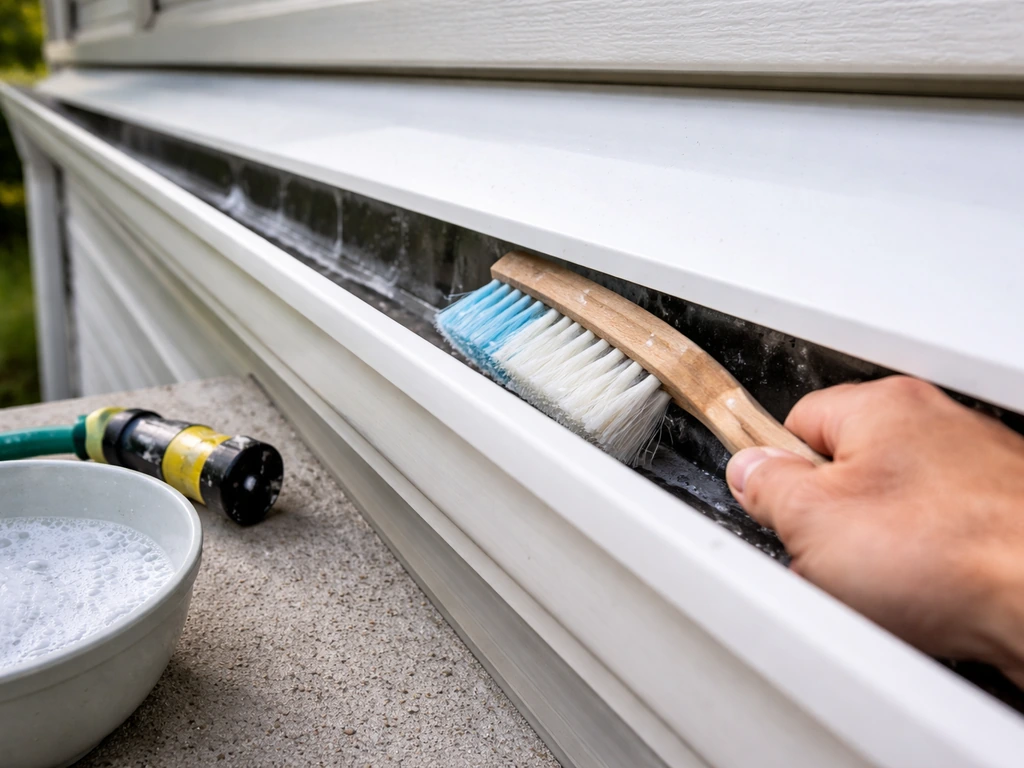
Alumawood maintenance is genuinely minimal compared to wood. Amerimax recommends rinsing the cover with a garden hose periodically and using a mild soap solution with a soft-bristle brush on stubborn spots. Rinse thoroughly afterward to remove soap residue. That's really it for the finish. The Aluma-Shield paint system is durable, but you don't want to use abrasive cleaners, pressure washers at close range, or anything acidic on it.
The area that needs the most attention is drainage. Gutters on solid covers will clog with leaf debris, and a clogged gutter during a heavy rain can overflow back toward the house or cause the gutter to sag and pull away from the cover. Clean them at least twice a year, more if you're under deciduous trees. Also inspect the caulking and flashing at the ledger-to-house joint annually. Caulk degrades over time, and a small gap there is how water finds its way inside.
Post wraps and trim components are available as replacement parts, though sourcing them through the original retailer or a licensed Alumawood dealer is the most reliable path. If you're planning a home sale, keep your warranty certificate: the Amerimax finish warranty is transferable to a new buyer during the first 10 years, which is a selling point worth mentioning.
How to compare brands and models before you buy
Alumawood (Amerimax) is the dominant brand in this category, but there are other aluminum patio cover systems on the market (including Duralum and Duracool, which are worth a separate comparison). If you are comparing options, the next step is to look at duralum patio covers vs alumawood based on engineering details, finish durability, and warranty terms. When you're evaluating any aluminum patio cover system, here's what to look for:
- ICC-ES evaluation report: Does the product have an active ICC-ES evaluation report (like ESR-1398P for Alumawood)? This tells you the system has been independently verified for building code compliance. A product without one is a red flag for permitting and structural assurance.
- Engineering packet completeness: The engineering packet should include load tables for your region's wind speed and snow load, post spacing limits, footing requirements, and explicit ledger-board attachment details. If a retailer can't provide this, walk away.
- Finish warranty specifics: Look for what the warranty covers (chipping, peeling, blistering), how long it lasts, whether it's lifetime for original purchaser, and what the transferability terms are. Amerimax covers the lifetime of the original purchaser with 10-year transferability.
- Panel and structural alloy grade: Structural-grade aluminum alloys are specified in Alumawood's ESR documentation. Generic aluminum products may not meet the same grade standards, which affects long-term rigidity and load performance.
- Retailer and installer reputation: Check for Google and Yelp reviews that specifically mention post-installation issues (leaks, inspection failures, finish problems after two or three years). These are more predictive than initial installation reviews.
- Parts availability: Can you get replacement post wraps, panel sections, and hardware five or ten years from now? This is a real long-term question that homeowners occasionally raise after older installations need component replacement.
- Permit track record: Ask your installer how often their Alumawood permits get approved on first submission. An experienced installer with a clean permit history is worth a small premium over the lowest bidder.
If you're comparing Alumawood to a competing brand like Duralum or a vinyl cover system, run the same checklist on both. The structural engineering documentation and warranty language differences between brands often tell you more than any marketing brochure will. The pros and cons of Alumawood relative to alternatives are worth a deeper read before finalizing your decision, especially if you're on the fence about material choice.
The bottom line: what actually makes one cover better than another
The best Alumawood patio cover isn't a specific SKU or model number. It's the one that's correctly sized for your patio, engineered for your local wind and snow loads, attached with the right fasteners and flashing, and installed with proper drainage slope. If you're shopping specifically for the best vinyl patio covers, use the same approach and compare materials, wind rating, and drainage details before you buy best Alumawood patio cover. A solid insulated panel cover professionally installed in a high-wind or high-sun climate will outperform a cheaper open-lattice kit installed by someone who skipped the engineering packet. Material quality matters, but installation quality matters just as much, and the engineering documentation is what connects those two things to real-world safety and performance.
Start with your patio dimensions and your local building department's requirements for wind speed and snow loads. Pull the Alumawood engineering packet for the style you're considering and check whether your site falls within the standard parameters. If it does, you can confidently get quotes from licensed installers or proceed with a DIY kit. If it doesn't, budget for a licensed engineer before you budget for anything else. Do that and you'll end up with a cover that looks great, holds up in real weather, and pays for itself in years of low-maintenance outdoor living.
FAQ
Can I mount an attached Alumawood patio cover on stucco or EIFS walls?
Yes, but only if the model and engineering packet you buy are designed for that wall system. If your house has limited backing or non-structural wall layers behind stucco, you may need a freestanding layout or additional structural reinforcement before any ledger attachment is safe.
Is it okay to space posts wider than the Alumawood instructions to save money?
You should not. The engineering tables specify maximum post spacing and footing requirements based on your roof style and local loads, so changing spacing usually voids the intended structural design and can fail permit inspection.
What paperwork should I expect when pulling a permit for an attached Alumawood cover?
For DIY, plan to submit the engineering packet with your permit request, and keep a copy on site for the inspector. If the municipality requires specific forms or revised plans for your address and wind/snow exposure, the packet may need local stamping.
How do I make a solid Alumawood patio cover feel cooler in summer?
Solid covers often need ventilation planning even though they do not “insulate.” A common approach is adding ceiling fans (and sizing them appropriately for the patio room size) to reduce heat buildup, especially in hot, sunny climates.
If I install gutters, do I still need to worry about drainage slope at the house connection?
If you want to avoid water dumping in sheets during storms, budget for a drainage strategy that includes gutters, drip edges, or controlled discharge, not just an “open edge.” Also confirm the slope directs runoff away from the ledger area, not toward it.
Will lattice Alumawood keep my patio dry during rainy weather?
Often, yes. Lattice may be acceptable for intermittent shade, but it generally will not keep surfaces dry in hard rain, and it provides less protection against blown wind-driven precipitation compared to solid panels.
What should I verify in a contractor quote so I am comparing apples to apples?
Start by asking for an itemized quote that lists permit fees, engineering packet handling, footing scope (diameter and depth), ledger flashing details, and the exact panel type (solid, lattice, insulated). If any of those are missing, the low price may be skipping critical components.
If Alumawood does not rust, what typically causes leaks anyway?
Aluminum itself resists rust, but the system can still leak if the ledger flashing, caulking, and fastener location are wrong. Plan on checking the ledger-to-house joint annually and after major storms to catch early failures.
Can I add lighting or speakers under an Alumawood cover, and how should wiring be run?
Yes, but only where allowed by your design and local code. You should use lighting and wiring provisions that match the system guidance, and route wiring through the approved hollow-core post paths to keep connections protected and not exposed to outdoor moisture.
What is the safest way to clean Alumawood panels without damaging the finish?
Usually, you can clean with a garden hose and mild soap plus a soft brush, but do not use abrasive tools, aggressive pressure washing close to seams, or acidic cleaners that can dull the finish. If stains persist, spot-clean first rather than scrubbing large areas.
How often should I clean gutters, and what happens if they clog during heavy rain?
Maintenance hinges on debris management. If you have trees nearby, clean gutters more often, and inspect for overflow during heavy rain, since overflow can cause sagging or water to redirect toward the house joint.
If I need a replacement post wrap or trim piece, where do I get the correct parts?
Replacement parts are possible, but the best availability comes through the original retailer or a licensed dealer tied to the system. Before you remove anything, identify the exact panel and trim components so you can match colors and sizes.
What should I do if my location is outside the standard parameters in the engineering packet?
If your site falls outside the standard engineering parameters, you should not assume “standard” spacing will work. In that case, budget for additional site-specific engineering before installation, because wind and snow exposure changes footing and fastener requirements.
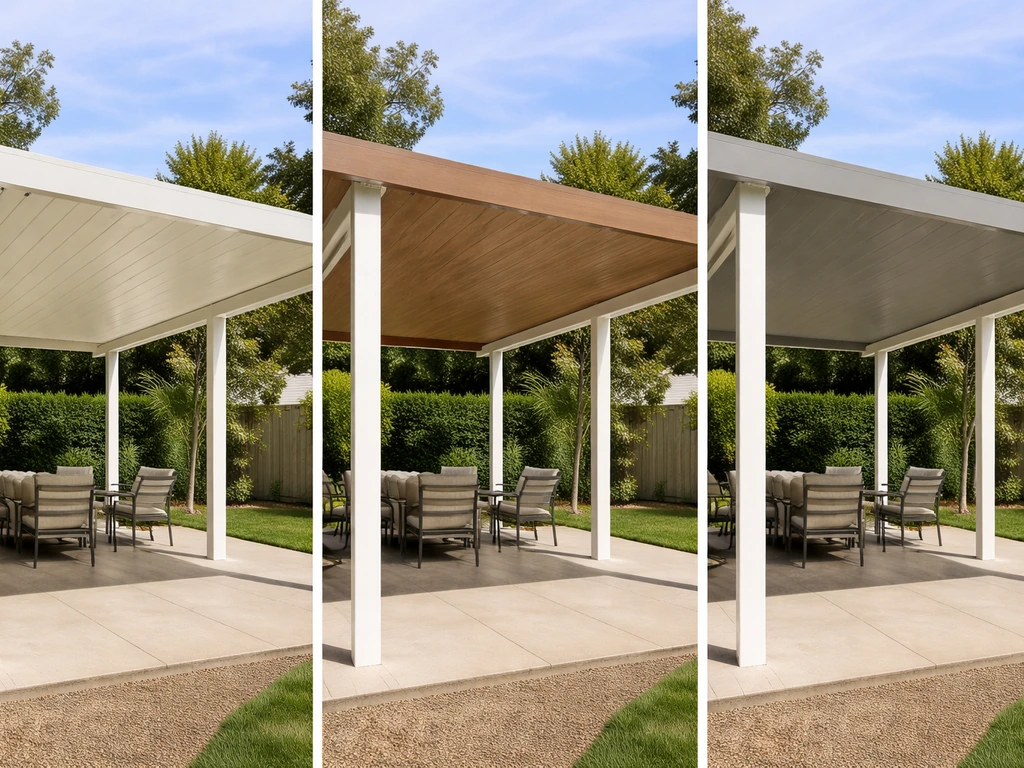
Side-by-side vinyl vs alumawood vs aluminum patio covers: durability, maintenance, costs, climate fit, and pick guidance
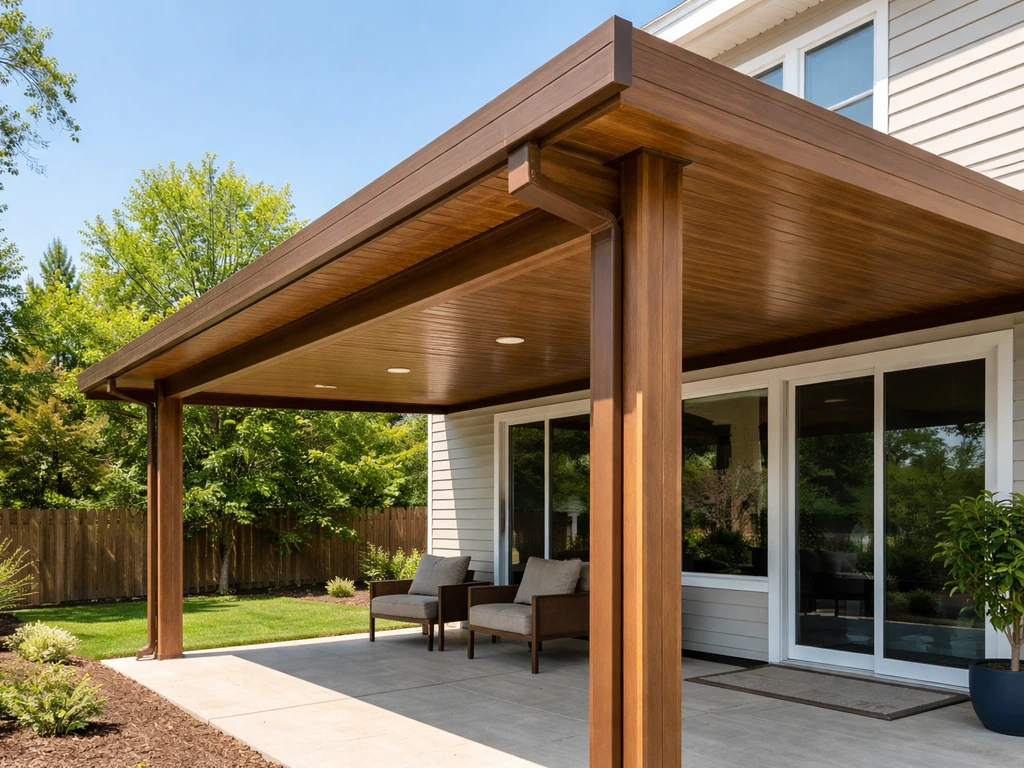
Know what Alumawood patio covers are, how they’re built, coverage and costs, plus durability vs wood, vinyl, metal and p
Find the best Sunbrella patio cushions: durable, fade‑resistant picks, buying tips, care, and top recommendations.