
Alumawood patio covers are a solid choice for most homeowners who want the look of wood without the rot, warping, or repainting headaches. They're aluminum-based systems with an embossed woodgrain finish, and they hold up well in sun, rain, and coastal air. That said, they're not perfect. Heat buildup under non-insulated panels, a premium price tag over basic alternatives, and installation details that can cause leaks if done wrong are real tradeoffs worth understanding before you commit.
Alumawood Patio Covers Pros and Cons: Buying Guide

Lark Perry
8 Jul 2026
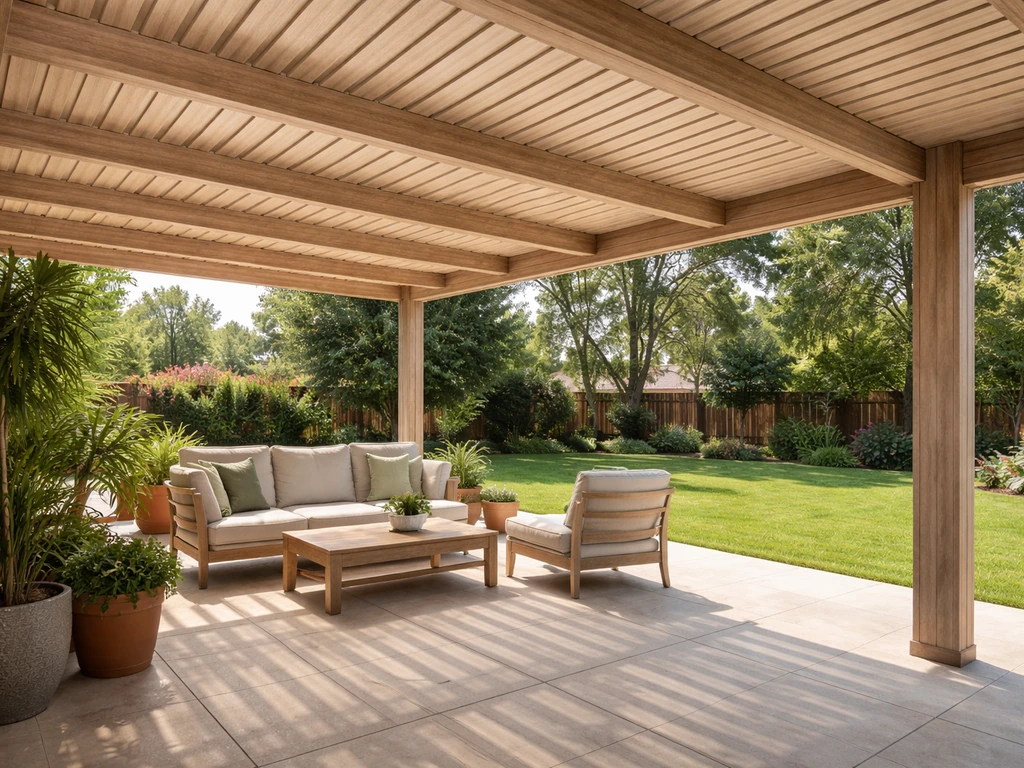
What Alumawood actually is and how these covers are built
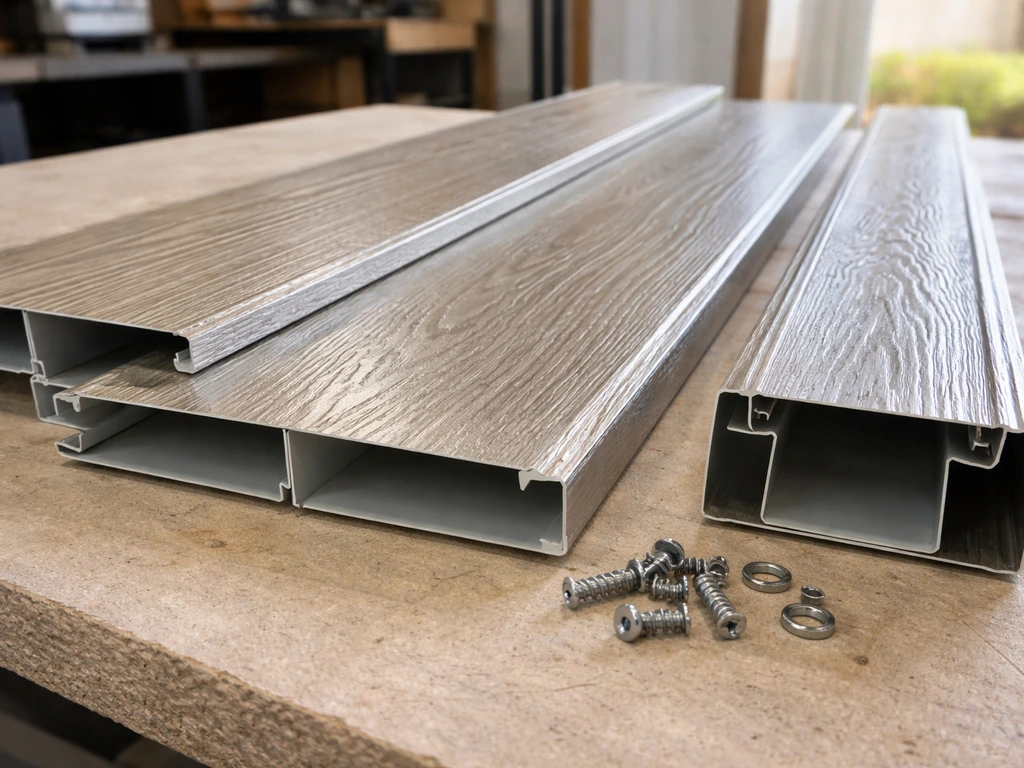
Alumawood is a brand name owned by Amerimax, and it refers to a line of aluminum patio cover systems engineered to look like painted wood. The panels are formed from embossed aluminum coil with a textured woodgrain surface, then finished with the Aluma-Shield paint system, which includes a Teflon surface protector layer. That coating is why the finish resists chipping, peeling, and fading without needing you to repaint every few years.
The system comes in three main configurations: solid non-insulated panels (single-layer formed aluminum), solid insulated panels (two aluminum skins around a 3-inch foam core), and open-top lattice panels. You can also get freestanding pergola-style builds or attached covers that tie into your home's fascia. Insulated panels carry an R-value in the R-12 to R-14 range, which makes a noticeable difference in how hot the space feels on a summer afternoon. Non-insulated panels are thinner and less expensive, but they radiate more heat downward.
Structurally, Alumawood holds ICC-ES evaluation report ESR-1398, meaning it's been third-party reviewed against IBC code requirements across multiple code vintages (2015 through 2024). That matters when you pull permits and need to hand something to a building inspector. The system is designed to handle live loads of 10 to 30 lbs per square foot depending on configuration, and it works as both an attached cover (tied to your house) or a freestanding structure.
The pros: what homeowners actually appreciate about Alumawood
- Wood appearance without wood maintenance: The embossed woodgrain texture reads as real wood from a normal viewing distance. You get the aesthetic without scraping, staining, or sealing every couple of years.
- Finish durability: The Aluma-Shield coating with Teflon protector resists chipping, peeling, blistering, and flaking. Amerimax backs this with a limited lifetime warranty for the original purchaser, including a one-time transfer option within the first ten years.
- Corrosion resistance: Aluminum doesn't rust, and the coating system adds another layer of protection. This makes Alumawood particularly well-suited for coastal yards, humid climates, and areas with frequent rain.
- Insulated panel performance: The 3-inch foam core in insulated panels meaningfully reduces heat buildup. If you've ever sat under a metal patio roof in July and felt like you were in an oven, insulated Alumawood is a completely different experience.
- Structural credibility: ICC-ES ESR-1398 approval means it's been reviewed for code compliance. Installers can pull permits with clear documentation, which protects you if you ever sell the home.
- Integrated drainage options: Solid covers can include built-in gutters that connect to standard 2x3-inch aluminum downspouts to move water away from your foundation.
- Low long-term upkeep: Periodic cleaning with mild household detergent and a good rinse is basically all the maintenance required to preserve both the finish and the warranty.
- DIY-friendly kits available: Pre-cut kit options exist for homeowners comfortable with basic construction, which can bring down installation costs significantly.
The cons: real tradeoffs you should know going in
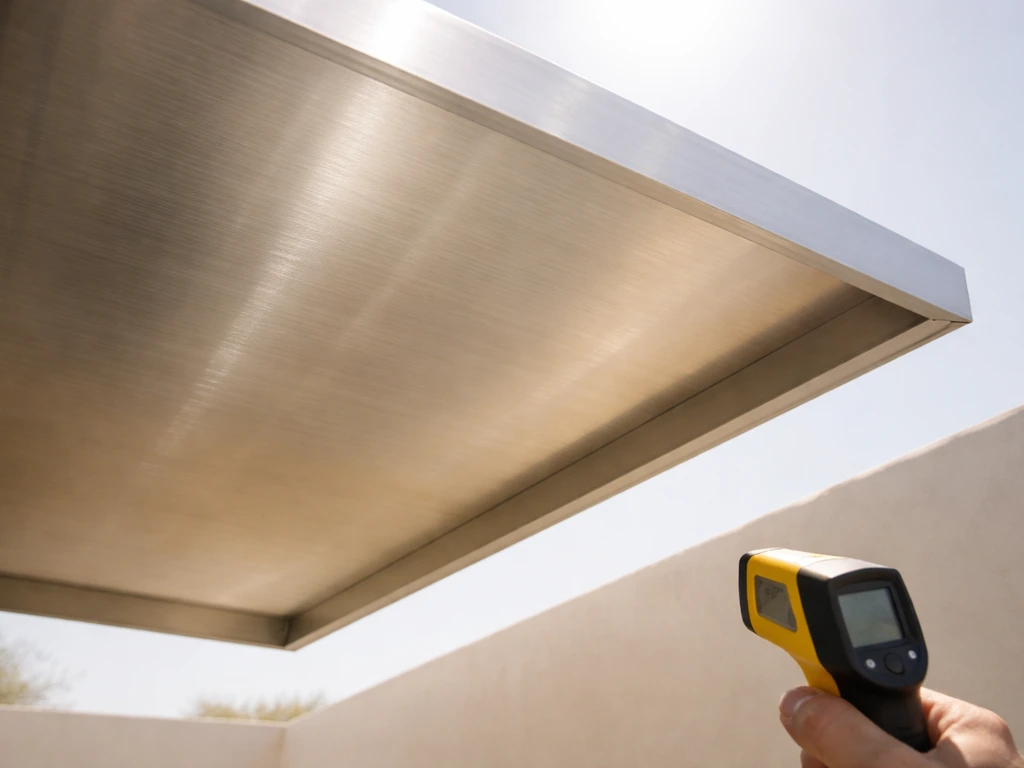
- Heat under non-insulated panels: Single-layer aluminum absorbs and radiates heat. On a hot day, sitting directly under a non-insulated solid panel feels warm. If you're in a hot climate, the insulated panel upgrade is worth the extra cost, not optional.
- Thermal expansion behavior: Aluminum expands and contracts with temperature changes. Properly installed covers account for this, but cheap installs or DIY mistakes can cause fastener stress, panel gaps, or popping sounds over time.
- Leaks at the fascia junction: This is the most common real-world complaint. When an Alumawood cover attaches to your home, the flashing detail at that junction has to be done right. Inadequate slope (under 1/4 inch per foot), bad caulking, or missing drip edge can cause water to back up against your fascia and eventually intrude. This is an installer skill issue more than a product flaw, but it's a frequent enough problem that you need to ask about it specifically before hiring anyone.
- Repainting voids the finish warranty: The Aluma-Shield coating system is specifically engineered, and applying any other paint over it voids the warranty. If you want a color change, you're out of warranty coverage. Your color options are locked in at purchase.
- Higher upfront cost than basic alternatives: Alumawood costs more than plain aluminum patio covers and more than pressure-treated wood, though it competes closely with premium vinyl on price.
- The wood look has limits: Up close or in high-end landscaping contexts, embossed aluminum doesn't fool everyone. If you want true architectural wood character, real wood still wins aesthetically, just not in durability or maintenance.
- Delivery and logistics issues: Some homeowners ordering through factory-direct or online kit channels have reported delivery delays and incomplete component shipments. This is worth keeping in mind if you're working to a tight project timeline.
- Slope constraints for installation: Alumawood requires a minimum roof slope of 1/4 inch per foot for drainage, with a maximum of 1 inch per foot. If your site geometry doesn't fit this range, you'll need to redesign or consider a different cover type.
Cost comparison: Alumawood vs wood, vinyl, aluminum, and pergolas
Expect to pay roughly $18 to $55 per square foot installed for an Alumawood patio cover, with most residential projects landing between $3,500 and $12,000 total. If you are comparing options, look at the best alumawood patio covers for your region and layout so you can balance insulation, durability, and price. A typical mid-range install in the 200 to 300 square foot range often comes in around $6,500 to $9,500. Larger or more complex projects can push past $12,000. Insulated panels cost more than non-insulated, and attached covers typically cost more than freestanding ones due to structural tie-in work.
| Cover Type | Typical Installed Cost (per sq ft) | Durability | Maintenance | Aesthetic |
|---|---|---|---|---|
| Alumawood (non-insulated) | $18–$30 | High | Low (wash and rinse) | Good woodgrain look |
| Alumawood (insulated) | $30–$55 | High | Low (wash and rinse) | Good woodgrain look + better thermal comfort |
| Pressure-treated wood | $15–$35 | Moderate | High (stain/seal every 2–3 yrs) | Best natural appearance |
| Vinyl patio covers | $20–$40 | High | Very low | Clean/modern, limited wood texture |
| Plain aluminum | $10–$25 | High | Very low | Functional, not decorative |
| DIY wood pergola | $8–$20 | Low–Moderate | High | Excellent, open lattice only |
| Premium attached pergola/patio roof | $40–$80+ | Very high | Low | Upscale architectural finish |
If you're comparing Alumawood directly to vinyl covers, the price is similar and both require minimal maintenance. Vinyl tends to look cleaner and more modern, while Alumawood leans into the woodgrain look. For a deeper breakdown of those two options, the vinyl vs Alumawood comparison is worth reviewing. This vinyl vs alumawood patio covers matchup also helps you weigh looks, maintenance, and weather performance side by side before you choose a system vinyl vs Alumawood comparison.
Compared to real wood, Alumawood costs more upfront but saves significantly on labor and materials over a 10 to 20 year horizon when you factor in staining, sealing, repairs, and eventual replacement. Plain aluminum is cheaper but looks institutional without that finish. Pergola kits are cheaper per square foot, but they're open-top structures that don't provide rain protection.
Installation considerations and what to ask your contractor
Permits are not optional for most Alumawood installs. Attached covers transfer structural loads to your home, which means they require permit review in virtually every jurisdiction. Even freestanding covers often need permits depending on size, height, and local wind or snow load requirements. Some areas, especially those with high wind speeds or significant snow loads, require a licensed engineer to sign off on the design. Ask your contractor what's required in your city before work starts, and confirm that the permit will be pulled in your name, not theirs. An unpermitted structure can cause serious problems at resale.
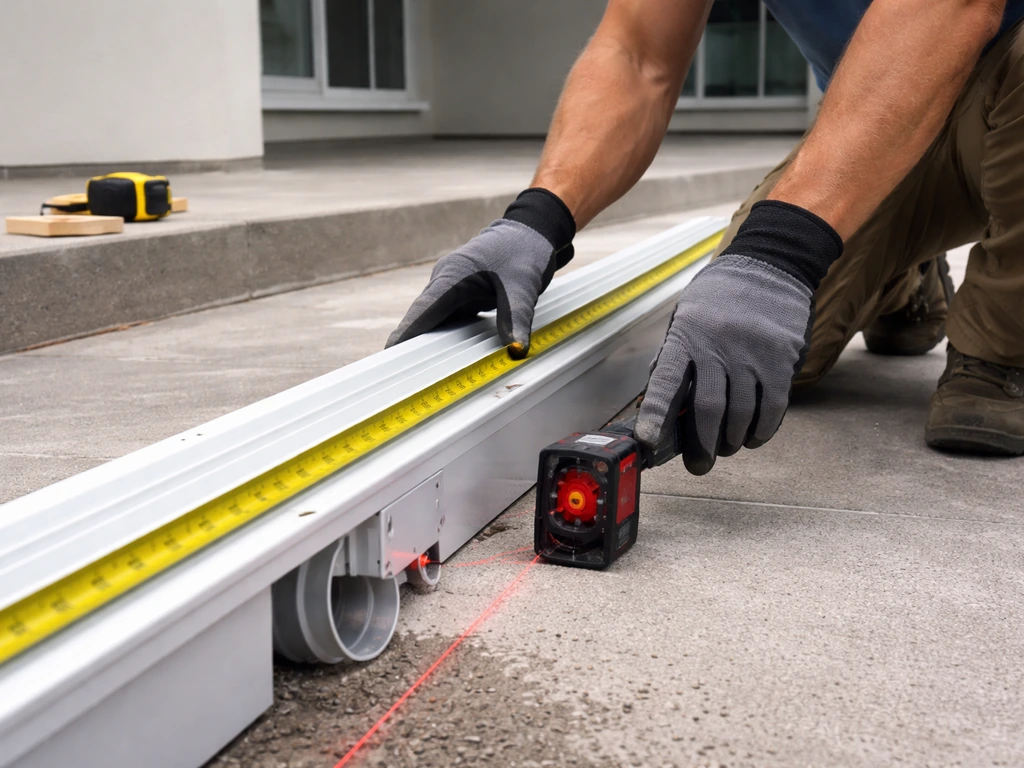
The drainage slope is one of the most important details to nail during installation. Alumawood requires a minimum pitch of 1/4 inch per foot so water runs off rather than pooling. Many experienced installers target 3/8 to 1/2 inch per foot for extra margin. Pooling water, especially in climates that freeze, can cause damage at the fascia junction and around fasteners. Ask your contractor to confirm the specific slope they're building to before they start.
Flashing at the attachment point where the cover meets your home is where most leak problems originate. Proper installation involves a continuous ledger, a drip edge that channels water away from the fascia, and sometimes a flexible flashing membrane behind the ledger board. Fine Homebuilding describes running drip-edge flashing along eaves first, then installing underlayment over it, and finishing with drip edge along rake edges to help prevent water intrusion at roof edges a drip edge that channels water away from the fascia. Caulk alone is not sufficient as a long-term solution. If a contractor says they'll just seal it with caulk and call it done, push back or find someone else.
Warranty matters here too. Amerimax provides the limited lifetime material warranty, but labor and installation workmanship are covered by the installing contractor, not the manufacturer. Ask any contractor for their workmanship warranty in writing, and confirm how long it covers leaks specifically. A contractor who won't commit to at least one to two years of leak coverage is a contractor to avoid.
Key questions to ask before hiring a contractor
- Will you pull permits, and what documents will you provide to the building department?
- What slope will you build to, and how will you verify it before installation is complete?
- How will you handle the flashing detail at the home attachment point?
- What workmanship warranty do you provide, and does it specifically cover leaks?
- Are you using Amerimax Alumawood components (for the ICC-ES approval to apply) or a generic aluminum system?
- Have you done Alumawood installs in my specific climate, especially if I'm in a high-wind, coastal, or snow-load area?
Maintenance, lifespan, and how it holds up across climates
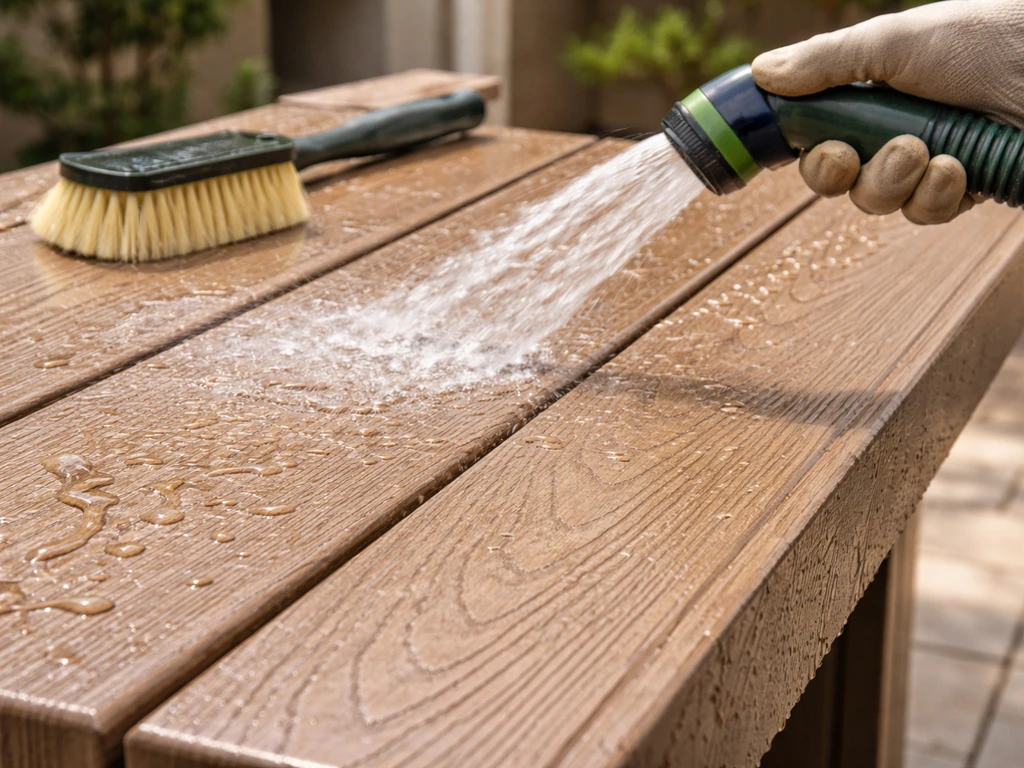
In practice, Alumawood is one of the lowest-maintenance patio covers you can install. The standard care routine is straightforward: knock off debris, rinse the surface with water, scrub with a mild household detergent if there's dirt or staining, and rinse again. For stubborn stains like bird droppings or tree sap, use a targeted cleaner appropriate for coated aluminum rather than abrasive products. The Teflon layer in the Aluma-Shield system makes most surface grime easy to remove. Avoid pressure washing at high settings or using harsh chemical cleaners, as these can damage the coating and potentially void your warranty.
Do not repaint the surface. The Aluma-Shield coating is engineered to bond specifically to the aluminum substrate, and applying standard exterior paint over it voids the finish warranty. If you want to change colors, the only manufacturer-sanctioned route is refinishing through Amerimax's process, not a DIY rattle can job.
Lifespan is genuinely long when installed and maintained correctly. The limited lifetime warranty for the original purchaser (transferable once within the first ten years) reflects that. After the one-time transfer, the warranty runs ten years from the original installation date, so a cover installed in 2026 and sold with the home in 2029 would still carry coverage through 2036. In real-world terms, a properly installed Alumawood cover in a moderate climate can last 30 or more years without structural issues. The finish may show some chalking or fading in very high UV environments after 15 to 20 years, but the structure remains sound.
Climate performance varies by panel type. In hot, sunny climates like Arizona or Southern California, insulated panels are the right call. The R-12 to R-14 foam core keeps heat from radiating down into your patio space and makes the cover comfortable to use midday. In rainy climates like the Pacific Northwest, the drainage slope and flashing details matter most. In coastal areas, aluminum's natural corrosion resistance and the Aluma-Shield coating work well together. In freeze-thaw climates, the risk of pooled water refreezing and expanding near fasteners or the fascia junction is a real concern, which is why proper slope and flashing are non-negotiable in those regions.
When Alumawood is the right call (and when it's not)
Alumawood makes the most sense when you want a wood-look patio cover that you don't want to maintain like wood. If you're in a hot, sunny, or coastal climate and you value aesthetics over purely utilitarian function, an insulated Alumawood solid cover is one of the best practical choices available. If you're shopping for the best vinyl patio covers, start by comparing panel types and how they perform in your climate best practical choices available. It's also a smart pick for homeowners who want a permitted, code-compliant installation with proper structural documentation. That matters for resale value and for insurance purposes.
It's also worth looking at Alumawood if you're in a neighborhood where HOA guidelines require a certain visual standard. The woodgrain finish tends to pass aesthetic review where plain aluminum would not. And if you're comparing it to brands like Duralum or Duracool on the aluminum cover side, Alumawood's finish quality and warranty documentation are strong points in its favor.
On the other hand, Alumawood is probably not your best option if budget is the primary constraint. If you're weighing duracool patio vs alumawood, the best choice usually comes down to how much you care about the wood-like look versus insulation and long-term coating performance. Basic aluminum patio covers cost less, require the same minimal maintenance, and perform structurally. If you genuinely don't care about the wood appearance, there's no reason to pay for it. Similarly, if you want a true open-air, architectural pergola feel with a high-end timber or steel look, Alumawood won't deliver that. Real wood or a premium engineered pergola system will suit you better aesthetically, even if you accept the higher maintenance burden.
Vinyl patio covers are another reasonable alternative worth considering, especially if you prefer a clean, uniform appearance over a woodgrain texture. If you're comparing options beyond Alumawood, focus on the best vinyl fence deck & patio covers for durability, color stability, and low upkeep in your climate vinyl patio covers. They're priced similarly to Alumawood, they're also very low maintenance, and they hold up well in most climates. The tradeoff is that vinyl can become brittle in extreme cold and doesn't have the same structural ICC-ES documentation that Alumawood carries. If you're weighing those two specifically, the right choice usually comes down to aesthetic preference and your local climate.
The bottom line: if you want a low-maintenance, attractive, structurally credible patio cover and you're willing to spend in the $5,000 to $12,000 range for a typical installation, Alumawood delivers well on that brief. Get insulated panels if heat comfort matters to you. Make sure your contractor nails the slope and flashing details. Pull the permit. And clean the surface once or twice a year to keep that finish warranty intact.
FAQ
Are alumawood patio covers fully waterproof, or can they still leak in heavy rain?
They can be very water-resistant when installed correctly, but leaks are still possible if the pitch is off or the flashing at the ledger is not continuous. Ask your contractor how they handle the fascia junction, what flashing system they use, and whether they include a drip edge, not just sealant.
What slope should I require to prevent pooling, especially in freeze-thaw climates?
A minimum pitch of 1/4 inch per foot is the baseline, but in areas with freeze-thaw many installers aim for about 3/8 to 1/2 inch per foot to add margin. Get the planned slope written into the bid and confirm where the low point drains to.
Do I need insulated panels, or will a solid non-insulated alumawood cover be enough?
If you want midday comfort in hot climates, insulated panels are the practical choice because the foam core reduces downward heat radiation. If the patio is mostly used in the morning and evening, non-insulated panels may be sufficient, and they cost less, but the space will feel hotter under the cover.
Can I install an alumawood patio cover DIY, or should I hire a pro?
This is generally a pro job, mainly because permit requirements, load connections to the home, slope accuracy, and flashing details are hard to get right without experience. If you’re thinking DIY, at minimum confirm whether your local building department will allow it and whether you can meet the wind or snow engineering requirements.
How do I verify the permit and paperwork are handled correctly for resale and insurance?
Before work starts, ask your contractor to provide the permit number and confirm the permit is pulled under your address or your name, not only theirs. Also request copies of any structural approvals or engineered documents so you can show them to buyers and insurers later.
What is the most common installation mistake that leads to leaks?
The attachment area at the home, where the ledger meets the wall and fascia, is the highest-risk zone. Specifically, caulk alone is a mistake in most cases, because water can work behind it over time, so require proper flashing with a drip edge and continuous detailing.
Does regular cleaning risk damaging the Aluma-Shield finish or voiding the warranty?
Normal gentle cleaning is fine, but pressure washing at high settings or using harsh chemicals can damage the coating and potentially affect warranty coverage. If you need clarification, ask the installer for the cleaning method they recommend for bird droppings and tree sap, since these often require a targeted, coated-metal-safe cleaner.
Can I repaint alumawood if I want a different color later?
Typically no, exterior repainting with standard consumer paint is not the sanctioned route and can void the finish warranty because the coating system is designed as a bonded surface. If you want a color change, ask about the manufacturer-approved refinishing process and expected timeline.
How long does a typical alumawood patio cover last in real use?
With correct installation and normal maintenance, many homeowners see multi-decade performance, often 30 years or more structurally. The finish may show chalking or fading earlier in extremely high UV areas, so plan on periodic cleaning and inspection even if the structure remains sound.
Will alumawood work in coastal areas with salt air and corrosion risk?
It’s generally a strong option because the aluminum base and the Aluma-Shield coating are designed for weather exposure. Still, the real-world outcome depends on correct fastening and sealing at the ledger and around penetrations, so ask how they prevent moisture intrusion in those connection points.
How do wind and snow loads change what configuration I should choose?
Wind and snow requirements can affect the allowed span, bracing, and fastener pattern, which is why the permitted design matters. In high-load areas, ask whether the system will require engineering sign-off and whether your bid includes any engineered modifications or upgraded hardware.
Is freestanding alumawood more affordable, and does it perform differently than attached covers?
Freestanding designs often cost less because they avoid some home tie-in structural work, but the structure must still be designed for wind or snow. Performance differences usually come down to how water drains and how the structure is anchored, not just attachment type.
Next Articles
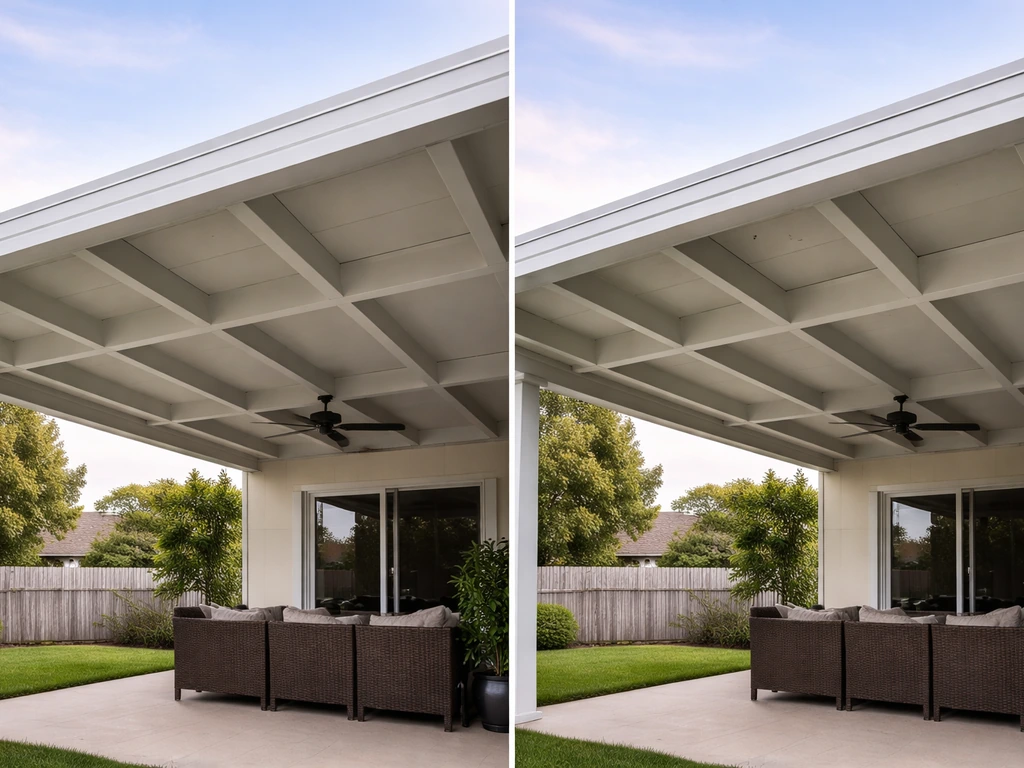
Duralum Patio Covers vs Alumawood: Costs, Lifespan, Performance
Compare Duralum and Alumawood patio covers on cost, lifespan, insulation, weather performance, maintenance, and install
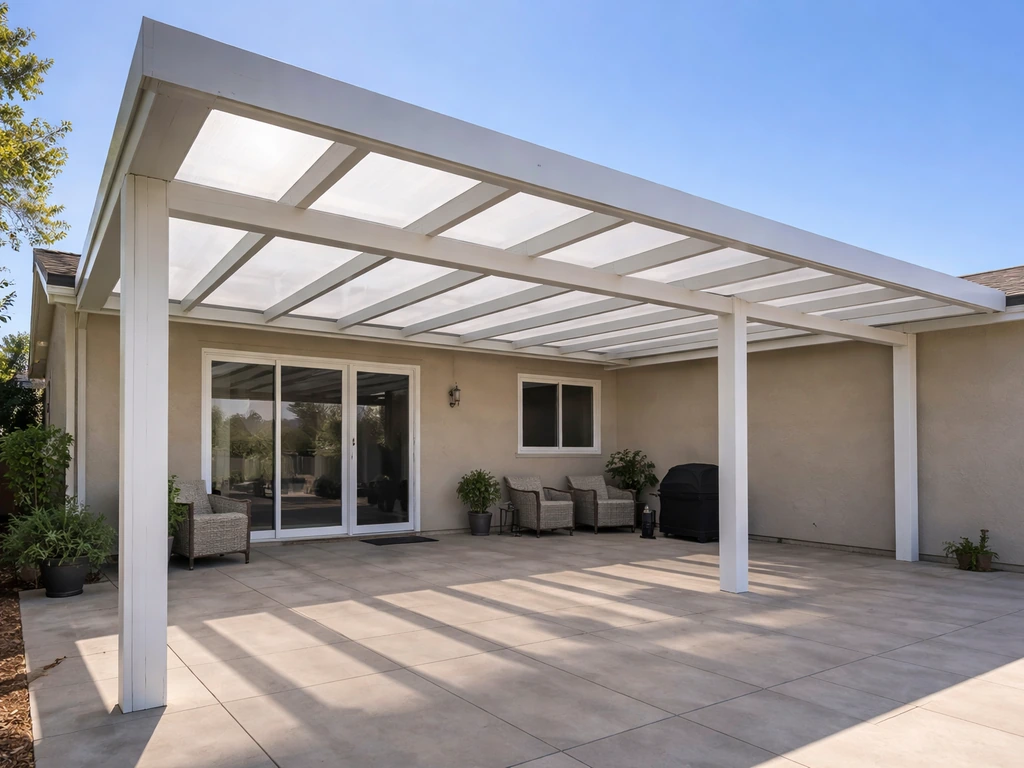
Best Alumawood Patio Covers: Buying Guide and Best Picks
Buying guide to choose the best alumawood patio covers by size, pitch, wind loads, drainage, costs, install and maintena
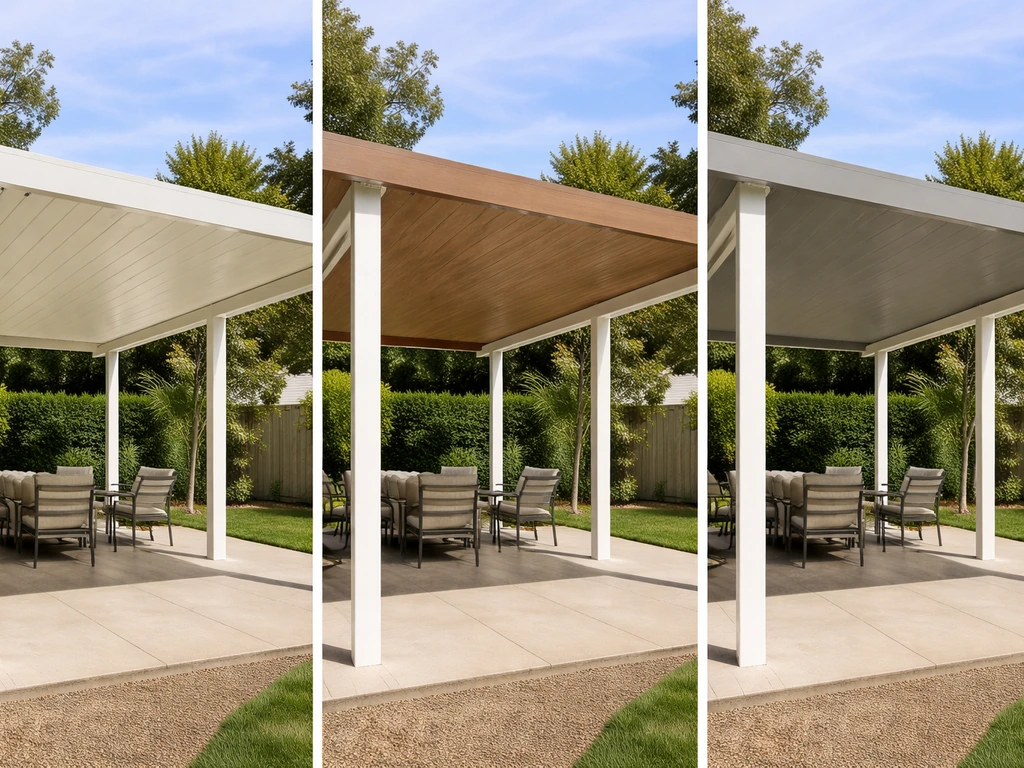
Vinyl vs Alumawood Patio Covers vs Aluminum: Side-by-Side Guide
Side-by-side vinyl vs alumawood vs aluminum patio covers: durability, maintenance, costs, climate fit, and pick guidance