
Alumawood patio covers are a solid, long-term investment for most homeowners. They hold up well in heat, UV, and moderate rain, they look good with minimal upkeep, and the lifetime material warranty from Amerimax gives you real peace of mind. That said, they are not the cheapest option, not every style suits every climate, and there are a handful of competing aluminum brands (Duracool, Duralum) worth considering before you commit. This guide covers everything you need to decide: what Alumawood actually is, how the top models compare, what they cost installed, and where vinyl or a competing aluminum brand might be a better fit.
Alumawood Patio Cover Reviews: Top Picks, Costs & Guide

Lark Perry
28 Jul 2026
Who this guide is for
Whether you are a homeowner pricing out an attached patio cover for the first time, someone who has already gotten contractor quotes and wants to sanity-check the numbers, or a renter trying to figure out whether a freestanding kit even makes sense for your situation, this guide is written for you. I focus on practical performance over marketing language, and I have tried to give you the kind of honest take you would get from a friend who has actually been through the process, not a brand spec sheet.
What Alumawood actually is
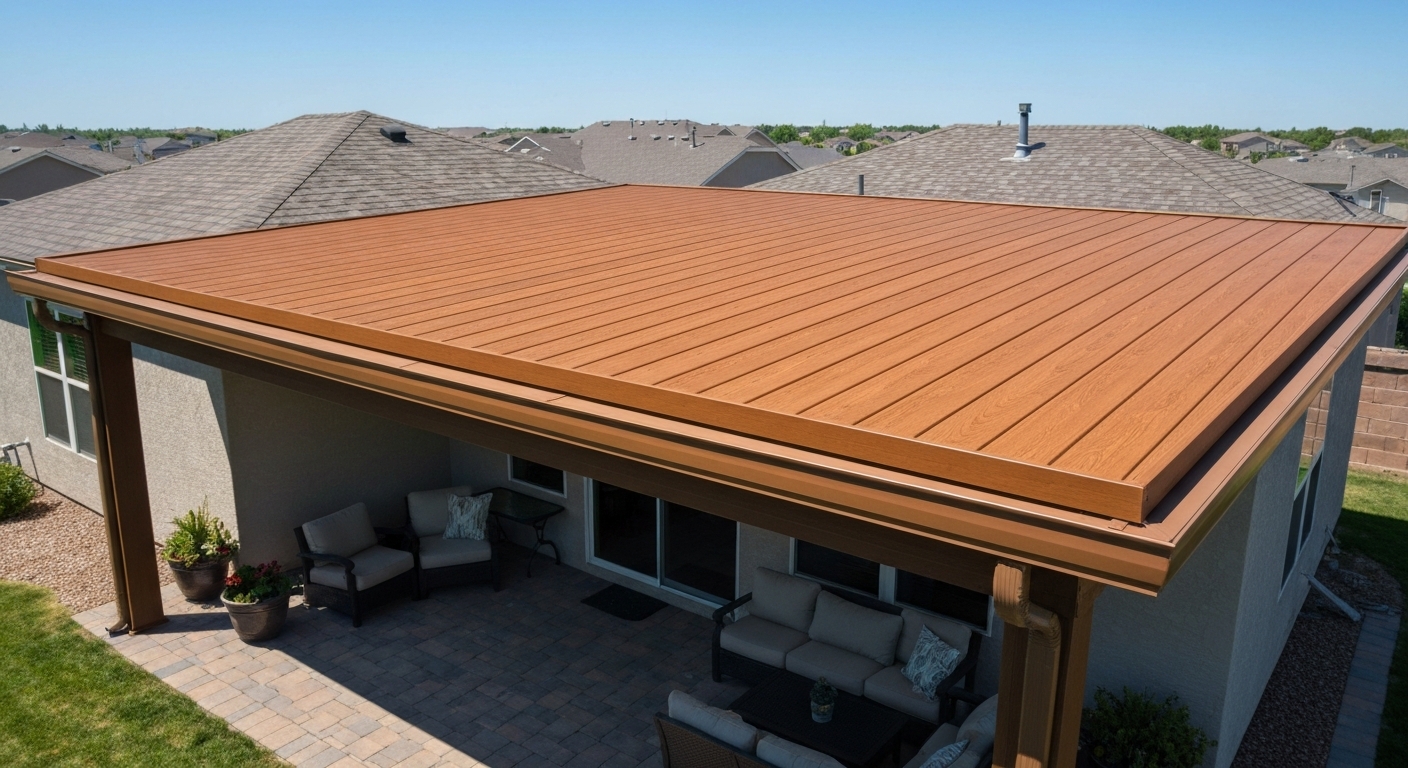
Alumawood is a registered product line made by Amerimax Exterior Home Products, one of the largest U.S. manufacturers of residential exterior building products. The name refers specifically to aluminum patio covers, pergolas, and shade structures that are factory-fabricated with a wood-grain surface texture, so they read visually like painted wood but behave like aluminum. For a concise, plain‑language definition, see what is alumawood patio cover. The extrusions are made from aluminum alloy profiles that meet ASTM B221, the industry standard specification for aluminum extruded bars, rods, and profiles, which sets quality, dimensional, and alloy requirements for structural stock.
Amerimax offers two core Alumawood style families. The Laguna is an open lattice design: parallel rafter members with open gaps between them, so you get filtered shade and airflow but not full weather protection. The Newport is a solid cover built with Super 6-inch flat panels, giving you a fully enclosed roof surface that blocks sun and handles rain. Both styles use the same Aluma-Shield paint system, which incorporates a Teflon surface protector for UV resistance, dirt resistance, and long-term color retention. In real-world terms, that means the finish resists chalking, fading, and the grimy film buildup you see on older painted aluminum products within a few years.
Installation is handled through Amerimax's dealer network, though the company also publishes detailed installation PDFs for both the Newport Solid and Laguna Lattice styles. The manuals specify using a 2x8 Douglas Fir ledger board with 1/4-inch by 4-inch lag screws driven into wall studs for attached covers, and 3/8-inch concrete anchors for post bases. Amerimax also backs the product line with ICC-ES engineering documentation (ESR series), which includes rafter span tables, post spacing, footing requirements, and allowable wind and snow load tables. ICC‑ES evaluation reports (ESR) are routinely used by manufacturers of prefabricated patio covers to demonstrate compliance with the IBC/IRC and provide engineered span/fastener tables for AHJ (authority having jurisdiction) review ICC‑ES (International Code Council Evaluation Service) — evaluation reports and ESR program. That matters because many jurisdictions require you to submit this kind of paperwork to get a building permit.
Pros and cons worth knowing before you buy
Alumawood covers do a lot of things right, but there are genuine trade-offs. For a focused summary of benefits and drawbacks, see alumawood patio covers pros and cons. Here is an honest breakdown across the four areas that matter most.
Durability
Aluminum does not rot, warp, crack, or splinter, which eliminates the main failure modes of wood patio covers. The extrusions are structurally rigid and the ICC-ES engineered tables mean you can look up exactly what snow and wind loads a given configuration can handle before you build. The Aluma-Shield finish is designed to meet or exceed AAMA 2604 coating performance benchmarks, which test for color and gloss retention, chalking resistance, and salt-spray corrosion resistance under accelerated weathering. That is a higher bar than many budget aluminum products hit.
Weather resistance
The Newport solid panel is genuinely waterproof overhead. The Laguna lattice is not, by design. Both handle UV extremely well. For heavy-snow regions, the engineered tables give you prescriptive span and post spacing limits to stay within, but if you are in a high-load zone (say, over 25 psf ground snow load), you need to verify your specific configuration against Amerimax's tables, not just assume a standard kit will be fine.
Aesthetics
The wood-grain texture is convincing enough from a few feet away, and the color options are broader than most vinyl covers offer. It reads as a premium product next to a plain white vinyl kit. The downside is that aluminum can dent if struck hard (falling branches, hail), and dents are visible in a way that vinyl surface scratches often are not.
Maintenance
This is one of Alumawood's strongest selling points. Cleaning is mostly a matter of rinsing with a garden hose and occasional mild soap. There is no painting, staining, sealing, or re-treating required. The Aluma-Shield finish is designed to stay looking good for the life of the product, backed by Amerimax's Limited Lifetime Material Warranty, which covers chipping, peeling, flaking, and blistering under normal use for the original purchaser. The warranty is transferable once within the first 10 years, and after transfer it runs for 10 years from the original installation date.
| Factor | Alumawood Pros | Alumawood Cons |
|---|---|---|
| Durability | No rot, warp, or splinter; ASTM B221 extrusions; engineered load tables | Aluminum can dent from impact (hail, debris) |
| Weather resistance | Newport style is fully waterproof; excellent UV resistance; wind/snow tables available | Laguna lattice is open; high-snow zones need config verification |
| Aesthetics | Realistic wood-grain texture; wider color palette than most vinyl | Dents are visible; looks differ from natural wood up close |
| Maintenance | Hose-rinse and mild soap only; no painting or sealing needed | Aluma-Shield scratch repair requires touch-up paint from manufacturer |
| Warranty | Limited Lifetime Material Warranty; transferable once in first 10 years | Structural/labor warranty depends on installer, not Amerimax |
| Cost | Competitive with premium vinyl; lower long-term cost than wood | Higher upfront cost than budget vinyl kits |
How we score Alumawood patio covers
I use six weighted criteria to evaluate patio covers for this site. Each model gets a score from 1 to 5 in each category, and the overall verdict reflects where it lands across all six. Here is what each criterion actually measures in practice.
| Criterion | Weight | What we're measuring |
|---|---|---|
| Structural integrity and load rating | 25% | ICC-ES or equivalent engineering documentation; allowable wind and snow loads for a standard 12x20 ft configuration |
| Finish and weathering performance | 20% | Coating system quality (AAMA 2604 / AAMA 2605 benchmark); UV, chalking, and corrosion resistance over time |
| Ease of installation | 20% | Quality and completeness of installation manual; tool requirements; DIY-friendliness; permit documentation availability |
| Aesthetic range | 15% | Number of color and style options; wood-grain realism; compatibility with common home exterior styles |
| Warranty terms | 10% | Duration, transferability, and what is actually covered vs. excluded |
| Value for cost | 10% | Installed price relative to material quality, longevity, and warranty coverage |
Real-world performance: what buyers actually experience
In hot, dry climates like Southern California, Arizona, and Nevada, where Alumawood originated and where the most installations exist, the product performs exceptionally well. The Aluma-Shield finish holds color for years in intense UV, and the low-maintenance profile is a genuine advantage when temperatures are too high to want to spend time repainting or resealing a wood cover. Homeowners in these regions consistently report covers that look nearly new after 10 or more years with only periodic washing.
In humid southern climates (Florida, Gulf Coast, the Southeast), the aluminum does not corrode or rot, but the wood-grain texture can trap pollen and organic debris in ways that a smooth surface would not. A twice-yearly scrub keeps this in check. Coastal salt-air environments are a legitimate concern for any aluminum product, but the Aluma-Shield coating's salt-spray resistance benchmark makes Alumawood a better choice here than bare or poorly coated aluminum.
In northern and mountain-region climates with meaningful snow loads, the Newport solid cover is the right call. The Laguna lattice can accumulate snow in the open bays depending on storm conditions. More importantly, if you are in a zone with ground snow loads above 20 psf, you need to work through Amerimax's ICC-ES engineering tables with your local building department. This is not a dealbreaker, but it is a real step, and skipping it can result in a failed permit inspection or, worse, a structural problem.
For renters or anyone in a situation where permanence is not possible, freestanding Alumawood configurations are available, but the cost and installation complexity make them less compelling than for attached setups. A freestanding kit still needs footings and in most jurisdictions still needs a permit, so the 'just take it with me when I move' logic does not play out as cleanly as it might with a simpler shade sail or retractable awning.
Top Alumawood patio cover picks
Alumawood is sold through a dealer network rather than as off-the-shelf branded products with fixed model names and national retail prices, which means the 'models' are really configurations within the Newport and Laguna style families, sized and priced to your specific project. That said, there are clear use-case winners based on style, configuration, and how the product is sourced. For a concise list of top configurations and buying advice, see my roundup of the best Alumawood patio covers. Here are the verdicts I give based on real project scenarios.
Best overall: Newport Solid (professionally installed, attached)
The Newport Solid panel cover professionally attached to the house is the most versatile Alumawood configuration for most buyers. You get full weather protection, maximum structural integrity, the best-looking result, and full access to Amerimax's warranty and engineering documentation. Installed cost typically falls in the $6,000 to $10,000 range for a 12x20 ft attached cover depending on region and contractor. That aligns with the national installed average of roughly $8,500 for a patio cover. It is not cheap, but it is a permanent upgrade that adds tangible home value.
Best budget pick: Alumawood kit from a big-box retailer
Similar aluminum patio cover kits sold through Home Depot (under labels like Integra and Contempra) run between roughly $2,487 and $3,599 for kits in the 14x12 to 30x12 ft range, and the DIY installation shifts cost to your time rather than your wallet. These kits are not all branded Alumawood, but many use comparable aluminum extrusion stock. If your priority is minimizing upfront spend and you are comfortable pulling a permit and handling installation yourself, this is a viable path. Just note that the finish and engineering documentation quality can vary, so confirm ICC-ES or equivalent documentation is available before buying.
Best premium pick: Newport Solid with Alumawood dealer customization
If budget is secondary to the best outcome, work directly with an Amerimax-authorized Alumawood dealer for a fully custom Newport Solid cover with color matching, integrated gutters, electrical rough-in, and engineered permits handled for you. This is also where you can spec out the cover for specific local load requirements. Premium installed configurations can reach $12,000 or more for larger spans, but you are getting a turn-key result with documented engineering and the full Lifetime Material Warranty intact.
Best renter-friendly option: freestanding Laguna lattice kit
For renters or homeowners who do not want to attach anything to the house structure, a freestanding Laguna lattice is the most practical Alumawood configuration. It provides partial shade, looks good, and does not require a ledger attachment. The trade-offs are real: you still need concrete footings for the posts, it will still likely need a permit, and you cannot take it cleanly with you if you move. Manage expectations accordingly. For truly portable shade, a freestanding aluminum pergola with anchor weights is a better fit than any Alumawood product.
Best for heavy-snow regions: Newport Solid with engineered post spacing
In areas with meaningful snow loads, the Newport Solid is the only Alumawood style that makes sense since the solid panel handles snow accumulation where the open lattice does not. Use Amerimax's ICC-ES rafter span and post spacing tables to verify your configuration at your local ground snow load value, and submit that documentation to your AHJ with your permit application. Tighter post spacing and shorter rafter spans are often required at higher snow loads, which affects the aesthetics of the final structure. Plan for this in the design phase, not after.
Best low-maintenance pick: Newport Solid with Aluma-Shield finish
If you never want to think about your patio cover again after installation, the Newport Solid is the answer. The Aluma-Shield coating requires nothing beyond a hose rinse. No painting cycle, no staining, no sealer. This is Alumawood's clearest advantage over wood covers and even over some vinyl covers that can yellow or become brittle in UV over time.
Model-by-model quick comparison
| Configuration | Best for | Weather protection | DIY-friendly | Typical installed cost | Snow suitability |
|---|---|---|---|---|---|
| Newport Solid (attached, pro install) | Most homeowners | Full (rain + sun) | Moderate (permit required) | $6,000–$10,000 | Yes, with engineered config |
| Laguna Lattice (attached, pro install) | Hot/dry climates, shade focus | Partial (sun only) | Moderate (permit required) | $5,000–$8,500 | Not recommended |
| Newport Solid (DIY kit, attached) | Budget-conscious homeowners | Full (rain + sun) | High if comfortable with permits | $2,500–$5,000 kit + labor | Yes, with engineered config |
| Laguna Lattice (freestanding) | Renters, no-attach situations | Partial (sun only) | Lower (footing work needed) | $3,500–$7,000 installed | No |
| Newport Solid (premium dealer custom) | Buyers wanting turn-key result | Full (rain + sun) | N/A (contractor handled) | $10,000–$15,000+ | Yes, fully specced |
Alumawood vs vinyl patio covers: which one should you actually buy?
This is the most common comparison question I get, and the answer depends almost entirely on your climate and your budget. Vinyl patio covers are generally cheaper upfront, easier to find at retail, and available in a wide range of styles. But vinyl has real weaknesses that aluminum does not: it can yellow in prolonged UV exposure, become brittle in cold climates, and does not carry the same structural load ratings as engineered aluminum systems. If you are in a hot, sunny climate, vinyl's UV performance is the first thing you should scrutinize.
Alumawood's Aluma-Shield finish is specifically designed to resist UV-driven color degradation, and the structural engineering documentation gives you a verifiable load rating. Vinyl kits rarely come with ICC-ES documentation, which matters if you need a permit or if you are in a zone with meaningful wind or snow loads. For a patio in Southern California, Texas, or the Southwest, Alumawood is the stronger long-term choice. For a low-budget project in a mild, lower-UV climate where a permit is not required, vinyl can deliver a cost-effective result.
| Feature | Alumawood | Vinyl |
|---|---|---|
| Material | Aluminum extrusion (ASTM B221) | PVC / vinyl composite |
| UV resistance | Excellent (Aluma-Shield coating) | Good to fair (yellows over time in intense sun) |
| Cold/freeze resistance | Excellent (aluminum is not brittle) | Moderate (can become brittle in extreme cold) |
| Structural load rating | ICC-ES engineered tables available | Rarely engineered/documented |
| Maintenance | Hose rinse only | Hose rinse; yellowing may require replacement |
| Aesthetics | Wood-grain texture; broad color palette | Typically white/beige; limited texture options |
| Upfront cost | Moderate to high ($2,500–$15,000+ installed) | Low to moderate ($1,500–$8,000 installed) |
| Warranty | Limited Lifetime Material (Amerimax) | Varies widely by brand; often 5–20 years |
| Best climate | Hot/dry, coastal, high-UV, moderate snow | Mild, lower-UV, low-snow, budget-driven |
If you are weighing vinyl specifically, it is worth looking at how the best vinyl patio cover options compare in your region before committing either way. See our roundup of the best vinyl patio covers for regional comparisons and model recommendations. For a direct comparison of top vinyl options, see our guide to the best vinyl fence deck & patio covers. And if you want a side-by-side look at the structural and finish differences in more depth, the vinyl vs Alumawood comparison breaks down those trade-offs in detail. For a detailed side-by-side comparison of structural and finish differences, see vinyl vs alumawood patio covers.
Alumawood vs Duracool vs Duralum: how the competing aluminum brands stack up
Alumawood (Amerimax) is not the only engineered aluminum patio cover brand on the market. Duracool (marketed under United Duralume / Duracool Patios) and Duralum (Weatherwood line from Duralum Products, Inc.) are both established U.S. manufacturers with their own ICC-ES evaluation reports and dealer networks. If you are getting multiple bids, you may see any of these three brands in the mix. For a focused comparison, see duralum patio covers vs alumawood to understand how Duralum's Weatherwood and Amerimax's Alumawood differ on insulation, warranties, and dealer availability.
Duralum's Weatherwood line has been around for decades and offers wood-grain aluminum covers with a transferable lifetime warranty and engineered insulated panel options (the Monterey insulated line) that Alumawood does not directly match. If you need better thermal performance overhead (insulated panels reduce heat transmission noticeably in hot climates), Duralum's insulated options are worth pricing out. Duracool also carries ICC-ES documentation (ESR-2676 and ESR-3779) and offers comparable structural performance to Alumawood for most residential applications.
In practice, the choice between these three often comes down to which brand your local dealer carries, since all three are installer-channel products that are not widely differentiated at the consumer level. Alumawood benefits from Amerimax's scale and national distribution, which generally means more dealers and more competitive pricing. For a deeper look at how Duracool and Duralum match up against Alumawood on specific criteria, the Duracool vs Alumawood and Duralum vs Alumawood comparisons cover that ground. For a direct head-to-head comparison of features and performance, see the Duracool patio vs Alumawood comparison (resource f4553c63-17cd-4de9-990a-722a236673cd).
DIY vs professional installation: what to expect
Amerimax publishes complete installation manuals for both Newport and Laguna styles, and the documentation is genuinely usable for a competent DIYer. You will need standard carpentry tools, a drill with masonry bit capability for the 3/8-inch concrete post anchors, and comfort working with a ledger board attachment into wall studs using 1/4-inch by 4-inch lag screws. The Laguna manual, for example, specifies rafter hangers at 24-inch on-center spacing and #8 x 3/4-inch sheet metal screws for rafter connections. These are not exotic requirements, but they do require careful measurement and level work.
The bigger DIY hurdle is permitting. Most jurisdictions require a building permit for any attached patio cover, and many require one for freestanding structures over a certain footprint. Amerimax provides engineering downloads and plot plan guidance specifically to help homeowners submit to their local authority having jurisdiction (AHJ). Skipping the permit is a genuine risk: it can complicate a home sale, create insurance issues, and in some jurisdictions require you to demolish unpermitted work. Budget 2 to 6 weeks for permit processing and plan your project timeline accordingly.
Professional installation adds cost but delivers a permitted, warranted, and inspected result with no ambiguity about structural compliance. For most homeowners spending $6,000 or more on a cover, pro installation is worth it. For buyers doing a smaller kit project in a jurisdiction with a simple permit process, DIY is a legitimate path.
What does Alumawood actually cost?
Nationally, professionally installed residential patio covers run an average of roughly $8,500, with a typical range of $4,500 to $12,000 depending on size, material, and region. On a per-square-foot basis, installed aluminum covers generally run $20 to $50 per square foot. A 12x20 ft (240 sq ft) Newport Solid cover professionally installed lands around $5,000 to $10,000 in most markets. Larger or more complex configurations (integrated gutters, electrical, custom colors) push toward the higher end or beyond.
DIY kits sold through big-box retailers for similar aluminum panel covers are available in the $2,487 to $3,599 range for 14x12 to 30x12 ft configurations, so materials alone can be significantly less. But add permit fees, fasteners and anchors, ledger board lumber, any required rental equipment, and your time, and the gap between DIY and pro install narrows more than it looks on paper.
Maintenance tips and common troubleshooting
Routine maintenance for an Alumawood cover is minimal. Rinse with a garden hose once or twice a year and use a soft brush with mild dish soap for anything that does not come off with water alone. Avoid abrasive cleaners or pressure washing at close range, which can damage the Aluma-Shield finish. In coastal environments, rinse more frequently (four times a year minimum) to remove salt residue before it accumulates.
For the Laguna lattice, check the open bays annually for debris buildup, wasp nests, or organic material that can trap moisture against the aluminum. Clear any blockages in gutter channels on solid covers before the rainy season. Touch up any scratched or chipped finish areas with Amerimax-supplied touch-up paint to prevent oxidation from spreading from the exposed point. Minor dents from impact are cosmetic and do not affect structural performance, but if you have a significant structural deformation from a heavy impact or fallen tree limb, have a dealer inspect the affected rafter before trusting the cover under load.
Buyer checklist before you order
- Measure your patio footprint accurately, including any overhead clearance restrictions or roof pitch conflicts at the house attachment point.
- Check your local ground snow load and basic wind speed using your jurisdiction's code map or ask your building department, then verify your intended configuration against Amerimax's ICC-ES span and load tables.
- Contact your local building department to confirm permit requirements for attached and/or freestanding patio covers in your area.
- Decide between Newport Solid (full weather protection) and Laguna Lattice (partial shade, open airflow) based on your primary use case.
- Get at least two bids from Amerimax-authorized dealers if going with pro installation; ask each dealer to confirm they will pull the permit and provide ICC-ES documentation to the AHJ.
- Confirm color and finish options with your dealer, and ask to see a finish sample in your actual outdoor lighting conditions before committing.
- Review the warranty terms: confirm the Lifetime Material Warranty is intact for your purchase and understand what the dealer's labor warranty covers separately.
- If DIY: download and read the full installation manual before ordering, confirm you have or can rent the required tools, and plan your permit timeline before scheduling installation.
FAQ
What primary manufacturer and product documentation is required?
Obtain official Amerimax/Alumawood product pages, installation manuals (Newport, Laguna), Aluma‑Shield finish spec, and the published Limited‑Lifetime Warranty. These give materials, finish claims, step‑by‑step installation instructions, specified fasteners, recommended ledger/post attachments, and warranty terms necessary for accurate product description and warranty expectations.
Which independent engineering and compliance reports are authoritative?
Use the Amerimax ICC‑ES evaluation report (ESR) and engineering packet that include rafter span tables, post spacing, footing sizes, allowable wind/snow loads and fastener schedules. Also collect ICC‑ES/ESR reports for competing brands (Duracool, Duralum) for apples‑to‑apples structural comparisons.
What industry standards and material specs should I reference?
Reference ASCE 7 (wind/snow load procedures) for design loads, ASTM B221 for aluminum extrusion material/spec expectations, and AAMA 2604/2605 for coating/finish performance benchmarks. These standards let you evaluate structural adequacy and finish durability objectively.
What lab tests and accelerated aging data are needed to evaluate durability and finish?
Request or run accelerated weathering (QUV), salt‑spray (ASTM B117), UV/color retention and chalking per AAMA 2604/2605, and corrosion tests on fasteners/connection assemblies. Capture mechanical fatigue/cyclic‑load testing on common connectors and static load testing to failure for typical span configurations.
What structural and field performance tests should be included?
Perform static deflection/load testing at representative spans and snow/wind load simulations per ASCE 7 and manufacturer ESR limits, check connection pull‑out/anchor capacity, and field exposure tests (roof ponding/drainage, thermal expansion). Include multiseason field installations in different climate zones for real‑world performance.
How should I conduct comparative testing versus vinyl and competing aluminum brands?
Use identical test protocols (weathering, corrosion, static loads, finish abrasion) across samples from Alumawood, vinyl competitors, Duracool and Duralum. Normalize by equivalent profile thicknesses/section moduli and compare AAMA/ASTM test outcomes, plus cost and warranty parity.
Next Articles
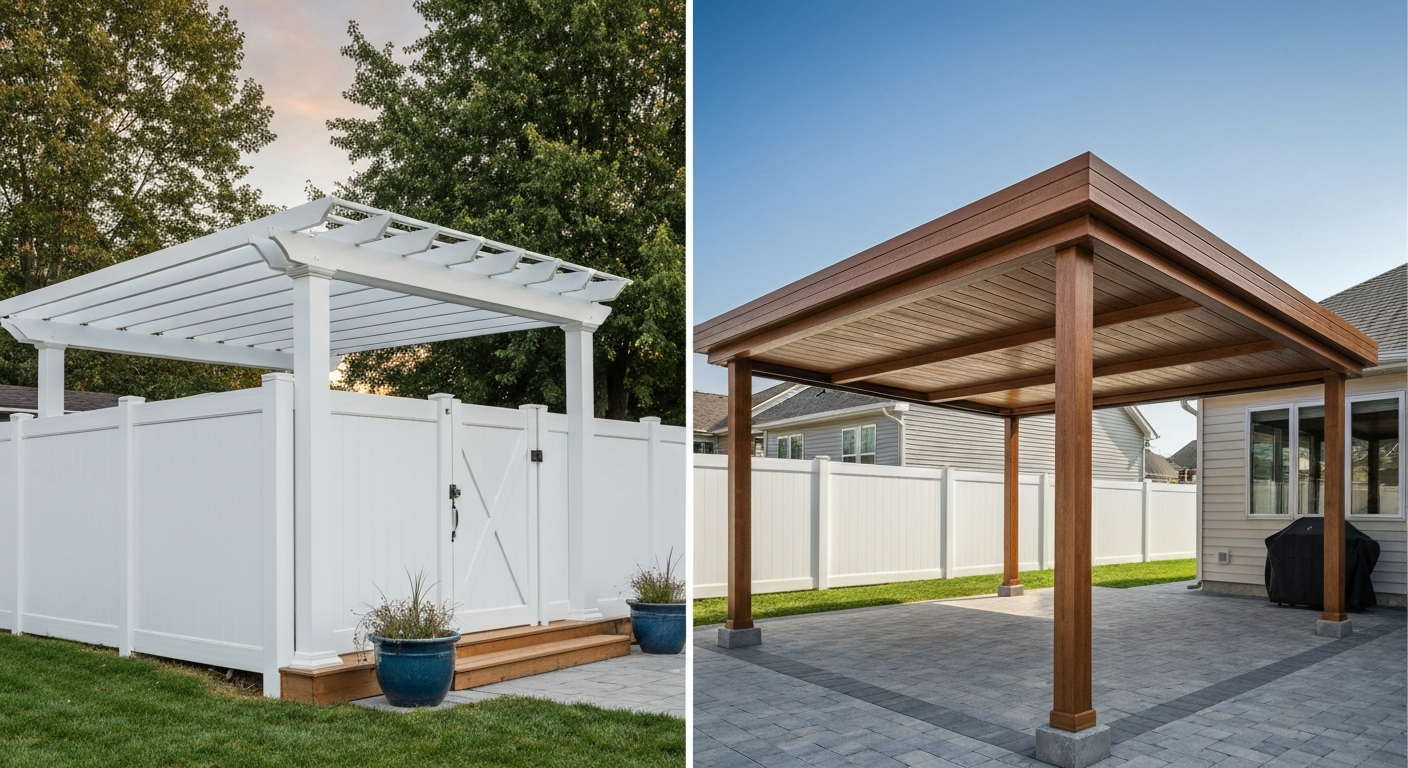
Best Vinyl Fence, Deck & Patio Covers: Guide & Top Picks
Best vinyl fence, deck & patio covers: expert comparisons, top picks, costs, installation & maintenance guide.
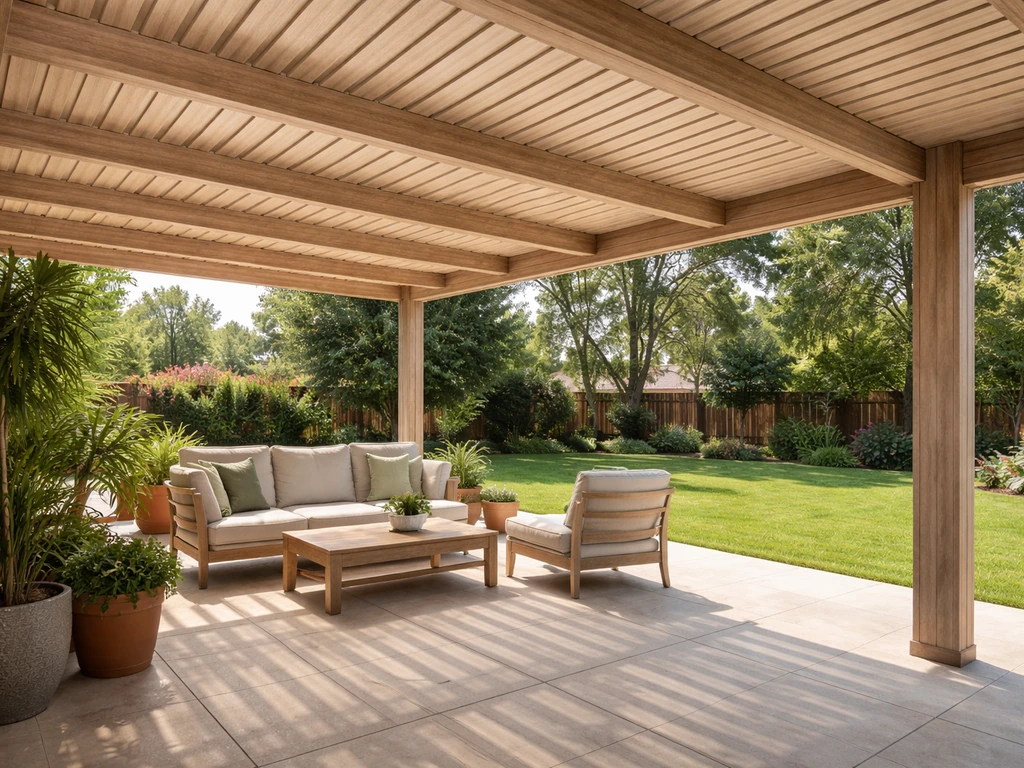
Alumawood Patio Covers Pros and Cons: Buying Guide
Alumawood patio cover pros and cons, durability, heat and maintenance, costs, and smart when to choose it
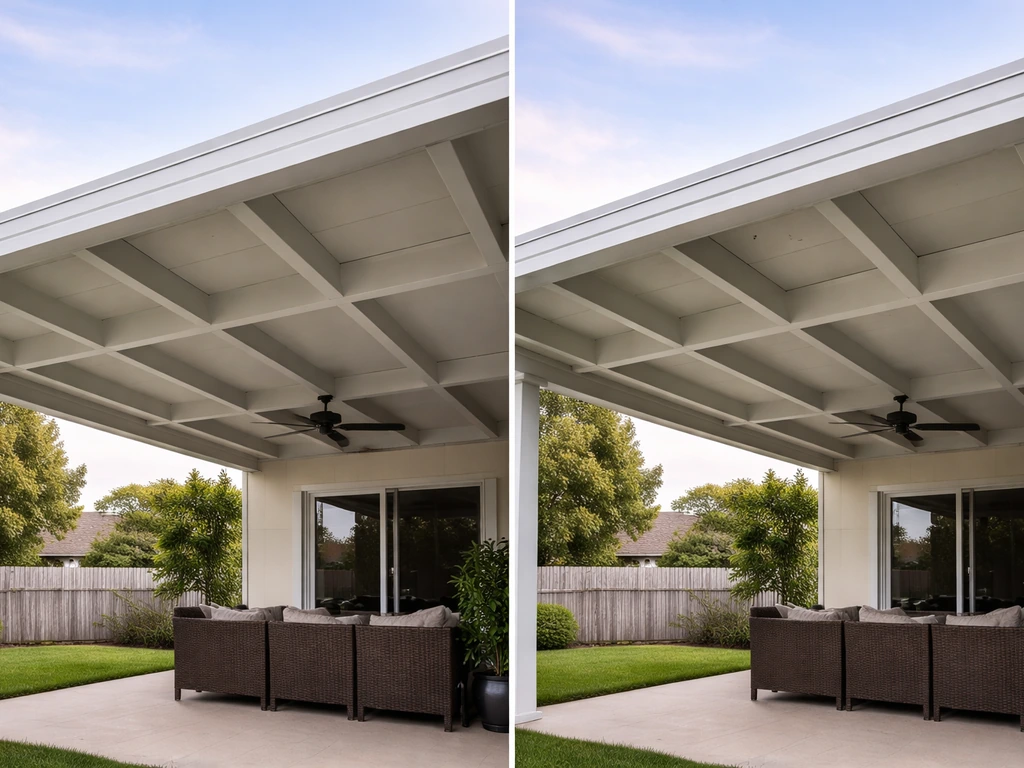
Duralum Patio Covers vs Alumawood: Costs, Lifespan, Performance
Compare Duralum and Alumawood patio covers on cost, lifespan, insulation, weather performance, maintenance, and install