
The best quick alternatives to traditional patio cushions are bench and seat pads, waterproof poufs or molded ottomans, closed-cell foam pads, and outdoor floor pillows. Each one skips the soggy-cushion problem while still giving you real comfort. If you need something even more low-maintenance, an outdoor rug layered over your existing furniture frame or built-in bench does the job for a fraction of the cost of a full cushion set.
Alternative to Patio Cushions: Durable, Stylish Options and DIY

Lark Perry
22 Jul 2026
Who this guide is for
If you've ever dragged soaked patio cushions off a chair after a surprise rainstorm, or lugged a pile of foam-filled pillows indoors every autumn, you already know the argument for looking at alternatives. This guide is written for homeowners and renters who want comfortable, weather-resistant outdoor seating without the full maintenance burden that comes with traditional patio cushions. It's also for anyone on a tight budget who wants to furnish a balcony or backyard without spending a few hundred dollars on a cushion set that fades in two seasons. I'll walk through every viable substitute, explain the real tradeoffs in plain terms, give you cost and durability comparisons, and tell you honestly when a proper cushion (including options like Sunbrella-covered ones) is still the smarter call.
Why you might skip traditional cushions
Standard patio cushions work well under controlled conditions, but outdoor life is rarely controlled. The core problems are moisture absorption, mildew growth, UV fading, and storage. Even cushions filled with reticulated (open-cell) quick-dry foam, which the trade recommends for outdoor use because it drains in 2 to 4 hours instead of the 24 to 48 hours a standard foam core takes, still require airflow and periodic cleaning. Solution-dyed fabrics like Sunbrella carry 5-year residential upholstery warranties and resist bleach damage, but a quality set with those covers costs real money. And if your patio furniture lives in a high-humidity, high-rainfall, or full-sun environment, even the best cushions need to come inside or go under a cover regularly.
The alternatives in this guide sidestep some or all of those pain points. They tend to be lighter, cheaper to replace, easier to clean, and in some cases completely waterproof rather than just water-resistant. The tradeoff is usually some reduction in plush comfort compared to a thick foam-and-fabric cushion, and occasionally a narrower range of aesthetics. The right choice depends on your climate, how much maintenance you're willing to do, and what your furniture frames actually look like.
All the alternatives, grouped at a glance
Here's a quick reference of every viable substitute covered in this guide, organized by category so you can jump straight to what fits your setup.
| Category | Best for | Rough cost range | Waterproof? |
|---|---|---|---|
| Outdoor rugs | Built-in benches, deck flooring as seating base | $30–$200 | Water-resistant (drains fast) |
| Bench and seat pads | Swing benches, dining benches, built-ins | $15–$80 per pad | Depends on cover fabric |
| Waterproof poufs and molded ottomans | Flexible extra seating, footrests | $20–$150 | Yes (most models) |
| Outdoor floor pillows and floor cushions | Lounge areas, low-slung furniture | $25–$120 | Water-resistant |
| Closed-cell foam pads | Chair seats, benches, DIY projects | $10–$50 | Yes |
| Built-in or built-up seating | Permanent patios, decks, fire pits | Varies widely | Depends on finish |
| Hammocks and hanging seats | Yards, pergolas, covered porches | $40–$300+ | Yes (polyester/rope types) |
| Modular furniture with integrated padding | Full patio sets, sectionals | $200–$1,000+ | Yes (molded/sling types) |
| DIY and upcycled solutions | Budget builds, custom shapes | $5–$60 | Depends on materials |
Outdoor rugs as a seating surface
This one surprises people, but it genuinely works for built-in benches and low-profile seating areas. A thick polypropylene or olefin outdoor rug placed over a wood bench seat or a concrete ledge creates a non-slip, UV-stable surface that's easy to clean and won't grow mildew the way a foam cushion can. Power-loomed polypropylene rugs are 100% synthetic, UV-stabilized, and hose-cleanable according to both Good Housekeeping's textile lab testing and standard retailer guidance from Home Depot and Costco. The Naples Indoor/Outdoor Rug Collection, Costco product listing (olefin outdoor rug features & care) states that olefin outdoor rugs are UV‑stabilized and can be rinsed with a garden hose and air‑dried to remove soil and prevent mildew Naples Indoor/Outdoor Rug Collection — Costco product listing (olefin outdoor rug features & care). You literally spray them down and let them air dry.
Pros
- Very low maintenance: hose off, air dry, done
- UV-stabilized polypropylene resists fading better than many cushion cover fabrics
- No mildew risk when properly dried, unlike foam-filled cushions
- Inexpensive — a runner-size rug for a bench can cost $30 to $60
- Works as both a floor layer and a seat softener simultaneously in lounge setups
Cons
- Minimal cushioning — you're adding texture and warmth, not significant padding
- Can slide on smooth bench surfaces without a non-slip underlay or adhesive strip
- Doesn't look like traditional patio furniture, so it works best in casual or bohemian setups
- Edge fraying can occur on cut-to-size pieces if not finished properly
Best uses
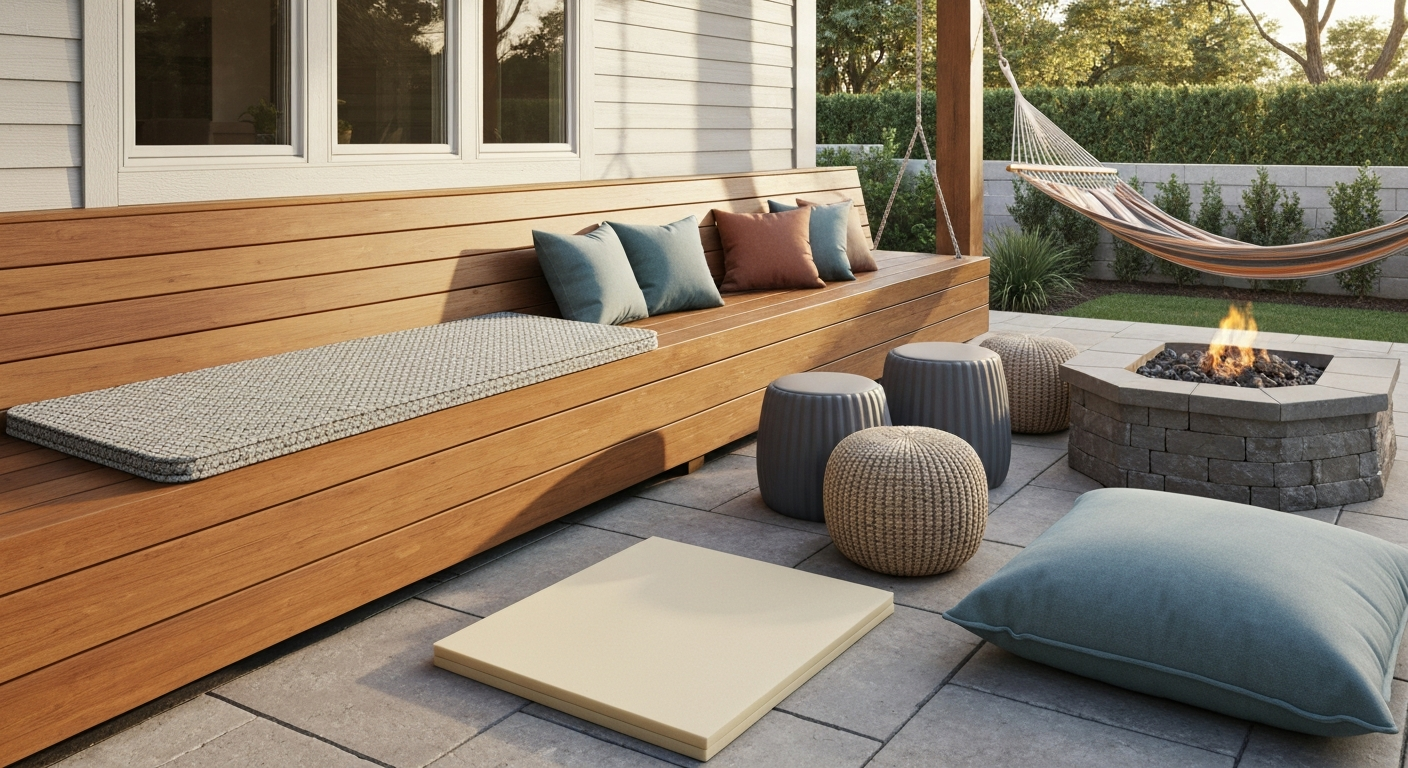
Outdoor rugs as seating surfaces work best on wide built-in benches around fire pits, concrete ledge seating, and lower deck platforms where you want a layered look with floor cushions or poufs stacked on top. They're not a replacement for a padded chair seat, but they're excellent as a base layer that makes hard surfaces livable without any storage requirement.
Bench and seat pads
Pre-cut bench pads and seat pads are the closest substitute to traditional cushions without actually being a traditional cushion. They're thinner (typically 1 to 2 inches versus 3 to 5 inches for a full chair cushion), pre-shaped to standard furniture sizes, and designed to sit flat on bench surfaces. IKEA sells its KUDDARNA bench pad at 47.25 by 15.75 inches at a budget price point, which covers most standard outdoor bench seats. Similar options at Home Depot, Wayfair, and outdoor specialty retailers follow similar sizing conventions.
Pros
- More comfortable than bare wood or a rug alone — you get real foam padding
- Standardized sizing makes finding a replacement easy
- Lighter than full cushions, so they're easy to stack and store
- Lower price point — $15 to $80 per pad depending on size and fabric
- Some use solution-dyed polyester or treated covers that handle moderate rain well
Cons
- Budget bench pads often use standard open-cell polyurethane foam that absorbs water and dries slowly
- Thinner than full cushions, so less back support on backless benches
- Cover quality varies significantly — look for solution-dyed polyester or olefin at minimum
- Ties or straps for securing to benches can fail over time in UV-heavy environments
Best uses
Bench pads make the most sense for porch swings, straight dining benches, and built-in deck benches where you want the simplicity of a single flat piece you can grab and bring inside quickly. If you're furnishing a rental where you don't want to invest in full cushion sets, a few well-chosen bench pads hit the comfort target at a fraction of the cost. For best weather performance, look for pads with covers in solution-dyed acrylic or a high-quality solution-dyed polyester rather than plain polyester.
Waterproof poufs and molded outdoor ottomans
This category has exploded in the last few years and for good reason. Outdoor poufs and molded polyrattan or polyethylene ottomans are genuinely waterproof (not just water-resistant) on most models, require essentially no maintenance, and double as extra seating or footrests depending on the moment. Popular bean-bag-style outdoor seats from brands like Big Joe use coated polyester or PVC-coated oxford fabric covers with EPS bead, foam, or inflatable fills. Product listings and vendor spec pages commonly show Sunmax/Sunbrella‑style performance fabrics or PVC/oxford/polyester covers (often with water‑repellent coatings) paired with EPS beads, foam, or inflatable chambers as fills, so drainage and comfort vary significantly by fill type Outdoor Bean Bag Chairs — OutsideModern (curated product guide). Prices run roughly $20 to $150 depending on size and cover material.
Pros
- Many models are genuinely waterproof — wipe them off and you're done
- Lightweight and easy to move, stack, or store flat in many cases
- Flexible function: seating, footrest, side table for drinks
- Price range starts very low ($20 to $30 for basic coated-fabric models)
- Molded polyethylene ottomans are essentially indestructible in UV and rain
Cons
- EPS bead fill gets lumpy over time, especially in lower-priced models
- Not a substitute for back support — they're footrest/extra-seat items, not primary chair replacements
- Some fabric poufs have wipe-clean covers but woven seams that trap moisture; check construction carefully
- Inflatable chamber fills can develop slow leaks with sharp debris exposure
Best uses
Poufs and ottomans work best in casual lounge setups alongside chairs or sectionals that already have some built-in comfort, or anywhere you need flexible extra seating for guests without buying additional chairs. A few molded polyethylene ottomans around a fire pit replace the need for cushioned stools entirely and can live outside year-round in most climates. For higher-end aesthetics, look for PVC-coated or Sunbrella-covered round ottomans, which start around $80 to $100 and look much more polished.
Outdoor pillows and floor cushions
Outdoor floor pillows and oversized floor cushions sit in the gap between traditional seat cushions and poufs. They're typically 20 to 30 inches square and 4 to 6 inches thick, designed to be tossed onto decks, patios, or low platform furniture for casual seating. The best ones use solution-dyed polyester or acrylic covers (the same manufacturing approach that Sunbrella uses, where pigment is locked into the fiber rather than applied as a surface dye, giving far better UV and bleach resistance) over quick-dry reticulated foam or a polyester fiberfill core.
Pros
- Very flexible — use them on the ground, on benches, propped against walls as backrests
- Large size makes them genuinely comfortable for lounging
- Good quality ones with solution-dyed covers resist UV fading for several seasons
- Easy to mix-and-match colors and patterns for a relaxed, layered outdoor look
- Typically lighter and easier to bring indoors than full chair cushions
Cons
- Lower-end floor cushions with standard polyester fill stay wet for 24 hours or more after heavy rain
- No attachment points, so they slide around on smooth deck surfaces
- Thick fill means slower drying than thin bench pads even with reticulated foam
- Not ideal as a primary seat on a slatted chair frame — they need a flat surface to sit comfortably
Material matters: what to look for in floor cushion fabric
The cover fabric is the most important spec to check. Solution-dyed acrylic (like Sunbrella, which carries a 5-year residential warranty for upholstery use) and solution-dyed olefin are the top performers for UV resistance and colorfastness. Standard polyester is acceptable in shaded or covered patio conditions but will fade faster in full sun. For fill, reticulated open-cell foam is the right answer if the cushion will be left outdoors: it allows water to drain through in 2 to 4 hours versus 24 to 48 hours for a solid foam core. Avoid standard polyester fiberfill in outdoor floor cushions if you live in a high-rainfall area, it stays damp for days and is a mildew magnet.
Best uses
Floor cushions and outdoor pillows are the best alternative for bohemian or casual patio setups, low-profile furniture, and covered porches where rain exposure is limited. They're also a smart complement to any fixed outdoor bench or built-in seating where you want the flexibility to rearrange seating for different group sizes. If you're considering traditional cushions primarily for their aesthetic value, a well-chosen set of outdoor floor pillows in coordinated colors can achieve a similar look at lower cost and with easier storage.
Sizing and color matching: getting the scale and palette right
No matter which alternative you choose, scale and color are the two factors that make or break the final look. For bench pads and seat pads, measure your bench depth and width before ordering, most standard outdoor bench pads are 47 to 48 inches long and 15 to 16 inches deep, but built-in benches vary. Go 1 to 2 inches narrower than the bench depth so the pad doesn't overhang and curl at the front edge. For poufs and floor cushions, a single 24-inch pouf looks lost next to a large sectional; cluster three together or size up to a 30-inch diameter version.
For color, the standard outdoor palette advice is to anchor with a neutral (greige, slate, or natural linen tones) and use your cushion alternatives as the accent layer. For guidance on selecting hues, see our guide to the best color for outdoor patio cushions. Solid neutrals hide UV fading better than saturated colors because even excellent solution-dyed fabrics will shift slightly over multiple seasons in full sun. If you want pattern, place it on items you're more likely to replace or bring inside (floor pillows, poufs) and keep the larger fixed surfaces neutral.
Comparing alternatives to traditional patio cushions
Here's a direct side-by-side across the main criteria most readers care about. This also shows where standard cushions, including premium options with Sunbrella covers and quick-dry foam cores, still win.
| Option | Comfort level | Waterproof | Maintenance | Typical cost | Best climate |
|---|---|---|---|---|---|
| Traditional cushion (budget polyester) | High | No — absorbs water | High (dry, store, clean) | $20–$60 each | Dry, covered patios |
| Traditional cushion (Sunbrella + quick-dry foam) | Very high | Water-resistant (drains 2–4 hrs) | Moderate (bleach-cleanable) | $60–$200+ each | All climates with storage |
| Bench/seat pad (budget) | Moderate | No | Moderate | $15–$40 per pad | Covered patios |
| Bench/seat pad (solution-dyed cover) | Moderate | Water-resistant | Low-moderate | $30–$80 per pad | Most climates |
| Waterproof pouf or molded ottoman | Low-moderate | Yes | Very low (wipe clean) | $20–$150 | Any climate |
| Outdoor floor cushion (solution-dyed + reticulated foam) | High | Water-resistant (drains fast) | Low-moderate | $25–$120 each | Most climates |
| Closed-cell foam pad | Low-moderate | Yes (waterproof core) | Very low | $10–$50 | Any climate |
| Outdoor rug (as seat layer) | Low (texture only) | Yes (drains, no absorption) | Very low (hose off) | $30–$200 | Any climate |
| Hammock or hanging seat | High (full-body) | Yes (polyester/rope) | Low | $40–$300+ | Any, avoid ice loads |
| Modular furniture with integrated padding | High | Yes (sling/molded types) | Very low | $200–$1,000+ | Any climate |
When a traditional cushion is still the right call
To be straight with you: if your priority is maximum comfort for a dedicated lounge chair or deep-seat sectional, a quality cushion with a solution-dyed acrylic cover and a reticulated foam core still outperforms every alternative on raw comfort. For a focused comparison and my picks for what are the best outdoor patio cushions, consult the dedicated guide on top-rated outdoor cushions and covers. The alternatives in this guide solve the maintenance and cost problems, but none of them match the 4- to 5-inch padded support of a proper deep-seat cushion for extended sitting. If you have covered patio storage, a budget for quality fabrics, and furniture specifically designed for thick cushions, the cushion route remains worth considering. The best outdoor cushion sets with Sunbrella-grade covers and quick-dry foam are the benchmark that alternatives are measured against, not the problem they all solve. If you want to compare models, see our roundup of top rated patio cushions for options across budgets and materials. For a direct comparison and shopping recommendations, see our guide to the best outdoor patio cushions for different budgets and climates.
DIY options and upcycled ideas
Closed-cell polyethylene foam (brands like Volara) is one of the best DIY materials for seat pads. It has extremely low water absorption (reported below 0.06% by weight), comes in sheet form, cuts cleanly with a utility knife, and is genuinely waterproof rather than just resistant. You can cut it to any shape, wrap it with outdoor fabric, and staple or glue it to a bench frame for a custom seat that survives full weather exposure. Density matters for comfort: look for grades around 2 to 4 lb per cubic foot. Higher density gives better compression support but adds weight.
Another practical upcycle: old life jackets (the closed-cell foam type) make surprisingly good temporary seat pads for boat docks and patio benches. More practically, salvaged pallet wood with a strip of outdoor foam glued to the top rail and covered with UV-treated canvas creates a built-up bench cushion that can be repainted and re-covered at minimal cost. The key for any DIY foam project outdoors is using closed-cell rather than open-cell foam for the base layer, open-cell foam, even reticulated varieties, will eventually harbor mildew if left exposed to repeated wetting without thorough drying.
Maintenance, storage, and how long alternatives last
Most of the alternatives covered here have much simpler maintenance requirements than traditional cushions precisely because they either shed water completely or dry fast. Here's the short version for each main category.
- Outdoor rugs: rinse with a garden hose, prop upright or hang to dry fully before returning to a flat surface. Check underneath for trapped moisture on solid deck surfaces monthly in wet climates.
- Bench and seat pads: shake off debris weekly. Spot clean with mild soap and water. Store flat in a dry location in winter if your pad uses standard foam fill.
- Waterproof poufs and molded ottomans: wipe with a damp cloth. Molded polyethylene pieces can stay outside year-round in nearly any climate with no maintenance required.
- Outdoor floor pillows: unzip and remove the fill after extended rain if possible, or stand them on edge to accelerate drainage. Wash solution-dyed covers according to fabric guidelines — most tolerate dilute bleach solutions without color loss.
- Closed-cell foam pads: wipe clean. Do not need storage in winter unless the cover fabric requires it.
- Hammocks: polyester or olefin rope versions can stay up in rain; store or cover in freezing temps to prevent fiber damage from ice formation in the weave.
Lifespan varies significantly by material. A molded polyethylene ottoman or a quality closed-cell foam pad with a UV-stable cover can realistically last 5 to 8 years in full sun exposure. Budget polypropylene poufs with thin coated-fabric covers may need replacing after 2 to 3 seasons. Outdoor rugs in polypropylene typically last 3 to 5 years outdoors before UV degradation and foot traffic wear show. Solution-dyed acrylic covers on bench pads or floor cushions will outlast standard polyester covers by a wide margin, consistent with the 5-year warranty standard that Sunbrella documents for residential upholstery applications. The investment in better cover fabric up front almost always pays off over a 3 to 5 year period compared to replacing budget alternatives twice.
FAQ
Quick answer: What are the best practical alternatives to traditional patio cushions for comfortable, weather-resistant outdoor seating?
Short answer: use outdoor rugs, bench/seat pads, waterproof poufs/ottomans, outdoor pillows, closed-cell or reticulated (quick-dry) foam pads, built-in or built-up seating (brick/wood with finished tops), hammocks/hanging seats, modular furniture with integrated padding, or DIY/upcycled solutions. Each option trades off comfort, weather resistance, cost and appearance — pick by exposure, use frequency, and budget.
Why choose an alternative instead of traditional patio cushions?
Reasons: better weather resistance (waterproof or quick-drying materials), lower maintenance (hose-cleanable or wipeable), lower cost or longer life in harsh climates, space or rental constraints (non-permanent solutions), different aesthetics (boho, modern minimal, built-in look), and safety for high-traffic or poolside areas where foam cushions would retain water or mildew.
Which alternatives should I consider (categorized list)?
Viable categories: 1) Outdoor rugs (polypropylene/olefin) 2) Bench/seat pads (standard low-profile pads) 3) Waterproof poufs and outdoor ottomans 4) Outdoor throw pillows (as back/seat support) 5) Foam or closed-cell pads (Volara-style closed-cell or reticulated quick-dry foam) 6) Built-in / built-up seating (topped with finished wood, tile, or stone) 7) Hammocks and hanging seats 8) Modular/sectional furniture with integrated padding 9) DIY/upcycled solutions (pallets + foam, re-covered storage bins, painted plywood with cushions placed on demand).
What are the pros, cons and best-use cases for outdoor rugs?
Pros: inexpensive, large-area comfort, UV-stable polypropylene resists fading, hose-cleanable, low mildew risk if dried. Cons: thin padding (limited cushioning), can shift or bunch, can trap dirt underneath if not lifted. Best uses: under dining sets, on hard surfaces to create a softer floor, layering under chairs/benches for visual warmth and some comfort.
What about bench/seat pads (ready-made)?
Pros: designed sizes for benches, inexpensive (IKEA and big-box options), lightweight and replaceable, some are water-resistant. Cons: many are not fully waterproof, limited cushioning and lifespan, straps may fail. Best uses: rental-friendly bench seating, porch swings, and built-in benches with periodic indoor storage.
Pros/cons/best uses for waterproof poufs and outdoor ottomans
Pros: fully weather-resistant covers (coated polyester, PVC, or treated fabrics), portable, moderate comfort, wide price range. Cons: filler varies (EPS beads vs foam) — drainage/comfort differs; cheaper versions fade/tear sooner. Best uses: flexible seating for patios, poolside, kids’ seating, and casual lounges.
Next Articles
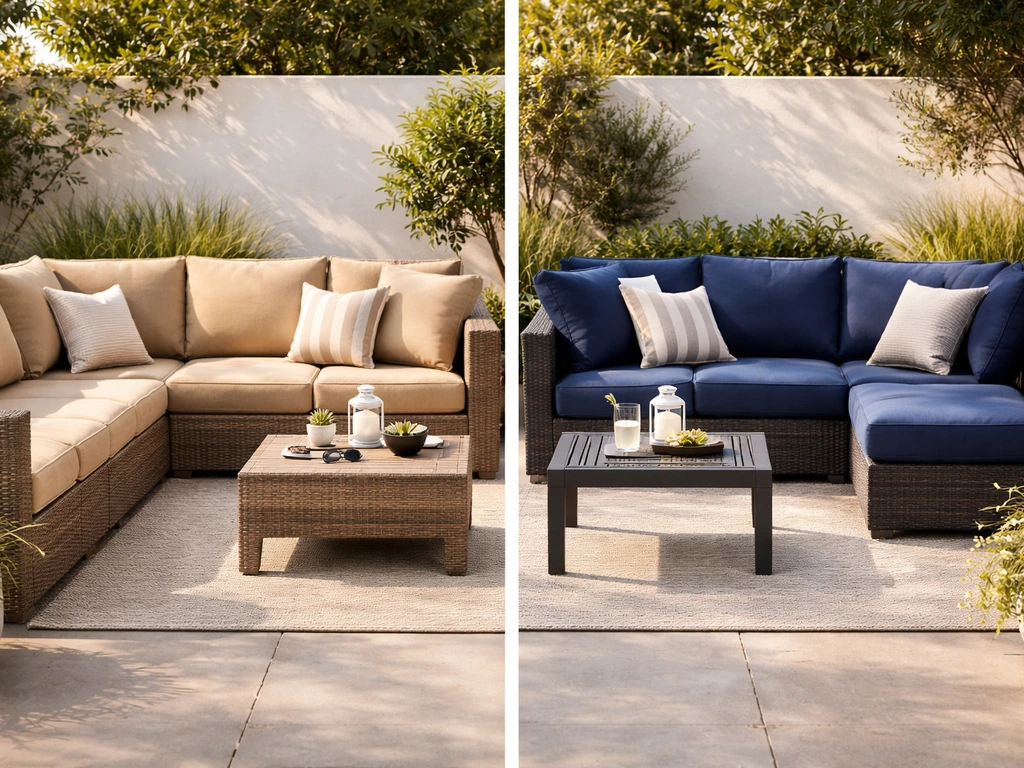
Best Color for Outdoor Patio Cushions in 2026
Choose the best cushion color for sun, heat, and fading in 2026, with pairing tips for patio furniture and durability.
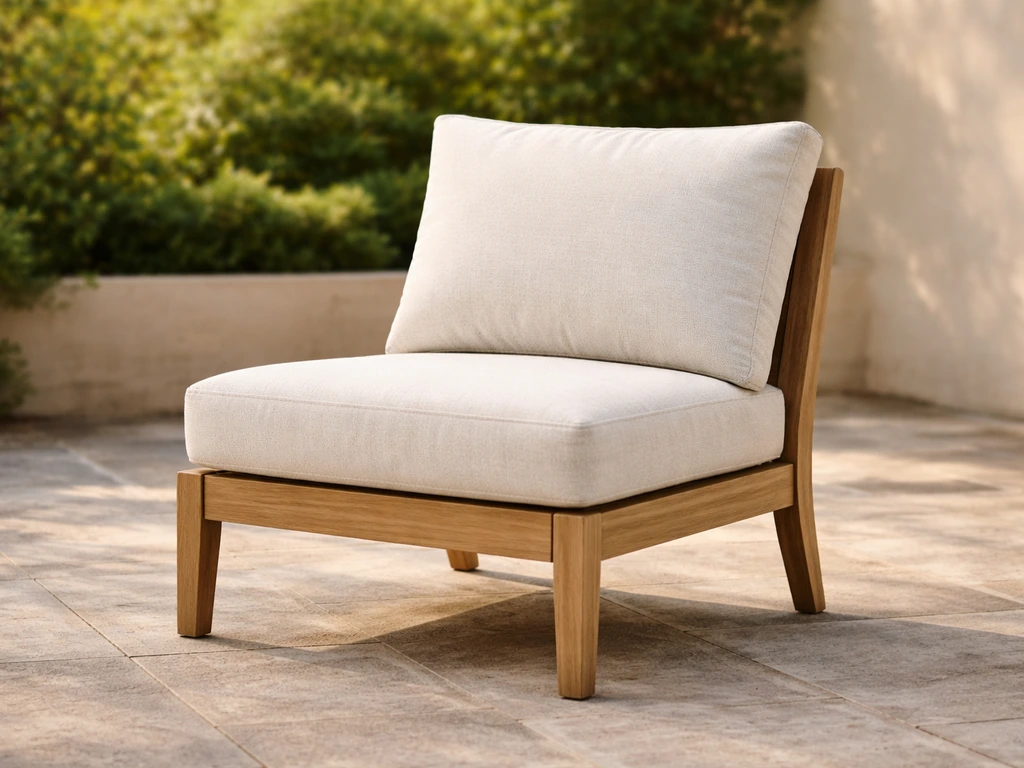
Top Rated Patio Cushions: How to Choose Fast and Right
Step-by-step guide to choose top rated patio cushions by fit, materials, weather durability, and easy cleaning for your
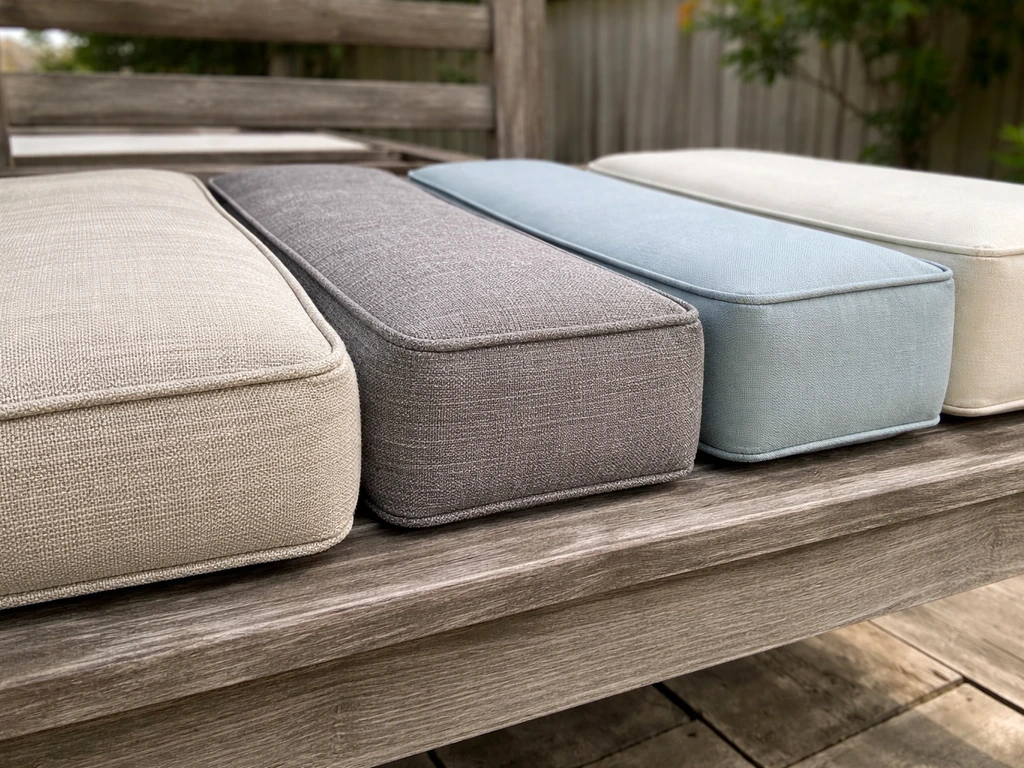
What Are the Best Outdoor Patio Cushions? A Buying Guide
Choose the best outdoor patio cushions with fit tips, weatherproof fabrics, foam comfort, and care for long-lasting comf