
Knitted HDPE shade cloth is the best all-around choice for most patios. It blocks 84–95% of UV rays depending on the grade, lets air flow through so it doesn't turn into a wind sail, resists mildew naturally, and lasts 5–10 years with minimal upkeep. The exact product you need depends on your patio size, how you plan to mount it, and whether your priority is sun blocking, heat reduction, privacy, or handling windy conditions. Get those three things right and shade cloth is genuinely one of the best-value patio upgrades you can make.
Best Shade Cloth for Patio: How to Choose and Install
Lark Perry
18 Jun 2026
How to Size Shade Cloth for Your Patio
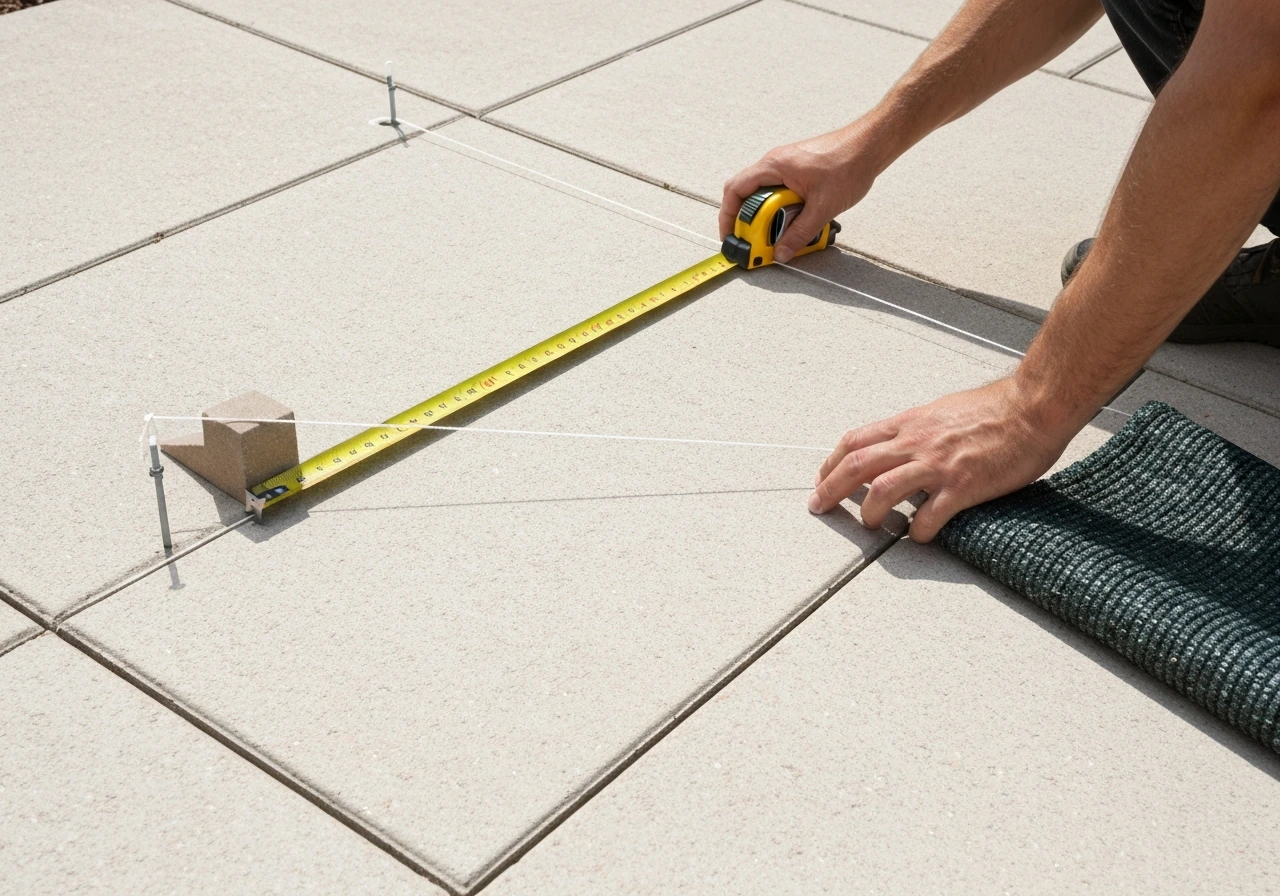
The single biggest sizing mistake people make is measuring the area they want shaded and ordering that exact size. What you actually need to measure is the distance between your fixing points, which are the corners, posts, or wall brackets where the cloth will actually be anchored. The fabric needs to span that distance and still have enough material left to tension properly. A good rule of thumb: plan for your fixing points to sit at least one foot outside the perimeter of the shaded area. So if you want to cover a 10x12-foot seating zone, your anchor points should create a footprint roughly 12x14 feet.
Height difference between anchor points matters too, and it's something most beginners skip entirely. A flat installation is a problem: water pools on the fabric, tension becomes nearly impossible to achieve evenly, and the whole thing looks sloppy. As a rough guide, a 20-foot sail needs about 4 feet of height difference between its highest and lowest corners. Even modest height variation (2–3 feet across a smaller patio sail) makes a real difference in drainage and tension. If your patio has a fence on one side and a wall bracket on another, use that natural height variation to your advantage.
Sun path is worth a quick check before you finalize your layout. A sail installed on the east side of your patio might shade perfectly at 8am but leave your seating area fully exposed by noon. Spend a few minutes watching where the sun hits your patio between 10am and 3pm (the hottest window), then orient your anchor points to block that angle. This is especially important if you're working with a triangular or asymmetric sail shape.
Best Shade Cloth Types by Use Case
Not every shade cloth setup solves the same problem. Here's how to match the type to your actual goal:
Fixed Shade Sails (Best for Permanent Sun Coverage)
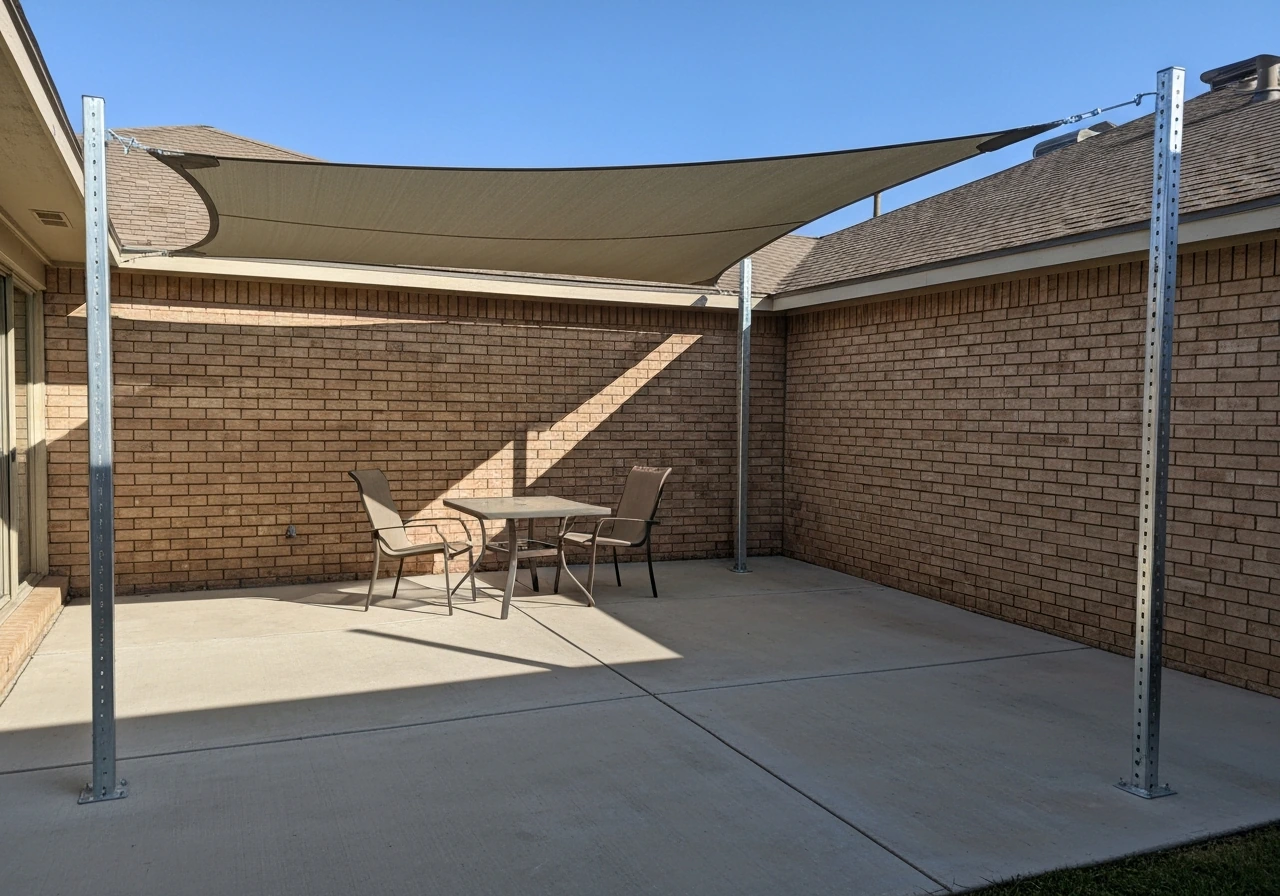
If you want a set-it-and-mostly-forget-it solution, a tensioned shade sail made from knitted HDPE fabric is the move. If you're shopping for manual sun shades for patio use, look for a tensioned sail style that you can install and adjust with the right hardware tensioned shade sail. These are the triangular or rectangular panels you see stretched between posts or wall brackets. They're rigid enough under tension to stay put in moderate wind, and the knitted construction allows airflow so the space underneath doesn't just bake. Coolaroo is the most widely available brand in this category, with 90–95% UV block ratings and fabric weights around 205 gsm. These work best on larger patios (roughly 10x10 feet and up) where you have solid anchor points.
Retractable Shade Cloth Setups (Best for Flexibility)
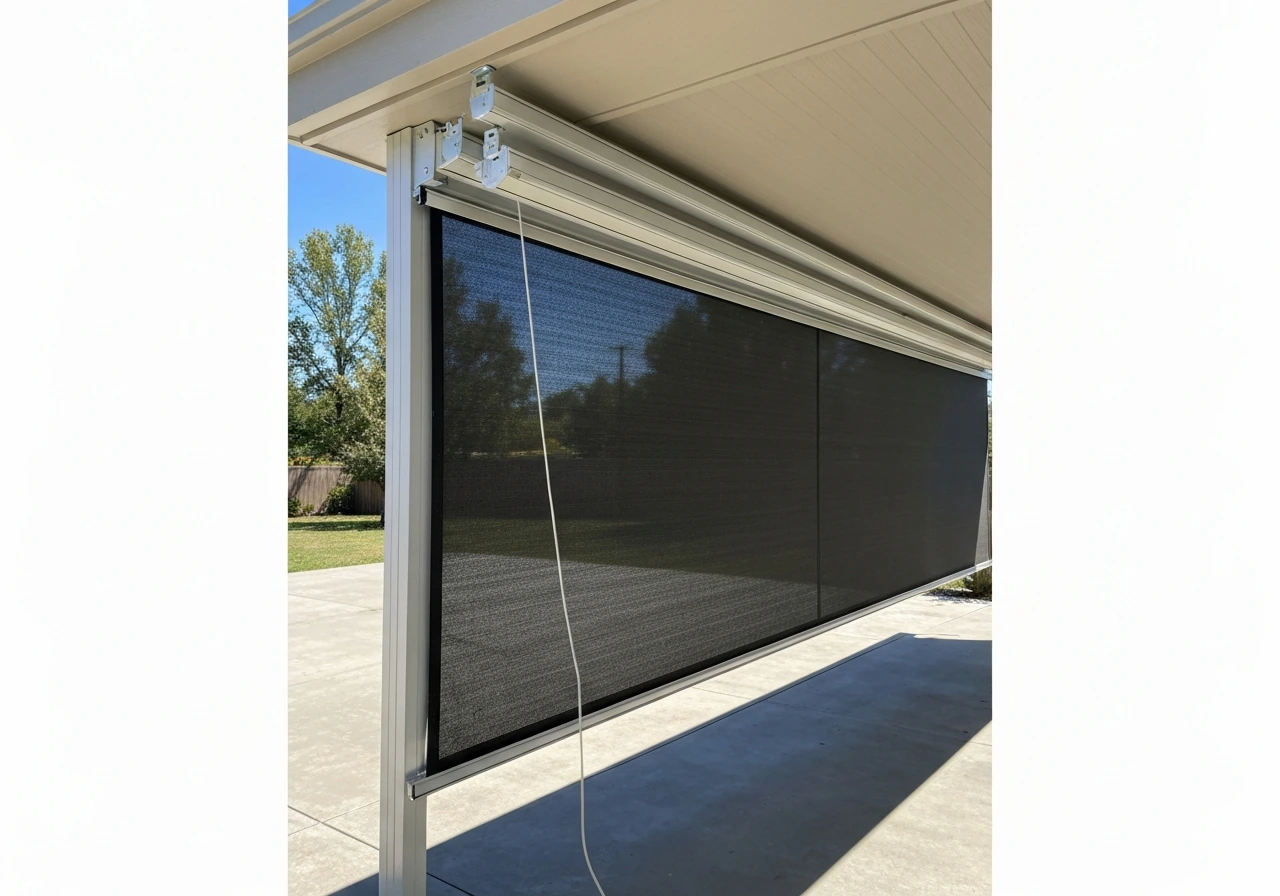
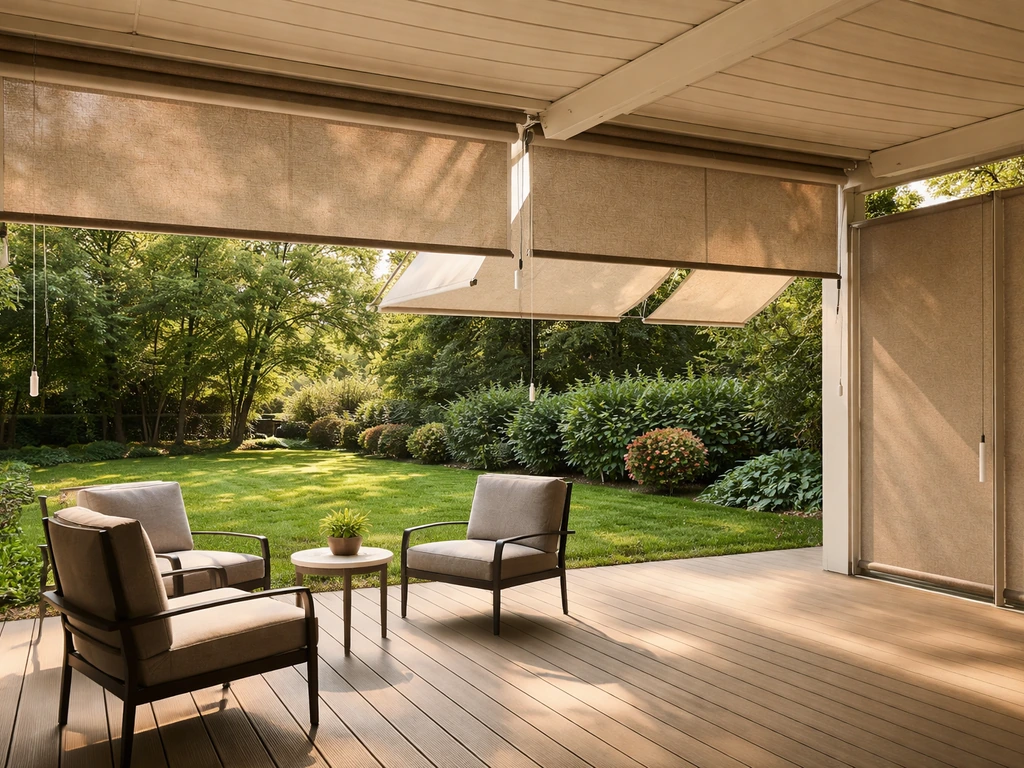
If you want shade on demand without a permanent install, retractable shade cloth systems thread fabric through a track or roller and let you extend or retract coverage as needed. These typically use lighter-weight knitted fabric to reduce stress on the mechanism. They're ideal for covered pergolas or patios where you want control over light levels. If retractable systems are your primary interest, that's a deeper topic worth exploring on its own, since the hardware and installation process differs significantly from fixed sails.
Privacy Screens (Best for Blocking Views and Light)
Privacy shade cloth is typically denser, with 90% or higher opacity. This blocks nosy neighbors but also reduces airflow more than standard shade cloth. Woven shade cloth (as opposed to knitted) is sometimes used here because it creates a tighter weave. The tradeoff is that woven fabric is stiffer in wind, which puts more stress on anchor points. If privacy is your goal but you're also in a windy area, look for a knitted fabric in the 85–90% range: it'll give you reasonable visual screening while staying more wind-tolerant.
Wind-Aware Setups (Best for Exposed or Gusty Patios)
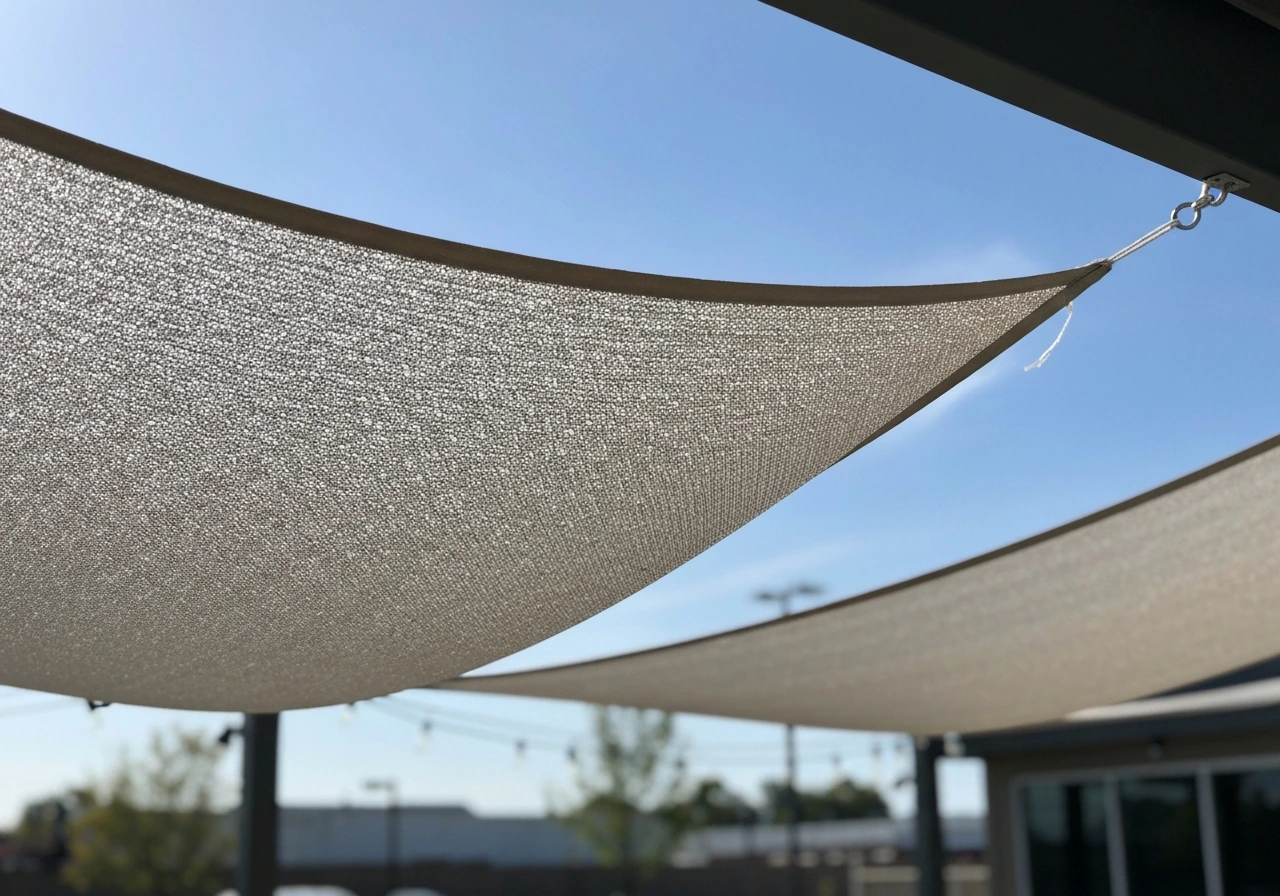
In areas with regular wind, the fabric's porosity is more important than its opacity. Knitted HDPE in the 70–85% shade range lets enough air pass through that gusts don't load the fabric like a parachute. Higher-opacity or solid fabrics in these conditions transfer enormous force to the anchor points, which is how posts get bent or brackets get ripped out of walls. Shade sail tension can exceed hundreds of pounds per corner in strong wind conditions, so matching fabric porosity to your wind exposure isn't just a comfort question, it's a structural one.
The Specs That Actually Matter: GSM, Opacity, and UV Ratings
The three numbers you'll see on shade cloth listings are UV block percentage, shade percentage (opacity), and fabric weight in GSM (grams per square meter). Here's what they mean in plain terms:
UV block percentage tells you how much ultraviolet radiation the fabric stops. A 90% UV block rating means only 10% of UV rays pass through. Coolaroo's standard knitted HDPE rates at 90% UV block; their heavier shade sail fabric rates at 95%. For reference, a UPF 50+ rating (which you'll see on some listings using clothing-style labeling) means less than 2% UV transmission, which is roughly equivalent to a 98% UV block claim. These different labeling systems describe the same thing, just from different angles.
Shade percentage and UV block percentage are related but not identical. Shade percentage refers to visible light reduction, while UV block is about ultraviolet specifically. A fabric can shade 70% of visible light but block 90% of UV because UV and visible light behave differently through the weave. For comfort and skin protection, UV block is the more important figure.
GSM (fabric weight) is a reasonable proxy for durability. Coolaroo's shade sail fabric runs around 205 gsm, which is on the heavier end for consumer HDPE shade cloth and contributes to its lifespan and tension stability. Cheaper shade cloth sold at discount retailers often comes in well under 150 gsm and shows it: it stretches unevenly, fades faster, and frays at the edges within a season or two. If you're investing in posts or wall hardware, don't cheap out on the fabric itself.
| Spec | What It Means | Good Range for Patios |
|---|---|---|
| UV Block % | How much UV radiation the fabric stops | 85–95% for sun/heat control |
| Shade % | How much visible light is reduced | 70–90% depending on privacy needs |
| GSM | Fabric weight and density indicator | 180–220 gsm for durability |
| UPF Rating | Clothing-style UV rating (UPF 50+ = <2% UV through) | UPF 50+ for maximum protection |
| Material | Knitted vs woven HDPE or polyester | Knitted HDPE for airflow and mildew resistance |
Mounting and Installation: How to Actually Do This Right
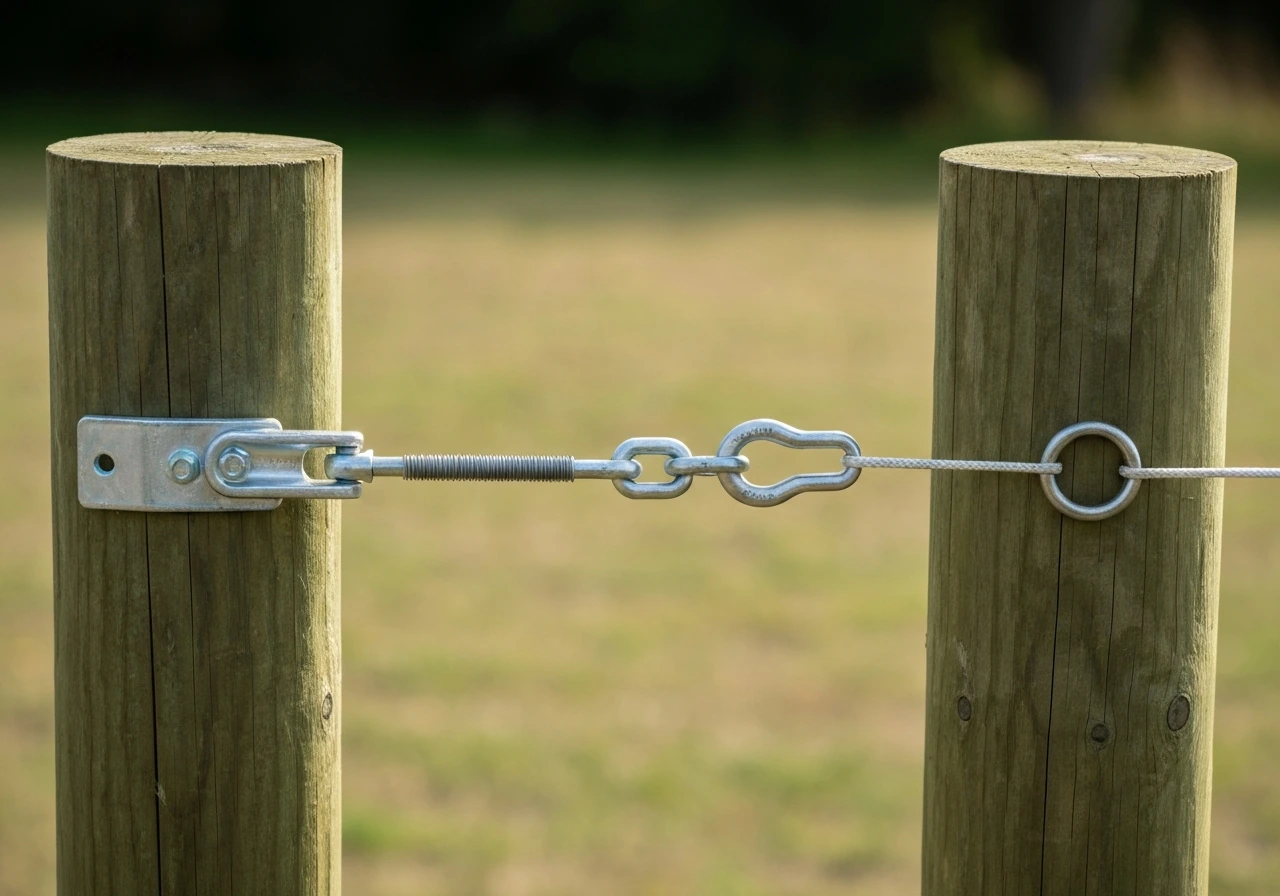
The mounting sequence matters. For a standard shade sail, the order goes: mounting surface (wall, post, or fence) → bracket → turnbuckle → shackle → sail corner ring. Each connection point serves a specific function in the tensioning system, and skipping or swapping any of them usually results in a sail that won't tension correctly or that places stress on the wrong part of the hardware.
Turnbuckles are the most important piece of hardware most DIYers underestimate. They're the threaded adjusters that let you dial in tension after the sail is hung. Without them, you're either stuck with a saggy sail or you've over-tensioned your anchor points trying to compensate. Long turnbuckles (6 inches or more of adjustment travel) give you the most flexibility. Reddit DIYers who've done this right consistently call turnbuckles an absolute game-changer. Get one for each corner.
If you don't have existing walls or structures to anchor to, you'll need posts. Set them in concrete at least 24 inches deep (deeper in soft or sandy soil), and make sure the posts are rated for the lateral loads a tensioned sail puts on them. A 4x4 wood post won't cut it for a large sail in a windy area. 4-inch steel posts or 6x6 pressure-treated wood are more appropriate.
DIY Installation Tips
- Set all your anchor points (brackets, posts) before the sail goes up. Trying to adjust anchor geometry after the sail is attached is a miserable process.
- Install anchor points at staggered heights. Even 18–24 inches of height variation across a smaller sail helps enormously with drainage and tension.
- Hang the sail loosely at all corners first, then begin tensioning gradually. Work progressively around all corners in rotation, not corner by corner to completion.
- Stop and check for even tension distribution before fully tightening. You should see gentle, uniform curves at the edges, not one tight side and one floppy side.
- Aim for a taut surface with no visible wrinkles in the center. A slight curve at the fabric edges is normal and expected. Over-tightening is also a problem: it strains corner hardware and can tear reinforced corner patches.
Weather Durability and Keeping It in Good Shape
Knitted HDPE shade cloth doesn't absorb water, which is its single biggest practical advantage over fabric alternatives. Mold and mildew can still grow on the surface if dirt accumulates, but it won't penetrate the fibers the way it does with canvas or polyester blends. Most of the time, a rinse with a garden hose handles routine cleaning. For heavier buildup, a dilute mild soap solution and a soft brush work fine. Avoid pressure washers on shade cloth: the force can damage the knit structure and weaken the fabric at the corners where it's already under the most stress.
Expected lifespan for quality HDPE shade cloth like Coolaroo ranges from 5 to 10 years depending on climate, UV exposure, and how well it's maintained. The fabric itself typically outlasts the hardware. Turnbuckles and shackles are the first things to show wear, especially in coastal or humid climates where stainless steel is worth the extra cost over standard zinc-plated hardware.
Wind is the biggest threat to shade cloth longevity. In areas with regular storms or sustained high winds, it's worth removing the sail and storing it flat rather than leaving it up all season. Most corner rings are designed for quick detachment: once you have the tensioning hardware dialed in, re-hanging takes about 20 minutes. Leaving a sail up through a major storm event puts enormous stress on every connection point, and one bad anchor failure can cascade into torn fabric.
Shade Cloth Picks by Budget and Patio Scenario
Here's how I'd approach this depending on your situation: This guide can help you choose the top rated sun shades for patios that match your space, wind exposure, and coverage needs.
| Scenario | Best Approach | Key Specs to Target | Estimated Cost Range |
|---|---|---|---|
| Small balcony or apartment patio | Single triangle or small rectangle shade sail, wall-mounted | 90% UV block, knitted HDPE, under 10x10 ft | $30–$80 |
| Medium backyard patio, mild climate | Standard rectangle shade sail with 4 anchor points | 90% UV block, 180–205 gsm HDPE, turnbuckles at all corners | $80–$200 |
| Large backyard, intense sun | Overlapping shade sails or 95% UV block heavy fabric | 95% UV block, 205+ gsm, heavy-duty hardware | $150–$400+ |
| Privacy screening priority | Dense knitted HDPE at 85–90% shade rating along fence or railing | 85–90% shade percentage, windscreen-style mounting | $50–$150 |
| High-wind exposed area | Lower opacity knitted HDPE (70–80% shade) with reinforced hardware | 70–80% shade, open knit for airflow, stainless hardware | $100–$300 |
| DIY on a budget | Pre-cut shade sail kit from Coolaroo or similar with included hardware | 90% UV block, look for 180+ gsm and included turnbuckles | $40–$100 |
For most homeowners with a medium-sized patio in a typical climate, a Coolaroo rectangle sail (90% UV block, knitted HDPE, in the 12x16 or 16x20 foot range) hits the sweet spot. If you’re wondering how much patio shades cost, pricing mainly depends on fabric type, size, and hardware quality medium-sized patio. It's widely available at Home Depot and Tractor Supply, the fabric specs are clearly stated, and the brand has a long enough track record to trust the UV claims. For larger or more complex setups, buying fabric by the roll and cutting to size gives you more flexibility, but you'll need to hem or seal the edges yourself.
Common Mistakes and How to Fix Them
Sagging in the Middle
Sagging almost always means one of two things: insufficient tension or anchor points that are all at the same height. If all your fixing points are level, the sail has nowhere to drain water and no natural geometry to pull taut. BackyardCity recommends leaving room for fabric tension travel by planning the attachment geometry so the shade sail can stretch fully under load sail has nowhere to drain water and no natural geometry to pull taut. Start by adding height variation to at least one anchor point, even if it's just raising a bracket 12–18 inches. Then progressively re-tension all corners using turnbuckles. Adjust each corner a few turns at a time, rotating around all corners rather than cranking one side fully tight. A wrinkle running diagonally from one corner usually means that corner needs slightly more tension than the others.
Fluttering and Flapping in Wind
If the sail is flapping in mild wind, it's undertensioned. A properly tensioned shade sail should have very little movement in normal breezes. Flapping is also hard on the fabric and hardware: it creates cyclic stress on corner reinforcements and shackle connections. The fix is almost always more tension via turnbuckles. If you've maxed out your turnbuckle travel and it's still flapping, your anchor points are probably too far apart for the sail size, or your posts are flexing. Check that posts are solidly anchored and not rocking even slightly.
Water Pooling After Rain
Pooling is a flat-installation problem. Even a few inches of height difference between anchor points creates enough slope to shed water. If your current setup is pooling, the fix is to raise at least one anchor point. Temporary workarounds (poking the center with a pole to drain it) are just that: temporary. A pooled sail puts significant extra weight and stress on the fabric and hardware and shortens its lifespan considerably.
Anchor Point Failures
If a wall bracket pulls out or a post leans under sail tension, the anchor wasn't rated for the load. Shade sail tension can reach hundreds of pounds per corner, especially in wind. For wall mounts, use lag screws into studs or masonry anchors rated for lateral loads, not just vertical weight. If the bracket came with the sail kit and feels lightweight, upgrade it before you hang the fabric. This is not the place to save money.
Airflow Problems Under the Shade
If the shaded area feels stuffy rather than cool, you likely have a fabric with too-high opacity or you've enclosed too many sides of the patio space. Shade cloth works partly through temperature reduction under the fabric and partly by allowing breezes through. Dropping from a 95% opacity sail to an 85% knitted HDPE can make a noticeable airflow difference. If you want the best patio shade, balancing UV coverage with airflow is often what makes the difference on hot, humid days 85% knitted HDPE. Also consider whether furniture or screening around the patio perimeter is blocking airflow from the sides: shade cloth overhead only helps if air can circulate underneath.
Your Next Steps
Here's how to pull this together into a confident purchase and install: If you want the best patio covers for shade, compare UV and opacity ratings alongside your wind exposure before you buy.
- Measure your anchor points (not just your seating area) and plan for at least 1 foot of buffer on each side.
- Check your sun path between 10am and 3pm to make sure your planned sail position actually shades when you need it.
- Choose knitted HDPE as the fabric type unless you have a specific reason not to. Look for 90% UV block and 180+ gsm for most patios.
- Budget for proper hardware: a turnbuckle at each corner is non-negotiable if you want a sail that stays taut.
- Plan for at least some height variation between your anchor points. Completely flat installs don't work well.
- If you're in a windy area, choose a fabric in the 70–85% shade range rather than 90–95%, and upgrade to stainless steel hardware.
- On product listings, verify: UV block percentage, fabric material (should say HDPE), GSM if listed, and whether hardware is included or sold separately.
- After installation, tension all corners gradually and progressively. Check that the center of the sail is wrinkle-free and there's no visible pooling point.
Shade cloth is a genuinely practical patio upgrade when you get the sizing and tensioning right. Most people who end up unhappy with it either bought a size too small, skipped turnbuckles, or installed everything at the same height. A common question is finding the best shade sail for a patio, which depends on UV rating, fabric type, and how much wind your setup faces turnbuckles. Nail those three things and you'll have a patio that's actually comfortable to use through the hottest part of summer.
FAQ
What shade cloth should I choose if my patio is small but very sunny?
For smaller footprints, prioritize UV block over maximum opacity. A knitted HDPE sail in the 80–90% UV block range often gives better comfort because it still breathes, and it’s easier to tension without needing extreme height differences. If you go too dense for a small space, airflow drops and the area can feel warmer even though glare is reduced.
How do I translate “UPF 50+” or UV transmission claims into UV block percentage?
UPF 50+ means less than 2% UV transmission, which is roughly equivalent to a 98% UV block claim. When shopping, compare the UV transmission or UV block figure directly, not the shade percentage. Visible light reduction can look similar across products while UV performance differs significantly.
Is knitted HDPE always better than woven for windy patios?
Not always, but knitted HDPE is usually the safer choice in gusty areas because its airflow reduces sail “parachute” loading. If you specifically need privacy (high opacity), you can still aim for knitted in the mid-opacity range (roughly 85–90%) instead of using a tightly woven, high-opacity fabric that increases stiffness and anchor stress.
How much fabric weight (GSM) is “enough” for a patio shade sail?
As a practical threshold, avoid anything well under about 150 gsm if the sail must stay taut in regular wind or if you are anchoring to walls or fences. Heavier fabric (around the 180–220 gsm range) generally holds shape better, stretches less at the corners, and maintains tension longer, which reduces the need for frequent re-adjustment.
What’s the correct way to size a shade sail if I have adjustable hardware or a slack tolerance?
Size off the distance between actual fixing points, then build in enough slack for tension. If your hardware has limited adjustment travel, do not rely on maxing it out. Aim for an anchor footprint about a foot larger than the area you want shaded, and confirm you have comparable turnbuckle adjustment at every corner.
Can I install shade cloth on a chain-link fence or balcony railing?
Usually not, unless the fence or railing is engineered for lateral loads. Shade sail tension can reach very high corner loads, and most rails are designed for vertical or light lateral forces only. If you cannot anchor to posts or studs/masonry rated for lateral loads, switch to a retractable system designed for those mounting constraints or use purpose-built posts.
My sail looks wrinkled but not sagging, what does that typically mean?
Diagonal wrinkles usually indicate a tension imbalance, not a sizing error. Tension each corner in small increments using turnbuckles, rotating around corners rather than tightening one side only. If the sail is evenly taut but has cosmetic ripples, it may be within normal range, but if ripples keep growing after re-tensioning, check for stretching or a loose connection.
What should I do if water still pools even after adding height difference?
First confirm you actually have a consistent slope toward at least one lower edge, not just one low corner. Then check whether the sail is stretched squarely between anchor points, since twisted geometry can trap runoff. If the pooling persists, you may need to reposition one corner or add a second height point rather than relying on the center to drain.
How do I prevent flapping without over-tensioning and stressing my anchors?
Turnbuckles should be adjusted so the sail has minimal movement in normal breezes, but avoid running them out to the end of travel. If you cannot achieve stable tension within reasonable adjustment range, the sail is likely undersized for the anchor spacing or your posts/brackets are flexing. In that case, reduce corner spacing by changing the mounting layout or upgrade anchor structure rather than forcing more tension.
What’s the safest material for turnbuckles and hardware near the coast or in humid climates?
Use stainless steel (or other corrosion-resistant hardware appropriate to the environment). In coastal or humid settings, zinc-plated parts can corrode first, and corrosion reduces strength right at the threaded adjustment areas. Replacing hardware is often cheaper than repairing bent posts or ripped-out brackets.
Do I need to remove a shade sail every storm, or only for severe weather?
Remove it for sustained high winds or any event that you would consider a major storm. The goal is to prevent repeated cyclic loading, which gradually loosens connections and accelerates wear at corner reinforcements. For lighter windy days, proper tension and correct fabric porosity usually handle it, but if you see noticeable flapping, plan to take it down until conditions improve.
Can I pressure-wash or hose off my knitted HDPE shade cloth after it gets dirty?
A garden hose rinse is fine for routine cleaning. Avoid pressure washing because high force can damage the knit structure and weaken areas under the most tension at the corners. For buildup, use a dilute mild soap solution and a soft brush, then rinse thoroughly.
Next Articles
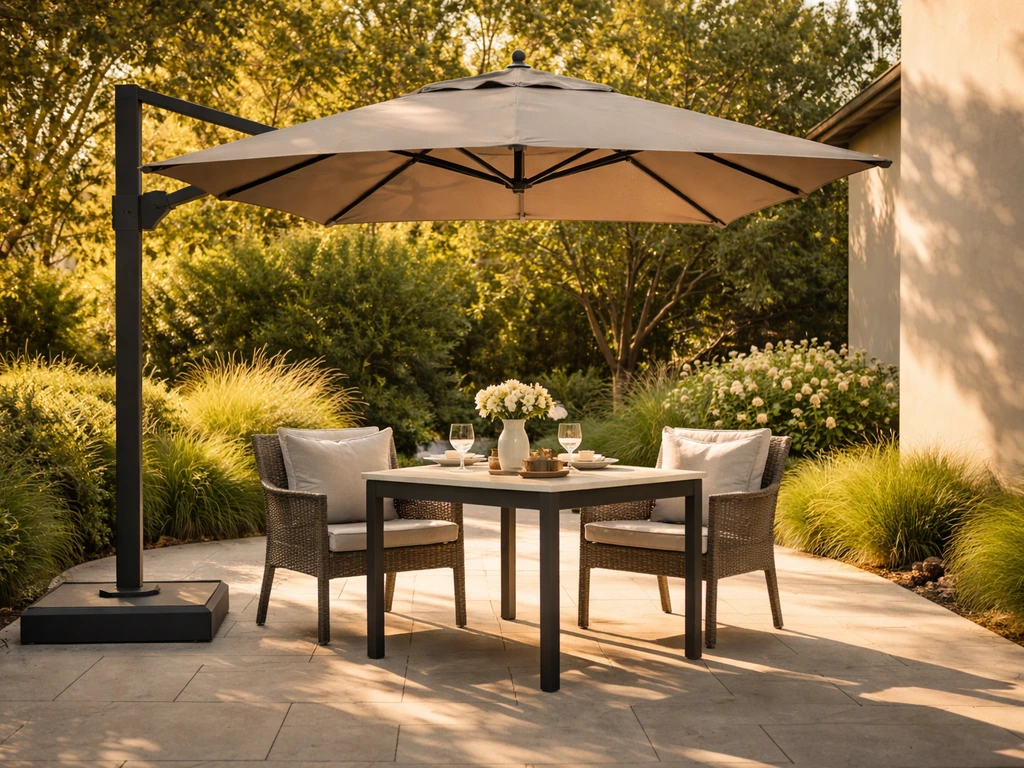
Top Rated Sun Shades for Patios: Buyer Guide
Choose top rated patio sun shades fast with real performance criteria, comparisons, measuring tips, and upkeep advice.
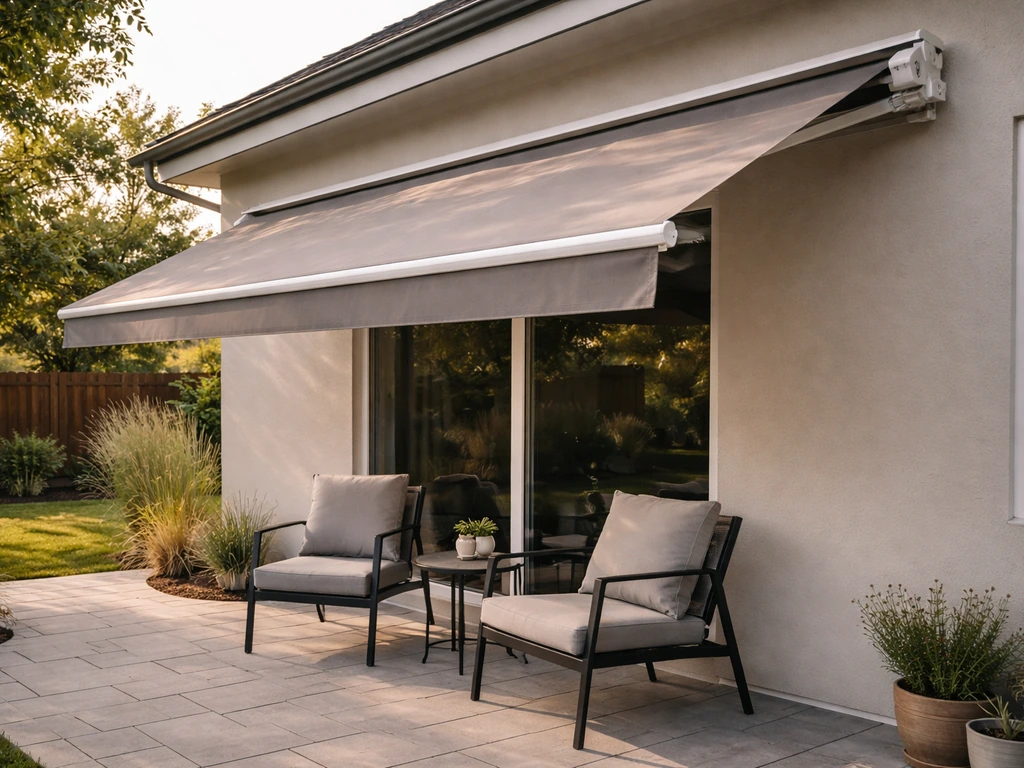
How Much Do Patio Shades Cost All-in Price Guide
All-in cost ranges for patio shades by type, plus DIY vs pro install, upkeep, and a quote checklist.
Manual Sun Shades for Patio: Buying, Sizing, and Setup Guide
Manual patio sun shades guide: styles, sizing, mounting, coverage, weather durability, and easy upkeep for DIY.