The best patio shade for most homeowners is a retractable awning or a well-placed shade sail, but which one wins depends on your patio's sun exposure, how much coverage you need, and whether you want a permanent fixture or something you can adjust. If your patio faces west and you eat dinner outside, a retractable awning covering 10–16 feet of width will block that brutal late-afternoon sun and pull back when you don't need it.
Best Patio Shade: Buy, Size, and Choose the Right Option
Lark Perry
11 May 2026
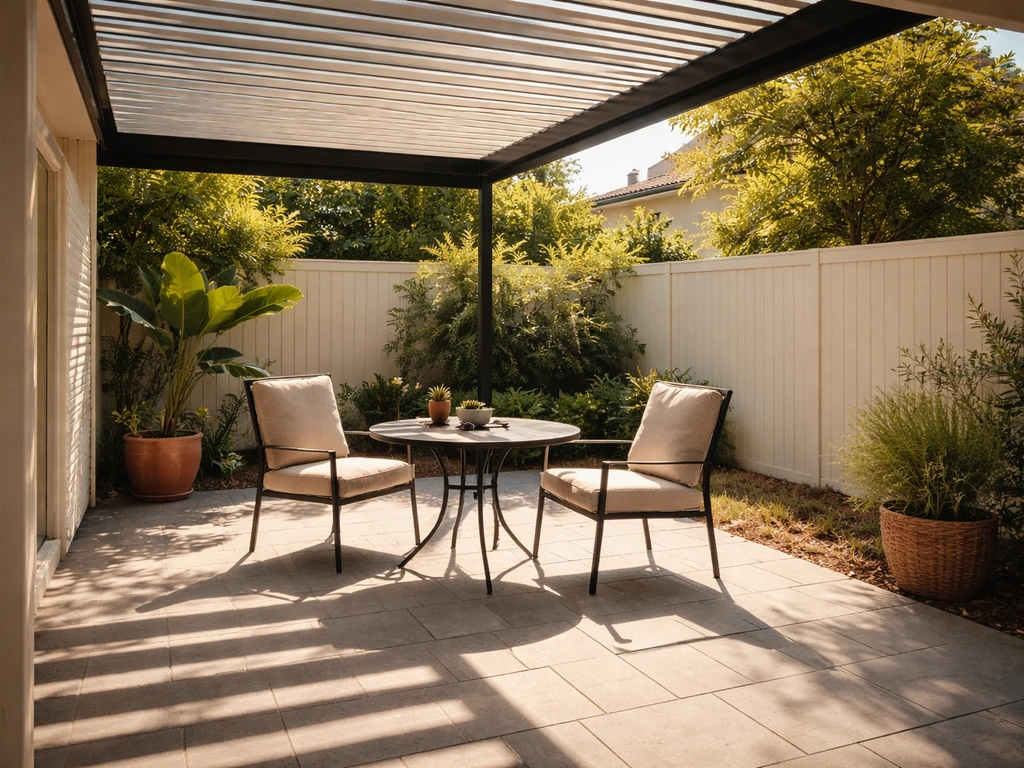
If you have a larger, irregular outdoor space or want something with more visual flair, a shade sail spanning 12–20 feet diagonal can do the same job for less money. Neither is a universal winner. This guide will walk you through every real-world option, help you figure out exactly what your patio needs, and tell you what to actually look for when you're comparing products.
How Much Shade You Actually Need
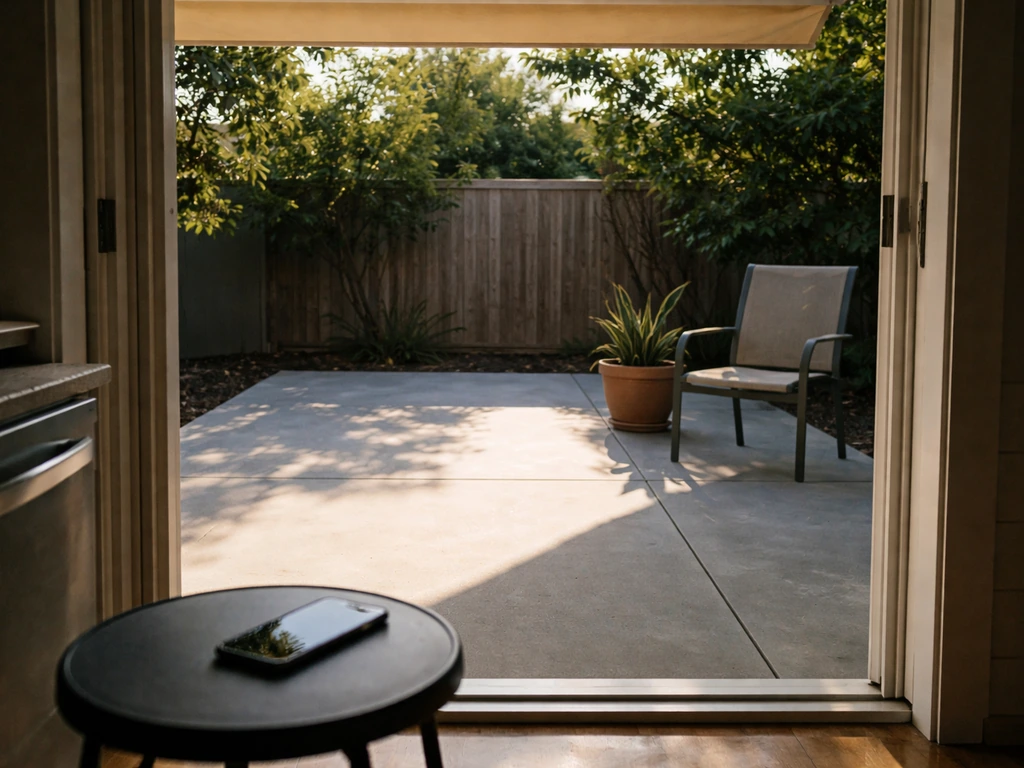
Most people underestimate how much coverage they need because they measure the patio, not the sun path. The sun doesn't sit directly overhead, it moves across a low arc in winter and a high arc in summer, and it shifts from east to west all day. A shade that covers your table perfectly at noon may leave you baking at 3 p.m. when the sun has shifted 45 degrees west.
Start by tracking when you actually use your patio. Morning users on an east-facing patio need shade before 11 a.m. Afternoon users on a west-facing space need coverage from roughly 2–7 p.m. South-facing patios get hammered all day in summer and need the most total coverage. North-facing patios are naturally shaded for most of the day and need the least intervention.
The practical planning tool here is solar altitude: the higher the sun's angle above the horizon, the shorter and more vertical the shade you need. In summer, when the sun reaches 60–70 degrees altitude at midday, even a modest overhead canopy covers well.
In late afternoon when altitude drops to 20–30 degrees, the sun cuts in sideways and horizontal coverage alone won't help, you need either a larger horizontal span, a side screen, or an angled shade structure that extends toward the sun's direction. Free tools like SunCalc can show you the sun's path hour by hour for your specific location on any date, which is genuinely useful for planning coverage.
SunCalc also provides solar altitude and azimuth outputs for a chosen location and day, which helps you plan the sun path hour by hour Free tools like SunCalc can show you the sun's path hour by hour for your specific location on any date. Plug in your address, pick your peak-use hours (say, 3–7 p.
m. in July), and note the sun's direction and altitude during that window. That's the window your shade needs to block.
A simple rule of thumb: your shade structure should extend at least 2 feet beyond your seating area on the sun-facing side, and for west or southwest exposures, 3–4 feet of extra projection makes a real difference in afternoon coverage. If you're using a shade sail, the sun-facing edge should be elevated higher than the opposite anchor points so the sail tilts toward the sun and blocks more of its lower-angle rays.
The Main Patio Shade Options, Compared
There are six practical shade categories worth knowing. Each has a clear use case, a typical cost range, and real trade-offs. If you want a quick ballpark for how much patio shades cost, focus on the size, materials, and whether you need a permanent structure or a moveable option typical cost range.
| Shade Type | Best For | Coverage Range | Typical Cost | DIY Friendly |
|---|---|---|---|---|
| Retractable Awning | Attached house wall, medium patios | 8–20 ft wide, 8–14 ft projection | $300–$3,000+ | Moderate |
| Shade Sail | Open yards, irregular spaces, visual appeal | 10–20 ft diagonal | $50–$400 | Yes |
| Freestanding Canopy | Renters, no-wall setups, portable use | 10×10 to 12×16 ft | $100–$800 | Yes |
| Pergola (fixed) | Permanent outdoor room, high-value upgrade | Varies widely | $1,500–$10,000+ | Advanced/Pro |
| Louvered Pergola | Maximum flexibility, premium finish | Varies widely | $5,000–$25,000+ | Pro only |
| Patio Umbrella | Small tables, accent coverage | 7–11 ft diameter | $50–$600 | Yes |
Retractable Awnings
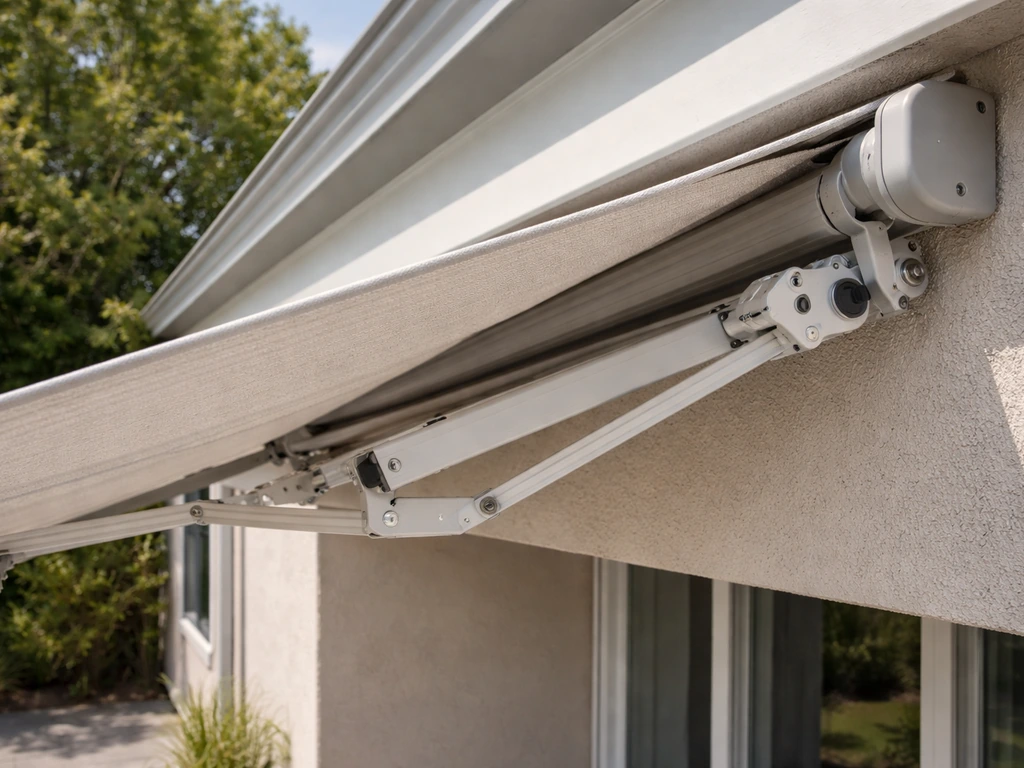
Retractable awnings are the workhorse option for most homeowners with a house-attached patio. They mount to a wall or fascia, extend out over the space, and retract when you want sun or when wind picks up. Motorized versions (which start around $600–$800 for basic units and run $2,000–$3,000 for quality motorized options with wind sensors) are genuinely worth the premium if you use your patio regularly. A wind sensor that auto-retracts the awning in gusts above 25 mph is not a luxury, it's protection for a structure that can be destroyed by a single bad storm if left extended.
Shade Sails
Shade sails are stretched fabric panels anchored at three or four points to posts, walls, or trees. They're inexpensive, look great, and give you good UV protection (quality sails block 90–98% of UV rays). The trade-off is that they're not waterproof unless you specifically choose a PVC-coated sail rather than the standard woven HDPE fabric. For sun blocking alone, woven HDPE is better because it allows airflow and stays cooler underneath. For rain coverage, you need a PVC sail or a different structure. Placement matters more than almost anything else: the sail needs to be angled, not flat, so water runs off and so the geometry actually blocks your peak-use sun window.
Freestanding Canopies
If you rent, have no nearby walls, or want something you can move, a freestanding pop-up or gazebo canopy is the most flexible option. The best ones have powder-coated steel or aluminum frames, a 150–300 gsm polyester or polyethylene roof, and proper ground anchoring (which most people skip and then lose in the first windstorm). Look for canopies with at least four anchor points and adjustable legs. They're not going to survive a major storm, but for everyday shade they work well and cost relatively little.
Pergolas (Fixed and Louvered)
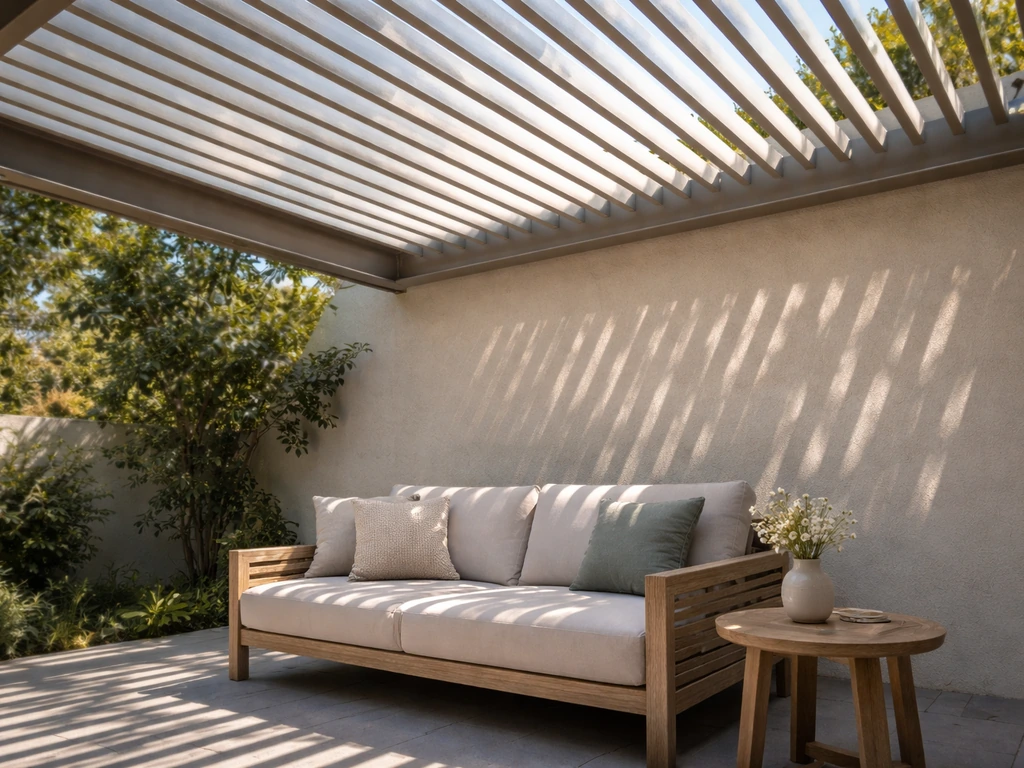
A fixed pergola with lattice or slat rafters gives partial shade, typically 30–50% coverage, which is excellent for filtering heat without blocking all light. Add a shade cloth, shade sail, or polycarbonate panels and you get a fully shaded outdoor room. Louvered pergolas take this further with adjustable aluminum slats you can open for light, close for shade, or angle for rain protection. They're the most functional shade structure you can buy, but also the most expensive. A quality louvered pergola with motorized louvers and drainage channels runs $8,000–$20,000 installed, which is a home improvement project, not a patio accessory purchase.
Patio Umbrellas
Umbrellas are great for a dining table or a couple of lounge chairs, but they cover a limited area and require a heavy base (50–75 lbs minimum for a 9-foot umbrella, 100+ lbs for an offset cantilever umbrella) to stay put in wind. Cantilever offset umbrellas with a side pole are more versatile because you can position the shade without a center post in the way. They work well for small patios and as supplemental coverage for larger ones.
Best Shade Ideas by Patio Layout
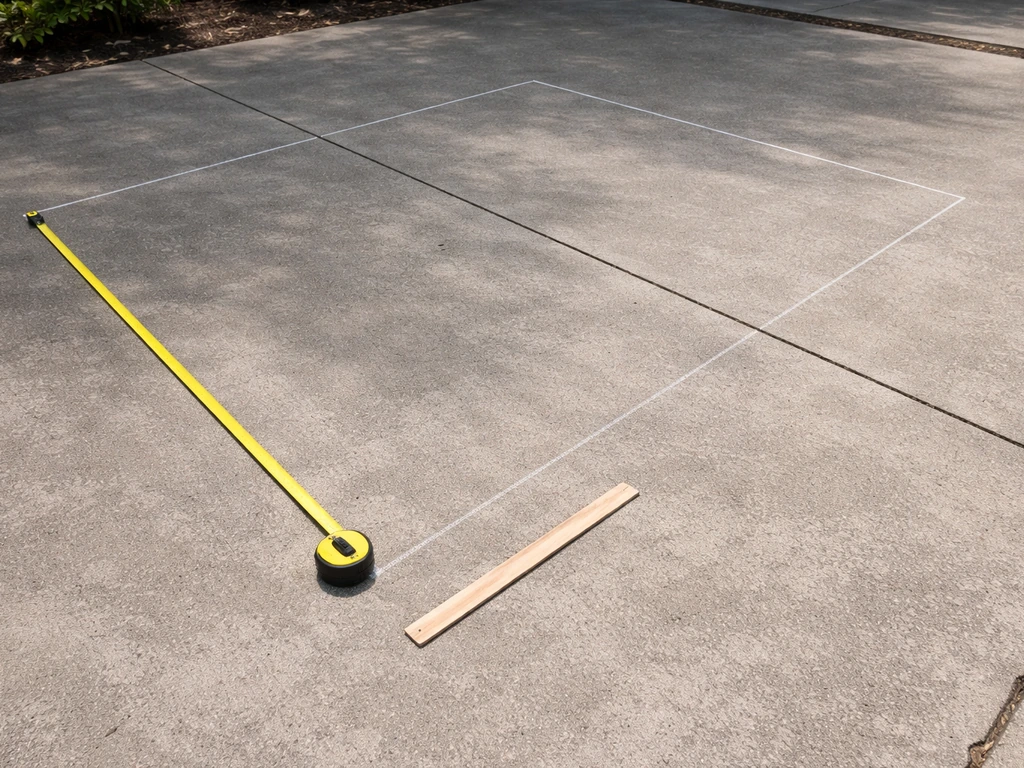
Small Patio or Balcony (Under 100 sq ft)
A small patio needs concentrated coverage, not a massive structure. A 9–10 foot offset umbrella or a single triangle shade sail anchored to two wall points and one post covers most small spaces effectively. If the patio is right off a sliding door or attached to the house, a wall-mounted retractable awning with a 10-foot projection and 10–12 foot width is a clean, durable solution. Stay away from freestanding canopies on small patios, they eat up floor space and overwhelm the area.
Medium Patio or Deck (100–300 sq ft)
This is the sweet spot for retractable awnings and shade sails. A retractable awning at 13–16 feet wide with a 10–12 foot projection covers a dining area plus some lounge space. Two overlapping triangle shade sails (each around 12–16 feet per side) can cover the same area with more visual interest and better airflow. A 10×12 or 10×16 freestanding canopy works here too, especially if you don't have a wall to mount an awning.
Large Backyard or Open Lawn Space
Open spaces without walls require freestanding solutions. A pergola with shade cloth or a louvered roof works well for a defined entertaining zone. For flexible coverage over a large area, two or three shade sails installed in an overlapping arrangement cover 300–600 square feet and look intentional rather than makeshift. Large cantilever umbrellas (11–13 foot span) can anchor a seating area within a bigger yard. If you're investing in a permanent structure, this is where a fixed pergola with added shade elements makes the most sense long-term.
Patio Right Off a Sliding Door or Back Door
The sliding-door transition zone is where a retractable awning shines. It mounts flush to the wall above the door, projects out over the patio, and doesn't interfere with door operation. Make sure to check the projection depth matches your patio depth (common sizes are 8, 10, and 12 feet of projection). A shade sail is another option here if you can anchor two points to the house and two points to posts in the yard.
Irregular or Oddly Shaped Spaces
Shade sails were practically invented for irregular spaces. Because they're triangles or quadrilaterals with flexible anchor placement, you can work around trees, existing structures, or odd corners. Use three separate triangle sails in a layered arrangement to cover L-shaped or non-rectangular spaces. The key is mapping your anchor points first, then choosing sail sizes that create the coverage you need with proper tension angles (ideally 30–40 degrees from horizontal for good run-off and stability).
Choosing the Right Materials and Features
Fabric: What the Numbers Actually Mean
Most shade fabrics are rated by GSM (grams per square meter), which tells you density and durability. Heavier fabrics (200–350 GSM) hold up better in wind and UV exposure. For woven shade fabrics like HDPE used in shade sails and shade cloth, look for a UV block percentage: 90–95% is standard for good-quality outdoor fabric, 98%+ is available in heavier sails.
Coolaroo’s shade-cloth buying guidance also lays out UV-block grades that go from about 50% shade up to 90%+ maximum UV protection [UV-block percentage: 90–95% is standard for good-quality outdoor fabric, 98%+ is available in heavier sails. ](https://www. shadesailawnings. com/coolaroo-shade-cloth.
php). A quick way to choose the best shade cloth for patio use is to match the fabric’s UV block and airflow to your sun and weather needs. The openness factor (how much airflow the fabric allows) matters in hot climates: a 5–10% open weave keeps temperatures noticeably cooler underneath than a solid waterproof membrane.
For awnings, solution-dyed acrylic (brands like Sunbrella are the reference standard) is the premium choice. It resists fading far longer than polyester, stays color-stable for 10+ years with proper care, and breathes better than coated fabrics. Polyester awnings are cheaper but fade within 3–5 seasons and are more prone to mold in humid climates.
Frame and Hardware
For awnings, look for arms and frames made from 50mm or larger aluminum extrusions with powder-coat finish. Steel arms are heavier and more prone to rust, especially in coastal or humid climates. For shade sail hardware, marine-grade stainless steel (316 grade) turnbuckles and D-rings are worth the extra few dollars over zinc-plated hardware, which corrodes within a season or two in wet climates. For pergolas and canopies, aluminum is lighter and corrosion-resistant; steel is stronger but needs proper coating to stay rust-free.
Wind Rating
This is the spec most people ignore and later regret. A standard retractable awning is typically rated for winds up to 25–30 mph when extended. A freestanding canopy might be rated for 25–35 mph. These aren't survival ratings, they're operating ratings. Gusty afternoon thunderstorms can easily exceed 50 mph. If you live somewhere with regular afternoon wind (coastal areas, the plains, or any region with summer thunderstorm patterns), a wind sensor on a retractable awning is essential. For shade sails, proper tension and steel post footings (concrete-set at 24–36 inches depth) dramatically improve storm survivability.
Water Resistance vs. Waterproof
Not all shade is water protection. Woven HDPE shade sails and open-weave shade cloths are water-resistant at best, they'll shed a light drizzle but won't stop heavy rain. If you want rain protection along with shade, you need a waterproof PVC-coated sail, a solid awning with a drainage spine, or a polycarbonate or metal roofed pergola. Be honest with yourself about what you want: pure sun blocking on dry days, or a structure that keeps you dry in a summer shower too.
Installation and Cost: What to Expect
What You Can DIY
Shade sails, patio umbrellas, and freestanding canopies are all genuine DIY projects. Installing a shade sail properly takes about half a day: setting posts in concrete, attaching hardware to walls or posts, connecting the sail, and tensioning it correctly. The most common mistake is skipping the concrete footings, just pounding posts into the ground will result in leaning posts and a sail that goes slack or comes down in the first serious wind.
Manual retractable awnings are DIY-possible if you're comfortable with drilling into exterior walls, confirming you're hitting studs or using proper masonry anchors, and lifting 50–100 lbs overhead during mounting. If you prefer control without an electric motor, manual sun shades for patio spaces can be a practical, budget-friendly DIY route. Most wall-mounted awnings come with detailed instructions, and the process typically takes two people 2–4 hours. Motorized awnings are also DIY-installable if you're comfortable with basic electrical work; otherwise, adding an electrician to the job adds $150–$300 to the cost.
What's Better Left to Professionals
Pergolas should generally be professionally installed unless you have solid carpentry experience and understand local building codes. Most jurisdictions require permits for permanent structures over a certain size (often 200 sq ft), and improper footings or beam spans can be a safety issue. Louvered pergola systems are almost always pro-installed by the manufacturer or a certified dealer. Large motorized awnings (14 feet wide and up) are also often better installed professionally because the wall load is significant and alignment is critical for the motor and sensor to work properly.
What Drives the Price
- Coverage area: wider spans cost significantly more; going from 10 to 16 feet of awning width can double the price
- Motorization: adds $200–$600 over a manual version for basic units; integrated wind/sun sensors add another $100–$300
- Fabric quality: solution-dyed acrylic vs. polyester adds 20–40% to fabric cost but lasts 2–3x longer
- Frame material: aluminum costs more upfront than steel but lasts much longer with less maintenance
- Installation: professional installation for an awning runs $200–$600 depending on location and wall type
- Permit and footing costs for permanent structures: can add $300–$1,500+ depending on your municipality
- Brand and warranty: name-brand awning companies often provide 5–10 year fabric warranties and better support, which factors into long-term value
Maintenance, Cleaning, and Getting Ready for Weather
Routine Cleaning
Most shade fabrics should be brushed off with a soft brush every few weeks during the season to prevent dirt and pollen from embedding in the weave. For deeper cleaning, a mild soap (dish soap or a purpose-made fabric cleaner) diluted in water, applied with a soft brush and rinsed thoroughly, handles most grime. Avoid pressure washers on fabric, they can break down the UV-protective coating and force water into seams. For shade sails, rinse the hardware too: salt, mineral deposits, and grit work their way into turnbuckles and accelerate corrosion.
Mold and Mildew Prevention
Mold is the number one fabric killer. It develops when fabric stays wet and shaded for extended periods, most commonly when an awning is left rolled up while wet, or when a shade sail hangs in a low-air-circulation spot through humid stretches. The prevention is simple: never roll up or store a fabric shade when it's wet. If you have to put it away damp (say, before a storm), unroll and air it out as soon as conditions allow. For patios in humid climates, a quarterly spray of a diluted fabric mildew inhibitor on the underside of awning fabrics and shade sails helps significantly.
Frame and Hardware Maintenance
Aluminum frames need little maintenance beyond an annual wipe-down and inspection of moving parts. Retractable awning arms should be checked for smooth operation at the start of each season. Apply a small amount of silicone lubricant (not WD-40, which attracts dirt) to pivot points and hinges. For steel components, inspect for rust spots and touch up with rust-inhibiting paint before they spread. Stainless steel hardware should be rinsed and dried after heavy rain exposure; in coastal environments, wipe with a marine metal protectant a couple of times per season.
Seasonal Setup and Takedown
In climates with harsh winters, shade sails should come down before the first freeze, frozen fabric becomes brittle and cracks, and ice loading on a tensioned sail can tear it or pull out anchor hardware. Retractable awnings can often stay mounted through winter in mild climates, but retract them and leave them retracted during storm season. Freestanding canopies should be disassembled and stored; a canopy frame left outside through winter will rust at the joints and collapse within two to three seasons. When you pack things away, store fabrics loosely rolled or folded (not compressed) in a breathable bag or container to prevent mold in storage.
How to Actually Compare Your Options Before Buying
When you're looking at products online or reading reviews, there are specific specs that separate genuinely good shade structures from ones that look fine but fail within a season or two. To find the top rated sun shades for patios, focus on wind ratings, UV coverage, and the type of structure that matches your patio layout and sun direction. Here's what to prioritize.
The Specs That Matter
- Coverage dimensions: measure your actual patio and check the shade's projected coverage at the sun angle you care about, not just the structural footprint
- Fabric weight (GSM) and UV rating: look for 200+ GSM and 95%+ UV block for outdoor fabrics; for awning fabric, solution-dyed acrylic vs. polyester is the most important distinction
- Wind resistance rating: look for 25 mph minimum for daily use; 35+ mph for areas with regular afternoon gusts
- Frame gauge: awning arm tubes should be 50mm or larger aluminum; thinner arms flex and fatigue over time
- Hardware grade: marine stainless (316) for any hardware exposed to rain and humidity
- Warranty: fabric warranties of 3–5 years (5–10 for premium brands) and frame warranties of 5–10 years signal build confidence
- Ease of operation: for retractable awnings, test the crank torque or motor noise in video reviews; stiff cranks and loud motors are signs of cheap internals
- Span and load limits for sails and pergola beams: know the maximum unsupported span for the beam or post system before buying
Reading Reviews Like a Pro
Filter reviews by verified purchasers who have owned the product for at least one full season. One-season reviews catch the most common failure modes: fabric fading, hardware corrosion, retraction mechanism wear, and post/footing stability. Look specifically for reviews that mention wind events, how a shade structure performs in its first real storm tells you far more than how it looked coming out of the box. Negative reviews about installation difficulty are often less concerning than negative reviews about structural failure or rapid fabric degradation, which indicate quality issues rather than user error.
Budget vs. Premium: When to Spend More
Spending more makes sense when: you're in a high-UV climate (sunbelt, high altitude, coastal), you use your patio at least three to four days per week during peak season, you're installing something permanent that's difficult to replace, or you have high wind exposure. In those cases, premium fabric, better hardware, and motorization with wind sensing pay for themselves in longevity and avoided replacements. Spending less makes sense when: you're renting and can't make permanent installations, you're covering an occasional-use space, or you're in a mild climate with moderate sun. A $100 shade sail or $150 freestanding canopy is a perfectly rational choice for a seasonal vacation home or a rarely-used side yard.
Your Next Steps
Start by figuring out your peak-use hours and sun direction, check a free tool like SunCalc for your address during your typical outdoor time window. Measure your patio (width, depth, and distance to any available anchor points). Then match that to the structure type that fits your situation: awning for a house-attached patio, shade sail for an open or irregular space, freestanding canopy for a renter setup, and pergola if you're ready to invest in a permanent outdoor room.
Once you know your coverage window, compare the best patio covers for shade by structure type and materials. For more ideas on setup, sizes, and what to buy, check out the best sun shades for patio to match your sunlight and layout. From there, the material and feature choices narrow quickly.
For more targeted help, the deep-dives on shade sails, retractable shades, shade cloth, and patio covers will give you specific product recommendations and head-to-head comparisons within each category.
FAQ
How do I measure for the best patio shade if my seating area is not centered under where the sun hits?
Measure from your actual seating footprint (where people sit and where food stays), then add the recommended extra projection on the sun-facing side (2 feet for general, 3 to 4 feet for west or southwest). Also confirm you have space for “geometry,” meaning an awning needs clearance when retracted and a shade sail needs enough travel room for tension, so the fabric can stay angled instead of sagging over the wrong spot.
What’s the difference between “UV protection” and “heat reduction” for patio shade materials?
UV block ratings tell you how much UV the fabric filters, not how much cooler it feels. Heat reduction is strongly affected by openness and airflow. For hot climates, prioritize a fabric openness level (open weave with about 5 to 10 percent openness range for breathable shade) because a fully opaque fabric can block sunlight but still trap warm air underneath.
Will a shade sail work for light rain, or do I need a waterproof option?
Most standard woven HDPE shade sails are mainly sun-blocking and will handle drizzle better than heavy rain. If you want to stay dry during typical summer showers, choose a PVC-coated sail or a different roofed system with drainage, since water resistance is a separate spec from UV protection.
Can I use the sun path hours to plan shade without checking my local weather patterns?
You can plan coverage using sun direction and altitude, but you should also adjust for local wind and storm timing. A design that blocks 3 to 7 p.m. sun can still fail if gusts regularly exceed the operating rating. If you get afternoon thunderstorms or coastal winds, include wind management features like an awning wind sensor and secure footings for sails.
Do wind ratings on patio shade products mean it’s safe during a storm?
No, they are operating ratings for normal use. Gusts can exceed those numbers in real storms, so you should plan to retract or secure shade in severe conditions. For retractable awnings, a wind-triggered auto-retract helps, but you should still avoid leaving fabric extended during high-alert weather.
What’s the most common mistake that causes a shade sail to look fine at first but fail later?
Under-anchoring and insufficient tension. If post footings are skipped or too shallow, posts lean and the sail goes slack, which increases flap loads and leads to damage. Use proper concrete-set depth for posts, and tune tension so the sail stays angled for runoff and stable geometry.
How much clearance do I need for a retractable awning over a sliding door or window?
You need clearance for both extension and retraction, plus confirmation the projection matches patio depth. Before buying, verify the awning’s projection size (commonly 8, 10, or 12 feet) fits your patio without pushing the fabric into door or furniture clearance, and check wall mounting height so the extended edge clears your longest seated furniture items.
Should I prioritize a wider awning or deeper projection for the best patio shade?
It depends on how your patio sits relative to the sun. Wider coverage helps you shade a larger table footprint, but deeper projection matters when the sun enters from the side at low altitude, like west or southwest exposure. For late afternoon, projection plus an angled or appropriately extended structure generally beats “just wider” if the sun is coming in sideways.
Are freestanding canopies a good choice if I have no walls, but I still want consistent coverage?
They can work, but prioritize anchoring and footprint planning because canopies use more floor space and are harder to secure than wall-mounted systems. Choose models with multiple anchor points and adjustable legs, and treat them as everyday shade solutions rather than storm-proof structures.
How do I keep fabric from molding or getting damaged if I sometimes leave it out during humidity or storms?
Do not roll up or store fabric while it is wet. If a storm forces you to cover and you end up with damp fabric, unroll and air it out as soon as conditions allow. In humid climates, periodic prevention with a diluted fabric mildew inhibitor on the underside can reduce mold risk, but still avoid compressing fabric in storage.
What should I look for in reviews that will actually predict long-term performance?
Focus on reviewers who used the shade through at least one full season and mention wind events, corrosion, and mechanical wear, not just appearance. Installation complaints are often less informative than comments about post movement, hardware deterioration, retraction performance, or rapid fabric fading.
When is a pergola the wrong choice for getting the best patio shade?
A fixed pergola is usually partial shade, so it may disappoint if you need full coverage for a hot, west-facing dining zone. It’s best when you want filtered light and can add shade elements (shade cloth, sail, or panels). If you need true sun-blocking and rain protection in one step, a louvered pergola or a roofed system is typically more appropriate.
What’s the best way to clean patio shade fabrics without shortening their lifespan?
Brush off dirt and rinse, then use mild soap or a purpose-made cleaner with gentle scrubbing and thorough rinsing. Avoid pressure washing because it can damage UV-protective coatings and push water into seams. For shade sails, include hardware rinsing so salt, minerals, and grit do not accelerate corrosion.
Next Articles
Best Sun Shades for Patio: Buyer Guide by Space
Buyer guide to pick the best sun shades for patio: coverage, materials, wind safety, mounting, costs, and setup tips.
Best Sunbrella Patio Cushions: Top Picks, Guide & Maintenance
Find the best Sunbrella patio cushions: durable, fade‑resistant picks, buying tips, care, and top recommendations.
Alternative to Patio Cushions: Durable, Stylish Options and DIY
Alternative to patio cushions: durable, weatherproof seating options, pros, DIY tips & buying guide.