
For most patios, a manual retractable awning with a semi-cassette housing, solution-dyed acrylic fabric, and a hand-crank mechanism is the best starting point. It balances weather protection, durability, and cost without the complexity of motorized systems. The right size, mount, and fabric for your specific space matters more than any brand name, so the goal of this guide is to help you figure out exactly what you need before you spend a dollar.
Best Retractable Sun Shade for Patio: Manual Guide
Lark Perry
14 May 2026
What 'best' actually means for your patio
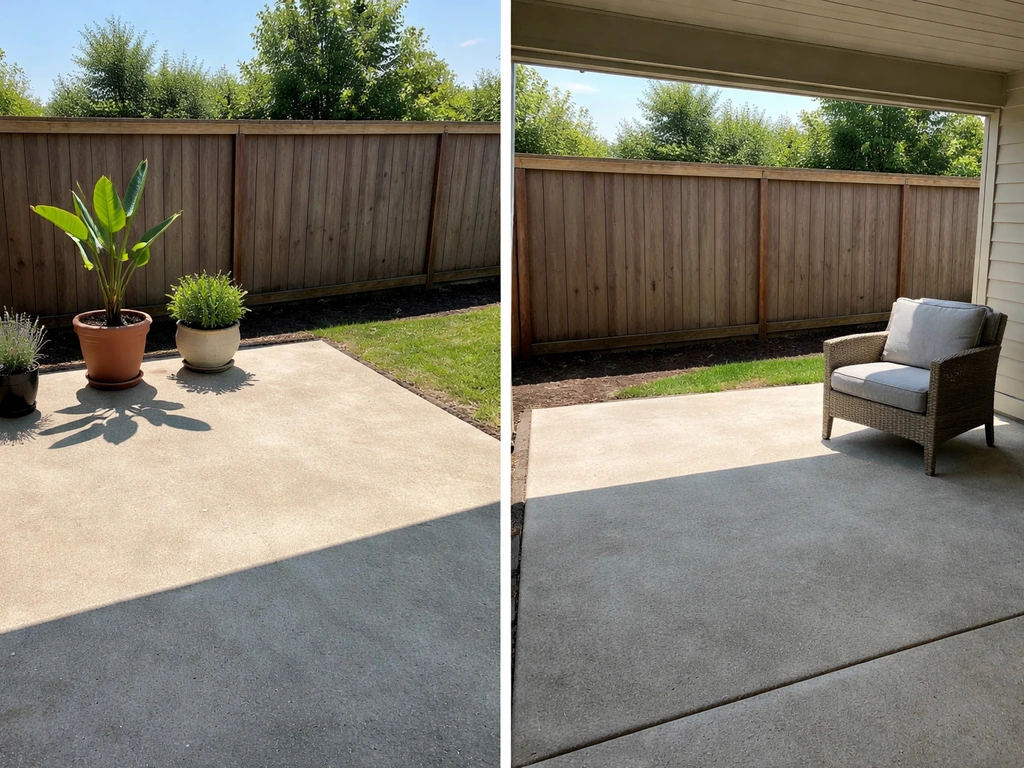
Before you can pick the best retractable sun shade, you need to be honest about your patio conditions. The shade that works perfectly on a south-facing deck in Arizona is completely different from what makes sense on a covered east-facing patio in the Pacific Northwest. Start by thinking through five things: the primary sun direction hitting your patio (south and west are usually the most aggressive), the size of the area you want to cover, how much wind your space gets, whether you have a wall, eave, or pergola to mount to, and whether privacy matters as much as shade.
A retractable shade earns the label 'best' when it actually gets used. If you're looking for the top rated sun shades for patios, prioritize models that are easy to deploy and keep their fabric looking good season after season. That means smooth operation so you deploy it without hassle, durable fabric that doesn't look wrecked after one season, and a fit that covers the area you actually sit in rather than half of it. If the mechanism is stiff, the fabric fades in a year, or the thing only covers two-thirds of your table, it's not the best no matter what the product listing says.
- Sun direction: south and west exposures need the most coverage and UV-blocking performance
- Space size: measure width and projection (depth) before anything else
- Wind exposure: open, exposed patios need sturdier arms and conservative projection sizing
- Mounting surface: wall-mounted units need studs or masonry anchors; not every patio has a usable wall
- Privacy needs: some retractable shades drop vertically and double as privacy screens
The main types of manual retractable patio sun shades
Manual retractable shades come in three main configurations, and the differences matter a lot for how well they handle weather and how easy they are to live with long-term. If you want manual sun shades for patio areas that get strong sun, the main types to compare are open-roller shades and semi-cassette or full-cassette awnings.
Open roller shades
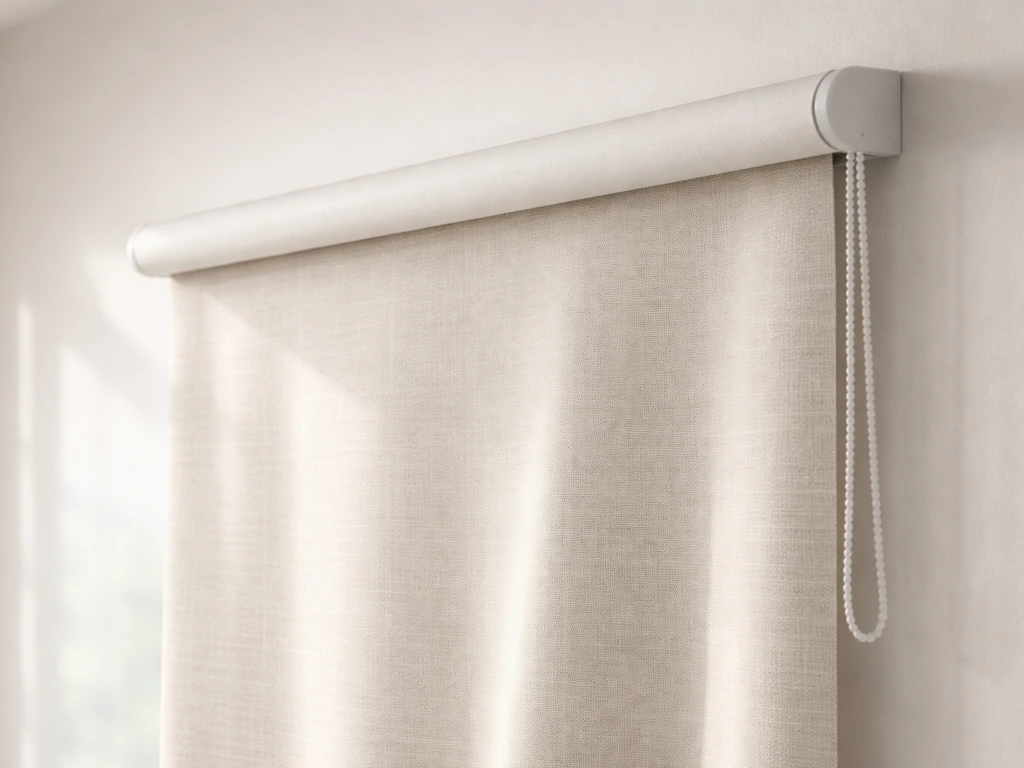
These are the simplest option: a fabric roll attached to a mounting bar that unrolls downward (for vertical privacy/sun blocking) or outward. There's no protective housing around the fabric roll when it's retracted. They're the most affordable type and work well for covered patios or pergolas where the shade drops down rather than projects out. The downside is that the fabric and roller mechanism are exposed to weather year-round, which shortens lifespan compared to cassette designs.
Semi-cassette awnings
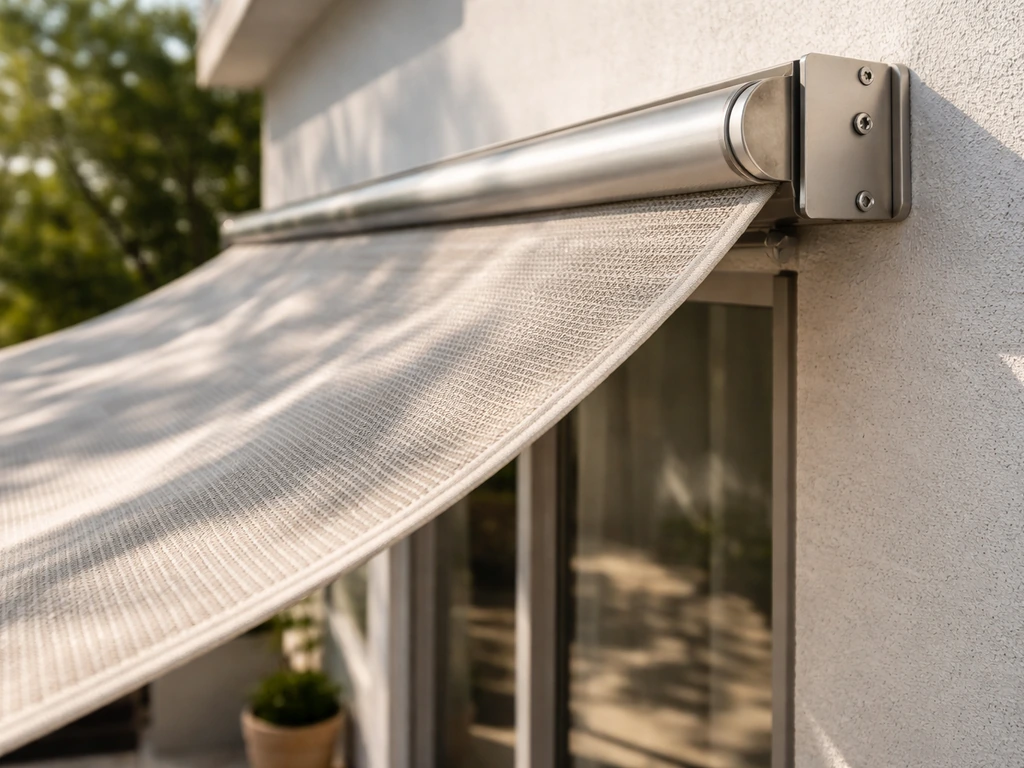
A semi-cassette encloses the fabric roll inside a protective housing when retracted, but the arms remain partially exposed. This is the sweet spot for most residential patios: you get meaningful protection for the fabric (the part that degrades fastest), solid weather resistance, and a cleaner look than an open roller, all without the premium price of a full cassette. If you're shopping in the $600 to $1,500 range for a wall-mounted awning, most of what you'll find is semi-cassette.
Full-cassette awnings
A full cassette encloses the fabric, arms, and roller completely inside a rigid housing when retracted. This is the top-tier design for weather protection and longevity, especially if your patio is exposed to heavy rain, UV, or dust year-round. The tradeoff is cost: full-cassette units typically push into the $1,500 to $6,500+ range depending on size and features. They also look the most architectural and finished, which matters if aesthetics are a priority.
| Type | Fabric protected when retracted | Arms protected | Price range | Best for |
|---|---|---|---|---|
| Open roller | No | No | $250–$600 | Covered patios, pergolas, tight budgets |
| Semi-cassette | Yes | Partially | $600–$1,500 | Most residential patios, exposed walls |
| Full cassette | Yes | Yes | $1,500–$6,500+ | Exposed patios, long-term installs, premium builds |
How to measure for a perfect fit
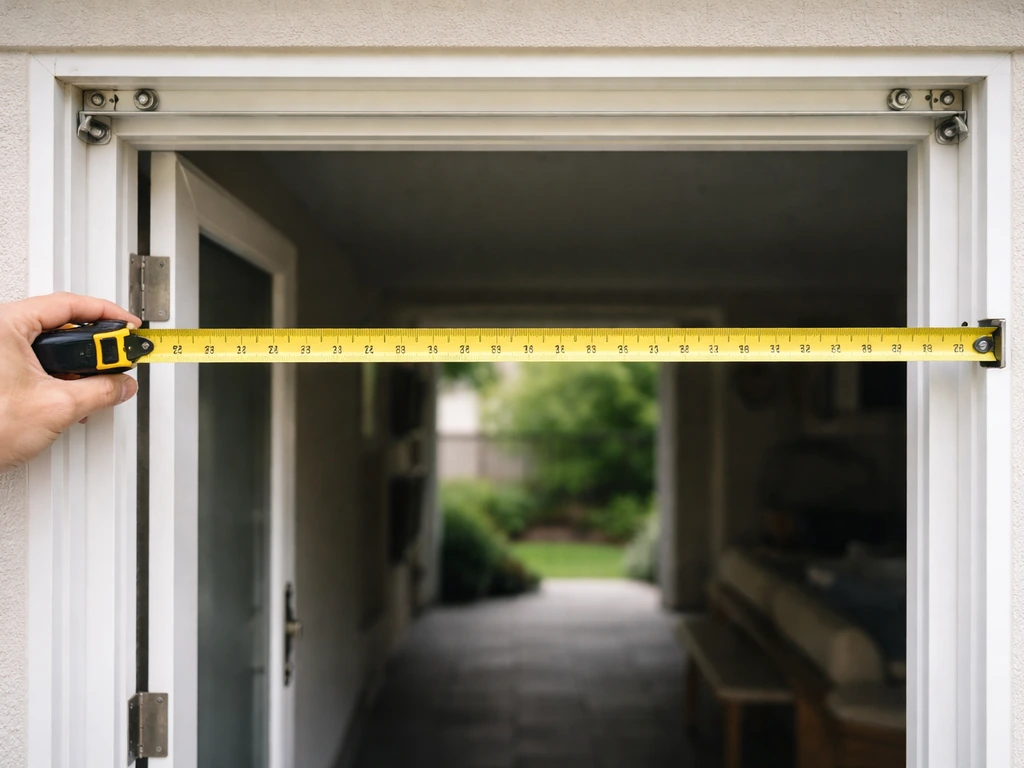
Measuring wrong is the number one reason people end up with a shade that disappoints. Take your time here and measure twice before ordering anything.
- Measure the width of the area you want to cover. For outside-mount installations (where brackets attach outside the opening), add about 1.5 inches on each side beyond the zone you want shaded to ensure proper overlap and coverage.
- Measure the projection, which is the distance from your mounting wall out to where you want shade coverage. If you're sizing an awning, note that the awning projection is the distance measured along the fabric slope to the front bar, not the straight horizontal distance from the wall. These numbers are different, and using the wrong one gets you less coverage than expected.
- Check your mounting height. You need at least 7 feet 6 inches from your patio or deck floor up to the bottom of any roof, eave, or overhang where the awning will mount. Less than that and most standard wall-mounted awnings won't have clearance to function properly.
- Decide inside vs. outside mount. Inside-mount shades fit within a defined opening (like a pergola bay). Outside-mount shades cover an opening from the outside. Each requires measuring the relevant opening area differently, so confirm which type your product requires before taking final measurements.
- Account for obstacles. HVAC units, light fixtures, and downspouts can interfere with arm extension. Walk the full projection path before finalizing your size.
One mistake I see often: people measure the width of their patio wall and assume that's the awning size they need. In reality, you want the awning width to cover the sitting area, not the entire wall. Oversizing costs more and puts unnecessary wind load on the mount points.
Key features that actually affect performance
Fabric and UV blocking
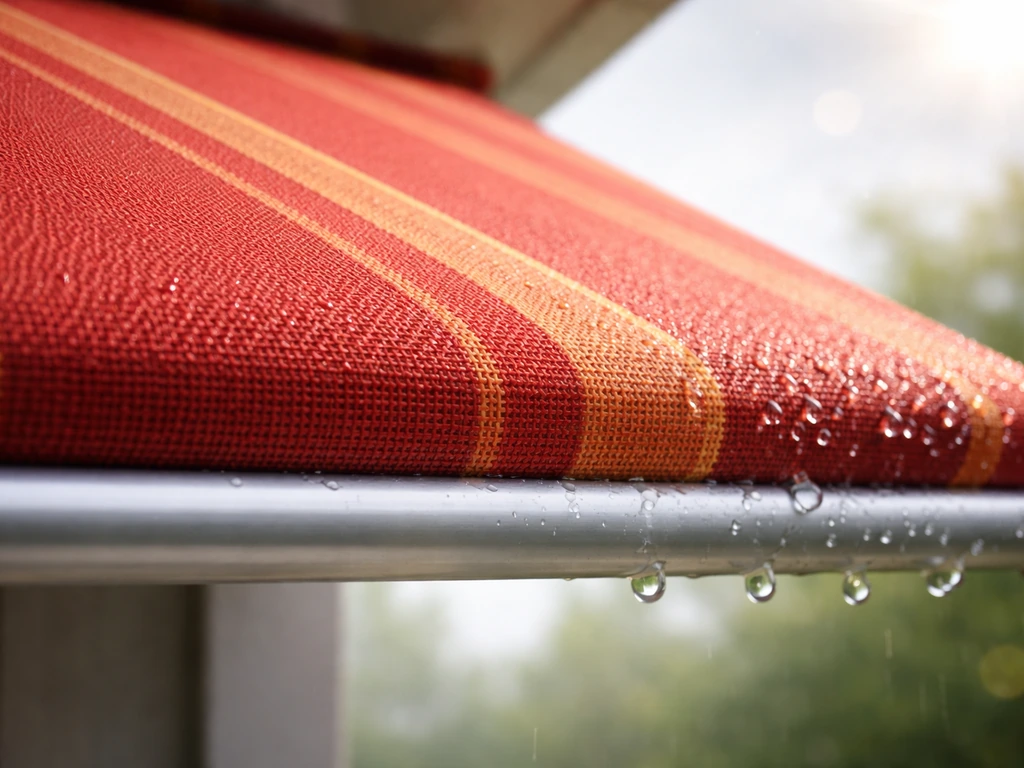
Solution-dyed acrylic is the fabric to look for. In this process the color is embedded in the yarn before weaving, not printed on top, which means it resists fading far better than coated or screen-printed alternatives. Quality acrylic fabrics can block up to 98% of UV rays while still allowing some airflow. Avoid PVC-coated fabrics for awnings that project outward as they trap heat underneath and degrade faster in direct sun over time. For drop-down roller shades on a covered patio, a woven polyester screen fabric with a high openness factor is a reasonable lower-cost choice.
Water resistance
Most quality awning fabrics are water-repellent, not fully waterproof. Solution-dyed acrylic fabrics shed light rain effectively, but in a heavy downpour, water can seep through the weave. If you need to sit under the shade during rain, look for a fabric with a water-resistant coating or consider a polycarbonate patio cover instead. The critical rule: always retract the awning before a major storm, and always let the fabric dry fully before rolling it back in. Retracting wet fabric promotes mold and mildew growth, which can permanently stain or weaken the material.
Wind tolerance
Manual retractable awnings require you to physically retract them when wind picks up since they have no automatic sensors. Some premium manual units have been tested to withstand wind gusts of 55 to 75 mph in lab conditions, but that doesn't mean you should leave them extended in gusty weather. Real-world wind loads depend on your projection size, arm stiffness, and mounting integrity. A general rule: retract at the first sign of sustained wind above 20 to 25 mph. Larger projections (over 10 feet) are more vulnerable, and lateral gusts are more damaging than head-on wind.
Operation mechanism
Manual awnings operate by hand crank, pull strap, or spring-assisted extension. Hand-crank systems offer the most control and are easiest to use for larger widths (over 10 feet). Spring-loaded systems work well for smaller shades but can be harder to retract fully on wide spans. Cheap hand cranks strip or seize up within a couple of seasons. When evaluating a product, look for a crank mechanism that's made from metal (not plastic gears) and extends/retracts smoothly with minimal effort per revolution.
Coverage area and arm style
Lateral arms hold the awning fabric extended at the correct pitch. Articulating lateral arms (the standard on most quality awnings) fold back flat when retracted and extend at a consistent angle when deployed. The pitch of the arms affects both coverage and rain runoff. A steeper pitch improves rain shedding but reduces the amount of shade cast horizontally. Most residential awnings pitch between 5 and 35 degrees, with 15 to 20 degrees being a practical middle ground.
Installation: mounting options and what each one involves
The mount type shapes everything about how the awning performs and how hard it is to install. Get this decision right before you buy.
Wall mounting
Most manual retractable awnings are wall-mounted using a ledger bracket system. You attach a mounting bracket or ledger board directly to the house, anchoring into studs or structural framing with lag bolts. On wood-frame construction, this is a solid DIY project for someone comfortable with a drill and a level. On brick or masonry, you'll need to drill pilot holes and use masonry anchors, which adds complexity. Never mount into siding alone; you need to reach the framing behind it. Bracket spacing and lag bolt length matter a lot for load capacity, so follow the manufacturer's spec sheet exactly.
Ceiling and overhead mounting
Ceiling mounting (on a pergola beam or covered patio ceiling joist) works well for drop-down roller shades. You're anchoring into the overhead structure rather than a vertical wall. This approach is useful when you don't have a usable wall nearby, but it requires confirming the overhead structure can handle the weight and the wind load of an extended shade. Most pergola beams are adequate; thin decorative patio cover framing may not be.
Post and freestanding mounting
For patios without a wall or solid overhead structure (like a floating deck or open concrete slab), post-mounted or freestanding shade systems are the answer. These require setting posts into the ground or into weighted bases, which affects portability and permanence. Freestanding retractable awnings exist but are less common in the manual category and tend to be more expensive per square foot of shade than wall-mounted options.
A practical note on DIY vs. professional installation: wall-mounted awnings in the 10 to 14 foot wide range are manageable as a two-person DIY job on a wood-frame house. Anything wider than 14 feet, or any masonry installation, is worth hiring out. The awning itself is heavy, and precision alignment of mounting brackets is critical for smooth operation.
Choosing the right shade for your specific patio setup
Rather than ranking specific products (which change availability and pricing constantly), here's a decision framework based on common patio setups. Match your situation to the right category, then use it to filter your options. If you want the best patio covers for shade, use this framework to narrow down the right coverage style for how the sun moves across your yard filter your options.
| Patio setup | Best shade type | Key specs to prioritize | Budget range |
|---|---|---|---|
| Small urban balcony or apartment patio | Vertical roller shade (outside mount) | Width up to 10 ft, UV-blocking screen fabric, tension-spring operation | $250–$500 |
| Mid-size deck with house wall access | Semi-cassette wall-mounted awning | 10–14 ft width, solution-dyed acrylic, hand-crank, articulating arms | $700–$1,400 |
| Large exposed deck (windy, full sun) | Full-cassette wall-mounted awning | 14+ ft width, heavy-duty arms, 98% UV block fabric, reinforced brackets | $1,500–$3,500 |
| Pergola or covered patio | Ceiling-mounted drop roller shade | Screen or solar fabric, inside-mount sizing, pull-strap or crank operation | $300–$900 |
| Open slab with no walls or overhead | Freestanding retractable shade or post-mounted | Weighted base or in-ground post, wind-rated fabric, wide projection | $900–$2,500 |
If you're comparing retractable awnings against shade sails, patio covers, or shade cloth setups, the core trade-off is flexibility vs. If you are choosing shade cloth instead of retractable awnings, look for solution-dyed acrylic fabrics and enough coverage for the sun direction you face most often. If you decide a shade sail is a better fit than an awning for your patio layout, pay close attention to triangle size, fabric weight, and wind-rated hardware. permanence.
Retractable awnings beat shade sails and shade cloth on adjustability and UV performance. Fixed patio covers beat retractable awnings on rain protection and zero-maintenance operation. If you mostly want shade on sunny afternoons but don't need all-weather coverage, a quality manual retractable awning is genuinely the best practical tool for that job.
Maintenance, cleaning, and how long it lasts
A well-maintained manual retractable awning should last 8 to 12 years with proper care. Most of that lifespan depends on two habits: retracting the awning before storms and letting the fabric dry before rolling it in.
Cleaning the fabric
Mild soap and water is all you need for routine cleaning. Mix a small amount of dish soap or a dedicated fabric cleaner with warm water, apply with a soft brush, scrub gently along the weave direction, and rinse thoroughly. Never pressure wash awning fabric. The high pressure can break down the water-repellent finish and damage the weave. Avoid harsh solvents, bleach on colored fabrics, and abrasive scrubbers. For mold or mildew spots, a diluted solution of oxygen-based cleaner (not chlorine bleach on colored fabric) applied and left to sit for 15 minutes before scrubbing is usually effective.
Mechanism maintenance
Once or twice a season, extend the awning fully and inspect the arm joints and pivot points. Apply a light silicone-based lubricant to any metal pivot points and the crank mechanism. Avoid oil-based lubricants that attract dirt. Check that all mounting bolts are snug; vibration from wind and repeated use can loosen them over time. If the awning doesn't retract or extend smoothly, the issue is almost always either a worn spring in the roller or a misaligned arm, both of which are fixable without replacing the whole unit.
End-of-season storage and winter
In regions with significant winter weather, retract the awning and leave it retracted for the off-season. Cassette designs protect the fabric without any additional steps. For open-roller awnings, a fabric cover or breathable awning cover bag adds meaningful protection. Never leave an awning extended during a snowfall since wet snow loading can bend arms and overstress mounting brackets.
Budget vs. value: what you actually get at each price point
The price range for manual retractable patio shades is wide, from around $250 for basic open-roller models to $6,500 or more for large full-cassette awnings with premium fabrics. If you’re wondering how much patio shades cost, the best way to estimate is to start with the shade type and then budget by width, fabric, and mounting how much do patio shades cost. Here's what that money actually buys you.
Under $500
At this price, you're typically getting an open-roller or basic spring-loaded awning in smaller sizes (under 10 feet wide). These work for covered patios and pergolas where the shade isn't fully exposed to weather year-round. Fabric quality is usually polyester rather than acrylic, which means more fading over time. Mechanisms tend to be plastic-heavy. These can be a smart buy if your patio is already covered and you mainly need sun blocking on the sides or front rather than full overhead protection.
$500 to $1,500
This is the practical sweet spot for most homeowners. In this range you can find semi-cassette awnings with solution-dyed acrylic fabric, metal hand-crank mechanisms, and solid articulating arms in widths from 8 to 14 feet. These are the units that balance durability, aesthetics, and usability over a long lifespan. Plan for $800 to $1,650 as a realistic budget for a quality manual retractable awning in this tier. DIY installation keeps total cost down considerably.
$1,500 and above
Above $1,500, you're buying full-cassette housing, heavier-gauge arms, premium fabrics with longer warranties, wider width options (16 feet and up), and in many cases professional-grade components that hold up under years of daily use. For large patios that get heavy sun year-round, this investment pays off in longevity and performance. The total installed cost for a large retractable awning in this tier (including professional installation) commonly lands between $1,500 and $6,500 depending on size and local labor rates.
The most common mistake in this category is underbuying. A $300 awning on a fully exposed south-facing deck in a hot climate will look tired in two seasons. A $900 to $1,200 semi-cassette with quality fabric on the same deck will still look good and operate smoothly in year seven. If you're going to use it regularly, buying one tier above your initial comfort zone almost always delivers better total cost of ownership. If you're renting or not sure how long you'll be at the property, the lower-cost open-roller option is a more sensible call since it's easier to remove and relocate.
FAQ
When I measure for the best retractable sun shade for patio, should I match my wall width exactly?
Measure the seated area you want shaded, then add a small margin (typically 6 to 12 inches) so people sitting toward the edge still get coverage. Also factor in how far the awning projects from the wall or mount, because width alone does not determine coverage depth.
Can a smaller retractable patio awning be the best choice if my patio use is mostly in the morning or late afternoon?
Yes, especially on east-facing patios, a smaller awning may be fine if it covers morning sun when you use the space most. The key is to confirm coverage across your main sun window, not just peak midday hours.
Will a manual retractable awning keep me dry in rain?
Look for a solution-dyed acrylic fabric plus a water-resistant finish, but be realistic: most awning fabrics shed light rain, they are not fully waterproof. If you need to sit through heavier rain, you will be better served by a fixed patio cover or consider adding a roof extension that works with the awning.
If my retractable awning can handle high wind in specs, do I still need to retract it?
Wind is the limiting factor, not the crank type. Even if a unit is tested to withstand high gusts in lab conditions, you should retract at the first sign of sustained wind around 20 to 25 mph, and be extra cautious with long projections (over about 10 feet).
Is it easier to install a manual retractable sun shade on wood, brick, or siding?
If you are mounting to brick or masonry, you may need stainless or corrosion-resistant anchors and correct pilot hole sizing, and that usually affects cost and complexity. A wood-frame wall is often the most DIY-friendly option because you can anchor directly into studs or structural framing.
What’s the risk if I mount the awning brackets into siding instead of studs?
Avoid mounting into siding alone. Siding can look sturdy but it is not structural, so you need to hit studs or structural framing behind it. If you cannot access framing, you may need a different mount plan, such as a pergola beam or post-mounted system.
How does awning pitch or arm angle change the shade and rain shedding?
For downward drop or privacy-style roller units, steeper arm pitch can shed rain better, but it may reduce the horizontal shade you get at table height. If you want the best balance for typical patios, aim for the midrange pitch (often around 15 to 20 degrees) and check how it aligns with where you sit.
What should I verify before buying, besides the brand name?
Check that the fabric color is solution-dyed, verify that the mechanism has metal gearing or metal internal components, and confirm the crank movement feels smooth with minimal force. Also inspect the end caps and seams, because exposed hardware and weak joints can fail sooner than the fabric itself.
Which housing is better for longevity, semi-cassette or full cassette, and when should I pay more?
Look for a clean, semi-cassette design if you want good protection for the fabric while keeping cost moderate. Choose full cassette when your patio is fully exposed to UV, rain, dust, or salty air, because the fabric and arms stay enclosed and recover better after storms.
What’s the safest way to clean retractable awning fabric without damaging it?
Don’t pressure wash. If you need to clean thoroughly, use mild soap and warm water with a soft brush along the weave direction, then rinse well. For stubborn mildew, use oxygen-based cleaner and let it sit briefly before scrubbing.
Should I leave my retractable awning out during winter or snow?
Yes, leaving the awning extended during winter storms can cause damage, especially with wet snow loads that can bend arms and overload brackets. Plan to retract and, for open-roller types, use an appropriate breathable fabric cover or winter cover bag.
My manual awning is hard to crank or won’t retract fully, what should I troubleshoot first?
If your retractable awning stops or feels rough, first check alignment and mounting bolt tightness, because misalignment after vibration is common. If it still struggles, the roller spring or internal roller components may be wearing out, which is often fixable without replacing the entire awning.
If I do not have a wall or pergola beam, can I still get the best retractable sun shade for patio?
For freestanding systems, you should expect less flexibility and higher cost per square foot compared with wall-mounted options. Also consider permanence, ground conditions, and how the base handles wind load, since a stable foundation is essential.
Is hand-crank or spring-assisted better for a wider patio awning?
Usually the best manual system for larger widths is a hand-crank because it offers better control during deployment and retraction. For smaller spans, spring-assisted versions can work well, but you should confirm the retract motion is fully controlled and does not leave fabric partially exposed.
Next Articles
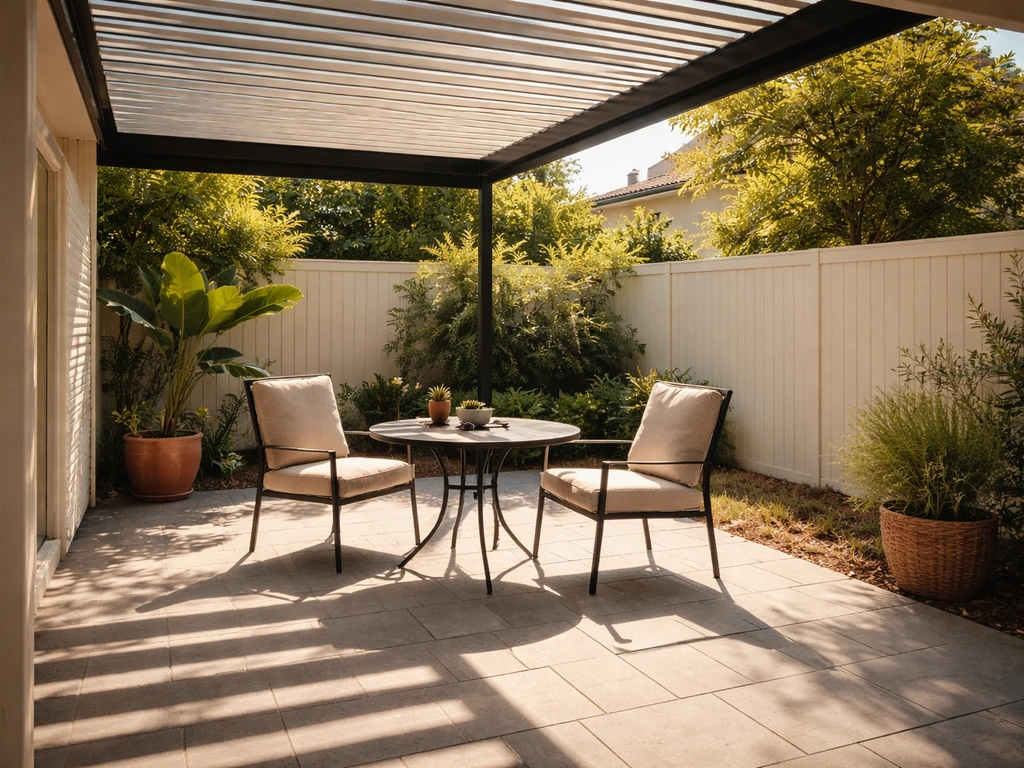
Best Patio Shade: Buy, Size, and Choose the Right Option
Find the best patio shade by mapping sun exposure, comparing top options, and getting size, cost, and install tips.
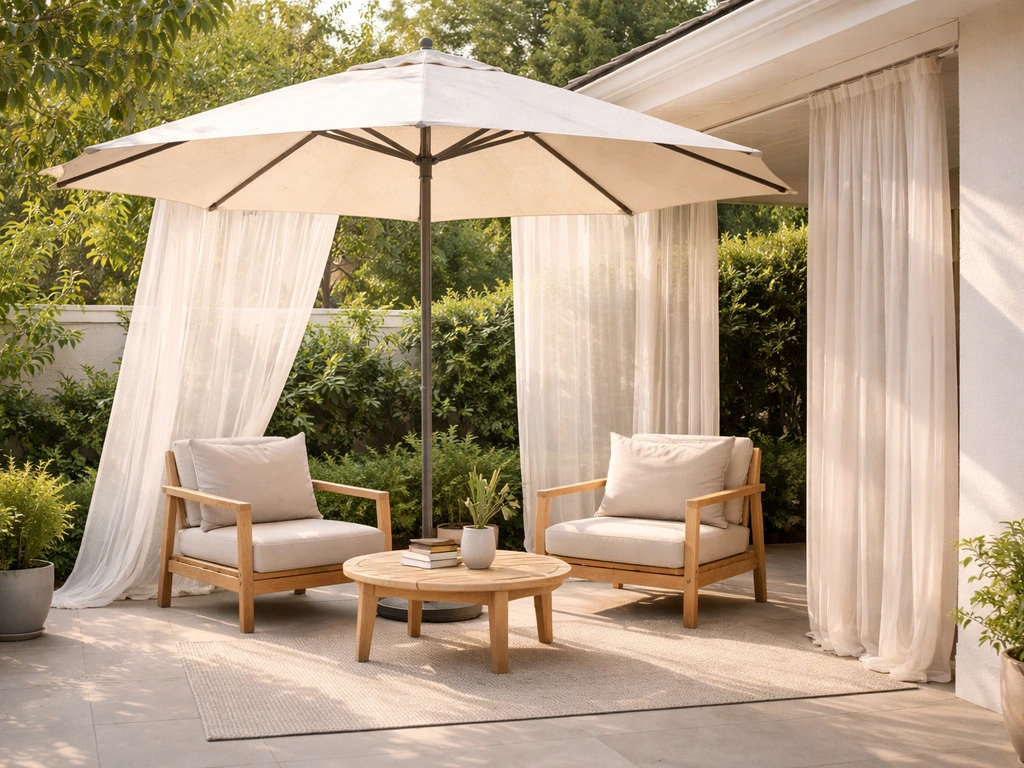
Best Sun Shades for Patio: Buyer Guide by Space
Buyer guide to pick the best sun shades for patio: coverage, materials, wind safety, mounting, costs, and setup tips.
Best Sunbrella Patio Cushions: Top Picks, Guide & Maintenance
Find the best Sunbrella patio cushions: durable, fade‑resistant picks, buying tips, care, and top recommendations.