The best sun shade for your patio depends on three things: how much coverage you need, how your sun hits during the day, and whether you can drill into a wall or post. For most people with a mid-size patio and a solid mounting wall, a retractable awning gives the best combination of coverage, durability, and convenience.
Best Sun Shades for Patio: Buyer Guide by Space
Lark Perry
4 May 2026
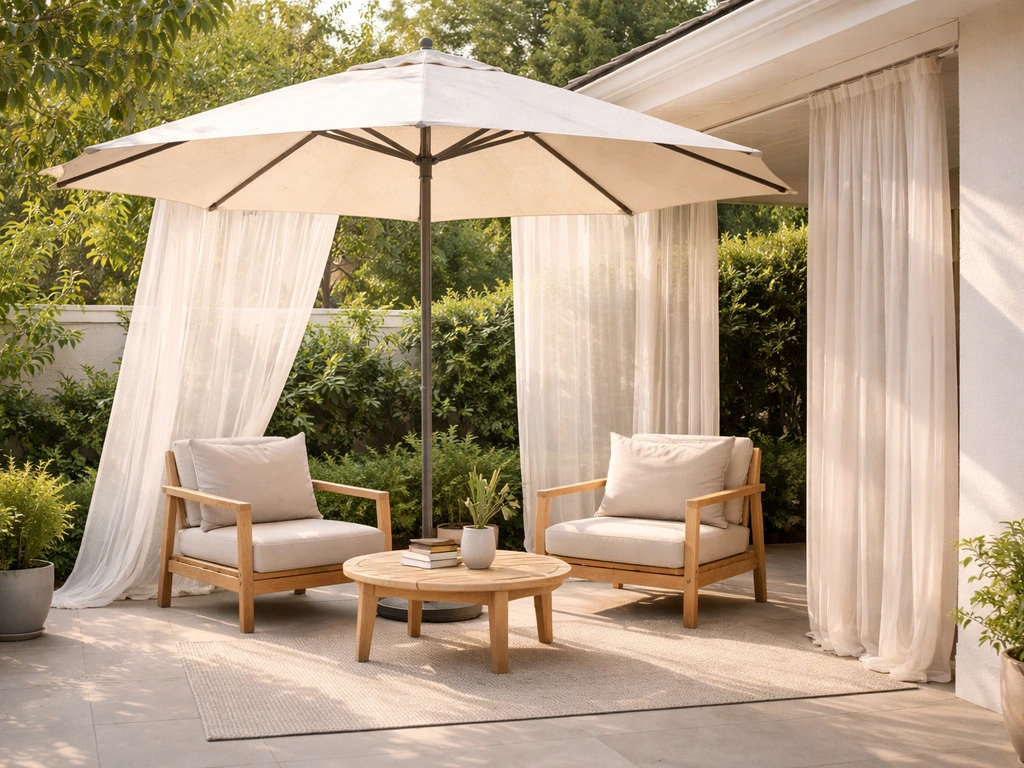
If you rent, can't mount to a structure, or want something portable, a cantilever umbrella or shade sail is your next best move. If you want a truly customizable option, manual sun shades for patio setups can be a practical way to dial in coverage. This guide walks through every major shade type, what to look for in materials and hardware, how to install things correctly, and what you'll realistically spend.
How to Choose Patio Sun Shades
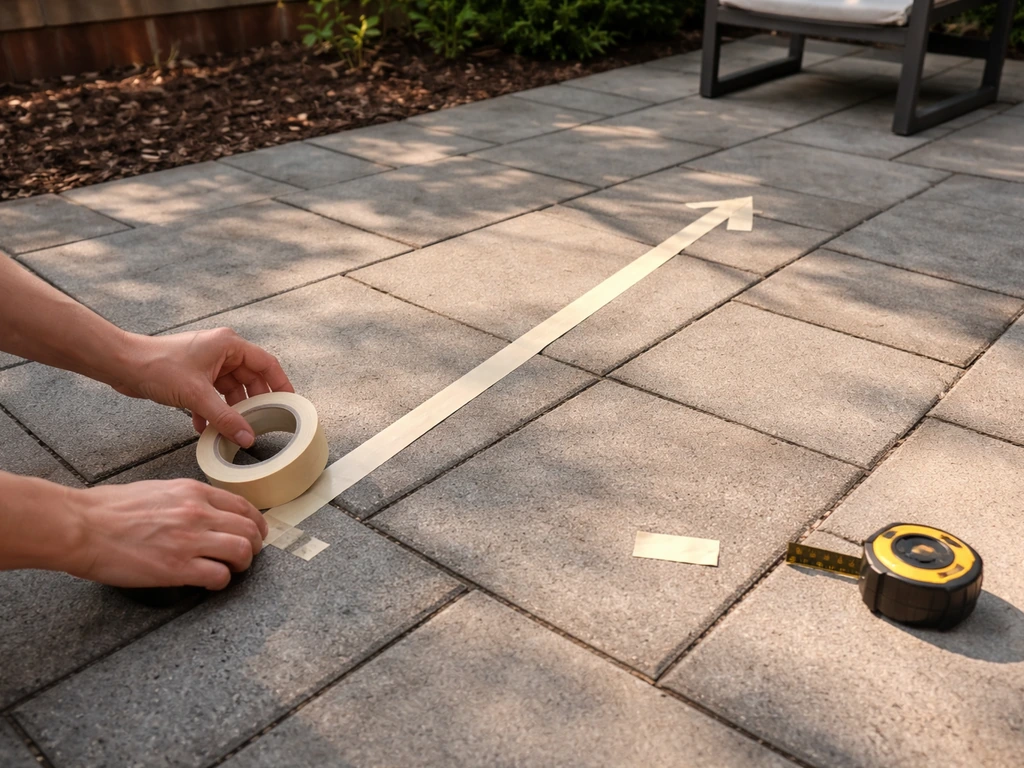
Before you buy anything, spend one day watching your patio. Note when the sun hits hardest and from which direction. Morning sun comes from the east, afternoon sun from the west, and midday sun is overhead but angled depending on your latitude. Tools like SunCalc let you plug in your address and see the sun's exact path and elevation by hour and season, which is genuinely useful for figuring out whether you need side shade, overhead shade, or both. If your patio gets crushed by western afternoon sun, a shade sail or awning on the west-facing side will do more work than one mounted overhead.
Coverage is the other big calculation. A common rule for umbrellas is to go about 2 feet larger on each side than your seating area. So if your dining set is 6 feet across, you're looking at a 10-foot canopy minimum. For retractable awnings, the projection measurement (the distance along the fabric slope from wall to front bar) tells you how far shade reaches, but note that this is measured along the slope, not straight out horizontally. Always confirm the manufacturer's projection definition before ordering. For shade sails, measurements are taken between fixing points, not across the fabric itself, and orientation during install changes where the shadow actually falls.
Mounting height matters more than most people expect. SunSetter specifies a minimum of 7 feet 6 inches from the patio floor to the bottom of the eave or roof when mounting a retractable awning, which ensures head clearance and lets the awning geometry work correctly. Lower mounting positions compress the shade footprint and can feel claustrophobic. If your eave sits lower, some manufacturers offer fascia-mount options that help recover some of that clearance. For freestanding options like umbrellas and canopies, height is mostly about aesthetics and wind stability rather than geometry.
Wind exposure is the constraint most people underestimate. An awning or umbrella that looks great on a calm day can become a liability in a sudden gust. Before settling on a shade type, honestly assess how windy your patio gets. Coastal areas, hilltop lots, and open backyards with no windbreak often need either a more permanent structure, a wind sensor add-on, or a strict habit of retracting shade when weather changes.
Every Major Patio Shade Type, Explained
Patio Umbrellas
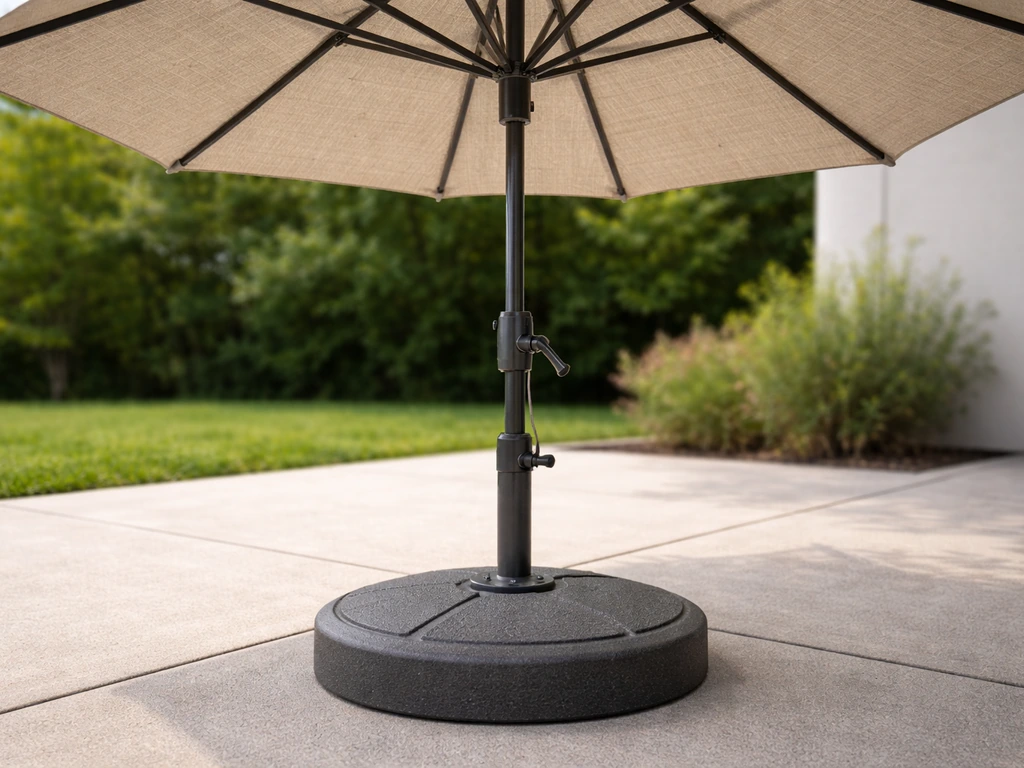
Umbrellas are the easiest entry point. If you are looking for the top rated sun shades for patios, compare umbrella options by canopy size, wind safety, and how easily they set up and take down patio umbrellas. Market umbrellas (center pole) work well when the pole can go through a table hole or into a weighted base.
Cantilever or offset umbrellas mount the pole to the side and extend overhead, which is more practical for lounge seating where a center pole gets in the way. When sizing, measure at the widest point of the canopy and confirm the pole diameter matches your table's hole or base opening.
Wind resistance is a genuine concern: the CPSC benchmark for umbrella safety references withstanding upward forces of at least 75 pounds or winds up to 30 mph, and sudden gusts can make any umbrella airborne if it's not anchored properly.
Retractable Awnings
Retractable awnings are the premium workhorse option. They mount to a wall or fascia, extend out on lateral arms, and retract when not in use or when wind picks up. Width options typically run from about 8 feet to 20-plus feet, and projection (reach) goes from around 8 to 14 feet on most residential models.
SunSetter's independent lab testing showed their awnings can withstand gusts of 55 to 75 mph in controlled conditions, but they still recommend retracting during strong, gusty wind. Adding a wireless wind sensor (Awntech's triggers at 25 mph, SunSetter's mounts on the lateral arm near the front bar) automates retraction so you're not caught off guard.
Many RV and patio owners share practical experiences on Reddit about how awning wind sensors handle trigger timing, including whether retraction comes late wind sensor add-on. Some models also include a front drop screen that unrolls up to five feet for extra privacy and coverage.
Shade Sails
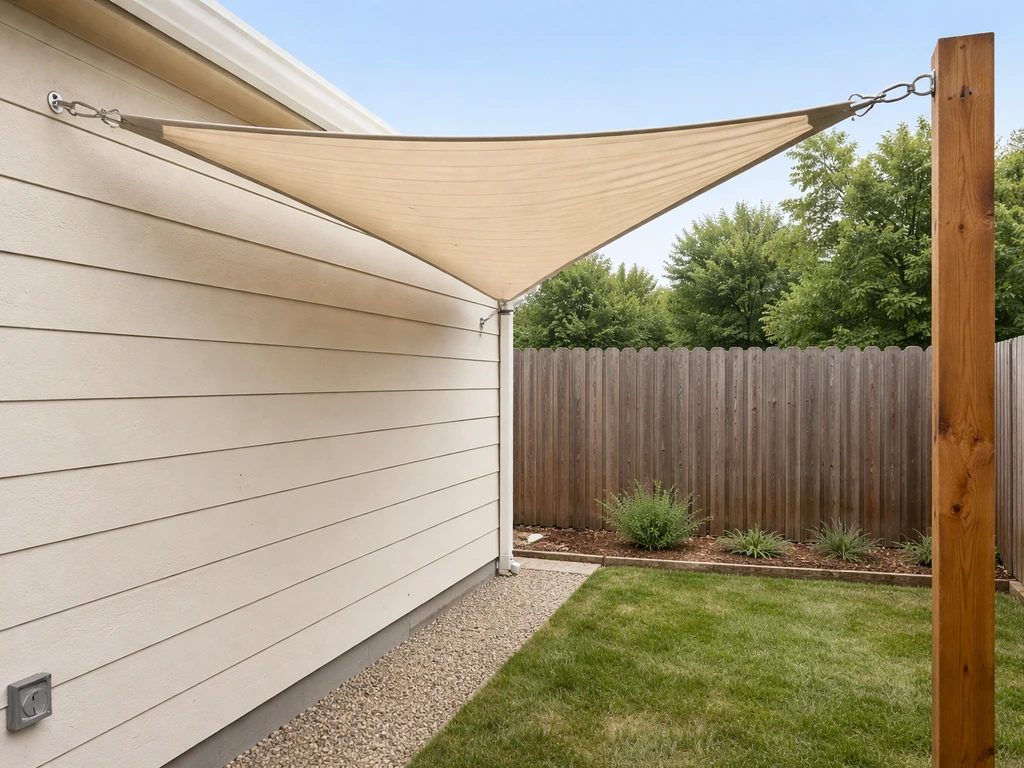
Shade sails are a great mid-budget option when you have multiple anchor points (walls, posts, or existing trees). If you’re comparing options, the best shade sail for patio setups usually combines a strong fabric rating with proper anchor-point spacing. Four-sided rectangular sails work particularly well for dining sets with rectangular footprints. The catch: installation matters enormously.
Sails need a minimum slope of around 30 degrees (35 to 40 degrees is recommended) for proper tension and drainage. A sagging sail doesn't just look bad, it can reduce UV protection by up to 75 percent and accelerates fabric aging. Posts should be sized to the span (4x4 pressure-treated timber handles most sails up to 16 feet) and angled slightly away from the sail tension direction.
Take sails down before extreme wind events or snow; over-tightening strains the hardware just as much as under-tightening.
Pergola Shades and Canopy Systems
If you have an existing pergola, adding a shade canopy is one of the best upgrades you can make. Options range from shade cloth stretched across rafters (breathable, low cost) to polycarbonate panel systems like Trex's ShadeRight canopy, which claims to block 99.5 percent of UV-A and UV-B rays. Pacific Shade's canopy series splits into a breathable "Breeze" configuration (95 percent UV blocking) and a waterproof "Shield" option, which is a useful framework for thinking about the breathability-versus-rain-protection tradeoff. Pergola canopy systems are generally the most weather-capable fixed shade solutions short of a full roof.
Outdoor Curtains and Privacy Screens
Outdoor curtains work best on covered patios or pergolas where you already have a roof structure and just need side shade and privacy. They're easy to hang, inexpensive, and removable, which makes them popular with renters. Solar screen meshes are a step up in performance and can block between 80 and 97 percent of UV rays depending on the fabric openness rating. They mount to existing frames or posts and stay put in moderate wind better than curtains. Neither solution provides overhead shade on its own, so they're typically used as a complement to another shade type.
Freestanding Canopies and Gazebos
Pop-up canopies and freestanding gazebo-style structures are the most portable option and require no drilling or mounting. They work well for renters or anyone who moves the setup seasonally. The tradeoff is stability: most consumer-grade pop-up canopies are not engineered for sustained wind, and you need proper staking or weighted feet to keep them grounded. Permanent freestanding gazebos with steel or aluminum frames are more wind-stable but approach the cost of a retractable awning at the higher end.
Best Shade Option by Patio Scenario
| Scenario | Best Shade Type | Why It Works |
|---|---|---|
| Small balcony or apartment patio | Cantilever umbrella or outdoor curtains | No drilling required, compact footprint, easy to store |
| Large backyard patio | Retractable awning or shade sail system | Maximum coverage, built for daily use, adjustable |
| Windy coastal or hilltop location | Retractable awning with wind sensor, or fixed pergola canopy | Retractable protects itself; fixed structures are engineered for load |
| Renters or no-drill situations | Freestanding canopy, cantilever umbrella, or weighted base sail | No permanent mounting required |
| Maximum UV blocking needed | Polycarbonate pergola panels or high-UPF awning fabric | UPF 50+ blocks 98% of UV; polycarbonate panels can reach 99.5% |
| Low maintenance preference | Retractable awning (motorized) or permanent pergola canopy | Retracts automatically, no seasonal take-down required |
For small balconies, a 9-foot cantilever umbrella on a weighted base covers most seating arrangements without needing any wall attachment. For large patios over 200 square feet, a retractable awning in the 14- to 20-foot width range, combined with outdoor curtains on exposed sides, gives you the most complete coverage. If you're choosing among options, this is where the best patio covers for shade come down to size, sun angles, and wind conditions. If wind is a constant problem, prioritize a retractable awning with a wind sensor over a sail or freestanding canopy, which require you to be home and attentive when weather shifts.
Materials and Build Quality: What Actually Matters
UPF Rating and UV Blocking
UPF 50 is the benchmark to meet. It means the fabric blocks 98 percent of UV rays (only 1/50th penetrates), and it's the minimum standard the Skin Cancer Foundation uses for its Seal of Recommendation. Anything rated below UPF 30 gives you noticeably less protection and tends to degrade faster in sun exposure. Note that UPF ratings apply to the specific fabric tested, not to the overall shade structure, so a product listing a UPF rating for the frame material or a loosely woven mesh tells you less than you'd think. Confirm the rating applies to the actual shade fabric.
Fade Resistance and Water Resistance
Solution-dyed acrylic (the material used in brands like Sunbrella) is the gold standard for fade resistance because the color is baked into the fiber rather than printed on top. It holds color well after years of UV exposure and resists mildew. Polyester is less expensive but fades faster and can degrade with prolonged UV exposure. Water-resistant coatings help but wear off over time, especially with improper storage. Waterproof fabrics (typically tighter weaves with a coating) protect against rain but trap heat, which is worth considering in hot climates where breathability matters.
Frames, Hardware, and Stitching
For retractable awnings, aluminum arms and frames outperform steel in coastal or humid environments because they won't rust. Look for powder-coated finishes, which add an extra layer of corrosion protection. On shade sails, the stitching at the corners takes the most stress: triple-stitched hems and stainless steel D-rings or corner rings are worth paying more for. On umbrellas, the pole material (aluminum vs. fiberglass vs. wood) affects both weight and wind flex: fiberglass poles flex without cracking, which makes them more wind-resilient than wood. Avoid any umbrella hardware that shows rough welds, plastic pivot joints, or single-stitched canopy hems.
Installation and Setup: Getting It Right the First Time
DIY vs. Professional Installation
Shade sails with existing anchor points, umbrellas, and freestanding canopies are straightforward DIY projects. Retractable awnings are manageable for confident DIYers if the wall structure is sound and you have a helper, but they're heavy (most residential units run 80 to 150 pounds) and need to be level. If you're mounting into stucco, brick, or any surface where you're not sure of what's behind it, professional installation is worth the cost, typically $150 to $400 for labor alone. A misaligned mount causes uneven tension across the awning arms, which leads to premature wear and potential failure.
Mounting Height, Spacing, and Anchor Points
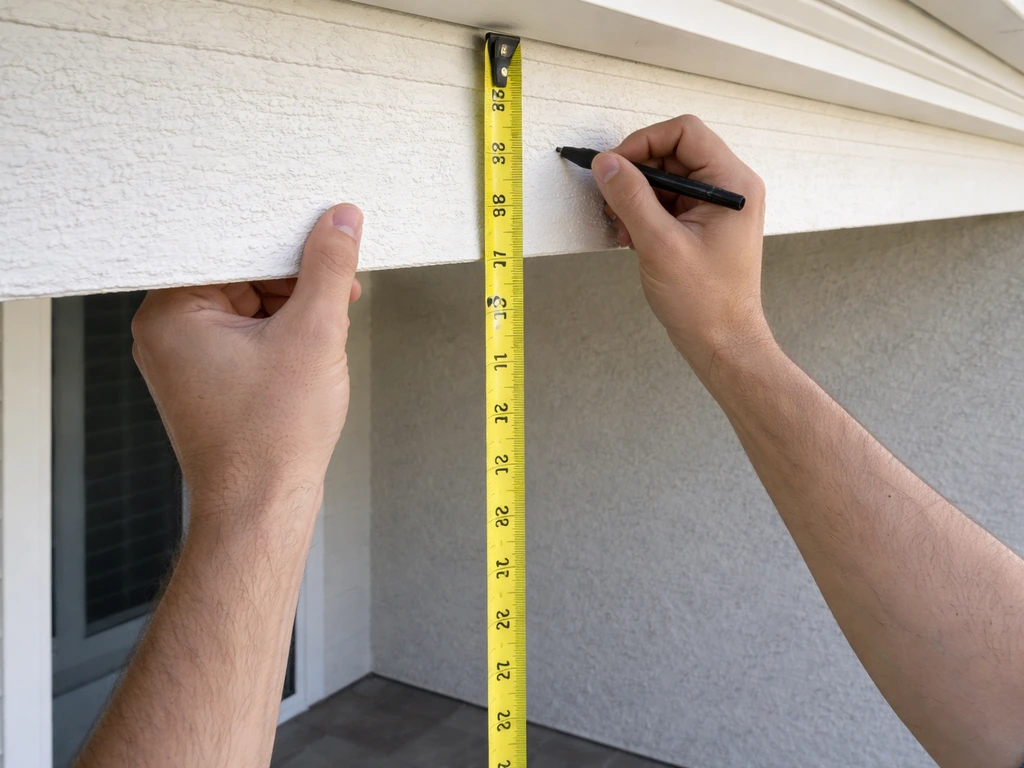
For retractable awnings, target a mounting height of at least 7 feet 6 inches from the patio floor to the bottom of the eave or mounting surface. Going lower sacrifices head clearance and compresses the awning's shadow footprint. For shade sails, choose anchor points that allow the recommended 30- to 40-degree slope; flat sails pool water and sag badly. If you're installing posts specifically for a shade sail, angle them 10 to 15 degrees away from the sail to account for the tension pull during installation. For umbrellas going into a table, confirm the pole diameter before ordering and use a weighted base rated for at least one-and-a-half times the umbrella canopy diameter in pounds.
Common Mistakes to Avoid
- Measuring fabric dimensions instead of fixing-point spans for shade sails (always measure between anchor points)
- Mounting a retractable awning below 7 feet 6 inches and losing both clearance and effective shade coverage
- Skipping a wind sensor on a motorized awning in a gusty location
- Over-tightening shade sail hardware, which stresses corner rings and can cause tearing
- Using an umbrella base that's too light for the canopy size, especially in even moderate wind
- Installing a shade sail flat (no slope) and dealing with pooled water and UV-blocking degradation
- Leaving shade sails or pop-up canopies up during high wind or snow events
Cost, Value, and Keeping Your Shade in Good Shape
What You'll Actually Pay
| Shade Type | Budget Range | Mid-Range | Premium |
|---|---|---|---|
| Patio Umbrella (market style) | $40–$100 | $150–$300 | $400–$700+ |
| Cantilever/Offset Umbrella | $100–$200 | $300–$600 | $800–$1,500+ |
| Shade Sail (including hardware) | $60–$150 | $200–$400 | $500–$900+ |
| Retractable Awning (manual) | $400–$800 | $900–$1,800 | $2,500–$4,000+ |
| Retractable Awning (motorized) | $800–$1,500 | $2,000–$4,000 | $5,000–$10,000+ |
| Pergola Canopy System | $300–$700 | $800–$2,000 | $3,000–$8,000+ |
| Freestanding Canopy/Gazebo | $100–$250 | $400–$900 | $1,200–$3,000+ |
Budget umbrellas and shade sails work fine for occasional use, but they typically fade noticeably within one to two seasons and may need replacing. Mid-range options with solution-dyed acrylic fabric and aluminum or powder-coated frames last three to seven years with basic care. Premium retractable awnings and pergola systems, maintained properly, can last ten to fifteen years. The math often favors spending more upfront: replacing a $100 umbrella every two years costs more over a decade than a $500 mid-range option that lasts eight years.
Cleaning, Maintenance, and Storage
Most shade fabrics clean well with mild soap and water applied with a soft brush, then rinsed thoroughly. Avoid pressure washers on stitched seams and never use bleach on solution-dyed acrylic. Retractable awnings should always be retracted when wet if possible, since water pooling on the fabric (especially at the center) adds stress to the arms and can cause sagging or seam stress over time. At the end of the season, clean fabric before storing or covering, as dirt and mildew left over winter degrade fabric faster than sun exposure does. Shade sails should come down for winter in most climates and be stored dry; label which corner goes to which anchor point to make reinstallation faster.
Your Quick Buying Checklist
- Map your sun: track which direction and hours the sun hits your patio hardest (use SunCalc if you want precise data)
- Measure your coverage area: use the 2-foot rule for umbrellas, measure between anchor points for shade sails, and get projection specs from the manufacturer for awnings
- Check your mounting options: wall type, eave height (target 7'6" minimum for awnings), and whether you can drill or need a freestanding solution
- Assess your wind exposure honestly: frequent gusts above 25 mph push you toward retractable awnings with sensors or fixed structures
- Confirm UPF 50+ on the shade fabric, not just the product overall
- Choose frame material based on your climate: aluminum or fiberglass for coastal/humid, powder-coated steel is fine inland
- Set a realistic budget that accounts for hardware, anchors, and potential installation labor
- Plan your maintenance routine: know before you buy whether the shade needs seasonal take-down and storage
If you're still narrowing down your options, it helps to look at specific shade types side by side. Retractable awnings get a deeper treatment in a dedicated guide, shade sails have their own installation nuances worth reading through, and if cost is your main concern, a full breakdown of what patio shades cost across all categories can help you set realistic expectations before you shop. If you want ballpark numbers, the key factor is shade type, size, and materials, since that determines how much do patio shades cost for your space.
FAQ
Can I rely on UPF ratings when I buy a patio shade?
Yes, but the details matter. To get real UV reduction, look for a UPF rating that applies to the actual shade fabric (not the mesh openness, frame material, or a coating claim). Also check whether the fabric is solution-dyed acrylic versus printed polyester, since printed colors often fade faster even if the initial UPF rating looks good.
What’s the minimum slope I should aim for with a shade sail?
It depends on the shade type, but in most real patios, 30 to 40 degrees for shade sails is the safer target. A flatter sail pools water, sags, and can lose UV performance over time. If you cannot achieve the recommended slope with your anchor height difference, consider a retractable awning or add a structural support.
Should I choose a center-pole umbrella or a cantilever umbrella?
For umbrellas, “center pole” models can work well if you have a matching table hole and a base that keeps the pole vertical. For lounge seating, where a center pole blocks movement, cantilever umbrellas are often the better fit. Also confirm your clearance from the ground, since tall poles can still create glare if the canopy edge doesn’t extend far enough over your seating.
How do I decide which side of my patio needs the most shade?
Don’t just match the seating size, match the coverage path of the sun. If your hottest exposure is late afternoon, prioritize west-facing reduction by placing the main shade on that side, even if it means sacrificing some morning coverage. For mixed sun, a combination approach, awning plus side curtains, can be more effective than one “full-coverage” solution that only works at one time of day.
What should I check before installing a retractable awning on a wall?
It’s common to under-budget by forgetting “hardware-only” installation issues. For retractable awnings, verify what your wall can actually hold (solid studs or suitable fascia, not just a cosmetic layer). If you are drilling into stucco, brick, or unknown subsurface, professional install is usually safer because a misaligned mount can cause uneven arm tension and early wear.
What’s the safest plan for windy patios if I’m not home to retract the shade?
Awnings often handle wind better, but you still need to plan for gust behavior, not average wind. If you cannot retract quickly when storms hit, choose a model that supports automated retraction with a wind sensor, or pick a shade type that you can remove easily (sails, pop-up canopies). For coastal or hilltop areas, retractable awnings are usually the most practical option.
How do I size a weighted base so my patio umbrella stays put?
For umbrellas, look at both anchoring and canopy size, base weight, and pole compatibility. A good starting point is a weighted base rated for at least one-and-a-half times the umbrella canopy diameter in pounds, then add extra margin if your area gets sudden gusts. If you often get strong wind, consider using the umbrella only during calm windows or switching to an awning.
Will outdoor curtains alone significantly cool my patio?
Yes, but keep it realistic. Canopies and umbrellas do overhead shading, while outdoor curtains and solar screens mainly block glare and improve privacy from the sides. If your goal is to reduce heat buildup, curtains can help, but for true overhead coverage you typically need an awning, pergola canopy, or properly angled sail.
What’s the best way to store patio shade fabric at the end of the season?
Seasonal storage is where shade lifespan is often won or lost. Clean fabric before storing or covering, let it fully dry, and avoid leaving mildew trapped in winter. For shade sails, label corners to anchor points so reinstallation tension and angles stay consistent. For retractable awnings, retract when wet when possible to reduce pooled-water stress.
What are the early signs my patio shade is being installed wrong?
If you see sagging, puddling, or uneven tension, stop and inspect before it becomes permanent damage. Shade sails should look taut at the target slope, and corners should not flap. For awnings, uneven pull can indicate a mount that is not level, and continuing to operate it can worsen arm strain.
When should I use solar screen mesh instead of curtains or an awning?
Sometimes. If your patio only needs side coverage during certain hours, solar screen meshes can be a good supplement, especially because they usually stay calmer than loose curtains. But if you need overhead shade, screens will not replace an awning or sail. The decision aid is to list your sun hours first, then match the shade type to whether those hours are overhead, side-glare, or both.
Next Articles
Alternative to Patio Cushions: Durable, Stylish Options and DIY
Alternative to patio cushions: durable, weatherproof seating options, pros, DIY tips & buying guide.
Best Color for Outdoor Patio Cushions in 2026
Choose the best cushion color for sun, heat, and fading in 2026, with pairing tips for patio furniture and durability.
Top Rated Patio Cushions: How to Choose Fast and Right
Step-by-step guide to choose top rated patio cushions by fit, materials, weather durability, and easy cleaning for your