Manual sun shades for patios are exactly what they sound like: shade structures you open and close yourself using a hand crank, pull cord, roll-up strap, or bottom rail lift, with no motor involved. If you want options that feel simpler to operate day to day, compare these with the best retractable sun shade for patio picks that balance coverage and ease of use.
Manual Sun Shades for Patio: Buying, Sizing, and Setup Guide
Lark Perry
27 May 2026
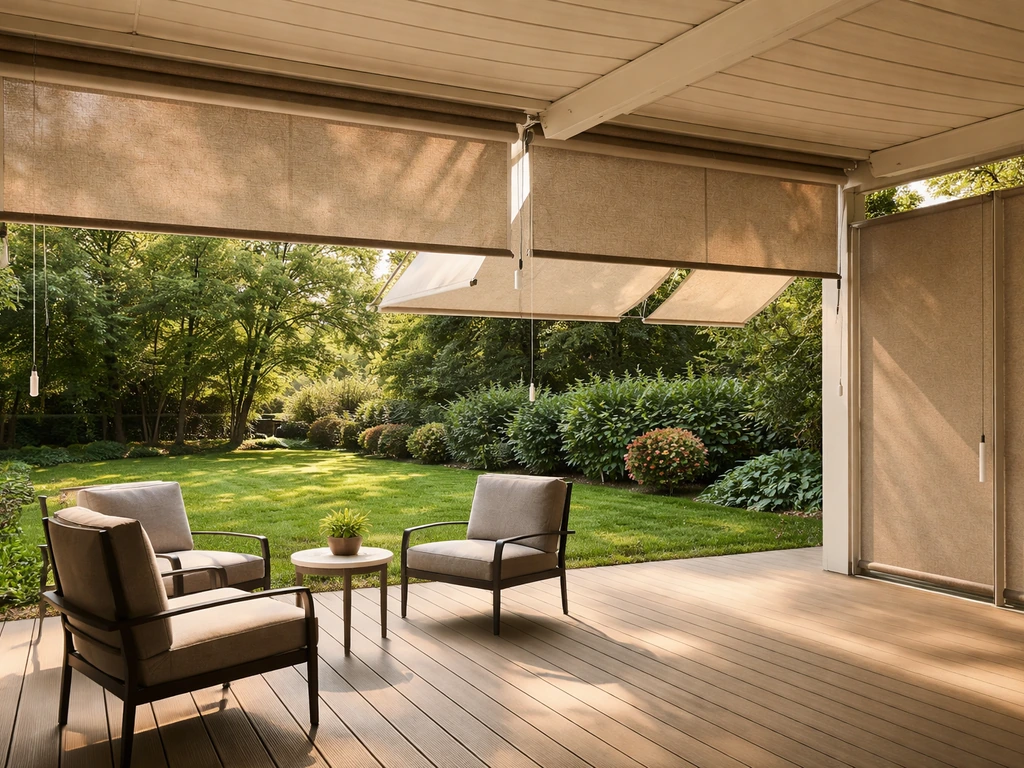
They work well, cost significantly less than motorized alternatives, and when you pick the right type and size for your specific patio, they can be just as effective at blocking UV, cutting glare, and dropping the felt temperature under your shade by 10 to 20 degrees. If you want the best patio shade for your space, focus on UV blocking, coverage angle, and how easy it is to adjust throughout the day.
The catch is that buying the wrong style for your layout, or measuring incorrectly, leads to gaps, wasted money, and a shade that sits rolled up most of the time because it's annoying to use. If you want to avoid those common problems, compare top rated sun shades for patios by size, fabric, and operation style.
What manual patio sun shades actually are (and how they differ from motorized)
A manual patio sun shade is any exterior shade system that you physically operate yourself. The most common mechanisms are: a hand crank connected to a cassette or gear loop (standard on retractable awning-style products), a pull cord with a cord-lock that lets you stop at any position from fully open to fully closed, a simple bottom-rail lift where you grab the hem and guide the shade up or down, and pull straps or roll-up ties on basic roll-up shades. Manual retractable awnings, for example, use a hand crank to extend fabric outward from a wall-mounted cassette housing, while cord-operated outdoor roller shades (like Coolaroo's retractable line) use a cord-lock system that lets you pause at whatever position you want, including partial coverage.
Motorized shades do the same job but use an electric motor, sometimes paired with sun or wind sensors. The tradeoff is real: motorized systems cost two to four times more, need a power source at the mounting location, and add complexity that can fail.
For most homeowners and renters, a well-chosen manual shade does everything a motorized one does, and the only meaningful difference in day-to-day life is that you walk over and turn a crank or pull a cord. If your patio shade is something you'll use once or twice a day, that's not a hardship.
Where motorized makes more sense is large commercial-scale awnings (12+ feet of projection where hand-cranking becomes tiring) or situations where someone physically cannot operate a crank or cord.
One thing worth clarifying: the category of manual sun shades overlaps with several related products you might encounter while shopping, including shade sails, pergola shade cloth panels, fixed side screens, and roll-up blinds. This guide covers all of them because they all fall under the manual operation umbrella, but they work very differently depending on your patio's structure.
Pick the right shade type for your patio layout
This is the most important decision you'll make before buying anything. The wrong shade type for your patio layout either won't mount properly, won't cover the right area, or will be so awkward to use that you stop bothering. Here's how to match shade type to situation. If you want the best patio covers for shade, start by matching the shade type to how your patio is built and when the sun hits.
Manual retractable awning (crank or pull-strap)
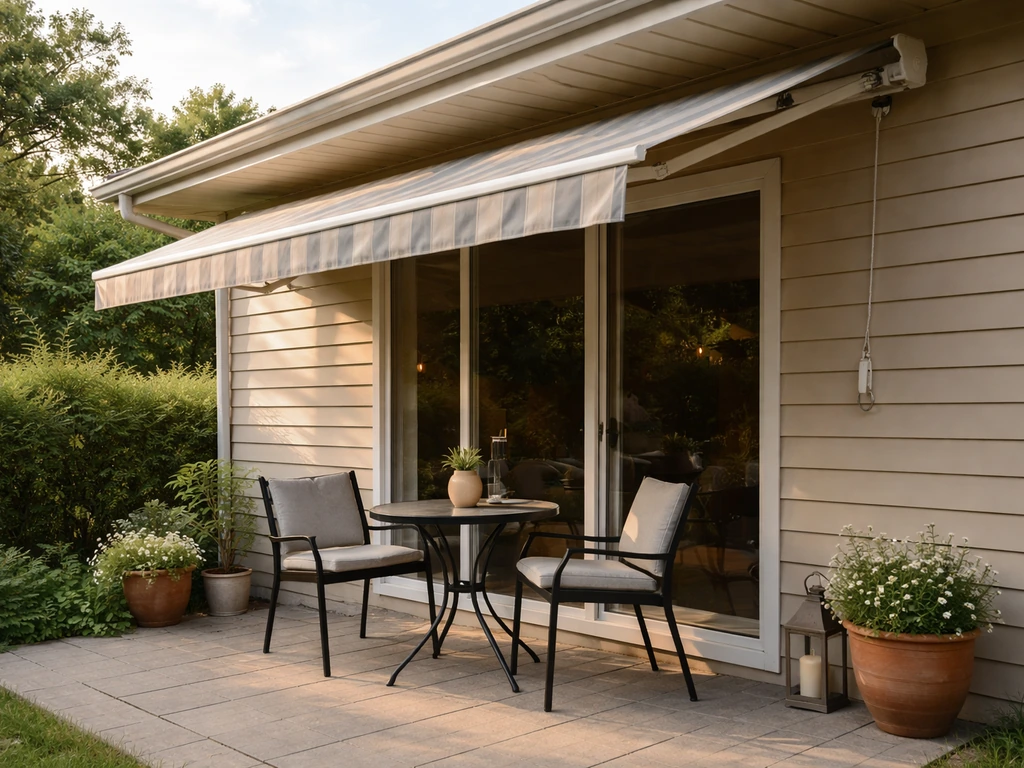
Best for: patios directly attached to the house where you can mount a cassette to the wall or soffit. A retractable awning extends outward from the house on arms, giving you an overhead canopy that projects 6 to 14 feet. Manual versions use a hand crank or pull strap to extend and retract. They're the most effective option for blocking overhead afternoon sun and protecting furniture from light rain. The downside is that they need a solid, load-bearing wall attachment point and cost more upfront (typically $300 to $1,500 for quality manual units). They don't work well if your patio is detached from the house or if you have no suitable wall.
Outdoor roller shades and roll-up blinds (cord-operated or bottom rail)
Best for: pergolas, covered patios, porch openings, and any situation where you want side or face shading rather than overhead coverage. These mount to beams, headers, or fascia boards and drop down vertically. Cord-operated versions (like Coolaroo's roll-up outdoor shades) use a cord-lock to stop at any height, while simple lift versions let you grab the bottom rail and guide the shade up or down. These are the most versatile manual option for renters and DIYers because they're lighter, easier to install, and can work on almost any mounting surface. They're ideal for blocking low-angle morning or late-afternoon sun that sweeps in sideways under an overhead cover.
Shade sails (fixed or semi-permanent)
Best for: open patios without an overhead structure, where you want to tension a triangular or rectangular fabric panel between anchor points (posts, walls, trees). If you are specifically hunting for the best shade sail for patio coverage, focus on anchor strength and the right fabric opacity for your sun exposure shade sails. Shade sails are technically semi-fixed rather than truly manual retractable, but you do take them down seasonally or before storms. They provide excellent overhead coverage for detached patios and are relatively affordable ($50 to $300 for quality options). The limitation is that you need reliable anchor points at the right spacing and height, and installation requires more planning than most people expect.
Pergola shade cloth panels (fixed overhead)
Best for: pergolas and slatted overhead structures where you want to fill in the gaps above. Shade cloth (typically knitted HDPE fabric) attaches directly to pergola slats or frames and stays put. This is the least adjustable option since it's not retractable, but it's durable, low-maintenance, and extremely effective at diffusing overhead light while still allowing airflow.
| Shade Type | Best Patio Setup | Manual Operation | Overhead or Side Coverage | Typical Cost Range |
|---|---|---|---|---|
| Manual retractable awning | House-attached patio with solid wall | Hand crank or pull strap | Overhead (extends outward) | $300–$1,500+ |
| Outdoor roller shade | Pergola, porch, covered patio | Cord-lock or bottom rail lift | Side/face (drops vertically) | $60–$400 |
| Shade sail | Open detached patio with anchor points | Seasonal take-down only | Overhead (tensioned flat) | $50–$300 |
| Pergola shade cloth | Pergola or slatted overhead structure | Not retractable, fixed install | Overhead (diffused) | $40–$250 |
Measuring and sizing for full coverage (and avoiding wasted spend)
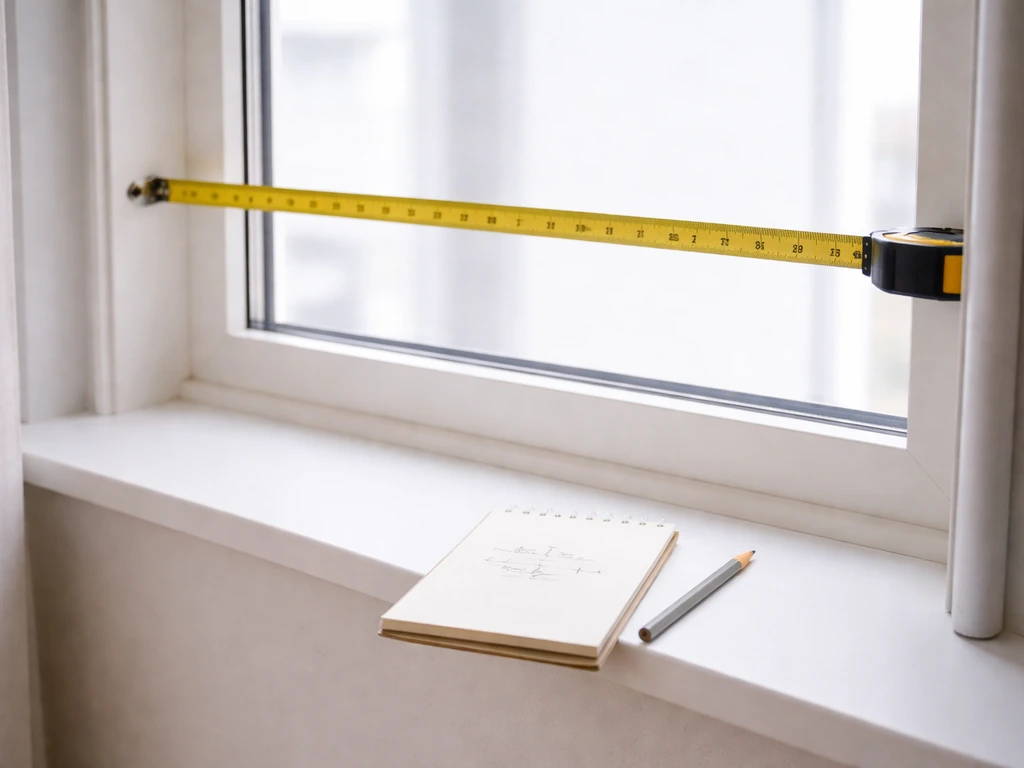
Measuring wrong is the number one reason people end up with a shade that doesn't work as expected. Here's what actually matters and where people consistently go wrong.
For outdoor roller shades and roll-up blinds, you're measuring the area you want covered, not just the clear opening. American Blinds' outdoor shade measuring guidance specifically recommends overlapping your target area by at least 1.5 inches on each side, and Coolaroo recommends 2 to 4 inches of overlap to prevent light from leaking around the edges. So if your pergola opening is 8 feet wide, order a shade that's 8 feet 3 inches to 8 feet 4 inches wide. This feels counterintuitive but makes a real difference in how much sun actually sneaks in.
For cassette-style roller shades (the kind where the rolled fabric sits inside a tube/cassette at the top), the cassette itself takes up space. Inspired Shades' installation documentation is explicit about this: you need to order based on the manufacturer's sizing worksheet, not just the clear opening measurement, because the bracket spacing depends on the cassette dimensions. If you ignore this, you'll end up with brackets that don't fit or a cassette that's slightly too wide for the opening.
For manual retractable awnings, the two key measurements are width (the span across the wall mount) and projection (how far it extends outward from the house). Most residential manual awnings project between 6 and 12 feet. A common mistake is buying for current furniture placement and forgetting to account for the sun angle at 3pm versus 5pm, which can mean a 10-foot projection covers your seating area in late afternoon but leaves it fully exposed during peak heat hours. Check where your shadow falls at noon and at 4pm before committing to a projection length.
- Measure the full area you want shaded, not just the mounting span or clear opening
- Add 2–4 inches of overlap on each side for roller shades to prevent light gaps
- Account for cassette/bracket take-up when ordering cassette-style shades (follow the manufacturer's sizing guide)
- For retractable awnings, check sun angle at noon and late afternoon to pick the right projection depth
- For shade sails, measure the diagonal distance between anchor points, not just the width and depth of the patio
What to look for in materials, UV/heat control, and weather resistance
Fabric: knitted HDPE vs woven polyester vs acrylic canvas
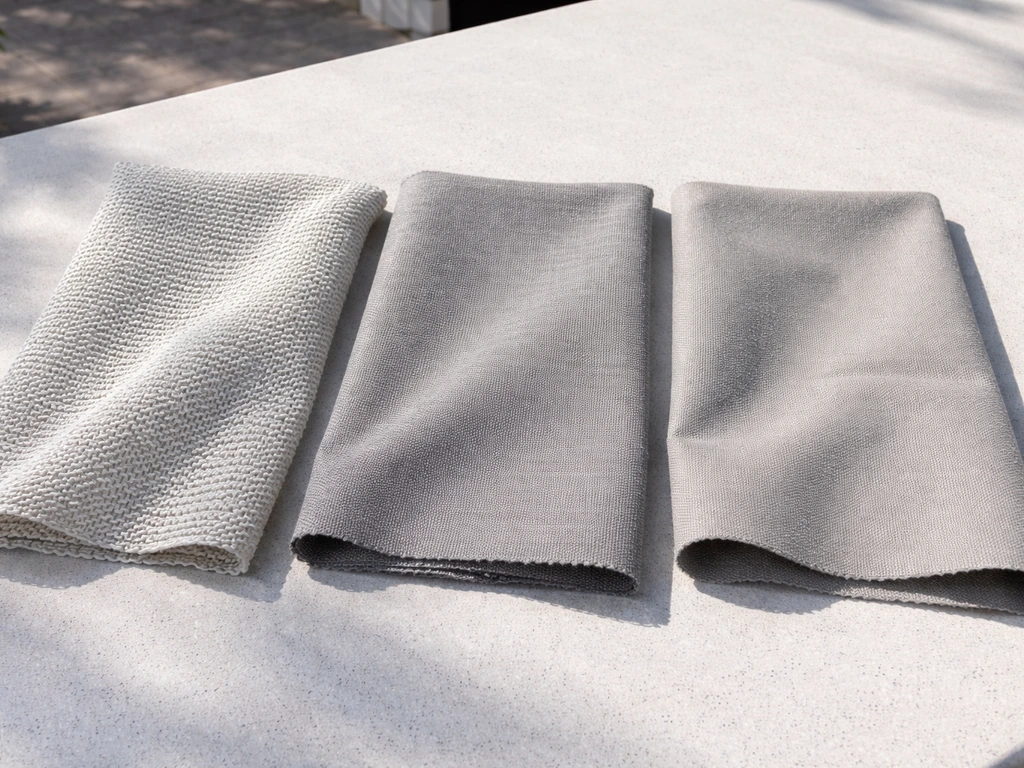
Knitted HDPE (high-density polyethylene) shadecloth, the material Coolaroo uses, is the best choice if airflow matters to you alongside UV protection. Choosing the best shade cloth for patio coverage comes down to the fabric type, UV rating, and whether you need airflow or maximum privacy. The knitted construction blocks UV rays while letting air move through, which is a meaningful difference from solid fabrics that can create a trapped, still-air microclimate underneath. Coolaroo's shadecloth is designed to meet ASTM International standards for UV protection, and their planning guide references fabrics in the range of 205gsm with up to 95% UV block ratings. Higher UV block percentages mean less light and visibility through the fabric, so it's a genuine tradeoff.
Woven polyester solar screen fabric (used in many outdoor roller shades) is described by an openness factor, typically ranging from 1% to 14%. Lower openness factor means stronger UV blocking but reduced visibility and airflow. A 3% openness factor fabric blocks significant UV and provides solid privacy while still feeling breathable. A 14% openness factor is more like a light filter. Inspired Shades' technical documentation explicitly notes this inverse relationship: lower openness equals stronger UV blocking. Choose based on whether you prioritize privacy and heat reduction (lower openness) or light and view (higher openness).
Acrylic canvas (common in quality retractable awnings) is water-resistant, colorfast, and durable for overhead applications. It doesn't breathe the way knitted HDPE does, but for an awning projecting overhead, this matters less because the shade itself creates a ventilated zone underneath. Plastic hardware components are worth checking: Inspired Shades' 2025 technical documentation notes that plastic components in their outdoor shades are UV-tested for durability, which matters because cheap plastic brackets and cord guides crack and fail within a season or two of sun exposure.
Wind and rain resistance: what the specs actually mean
Wind ratings on outdoor shade products are often referenced using the Beaufort Scale. Beaufort 6 corresponds to roughly 25–31 mph (40–50 km/h) of sustained wind, which is the upper range for most outdoor roller shade systems. Rolltec's guidance for retractable awnings puts their comfortable wind tolerance at around 30–35 km/h (roughly 18–22 mph), which is more conservative than it sounds: that's a steady breeze, not a storm. The practical guidance from multiple manufacturers is consistent: retract your shades before conditions get gusty. Waiting until the wind is already strong and chaotic increases the risk of damage to the fabric, arms, or mounting hardware.
For rain, most outdoor shade fabrics handle light rain fine, but you should let the shade dry out before retracting it. Rolltec specifically recommends this, and it applies to any roller shade or awning: rolling up a wet shade traps moisture against the fabric and roller tube, which accelerates mildew growth and can cause the fabric to stick to itself. If your awning or shade gets caught in a downpour, extend it (or leave it out if safe) to air dry before rolling it back up.
Installation options and DIY vs hiring guidance
Most outdoor roller shades and simple roll-up blinds are genuinely DIY-friendly if you're comfortable using a drill, a level, and a step ladder. Inspired Shades' installation documentation lists a standard toolkit: drill, level, tape measure, and step stool, which is a reasonable summary of what's required. The cassette bracket system uses spring-loaded brackets that click into place once you've drilled and set the mounting screws. For a single shade on a pergola beam, this is a one-person job that takes about 30 to 45 minutes.
Manual retractable awnings are a different story. The hardware is heavier (some cassettes weigh 40 to 80 pounds before the arms are deployed), and the wall mounting must be into solid structural material, whether that's into studs behind the siding or into a concrete or masonry wall with appropriate anchors. Attaching an awning to just the siding or sheathing is a safety and structural risk. If you're not confident identifying stud locations at the exact spacing your awning requires, or if your mounting height is above 8 feet and requires a ladder plus a helper, hiring a professional installer is worth the cost. Many awning retailers offer installation services for $150 to $400 depending on the complexity.
For renters, outdoor roller shades are almost always the safer choice because they typically mount to a beam or header with screws that can be removed and patched. A full wall-mounted retractable awning requires hardware that's much harder to reverse without leaving visible damage.
Operation, daily usability, and common setup mistakes
A good manual shade should be something you actually want to use every day. Here's what makes or breaks daily usability in practice.
Cord-operated roller shades with a cord-lock mechanism are the easiest to use for partial coverage adjustments. Because you can stop the shade at any position, you can drop it halfway down to block a low sun angle without fully closing off the view. Coolaroo explicitly describes this as a feature of their cord-lock system, and it's genuinely useful in the morning and late afternoon when the sun angle changes quickly.
Manual crank awnings from brands like Carefree of Colorado use a gear loop/cassette system where the crank engages and you rotate it to extend or retract the arms. Carefree of Colorado's Patio Sunshade operation guidance describes manual retractable awning operation steps, including holding the shade still while stretching the cord for reliable function during setup [Manual retractable awning manuals describe reliable operation steps for the crank and cord setup, including holding the shade still while stretching the cord](https://www. carefreeofcolorado. com/wp-content/uploads/2022/06/052988-001r2-Patio-Sunshade.
pdf). The crank operation requires some coordination on first use (extend the crank arm, engage the socket, rotate steadily) but becomes automatic after a few times. The most common setup mistake is applying lateral force on the crank, which can strip the gear socket. Always crank straight and steady.
For simple lift roller shades (the kind where you grab the bottom rail), Coolaroo's instruction guidance recommends gently guiding the shade rather than pulling sharply, which can knock the roller out of its brackets or damage the tension spring. This is especially important during the first few uses when the fabric is still finding its natural roll pattern.
- Don't crank a retractable awning with lateral pressure on the crank arm — it strips the gear
- Don't yank cord-lock cords sharply — use a steady, controlled pull to set the lock position
- Don't leave shades fully deployed when gusty conditions are expected — retract before it gets bad
- Don't roll up a wet shade — extend it and let it air dry first
- Don't measure only the clear opening for roller shades — always add overlap allowance
- Don't skip the level when mounting brackets — a shade that rolls up crooked will continue to roll up crooked indefinitely
Maintenance, cleaning, and troubleshooting to extend lifespan
Manual patio shades are low-maintenance, but a small amount of consistent care makes a significant difference in how long they last and how well they operate.
Cleaning the fabric
For knitted HDPE shadecloth, a mild soap and water solution applied with a soft brush handles most dirt and pollen. Rinse thoroughly with a garden hose and let the shade air dry completely before rolling it up. Coolaroo's retractable blind instructions specifically flag humidity-related care: rolling the shade down to air dry in humid conditions is better than leaving it rolled up wet. Acrylic canvas awning fabric (on retractable awnings) should also be cleaned with mild soap and water, never bleach or harsh solvents that can break down the water-resistant coating.
Mechanical maintenance
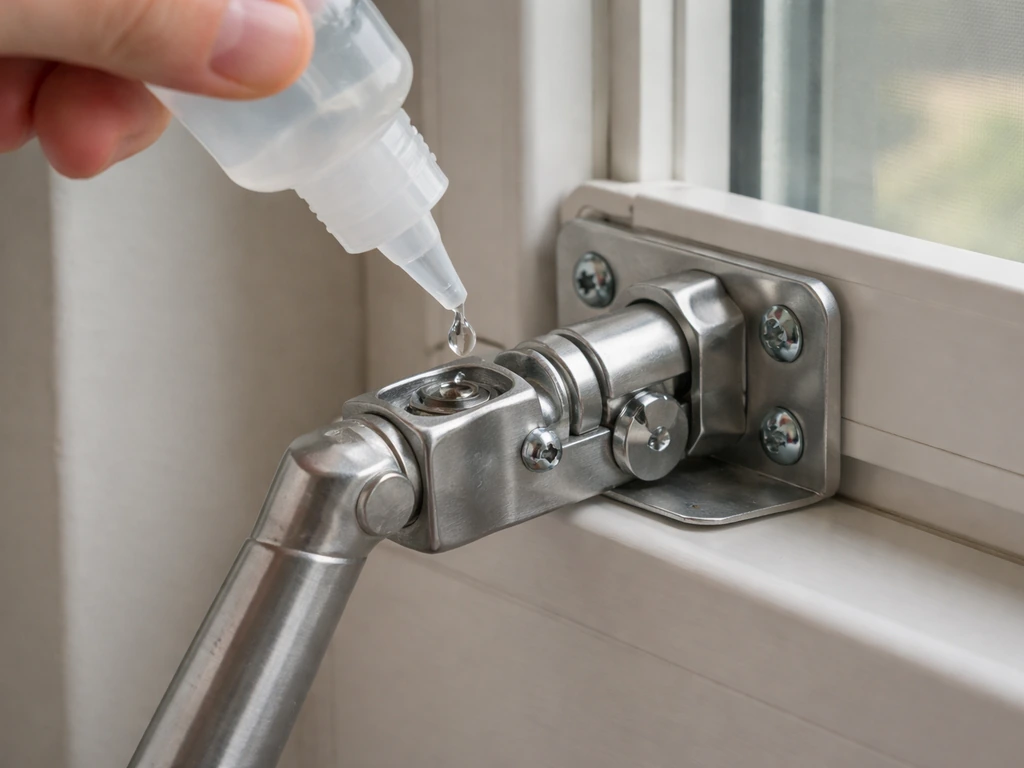
Hand crank mechanisms benefit from a light application of silicone-based lubricant on the gear socket and pivot points once per season. Avoid petroleum-based oils that can attract dust and gum up over time. Cord-lock systems rarely need lubrication but should be checked at the start of each season for fraying cord or a lock that slips (meaning the shade slowly descends after you set it). A slipping cord-lock is usually fixed by replacing the cord, which is inexpensive and takes about 15 minutes.
End-of-season storage
If you're in a climate with harsh winters or strong storm seasons, removing standalone roller shades and storing them indoors extends their life significantly. For wall-mounted retractable awnings, most cassette systems are weather-resistant enough to stay mounted year-round, but you should retract the fabric fully and, if the manufacturer offers a protective cover for the cassette, use it. Debris (leaves, twigs, dirt) that collects in the roll or inside an open cassette can cause the fabric to roll unevenly and create permanent creases.
Troubleshooting the most common problems
| Problem | Likely Cause | Fix |
|---|---|---|
| Shade rolls up crooked or bunched on one side | Brackets not level during installation, or shade slipped in bracket | Re-check bracket level, reseat the roller in brackets |
| Cord-lock slips and shade drops slowly | Worn or frayed cord | Replace the cord (inexpensive, available from manufacturer) |
| Retractable awning won't fully retract | Debris caught in cassette, or arms out of alignment | Clean cassette opening, check arm pivot joints, lubricate if stiff |
| Fabric has mildew spots | Shade was rolled up wet repeatedly | Clean with diluted white vinegar or mild soap, air dry fully before retracting |
| Crank feels stiff or grinding | Dry or corroded gear socket | Apply silicone lubricant to the gear loop and crank socket |
| Light gaps along the edges | Shade undersized or mounted without overlap allowance | Add side tracks or upgrade to a wider shade with proper overlap |
If you're shopping for a specific product type and want to compare top-rated options in each category, the guides on best sun shades for patio, best retractable sun shade for patio, and best shade sail for patio cover those in detail, including real-world performance comparisons. For a broader look at pricing across these categories, the breakdown on how much patio shades cost is worth checking before you finalize a budget. If you're comparing options, make sure to factor in size, fabric type, and whether you want manual or motorized operation how much patio shades cost.
FAQ
Are manual sun shades for patio worth it if I only use the patio on weekends?
They still usually are, because you can adjust coverage quickly without power or app setup. However, if you will leave the shade closed for long stretches, choose fabrics that tolerate being rolled for weeks and plan to do a full dry-out before retracting after rain or heavy dew.
How do I choose between a manual retractable awning and a manual outdoor roller shade for the same patio opening?
Use an awning when you want overhead projection from a wall or soffit (better for afternoon sun and light rain protection). Use a roller shade when you need side or face blocking under an existing cover (better for sideways morning or late-afternoon glare). If your patio has no overhead structure, a roller shade may not intercept the sun angle as effectively as an awning.
Can I install a manual patio shade on a vinyl siding wall without studs?
Avoid mounting a retractable awning or heavier cassette hardware into siding alone. You need solid structural attachment points (studs or rated anchors in masonry/concrete). If you cannot locate studs with confidence, choose lighter beam/rafter mounts like outdoor roller shades or hire an installer.
What’s the safest way to test fit before drilling brackets for a manual roller shade?
Dry-fit the brackets and confirm bracket spacing, level, and clearance with the fabric fully unrolled or extended. Check that the shade does not hit window trim, gutters, ceiling fans, or door swings at both full open and fully retracted positions.
Should I mount my manual patio shade higher or lower for better sun blocking?
Higher mounting can reduce obstruction from low sun only if the projection or angle still captures the sun path. A practical method is to observe where your shadow ends up at noon and again in late afternoon, then position the shade so its covered “effective edge” overlaps your seating area at the later time.
How do I handle a manual patio shade when wind picks up during the day?
Adopt a simple rule: if you see conditions approaching the product’s upper comfortable wind tolerance, retract early rather than waiting for gusts. Manual systems are less forgiving than motors because a sudden stop or swing can stress fabric, arms, or cord guides.
Can I leave a manual sun shade partially open during rain?
Light rain is usually fine, but you should avoid retracting while wet. If rain starts, keep it extended to let it air dry, then retract only after the fabric feels dry to the touch to reduce mildew risk and sticking.
What should I do if my cord-operated manual shade slowly descends after I set the height?
Treat it as a cord-lock issue. Check the cord for fraying and confirm the lock engages fully. In most cases, replacing the cord resolves the problem quickly, but avoid forcing the mechanism since it can worsen the lock or alignment.
Do manual crank awnings require maintenance, and how often?
Yes, but it’s minimal. Once per season, inspect the crank gear socket and pivot points, then apply a small amount of silicone-based lubricant to reduce friction. Also check for alignment issues, since lateral cranking can strip sockets or increase wear.
What’s the biggest mistake people make when buying manual sun shades for patio sizing?
Ordering by the visible opening instead of the coverage requirement. For roller and roll-up types, you often need deliberate overlap around the target area to prevent light leakage. For cassette styles, you need the manufacturer’s worksheet because the cassette and bracket geometry change the true fit.
If my manual patio shade overlaps the area by a few inches, will it still look neat and not block doors?
It can, as long as you verify clearance for the full range of motion. Before ordering, simulate the shade’s path at fully open and fully closed positions, especially near doors, railings, and window trim, and confirm overlap does not intrude when the shade rolls or projects.
Is it better to store standalone roller shades indoors in winter?
In harsh winter or severe storm regions, yes, storing them indoors can extend fabric life and reduce weathering. For wall-mounted cassette awnings, many can stay mounted, but always retract fully and clear debris from the cassette or roll area to prevent uneven rolling and permanent creases.
Next Articles
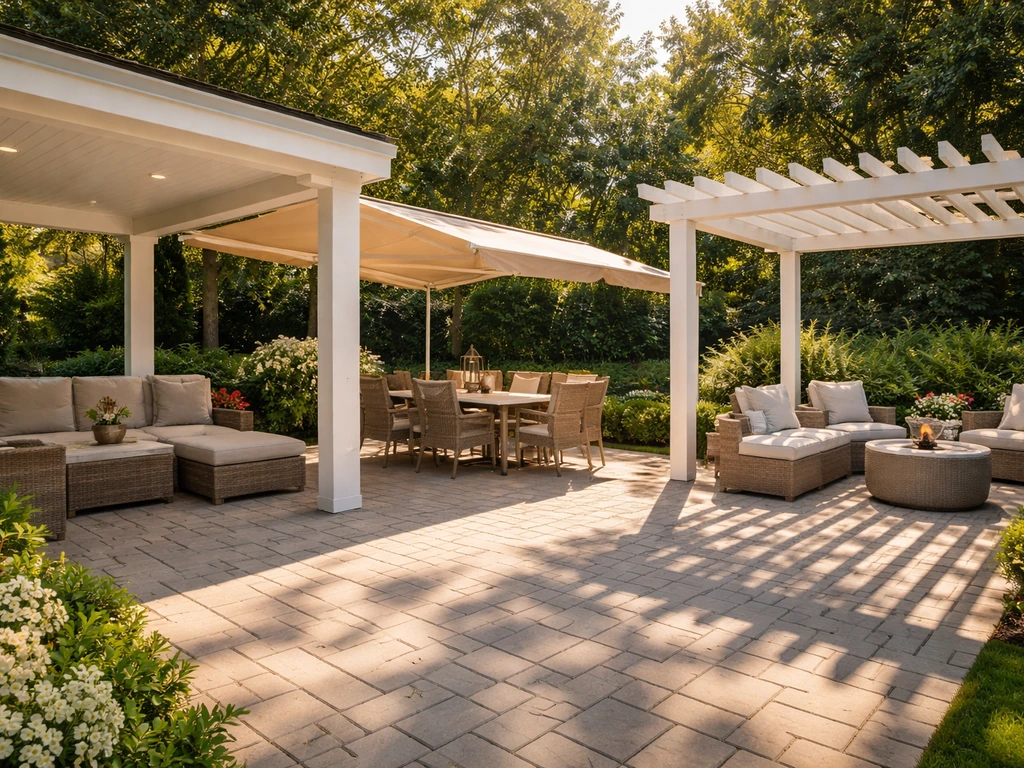
Best Patio Covers for Shade: How to Choose and Buy
Buying guide to choose the best patio covers for shade with solid, retractable, pergola options, fit and specs for your
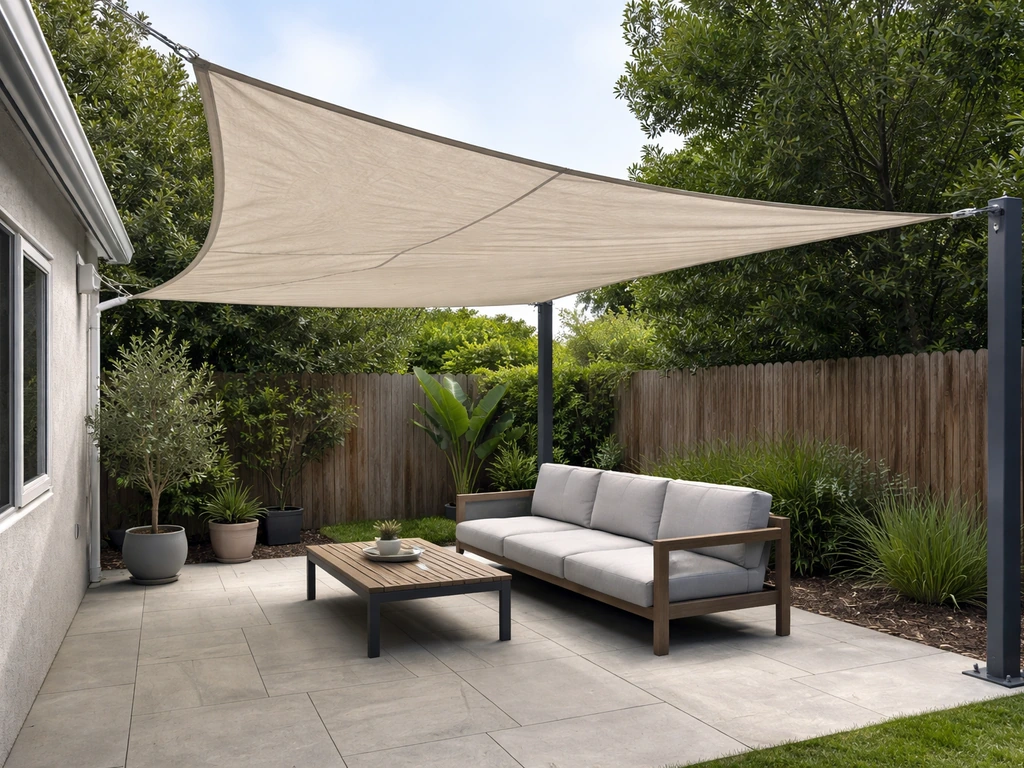
Best Shade Sail for Patio: Sizing, Materials, and Setup
Choose the best shade sail for patio with sizing, UV-ready materials, water shedding, wind setup, and easy installation
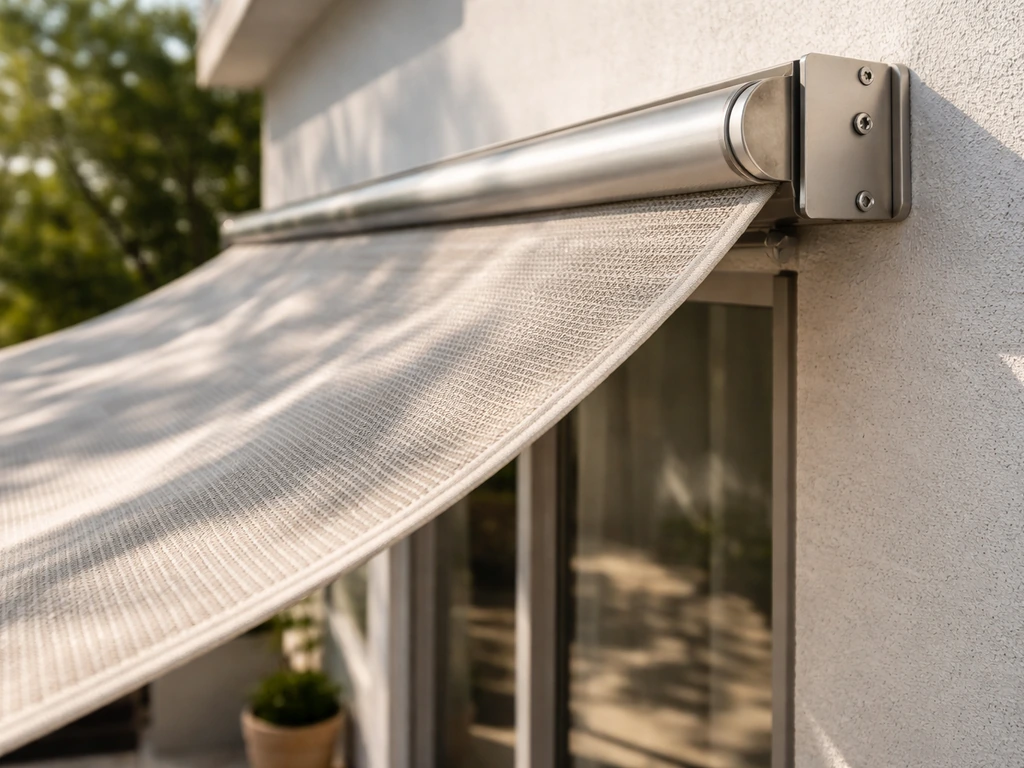
Best Retractable Sun Shade for Patio: Manual Guide
Choose the best manual retractable sun shade for your patio with fit, mounting, wind, and maintenance tips plus cost com