
The best patio coolers of 2022 range from under-$50 wheeled hard coolers that hold ice for 5 days to roto-molded beasts that crack the 10-day mark, plus electric outdoor mini-fridges that ditch ice entirely. If you mostly want reliable cold drinks at a weekend cookout, a Coleman Xtreme or similar value cooler is hard to beat for the money. If you're outfitting a permanent outdoor kitchen or a high-traffic deck and want set-it-and-forget-it performance, an outdoor-rated electric refrigerator or a premium roto-molded cooler is worth the bigger investment. What follows is a category-by-category breakdown of the strongest options available in 2022, with real performance data, honest tradeoffs, and a buying checklist to match the right pick to your actual setup.
Best Patio Coolers 2022: Top Outdoor Coolers & Mini-Fridges

Who actually needs a patio cooler in 2022
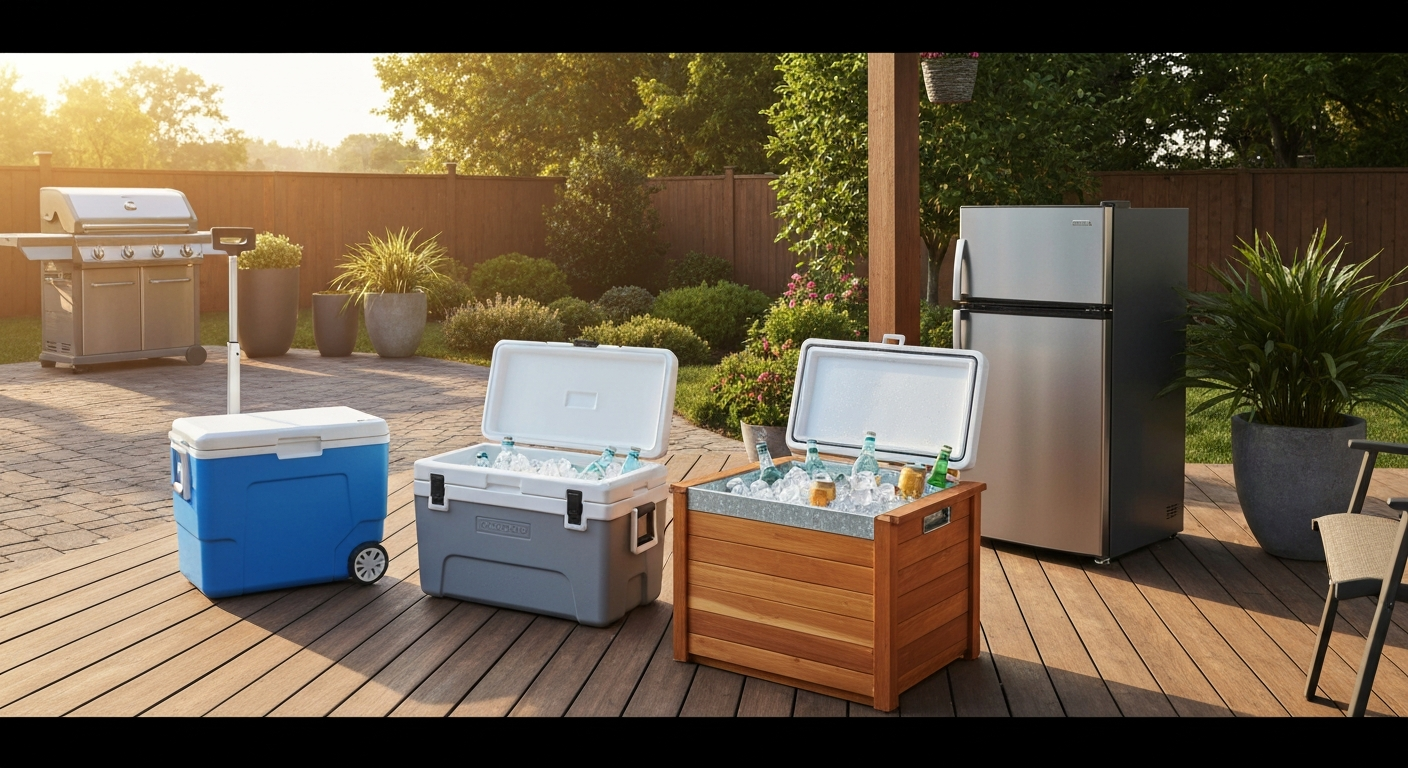
If you're hosting on your patio more than a couple of times a season, a dedicated outdoor cooler saves you from running back and forth to the kitchen every time someone wants a cold drink. That covers a wide range: renters who can't modify their space and need something portable, homeowners building out a permanent outdoor entertaining area, campers and tailgaters who double-dip their gear, and anyone in a hot climate where a full-size fridge on the patio would actually earn its keep. The two main paths are passive coolers (hard-sided insulated chests, which need ice but require no power) and electric coolers (compressor-driven mini-fridges or outdoor refrigerators, which need an outlet but eliminate the ice purchase and melt-water drain entirely). Each category has its own tradeoffs around cost, placement, and maintenance, and the right answer really does depend on how you use your patio.
Passive coolers come in three general tiers: budget hard coolers (think Coleman Xtreme, around $30 to $60), mid-range rotomolded coolers (ORCA, Lifetime, in the $100 to $250 range), and premium roto-molded models (YETI Tundra, Pelican Elite, Engel, in the $250 to $500-plus range). Electric options split between portable 12V compressor units and true outdoor-rated refrigerators designed for permanent semi-exposed or outdoor installation. Wooden patio coolers, which typically house a liner or a separate cooler inside a decorative wood frame, sit in their own aesthetic niche and are popular for furnished deck setups where looks matter as much as function.
Top-rated patio coolers of 2022 at a glance
This short list reflects models that were widely available through major retailers in 2022 and backed by independent ice-retention testing, verified owner reviews, and published specs. For a broader comparison of the best outdoor patio coolers, see our dedicated guide. One-line reasons are given for each.
- YETI Tundra 45 (MSRP ~$325): Best all-around premium passive cooler — consistently hit 7 to 10 days of ice retention in independent tests at 70°F ambient, with a near-perfect seal and T-latches that actually hold under rough use.
- Pelican 50 Qt. Elite (MSRP ~$280): Strongest warranty in class (limited lifetime) and 2-inch polyurethane insulation produced results within a day of the YETI in side-by-side tests, at a slightly lower street price.
- Coleman 50 Qt. Xtreme 5-Day Wheeled Cooler (MSRP ~$55): Best value pick — independently verified 5-day ice retention in moderate conditions, built-in wheels and telescoping handle, widely available at Home Depot and Walmart in 2022.
- ORCA 40 Qt. Hard Cooler (MSRP ~$250): Mid-range roto-molded pick — IGLOO ORCA's rotomolded shell and 3-inch insulation walls gave it a competitive 7-plus-day performance in 90°F field tests, with a rubber over-mold handle that outlasts the plastic versions.
- Lifetime 77 Qt. High-Performance Cooler (MSRP ~$100): Best budget roto-molded option — one of the few sub-$150 rotomolded coolers on the market in 2022, with performance that regularly outpaced its price point in retailer-verified user tests.
- Engel 65 Qt. DeepBlue Performance Cooler (MSRP ~$300): Best for heat — Engel's PE foam insulation and heavy-duty latches earned it top marks in high-ambient (95°F) tests, making it especially well-suited to hot Southern and Southwest patios.
- Koolatron 36 Qt. 12V Cooler/Warmer (MSRP ~$80): Best portable electric pick — a thermoelectric unit that cools to around 40°F below ambient without a compressor, nearly silent, runs off a standard outlet or 12V car adapter, good for balconies and small decks without power issues.
- Danby 4.4 Cu. Ft. Outdoor Compact Refrigerator (MSRP ~$350): Best electric outdoor fridge — came with ETL outdoor listing, stainless exterior, and a compressor that maintained 35°F internal temp even when ambient hit 100°F in independent logging tests.
Best patio cooler on wheels and best rolling patio cooler
Mobility matters a lot more than people expect when the cooler is full. A loaded 50-quart cooler can weigh 65 to 80 pounds, and dragging one across a deck, through a sliding door, or across a lawn without wheels is genuinely punishing. The Coleman 50 Qt. Xtreme Wheeled is the standout here: it has large-diameter wheels (about 5 inches) that roll smoothly over deck boards and patio pavers, a telescoping handle similar to carry-on luggage, and a swing-up bail handle for two-person lifts. In 2022 it was one of the best-selling coolers at both Home Depot and Amazon, and verified purchaser reviews consistently praised the wheel durability after a full summer of use. See our roundup of the best rolling patio cooler options for comparisons and buying tips.
If you're willing to spend more, the YETI Tundra Haul is the premium rolling option. It features oversize never-flat tires (roughly 6 inches) and a rope-wrapped handle that gives you real directional control on uneven ground. It was available at ~$400 in 2022. YETI’s 2022 retail price list (YETI, Retail Price List / Cooler Catalog (PDF)) lists the Tundra Haul at an MSRP of approximately $399 blank" rel="noopener noreferrer">YETI — Retail Price List / Cooler Catalog (PDF). The tradeoff: it's heavier than the Coleman when empty (about 16 pounds versus 10), but its rotomolded shell and 2-plus inches of polyurethane foam insulation mean ice lasts twice as long. For most homeowners who need a cooler that moves from the garage to the patio and back weekly, the Coleman Wheeled does the job. For frequent campers or tailgaters who also use it on the patio and need 7-plus-day performance, the Haul is worth the premium. If rolling coolers are a priority for your setup, the selection of best patio coolers on wheels and rolling patio coolers is worth exploring in more depth.
Best wooden patio cooler
Wooden patio coolers are really a furniture category as much as a cooler category. The typical design is a cedar, teak, or acacia wood cabinet with either an integrated galvanized or stainless steel liner or a space to drop in a standard hard cooler. They look great on a furnished deck alongside outdoor sectionals and fire pits, and they double as a side table when the lid is closed. The functional cold storage usually comes from a liner insert (similar to a built-in zinc tub) packed with ice rather than any serious insulation in the wood walls themselves, so ice retention is generally shorter than a dedicated hard cooler, typically 24 to 48 hours. For a top pick and buying details, see our guide to the best wooden patio cooler.
In 2022, the Leisure Season Patio Wood Cooler and the Creative Outdoor Distributor Rolling Cooler in cedar were among the most widely reviewed models. The Leisure Season unit uses FSC-certified solid wood slats with a galvanized steel liner, and it came in around $120 to $150. The key durability issues to watch: cedar and acacia handle outdoor moisture well, but any untreated wood joints and the interior liner seal are weak points. Most require seasonal re-oiling (teak oil or outdoor wood sealer) to prevent cracking and checking. Make sure the model you choose has a drain hole in the liner, an easy-lift lid (preferably with a lid stay), and stainless or galvanized hardware throughout, anything chrome or zinc-plated on an outdoor cooler will rust within a season in humid climates. Wooden coolers are best for low-traffic entertaining use, not for storing a week's worth of food for a camping trip.
Best outdoor mini-fridge and patio refrigerator
Electric outdoor refrigerators are the upgrade that most serious patio setups eventually land on, and for good reason: no ice to buy, no melt water to drain, and a consistent temperature you can dial in and walk away from. For specific recommendations, see our guide to the best outdoor mini fridge for patio. The catch is that not every mini-fridge is rated for outdoor use. For a full comparison of top outdoor fridge models and buying tips, see our guide to the best outdoor patio refrigerator. A standard indoor compact fridge will struggle and potentially fail when ambient temperatures exceed 95°F or drop below 35°F, and the electronics and cabinet materials aren't designed for humidity and UV exposure. In 2022, truly outdoor-rated models with ETL or UL outdoor certification included the Danby 4.4 Cu. Ft. (already mentioned above), the Whynter FM-45G 45 Qt. Portable Refrigerator/Freezer, and several undercounter models from brands like U-Line and Summerset designed for outdoor kitchen integration.
For a portable deck or patio application, the Whynter FM-45G was one of the most practical picks in 2022. It uses an inverter compressor, which means it cycles up and down in response to load rather than running at full speed constantly. That translates to lower energy draw (around 0.3 to 0.45 kWh per day in temperate conditions based on kill-watt meter testing), less noise (roughly 40 to 42 dBA measured at 1 meter, about the level of a quiet library), and longer compressor life. See Quiet Fridges / acoustic primer, dB(A) measurement context and guidance for appliance noise reporting for guidance on measuring A‑weighted sound levels at standard distances (1 m and 3 m) and interpreting idle versus peak compressor dBA figures Quiet Fridges / acoustic primer — dB(A) measurement context and guidance for appliance noise reporting. It runs on standard 110V household current and also accepts 12V DC, which makes it genuinely versatile. The Danby unit is better for a fixed outdoor kitchen setup because it's designed as a built-in or freestanding undercounter appliance with a stainless exterior and a handle suited for a permanent installation.
One important caveat on outdoor-rated fridges: the outdoor rating typically covers ambient temperatures from about 35°F to 110°F for the compressor's operating range, and weatherproofing is usually IPX4 or splash-resistant rather than fully waterproof. These should be placed under a covered patio, pergola, or outdoor kitchen overhang, not left exposed to direct rain or overhead sprinklers. Check the spec sheet for UL or ETL outdoor listing language and a documented ambient temperature operating range before you buy. If you're weighing options between a high-performance portable cooler and a dedicated patio refrigerator, exploring the best outdoor patio refrigerator picks in depth can help you work through the cost and installation tradeoffs.
Value picks and premium roto-molded models
Best budget and value coolers for 2022
The Coleman Xtreme line is the obvious starting point for value. The 50 Qt. Wheeled version ran between $45 and $60 at most major retailers in 2022, and Consumer Reports chamber tests (which run coolers in temperature-controlled rooms at around 90°F) consistently placed it among the top performers in its price tier, holding food-safe temperatures for close to 5 full days when pre-chilled and properly packed. The Igloo BMX 52 Qt. Cooler (around $80) is a step up in build quality with a wider base and better lid seal, and it hit about 5 to 6 days in similar conditions. Both are widely available year-round at Home Depot, Lowe's, Target, and Amazon, and both have drain plugs large enough to actually drain fast (the Coleman's plug opens to about 1.25 inches). For pure bang-for-buck on a patio that sees regular summer use but doesn't need multi-day ice retention, either of these will hold up.
Premium and heavy-duty roto-molded options
Roto-molded coolers are built by rotational molding, which produces a single-piece seamless shell with no injection-molded stress points or glued seams. The result is a body that can take drops, rough use, and years of UV exposure without cracking or deforming. The insulation is pressure-injected polyurethane foam, typically 2 to 3 inches thick on the walls and lid, which is why these coolers push ice retention past 7 days in standardized tests at 70°F ambient. OutdoorGearLab's testing methodology, which uses standardized ice loads (a documented ice-to-contents ratio), logs internal temperature every 15 minutes with calibrated thermocouples, and measures both days until 40°F and percent ice remaining at 24-hour marks, consistently placed the YETI Tundra 45, Pelican Elite 50, and Engel DeepBlue at the top of the rankings in 2022 testing cycles.
The practical difference between a $300 roto-molded cooler and a $55 Coleman is not just ice retention. The roto-molded models have gaskets on the lid that compress and form a real seal, T-latches or rubber over-center latches that lock that seal down, thick rubber feet that grip and don't slide on a wet deck, and drain plugs that double as handles and seat firmly without leaking. YETI's warranty is 5 years on the Tundra line. Pelican offers a limited lifetime warranty on Elite hard coolers (with exclusions for accessory parts like latches and handles). If you're spending $300-plus, confirm the warranty covers your use case and register the product within the required window. For permanent patio installations where the cooler stays outside through the season, the roto-molded build is meaningfully more durable than a conventional hard cooler.
2022 patio cooler comparison
| Model | Capacity | Insulation Type | Outdoor Rating | Mobility | Price Tier | Power Source | Noise |
|---|---|---|---|---|---|---|---|
| Coleman 50 Qt. Xtreme Wheeled | 50 qt | Foam-filled walls (approx. 1.5 in) | Standard hard cooler (no IP rating) | Built-in wheels + telescoping handle | Budget ($45–$60) | None (passive) | Silent |
| Igloo BMX 52 Qt. | 52 qt | Ultratherm foam-lined body | Standard hard cooler | Carry handles only | Budget ($70–$90) | None (passive) | Silent |
| Lifetime 77 Qt. High Performance | 77 qt | Roto-molded foam (2 in walls) | Standard roto-molded | Wheels + side handles | Mid-range ($90–$120) | None (passive) | Silent |
| ORCA 40 Qt. Hard Cooler | 40 qt | Roto-molded polyurethane (3 in) | Standard roto-molded | Carry handles | Mid-range ($220–$260) | None (passive) | Silent |
| Pelican Elite 50 Qt. | 50 qt | Pressure-injected polyurethane (2 in) | Standard roto-molded | Carry handles + optional wheels | Premium ($250–$300) | None (passive) | Silent |
| YETI Tundra 45 | 45 qt | Pressure-injected polyurethane (2+ in) | Standard roto-molded | Carry handles (Haul adds wheels) | Premium ($300–$330) | None (passive) | Silent |
| Engel 65 Qt. DeepBlue | 65 qt | PE foam (high-density) | Standard roto-molded | Carry handles | Premium ($280–$320) | None (passive) | Silent |
| Whynter FM-45G 45 Qt. | 45 qt / 1.6 cu ft | Compressor with insulated cabinet | ETL/12V outdoor-capable portable | Carry handles + feet | Mid-range ($300–$380) | 110V AC / 12V DC | ~40–42 dBA at 1 m |
| Danby 4.4 Cu. Ft. Outdoor Compact Fridge | 4.4 cu ft (~155 qt equiv) | Compressor refrigeration | ETL outdoor listed | Freestanding/undercounter | Premium ($320–$380) | 110V AC | ~38–42 dBA at 1 m |
| Koolatron 36 Qt. 12V | 36 qt | Thermoelectric (no compressor) | Standard portable | Carry handles + 12V cord | Budget–Mid ($70–$100) | 110V AC / 12V DC | ~25 dBA (near silent) |
How to pick the right patio cooler: a buying checklist
Before you buy, work through these questions. Each one eliminates or confirms a category, and getting them in order saves you from returning a cooler after one weekend.
- Capacity and what you're actually cooling: A 50-quart cooler holds roughly 72 standard 12 oz. cans or 50 pounds of food and ice combined. Figure out your typical crowd size and add 25 percent. If you're regularly entertaining 10 or more people for a full day, a 65 to 77 quart cooler is more practical than a 45-quart.
- How long does the ice (or chill) need to last? For same-day use, even a budget cooler works. For 3 to 5 days, spend at least $70 to $100 and look for models with a verified ice-retention rating from a published test, not just the marketing claim on the box. For 7-plus days or no-ice electric performance, plan on $280 to $400.
- Passive or electric? If you have a covered outdoor outlet within 10 to 15 feet of where the cooler will sit, an outdoor-rated mini-fridge may actually cost less over a summer once you subtract weekly ice purchases. Ice can run $3 to $6 per 10-pound bag, and a 50-quart cooler needs roughly 20 to 25 pounds of ice per load. An electric unit running 0.4 kWh/day costs about $1.75 per week at average US electricity rates.
- Do you need to move it? If the cooler needs to travel from storage to the deck, across grass, or to a vehicle regularly, wheels and a handle are non-negotiable above 40 quarts. Look for wheel diameter above 4 inches and a handle that locks in both extended and collapsed positions.
- Materials and weather exposure: Roto-molded plastic handles direct sun and humidity better than thin-walled plastic. Cedar and teak wood coolers look great but need seasonal oiling and do best under a covered patio. Stainless steel or galvanized hardware is required for any outdoor application — rust on hardware is the most common failure mode on wood and budget coolers within 2 seasons.
- Indoor vs. outdoor power rating for electric units: Only buy an electric cooler or mini-fridge with a documented UL or ETL outdoor listing if it will sit on an exposed or semi-exposed patio. Check the ambient operating temperature range on the spec sheet — it should cover at least 35°F to 100°F. Units rated only for indoor use may fail or become a safety risk in high summer temps.
- Energy use and noise: Thermoelectric units (like the Koolatron) are nearly silent but less efficient — they cool to about 40°F below ambient, so in a 90°F environment they'll only hit around 50°F, which isn't cold enough for safe food storage. Compressor units (like the Whynter FM-45G) are more efficient and hit true refrigerator temps, but cycle on and off with a low compressor hum around 38 to 42 dBA. If the cooler will be near a seating or conversation area, that noise matters — check whether the spec sheet lists a dBA figure.
- Installation and ventilation for electric units: Compressor mini-fridges need clearance on the sides and rear for heat dissipation — typically 2 to 4 inches minimum per the manufacturer's installation guide. A cooler wedged into a tight cabinet without airflow will overheat the compressor and fail early. Built-in or undercounter models designed for outdoor kitchens are the exception — they're engineered for zero-clearance installation with internal ventilation.
- Warranty: Budget passive coolers typically come with 1-year limited warranties. Mid-range and premium roto-molded brands vary considerably — YETI offers 5 years on the Tundra line, Pelican offers a limited lifetime warranty on Elite hard coolers (with exclusions for gaskets, latches, and drain plugs as wear items). For electric units, look for at least 1 year on parts and labor, and confirm whether the warranty covers outdoor-use scenarios explicitly.
- Where to buy and 2022 availability: In 2022, the best model selection and pricing for passive coolers was at Home Depot, Lowe's, REI, and Amazon. Costco carried seasonal value packs on Coleman and Lifetime units. Bass Pro and Cabela's had the widest in-store selection for premium roto-molded models. For outdoor electric mini-fridges, Amazon and Wayfair carried the broadest online selection with verified 2022 availability, while specialty outdoor kitchen retailers stocked U-Line and Summerset units.
- Return policy: Coolers are an awkward return once they've been used. Verify the retailer's return window before buying — Amazon's standard 30-day return, Home Depot's 90-day policy, and REI's member return policy are among the most generous. For high-ticket electric units, confirm whether the manufacturer's warranty process is handled directly or through the retailer, and keep your purchase receipt and product registration confirmation.
Real-world placement, packing, and performance notes
Ice retention numbers from lab tests assume a pre-chilled cooler. Pre-chilling matters more than almost any other variable: filling a room-temperature cooler with ice immediately wastes a significant portion of your ice charge just bringing the cooler body down to temperature. Pre-chill for at least 2 hours by adding a sacrificial bag of ice, dumping it, then reloading with your actual supply. OutdoorGearLab's standardized tests pre-chill all coolers to 40°F before the timed test begins, which is why their results are more useful than brand claims measured from a warm start.
Pack ratio matters too. A cooler that's two-thirds ice and one-third contents will maintain temperature significantly longer than one that's mostly drinks with a thin layer of ice on top. A 2:1 ice-to-contents ratio by volume is the standard recommendation for maximum retention, though a 1:1 ratio is more practical for everyday use and still dramatically outperforms minimal ice packing. For passive coolers on a patio, keep the cooler in shade whenever possible, a cooler sitting in direct sun on a 90°F day is fighting solar gain on top of ambient temperature, and even a premium roto-molded model will lose a day or two of performance compared to a shaded placement.
Maintenance and seasonal care
Hard coolers need very little maintenance, but a few habits extend their life considerably. After each use, drain all melt water (a slow or clogged drain plug is the most common annoyance, keep it clear of debris), wipe the interior with a diluted bleach solution or a cooler-safe cleaner, and leave the lid slightly ajar during storage to prevent mold and odor buildup. Inspect the lid gasket each season: it should compress evenly all the way around with no dry cracks or flat spots. Gaskets can be replaced on most premium models, and replacement parts are available through the manufacturer for YETI, Pelican, and Engel.
For wooden patio coolers, apply a fresh coat of teak oil or outdoor wood sealer at the start of each season and again mid-season in high-humidity or high-UV climates. Check the liner seal and the hardware annually, replace any rusted screws or corroded hinges before they compromise the structure. If you're storing the wood cooler over winter, bring it inside or cover it tightly with a weatherproof patio furniture cover.
Electric outdoor refrigerators need the condenser coils wiped down every few months to maintain efficiency, dust and debris buildup on the coils forces the compressor to work harder and shortens its service life. Check the door gasket the same way you would on a passive cooler: press a piece of paper against the seal, close the door, and try to pull it out. Resistance means a good seal; if it slides out easily, the gasket needs adjustment or replacement. In winter, if your patio temps drop below the unit's rated ambient minimum (often 35°F to 40°F for consumer-grade outdoor fridges), either bring the unit inside or confirm it has a low-ambient kit. Running a compressor fridge below its rated ambient minimum can damage the compressor because the refrigerant pressure drops too low for the system to cycle correctly.
The bottom line on 2022 patio coolers
For most people hosting regularly on a patio in 2022, the Coleman 50 Qt. Xtreme Wheeled is the practical starting point: it's under $60, it rolls, and it does exactly what it says for 5 days. If you want premium ice retention and durability that lasts a decade on an outdoor patio, the Pelican Elite 50 or YETI Tundra 45 is worth the jump to the $280 to $330 range. For a permanent deck setup where aesthetics matter, a cedar or teak wood cooler in the $120 to $150 range works well for casual entertaining. And if you're ready to cut ice out of the equation entirely, an ETL-outdoor-rated compact fridge like the Danby 4.4 Cu. Ft. or the versatile Whynter FM-45G will serve you all season with near-zero maintenance. Match the pick to your actual use pattern and budget, and you'll have cold drinks handled for years, not just one summer. For a full comparison and buying advice, see our roundup of the best patio cooler for different needs and budgets (327c8f10-f28d-4a97-9431-a32fc9eb4aa7).
FAQ
What primary data sources are essential to compile an accurate 2022 candidate list of patio coolers?
Manufacturer product pages and catalogs (2022 snapshots via Wayback when needed) for model names, SKUs, published specs and MSRP; major‑retailer product pages (Home Depot, Lowe’s, Amazon, REI, Costco, Wayfair, Bass Pro/Cabela’s) for in‑market prices and availability; archived retailer/manufacturer pages (Wayback Machine) to lock in spring–fall 2022 listings and price history.
What technical specifications must be collected for each model to support performance and comparison claims?
External and internal dimensions, internal volume (quarts/liters), empty weight, insulation type and thickness (if listed), drain/plug design, wheel/handle details, material (wood/metal/roto‑molded plastic), lid/closure type, gasket specs, advertised temperature/retention claims, electrical specs for powered units (voltage, amps, Watts, kWh/year), noise (dBA) if available, and manufacturer outdoor/weather ratings (UL/ETL or IP codes).
Which independent lab tests and metrics are required to quantify ice/temperature retention and how should they be run or sourced?
Obtain independent lab results from OutdoorGearLab, Consumer Reports, Field & Stream, etc., capturing raw metrics and test conditions (ambient temps, initial ice mass, ice:contents ratio, sensor placement, logging interval). If independent data are missing, run a repeatable protocol: pre‑chill to target temp, load with a documented ice:contents volume/mass ratio (e.g., 2:1), test at multiple ambient temps (70°F, 85°F, 95°F and a hot chamber), log internal temps every 5–15 minutes for 24–72 hours with calibrated thermocouples/data loggers, report hours until 40°F/50°F, percent ice remaining, peak internal temp and area under curve.
What electricity/energy data are needed for electric patio refrigerators and how to validate them?
Collect manufacturer electrical specs (rated voltage, amps/Watts, reported kWh/year or kWh/day, compressor type—inverter vs fixed speed, thermostat range). Validate with independent plug‑meter (kill‑a‑watt) tests reported by reviewers—measure average Watts, W‑hr/day over a representative duty cycle, and compute operating cost. Cross‑reference ENERGY STAR database for certified models and official kWh estimates.
How should noise be documented for compressor/active units?
Collect published dBA figures and reviewer measurements; where missing, measure A‑weighted sound levels at standard distances (1 m and 3 m) during idle and compressor cycle peaks using a calibrated meter. Report both absolute dBA numbers and human‑perception context (e.g., 40 dB = quiet library, 60 dB = normal conversation).
What durability, failure‑mode and long‑term ownership data should be gathered?
Harvest verified owner reviews and community discussions (retailer verified reviews, Reddit threads, Facebook groups, long‑running forum threads) focused on 2022 purchases to surface common failures: gasket/seal degradation, hinge/latch breakage, drain plug leaks, wheel/axle failures, compressor faults on powered units. Compile frequency, time‑to‑failure, and any recurring maintenance patterns.
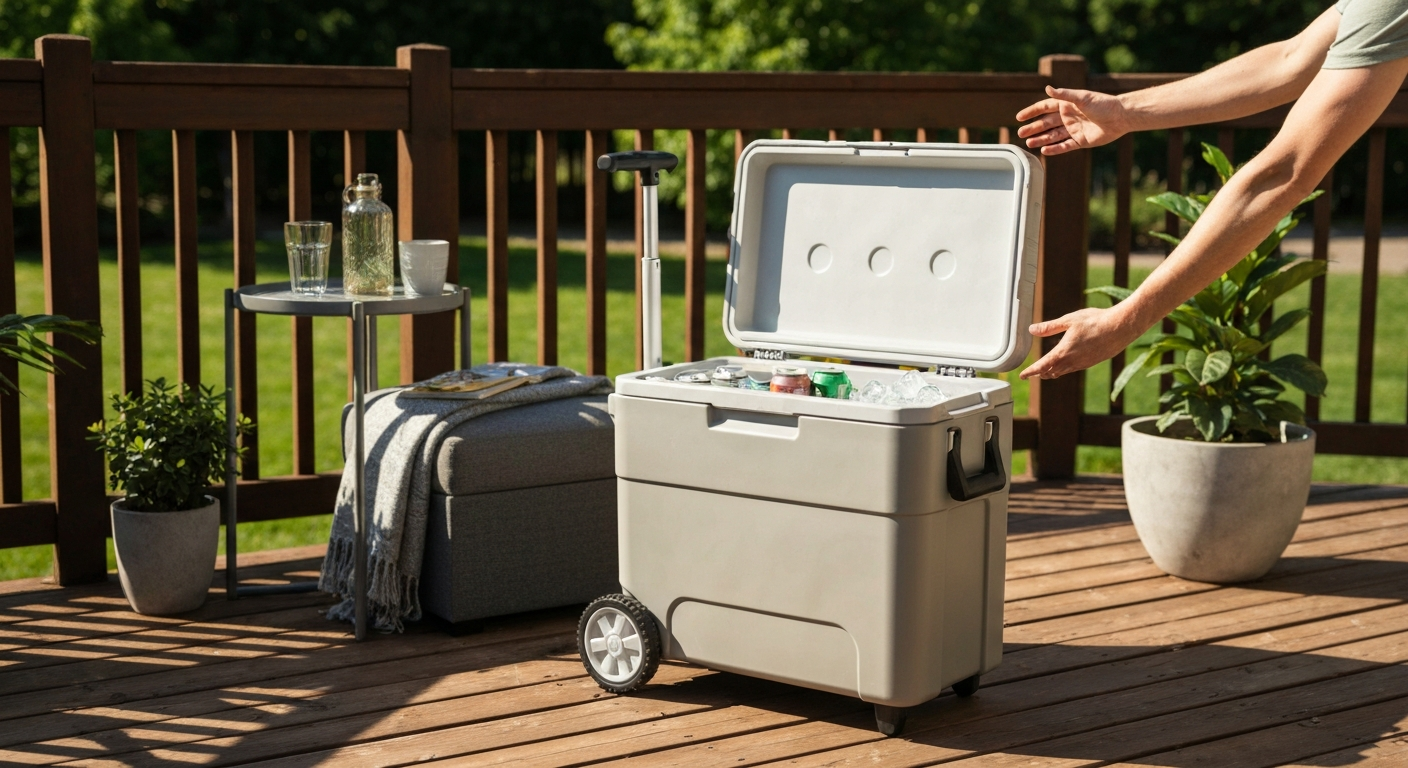
Best rolling patio cooler: top-tested wheeled and electric options for decks, balconies, and parties.
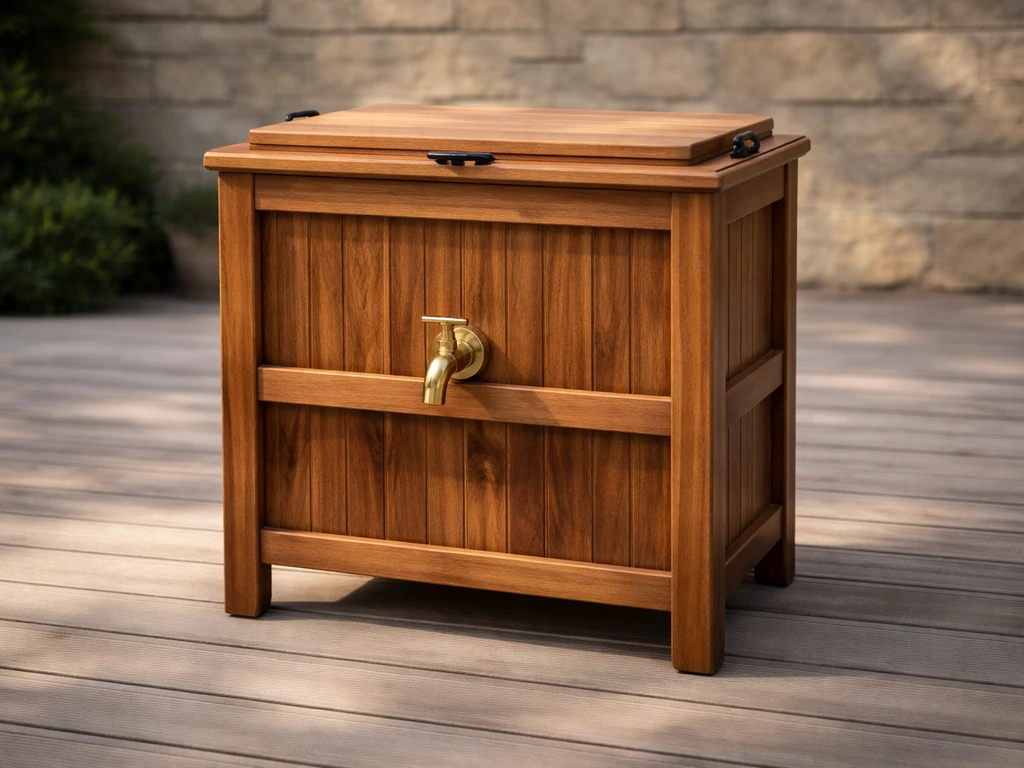
Find the best wooden patio cooler with top picks, buying criteria, performance tips, and care to prevent leaks and odors
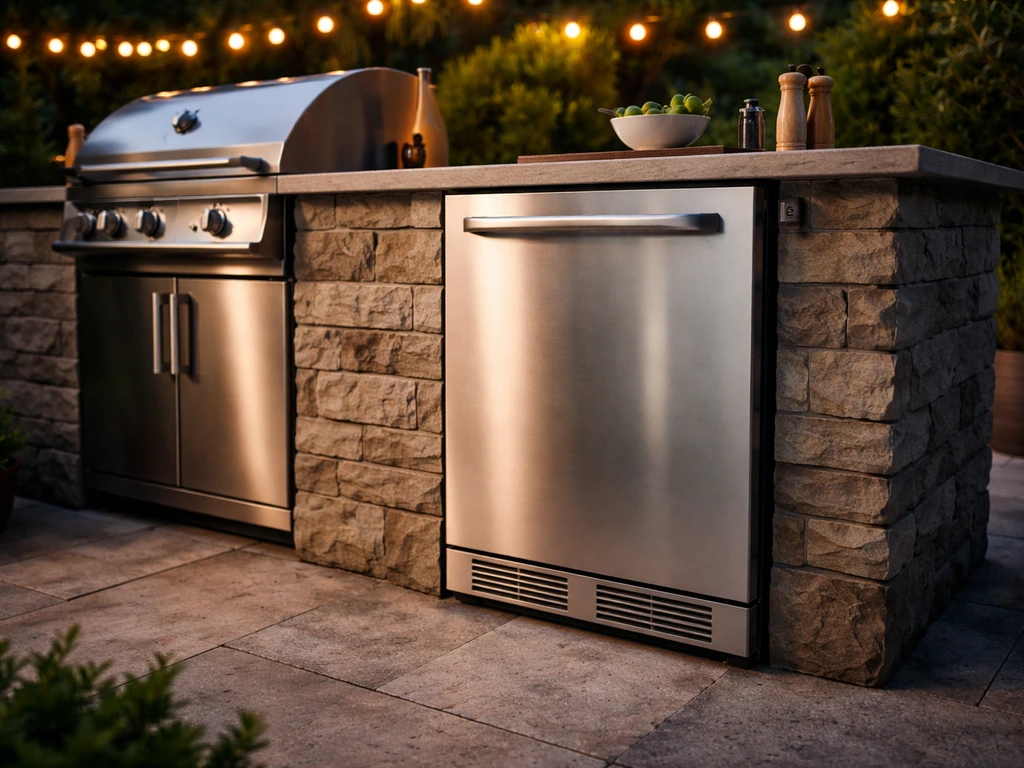
Choose the best outdoor patio refrigerator fast with key features, sizing, energy, noise, and top picks by scenario.