
A wooden patio cooler keeps your drinks cold during outdoor entertaining while looking like actual furniture instead of a plastic camping cooler shoved in the corner. The best overall pick for most patios is the Ash & Ember Acadia Grade-A Teak Ice Chest (60 qt), triple-insulated interior, brass spigot, lid that locks open, and teak construction that handles weather without constant babysitting. If budget is a concern, the Backyard Expressions 45 qt wooden cooler delivers the core function at a fraction of the price. If you want the best outdoor patio coolers, focus on insulation, lid seal quality, and how long ice lasts in your typical weather wooden cooler. Below is everything you need to pick the right one, set it up properly, and keep it performing for years.
Best Wooden Patio Cooler: Top Picks, Buying Guide, Care

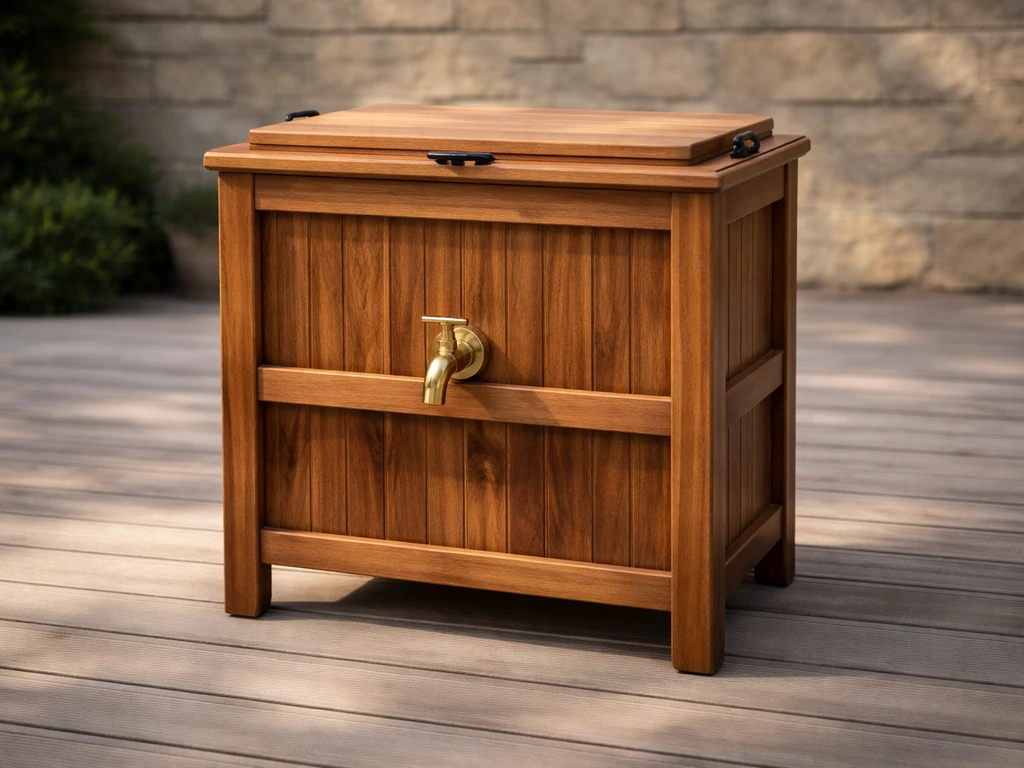
What a wooden patio cooler actually is (and isn't)
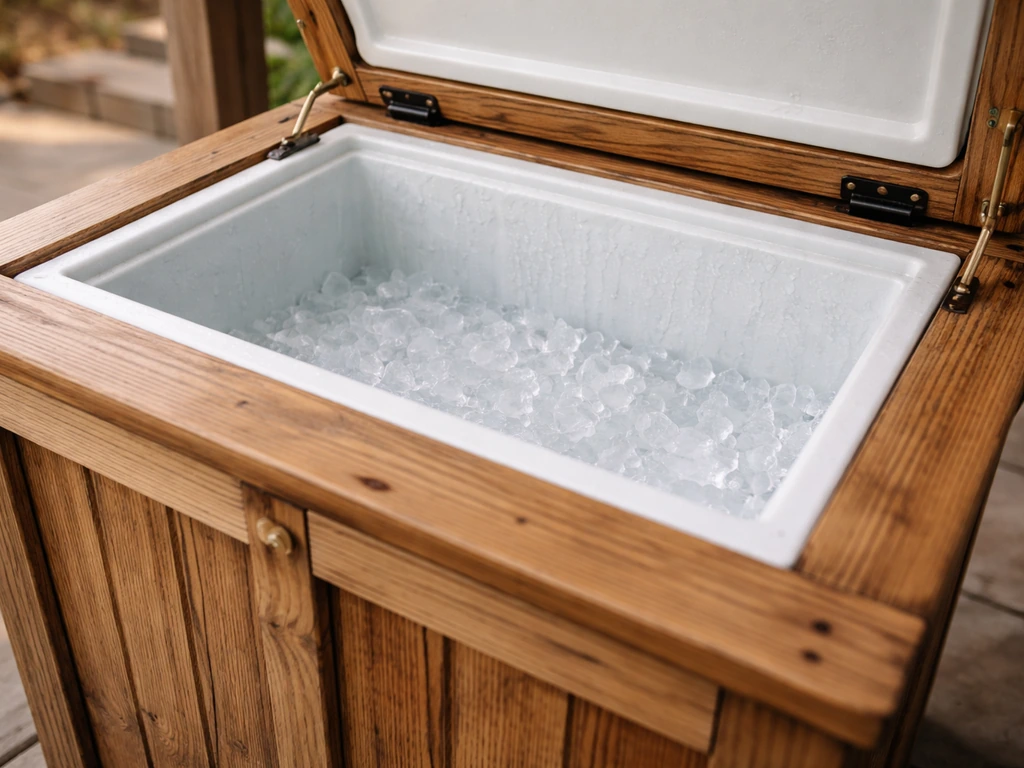
A wooden patio cooler is a chest-style ice cooler built into or wrapped in a wood cabinet. It is not a refrigerator and not a countertop mini fridge. There is no compressor, no power cord, and no thermostat. What you get is an insulated plastic liner or molded inner compartment surrounded by a decorative wood housing, with a hinged lid, a drain spigot or drain plug, and often wheels or handles for moving it around. You fill it with ice and drinks, and it holds cold temperatures for hours, depending on the insulation quality, ambient heat, and how often you lift the lid.
The wood exterior is the whole point aesthetically. On a well-furnished patio, a teak or cedar cooler looks like it belongs next to your outdoor sofa rather than being borrowed from a tailgate. That said, the wood housing does nothing for insulation, all the thermal work is done by the inner liner and foam insulation between the liner and the wood shell. This distinction matters a lot when you are comparing models, because two coolers that look identical from the outside can have wildly different cold-holding performance based entirely on what is inside the cabinet.
These are positioned squarely for patio and poolside entertaining: keeping beer, wine, sodas, and water chilled during a gathering so guests do not have to go inside. If you need plug-in refrigeration for your outdoor kitchen or something to store perishable food for a full weekend, a patio refrigerator or outdoor mini fridge is a better fit for that job. If you want the best outdoor mini fridge for a patio, look for plug-in refrigeration that can keep food at safe temperatures patio refrigerator or outdoor mini fridge.
What to look for when you shop
Insulation type and thickness
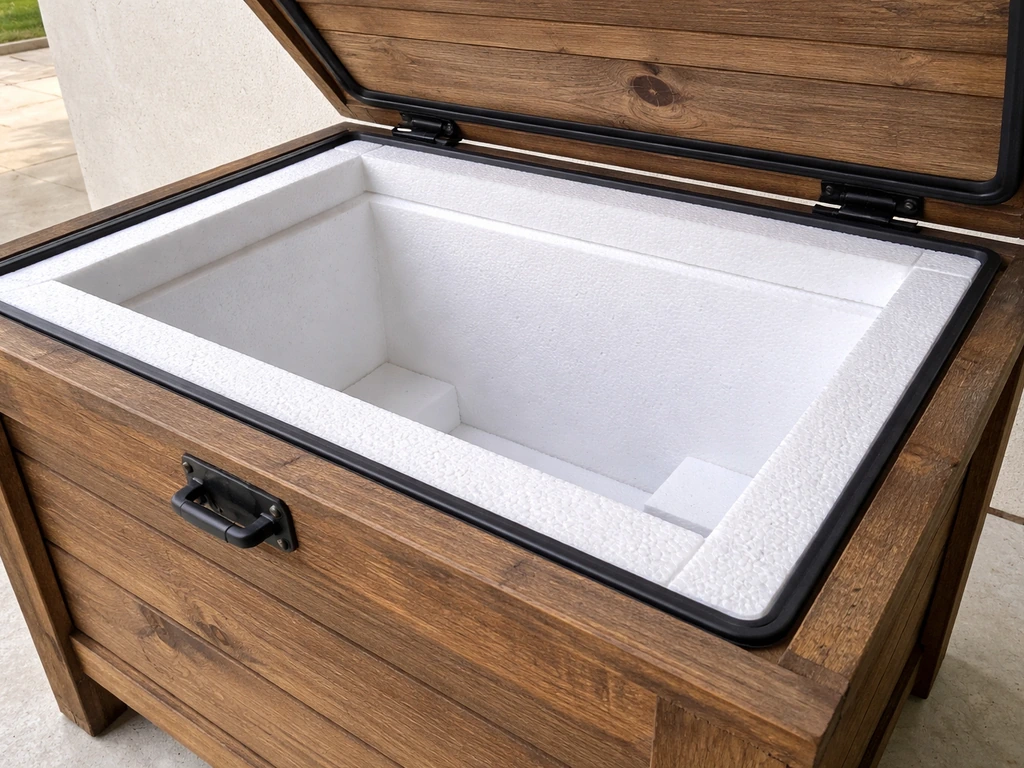
This is the single most important spec and the one most listings bury or omit entirely. Budget wooden coolers typically use EPS (expanded polystyrene) foam, the same material in a cheap foam coffee cup. It works, but it is not dense or thick enough to perform well in direct sun on a hot afternoon. Mid-range and premium models use polyurethane (PUR) foam, which has a meaningfully lower thermal conductivity (around 0. A Ufoam insulation-thickness guide for cold storage explains how PUR and PIR thermal conductivity assumptions, such as PUR around 0.024 W/m·K and PIR around 0.022 W/m·K, are used to select insulation thickness for ambient temperature conditions mid-range and premium models use polyurethane (PUR) foam, which has a meaningfully lower thermal conductivity. 024 W/m·K versus EPS at roughly 0.038 W/m·K) and loses less performance as it ages. The Ash & Ember Acadia markets a 'triple-insulated' compartment, which signals extra foam layers or thicker walls. The practical difference: a budget EPS-lined wooden cooler from Overstock or the AKIUDEX 54 qt model will honestly give you about 3 to 4 hours in ideal conditions (under 86°F, 50% ice fill). A well-insulated teak or cedar model with denser foam can extend that significantly, especially when you apply proper ice strategy.
Lid seal quality
A lid that does not seal tightly is a major cold-air leak. On quality coolers, the lid contacts a gasket, ideally EPDM rubber, which handles UV, heat, and ozone far better than cheaper materials and is what engineered solutions like Trim-Lok use in precision cooler applications. On cheaper wooden coolers, the lid is sometimes just a snug wood-on-wood or wood-on-liner contact, which sounds fine until the wood expands or warps after a season in the rain. When you are comparing models in person, press the lid closed and feel whether it has consistent contact all the way around. Any rocking or gaps will cost you cold-holding time. This is also where DIY or artisan wooden cooler builds (like the Acorn Woodworks cedar model, which is built around a Coleman 48 qt insert) can actually have an edge, the inner cooler retains its own factory seal, so the wood housing is purely decorative.
Wood type and finish
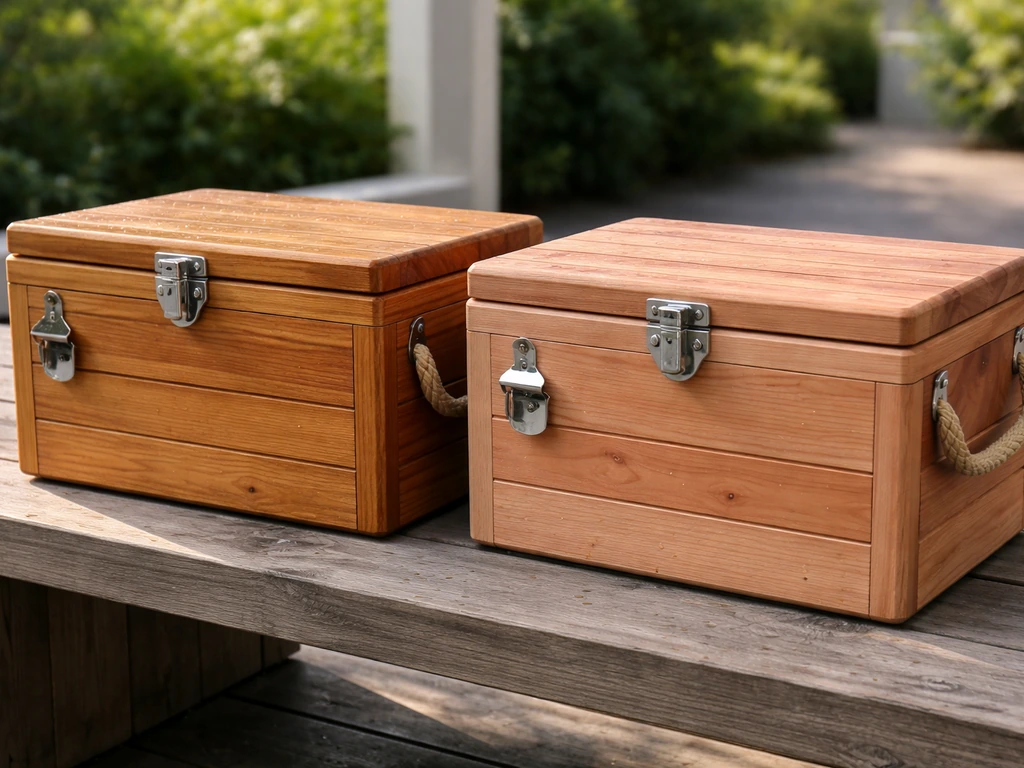
Teak is the gold standard for outdoor wood furniture and the same logic applies to wooden coolers. Grade-A teak is naturally dense, oily, and resistant to moisture, rot, and insects without requiring constant treatment. Country Teak and Ash & Ember both use Grade-A teak with solid brass hardware, which is the right combination for anything that will sit near a pool or on a covered patio year-round. Western red cedar (used by Acorn Woodworks) is lighter, smells great, and has natural rot resistance, though it is softer than teak and more prone to surface dents. Eucalyptus hardwood with a teak oil finish (like the Teak Patio Furniture Sales model at 39 lbs) is a solid middle-ground option that performs well outdoors. The finish matters as much as the species: look for spar urethane, marine varnish, or a product like Ready Seal, which handles UV exposure and waterproofing. Ready Seal recommends recoating horizontal surfaces every 2 years and vertical surfaces every 3 to 4 years, that schedule applies directly to your cooler lid and frame.
Capacity and dimensions
Wooden patio coolers cluster around 40 to 60 quarts, which is enough for a party of 8 to 12 people with drinks and ice combined. The Ash & Ember Acadia is 60 qt. Country Teak lists dimensions of 25 inches wide by 19 inches deep by 24.5 inches tall, compact enough for a standard patio layout. The Acorn Woodworks cedar model is notably taller at nearly 40 inches, which works well as a standing-height side piece next to outdoor seating. The Teak Patio Furniture Sales eucalyptus model (27 x 23 x 20 inches, 39 lbs) is a manageable size for a balcony or small deck. Match the capacity to how many people you typically host, and verify the footprint fits your space before ordering, wooden coolers are bulkier than plastic ones.
Portability
These are not camping coolers. Most weigh 30 to 50 pounds empty and significantly more with ice and drinks inside. Casters make a real difference: the Acorn Woodworks cedar cooler includes 3-inch casters, which lets you roll it into shade or move it off the patio before a storm. Brass handles on models like the Ash & Ember and Country Teak are useful for shorter moves. If portability is a priority, say, you need to move the cooler between a patio and a garage regularly, look specifically for wheels. If it is staying put on a deck, handles are sufficient. Worth noting: if you need something you can actually haul to a tailgate or a day trip, a patio rolling cooler with wheels is a better fit than a heavy wooden cabinet. If you want the best rolling patio cooler, prioritize casters that lock securely and a lid seal that keeps cold air from escaping.
Drainage
Every good wooden cooler should have either a built-in drain spigot or a drain hole with plug. Meltwater sitting inside is the fastest route to odors, mildew, and liner damage. The Ash & Ember Acadia and Acorn Woodworks cedar model both include functioning brass spigots. The Country Teak model uses a removable cooler liner that you lift out for cleaning. Either approach works, what you want to avoid is a design where draining requires tipping a heavy wooden cabinet, which is both awkward and risks water getting into the wood frame.
Best picks by category
| Category | Model | Capacity | Key Strengths | Best For |
|---|---|---|---|---|
| Best Overall | Ash & Ember Acadia Teak Ice Chest | 60 qt | Triple-insulated, Grade-A teak, brass spigot, lid locks open | Covered patios, poolside, regular entertaining |
| Best Premium Craftsmanship | Acorn Woodworks Cedar Cooler | 48 qt (Coleman insert) | Hand-built cedar, factory cooler seal retained, casters, UV-sealed finish | Style-forward patios, permanent placement |
| Best for Small Spaces | Teak Patio Furniture Sales Eucalyptus Cooler | ~40 qt | Compact (27x23x20"), 39 lbs, drain hole + plug, teak oil finish | Balconies, small decks, apartments |
| Best Value | Backyard Expressions 45 qt Wooden Cooler | 45 qt | Insulated plastic liner, budget price, decent capacity | Occasional use, renters, first patio setup |
| Best for Entertaining | Country Teak Ice Chest | Large | Grade-A teak, removable liner, solid brass hardware, compact footprint | Dinner parties, outdoor kitchens, frequent hosts |
The Ash & Ember Acadia is the one I would recommend to most people because it combines the best insulation spec in this category with Grade-A teak durability and practical hardware. The Acorn Woodworks cedar cooler is for someone who wants a statement piece and appreciates that the Coleman insert inside means the cooler seal is a factory-tested unit, not a wood joint. For most people shopping for the best patio cooler, the Ash & Ember Acadia Teak Ice Chest is a strong place to start. The eucalyptus model from Teak Patio Furniture Sales is the right call for smaller spaces, 27 inches wide fits where a full teak chest will not. And if you are testing the concept before committing to a $300+ piece, the Backyard Expressions model at the budget end is a fair starting point.
How to set up your wooden cooler and get the most from your ice
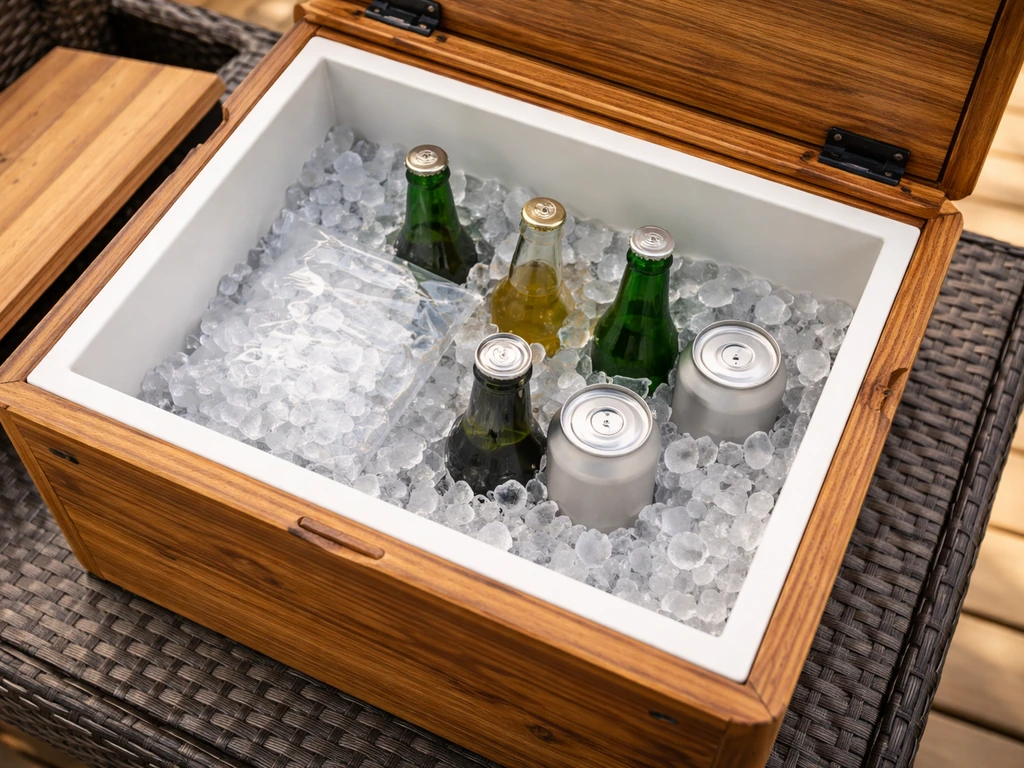
How you load and position the cooler matters as much as which model you buy. YETI's ice-retention testing, which applies directly to wooden coolers since the physics are identical, shows ice can last up to twice as long in shade versus direct sun. That alone should drive where you place your cooler on the patio. If you are setting it up near the grill or in full afternoon sun, you are cutting your cold time in half before you even lift the lid.
- Pre-chill the cooler the night before: add a sacrificial bag of ice several hours before your gathering, drain it before loading, and your liner will start cold instead of absorbing your first ice load.
- Pre-chill your drinks: loading warm cans or bottles forces the ice to work harder immediately. Cold drinks from the fridge first.
- Use block ice as the foundation: block ice melts significantly slower than cubed ice because of lower surface area. Layer block ice on the bottom, drinks in the middle, and crushed or cubed ice on top to fill gaps.
- Pack it full: a half-empty cooler has air space that heats up and accelerates melt. Fill unused space with extra ice or a frozen water bottle.
- Keep the lid closed: every unnecessary opening lets cold air escape and warm air in. If people will be grazing frequently, consider organizing by section so they can grab quickly.
- Leave meltwater in place: the cold water in the bottom of the cooler continues to chill drinks. Drain only when the water has warmed noticeably or when you are done for the day.
- Position in shade: use your patio umbrella, pergola, or an overhang to block direct sun. Even partial shade helps significantly.
Realistic expectation: a budget EPS-insulated wooden cooler in 85°F weather with direct sun will manage 3 to 4 hours. A well-insulated teak model with proper prep and shade placement can stretch comfortably past 6 to 8 hours for a party. For longer events, plan to add ice midway rather than overpacking at the start.
Maintenance and weatherproofing for long-term performance
After each use
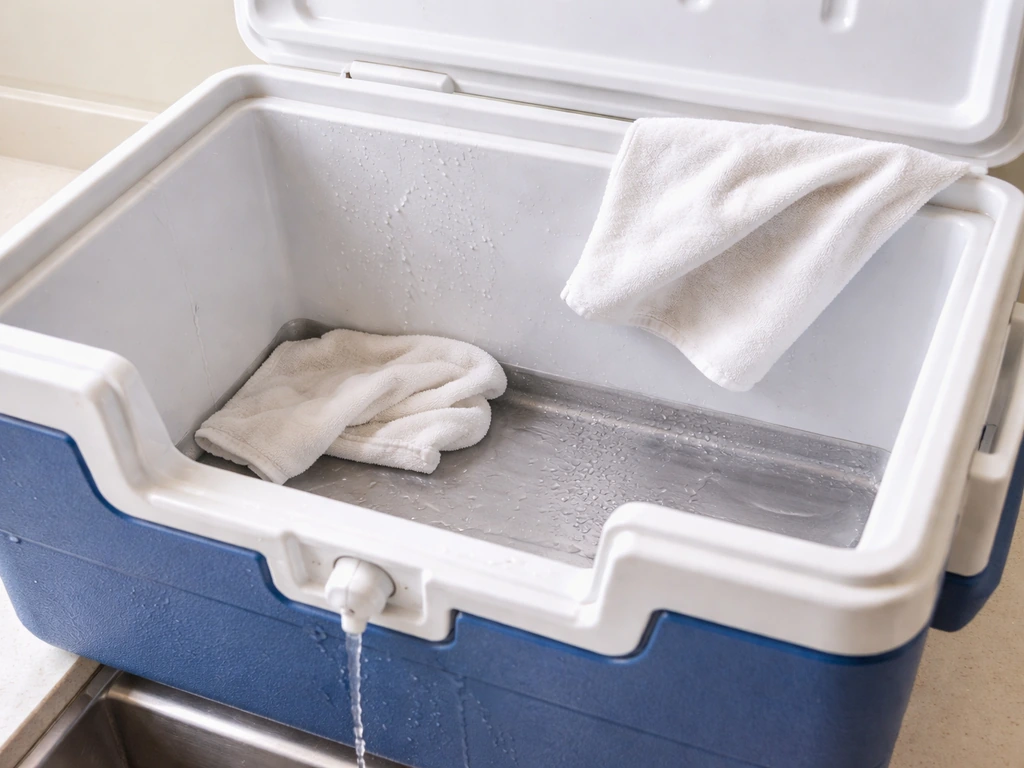
Drain the cooler completely through the spigot or by removing the liner. Wipe the interior dry with a clean soft cloth, standing meltwater is the primary cause of mildew, odors, and liner warping. Leave the lid open for 30 to 60 minutes to allow full air drying before closing for storage. Do not store it closed and wet.
Cleaning the liner and wood
For the interior liner, a diluted solution of mild dish soap and warm water handles most cleaning. Avoid bleach on teak or cedar, it strips natural oils and can damage finishes. For the wood exterior, rinse with water and a soft brush. If the finish looks dull or water is no longer beading off the surface, it is time to recoat. Ready Seal’s FAQ recommends light cleaning and reapplying finish at specific intervals to keep wood in good condition recoat. Ready Seal and similar penetrating oil-based finishes recommend recoating horizontal surfaces (like your cooler lid) every 2 years. Before recoating, the wood must be completely dry, applying any finish over damp wood traps moisture and causes peeling.
Refinishing the wood exterior
For spar urethane or marine varnish finishes, lightly sand between coats with 220-grit, wipe clean with a tack cloth, and apply a thin new coat. For penetrating oil finishes like teak oil or Ready Seal, clean the surface, let it dry fully, and brush or wipe on a fresh coat. The lid is the highest-exposure surface since it faces up toward the sun and catches water directly, inspect it each season and do not skip recoating it when it starts to look gray or dry.
Off-season storage
If you live somewhere with cold winters or extended rainy seasons, bring the cooler under cover (a covered porch, garage, or patio storage box). If that is not practical, a fitted outdoor furniture cover protects the wood from prolonged moisture exposure. Never store it with the liner installed and wet, drain, dry, and optionally remove the liner completely for winter storage.
Common mistakes and when wood is the wrong choice
Mistakes to avoid
- Placing it in direct sun and expecting ice to last all afternoon — shade placement is non-negotiable for any reasonable cold-holding time.
- Leaving meltwater sitting for days — this is the number one cause of odors, mildew, and premature liner failure.
- Skipping wood treatment and expecting teak or cedar to 'take care of itself' — even Grade-A teak benefits from annual inspection and treatment every 2 years.
- Buying a model without a drain spigot or removable liner — draining by tipping a 60-lb wood cabinet full of icy water is a recipe for a mess and potential damage.
- Assuming the wood exterior adds insulation — it does not. Compare the liner and foam specs, not the cabinet appearance.
- Ignoring lid seal quality — a gap anywhere around the lid perimeter is a significant cold-air leak. Test the seal before buying if you can.
When a wooden patio cooler is the wrong choice
A wooden cooler is the wrong tool in a few specific situations. If you need reliable cold storage for food or temperature-sensitive items over many hours or overnight, a plug-in outdoor patio refrigerator is the right answer, it maintains a consistent temperature regardless of ambient heat or how many times you open it. A best patio refrigerator can keep temperatures steady for perishable food even in hot weather. If you need to haul a cooler to a beach, park, or day trip, a rolling patio cooler built from rotomolded plastic will outperform any wooden model in terms of ice retention and portability. If your patio is fully exposed to rain and sun with no covered area and you are not willing to bring the cooler in during bad weather, the wood maintenance burden may not be worth it compared to a durable plastic alternative. And if your budget is under about $80, the foam quality in wooden coolers at that price point is genuinely thin, you might get better cold-holding performance from a quality plastic cooler on wheels at the same price.
Your buying checklist and next steps
Run through this before you order. It will save you from the most common buyer regrets in this category. If you want quick picks, compare our guide to the best patio coolers 2022 based on insulation, lid seal, and real-world cold time buyer regrets in this category.
- Measure your patio space: verify the footprint of the model you want fits where you plan to put it. Wooden coolers run 25 to 35 inches wide and some are nearly 40 inches tall.
- Check the insulation type: look for polyurethane foam or a 'triple-insulated' claim. If the listing only says 'EPS foam,' adjust your cold-time expectations to 3 to 4 hours.
- Confirm there is a drain spigot or removable liner: non-negotiable for easy cleaning and meltwater removal.
- Verify the wood species and finish: Grade-A teak or sealed cedar for anything that will live outdoors year-round. Confirm the finish (Ready Seal, spar urethane, teak oil, or marine varnish).
- Check lid seal construction: foam gasket or EPDM rubber seal preferred over bare wood-on-wood contact.
- Decide on wheels vs. handles: if you will move it regularly, casters are worth the premium.
- Pick your capacity: 40 to 45 qt works for 6 to 8 people; 54 to 60 qt for a larger regular gathering.
- Plan your placement: identify the shadiest spot on your patio now, before the cooler arrives. Commit to using it.
- Stock block ice for the first fill: grab a bag of block ice at the store alongside cubed — it pays off immediately in cold-hold time.
If you want to compare the broader landscape of patio cooling options, including plastic-shell rolling coolers that prioritize ice retention over aesthetics, or plug-in refrigeration for outdoor kitchens, it is worth looking at reviews of patio coolers with wheels, outdoor patio refrigerators, and outdoor mini fridges to make sure the wooden cooler format is actually the right fit for how you entertain. But if you know you want something that looks great on the patio and keeps drinks cold for a party, the Ash & Ember Acadia Teak Ice Chest is where to start.
FAQ
How can I tell in advance whether a wooden patio cooler will lose cold too fast?
When you inspect it, check for two things: lid gasket contact (no rocking, no visible gaps when fully closed) and drain hardware design (a spigot that can fully empty without tipping). If the lid seals only at the center or you feel inconsistent contact around the rim, expect faster cold-air loss, especially in direct sun where the temperature swings are bigger.
Should I use ice with water (ice slurry) or dry ice style packing for the best results?
For typical drink chilling, use regular ice and avoid packing so tightly that air cannot circulate between containers. A practical approach is to add a thin layer of ice on the bottom, arrange drinks, then top off with ice to fill voids. Dry ice is not appropriate for an enclosed cooler where you also want to access drinks frequently, and it can create messy condensation and breathing hazards.
Does the wood type really affect cooling performance?
The wood exterior mostly affects appearance and weathering, not insulation. Cooling performance is driven by the liner, foam thickness, and lid seal quality. Teak or cedar still matters indirectly because better wood systems tend to resist warping, which helps the lid maintain consistent gasket contact over time.
What’s the safest way to clean the cooler liner without ruining the seal?
Remove the liner if the model allows it (or access it fully through the opening) and use mild dish soap with warm water. Rinse and fully dry, then inspect the gasket surface for stiffness or cracking before storing. Avoid soaking any area that includes the lid seal, and never use bleach, since it can degrade materials and finishes that protect the wood.
How often should I recoat the exterior, and how do I know it’s time sooner?
Use the schedule as a baseline, recoat horizontal surfaces about every 2 years and vertical surfaces every 3 to 4 years. You should do it sooner if water stops beading, the lid or top looks gray or feels dry, or water soaks in after a quick splash test. In those cases, don’t coat over damp wood, dry it fully first.
Can I leave the cooler outside year-round if I live in a rainy climate?
You can, but plan for protection and drying cycles. Drain completely, wipe the interior dry, and allow thorough air drying before covering. Use a fitted outdoor cover to reduce prolonged moisture exposure, and if you cannot ensure drying, bring it under shelter during extended wet spells to limit mildew risk.
What’s the right way to position the cooler on the patio for longest ice life?
Put it in shade whenever possible, because ice retention can drop dramatically in direct sun. Also avoid placing it right next to heat sources like grills or under hot air vents. If you cannot find shade, consider rotating the cooler closer to shade between party phases and add ice mid-event instead of only at the start.
How do I prevent odors if the cooler gets left closed after draining?
Never store it closed while any meltwater remains. After draining, wipe dry and leave the lid open for 30 to 60 minutes so trapped moisture can escape. If odors persist, remove the liner (if applicable), wash again with mild soap, dry thoroughly, then store with the lid ajar until completely odor-free.
Is a spigot or a removable liner better for maintenance?
Both work, spigot designs are convenient for frequent emptying, removable liners are often easier for deep cleaning without relying on draining tricks. The key decision is whether the model can drain fully without tipping the heavy wood cabinet. If tipping is required, it increases mess risk and can also expose the wood frame to more water.
When should I switch from a wooden patio cooler to a plug-in patio refrigerator?
Choose plug-in refrigeration if you need steady temperatures for perishable food overnight or for a full day of frequent access. Wooden coolers are designed for ice-based cold holding, they are sensitive to weather and lid openings, and they do not regulate temperature the way a compressor or controller-based unit does.
Will a wheel-based wooden cooler handle rough patio surfaces?
Wheels help, but casters are only useful if they roll cleanly and lock securely. Look for larger casters and a locking mechanism that prevents the cooler from drifting when the lid is opened. If your patio has gravel, consider whether casters will sink, snag, or tip, and plan to park on a flatter area.
What size should I buy if I’m hosting 8 to 12 people for drinks only?
For drinks and ice, the 40 to 60 quart range is typically appropriate. A 60 quart cooler is usually easier if you expect guests to take multiple rounds, because frequent lid openings shorten cold time. If your patio space is tight, measure the footprint and allow clearance for opening the lid fully without bumping seating or the grill area.
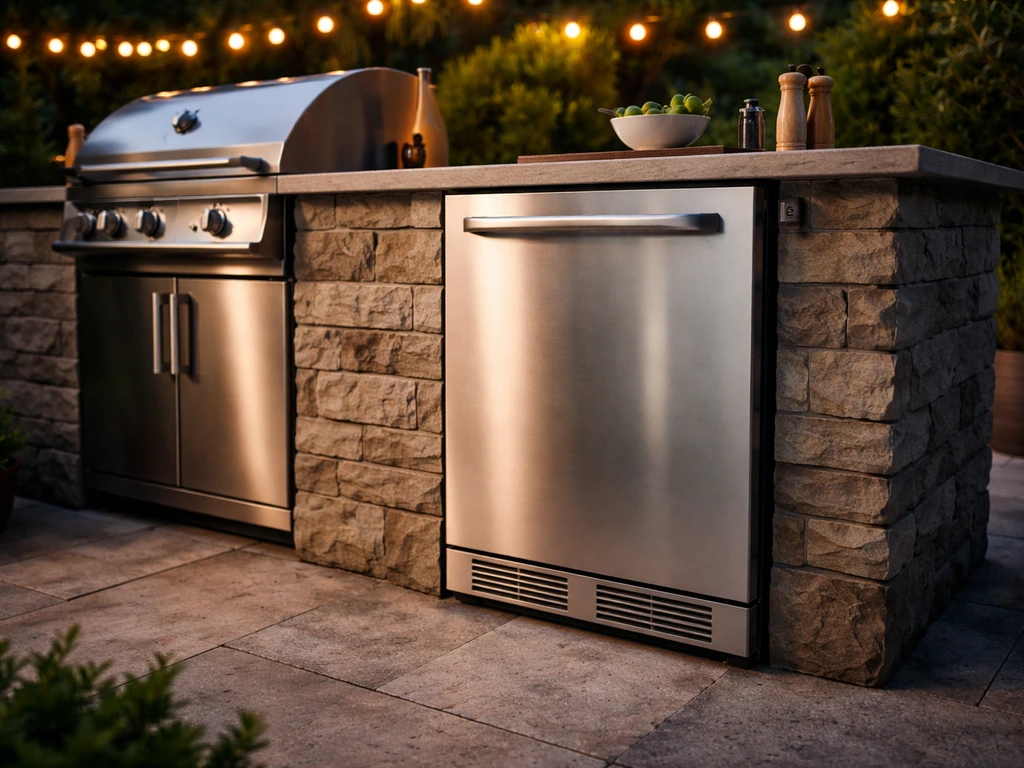
Choose the best outdoor patio refrigerator fast with key features, sizing, energy, noise, and top picks by scenario.
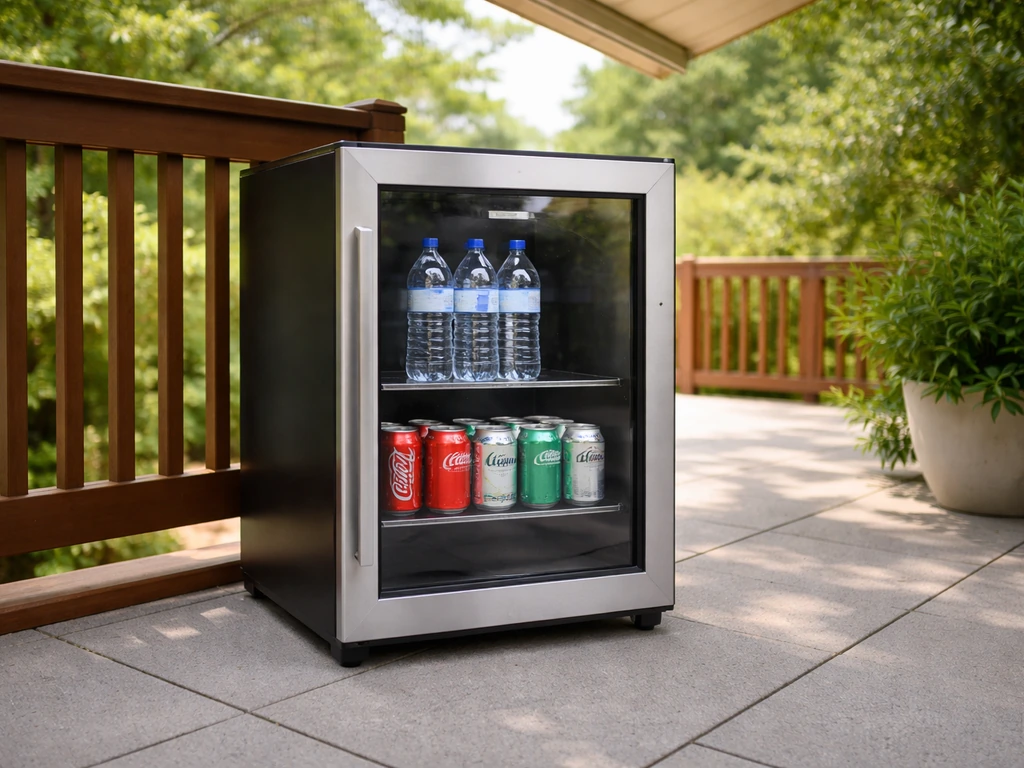
2026 guide to the best outdoor mini fridge for patio. Compare top picks by weather, power, cooling, capacity, and runnin
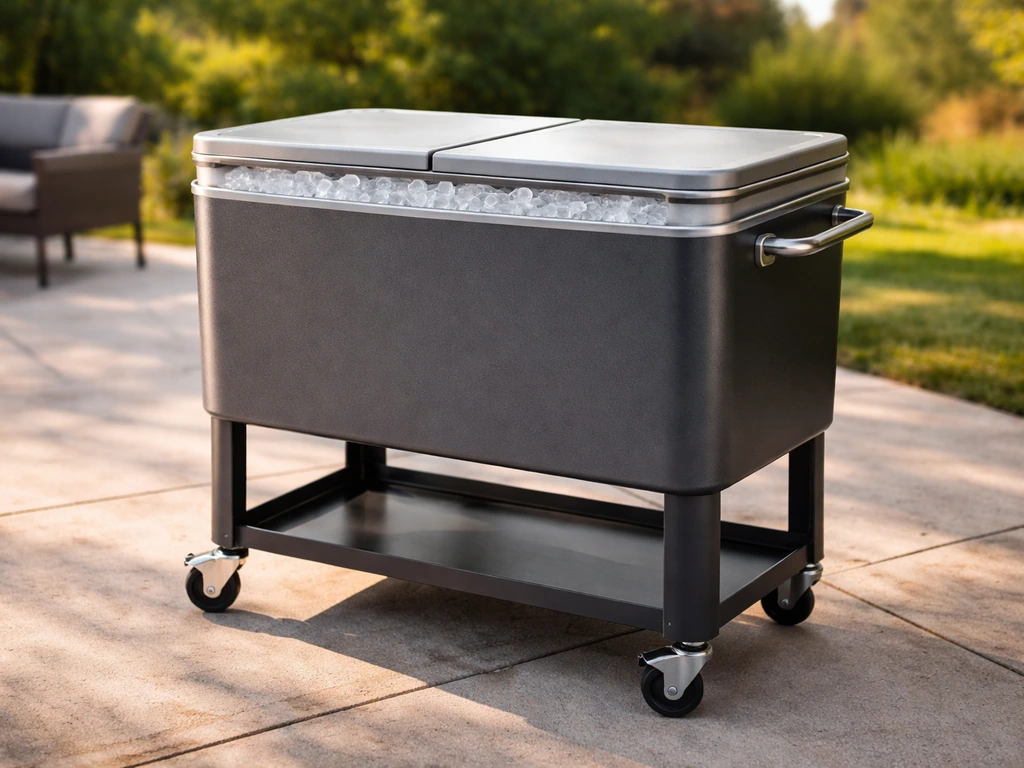
Pick the best patio cooler on wheels with tips, comparisons, capacity and ice retention, plus quick 5-minute checklist.