
For most covered patios, the Whynter BOR-326FS or the Summit SPR196OSCSS are the two outdoor mini fridges worth looking at hardest right now. If your patio is uncovered and fully exposed to rain, the Equator OR230 with its IPX4 waterproof rating is the one built to handle that. And if you want something dead simple and affordable for a sheltered spot, the Danby DAR033A1BSLDBO punches above its price. Which one is right for you comes down to how exposed your patio is, how much you want to store, and whether you need it built in or freestanding. Here's how to sort through all of that.
Best Outdoor Mini Fridge for Patio: 2026 Buying Guide

Lark Perry
5 Jun 2026
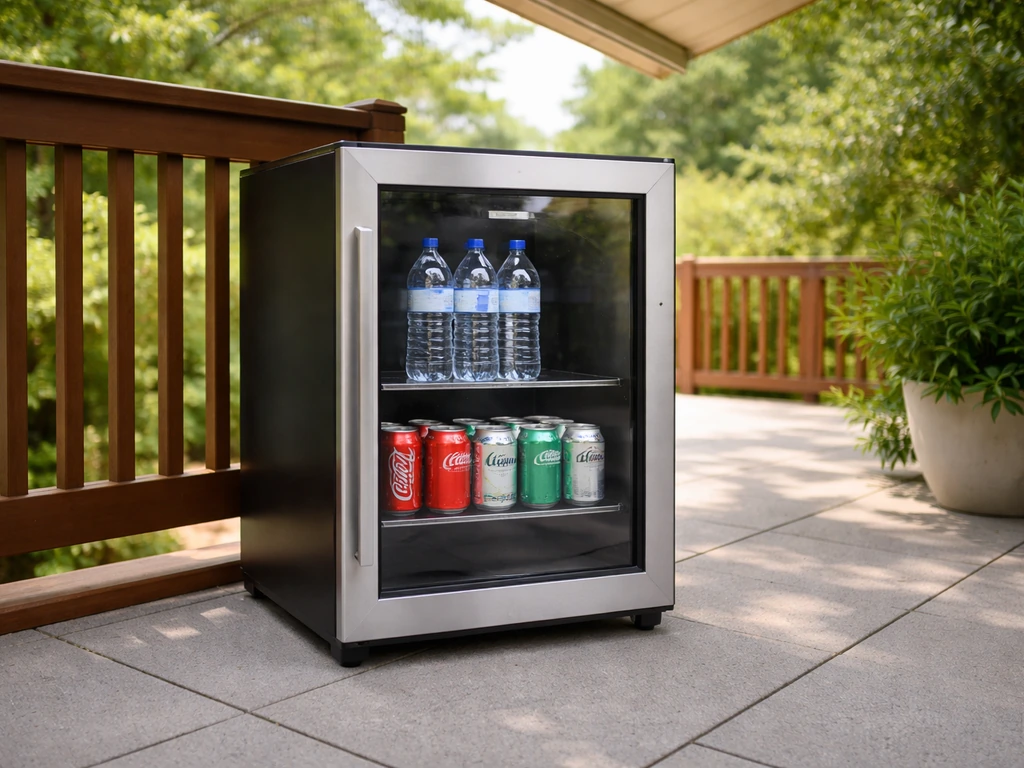
What makes outdoor patio use different from indoor
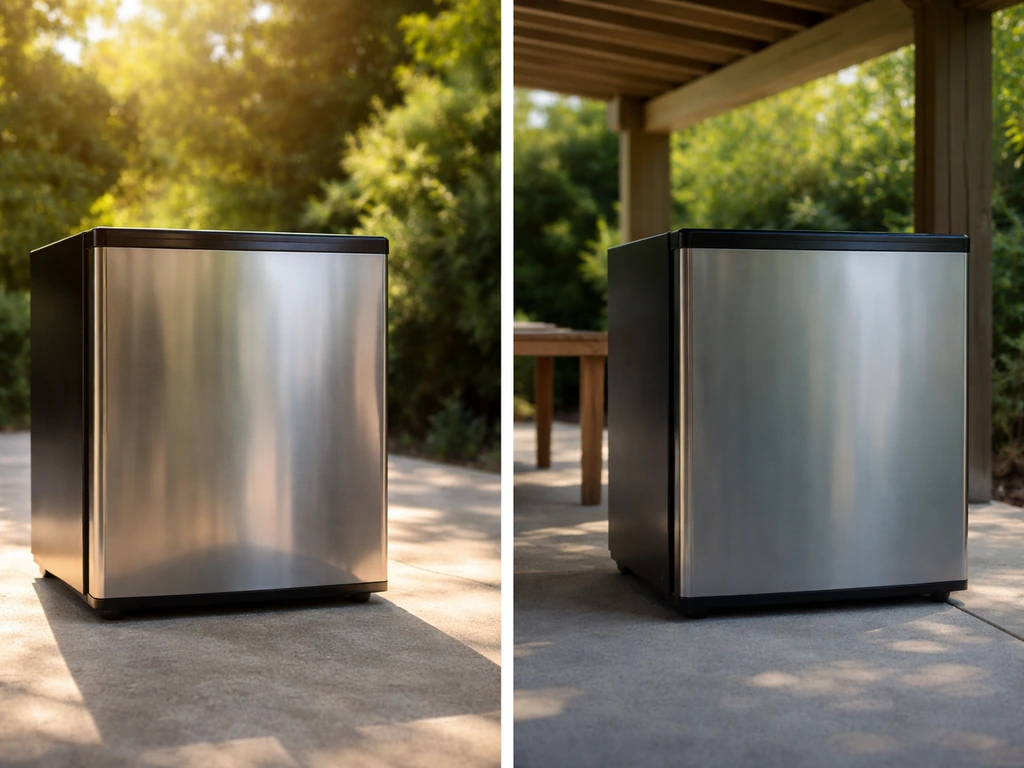
Most mini fridges sold at big-box stores are designed for climate-controlled spaces. Put them outside and you run into a different set of problems: temperature extremes, humidity, rain splash, UV exposure, and ventilation constraints. These aren't minor inconveniences. Running a standard indoor mini fridge on an uncovered patio can shorten its lifespan to a single season, void the warranty, and in humid climates, turn the interior into a mold farm. Outdoor-rated models address these issues specifically, so the first filter to apply when shopping is whether the unit is actually rated or certified for outdoor use.
There's also a placement reality that catches people off guard. Standard mini fridges vent heat from the back or sides, which means they need several inches of clearance. Built-in or front-venting models (like the Whynter BOR-326FS) only need clearance at the front, which opens up under-counter and built-in outdoor kitchen setups. If you're planning to slot a fridge into a cabinet or bar counter, this distinction matters a lot.
What to consider before you buy
Covered vs. uncovered patio
This is the single most important question. A covered patio with a roof overhang gives you much more flexibility. You can use outdoor-rated models that aren't fully waterproof, and your fridge won't face direct rain or prolonged sun exposure on the cabinet. An uncovered patio means you need either a unit with a genuine water-ingress rating (IPX4 at minimum, which means protected against water splashing from any direction) or a well-designed cover when the fridge isn't in use. The Equator OR230's IPX4 certification is specifically what makes it appropriate for exposed outdoor spots, not just marketing language.
Temperature range and climate
Outdoor mini fridges need to function across a wide ambient temperature range. The Whynter BOR-326FS, for example, is rated for ambient temperatures between 25°F and 100°F, which covers most of North America through all four seasons. That upper limit of 100°F is key if you live in a hot climate. Standard indoor mini fridges often struggle to maintain safe cooling temperatures when the air around them gets above 80 to 90°F, because they aren't engineered for that thermal load. If your patio regularly hits 90°F-plus in summer, confirm the unit's ambient operating range before buying.
Ventilation and installation type
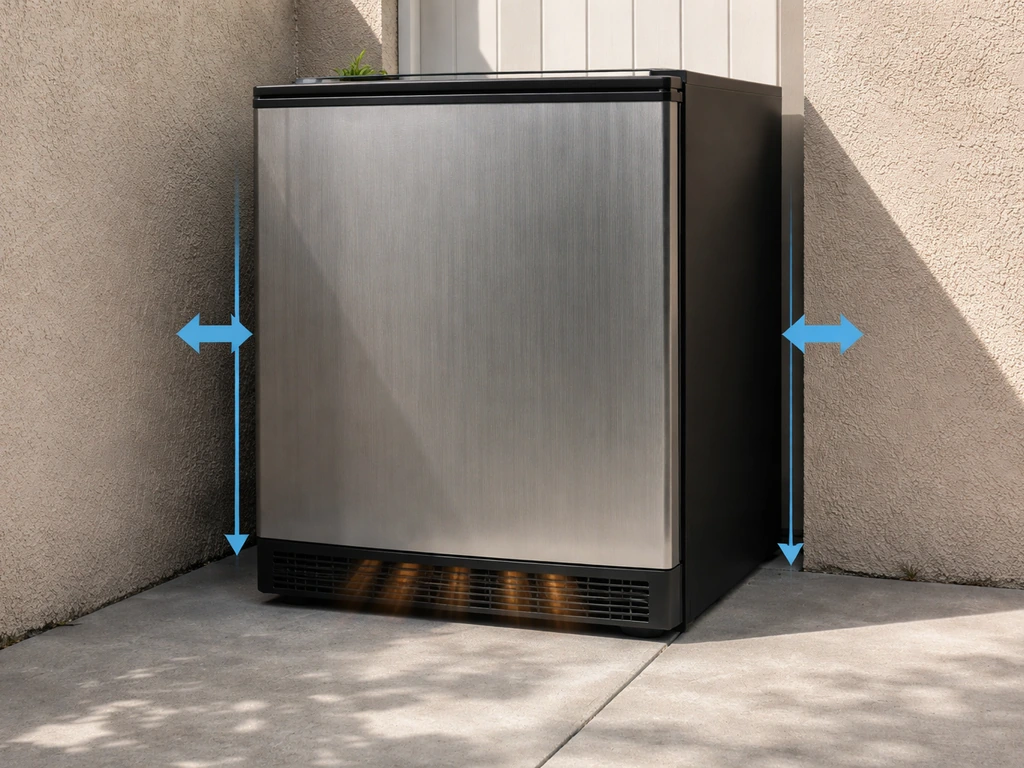
Freestanding models need clearance on the sides and back, typically 3 to 6 inches. Built-in or front-venting models exhaust heat through a grille at the bottom front, so they can sit flush in a cabinet opening. If you're building or already have an outdoor kitchen or bar, front-venting is almost always the better choice. For open-air freestanding setups, back-vent models work fine as long as you don't push them against a wall.
Power access
Outdoor fridges run on standard 120V household current. You'll need a weatherproof GFCI outlet within cord reach, typically 4 to 6 feet. If you don't have a dedicated outdoor outlet, that's an electrician call before you buy anything. Running an extension cord to a patio fridge is a bad idea, especially for long-term use. It creates a tripping hazard, can cause voltage drop, and most manufacturer warranties exclude damage caused by extension cord use.
Best outdoor mini fridge picks by use case
| Use Case | Top Pick | Why It Works |
|---|---|---|
| Best overall (covered patio) | Whynter BOR-326FS | Ambient range 25-100°F, front-venting for built-in use, Energy Star, quiet at ~45dB |
| Best for uncovered/exposed patio | Equator OR230 (2.3 cu ft) | IPX4 waterproof rated, ETL/UL certified, holds up to 85 cans, 42dB quiet operation |
| Best full-outdoor certified (built-in) | Summit SPR196OSCSS | Energy Star, sealed back for outdoor installation, 259 kWh/year, professional look |
| Best value / sheltered spot | Danby DAR033A1BSLDBO | 259 kWh/year energy use, solid build, compact at 3.3 cu ft, reliable cooling |
Whynter BOR-326FS: best for covered patios and built-in setups
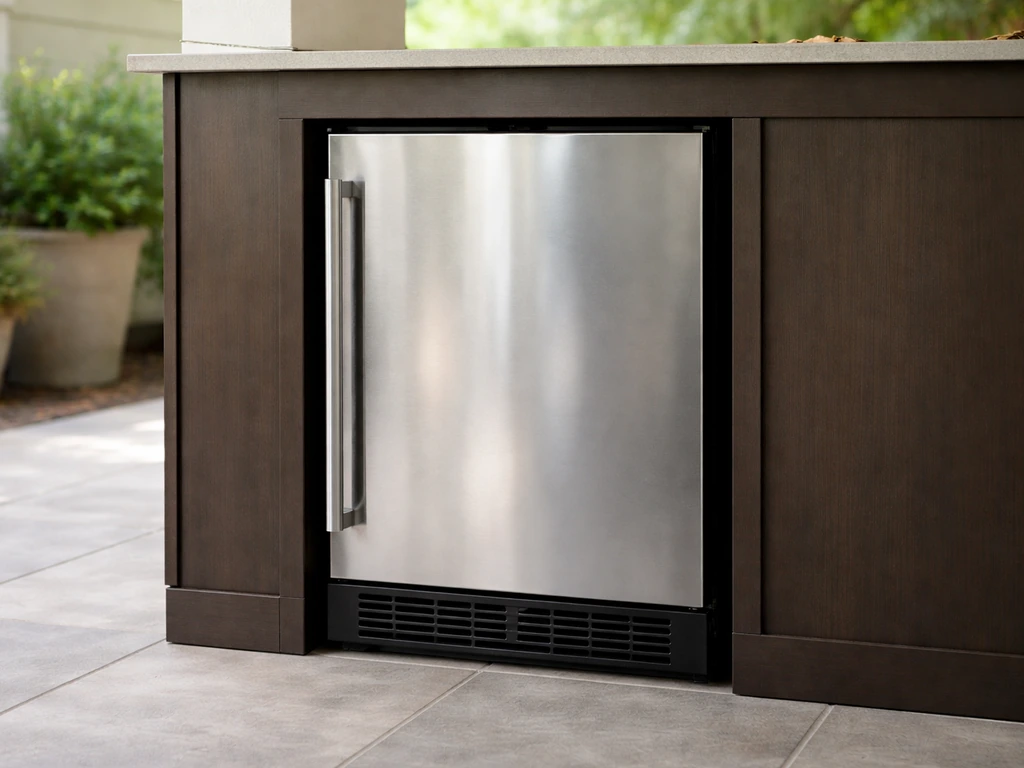
The Whynter BOR-326FS is the fridge I'd put in most covered patio setups. Once you match the model to your patio conditions, you can narrow down to the best patio refrigerator for your setup. It cools to between 34°F and 54°F, which covers beverages and some food items comfortably. The front-venting design means you can drop it under a counter or into an outdoor bar without worrying about side and rear clearance. It's Energy Star certified, pulls a maximum of 85W (0.9 amps), and operates quietly enough that it won't compete with conversation. The ambient temperature range of 25 to 100°F gives you genuine four-season capability in most climates.
Equator OR230: best for uncovered or exposed patios
If your patio doesn't have a roof and rain is a real factor, the Equator OR230 is the unit built for it. If you're shopping specifically for the best patio coolers 2022, the Equator OR230 is a strong match for uncovered outdoor spaces. The IPX4 waterproof rating means it's protected against water splashing from any direction, not just occasional light drizzle. It holds up to 85 cans, which is solid for a 2.
3 cubic foot unit, and operates at just 42dB. It's ETL and UL certified, so you're not relying on marketing claims alone. The stainless steel door holds up well to UV and moisture. The trade-off is that it's primarily a beverage cooler; it's not designed for storing raw food or items needing temperatures below 34°F.
Summit SPR196OSCSS: best for permanent outdoor kitchen installs
The Summit SPR196OSCSS is an Energy Star certified all-refrigerator with a sealed back designed specifically for outdoor installation. That sealed back is a big deal: it protects the mechanical components from moisture, insects, and debris in a way that indoor units simply can't match. At 259 kWh per year, it's efficient. It's best for homeowners who want a permanent, professional-looking installation in an outdoor kitchen, not someone who wants a quick patio setup. The price reflects that, but so does the build quality and the fact that it's actually approved for outdoor use by the manufacturer.
Danby DAR033A1BSLDBO: best value for a covered or sheltered spot
The Danby DAR033A1BSLDBO is 3.3 cubic feet, energy efficient at 259 kWh per year, and a solid pick if you have a covered patio and want something reliable without spending a lot. It's not waterproof-rated for uncovered exposure, but in a sheltered spot it performs well and holds up over time. For renters or anyone who wants a patio fridge without a big commitment, this is the practical middle ground.
Energy use and what it actually costs to run outdoors
Outdoor mini fridges use more energy than their indoor counterparts because they're working against higher ambient temperatures. The Summit SPR196OSCSS and Danby DAR033A1BSLDBO both land at 259 kWh per year under standard test conditions. At the US average electricity rate of roughly $0.17 per kWh in mid-2026, that works out to about $44 per year, or roughly $3.65 per month. In practice, if your patio runs hot all summer, expect 20 to 30 percent more consumption during peak months because the compressor cycles more often to maintain temperature.
The Whynter BOR-326FS draws a maximum of 85W at peak load (0.9 amps), but average daily draw is much lower than peak. Whynter publishes data for related units showing roughly 0.43 kWh per 24 hours under controlled conditions, which would put annual use below 160 kWh in a moderate climate. In a hot outdoor environment that figure will rise, but it gives you a useful baseline for comparison. If energy cost is a priority, look for Energy Star certification and check whether the manufacturer's ambient temperature rating matches your actual climate conditions, because a fridge running in temperatures beyond its design range will work harder and cost more to operate.
Cooling performance in the heat and placement tips
Heat is the enemy of outdoor fridge performance. When ambient temperatures climb toward 90 to 100°F, the compressor runs almost continuously to maintain internal temperatures. This is why the ambient operating range on the spec sheet matters more for outdoor use than it does indoors. A fridge rated to 100°F ambient (like the Whynter BOR-326FS) is genuinely designed for that condition. A standard indoor mini fridge rated to 75 or 80°F will struggle badly and may fail to keep food at safe temperatures above 40°F when it's 95°F outside.
Placement makes a meaningful difference in hot weather. Here are the conditions that keep a patio fridge running efficiently:
- Keep the fridge in shade during the hottest part of the day. Even a covered patio with afternoon shade versus full sun can cut compressor runtime noticeably.
- Give rear and side-vent models at least 3 to 4 inches of clearance from walls and cabinets. Restricting airflow traps heat and forces longer compressor cycles.
- Front-vent models still need the front grille area clear (6 inches minimum) to exhaust heat properly.
- Don't place the fridge directly against a wall that radiates stored heat, like a dark stucco or brick wall in direct sun.
- In cold climates, be aware that most outdoor mini fridges stop cooling effectively when ambient temperatures drop below 25 to 35°F because the thermostat reads the ambient air as already cold enough and cycles off, leaving the interior to warm up.
Weather resistance, durability, and what 'outdoor rated' actually means
The term 'outdoor rated' gets thrown around loosely. Here's what to actually look for. An IPX4 rating is a real standard: it means the unit has been tested to withstand water splashing from any direction for at least 10 minutes. The Equator OR230 carries this rating, which is why it's the pick for uncovered patios. Beyond water resistance, true outdoor fridges have stainless steel or UV-resistant cabinet materials that won't fade or crack with prolonged sun exposure. To help you choose the right model for your space, compare features like weather rating, temperature range, and ventilation when shopping for the best outdoor patio refrigerator. Indoor-style plastic trims and painted finishes degrade quickly outside.
Door seals deserve specific attention outdoors. Humidity and temperature swings cause gaskets to compress, warp, and eventually leak air. Look for units with magnetic door gaskets that create a firm seal, and check the seal annually. A compromised seal in a hot outdoor environment causes the compressor to run almost constantly, drives up energy costs, and can prevent the unit from reaching safe food-storage temperatures. The Summit SPR196OSCSS's sealed back is another example of genuine weatherproofing: it prevents the kind of moisture intrusion into the mechanical components that kills standard fridges when used outside.
UL or ETL certification for outdoor use means the unit has been independently tested to relevant safety standards for outdoor electrical environments. This is especially important for wet or damp locations. Always confirm the certification covers outdoor use specifically, not just general appliance safety.
Storage capacity, shelving, and what fits inside
Outdoor mini fridges in the patio category typically run from 2 to 5 cubic feet. Here's how to think about capacity:
| Capacity | Good For | Typical Can Count |
|---|---|---|
| 2.0 to 2.5 cu ft | Solo or couples use, mainly beverages | 60 to 90 cans |
| 3.0 to 3.5 cu ft | Small gatherings, beverages plus some snacks | 90 to 120 cans |
| 4.0 to 5.0 cu ft | Frequent entertaining, food and beverage mix | 120+ cans plus food items |
Shelving configuration matters just as much as raw capacity. Adjustable wire shelves give you flexibility to fit tall bottles or larger food containers. Beverage-focused models often have angled can racks that maximize can count but make them less versatile for food. If you want to store both drinks and food items, look for a model with at least one full-width adjustable shelf plus a door rack that holds bottles upright. The Whynter BOR-326FS includes adjustable shelving suited to both use cases. The Equator OR230 is optimized for cans at 85-can capacity, which is excellent for a beverage-only setup but more limiting for mixed storage.
Outdoor mini fridges are generally beverage coolers first. If your goal is storing meat, dairy, or produce that needs to stay below 40°F reliably, confirm the unit's temperature range hits that threshold and verify the ambient rating is appropriate for your patio's summer temperatures. Beverage coolers with a lower limit of 46°F or 50°F won't keep perishable food safely cold.
Noise, power options, and any connectivity features
Outdoor fridges run on compressor-based cooling, which produces a low hum. For patio use, anything under 45dB is generally unnoticeable during normal conversation. The Equator OR230 is rated at 42dB, which is very quiet. The Whynter BOR-326FS runs at a similar level. If your patio doubles as a quiet relaxing space, noise matters more than it might for a party setup. Thermoelectric models are nearly silent but perform poorly in outdoor heat (they struggle to maintain temperature when the ambient-to-target difference exceeds 40°F), so for most outdoor applications a quality compressor unit is the right choice despite the slight hum.
All the models covered here run on standard 120V AC power. Some newer outdoor mini fridges include a USB charging port or interior LED lighting with a touchscreen temperature control panel, but these aren't must-have features for patio use. What matters more is that the temperature control is easy to read and adjust without opening the door repeatedly. An external temperature display is a genuinely useful feature outdoors because it lets you confirm the fridge is maintaining target temperature without letting warm air in.
One power consideration specific to patios: make sure your outdoor outlet is GFCI protected. Most modern outdoor electrical codes require this, but older homes may not have it. A GFCI outlet is a safety requirement, not optional, when running any appliance near potential moisture. If you're not sure, check with an electrician before the fridge goes outside.
How to keep your outdoor mini fridge running well
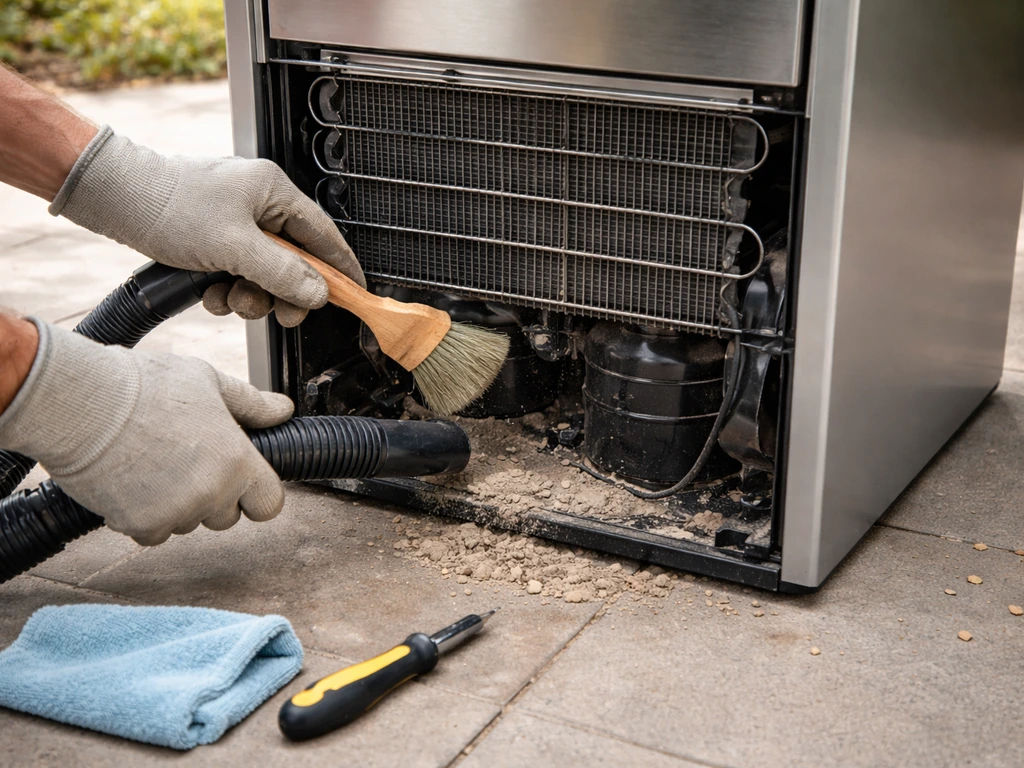
Outdoor fridges need more attention than indoor ones because they're exposed to dust, pollen, insects, and moisture year-round. A basic maintenance habit goes a long way toward keeping performance stable and the unit lasting several seasons.
- Clean the condenser coils every 3 to 4 months. On rear-vent models, the coils are at the back. On front-vent models, they're behind the front grille. A soft brush or compressed air removes dust and debris buildup that makes the compressor work harder.
- Inspect the door gasket once a season. Close a piece of paper in the door and pull it out. If it slides out easily with no resistance, the gasket isn't sealing properly and needs replacement.
- Wipe down the interior with a mild baking soda solution (1 tablespoon per quart of water) every month or two, especially in humid climates where mold can develop quickly.
- If your patio gets winter temperatures below 25°F, either move the fridge inside or use a dedicated outdoor appliance cover designed for fridges. Many manufacturers void the warranty for freeze damage caused by operating below the rated ambient range.
- Check that the unit is level every spring. Ground settling and patio surface shifts can throw off the leveling, which affects door seal pressure and causes the compressor to work less efficiently.
- Keep the area around the fridge clear of leaves, debris, and anything that blocks the venting path. This is especially important in fall when patio debris accumulates quickly.
If you notice the fridge running constantly without reaching target temperature, the two most common outdoor culprits are a dirty condenser or a failing door seal. Both are easy fixes before you assume the unit needs replacing. If the compressor is short-cycling (turning on and off rapidly), that usually points to a refrigerant or compressor issue and warrants a service call or replacement decision based on the unit's age and cost.
How this compares to other outdoor cooling options
An outdoor mini fridge isn't the only way to keep drinks cold on a patio. Patio coolers and rolling coolers are popular alternatives, and for some setups they're actually the better call. A cooler on wheels is more flexible if you move around the patio or yard frequently, and a high-quality insulated cooler can keep ice for 3 to 5 days without any power at all.
If you want an ice-free option, pairing a best patio cooler with a simple power backup plan can keep drinks cold longer between compressor cycles. The trade-off is that coolers require ice management and don't maintain precise temperatures the way a compressor fridge does. If you're hosting regularly and want cold drinks available all day without thinking about it, a plug-in outdoor mini fridge wins.
If you want portability or don't have a convenient outdoor outlet, a well-insulated rolling patio cooler might serve you better. If you want a true best wooden patio cooler option, focus on insulation quality and weather-resistant wood finishes. Best outdoor patio coolers are the go-to choice when you want portability or don't have a convenient power outlet. Both approaches have their place depending on how you actually use your patio.
Quick checklist before you buy
- Is your patio covered or uncovered? Uncovered requires IPX4 rating at minimum.
- Does the model carry an outdoor-use certification (UL, ETL) specifically, not just general appliance safety?
- What is the ambient temperature range? Confirm it matches your climate's summer highs and winter lows.
- Is the venting front-facing or rear/side? Match this to your installation setup.
- Do you have a GFCI-protected outdoor outlet within reach, without needing an extension cord?
- What temperature range does the interior reach? Food storage needs below 40°F; beverage-only use allows higher minimums.
- Is capacity (cubic feet and can count) sized for your actual use, not just the largest option available?
- Is the door gasket magnetic and firm, and can replacement gaskets be sourced from the manufacturer?
FAQ
Can I put the best outdoor mini fridge for patio outdoors if my patio is uncovered?
Yes, but only if the unit’s spec explicitly supports it. If the fridge is rated for covered outdoor use but not for rain exposure, you still need to protect it from direct rainfall and pooling water, even if it is “outdoor rated.” For uncovered patios, a real water-ingress rating like IPX4 (or stronger) is the deciding factor.
How do I know the outdoor mini fridge will keep food at a safe temperature in summer heat?
Look for the manufacturer’s listed ambient operating range, not just the target internal temperature. A fridge can be able to “turn on” at high outdoor temperatures but still fail to keep food below safe thresholds (40°F for perishables). If your patio often exceeds the listed ambient high (for example, 90°F-plus), choose a model that’s rated for that higher ambient temperature.
Is it okay to use an extension cord for a patio mini fridge?
For compressor-based outdoor units, you should not assume an extension cord is acceptable. Even if it “works,” extension cords can create voltage drop and may void warranties. If your outlet placement is inconvenient, a safer fix is to install a dedicated weatherproof GFCI outlet at the correct reach.
Which outdoor mini fridges are actually suitable for storing perishable food, not just drinks?
If you plan to store meat, dairy, or produce, verify two things: the lowest internal temperature the unit can reliably maintain, and whether its ambient rating matches your hottest patio conditions. Beverage-focused outdoor fridges often have a higher bottom setpoint (commonly designed to stay above mid-40s Fahrenheit), which is not ideal for perishable food safety.
How much clearance do I need if I want the outdoor mini fridge under a counter or built into a cabinet?
If the unit is front-venting or designed for built-in installation, it will usually require clearance mainly at the front. If it vents from the back or sides, you need several inches of clearance for airflow and heat rejection. Before buying, measure your cabinet opening and confirm clearance directions in the manual so you do not trap heat and cause constant cycling.
What should I check first if my outdoor mini fridge won’t cool properly or runs constantly?
Door seals degrade faster in outdoor environments with humidity and temperature swings. The practical approach is to inspect the gasket for gaps, dirt buildup, and warping, and to test the seal every season. If the fridge never reaches temperature or runs continuously, a failing door seal is one of the first problems worth checking before assuming a refrigerant failure.
What maintenance helps an outdoor mini fridge last longer on a patio?
Clean the condenser and remove dust buildup regularly, and keep airflow paths clear of leaves, pollen, and grease if you are near a grill. Also, wipe gaskets and the interior drain area if the unit has one, because grime can worsen air leaks. A simple seasonal cleaning schedule often prevents the “short cycling” and efficiency drops that show up after the first hot months.
Do I need a GFCI outlet for a patio mini fridge, and what if my house has older wiring?
Yes, if the outlet and circuit are correctly set up. The key is a weatherproof, GFCI-protected outdoor outlet within cord reach (typically 4 to 6 feet). If you are unsure whether your existing outlet is GFCI-protected and rated for outdoor wet locations, have an electrician verify before installing the fridge.
Are sealed-back or outdoor kitchen models worth it compared with standard freestanding units?
Built-in or outdoor kitchen-ready models usually cost more, but they protect the refrigeration components from moisture, insects, and debris. If you frequently cook outdoors or have wind-blown dust, that sealed-back or outdoor mechanical protection can matter more than convenience. Choose this category if you want a more permanent, professionally integrated install.
Does direct sun exposure on the fridge matter, even if it’s outdoor rated?
If your patio experiences extreme sun, side-by-side positioning can change performance. Even with outdoor rating, direct sun can increase compressor run time and energy use, and it can raise the effective ambient near the condenser. The best practice is to place the fridge where it gets shade, and if you use a cover, choose one that allows ventilation and does not trap heat.
Will an outdoor mini fridge be too loud for a relaxing patio?
For noise, use the dB rating as a guide, but also consider patio layout. A 40 to 45 dB fridge is generally conversation-friendly, yet if the unit is in a tight enclosure (like a small cabinet or gazebo corner), reflected sound can feel louder. If your patio is for quiet evenings, prioritize lower dB ratings and avoid fully enclosing the sides or back without airflow.
Next Articles
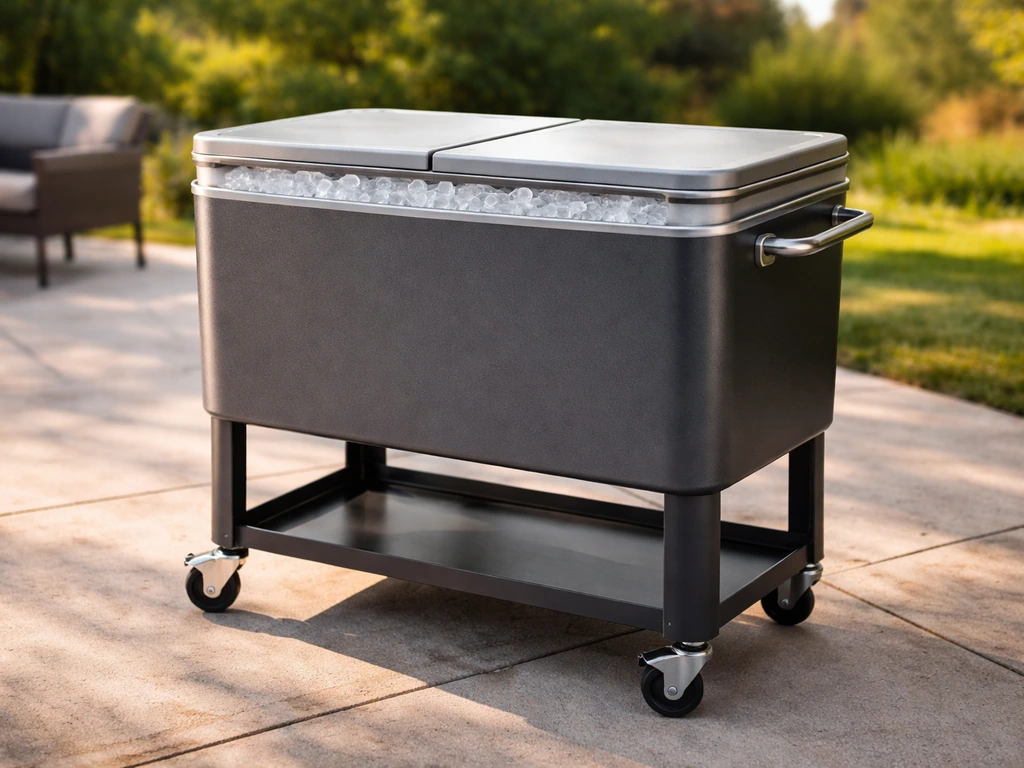
Best Patio Cooler on Wheels: How to Choose and Buy
Pick the best patio cooler on wheels with tips, comparisons, capacity and ice retention, plus quick 5-minute checklist.
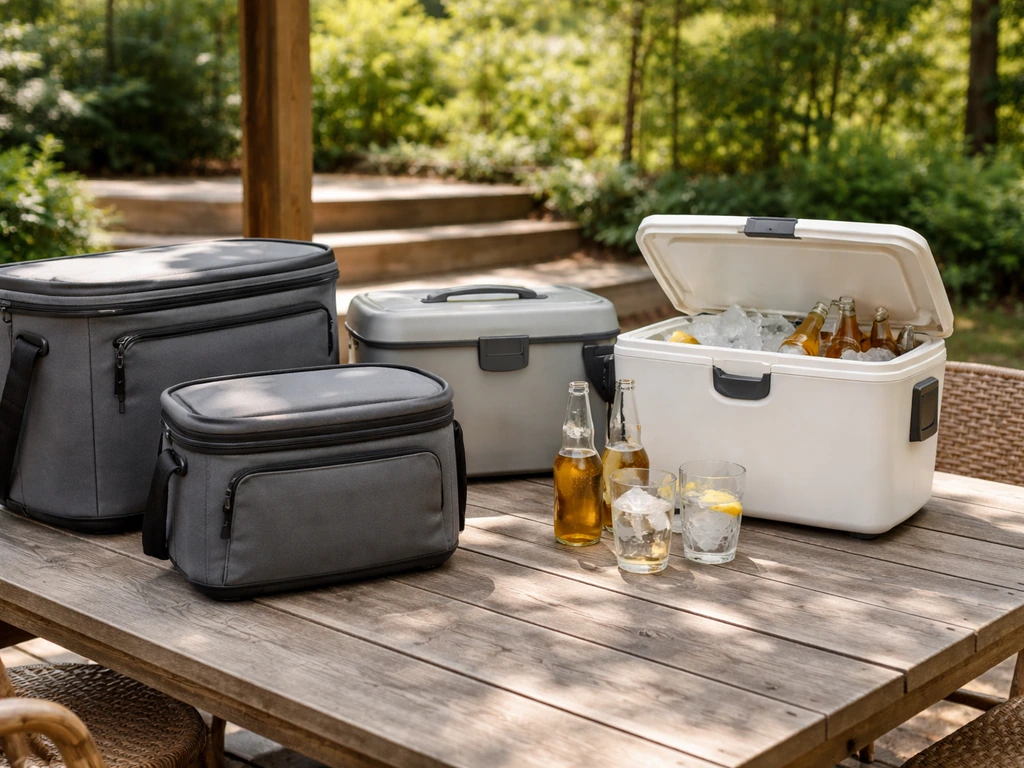
Best Outdoor Patio Coolers: Buying Guide and Top Picks
Find the best outdoor patio coolers: choose by size, ice retention, lid design, wind exposure, and setup tips for longer
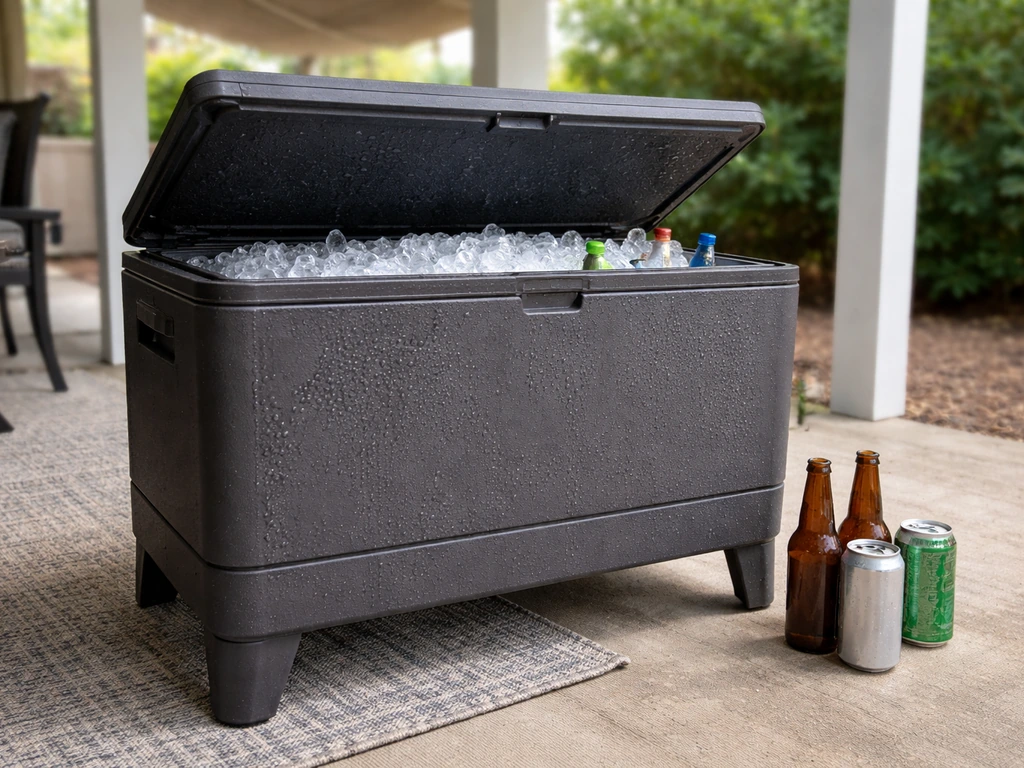
Best Patio Cooler Guide: Top Picks for Any Backyard
Top patio coolers and cooler carts ranked by ice retention, capacity, mobility, and weatherproof features for easy outdo