
If you want the best patio cooler on wheels right now, the Ninja FrostVault is the one I'd tell most people to buy. It holds ice well, has a smart dry drawer so you're not digging through cold water every five minutes, and the wheels actually handle uneven patio surfaces and grass without drama. If your budget stretches further and you want serious ice retention for multi-day use, the YETI Roadie 60 is the premium pick. For anyone who wants to skip ice entirely, a thermoelectric or compressor-style cooler gives you that option, but with real trade-offs worth knowing before you spend the money.
Best Patio Cooler on Wheels: How to Choose and Buy

Lark Perry
31 May 2026
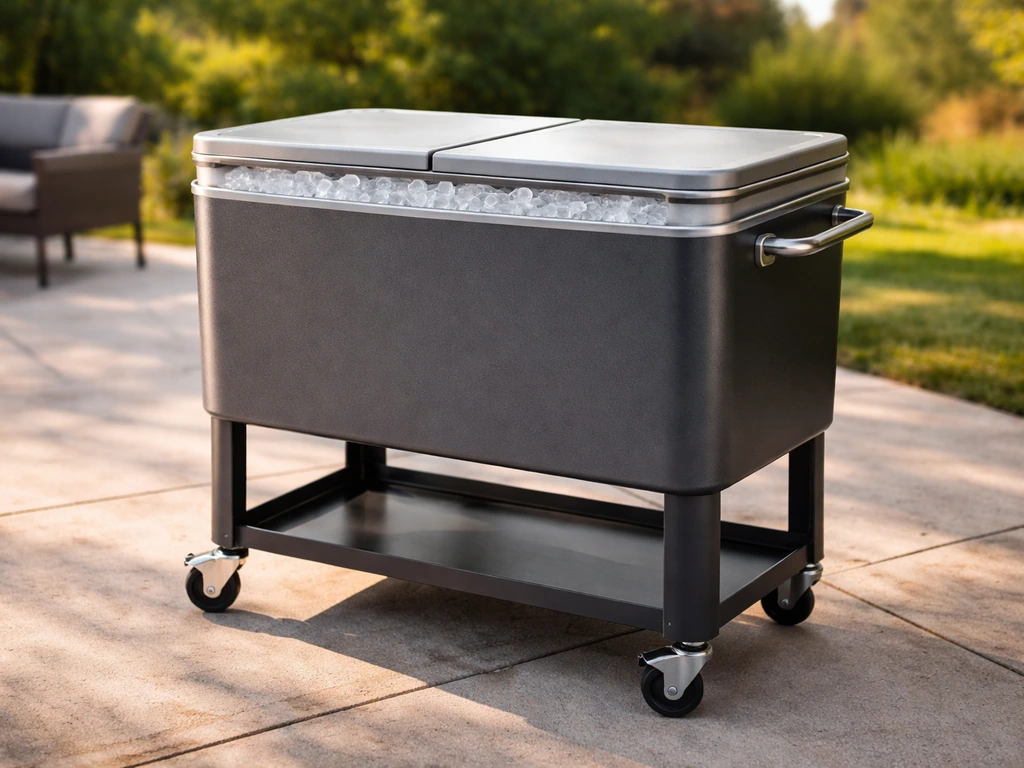
What a 'patio cooler on wheels' actually means
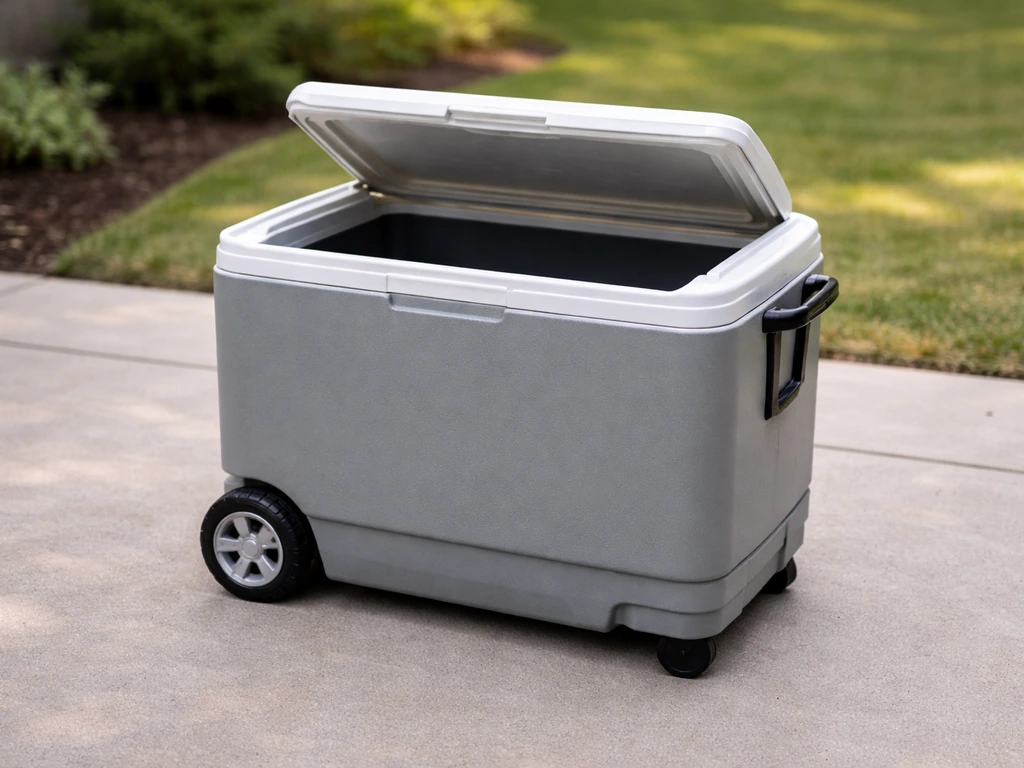
The term covers a broader range of products than most people realize. At its core, a patio cooler on wheels is any insulated or actively-cooled container with a rolling base designed to move around your deck, patio, or lawn without needing to carry the full weight. But the similarities end there, because there are three fundamentally different types, and they work in completely different ways.
The three main types
- Manual ice chest coolers: The most common type. You fill them with ice (or ice packs), close the lid, and the insulation does all the work. No power needed. Ice retention is the key performance metric, and it ranges from a single day on a budget cooler to 5 to 7 days on a premium model.
- Thermoelectric (electric, no ice) coolers: These plug into a 12V DC vehicle outlet or sometimes a standard AC outlet and cool to a fixed temperature offset below ambient air. For example, the Igloo Iceless advertises cooling 36°F below the surrounding air temperature. No ice needed, but no active compression either, so they struggle in real summer heat.
- Compressor/powered fridge-freezer styles: These work like a mini refrigerator, actively compressing refrigerant to hold a specific temperature regardless of how hot it is outside. They're the most capable for food safety and multi-day use, but they're heavier, more expensive, and need a consistent power source.
For most patio and backyard entertaining situations, a manual ice chest on wheels is the right call. The powered options make more sense for RV camping, tailgating near your vehicle, or situations where you have reliable AC power on the patio. Keep that in mind as you read through the rest of this guide.
Key features to look for across all types: large, durable wheels (ideally with flat-resistant construction), a telescoping or fixed handle with a comfortable grip, a drain plug for easy emptying, a tight-sealing lid gasket, and UV-resistant outer materials if it's going to sit in the sun.
How to pick the right one for your patio and lifestyle
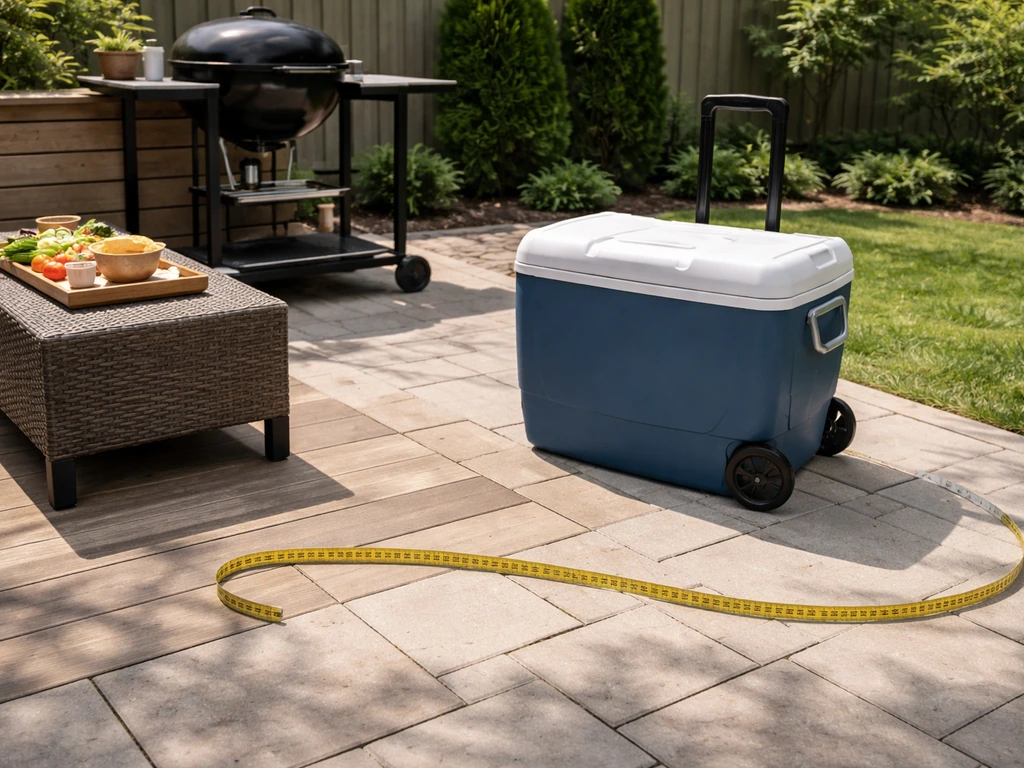
The single biggest mistake people make is buying based on looks or brand alone without matching the cooler to their actual situation. Run through these five questions before you start shopping.
- How many people are you cooling for? A rough rule: figure about 2 lbs of ice plus 1 to 2 drinks per person per day, then add 30% for food. A solo or couple setup works fine with a 30 to 45 qt cooler. A party of 10 to 20 people needs 60 qt or more.
- How long does the cooler need to stay cold? One afternoon? Almost any decent wheeled cooler works. Two or more days without restocking ice? You need pressure-injected insulation and a tight gasket — look at premium options like the YETI Roadie 60.
- How far and over what surface will you move it? A smooth deck is easy. Moving across grass, gravel, or from a car trunk to the patio means you need larger, sturdier wheels — at least 6-inch diameter — and a solid telescoping handle.
- Are you cooling drinks only, or food too? Food safety matters more for food. If you need to keep raw meat below 40°F for an extended event, a compressor-style powered cooler or a premium ice chest with verified ice retention is the safer choice.
- Do you have power nearby, or is this strictly off-grid? If you're off-grid, skip the electric options entirely. If you have a vehicle or outdoor outlet nearby, powered options become viable.
Best options by use case
There's no single cooler that's perfect for every scenario, so here's how I'd break it down by how you actually use your patio.
Best overall: Ninja FrostVault
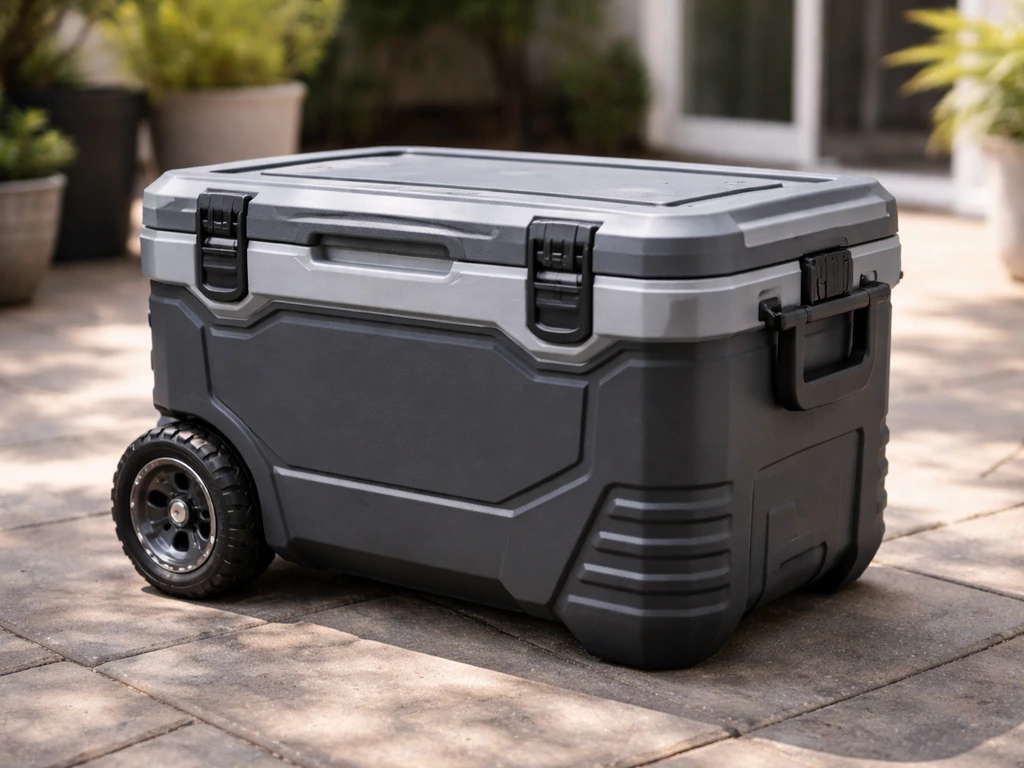
The FrostVault earns the top spot for most homeowners because it solves a genuinely annoying real-world problem: every time you open a traditional cooler to grab a snack, you lose cold air and melt your ice faster. If you want the best patio cooler for typical backyard parties, this model is the most reliable pick based on real-world ice retention and usability. The dry drawer on the FrostVault separates dry goods (chips, sandwiches, anything you don't want wet) from the main ice compartment. You can grab snacks without disturbing the ice zone. Ice retention is strong, competitive with much more expensive coolers, and the wheels handle mixed surfaces well. It's the cooler I'd buy for a standard backyard party setup. If you want the best rolling patio cooler for most homeowners, look for strong ice retention, easy-access storage, and wheels that handle uneven surfaces.
Best for serious ice retention and multi-day use: YETI Roadie 60
If you're hosting a long weekend event or just refuse to deal with buying ice every day, the YETI Roadie 60 is worth the premium price. It uses pressure-injected PermaFrost insulation and a ColdLock gasket that creates a freezer-quality seal. The NeverFlat wheels live up to their name, I've used one on gravel, grass, and concrete without any issues. The Periscope handle extends smoothly and locks at a comfortable height. Expect to pay significantly more than a mid-range option, but you get legitimate 5 to 7 day ice retention in reasonable conditions. If you're comparing it against a rolling patio cooler without premium insulation, the gap in performance on day two or three is noticeable.
Best for tailgating near a vehicle: Igloo Iceless (thermoelectric)
If you're parked at a tailgate and want cold drinks without buying or hauling ice, the Igloo Iceless blank" rel="noopener noreferrer">plugs into your 12V DC vehicle outlet and cools to approximately 36°F below ambient temperature. That works fine if it's 80°F outside (you'd get around 44°F internal temp), but on a 95°F summer day, it only gets you to about 59°F, which isn't cold enough for most drinks. The other major caveat: it can drain your car battery if your engine is off and you run it for hours. Use it with the engine running or with a dedicated battery station. It's a solid pick for shorter tailgate windows, not a substitute for a proper ice chest on a hot day.
Best for large family gatherings and frequent transport: 65 to 100 qt hard coolers
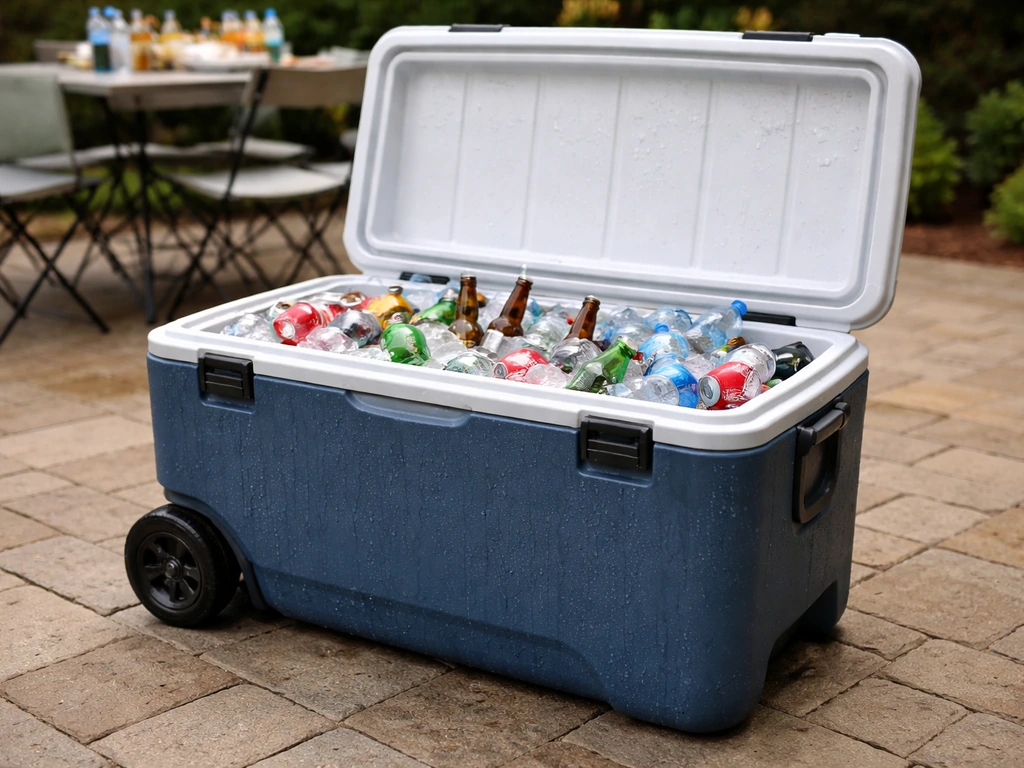
For groups of 15 or more, you want a large-capacity hard-sided wheeled cooler in the 65 to 100 qt range from brands like YETI, Pelican, or Coleman Xtreme. These offer enough volume to keep drinks and food organized across a full day without constant restocking. The trade-off is weight: a fully loaded 100 qt cooler can weigh over 100 lbs, so wheel quality and handle ergonomics matter even more at this size. Make sure the cooler you pick has at least two people worth of handles on the sides for lifting over steps, in addition to the rolling setup for flat surfaces.
Ice, capacity, insulation, and how long cold actually lasts
Ice retention claims on cooler packaging are almost always measured under ideal lab conditions, pre-chilled cooler, perfect ice ratio, ambient temperature around 70°F. Real-world performance in direct sun on an 85°F summer afternoon is noticeably worse. Here's a more honest breakdown of what to expect.
| Cooler Tier | Typical Capacity | Real-World Ice Retention | Best For |
|---|---|---|---|
| Budget (under $80) | 28 to 48 qt | 12 to 24 hours | One afternoon, one day max |
| Mid-range ($80 to $200) | 45 to 65 qt | 2 to 3 days | Weekend parties, regular patio use |
| Premium ($200 to $400+) | 45 to 100 qt | 4 to 7 days | Multi-day events, serious outdoor use |
| Thermoelectric (powered) | 20 to 45 qt | Continuous (needs power) | Tailgating near vehicle, patio with outlet |
| Compressor fridge-freezer | 20 to 60 qt | Continuous (needs power) | Full outdoor kitchen, extended use with power |
To maximize ice retention in any manual cooler: pre-chill the cooler with a bag of ice for 30 minutes before you load it, use block ice (it melts slower than cubed), fill all the empty air space, keep the cooler in the shade whenever possible, and avoid opening it more than necessary. The dry drawer on the FrostVault is a genuine help here, fewer lid openings means slower ice melt.
For capacity planning: a 48 qt cooler holds roughly 72 cans with ice. A 65 qt holds about 100 cans with ice. If you're mixing food and drinks, reduce those estimates by 30 to 40 percent.
Wheels, handles, and how the cooler actually moves
This is the part of buying a wheeled cooler that most people underestimate until they're wrestling a fully loaded 80 lb cooler across uneven pavers. Wheel design makes a bigger difference than the marketing suggests.
Wheel size and construction
Larger diameter wheels roll over obstacles more easily. For patio and lawn use, look for wheels at least 5 to 6 inches in diameter. Flat-resistant or never-flat wheels (like on the YETI Roadie) are worth paying for if you're rolling over gravel or rocky surfaces. Smaller, hard plastic wheels work fine on smooth concrete decks but will struggle on grass or stone pavers. Some budget coolers have wheels that feel solid until you actually load the cooler, check weight ratings before assuming the wheels will hold up.
Handles
Telescoping handles (like a rolling suitcase) are more comfortable for most people than fixed handles because you can adjust the height. The worst-case scenario is a fixed handle that's too short, forcing you to tilt the cooler at an awkward angle when rolling. Pull the handle out before buying (or check that reviews confirm it extends far enough) and confirm it locks in place at full extension. Side carry handles made from rope or rubber are essential for lifting over steps, all the wheels in the world won't help you there.
Stability when stationary
A cooler on wheels needs to stay put when you're not moving it. Look for a model with a wide, stable base and a locking mechanism on the wheels, or at minimum, wheels positioned toward the center-rear rather than at the very edge (which can cause tipping if someone leans on the lid). On uneven surfaces like grass or slate tiles, a wider footprint helps. The best models have rubberized feet or pads at the front that prevent sliding when the cooler is standing upright.
Manual ice vs. electric: which power approach is right for you
Most patio cooler buyers should default to a manual ice chest and not overthink the powered options. Here's a clear breakdown of when each approach makes sense.
Manual ice coolers (the default choice)
These require no power, no cords, and no setup beyond filling with ice. They work anywhere, the middle of your lawn, a beach, a campsite, a tailgate. The total upfront cost is lower, and there's nothing to break electronically. The only ongoing cost is ice, which adds up if you're using the cooler frequently. For typical weekend patio entertaining, this is almost always the right call.
Thermoelectric coolers (limited but specific use cases)
Thermoelectric coolers like the Igloo Iceless use a fan and heat-transfer technology to cool the interior, no ice, no compressor. The 36°F-below-ambient cooling offset sounds great until you're trying to keep drinks cold on a 95°F day and realize you're only getting to about 59°F inside. They work best in moderate temperatures (under 85°F ambient) and are most practical when plugged into a vehicle outlet at a tailgate. One important warning: running a thermoelectric cooler off a parked car's 12V outlet for several hours without the engine running can drain the battery. Use it with the engine on or with a dedicated power bank. These are best treated as a convenience option, not a replacement for a premium ice chest when you need reliable cold temperatures.
Compressor-style powered coolers (for serious outdoor setups)
If you have an outdoor outlet or a large power station on your patio, a compressor cooler or portable fridge-freezer is genuinely impressive. Unlike thermoelectric models, compressor units hold a specific temperature regardless of ambient heat, can actually freeze contents, and behave like a real refrigerator. They're also heavy, expensive (often $300 to $800+), and they need reliable power. If you're building out a more permanent outdoor kitchen or entertaining setup, this category overlaps with what we cover in our patio refrigerator guides. If you want the best outdoor mini fridge for patio setups that need plug-in power, those same considerations about insulation and placement still apply patio refrigerator guides. If you want a true best patio refrigerator for permanent outdoor setups, focus on true refrigerator temperatures, humidity sealing, and power requirements patio refrigerator guides. For most people buying a wheeled cooler for patio parties, this is more than necessary.
Price, value, durability, and keeping it clean
What you get at different price points
Budget coolers under $80 are fine for occasional, single-day use. They're typically made with thinner insulation walls, less rigid plastic, and lower-quality wheels that can crack after a season or two of regular use. If you use your patio cooler three or four times a summer, a budget model is defensible. If you're entertaining regularly or leaving the cooler outside frequently, the cost-per-use math tips toward mid-range and premium options pretty quickly.
In the $80 to $200 range you get meaningfully better insulation performance, sturdier construction, larger and more reliable wheels, and usually a drain plug that actually works without leaking. This is the sweet spot for most regular patio users. Above $200, you're paying for multi-day ice retention, heavy-duty rotomolded construction, bear-resistant latches (less relevant for patios), and brand warranty support. The YETI Roadie sits in this tier and earns its price if you use it heavily.
Durability considerations
Rotomolded coolers (one-piece molded construction) are significantly more durable than injection-molded plastic coolers. You can sit on a rotomolded cooler, drop it, and leave it in the sun repeatedly without cracking or warping. The insulation stays bonded to the walls rather than separating over time. Most YETI, Pelican, and ORCA coolers are rotomolded. Most budget coolers are not. If a cooler is going to live on your patio and take abuse through multiple seasons, rotomolded is worth it.
Cleaning and maintenance
The most common maintenance problem with patio coolers is odor from standing water and mildew. The fix is straightforward but has to be done consistently. After every use, open the drain plug completely and let all water drain out, don't leave even a small amount of water sitting in the bottom. Then prop the lid open for several hours to let air circulate and dry the interior. Once a month during active use, wipe the interior with a mix of baking soda and warm water, rinse thoroughly, and let it air dry with the lid open. Avoid bleach on interior gaskets as it degrades rubber over time and can cause the seal to fail. For the exterior and wheels, a garden hose rinse usually does the job. Store the cooler at the end of the season with the lid propped open slightly so air can circulate, never store it sealed with any moisture inside.
Off-season storage
Wheeled coolers store best in a garage or covered area out of direct UV exposure. Prolonged sun exposure can fade and weaken even UV-stabilized plastic over multiple years. If you're leaving the cooler on the patio through the summer, consider a cooler cover or store it in the shade when not in use. The wheels and handle mechanism benefit from a quick wipe-down and occasional silicone spray to keep them rolling smoothly through multiple seasons.
Your 5-minute checklist before you buy
Before you finalize any purchase, run through these quickly. It takes five minutes and saves the headache of returning a cooler that doesn't fit your actual situation.
- Measure your patio space: Where will the cooler live when in use? Make sure you have enough clearance to extend the handle and roll it without hitting furniture.
- Count your guests and drinks: Use 2 lbs of ice plus 2 drinks per person to size the cooler. Round up to the next size if you're cooking food too.
- Know your surface: Smooth deck or concrete? Any wheeled cooler works. Grass, gravel, or pavers? Go for larger-diameter, flat-resistant wheels.
- Confirm your power situation: No outlet nearby? Stick to a manual ice chest. Have a 12V outlet or patio AC outlet? Powered options become viable.
- Set your ice replenishment tolerance: If you'll happily restock ice every day, a mid-range cooler is fine. If you want to load it once and forget it for 3 to 5 days, invest in a premium insulated model.
- Check the drain plug design: Confirm the drain plug is accessible when the cooler is on its wheels without having to tilt it awkwardly.
- Look at actual wheel diameter in specs, not just photos: Anything under 4 inches is going to frustrate you on anything other than a perfectly smooth surface.
The market for wheeled patio coolers overlaps with other categories worth knowing about, like wooden patio coolers (which prioritize aesthetics and often double as outdoor furniture), standalone rolling patio coolers designed to match patio sets, and full patio refrigerators for permanent outdoor kitchen builds. If you're building out a more complete outdoor entertaining area, those options add capabilities that a rolling ice chest can't match. But for the core job of keeping drinks cold and being easy to move around your outdoor space, a quality wheeled cooler covers everything most people actually need. If you want the best outdoor patio coolers, focus on ice retention and wheel quality together so the cooler stays cold and easy to roll wheeled cooler.
FAQ
How can I make a manual best patio cooler on wheels hold ice longer during parties?
Plan for real-world heat load, not the marketing temperature. If you expect frequent lid openings (kids grabbing snacks, frequent refills, long service time), choose a model with better access design (separate dry drawer, wider opening, or easier top latch) so you disturb the ice zone less. Also pre-chill and use block ice to cut melt rate on hot days.
What should I check for before buying a wheeled cooler that claims strong ice retention?
Don’t assume “rotomolded” alone is enough if the lid seal is weak. Press seals and gaskets vary widely, so check whether the lid closes with consistent compression and whether there are any air gaps around the perimeter. If possible, read whether users mention leaks after transport or after a few months of use.
Will a wheeled patio cooler handle grass and uneven ground, or do I need a different setup?
Wheels can be the limiting factor even with premium insulation. For lawns, uneven pavers, or gravel, prioritize wheel diameter (at least 5 to 6 inches) and flat-resistant wheels (never-flat or rubberized) plus a stable base footprint. For stairs or steps, look for side carry handles rated for lifting, because the wheels alone won’t solve weight transfer.
How should I store my patio cooler on wheels when it’s staying outside?
If you leave it outside in summer, stabilize the cooler against UV and thermal cycling. Store it in shade when not in use, use a cover if it will sit out long-term, and avoid leaving it cracked open overnight if it’s humid (can encourage mold). A quick seasonal check of the drain plug, gasket, and wheel bearings prevents the most common “it worked last year” failures.
How do I prevent the common odor and mildew issues in coolers?
Treat it like an appliance, not just a container. After every use, fully drain the plug, dry the interior by propping the lid open, and periodically clean the gasket area (food residue around seals creates odor). For mildew prevention, the key is no standing water, then airflow for several hours before closing and storing.
Is a thermoelectric wheeled cooler like the Igloo Iceless safe for all-day tailgates?
Yes, but match the power source to the runtime. Thermoelectric units can cool only to a fixed offset from ambient, so on very hot days they may not be cold enough for drinks. If you plan to run it for hours with the car off, use a dedicated battery station, because the 12V outlet can drain the starter battery.
How do I estimate capacity if I’m packing drinks plus food (not just cans)?
You’ll usually get more accurate capacity expectations by thinking in “packed items” rather than advertised volume. If you mix drinks and food, you should reduce can-count estimates because food displaces volume and often requires containers. Also consider whether the cooler has a dry drawer or divided layout, which changes usable space distribution.
When does a budget wheeled cooler stop being a good value?
Budget coolers can work for occasional use, but the failure pattern is usually wheels or lid seals first, not insulation alone. If you use it several times each season or leave it outside frequently, choose a mid-range model with a drain plug that doesn’t leak and sturdier wheels that remain aligned under load. Think about cost-per-use and replacement likelihood.
What’s the most overlooked design feature besides insulation when buying a wheeled cooler?
Aim for the easiest carrying path you’ll actually use. Choose models with telescoping handles for comfort and side carry handles for lifting over steps, plus a locking wheel mechanism or wide base to prevent tipping when stopped on soft or sloped ground. If the cooler will cross threshold edges, test how high the wheels lift over those transitions.
Should I choose a manual cooler or a compressor/portable fridge instead?
If you want a cooler for multi-day use, prioritize insulation type and gasket quality over brand. Manual ice chests are hard to beat for long duration without electricity, while compressor coolers outperform when you have stable power. Compressor units also tend to be heavier and require more planning for placement and ventilation, so choose based on whether you truly need continuous temperature control.
Next Articles
Best Outdoor Patio Coolers: Buying Guide and Top Picks
Find the best outdoor patio coolers: choose by size, ice retention, lid design, wind exposure, and setup tips for longer
Best Patio Cooler Guide: Top Picks for Any Backyard
Top patio coolers and cooler carts ranked by ice retention, capacity, mobility, and weatherproof features for easy outdo
Best Patio Refrigerator Guide: Pick the Right Outdoor Fridge
Find the best patio refrigerator with capacity, cooling, noise, energy, outdoor ratings, placement tips, and best-for pi