
The best outdoor patio cooler for most people is a hard-sided rotomolded cooler in the 45- to 65-quart range, placed in the shade, pre-chilled overnight, and packed with a mix of block ice and cubes. That setup will keep drinks and food cold for 3 to 5 days without needing a refill, handles a backyard BBQ for 10 to 20 people, and works whether your patio is a small apartment balcony or a sprawling deck. That said, the right cooler for you depends on how many people you're hosting, whether you need to move it around, and what you're willing to spend. If you're wondering how to find the best patio cooler for your needs, start by matching capacity, ice retention, and shade placement to your typical get-togethers. Here's how to nail that decision quickly.
Best Outdoor Patio Coolers: Buying Guide and Top Picks

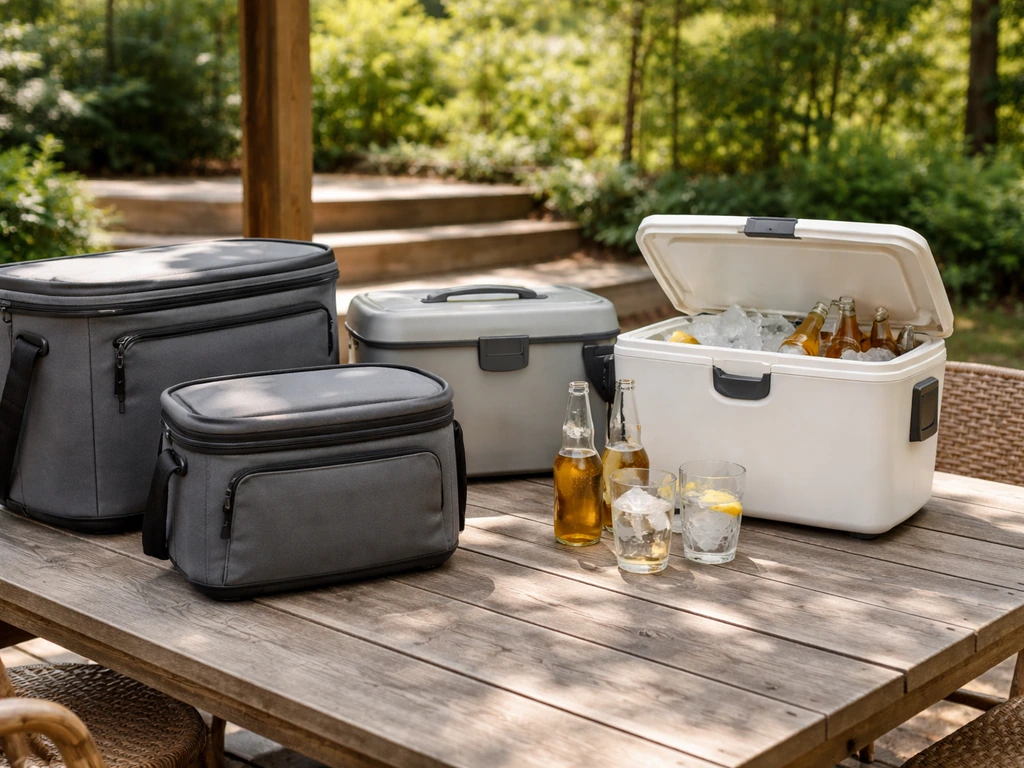
How to choose the best patio cooler for your setup
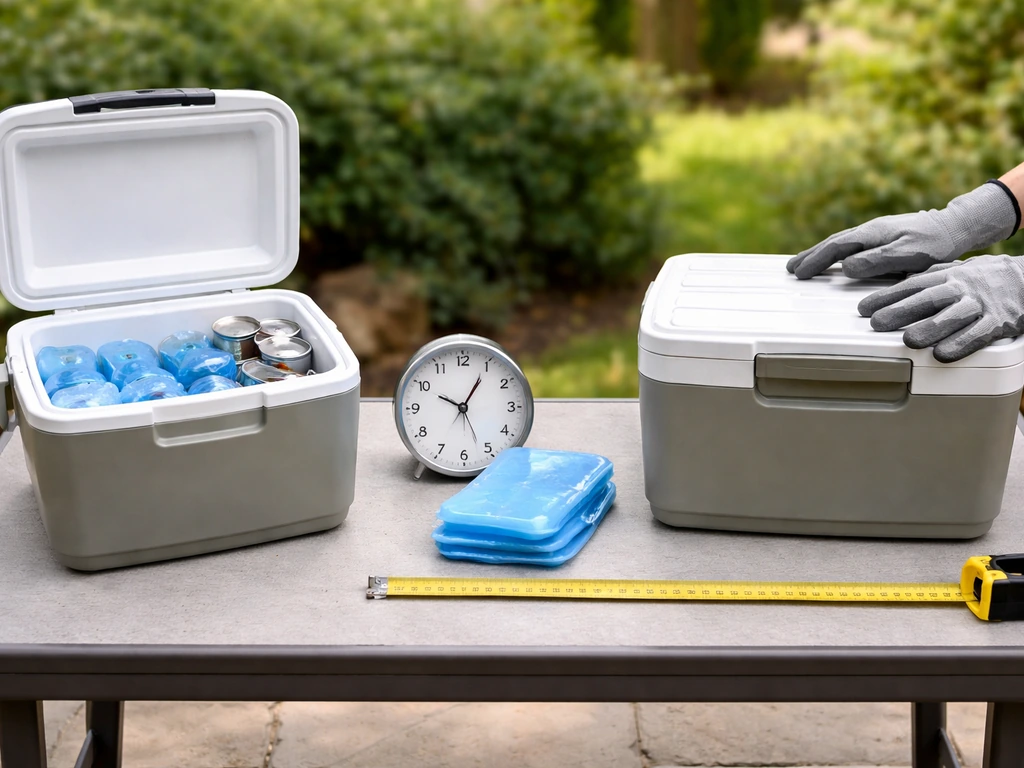
Start with three questions: How many people am I cooling for? How long does the cooler need to stay cold without a restock? And does it need to move? Those three answers will cut your options in half before you even look at a product page.
For a solo patio setup or a couple, a 20- to 30-quart cooler holds enough for a full afternoon. For a group of 8 to 12 people at a weekend BBQ, you want at least 45 to 65 quarts. Hosting 20 or more people, or running a cooler across a full weekend cookout? Jump to a 75- to 110-quart unit, or use two smaller ones split by food and drinks so you're not cracking the lid every five minutes looking for a soda.
Climate matters more than most people expect. If your patio is in direct sun in a hot, humid climate like Florida or Texas, ice retention drops dramatically compared to a shaded deck in the Pacific Northwest. YETI specifically calls out outside environment and direct sunlight as the top variables affecting how long ice lasts. A premium insulated cooler in full afternoon sun performs more like a budget cooler in the shade. This is why placement is not an afterthought; it's part of your cooler selection strategy.
Finally, think about mobility. A cooler that lives on your deck full-time can be large and heavy. One that needs to move from the garage to the patio to the pool area needs wheels or at least comfortable handles. Wheeled coolers and rolling coolers are their own category worth considering if your patio layout means carrying across a yard.
Best cooler types for outdoor patios (soft vs hard, wheeled vs compact)
There are four main cooler types worth knowing for patio use. Each has a clear sweet spot.
Soft-sided coolers
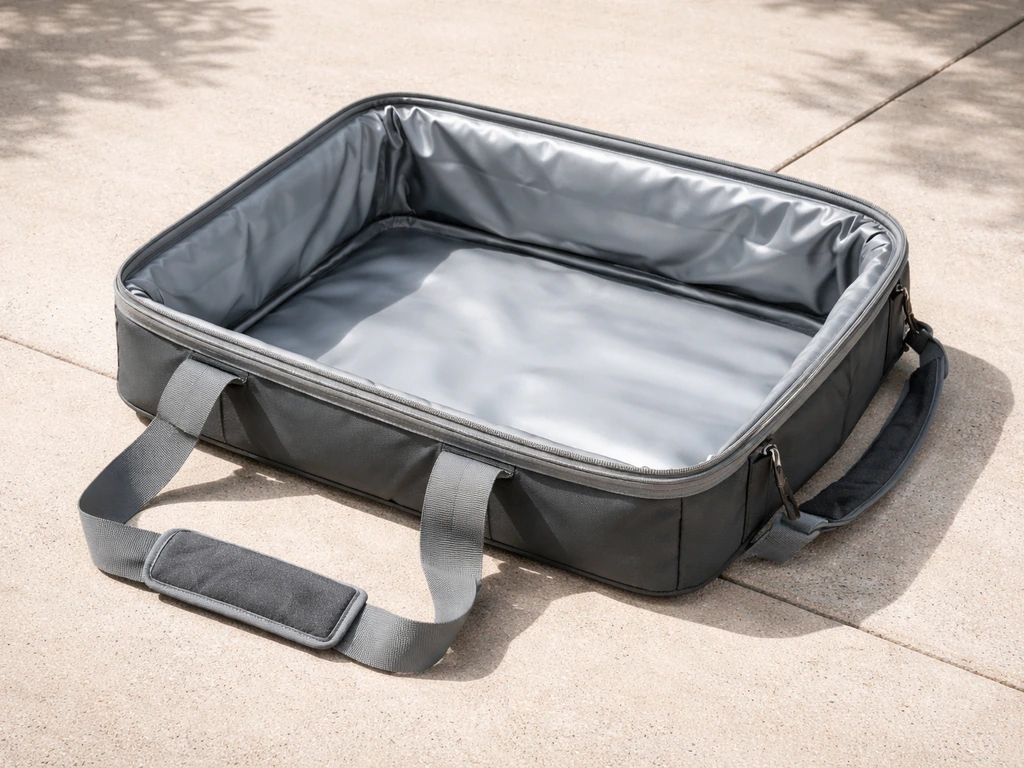
Soft coolers are lightweight, fold flat when empty, and are easy to carry from the house to the patio. They're ideal for small patios, apartment balconies, or pool days where you're moving around. The trade-off is ice retention: most soft coolers max out at 24 to 48 hours even with quality ice packs, and they don't hold up as long in hot, direct-sun conditions. Good for 1 to 6 people, short sessions, and anywhere that storage space is tight.
Hard-sided compact coolers (under 35 quarts)
Compact hard-sided coolers in the 20- to 35-quart range are the sweet spot for small patios and light hosting. They're easy to carry, can sit on a patio table or bench, and if you go with a rotomolded build (thick walls, rubber gasket on the lid), you can get 2 to 4 days of ice retention. Brands like YETI with their Roadie series, or RTIC's 20-can hard cooler, hit this range well. Great for couples, small gatherings, or as a dedicated drink cooler alongside a larger food cooler.
Larger hard-sided coolers (45 to 110 quarts)
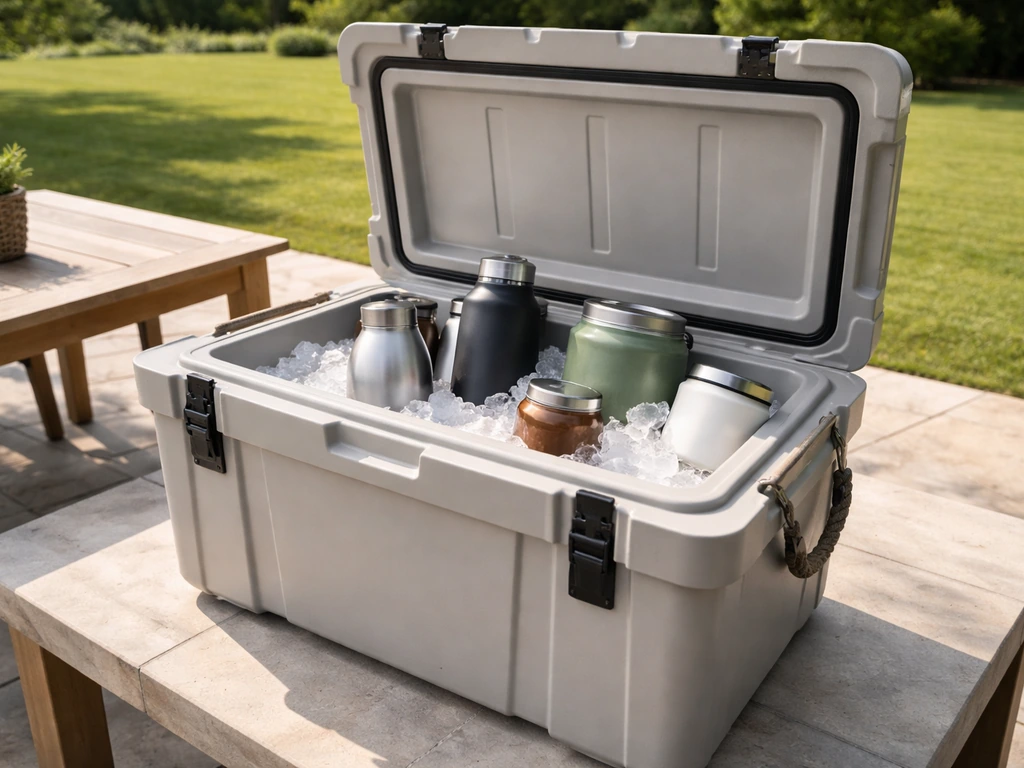
This is where most patio hosting happens. A 45- to 65-quart hard-sided rotomolded cooler handles 8 to 15 people comfortably, holds a 2:1 ice-to-content ratio (which RTIC recommends for best results), and keeps ice for 3 to 7 days depending on conditions. The 75- to 110-quart range is for big hosting days or when you want to load up once and not think about it again all weekend. These are heavier (an empty YETI Tundra 65 weighs about 29 lbs, and loaded it can hit 80 to 100 lbs), so they typically stay put once placed.
Wheeled and rolling coolers
Wheeled coolers solve the weight problem. They're built for people who need capacity but also need to move the cooler between the garage, patio, driveway, and backyard. The best rolling patio coolers pair heavy-duty wheels with a telescoping handle, and the better ones don't sacrifice much on insulation compared to their stationary counterparts. A wheeled cooler like the best patio cooler on wheels is built for hauling while still keeping drinks cold for hours to days. If your patio setup involves hauling across grass or gravel rather than a flat surface, check that the wheels are large-diameter (at least 8 inches) and the axle is reinforced.
| Cooler Type | Best For | Capacity Range | Ice Retention | Mobility |
|---|---|---|---|---|
| Soft-sided | Small patios, pool days, 1-6 people | 6-30 quarts | 12-48 hours | Excellent |
| Hard-sided compact | Small patios, couples, drink coolers | 20-35 quarts | 2-4 days | Good |
| Large hard-sided | BBQ hosting, 8-20+ people | 45-110 quarts | 3-7+ days | Poor (heavy) |
| Wheeled/rolling | Large capacity + mobility needed | 45-100 quarts | 3-6 days | Very good on flat surfaces |
Top picks: best outdoor patio coolers by category and budget
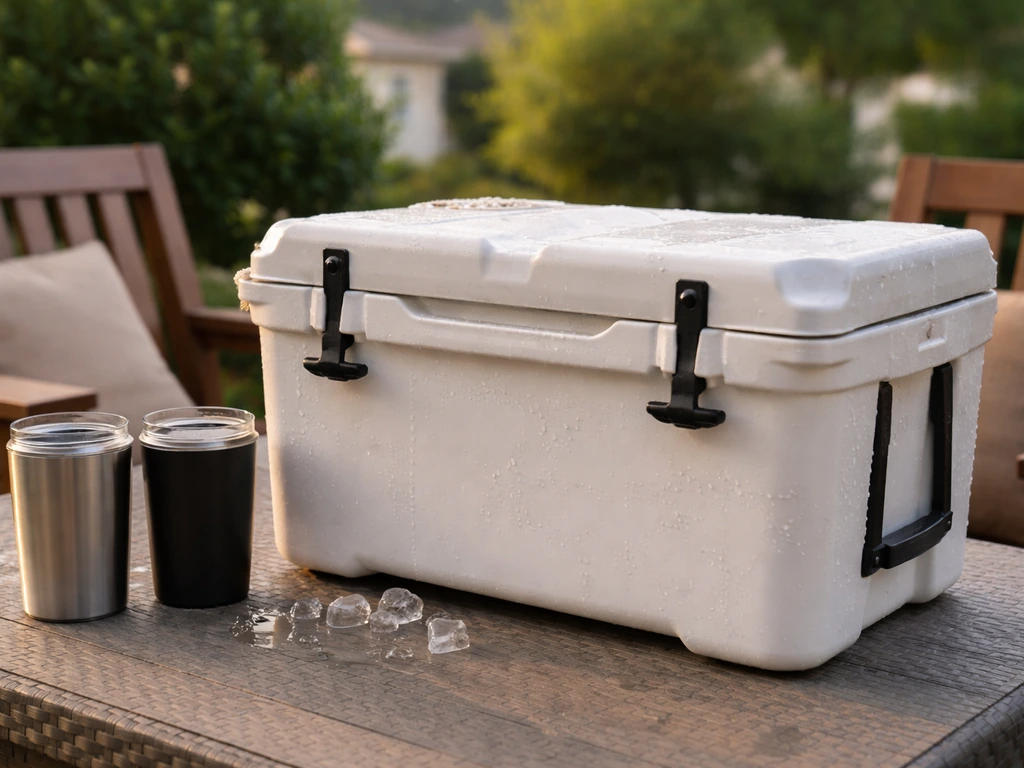
Here are the specific coolers I'd recommend right now, organized by use case rather than brand loyalty. If you're comparing options, these best patio coolers 2022 picks can help you narrow down the right cooler for your space and weather Top picks. Prices reflect mid-2026 retail.
Best overall: YETI Tundra 45
The Tundra 45 hits the best balance of capacity (holds about 28 cans plus ice), ice retention, and build quality for most patio setups. YETI uses 2 inches of insulation in the walls and 3 inches in the lid, which is why this cooler consistently outperforms cheaper options in hot-sun conditions. It's certified bear-resistant, has integrated tie-down slots, and the recessed drain design means you can actually empty all the meltwater without tipping the cooler. It runs around $300 to $325. It's not cheap, but if you're using it every weekend from May through September, the cost per use math works out.
Best value: RTIC 45 Hard Cooler
RTIC builds a rotomolded hard-sided cooler that competes directly with YETI at about half the price, typically $150 to $175. Ice retention is close (some head-to-head tests show RTIC slightly behind YETI, but both deliver 4 to 5 days in shade). RTIC's own documentation recommends pre-chilling and a 2:1 ice-to-contents ratio, and following that advice, you'll be hard pressed to tell the difference for most backyard sessions. A strong pick if you want rotomolded quality without spending $300.
Best for small patios: YETI Roadie 24
The Roadie 24 is compact enough to sit on a patio side table, holds about 18 cans, and has a top-access design with a wide-mouth lid that makes it easy to grab items quickly without losing cold air. At around $200, it's pricey for its size, but the insulation quality means it punches well above its weight in hot weather. For apartment balconies or small patios where space is at a premium, this is the one to beat.
Best for long ice retention: YETI Tundra 65 or RTIC 65
If you're hosting over a full weekend and don't want to make an ice run, a 65-quart rotomolded cooler is the move. Both YETI and RTIC in this size can hold ice for 5 to 7 days under good conditions (pre-chilled, loaded correctly, kept in shade). The YETI Tundra 65 runs around $350 to $375; the RTIC 65 is closer to $190 to $210. Either one gives you serious cold-holding for extended hosting.
Best wheeled option: Coleman Xtreme 5 Wheeled Cooler (70 qt)
If you want a large rolling cooler without paying premium rotomolded prices, Coleman's Xtreme 5 Wheeled 70-quart is one of the most practical options available. It keeps ice up to 5 days (Coleman's own claim under recommended conditions, which include keeping it out of the sun and minimizing lid openings), has sturdy all-terrain wheels, a telescoping handle, and runs around $75 to $90. It's not in the same league as YETI for insulation quality, but for the price and mobility combination, it's hard to beat for big outdoor gatherings.
Best soft cooler: Yeti Hopper M30 or RTIC Soft Pack 30
For a portable soft option that handles a smaller patio or doubles as a beach/pool cooler, the YETI Hopper M30 (around $300) or the RTIC Soft Pack 30 (around $100) both do well. The YETI Hopper uses a magnetic closure that seals very well, which is a genuine differentiator from cheaper soft coolers. The RTIC is a much better value if you don't need that magnetic seal. Both hold ice noticeably longer than a basic lunch cooler.
Ice retention and performance factors that matter outdoors
Ice retention is where most people get caught off guard. A cooler rated for '5 days of ice retention' in marketing copy assumes ideal conditions. On a patio in July with the cooler sitting in direct afternoon sun, that 5-day cooler might last 2 days. Here's what actually controls how long your ice lasts.
Sunlight and placement
Direct sunlight is the single biggest enemy of ice retention. YETI explicitly names outside environment and direct sunlight as primary variables. The difference between a shaded spot and full afternoon sun can easily cut your ice life by 30 to 50 percent. Place your cooler under a patio umbrella, pergola, or roof overhang whenever possible. If you have no shade, even draping a light-colored towel or blanket over the cooler helps.
Pre-chilling the cooler
A warm cooler interior burns through ice fast because the ice is spending its energy cooling the plastic and air inside, not your drinks. Both YETI and RTIC recommend pre-chilling your cooler before you load it for real. RTIC also recommends pre-chilling your cooler by filling it with ice overnight, ideally for a full day, and then using a 2:1 ice-to-contents ratio for best ice retention. The easiest method: fill it with a bag of sacrificial ice the night before, let it sit closed overnight, dump that ice, then pack it with your real ice and contents. RTIC suggests pre-chilling for a full day if you can. It makes a noticeable difference, especially on the first day.
Ice type and packing method
Block ice melts slower than cubed ice. Crushed ice cools quickly but melts fastest. For a patio cooler where you want multi-day performance, use a mix: start with a layer of block ice (or large ice chunks) at the bottom, then fill gaps with cubed ice. RTIC specifically recommends this combination because the large blocks provide sustained cold while the cubes fill airflow gaps that accelerate melting. Coleman also notes that cube ice cools faster while block ice holds longer, so the mix gives you both benefits.
Lid discipline
Every time you open the lid, warm air floods in and replaces the cold air inside. Coleman's own use guide says to close the lid quickly and don't leave it open longer than necessary. If you're hosting, keep a second small soft cooler stocked with drinks near the group so people can grab from that without touching the main cooler. Reserve the main cooler for food and backup beverages.
Ice-to-contents ratio
RTIC's 2:1 rule is the most practical benchmark: for every 1 pound of food and drinks, use 2 pounds of ice. Most people under-ice their coolers and then wonder why their ice melted by noon. Pack the cooler so ice surrounds the contents on all sides, not just on top.
Capacity, layout, and features (drain, cup holders, insulation, handles)
Beyond raw insulation quality, a few specific features make a real difference in day-to-day patio use.
Drain plug design
A good drain is something you only appreciate when a bad one frustrates you. Look for a threaded plug that opens wide and sits at the lowest point of the cooler interior. YETI's Tundra line uses a recessed floor near the drain specifically so it empties completely without tilting the cooler. Some budget coolers have drains that sit slightly above the floor, leaving a puddle of cold water every time. If you're draining frequently, this matters more than it sounds.
Handles and portability
For a cooler under 35 quarts, a single top handle or side handles with good grip are fine. Once you're at 45 quarts and above loaded with ice and drinks, you need two-person side handles that can take the weight without cutting into your hands. Rope handles on premium coolers like YETI are thick and comfortable. On cheaper coolers, thin plastic handles dig in and flex uncomfortably under load. If you plan to carry the cooler any distance, test the handle quality before buying.
Cup holders and integrated features
Many hard-sided coolers have integrated cup holders in the lid, which is genuinely useful on a patio. Some also have built-in bottle openers, cutting board lids, or dry storage trays. These are nice extras but shouldn't drive your buying decision. What matters more is lid seal quality: a good rubber gasket that compresses when you close the lid keeps warm air out and cold air in far better than a snap-down lid with no gasket.
Capacity: matching quarts to people
- 1 to 4 people, a few hours: 20 to 30 quarts
- 4 to 8 people, half-day to full day: 35 to 45 quarts
- 8 to 15 people, full day or overnight: 65 quarts
- 15 to 25+ people, full weekend: 85 to 110 quarts, or two 65-quart units
These estimates assume you're following the 2:1 ice-to-contents ratio. If you're skimping on ice, you'll feel like the cooler is always too small. Ice takes up more space than most people plan for.
Price-to-value and care/maintenance for long-term use
Is a $300 cooler actually worth it?
Premium rotomolded coolers from brands like YETI, RTIC, or Pelican are genuinely more durable and better insulated than budget options. But the value equation depends on how often you use it. If you host or use your patio cooler every weekend May through September (roughly 20 to 25 weekends), a $300 cooler costs you about $12 to $15 per weekend over a season. Spread across 5 years of use, you're at $3 per outing. Compare that to making two ice runs per weekend at $5 to $8 each because a budget cooler can't hold ice past day one. The math often favors the premium cooler.
That said, if you're only using a patio cooler a handful of times per summer, a Coleman or Igloo in the $50 to $100 range is completely reasonable. The 5-day ice retention claim on budget coolers is optimistic, but for a single-day BBQ in the shade, it works fine.
Maintenance: keeping your cooler in good shape
A well-maintained cooler lasts a decade or longer. A neglected one starts smelling and degrading within a season. After every use, drain all the water, wipe the interior dry with a cloth, and leave the lid open for a few hours to air out. Coleman's cleaning guide recommends using a mild soap and water solution for regular cleaning. Avoid bleach directly on the interior gaskets as it degrades the rubber over time. For stubborn odors, a baking soda and water paste left for 30 minutes before rinsing works well.
Store the cooler with the lid cracked or fully open in the off-season. A sealed, damp cooler stored in a garage develops mold and mildew fast, and that smell does not come out easily. Keep it in a shaded area when not in use since prolonged UV exposure fades the exterior and can eventually degrade plastic latches.
Setting up your cooler on the patio for maximum performance
- Pre-chill the night before: Load sacrificial ice the evening before your event, seal the lid, and let it cool the interior overnight. Dump that ice before packing for real.
- Place in shade first: Position your cooler under a patio umbrella, awning, or any shaded spot before you fill it. Moving a fully loaded cooler is hard.
- Layer your ice correctly: Put a base of block ice or large chunks on the bottom, pack contents in, then fill all gaps with cubed ice. Ice should surround contents, not just sit on top.
- Follow the 2: 1 ratio: Use twice as much ice by weight as the food and drinks you're storing.
- Set up a secondary drink cooler: Use a small soft cooler or ice bucket near the seating area so guests aren't constantly opening the main cooler.
- Keep the lid closed: Designate someone to manage the cooler if needed, or position it away from the main flow of traffic so it's not being opened every two minutes.
If you're also looking at powered options for a permanent patio setup, a dedicated patio refrigerator or outdoor mini fridge is worth comparing against a traditional cooler, especially for everyday use where you don't want to deal with ice management at all. If you're deciding between a traditional cooler and a best patio refrigerator, consider how often you want cold drinks without re-icing a dedicated patio refrigerator or outdoor mini fridge. For portability and occasional hosting, though, a quality patio cooler is still the more flexible and cost-effective choice for most people. If you want the best wooden patio cooler, focus on sturdy insulation, comfortable handles, and a design that stays cool even with frequent lid openings.
FAQ
Can I leave a patio cooler outside during the off-season (rain and sun)?
Yes, but only if the cooler can drain fully and dry quickly after use. If you plan to store it outside, choose a model with a recessed drain and a rubber gasket that stays supple, then crack the lid after draining so trapped moisture does not cause mildew. Avoid bleach-based cleaning on the gasket, it degrades rubber and shortens the seal life.
Why do some coolers feel too small even when they match my guest count?
Don’t rely on the capacity number alone, ice displacement matters. A “45 to 65 quart” cooler is usually able to hold significantly less food once you follow a 2:1 ice-to-contents pack, so for events plan for fewer total containers and treat it as a cold-storage system, not just a storage bin.
What’s the best way to pack ice and food inside a patio cooler so it lasts longer?
For best performance, pre-chill the cooler and then pack by cold-first, food-next. Put your thick block or large chunks at the bottom, add cubes around the gaps, then bury drinks in the center so they are not sitting against warm air pockets. If you can, use a separate cooler for frequently opened items so the main cooler stays closed.
Is a soft cooler ever a better choice than a hard-sided cooler?
A hard-sided cooler can be worth it even for short use if you are in direct sun or want multi-day holding. For one afternoon in shade, a soft cooler may be enough, but if the cooler will sit in heat longer than you expect, hard-sided models typically outperform because the interior stays colder longer with fewer lid-opening spikes.
What should I look for in a rolling patio cooler if I move it across gravel or uneven surfaces?
If you often set the cooler on gravel or uneven patio stones, wheeled models with at least 8 inch wheels and reinforced axles matter. Also check wheel placement, if the wheels sit high the cooler may tip when you lift over obstacles, which can stress the drain plug area and cause messy leaking.
Does bear-resistant certification mean the cooler is safe from all animals?
Bear-resistant certification is not the same thing as “rodent-proof” or “tamper-proof.” If wildlife is an issue where you live, use tie-down slots if available, keep food in sealed containers, and store the cooler in an enclosed area overnight rather than leaving it accessible.
Should I use mostly block ice, mostly cubes, or a mix if my cooler is for bottled drinks?
If your drinks are mostly bottled, cubes tend to leave more surface gaps that can speed melting unless you maintain a 2:1 ratio. A block-first base usually gives more stable temperatures, then cubes can fill spaces between bottles and containers.
What’s the best way to cover my cooler if there is no shade on the patio?
A towel or light blanket can help when there is no shade, but it works best over a pre-chilled cooler and when airflow is not trapped against the lid. If the cooler is fully wrapped and sealed airtight, you can actually slow drying after use and increase odor risk later.
How should I clean and store a patio cooler to prevent lingering smells?
Clean as soon as the event ends. Drain fully, wipe dry, then leave the lid open for a few hours before closing for storage. If you store it while the interior is still damp, you are more likely to get persistent smells even if the next cleanup seems fine.
Is it better to buy one big cooler or two smaller ones for a weekend party?
Yes, especially for long weekends, the best move is using two coolers rather than constantly opening one large cooler. Split by access frequency, keep drinks in the easier-access unit and food in the primary unit, then open each less often to reduce warm-air surges.
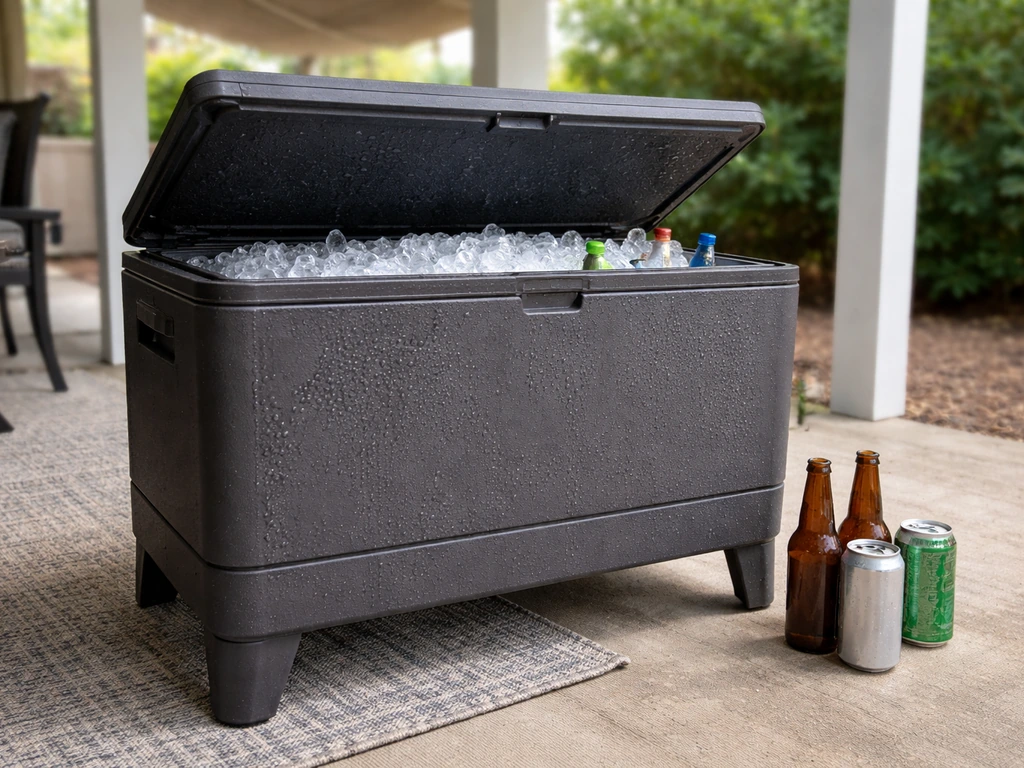
Top patio coolers and cooler carts ranked by ice retention, capacity, mobility, and weatherproof features for easy outdo
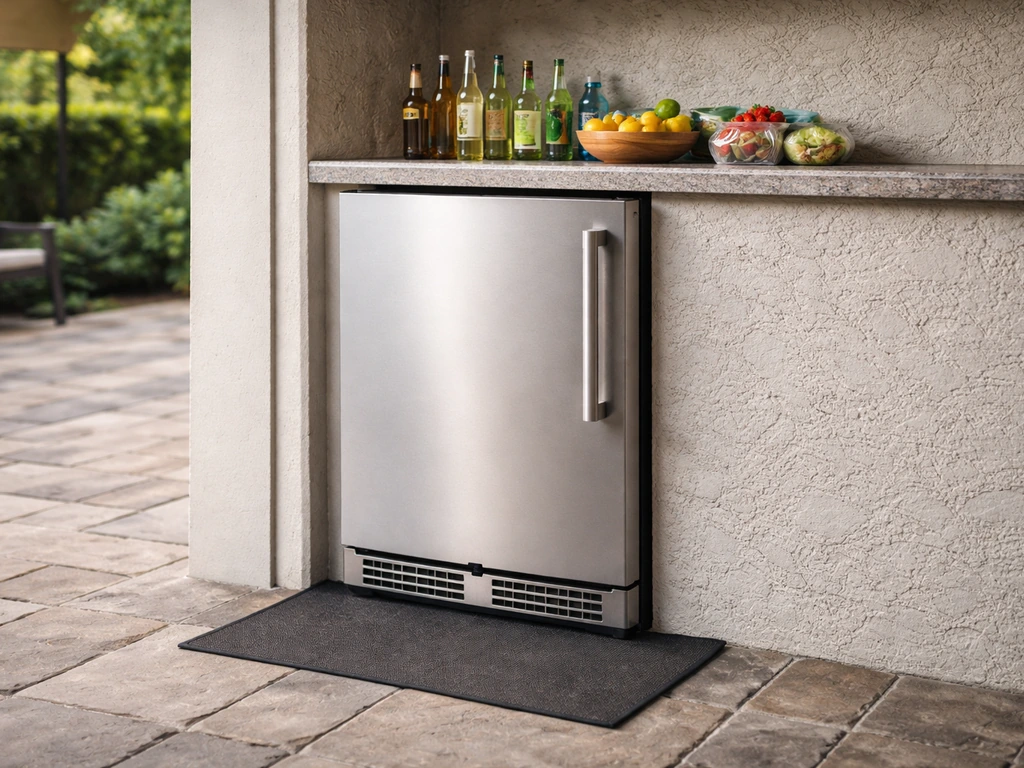
Find the best patio refrigerator with capacity, cooling, noise, energy, outdoor ratings, placement tips, and best-for pi
Alternative to patio cushions: durable, weatherproof seating options, pros, DIY tips & buying guide.