
The best patio refrigerator for most people is a compact, truly outdoor-rated unit in the 4 to 5 cubic foot range, built with stainless steel, a UV-resistant coating, and an IPX4 (or better) water resistance rating. If you're mainly chilling drinks and need something plug-and-play, a unit like the Danby DAR044A1SSO hits that sweet spot: 4.4 cu. ft., IPX4-rated for rain and humidity, durable stainless construction, and a 24-month parts and labor warranty that indoor mini fridges don't come close to matching. If you want portability or need to run it somewhere without a dedicated outlet, a compressor-based portable fridge like the Dometic CFX3 series is the other serious option. Everything else is a compromise you should go into with open eyes.
Best Patio Refrigerator Guide: Pick the Right Outdoor Fridge

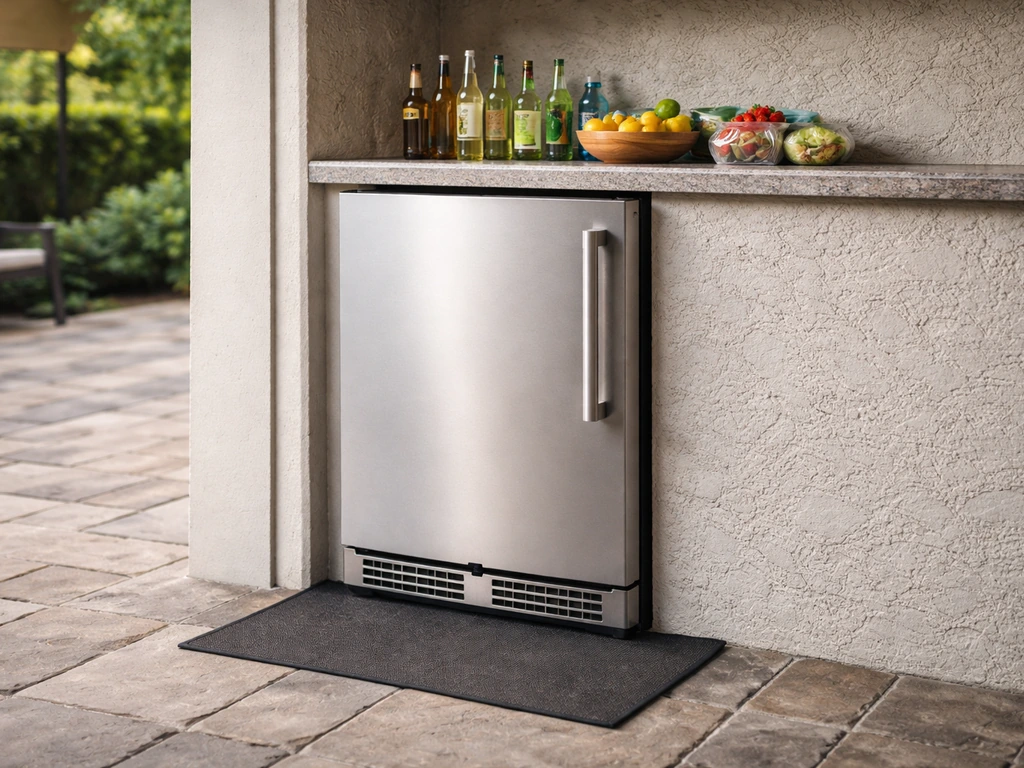
What to look for in the best patio refrigerator
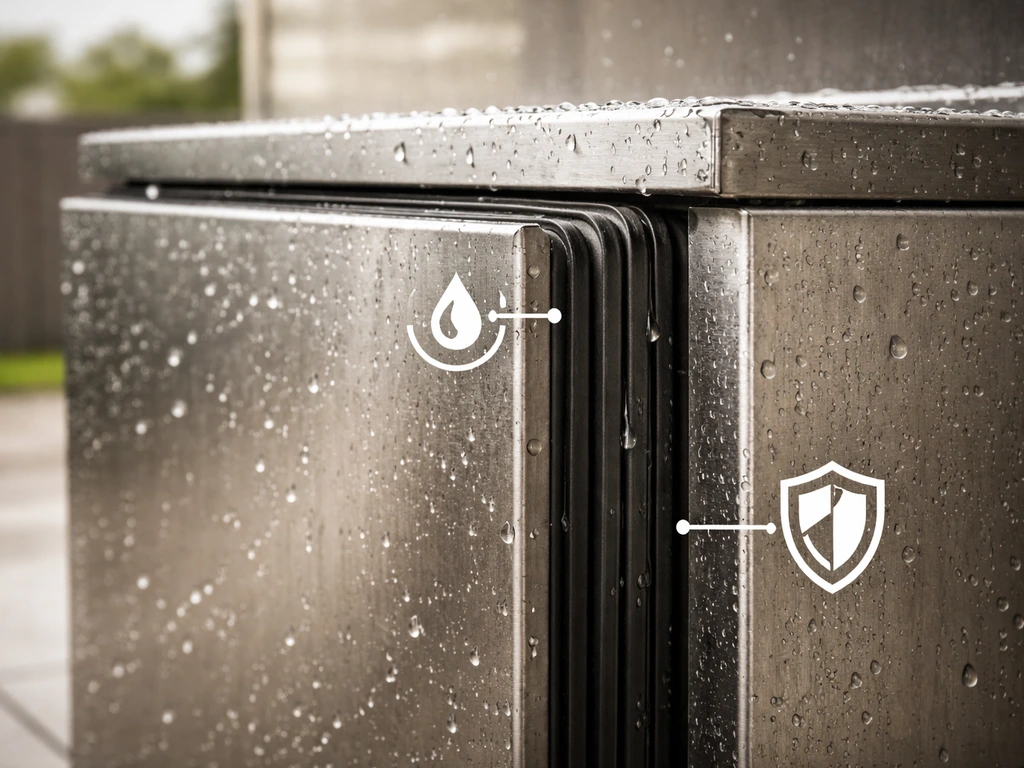
The single biggest mistake people make is buying an indoor mini fridge and putting it on the patio. It seems fine until the compressor burns out in July because it wasn't built to cool itself in 95°F ambient heat, or the electronics corrode after a rainy week. When you're shopping for a patio refrigerator, there are six things that actually matter:
- Outdoor rating: Look for IPX4 (splash/rain resistant) at a minimum, or a UL-listed outdoor rating. These certifications mean the unit was tested against moisture, humidity, and temperature swings — not just assembled and labeled 'outdoor style.'
- Capacity and storage layout: For drinks-only use, 1.7 to 3.2 cu. ft. is plenty. For mixed food and drink storage to support a gathering, you want at least 4 to 5 cu. ft. with adjustable shelving.
- Temperature range: A good outdoor fridge should hold 34 to 40°F even when ambient temperatures climb past 90°F. Check the spec sheet for the rated operating ambient range — this number matters far more outside than it does indoors.
- Cooling method: Compressor-based units are the only type worth considering for real outdoor use. Thermoelectric coolers (the cheap, quiet ones) lose efficiency fast when the ambient temperature is warm.
- Energy efficiency: Compact fridges in the 1.7 to 4.4 cu. ft. range typically consume 250 to 300 kWh per year. High-efficiency compressor portables like the Dometic CFX3 can run as low as 79 to 83 kWh per year — a meaningful difference if you're running it all season.
- Noise level: Compressor fridges make some noise. For a covered patio near seating, look for models rated under 40 dB. For a detached bar or grill station farther from conversation, it matters less.
- Warranty: An outdoor-specific model should offer at least 24 months of coverage. That's your safety net if the unit can't actually handle what it promised.
If a product doesn't explicitly say 'outdoor rated,' assume it isn't. UV exposure, humidity, and heat cycling will shorten the life of an indoor appliance dramatically when used outside.
Best sizes and styles for outdoor patios
Patio fridges generally fall into three categories, and which one you need depends on what you're storing and how your patio is set up.
Compact mini fridge (1.7 to 3.2 cu. ft.)
These fit under a patio bar cart or on a small shelf. They're best for a single person or couple who just wants cold beer and canned drinks within arm's reach. The tradeoff is limited food storage and, in cheap versions, thermoelectric cooling that struggles when it's hot outside. If you go this size, make absolutely sure you're buying a compressor-based, outdoor-rated unit, not a thermoelectric 'cooler' dressed up as a fridge.
Mid-size outdoor fridge (4 to 5 cu. ft.)
This is the category where the real outdoor-rated options live. A 4.4 cu. ft. unit like the Danby DAR044A1SSO gives you enough room for drinks, condiments, and some food staples without taking over your patio layout. It functions like a real refrigerator, with adjustable shelving and a mechanical thermostat for temperature control, and it's built to withstand patio life year-round.
Built-in or undercounter outdoor fridges (5+ cu. ft.)
If you're building an outdoor kitchen or a permanent bar island, a built-in undercounter outdoor fridge is worth the investment. These are designed for front-ventilation so they can sit flush in cabinetry, and they're built to handle years of outdoor exposure. They're the priciest option, but they're also the most durable and purpose-built for serious entertaining setups.
Compressor portable fridges
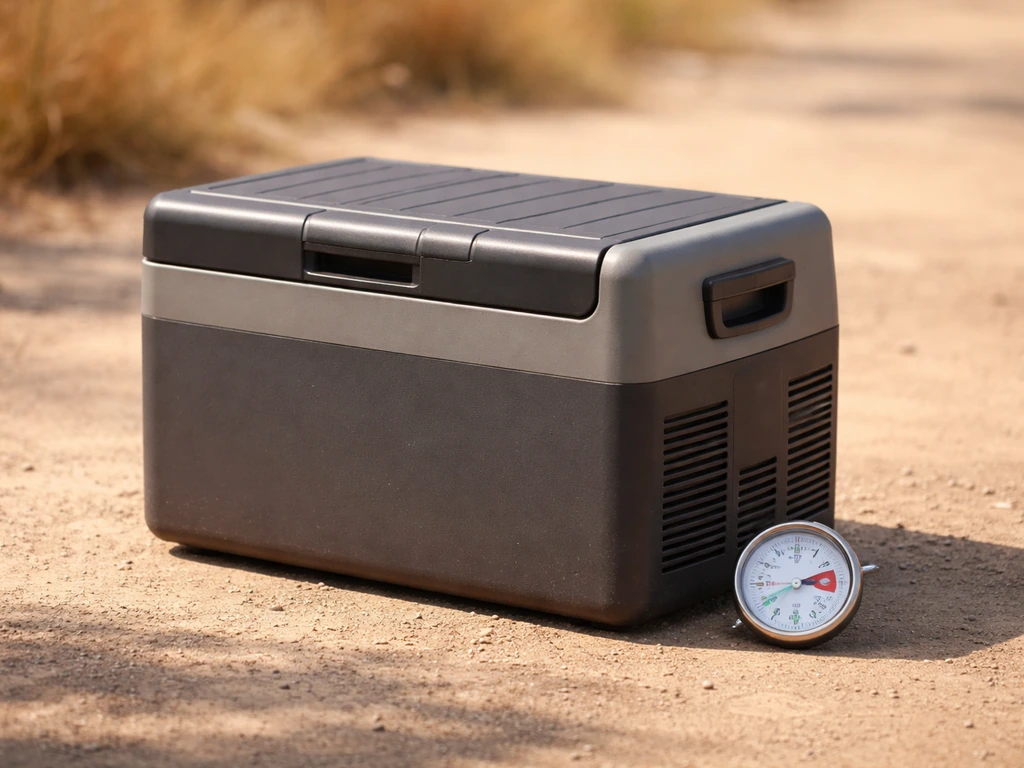
Models like the Dometic CFX3 series are compressor-based coolers that function as true refrigerators. They operate effectively in ambient temperatures up to 110°F, making them genuinely suited to hot patio conditions. They're portable, can run on 12V/24V or AC power, and the better versions include smart controls with temperature and power consumption tracking via an app. They're not a traditional 'patio refrigerator' in the undercounter sense, but they're an excellent option if you want flexibility or don't have a dedicated outdoor outlet.
Temperature performance and energy efficiency
The target internal temperature for a patio fridge is 34 to 40°F, the same as an indoor refrigerator. The difference is that an outdoor unit needs to hit that target when it's 90°F or hotter outside. That's where most indoor mini fridges fail and where outdoor-rated compressor units earn their price premium.
For energy consumption, plan on 250 to 300 kWh per year for a typical compact compressor fridge in the 1.7 to 4.4 cu. ft. range. At average U.S. electricity rates around $0.16 per kWh (as of 2026), that's roughly $40 to $48 per year. A high-efficiency compressor portable like the Dometic CFX3 can drop that to blank" rel="noopener noreferrer">79 to 83 kWh annually, closer to $13 to $14 per year, though those units typically cost significantly more upfront. If you're running the fridge all season, the efficiency gap can start to close the price difference over time.
ENERGY STAR certification is your easiest shortcut for efficiency. Certified units meet maximum annual energy consumption thresholds by product class, so if you see the ENERGY STAR label on a compact refrigerator, you know it's among the more efficient options in its category. ENERGY STAR’s refrigeration key product criteria include definitions and eligibility requirements, including how compact products fit under residential refrigeration certification for compact and built-in units ENERGY STAR label on a compact refrigerator. Not all outdoor fridges carry this certification, but it's worth prioritizing if you're leaving the unit running all summer.
Weather resistance: ratings, materials, and placement
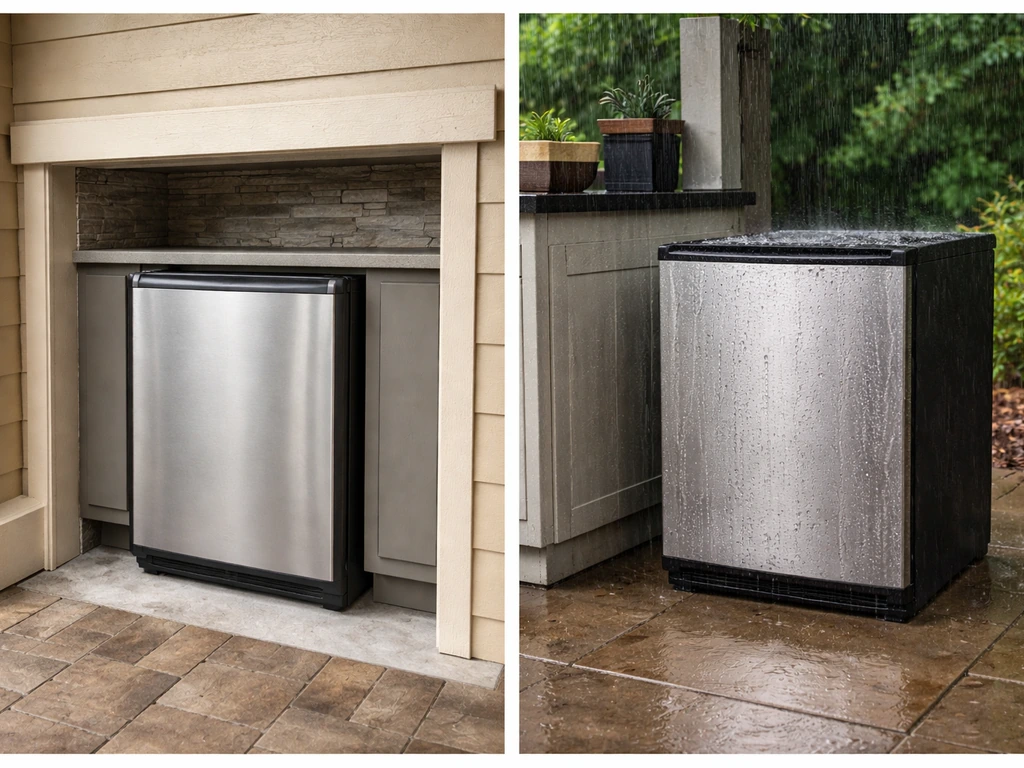
This is the section where most buying guides skim over the details, so let's be specific. There are two main certification signals to look for on an outdoor refrigerator:
- IPX4 (or higher): This is an ingress protection rating. IPX4 means the unit can withstand water splashing from any direction — rain, hose spray, humidity condensation. It directly addresses the two biggest outdoor failure risks: water intrusion and humidity-driven corrosion.
- UL outdoor listing: UL-listed outdoor refrigerators are certified to handle weather fluctuations and maintain safe internal temperatures even when ambient temperatures exceed 100°F. This ties to the UL 471 standard for refrigeration equipment.
Beyond ratings, look for stainless steel construction (corrosion-resistant), a UV-resistant exterior coating (prevents fading and material degradation from sun exposure), and enhanced insulation that helps maintain internal temps despite wide ambient temperature swings. These aren't marketing words when you see them on a properly certified outdoor unit, they represent actual engineering choices that extend the product's usable life outside.
One thing worth being direct about: even a fully outdoor-rated fridge should not sit in direct, unrelenting sun all day. Manufacturers including Danby specifically caution users to monitor interior temperature when extreme heat or extended sunlight is present. 'Outdoor rated' means it can handle outdoor conditions, it doesn't mean the laws of thermodynamics don't apply. A shaded spot, a covered patio, or a pergola overhang will meaningfully reduce compressor strain and extend the unit's lifespan.
Where to place it: ventilation, power, and hookups
Placement is where a lot of otherwise good patio fridge setups go wrong. There are three things to get right before you plug anything in.
Airflow clearance
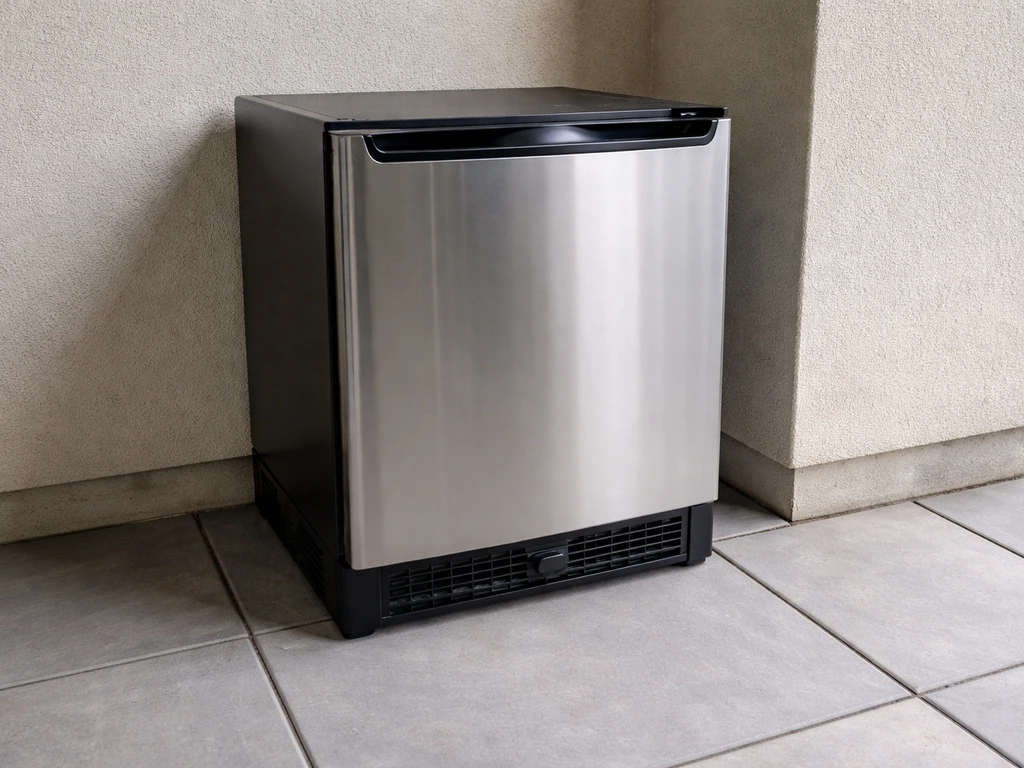
A compressor-based fridge generates heat as it runs, and that heat needs somewhere to go. The Danby DAR044A1SSO manual (and most outdoor compact fridges) require at least 5 inches of clearance on the back, sides, and top of the unit. Blocking that airflow forces the compressor to work harder, raises energy consumption, and shortens the unit's life. If you're putting the fridge inside a cabinet or bar island, check whether the unit is front-venting (built-in design) or rear-venting (freestanding design). Using a rear-venting unit in an enclosed cabinet is a common and expensive mistake.
Power and outlets
Your outdoor fridge needs a dedicated, weatherproof outdoor outlet. A GFCI-protected outlet is required by code in most outdoor locations in the U.S. and is genuinely important for safety near water sources, rain, and wet surfaces. Do not use a standard indoor extension cord to run an outdoor fridge. If you need to reach an outlet, use a heavy-duty outdoor-rated extension cord rated for the fridge's wattage, and treat it as a temporary solution while you get a permanent outlet installed. Most compact outdoor fridges draw 100 to 150 watts during operation, but the startup surge can be higher, another reason a dedicated circuit matters.
Location and exposure
The ideal placement is a covered, shaded area with good airflow: under a pergola, beneath a patio overhang, or in a sheltered outdoor kitchen enclosure. Avoid placing the unit where direct afternoon sun will bake it for hours, and avoid low spots where rainwater pools. If your only option is a partially exposed location, a purpose-built outdoor fridge cover (used when the unit isn't running) can help protect it between uses.
Top pick comparisons by patio use case
Different patios have different demands. Here's how to match the type of patio fridge to what you actually need it to do.
| Use Case | Best Style | Recommended Size | Key Feature Priority | Notes |
|---|---|---|---|---|
| Entertaining and hosting drinks | Mid-size outdoor fridge or undercounter built-in | 4 to 5+ cu. ft. | High capacity, fast cooling, outdoor-rated | IPX4 or UL outdoor listing essential; adjustable shelving for bottles |
| Quick-access cold drinks (daily use) | Compact outdoor mini fridge or beverage fridge | 1.7 to 3.2 cu. ft. | Easy door access, low noise, energy efficiency | Compressor-only; skip thermoelectric options |
| Storing groceries for small gatherings | Mid-size outdoor fridge (freestanding) | 4 to 5 cu. ft. | Adjustable shelving, food-safe temps (34-40°F) | Danby-style outdoor compact fridge is the practical pick here |
| Keeping perishables cold longer | Compressor portable fridge | 25 to 50 liters | Operates to 110°F ambient, low kWh/year | Dometic CFX3-style; works without a fixed outlet |
| Outdoor kitchen or bar island | Built-in undercounter outdoor fridge | 5+ cu. ft. | Front-venting, flush installation, stainless | Budget for a proper outdoor-rated built-in; don't use a freestanding unit in cabinetry |
If you're not sure which category fits you, ask yourself one question: are you primarily chilling cans and bottles, or do you need to store actual food? Drinks-only use opens up smaller, simpler options. Food storage requires a unit that holds a true refrigerator temperature reliably, which pushes you toward the 4+ cu. Choosing the best outdoor mini fridge for patio use comes down to whether you want drinks-only convenience or real food storage at reliable temperatures outdoor refrigerator. ft. outdoor-rated compressor fridge category.
It's also worth noting that for occasions when you need large-volume cold storage for a party or gathering, a rolling outdoor cooler or patio cooler on wheels can complement your fridge rather than replace it. If you need extra cold storage for guests, the best patio cooler options on wheels can keep drinks ready without overloading your patio fridge. Portable coolers handle overflow ice and drinks without adding to your power bill. If you're set on a wooden patio cooler, look for a version that still keeps drinks at a safe, consistent temperature in warm outdoor conditions. The two work well together. If you want the convenience of mobility, the best patio cooler on wheels can be a smart match for keeping drinks chilled without permanently allocating counter or floor space.
Maintenance, cleaning, and winter shutdown tips
An outdoor fridge that runs well in year one can fail prematurely if you ignore basic maintenance. Here's what actually matters:
Regular cleaning
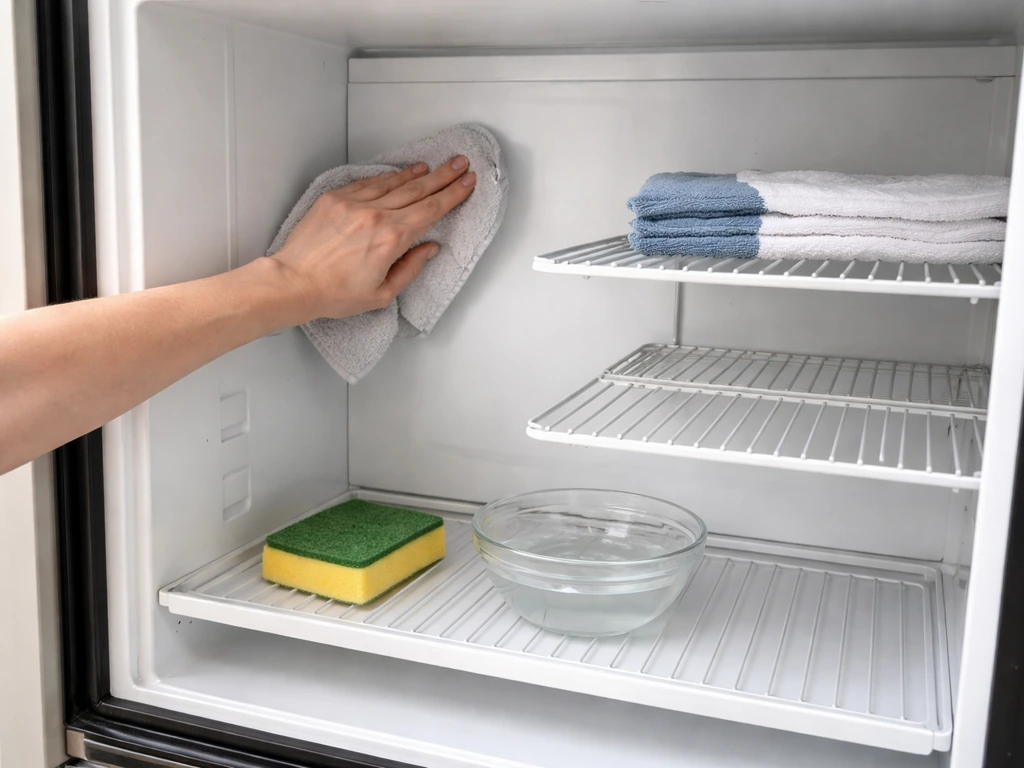
- Wipe down the interior every 4 to 6 weeks with a mild soap and water solution. Outdoor fridges deal with more temperature cycling than indoor units, which can accelerate food residue buildup and odor.
- Clean the door gasket regularly. A dirty or warped gasket lets warm, humid outdoor air into the cabinet constantly, which forces the compressor to run more and can cause moisture buildup inside.
- Clean the condenser coils once per season. On most compact outdoor fridges, these are accessible from the back or bottom. Dust and debris insulate the coils and reduce cooling efficiency.
- Wipe the exterior stainless steel with a stainless cleaner to maintain the UV-resistant coating and prevent surface corrosion, especially in coastal or humid environments.
Winter shutdown
If you live somewhere that freezes in winter, you need a shutdown plan. Most outdoor refrigerators are not rated for operation in freezing ambient temperatures, cold ambient air can cause the oil in the compressor to thicken, leading to startup failure or damage. The standard approach is to empty the fridge in fall, clean it thoroughly, prop the door open slightly (to prevent mold), unplug it, and cover it with a purpose-fit outdoor appliance cover. If you can bring it into a garage or shed for the winter, that's even better.
For compressor portables like the Dometic CFX3, winter storage is simpler: drain any moisture, store indoors, and you're set. Their 12V/AC flexibility makes them easy to move when the season changes.
Budget vs premium: what you really pay for
The price range for patio refrigerators is wide, and it's worth understanding what the money actually buys before you decide how much to spend.
| Price Range | What You Get | What You Give Up | Best For |
|---|---|---|---|
| Under $150 | Basic compact fridge (often thermoelectric or cheap compressor), no outdoor rating | Weather resistance, efficiency, longevity outside | Covered, sheltered patios in mild climates only — accept the risk |
| $150 to $350 | Outdoor-rated compact compressor fridge (4 to 5 cu. ft.), IPX4, stainless, 24-month warranty | Premium smart features, front-venting built-in capability | Most homeowners; this is the practical sweet spot |
| $350 to $700 | Higher-capacity outdoor fridge or premium compressor portable with smart controls, app connectivity, and better efficiency (79 to 83 kWh/year range) | Flush built-in installation | Serious entertainers, hot climates, or those needing portability |
| $700 and up | Purpose-built undercounter outdoor kitchen fridge, front-venting, commercial-grade materials, full UL outdoor listing | Nothing much — this is the long-term investment | Outdoor kitchens and permanent bar setups |
The honest summary: spending under $150 on an outdoor fridge is almost always a false economy. You're buying a unit that will struggle in heat, corrode in humidity, and probably fail within two seasons outside. The $150 to $350 range is where you get a genuinely outdoor-rated unit with the certifications and construction to back it up. The premium tier (above $350) gets you smarter features, better efficiency, and higher capacity, worth it if you entertain frequently or live somewhere with extreme summer heat. For most people, the mid-range outdoor-rated compact fridge is the right answer.
Your next steps before you buy
Before you add anything to your cart, take 10 minutes to run through this checklist. It will save you from a return or a burned-out compressor. If you want a quick shortcut, look at lists for the best patio coolers 2022 and compare them by size, cooling type, and outdoor rating.
- Measure your available space and note whether it's an open freestanding spot or an enclosed cabinet. Confirm you have 5 inches of clearance on all venting sides for the unit you're considering.
- Verify the outlet situation: do you have a GFCI-protected outdoor outlet within reach? If not, factor in the cost of having one installed before the season starts.
- Check the unit's outdoor rating explicitly. Look for IPX4 (or higher) or a UL outdoor listing on the product page — not just 'outdoor style' marketing language.
- Match capacity to your actual use: drinks only (under 3.2 cu. ft.) or food and drinks (4+ cu. ft.).
- Confirm the ambient temperature range in your product's spec sheet matches your local summer conditions. If you're in a hot climate, verify the unit is rated to operate at or above your typical peak summer temperature.
- Decide on your cooling method: compressor only. Avoid thermoelectric options for outdoor use in warm climates.
- Plan your winter shutdown strategy before fall arrives, especially if you're in a freeze-prone region.
Once you've done that, you'll know exactly what you need, and you won't be guessing when you're standing in the appliance aisle or scrolling through product pages at midnight.
FAQ
Can I use an indoor mini fridge on a covered patio if it stays out of direct sunlight?
If it is not explicitly labeled outdoor rated, you should still expect shorter life. Shade reduces UV damage, but humidity exposure and heat soak around the compressor electronics remain. If the listing does not specify rain, humidity, and temperature tolerance, treat it as indoor-only.
What does an IPX4 rating practically mean for rain and splashes?
IPX4 typically indicates resistance to splashing water from multiple directions, but it does not mean the unit can be hosed down or left outdoors in sustained rainfall. Place the fridge where it cannot collect runoff, and avoid positioning it under a downspout or where gutters drip.
Is thermoelectric “mini fridge” cooling ever a good choice for a patio refrigerator?
Only for drinks-only use in mild climates, and only if the unit is truly outdoor rated. In hot weather, thermoelectric systems often struggle to hold reliable food-safe temperatures and can result in warmer-than-expected drinks and faster spoilage if you store more than beverages.
How hot can a patio refrigerator run before it stops cooling effectively?
Outdoor-rated compressor units are designed to hit target temperatures at high ambient heat, but they still have limits. For best results, aim to keep the appliance shaded and well ventilated, and check the manufacturer’s stated operating temperature range for your specific model.
Should I worry about clearance and ventilation even if the fridge is in an open corner?
Yes. Even in a corner, you need the manufacturer-required clearance on the back and sides so the condenser can release heat. If airflow is restricted, the compressor runs longer, energy use increases, and reliability declines.
Can I put the patio fridge inside a cabinet or bar island?
Only if the unit is designed for that (front-venting) or if the manufacturer specifies an enclosure setup. Rear-venting models are commonly misinstalled in cabinets and overheat, so verify the venting type and ventilation requirements before installation.
Do I need a dedicated circuit, and what happens if I use a regular outdoor outlet?
A dedicated weatherproof GFCI outlet is strongly recommended. Many compact compressor fridges draw modest watts during operation, but startup surge can be higher, which can cause tripping or unstable performance if the outlet is overloaded. If you are unsure, check the unit’s amp draw in the manual.
What is a safe target temperature for storing food in a patio refrigerator?
For refrigerated food, target the same range as indoor fridges, roughly 34 to 40°F internally. If you plan to store anything perishable, verify performance after installation, especially during peak afternoon heat, rather than assuming it matches the setting.
How can I tell if my patio fridge is actually reaching temperature?
Use an independent refrigerator thermometer inside the unit for the first week. Refrigeration thermostats can be off, and ambient conditions change with patio placement, wind, and sun exposure. Confirm both average temperature and how long it takes to recover after opening the door.
Is it okay to keep a patio refrigerator covered when it is running?
No. Many covers are intended only for storage when the unit is unplugged. Covering an operating fridge can trap heat and block airflow. Use the manufacturer-recommended cover only during downtime, and never obstruct ventilation.
What is the correct winter shutdown process for an outdoor patio fridge?
If the area freezes, empty the contents, clean it, and unplug it, then follow the recommended door and covering guidance to prevent mold. If you can store it indoors or in a garage, that is usually safer for the compressor and electronics than leaving it outside.
Should I keep the door closed and not open it to avoid mold in winter?
For most models you should slightly vent the door during storage (per the manufacturer’s instructions) to prevent odor and mold buildup. If you leave it sealed tightly while unplugged for months, moisture can accumulate, especially in humid climates.
How do I reduce humidity and corrosion around the fridge?
Keep it in a shaded, sheltered spot with airflow, avoid places where water pools, and wipe the exterior after rainy stretches. If you have coastal salt air, rinsing with fresh water periodically and drying the unit helps prevent corrosion on stainless surfaces.
Will ENERGY STAR certification apply to outdoor patio refrigerators too?
Not all outdoor models are certified, but if it is available, it is a useful indicator of efficiency in its category. Even certified units may consume more in extreme heat because compressor duty cycles rise, so expect higher bills during summer peaks.
How much extra energy should I expect to pay during peak summer?
Yearly kWh estimates assume typical conditions, but peak summer heat and frequent door opening increase run time. If your patio fridge is near direct sun or an enclosed area with poor airflow, real-world energy use can exceed the published range.
Can I use a cooler or ice packs instead of a patio refrigerator for parties?
Yes, and it is often a smart complement. If you already have a compressor fridge, using an additional cooler on wheels or overflow ice storage helps avoid opening the fridge repeatedly, which improves temperature stability and reduces compressor workload.
How do I choose between a patio bar fridge and an undercounter built-in fridge?
Choose a compact freestanding or bar-cart style for flexible placement and lower cost. Choose a built-in undercounter model if you want a flush look in an outdoor kitchen and can dedicate time to correct venting and airflow design, since installation mistakes are expensive.
Alternative to patio cushions: durable, weatherproof seating options, pros, DIY tips & buying guide.

Choose the best cushion color for sun, heat, and fading in 2026, with pairing tips for patio furniture and durability.
Step-by-step guide to choose top rated patio cushions by fit, materials, weather durability, and easy cleaning for your