
For most patios, the best all-around cooler in 2026 is the YETI Tundra Haul if budget isn't a concern, the RTIC 52 QT Ultra-Light Wheeled Cooler if you want rotomolded performance at a lower price, or the Keter Patio Cooler and Beverage Cart if your priority is a stylish serving station with shelves, a bottle opener, and 360-degree wheels rather than maximum ice retention. Which one actually fits your situation depends on three things: how long your gatherings run, how many people you're serving, and whether you need a proper cooler or more of a drink-serving hub.
Best Patio Cooler Guide: Top Picks for Any Backyard

Lark Perry
5 May 2026
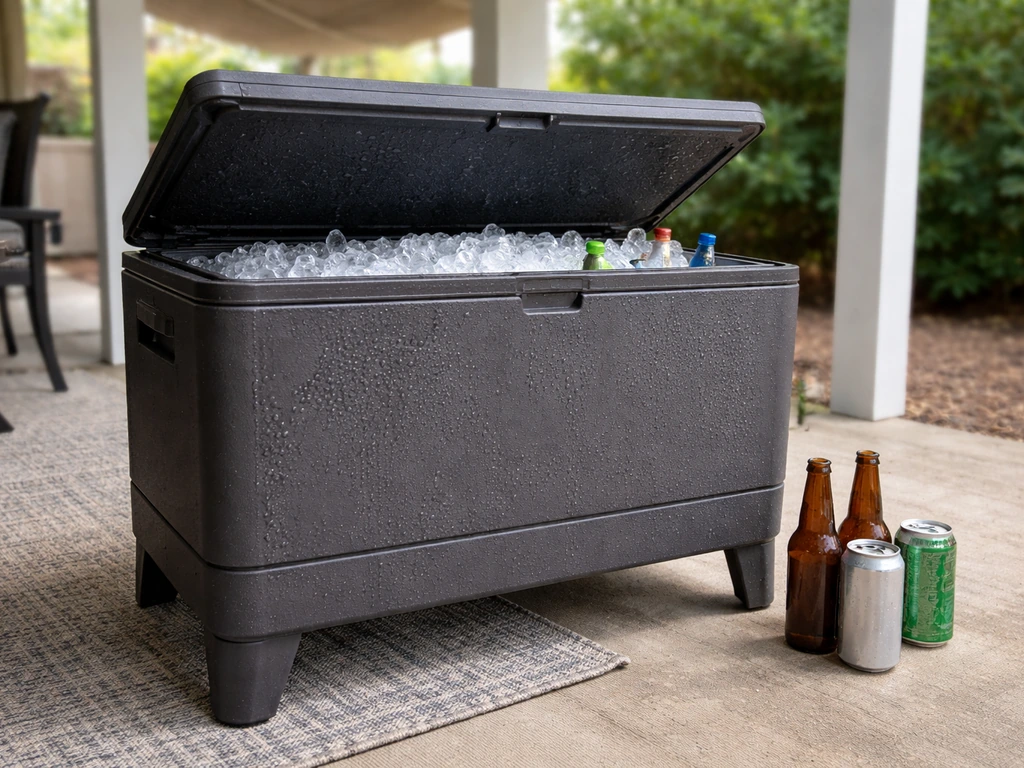
What counts as a patio cooler (and why the cooler vs. cooler cart difference matters)
A cooler is an insulated box that uses ice to keep food and drinks cold. That's the whole job. When someone talks about a patio cooler specifically, they usually mean a larger-capacity hard-sided cooler designed to sit on or near a patio, handle weather, and serve a group rather than get tossed in a truck for a camping trip.
A cooler cart (also called a patio cooler cart or beverage cart) is a different animal. It's a wheeled serving station with an insert or basin for ice and drinks, plus extras like fold-out shelves, bottle openers, and lockable casters. The Keter models are the most common example. The critical thing to know: some cooler carts, including the Keter, have little to no actual insulation. Target's own listing for the Keter 89.8-quart cart notes it 'does not have insulation to keep ice for extended periods.' So if you're hosting a four-hour summer party, a cart like this will chew through ice fast. It's a serving piece first and a cooler second.
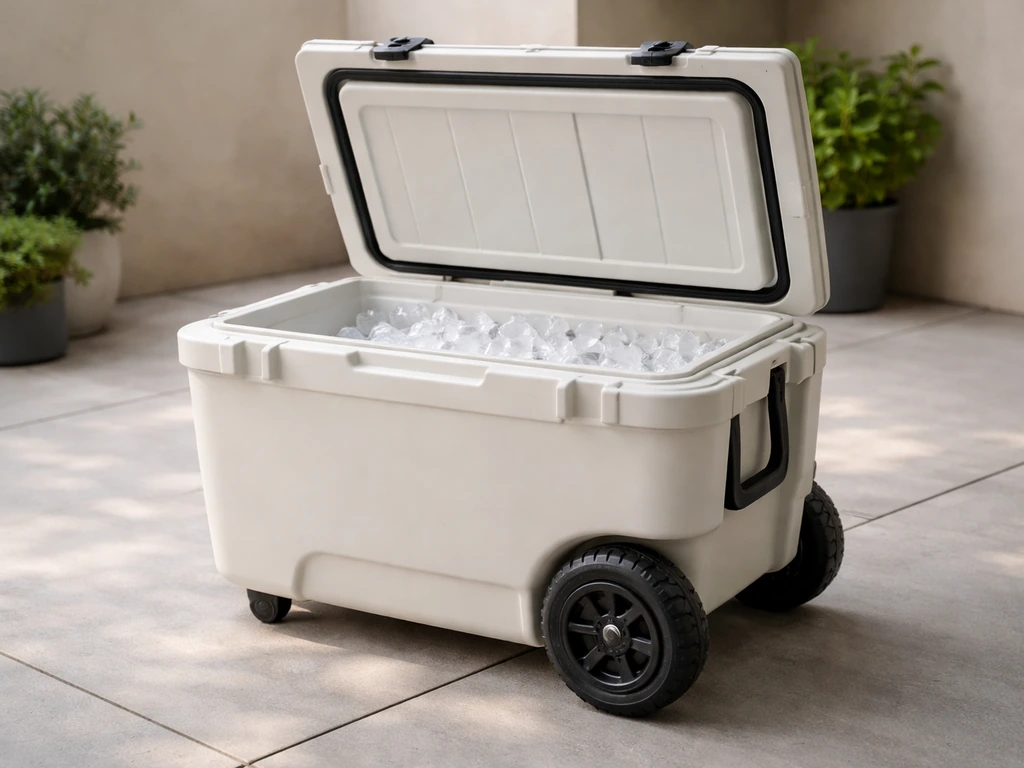
If you want something in between, a wheeled hard-sided cooler like the YETI Tundra Haul or RTIC 52 QT gives you real insulation plus mobility. They roll around, but they're built to actually keep ice for days, not hours. Knowing which category you're shopping in saves a lot of frustration after the purchase.
Quick picks: best patio cooler by use case
| Use Case | Best Pick | Why |
|---|---|---|
| Best overall patio cooler (premium) | YETI Tundra Haul | Rotomolded durability, 5–10 day ice retention when packed properly, tough wheels, freezer-quality gasket |
| Best value rotomolded wheeled cooler | RTIC 52 QT Ultra-Light Wheeled Cooler | Up to 30% lighter than similar rotomolded wheeled coolers, strong build, solid ice retention, lower price |
| Best patio cooler cart / serving station | Keter Patio Cooler and Beverage Cart (89.8 qt) | 360° locking wheels, fold-out shelves, built-in bottle opener, weather-resistant resin, stylish look |
| Best budget wheeled cooler | Coleman Flex 'N Go 62-Quart Wheeled Cooler | 97-can capacity, flip-out lid tables for serving surface, affordable, decent 2-day cold claim |
| Best for larger patio gatherings + terrain | Igloo Trailmate Journey 70 Qt | Oversized all-terrain wheels, telescoping handle, THERMECOOL insulation, big 70 qt capacity |
Best patio cooler and beverage cart: what to look for and top choices
If you're searching for the best patio cooler and beverage cart, you're really shopping for a hosting tool, not just cold storage. When you compare options, the best outdoor patio coolers typically blend strong ice retention with practical serving features for your setup. The distinction matters because the features that make a great cart (shelves, style, 360-degree rolling, built-in accessories) are different from what makes a great cooler (insulation thickness, gasket quality, ice retention). Most carts sacrifice insulation for aesthetics and convenience. That's fine as long as you go in knowing it.
The Keter Patio Cooler and Beverage Cart
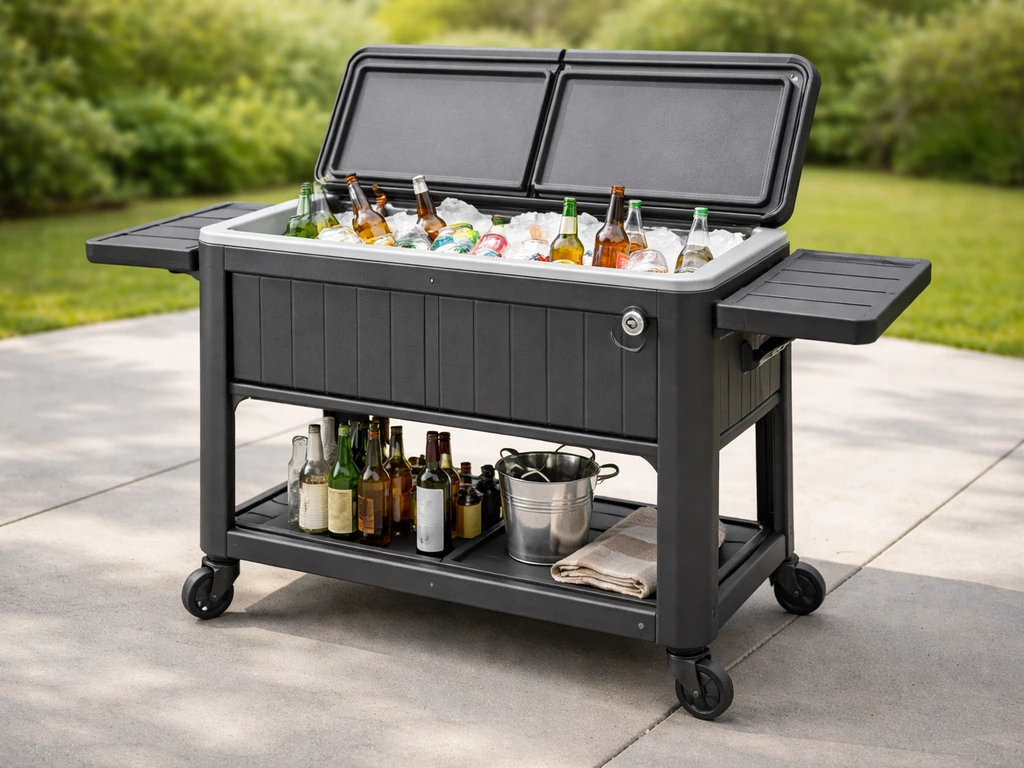
The Keter is the most popular patio cooler cart on the market right now, and it earns that position for good reasons. The 89.8-quart basin is genuinely large, the fold-out side shelves give you space to set down glasses and mixers, and the fold-down narrow shelf handles wine glasses or bottles neatly. The 360-degree wheels lock so it stays put when you don't want it rolling, and the built-in bottle opener is the kind of detail that sounds minor until you're standing there at your own party. The weather-resistant resin construction means it won't rot, fade, or peel sitting outside year-round.
The honest limitation: it's not a serious cooler. If your goal is the best patio refrigerator, focus on dedicated cold-storage features and insulation that can hold temperature reliably serious cooler. With minimal insulation, ice melts much faster than in a rotomolded hard cooler. For a two-hour evening gathering, that's no problem. For a full-day outdoor event in July, plan to buy extra ice or add a bag of block ice for slower melt. If you need real ice retention alongside the serving cart features, consider pairing a standalone rotomolded cooler with a separate cart setup.
What to look for in any cooler cart
- 360-degree swivel wheels with individual wheel locks (not just a brake bar)
- Fold-out or built-in shelves with a real weight rating, not flimsy plastic tabs
- A proper drainage plug so melted ice water doesn't become a standing problem
- Weather-resistant materials: resin or powder-coated steel holds up better than painted wood for year-round patio exposure
- Built-in bottle opener (small thing, huge quality-of-life improvement at parties)
- Removable divider tray inside the basin so you can separate drinks from food or ice types
- Capacity that fits your typical party size without the cart becoming unwieldy
Sizing and capacity: how much cooler do you actually need
Tom's Guide puts it simply: for a group of about three people on a day trip, a 40-quart cooler is enough. For a couple of days with the same group, move up to 50 to 60 quarts. Scale that math up for your patio gatherings. If you're hosting eight to ten people for an afternoon, a 52 to 62-quart cooler handles the load comfortably. Hosting a larger cookout? The 70-quart Igloo Trailmate or the 89.8-quart Keter cart give you serious volume.
One thing that trips people up: cooler capacity ratings are usually measured without ice. Tom's Guide and most gear reviewers recommend a 2:1 ice-to-contents ratio for real performance, meaning two parts ice for every one part food or drinks. A 62-quart cooler filled with that ratio holds roughly 40 quarts of actual food and beverages. Factor that in when you're sizing. Coleman lists the Flex 'N Go 62-quart at 97 cans without ice, but in real use with ice packed properly, expect something closer to 50 to 60 cans.
Also worth remembering: bigger coolers are heavier and harder to move. Tom's Guide specifically warns that larger coolers become awkward unless you have wheels. That's another argument for going with a wheeled option if you're buying anything above 50 quarts for patio use. If you want the best outdoor mini fridge for patio alongside that easy mobility, focus on models built for outdoor use and stable temperature control wheeled option.
| Party Size | Recommended Capacity | Notes |
|---|---|---|
| 2–4 people, a few hours | 40–52 quarts | A standard wheeled hard cooler handles this easily |
| 6–10 people, half-day to full day | 52–70 quarts | Move up to wheeled rotomolded or large cart |
| 10+ people, full day or evening | 70–90+ quarts | Keter 89.8 qt cart or pair two coolers |
| Multi-day outdoor events | 60–100+ quarts, rotomolded only | Insulation matters most; skip cart-style for this |
Mobility and patio fit: wheels, footprint, and stability
Wheels make a dramatic difference when you're dealing with a fully loaded 50-plus-quart cooler. A packed YETI Tundra 45 without wheels can weigh 55 to 60 pounds or more. Rolling it a few feet is fine; carrying it across a deck is a two-person job. The YETI Tundra Haul's rugged wheels and tow-behind handle were specifically designed to solve this, and they're built to handle uneven surfaces, not just smooth floors.
The RTIC 52 QT leans into a different angle: it's up to 30% lighter than comparable wheeled rotomolded coolers. That matters a lot when you're loading and unloading a full cooler solo. Lighter empty weight means you can actually move it without it becoming a project.
The Igloo Trailmate Journey 70 Qt has oversized all-terrain wheels and a telescoping handle, which is useful if your patio connects to a lawn or you roll it across stone or pavers. It's not just for hiking; those bigger wheels handle gaps between pavers and decking boards without getting stuck.
For footprint planning, measure your patio space before you buy. A 70-quart cooler with wheels and a handle extended can take up a 24 to 30-inch width and 36 to 40 inches in length easily. The Keter cart with shelves folded out can extend to 4 feet or more in width when fully deployed. Know your space before you click buy.
If you're interested in rolling coolers specifically, there are more detailed comparisons available for the best patio cooler on wheels and best rolling patio cooler categories. If you want help choosing one, check the best rolling patio cooler picks for the right size and ice-retention level. If you want a quick shortlist, start by checking which models rank as the best patio cooler on wheels for your group size and event length.
Cooling performance and durability features worth paying for
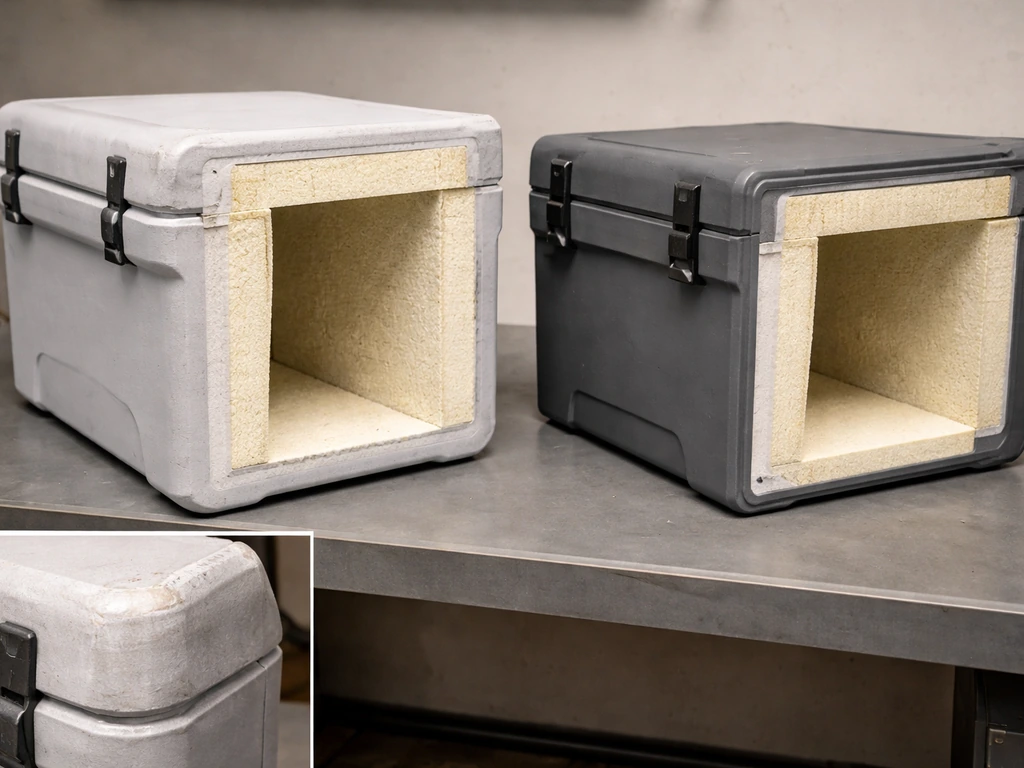
Rotomolded vs. standard hard-sided vs. cart-style
Rotomolded coolers like the YETI Tundra and RTIC Ultra-Light are built in one piece using a rotational molding process. The result is uniform wall thickness, no seams to fail, and the ability to pack in up to three inches of polyurethane foam insulation. Paired with a freezer-quality sealing gasket, these coolers can genuinely keep ice for five to ten days when packed right and kept out of direct sun. Outside Online's YETI versus RTIC comparison also supports the idea that rotomolded coolers can deliver blank" rel="noopener noreferrer">multi-day ice retention when packed properly and kept out of direct sun. That's not marketing hype; blank" rel="noopener noreferrer">GearJunkie's testing confirms that range for premium rotomolded coolers packed and maintained properly.
Standard hard-sided coolers like the Coleman Flex 'N Go use injected foam insulation and regular latches. Coleman claims two days of cold, which is realistic for casual use. They're fine for a patio gathering that runs a day or less; they just can't compete on multi-day ice retention.
Cart-style coolers like the Keter offer minimal insulation. Plan for half a day of ice at best in summer heat, and buy block ice to slow the melt if you need to stretch it. The Keter's value is in the serving experience, not cold storage.
Durability features that actually matter on a patio
- Freezer-quality lid gasket: this single feature is responsible for most of the ice-retention difference between budget and premium coolers
- Stainless steel hardware: hinges and latches rust on cheaper coolers; look for stainless or heavy-duty rust-resistant hardware
- Leakproof drain plug: YETI's gasketed drain plug is leakproof, which matters when you're draining on a deck or patio surface
- UV-resistant exterior: patios are sunbaked; cheap plastic degrades and fades quickly; look for UV-stabilized materials
- Welded or heavy-duty handles: especially on wheeled models; RTIC uses a welded aluminum handle for strength
- Non-skid feet or wheel locks: you don't want a loaded cooler sliding across a sloped deck
Getting the most out of your ice
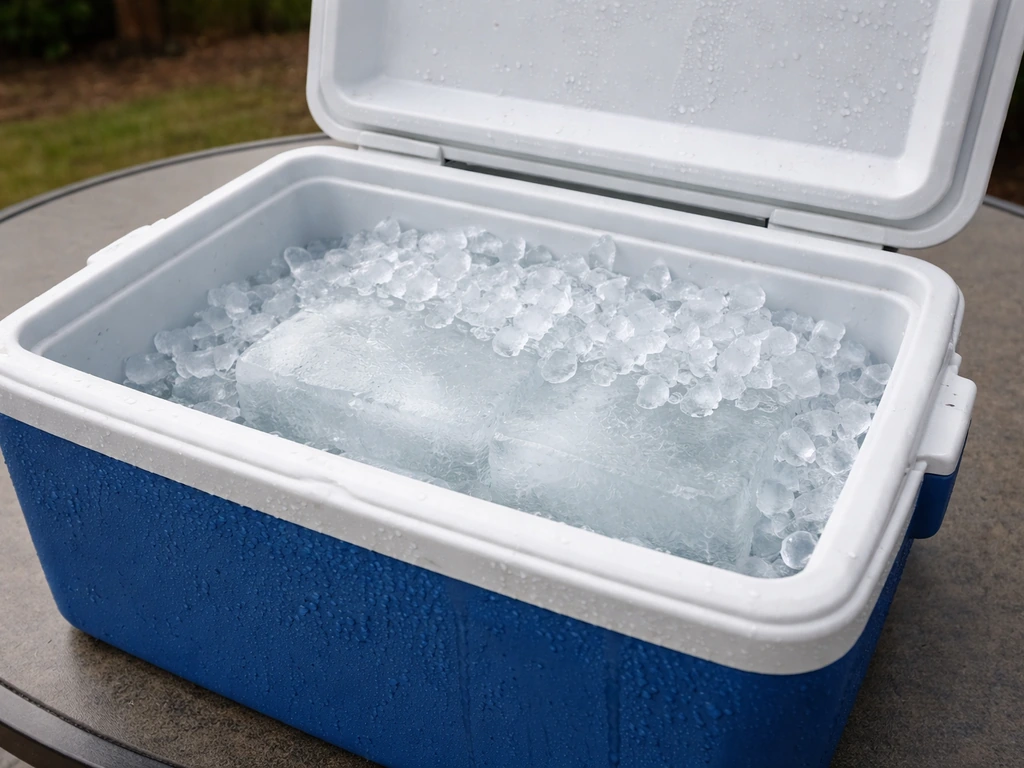
The biggest mistake most people make is loading a warm cooler with warm drinks and expecting good performance. Pre-chill your cooler the night before by leaving a bag of ice inside it overnight, then dump that and load fresh ice with pre-chilled or frozen contents. YETI, ORCA, and RTIC all recommend this, and it genuinely extends ice life significantly.
Use a mix of block ice and cubed ice. Block ice melts slower and forms the cold foundation; cube ice fills gaps and chills contents faster. WILD Coolers and Coho Outdoors both recommend a 50/50 mix for the best balance of fast chilling and slow melt. Don't drain the melted ice water too early either. That cold water is still doing work keeping your remaining ice from melting. Let it sit until it actually warms up.
Setup checklist and buying next steps
Before you buy, run through this quick checklist to make sure you're getting the right cooler and setting it up for success from day one.
- Measure your patio space: know the footprint you can dedicate to a cooler or cart, including whether you need to roll it through a door or gate (check width)
- Decide: cooler or cart? If ice retention for more than 4–6 hours matters, you want a real insulated cooler with a gasket, not a cart-style serving station
- Estimate your capacity needs: count your typical guest number, multiply by expected drinks per person (3–4 per hour is a reasonable planning number), then add food volume and apply the 2:1 ice ratio
- Choose mobility level: if the cooler will stay in one spot, wheels are nice but not critical; if you roll it around the patio or across a lawn, prioritize wheel quality and handle design
- Check the drain plug: make sure the cooler you're buying has a leakproof drain plug and that the drain location makes sense for your patio surface
- Pre-chill before first use: the night before your event, load sacrificial ice into the cooler to drop the interior temperature; dump and reload with event ice plus pre-chilled contents
- Pack smart: block ice on the bottom, contents on top, cubed ice filling the gaps; keep the lid closed as much as possible and don't drain cold meltwater until it's genuinely warm
- Place it out of direct sun: even the best rotomolded cooler loses ice faster sitting in full afternoon sun; a shaded corner or covered patio area makes a real difference
- Check cleaning instructions: most hard coolers wipe down easily; cart-style resin units like the Keter rinse with a hose; make sure you know how to clean the drain channel
- If you want something with permanent outdoor placement and plug-in cooling, look into the best patio refrigerator or best outdoor patio refrigerator options, which are better suited for always-on cold storage without ice
The bottom line is straightforward: spend more on insulation and build quality if your gatherings run long or happen in summer heat, and get wheels on anything above 50 quarts. If you're mostly hosting evening drinks and want something that looks sharp on a patio with serving convenience built in, the Keter cart is genuinely great for that purpose as long as you go in knowing ice will burn faster.
A best wooden patio cooler is typically a cooler cart or cooler-style serving setup that matches the look of your outdoor space while still keeping drinks chilled. A best outdoor patio refrigerator is a different category, but the same idea applies: prioritize temperature stability and keep heat exposure to a minimum. A best outdoor mini fridge for patio can be a great alternative when you want easy access to cold drinks without worrying about ice retention.
Match the tool to the job and you'll be happy with whichever direction you go.
FAQ
Is a cooler cart like the Keter the best patio cooler if I’m serving drinks for only a short time?
Yes, for a couple of hours it can work well as a serving station, but you should plan on frequent ice replenishment. If your drinks sit in direct sun or the cart lid stays open often, even a short party can cut ice life quickly.
What ice-to-contents ratio should I use when choosing the best patio cooler size?
Use a 2:1 ice-to-contents ratio (about two parts ice for every one part food or drinks) to translate “quarts” and “cans” ratings into real capacity. Then assume you will not fill the cooler all the way, because you need space for ice circulation around items.
Can I get good performance if I buy a cooler cart but want slower melting?
You can improve it, but not to rotomolded-level results. Use a higher percentage of block ice, keep the ice in an inner bag or bin so it is easier to replace, and place the cart in the shade to reduce melt rate.
Should I pre-chill my cooler even if it’s the day of my party?
Pre-chilling helps even if you do it just a few hours early. Load the cooler with ice (or a few frozen bottles) first, let it cool the walls, then dump and pack fresh ice right before adding drinks to avoid trapping warm surfaces.
Is block ice or cubed ice better for a patio cooler?
For best overall results, use a mix. Block ice creates a cold foundation and melts slower, while cubed ice fills gaps and chills drinks faster. If you only want one option, choose block for long events and cubes for quick chilling.
How do I keep ice water from ruining food or making everything taste “off”?
Elevate containers above the melt water by using a basket, divider, or rack, and use a leak-resistant liner if the cooler allows it. Also drain or remove melt water at intervals once you’ve chilled the contents, especially for items that should not soak.
What’s the fastest way to reduce ice melt if the cooler has no drain or limited access?
Minimize lid opening and keep the lid closed between drink runs. If you can, set up “grab zones” where people can access drinks without searching, and pack items so the next drink is immediately reachable.
How much heavier should I expect a 50-plus-quart wheeled cooler to be?
A fully packed 50-plus-quart cooler can easily tip into the 70 to 100 pound range depending on ice and drink mix. Wheels help, but if you have steps or rough deck transitions you may still need help moving it.
Are wheels really enough if my patio has pavers or uneven surfaces?
Wheels help a lot, but tire type matters. Oversized all-terrain wheels and a telescoping handle are better for pavers and gaps, while smaller wheels can get snagged on grout lines or deck seams.
What patio space should I measure before buying the best patio cooler?
Measure not only the footprint, but also the “swing and deployment” space if it has shelves or a pull handle. For cart-style units, confirm the fully extended width does not block doorways or walking paths when the shelves are deployed.
Should I store the cooler outside year-round or bring it inside?
If it’s weather-resistant resin, like many cart-style units, it can stay out, but keep it under cover if possible to extend shelf life. For premium rotomolded coolers, leaving it in harsh sun accelerates wear and can shorten lid gasket life over time.
What if I need cold drinks but don’t want the hassle of ice management?
If “open it and grab” access is the priority and ice retention is not your goal, a patio mini fridge or outdoor refrigerator-style option can be easier. It avoids ice replenishment, but it requires power and usually costs more upfront.
Next Articles
Best Patio Refrigerator Guide: Pick the Right Outdoor Fridge
Find the best patio refrigerator with capacity, cooling, noise, energy, outdoor ratings, placement tips, and best-for pi
Alternative to Patio Cushions: Durable, Stylish Options and DIY
Alternative to patio cushions: durable, weatherproof seating options, pros, DIY tips & buying guide.
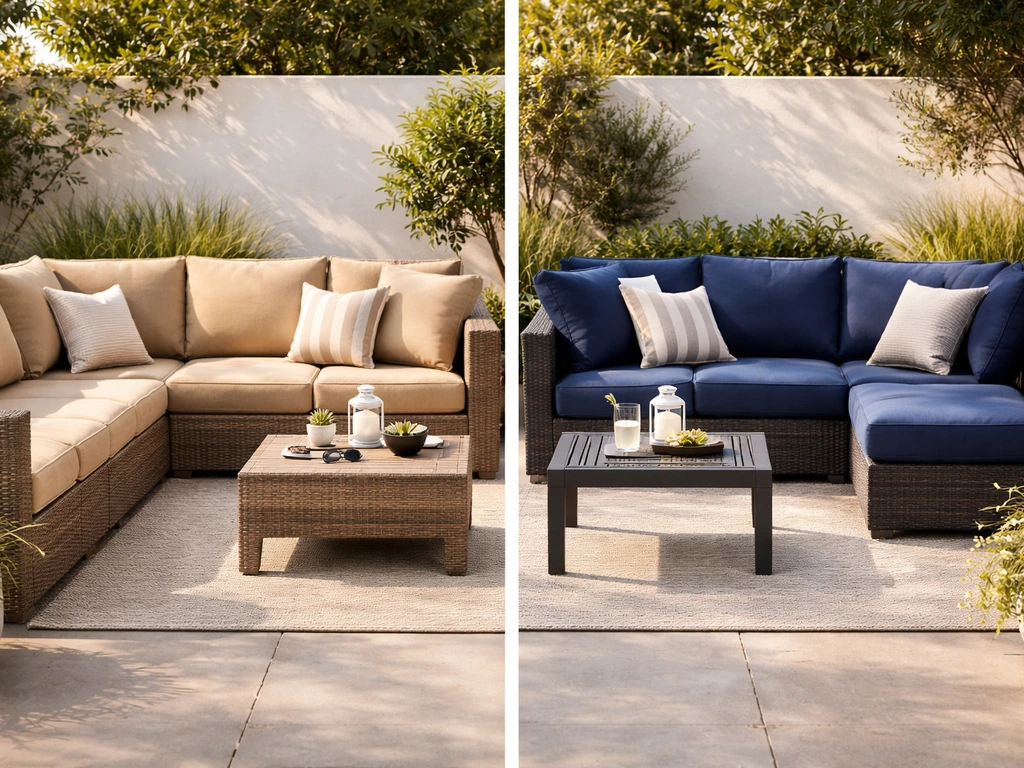
Best Color for Outdoor Patio Cushions in 2026
Choose the best cushion color for sun, heat, and fading in 2026, with pairing tips for patio furniture and durability.