
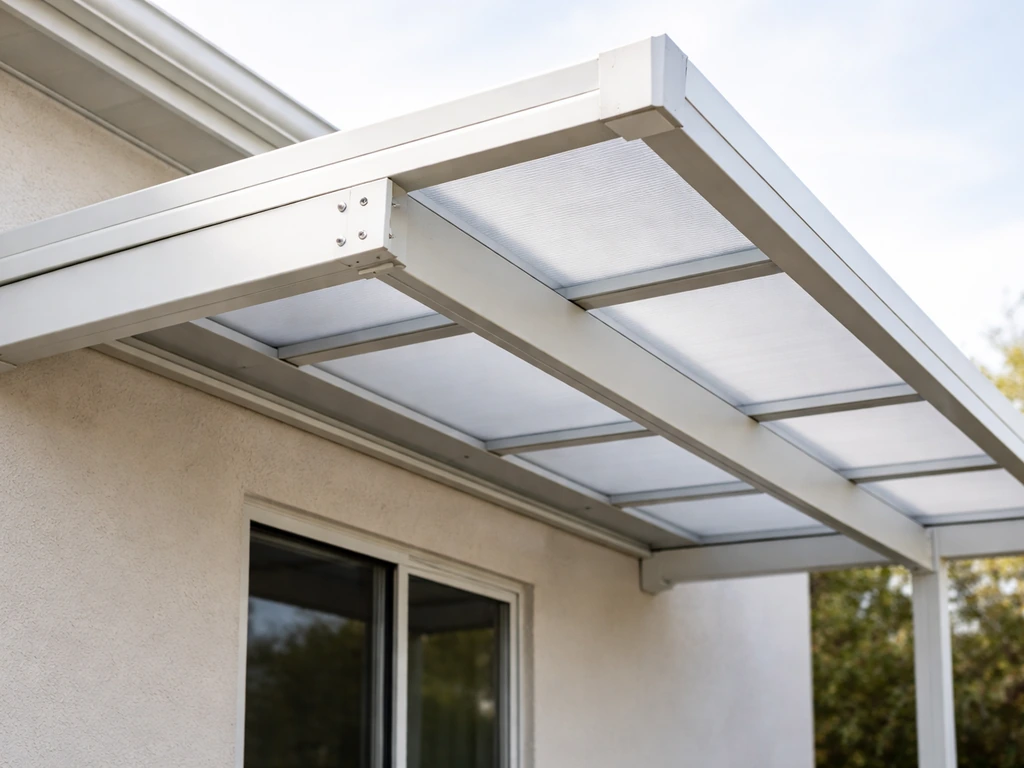
A well-built aluminum patio cover, properly installed and maintained, will last 20 to 40 years. Budget-grade kits with thinner extrusions and basic powder coat tend to hit the lower end of that range. Commercial-grade or custom-fabricated systems with heavy-gauge aluminum, quality hardware, and correct flashing regularly push past 30 years with minimal intervention. The biggest variables are not the aluminum itself (which doesn't rot or rust) but the coating, the fasteners, the drainage design, and how well the whole thing was attached to your house.
How Long Do Aluminum Patio Covers Last? Lifespan Guide
Lark Perry
23 Jun 2026
Realistic lifespan by cover type and build quality
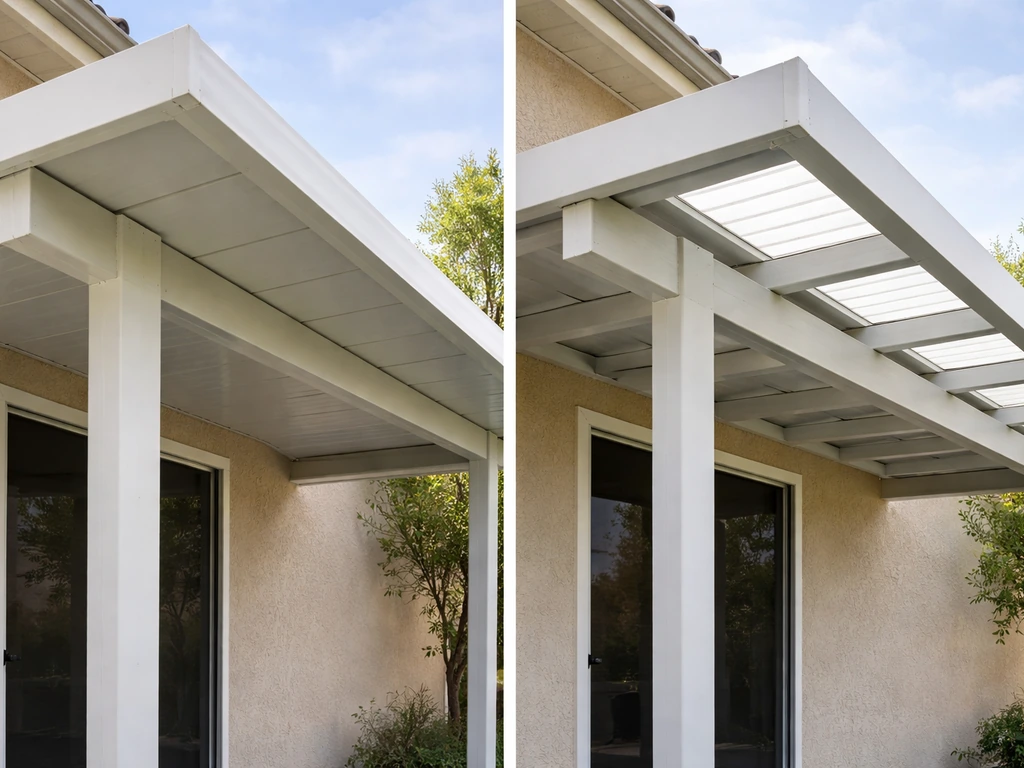
Not all aluminum patio covers are built the same, and the category you're buying into has a lot to do with how long you can realistically expect it to last.
| Cover Type | Typical Lifespan | Notes |
|---|---|---|
| Solid roof panel system (attached) | 25–40+ years | Heavy-gauge extrusions, engineered for structural loads; longest-lived option |
| Louvered aluminum pergola (motorized or manual) | 15–30 years | Moving parts (louvers, motors, gaskets) are the weak point; frame itself outlasts the hardware |
| Freestanding aluminum pergola kit | 15–25 years | Depends heavily on powder coat quality and fastener grade; kits vary widely |
| Flat/low-slope panel cover | 20–35 years | Drainage design is critical; poor slope accelerates panel and fastener wear |
| Sloped patio cover (5/12 pitch or steeper) | 25–40 years | Self-draining geometry protects fasteners and seams; tends to outlast flat systems |
| Bare/mill-finish aluminum (no coating) | 10–20 years | Oxidizes and pits faster without a protective finish; less common in residential covers |
Powder coat quality matters enormously for the long end of these ranges. Coating manufacturers like Interpon structure film integrity warranties at 10, 20, or 30 years depending on the environment and specification grade selected. A cover built with a 30-year powder coat spec is fundamentally different from one finished with a basic architectural coat, even if they look identical at the showroom. Companies like Lone Star Patio Builders back their aluminum products with a limited lifetime warranty, while kit brands like PERGOLUX and BON Pergola typically offer 10-year warranties that cover the frame and coating but have specific exclusions around coastal environments and hardware compatibility.
What actually shortens (or extends) the life of an aluminum cover
The real killers
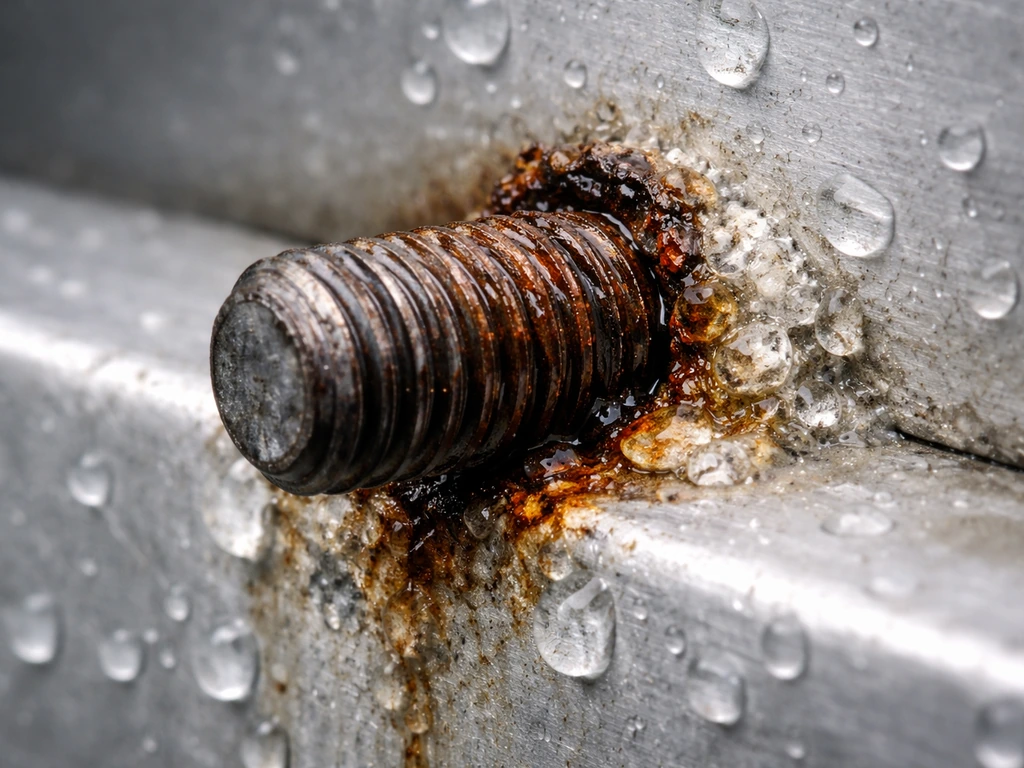
- Galvanic corrosion from mismatched metals: When steel screws, zinc-coated hardware, or copper components contact aluminum in a wet environment, electrochemical corrosion begins at those contact points. The British Stainless Steel Association notes that stainless steel fasteners in aluminum are generally acceptable, but aluminum fasteners holding stainless components flip the polarity and accelerate corrosion on the aluminum side. Mixed-metal kits and DIY repairs using whatever hardware is on hand are a common cause of early joint failure.
- Powder coat breakdown: UV exposure and thermal cycling crack or peel the coating, exposing bare aluminum to oxidation and pitting. Once the coating is compromised in a spot, moisture and UV damage spread outward quickly.
- Water pooling and poor drainage: Flat covers or covers installed without adequate slope trap standing water at seams, panel joints, and around fasteners. Even aluminum panels will fail prematurely at those joints if water sits consistently.
- Flashing failures at the house attachment: The point where your cover meets the exterior wall is the most failure-prone area of any attached system. Bad flashing, missing sealant, or fasteners into wood without proper backing creates a moisture pathway that damages both the cover structure and your home's wall.
- Wind uplift from undersized or incorrect attachment: The 2024 International Building Code's Appendix I requires patio covers to be designed for specific wind and live loads. Covers that weren't engineered for local wind speeds, or that were attached to the house framing incorrectly, can fail structurally long before the material wears out.
- Hail and impact damage: Repeated hail impacts dent panels and crack powder coat, turning a surface issue into a corrosion entry point over time.
What extends the lifespan
- Specifying all-aluminum or stainless hardware throughout (no zinc die-cast, no plain steel screws)
- Proper pitch at installation — even 1/8 inch per foot of slope makes a significant difference in drainage
- Correct flashing and counterflashing at wall connections, sealed with compatible sealant
- High-spec powder coat (20-year or 30-year film integrity specification)
- Keeping debris, leaves, and standing water cleared from panels and gutters
- Annual inspection and touch-up of any coating chips before they spread
How climate and location change what you should expect
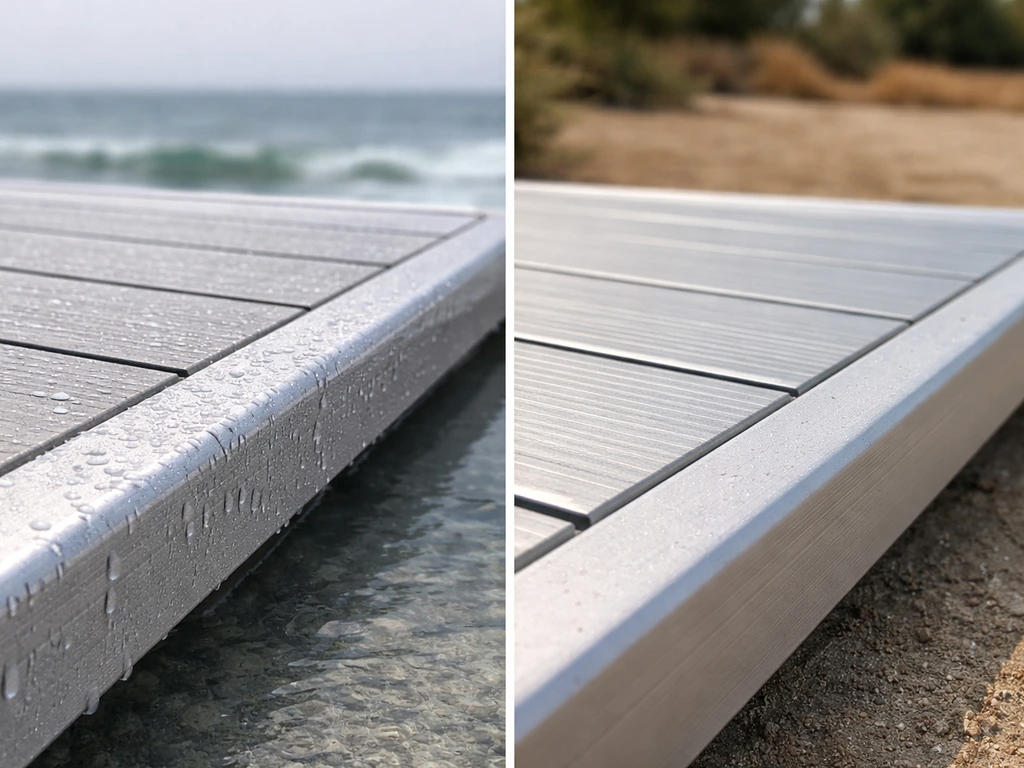
If you live within a mile of saltwater, your aluminum cover is operating in a fundamentally different environment than a cover in a dry inland climate. Salt spray is an electrolyte that dramatically accelerates galvanic corrosion wherever dissimilar metals touch, and it attacks powder coat adhesion even on properly specified coatings. Envision Pergola explicitly limits its coastal warranty coverage for structures within one mile of saltwater, and Quickscreen's warranty similarly calls out coastal environments as elevated-exposure zones with modified fastener compatibility expectations.
In coastal and marine zones, a realistic lifespan for a standard residential aluminum cover drops to 15–25 years rather than 25–40, unless you're using marine-grade specifications throughout: higher powder coat specs, 316 stainless hardware instead of 304, more frequent maintenance, and more thorough annual rinsing. In Fort Worth, TX, that coastal-style risk shows up only in specific microclimates, but choosing the right specifications can still make a big difference in how long aluminum patio covers last. In high-UV desert climates (Phoenix, Las Vegas, inland Southern California), coating degradation is the primary concern rather than corrosion. In snow-load climates, the structural attachment and panel pitch matter more because accumulated snow applies significant live loads that an undersized or improperly attached cover may not handle over decades.
| Climate Type | Primary Durability Threat | Adjusted Lifespan Estimate | Key Mitigation |
|---|---|---|---|
| Coastal/Marine (within 1 mile of saltwater) | Galvanic corrosion, coating adhesion failure | 15–25 years | 316 SS hardware, marine-grade powder coat, monthly rinsing |
| High UV/Desert | Powder coat fading, chalking, cracking | 20–30 years | High-spec powder coat, semi-annual cleaning |
| High humidity/subtropical | Moisture intrusion, mold, fastener corrosion | 20–35 years | Proper slope, sealed seams, annual inspection |
| Snow/freeze-thaw climates | Structural load, panel deflection, joint fatigue | 25–40 years | Engineered snow load rating, correct pitch, hardware checks each spring |
| Mild temperate (no extremes) | General UV and weathering | 30–40+ years | Routine cleaning and annual inspection |
Maintenance that actually moves the needle
The good news is that aluminum covers are among the lowest-maintenance outdoor structures you can own. The bad news is that the small amount of maintenance they do need is easy to skip, and skipping it for a few years in a row is how a 35-year cover becomes a 15-year problem.
Annual inspection checklist
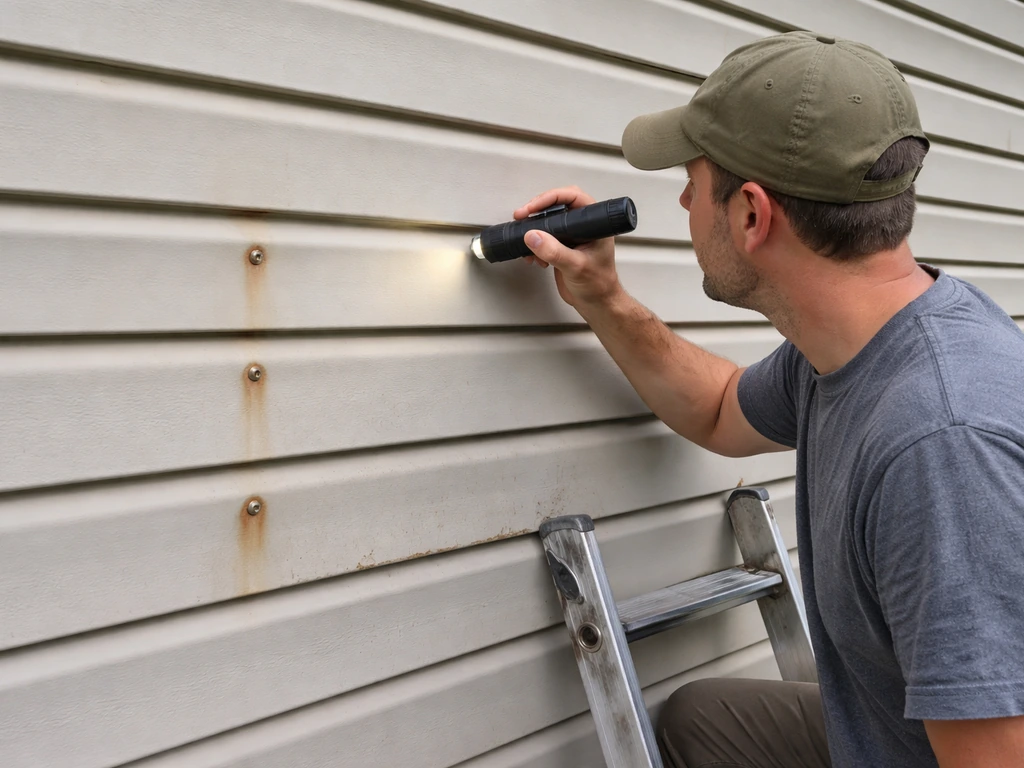
- Walk the perimeter and look at every fastener head visible from the ground or a ladder. Any rust staining, white oxidation halos, or loose screws need immediate attention.
- Check the flashing and caulk line where the cover meets the house wall. Press gently on the caulk bead with a finger — it should be flexible and continuous, not cracked or separating at the edges.
- Inspect panel surfaces for coating chips, scratches, or areas where the finish looks chalky or powdery. These are early signs of UV degradation.
- Look at beam joints, post bases, and brackets for any signs of white or gray oxidation or surface pitting. Minor oxidation is cosmetic; deep pitting at structural joints is a repair flag.
- Check for any sag or visible deflection in the roof panels, especially after winter if you're in a snow climate. Panels should look uniformly flat or sloped, not bowed.
- Clear any debris from gutters, panel valleys, and downspouts. Standing organic material (leaves, seed pods, dirt) holds moisture and accelerates localized corrosion.
Cleaning the right way
For routine cleaning, a mild dish soap mixed in warm water applied with a soft brush or cloth is all you need. Patio Kits Direct recommends a diluted household detergent in a sprayer, applied and then rinsed off thoroughly. The rinse step matters: soap residue left on powder-coated aluminum can cause dullness and surface degradation over time. AGS's aftercare guidance specifically emphasizes complete rinsing after any cleaning product application. Feeney's powder coat care guide adds a useful caution: don't clean powder-coated aluminum when temperatures are at or near freezing, because cold surfaces combined with certain cleaning agents can damage the coating integrity.
Avoid pressure washing directly at seams, screws, or the junction between the cover and the house wall. If you're wondering how aluminum patio covers sound in the rain, the design and installation details can make a noticeable difference. High-pressure water forces moisture into gaps that normal rainfall never reaches. A garden hose on a standard spray setting is fine for rinsing. Stay away from abrasive scrubbers, solvent-based cleaners, and anything with bleach or ammonia on coated surfaces. Lone Star Patio Builders specifically recommends increasing cleaning frequency during high pollen seasons, because pollen buildup combined with moisture is mildly acidic and will work on coatings over time.
Touch-up and spot repair
When you find a coating chip or scratch during inspection, touch it up promptly with a matching powder coat touch-up pen or compatible alkyd enamel. This is a 10-minute job that prevents a cosmetic scratch from becoming a corrosion entry point. For caulk that's cracking or separating at the wall junction, cut out the old bead completely, clean the surface, and apply fresh polyurethane or silicone sealant rated for exterior aluminum contact. Don't just caulk over old failed caulk.
Signs your cover is aging and when to repair vs. replace
Most aluminum covers give you clear visual signals before they actually fail. Catching these early keeps you in repair territory instead of replacement territory.
Early-stage warning signs (repair is usually worthwhile)
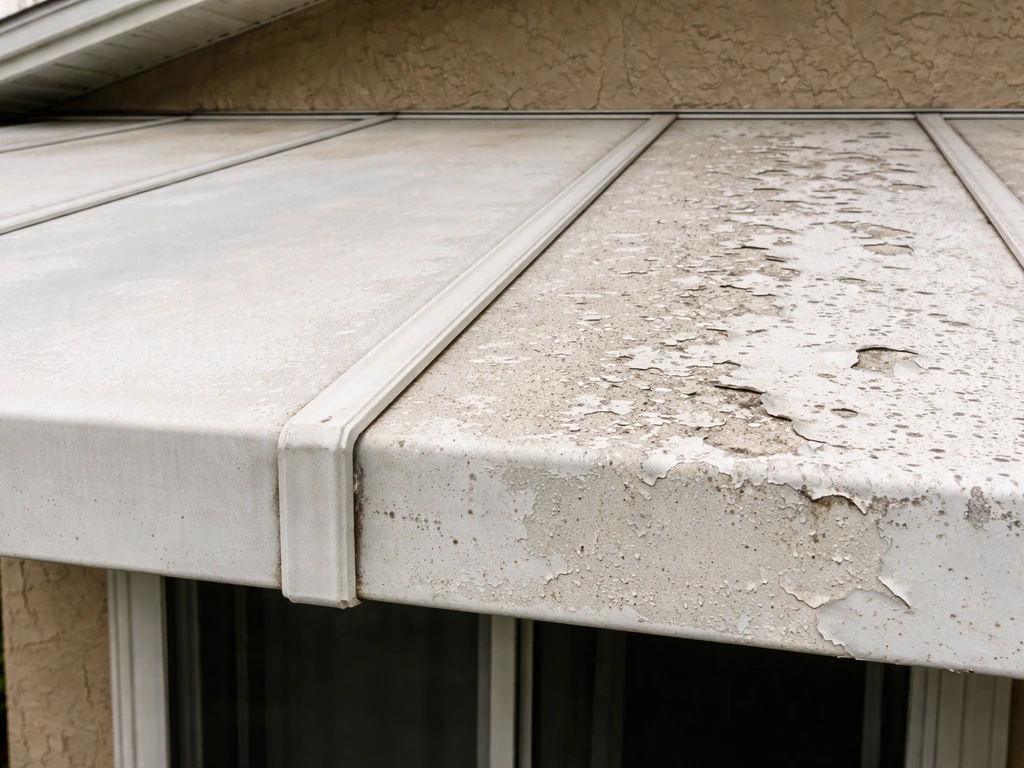
- Powder coat fading, chalking, or isolated peeling on panel surfaces — addressable with cleaning, minor touch-up, or professional recoating
- Single or isolated fastener heads showing rust staining — swap the hardware for stainless equivalents before the staining spreads to surrounding aluminum
- Caulk failure or cracking at the wall connection — straightforward resealing job
- Minor leaks at a single panel seam — likely a failed gasket or sealant bead, both replaceable
- Loose beam or bracket — usually a fastener issue, fixable if the substrate is still sound
- Water stains on the underside of panels from a single area — points to a specific drainage or sealing issue, not systemic failure
Late-stage warning signs (replacement is often the smarter call)
- Widespread powder coat peeling across multiple panels, exposing bare aluminum with visible pitting — the surface has failed structurally as a corrosion barrier
- Multiple fastener points showing deep corrosion or the fasteners are pulling through the aluminum — the structural attachment is compromised
- Visible sag or deflection across a significant span — indicates either structural failure or severe panel damage that repair won't resolve economically
- Chronic leaking at the wall connection despite multiple resealing attempts — often means the flashing was installed incorrectly and the fix requires pulling the whole cover away from the wall
- Post bases or anchor points showing corrosion at the concrete interface — if the structural footings are compromised, repair costs often approach replacement cost
- Cover is 25-plus years old and showing several of the above issues simultaneously — at that age, money spent on major repairs is usually better put toward a replacement that comes with a current warranty and better materials
The general rule: if the aluminum frame itself is structurally sound and the issues are surface-level (coating, sealant, isolated hardware), repair. If the frame shows structural compromise, or if you're stacking multiple repairs on a cover that's already well past its expected midpoint, replacement makes more economic sense. A replacement also resets your warranty clock, which matters if you're in a coastal or high-UV environment where conditions will keep working against the cover.
Installation quality is a bigger factor than most people realize
Two identical aluminum covers installed in the same climate can have dramatically different lifespans if one was installed correctly and the other wasn't. The IBC 2024 Appendix I requires patio covers to handle specific dead loads, live loads, and wind/seismic loads. ICC-ES standard AC340 sets out the testing criteria that evaluated patio cover systems must meet for structural performance. A cover that wasn't designed or installed to meet local wind speed and snow load requirements isn't just a safety issue, it's a cover that will fail structurally years before the aluminum itself would.
Specific installation details that directly affect lifespan: the ledger attachment must hit actual house framing (not just sheathing), flashing must divert water away from the wall and not create a pocket, post bases must keep aluminum off direct concrete contact (or use appropriate isolation tape), and all fasteners should be stainless or all-aluminum from the start. If you're buying from a local installer, ask specifically what fastener spec they use and how they flash the wall connection. Those two questions tell you a lot about whether they're building for longevity or just for speed.
Cost and planning timeline for replacement
If your cover is approaching the 20-year mark, start budgeting for replacement in the next 5 to 10 years even if it looks fine today. Covers rarely fail suddenly, they telegraph problems for years, but getting competitive quotes and planning for the expense in advance is a lot less stressful than reacting to a failure during a wet spring.
For a professionally installed attached solid-roof aluminum cover, installed prices in most U.S. markets currently run from roughly $8,000 to $25,000 depending on size, pitch, and finish level. High-end custom systems or louvered pergola installations from brands like Solara push the upper end of that range considerably higher. Kit-based freestanding aluminum pergolas range from $1,500 to $6,000 for the materials, plus installation if you're not doing it yourself.
When comparing replacement options, use lifespan alongside purchase price: a $12,000 cover that lasts 35 years costs about $340 per year. A $6,000 cover that lasts 15 years costs $400 per year and comes with more maintenance along the way. That math shifts in favor of better-specified systems pretty quickly, especially if you're staying in the home long-term.
Before signing any contract, ask for the warranty documentation in writing, confirm whether the warranty is with the manufacturer or the installer, and find out specifically what voids coverage. Coastal proximity, specific cleaning products, and fastener substitutions are common exclusions that can leave you unprotected if you're not aware of them. If you're comparing multiple aluminum cover systems, checking detailed reviews and real-owner experiences is worth the time before committing, performance differences between brands are real and sometimes significant at the 10-year mark. Looking through aluminum patio covers reviews can also help you spot which brands keep their powder coat and warranties in real-world conditions checking detailed reviews and real-owner experiences.
What to do today
If you already have an aluminum cover, do a quick visual inspection this week using the checklist above. Catching a failed caulk bead or a rusting fastener head now is a 30-minute fix. Ignoring it for another season is how that 30-minute fix turns into a wall moisture problem or a structural repair.
If you're shopping for a new cover, prioritize: (1) correct structural sizing for your local wind and snow loads, (2) all-stainless or all-aluminum hardware throughout, (3) a powder coat specification with at least a 20-year film integrity warranty, and (4) an installer who can show you exactly how they detail the wall flashing. The IFI 20 Year Limited Warranty document explains how coating-film warranties are structured, including the conditions and exclusions that affect whether coverage applies a powder coat specification with at least a 20-year film integrity warranty. Get those four things right and a 30-plus year cover is a reasonable expectation rather than an optimistic one.
FAQ
How can I tell whether my aluminum patio cover is aging normally or starting to fail early?
Look for early indicators like powder coat chalking, rust staining at fastener heads, lifting edges on caulk at the wall junction, and water staining that repeats after rain. If the same spot stays wet longer than other areas, it usually means flashing or drainage is trapping moisture rather than the aluminum itself failing.
Does aluminum ever “rot” or weaken the way wood covers do?
Aluminum does not rot, but it can still lose performance if the attachment points corrode or if water gets behind the ledger and damages underlying framing. That is why inspecting fastener condition and the wall connection is just as important as inspecting the visible roof panels.
How long do aluminum patio covers last if they are freestanding versus attached to the house?
Freestanding covers often last longer at the wall connection because they have fewer exposure points where water can get into the structure. Attached covers gain lifespan when the ledger is properly anchored to framing and flashing is installed to prevent a water pocket, otherwise the wall area becomes the weak link.
What maintenance schedule actually helps covers reach the longer lifespan range?
Aim for a light cleaning at least once or twice per year, then add a third clean if you get heavy pollen or nearby trees. Do a seasonal visual check after winter and before peak summer, focusing on caulk seams, panel overlaps, and any fasteners showing discoloration.
Can I extend lifespan by repainting or re-coating an older aluminum cover?
Sometimes, but it depends on the condition of the existing film. If powder coat is extensively chalked, peeling, or has adhesion failure, a simple paint over often won’t bond well. Recoating is usually most effective when the surface is properly cleaned, decontaminated, and prepared so the new coating can adhere to intact areas.
Is it safe to use a pressure washer to clean an aluminum patio cover?
Usually not. The risk is forcing water into seams, under lap joints, or into the ledger/flashing gap. If you must rinse with a washer, use the lowest pressure, keep the nozzle farther from joints, and never target screw lines or the junction where the cover meets the wall.
What’s the most common mistake that shortens how long an aluminum patio cover lasts?
Skipping rinse steps after using cleaning products. Soap or acidic residue can dull or degrade powder coat over time, especially in sun-exposed areas. Another common mistake is re-caulking over failed caulk instead of removing the old bead and resealing with an exterior-rated product.
Are stainless and 316 stainless hardware interchangeable for longevity?
They are related, but 316 stainless is typically better for coastal and marine conditions because it resists chloride-driven corrosion more effectively. In salt-spray zones, using the correct fastener grade can be the difference between a mid-range lifespan and the longer end of the expectations.
If a panel or section gets damaged, should I repair it or plan on full replacement?
Repair is usually the right move when damage is isolated to coating scratches, a single loose fastener, or localized sealant failure. Replacement becomes more practical when structural attachments are compromised, multiple sections show repeated moisture entry, or the cover is already past its expected midpoint and repair costs will stack up.
Does snow load reduce the lifespan of aluminum patio covers?
Snow can shorten lifespan if the cover was undersized or installed with improper panel pitch and attachment spacing, because repeated overloading stresses connections long before the aluminum itself looks damaged. If you regularly experience deep or wet snow, confirm the cover’s design addressed local dead load, live load, and wind exposure.
What warranty details should I look for that directly affect how long the cover will last?
Ask for the film integrity term on the powder coat, and read the exclusions for coastal proximity, cleaning chemicals, and fastener substitutions. Also confirm whether the warranty is issued by the manufacturer for the product components or only by the installer for workmanship, because they can have very different coverage limits.
How soon should I touch up a scratch or chip to prevent later corrosion?
As soon as you notice it, ideally within the same season. A small exposed area can become a corrosion entry point if moisture reaches the damaged spot, especially at fastener lines or near the wall where water runoff concentrates.
Next Articles
Alternative to Patio Cushions: Durable, Stylish Options and DIY
Alternative to patio cushions: durable, weatherproof seating options, pros, DIY tips & buying guide.
Best Color for Outdoor Patio Cushions in 2026
Choose the best cushion color for sun, heat, and fading in 2026, with pairing tips for patio furniture and durability.
Top Rated Patio Cushions: How to Choose Fast and Right
Step-by-step guide to choose top rated patio cushions by fit, materials, weather durability, and easy cleaning for your