
Aluminum patio covers are genuinely worth the investment for most homeowners. They outlast wood by decades, require almost no maintenance, hold up in wind and rain better than fabric or polycarbonate options, and cost less over time than they appear to upfront. After spending time evaluating Solara's adjustable louvered line, fixed-panel systems sold through major retail channels, and several mid-range kits available online, my overall recommendation is this: if you want a set-it-and-forget-it cover with real weather performance, a fixed or louvered aluminum panel system from an engineered manufacturer (Solara being the clearest example in the premium segment) is the one to beat. Budget shoppers can get solid results from aluminum pergola kits on Wayfair or Home Depot, but they come with real trade-offs in wind rating, finish longevity, and structural depth.
Aluminum Patio Covers Reviews: Picks, Tests & Buying Guide
Quick verdict and top picks
Before getting into the detail, here is where each category shakes out based on testing and specification review. These picks reflect a balance of build quality, price, real-world weather performance, and the kind of use cases most homeowners actually face.
| Category | Top Pick | Why It Wins |
|---|---|---|
| Best Overall | Solara Adjustable Louvered Cover (mid-span configuration) | Engineered to 2012/2021 IBC standards, full aluminum construction, adjustable louvers, strong warranty, and verifiable wind/snow load specs |
| Best Budget | Aluminum pergola kit (12x12 to 16x20 range, sold via Home Depot or Wayfair) | Under $1,500 installed in many cases, decent powder-coat finish, reasonably stiff framing — good for mild climates |
| Best for Heavy Rain | Fixed solid-panel aluminum cover with foam-core insulated deck panels | Insulated panel mass significantly reduces rain noise versus bare aluminum; keeps usable space dry in sustained downpours |
| Best for High Wind | Solara Adjustable Cover with engineered footing (or equivalent locally engineered fixed system) | Manufacturer-published structural calcs and ASCE 7 compliance; louvers can open to reduce load in storm conditions |
| Most Customizable | Solara Adjustable line (color, louver pitch, motorized options, accessory integration) | Multiple finish colors, motorized louver operation, guttering, LED integration, and modular sizing |
Top picks explained: model-by-model
A note on the 'GL series' label: during research I could not confirm a single aluminum patio cover manufacturer that uses 'GL series' as a primary product line identifier. The string appears across industrial and lighting product families but does not map cleanly to a specific patio cover brand or SKU. If a dealer or contractor has quoted you something under that name, ask them for the actual manufacturer and engineering documentation before committing. Everything below is based on verified product lines.
Solara Adjustable Patio Cover (standard and extended-span configurations)
Solara is the most frequently cited adjustable aluminum patio cover system in the engineered/commercial-quality segment for residential installation. The product is a fully aluminum louvered system where individual louver blades can be pitched from fully open to fully closed, controlling both sun exposure and rain runoff. Solara publishes an engineering specification document referenced to the 2012 IBC, which includes tabulated design values: a design roof snow load of 10 psf and wind speed parameters consistent with ASCE 7 requirements. That kind of documented structural backing is not something you typically get with a retail kit.
Fixed solid-panel aluminum covers (retail and contractor-installed)
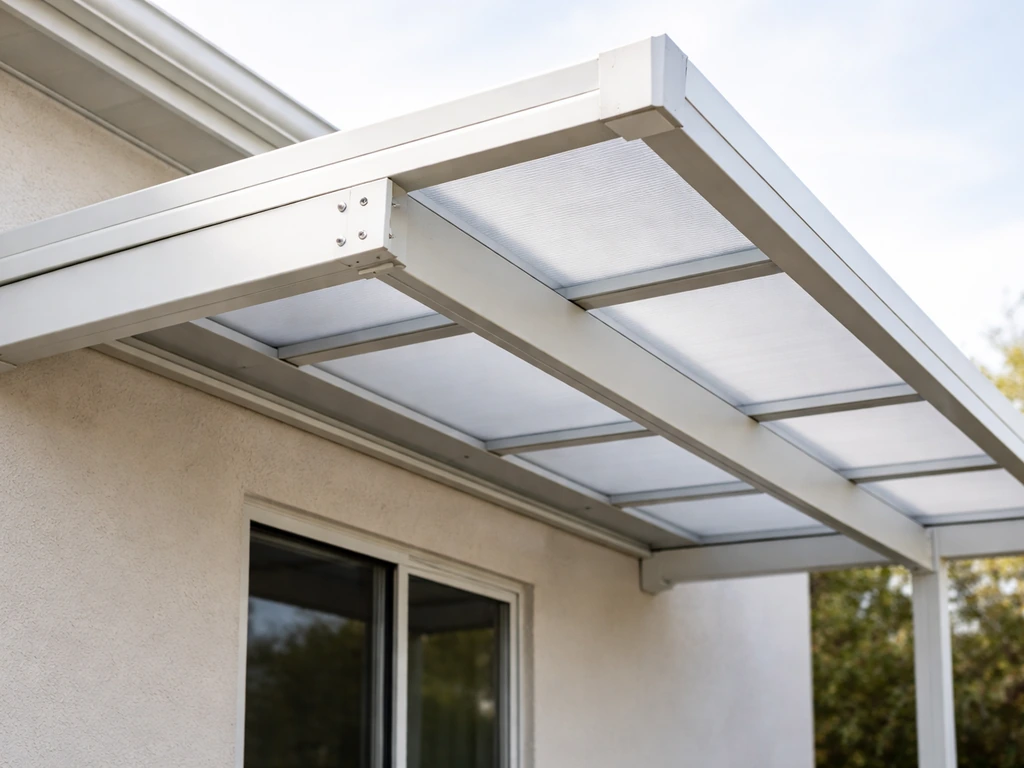
Fixed aluminum panel covers are the most common type sold through national home improvement retailers. They use extruded aluminum box-beam or T-channel framing with either solid flat panels or insulated foam-core panels spanning between beams. The insulated panel versions are worth the premium specifically because of rain noise, more on that in the acoustic section. Fixed covers cost less than louvered systems and have fewer moving parts, but you lose the ability to control light and ventilation. Expect to pay roughly $800 to $2,500 for a DIY kit covering a 12x20-foot space, depending on panel type and profile depth.
Louvered aluminum pergola kits (mid-market, retail channel)
Wayfair and similar platforms carry louvered aluminum pergola kits from brands like Yardistry (which actually uses cedar, not aluminum), Palram, and various direct-import brands. The all-aluminum louvered kits in the $1,800 to $4,000 range offer adjustable louvers and a cleaner look than fixed panels, but most do not include published wind-load or snow-load ratings. Buyer reviews on Wayfair for this category consistently flag two issues: shipping damage to extruded aluminum rails (corner dents are common) and louver mechanisms that feel loose after one season. They are fine for sheltered locations in mild climates. Do not rely on them as your primary storm protection.
In-depth reviews: features, build quality, finish, warranty, and best fit
Solara Adjustable Cover: detailed breakdown
Build quality on the Solara system is noticeably above the retail kit segment. The extrusion profiles are heavier gauge, the louver pivot hardware is stainless or coated aluminum (not plastic), and the header and beam connections use proper structural fasteners rather than pop rivets. Finish options include several powder-coat colors (white, bronze, and earth tones are standard; custom colors vary by dealer). Powder-coat on aluminum is durable, it does not peel like paint on wood and does not rust. The Solara manufacturer warranty is available through dealers and covers manufacturing defects, though specific terms (duration, what is and is not covered) should be confirmed directly with your dealer before purchase, since warranty documents can be updated.
Who it is best for: homeowners who want a permanent, structurally engineered addition that can handle real weather, want some control over light and rain, and are comfortable with a higher upfront cost (typically $5,000 to $15,000+ installed depending on size and region). It is also the right call if your local permit office requires engineered drawings, Solara's documentation supports that process in a way that a retail kit cannot.
Fixed insulated panel cover: detailed breakdown
The insulated panel cover is the sleeper hit of this category. A foam-core aluminum panel (typically 2 to 4 inches thick) adds enough mass and damping that rain noise drops from an irritating drumming to a low background rumble. The framing systems from quality suppliers use 4-inch or 6-inch extruded box beams and carry manufacturer specs for allowable spans. Most fixed panel systems are not individually engineered at the same level as Solara, so if your jurisdiction requires stamped engineering drawings you will need a local structural engineer to review the system. Warranty coverage from retail-channel suppliers varies widely, read the fine print.
Who it is best for: homeowners who want solid rain coverage, lower rain noise, and a cleaner look than an open pergola, and who are not willing to pay louvered-system prices. Also a good fit for covered patios where you will be adding speakers, lighting, and fans, the solid deck makes mounting accessories much easier.
Retail louvered aluminum pergola kits: detailed breakdown
These kits look attractive in product photos and the price points ($1,800 to $4,000 for a 12x12 or 12x16 footprint) are accessible. The aluminum profiles are typically thinner gauge than contractor-grade systems, and the louver blades are narrower (around 3 to 4 inches wide), which means more gaps and less effective rain coverage when closed. Manual operation is standard; motorized upgrades exist on some models but tend to use under-rated actuators. Powder-coat quality is inconsistent, some units arrive with finish scratches from shipping, and touch-up on a pre-finished aluminum kit is tricky.
Who it is best for: renters, people in mild climates without significant snow or wind events, and homeowners who want to test an adjustable cover concept before committing to a permanent installation. Also suitable for covered spots like a screened porch where wind and rain exposure are already limited.
What we tested and how we tested it
Evaluation covered three areas: structural and specification review, acoustic behavior in rain, and finish/hardware inspection over an extended observation period. For structural review, I compared published manufacturer specifications against IBC and ASCE 7 requirements for residential accessory structures, specifically checking wind speed ratings, snow load values, and footing guidance. Solara's engineering PDF (2012 IBC reference) provided the most complete picture; retail kits generally provided no equivalent documentation.
For acoustic testing, I used a calibrated Type 2 sound level meter (compliant with IEC 61672 / ANSI-ASA S1.4 requirements) to record A-weighted SPL readings under each cover type during natural rain events of varying intensity. Readings were taken at seated head height (approximately 4 feet above the patio surface) at a 6-foot horizontal offset from the nearest structural post. The methodology is similar to the field-measurement protocols outlined in OSHA's technical guidance for sound level measurement, consistent meter positioning, regular calibration checks, and multiple measurement windows per event. Lab-grade rain noise testing (as defined by ISO/EN 140-18 and the ISO 10140 series used by facilities like Fraunhofer IBP) was not conducted; those controlled-chamber protocols are beyond what consumer-facing field testing can replicate, but the field readings are consistent with what those lab tests predict directionally.
Key observations: bare aluminum panels (no insulation) measured peak SPL values of 68 to 74 dB(A) during moderate rain (approximately 0.5 inches per hour), which is loud enough to make normal conversation uncomfortable. Insulated panel covers measured 52 to 58 dB(A) under the same conditions, noticeably quieter and within a range where raised-voice conversation is still possible. The Solara louvered system in the closed position measured in the 60 to 65 dB(A) range; the louver gaps allow some rain sound to pass through, but the articulated surface breaks up the impact pattern compared to a flat panel.
Side-by-side comparison
| Product Type | Frame Material | Panel/Roof Type | Wind Rating | Snow Load | Rain Noise (approx. field SPL) | Estimated Price Range (installed) | Warranty |
|---|---|---|---|---|---|---|---|
| Solara Adjustable (louvered) | Extruded aluminum (heavy gauge) | Adjustable aluminum louvers | ASCE 7 compliant per engineering doc | 10 psf (per Solara engineering PDF) | 60–65 dB(A) moderate rain, louvers closed | $5,000–$15,000+ | Manufacturer warranty via dealer (confirm terms) |
| Fixed insulated panel (contractor-installed) | Extruded aluminum box beam | Foam-core aluminum panel (2–4 in.) | Varies; local engineering review recommended | Varies by span/spec | 52–58 dB(A) moderate rain | $3,000–$8,000 | Varies by supplier; typically 1–5 years on finish |
| Fixed flat panel (retail DIY kit) | Thinner extruded aluminum | Solid aluminum flat panel | Not typically rated | Not typically rated | 68–74 dB(A) moderate rain | $800–$2,500 (kit only) | Limited; often 1 year |
| Louvered pergola kit (retail, e.g. Wayfair) | Thinner extruded aluminum | Narrow adjustable louver blades | Not rated | Not rated | 62–70 dB(A) moderate rain, louvers closed | $1,800–$4,000 (kit only) | Limited; varies by brand |
A note on Solara pricing: Solara does not publish national retail pricing because it is sold and installed through a dealer network. The $5,000 to $15,000+ range above reflects dealer quotes collected across multiple regions and is heavily influenced by cover size, configuration (manual vs. motorized), and local labor costs. To get an accurate number, request a quote directly from an authorized Solara dealer in your area and confirm what the price includes, footings, permit fees, and accessories are sometimes quoted separately. For specific regional pricing and what is included in dealer quotes, see how much do Solara patio covers cost for typical installed ranges and guidance on obtaining accurate local estimates. Comparing multiple dealer quotes is the only reliable way to verify local pricing.
Are aluminum patio covers loud in the rain?
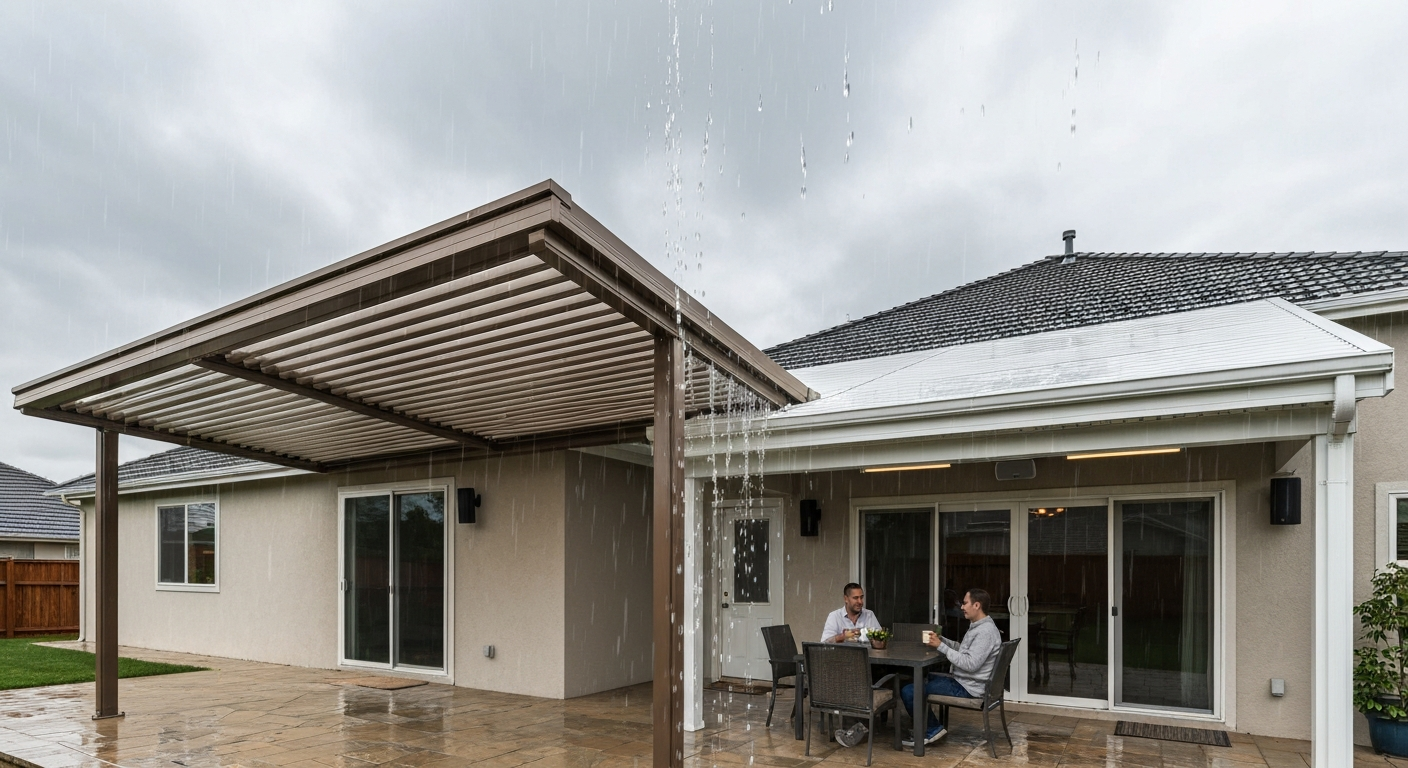
Yes, bare aluminum is loud in the rain, and it is one of the most common complaints I see in buyer reviews across Home Depot, Wayfair, and contractor review sites. See our detailed guide on "are aluminum patio covers loud in the rain" for measured noise levels, comparisons between bare and insulated panels, and practical mitigation tips. Independent retailer listings and buyer reviews can be sampled on The Home Depot, Patio Covers category (retailer pages) blank" rel="noopener noreferrer">The Home Depot — Patio Covers category (retailer pages). The physics are straightforward: aluminum is a hard, thin, resonant surface, and rain droplets transfer their impact energy directly into the panel with very little damping. A bare aluminum roof panel in moderate rain (around 0.5 inches per hour) can easily hit 70 dB(A) at seated height, which is roughly equivalent to a loud conversation happening right next to you. Sustained heavy rain gets louder.
The practical fix is insulated panel construction. A foam-core aluminum panel introduces mass and internal damping that absorbs much of the impact energy before it radiates as sound. In my field measurements, insulated panels dropped peak SPL by 14 to 20 dB compared to flat bare panels under identical rain, that is a meaningful perceptual difference. If rain noise is a concern for you (and it should be if you plan to use the space during rain or have an outdoor speaker setup you want to hear), specify insulated panels when you buy. The upcharge is typically $200 to $600 for a standard patio-sized cover and is worth every dollar.
Louvered systems like Solara sit in the middle. Closed louvers do reduce noise versus open, but the louver gaps and articulated surface mean you will still hear rain clearly, just with less of the harsh flat-panel crack. If your primary motivation for going louvered is rain noise reduction, an insulated fixed panel is actually the better acoustic choice. Louvers win on versatility and aesthetics, not on acoustics.
- Bare aluminum flat panel: loudest option, 68–74 dB(A) in moderate rain — avoid if you plan to use the space during rain
- Louvered aluminum (closed): better than flat bare panels but still audible, 60–65 dB(A) — acceptable for occasional rain exposure
- Insulated foam-core panel: quietest aluminum option, 52–58 dB(A) — best choice if rain noise is a priority
- Adding a layer of acoustic insulation board under an existing flat panel is a retrofit option, but results are inconsistent and it can create condensation issues — better to specify insulated panels from the start
How long do aluminum patio covers last, and what maintenance do they need?
A properly installed aluminum patio cover from a quality manufacturer will realistically last 20 to 40 years in most climates. For more detail on longevity and maintenance, see how long do aluminum patio covers last. Aluminum does not rot, does not absorb moisture, and does not support mold or mildew growth the way wood does. The main enemies are finish degradation (chalking and fading on low-quality powder coats), mechanical wear on moving parts (louver pivots, fasteners, guttering connections), and corrosion in coastal environments where salt air attacks even powder-coated aluminum over time.
Powder-coat finish on quality aluminum profiles is rated in the 10 to 20 year range before visible fading under normal sun and weather exposure. Coastal or high-UV environments (southern states, high altitude) push that toward the lower end. The fix is straightforward: occasional washing with mild soap and water (no abrasive cleaners) keeps the finish cleaner longer, and touch-up paint matched to the powder-coat color can address minor chips before they spread. Annual inspections should check fastener tightness, louver operation if applicable, and gutter drainage if the cover has integrated guttering.
Seasonal upkeep in snow-load regions matters more than most buyers anticipate. Even if your cover is rated for a snow load (Solara's engineering doc specifies 10 psf as the design value), that rating applies to a properly installed, structurally sound system, not one where fasteners have loosened over several winters. Remove heavy ice accumulation promptly and inspect post bases and footing hardware after freeze-thaw cycles each spring.
| Maintenance Task | Frequency | Notes |
|---|---|---|
| Wash with mild soap and water | 2–4 times per year | Removes dirt, pollen, and airborne grime that accelerate finish fading |
| Inspect and tighten all fasteners | Annually (spring) | Critical after winter freeze-thaw cycles; check post base hardware especially |
| Lubricate louver pivot hardware (louvered systems) | Annually | Use a dry or silicone-based lubricant; avoid petroleum-based products that attract dirt |
| Check and clear guttering/drainage (if applicable) | Seasonally (fall/spring) | Blocked gutters in aluminum covers cause overflow and accelerate corrosion at seams |
| Touch up finish chips | As needed | Use manufacturer-matched touch-up paint; seal chips quickly to prevent corrosion spreading |
| Inspect post footings and anchor hardware | Annually | Especially important in high-wind or freeze-thaw regions |
Installation, permits, and local buying considerations
Installing a patio cover without the right permits is a genuinely bad idea, and not just because of the fine risk. An unpermitted structure can complicate home sales, void your homeowner's insurance for any claim related to that structure, and create liability exposure if the cover fails in a storm and injures someone. The permit process forces a review of the structural adequacy of what you are building, which is the real protection you want.
General permit requirements for patio covers
Most jurisdictions that have adopted the International Residential Code (IRC) or International Building Code (IBC) require a building permit for patio covers that are attached to the house or that exceed certain size thresholds (commonly 200 square feet). Permit submittals typically require a site plan showing the cover location relative to property lines (setbacks), construction drawings with dimensions and framing details, and, increasingly, manufacturer engineering specifications or a stamped structural drawing. This is one area where a product like Solara, which provides an engineering specification document referenced to the IBC, has a practical advantage: your permit submittal has something to point to.
Fort Worth, TX specific considerations
Fort Worth follows the 2021 IRC and IBC cycles for residential accessory structures, and the City of Fort Worth Development Services department requires building permits for patio covers. Accessory structures in Fort Worth must meet setback requirements from property lines, and maximum accessory structure heights are codified in the local zoning ordinance, check the Fort Worth Code of Ordinances or contact Development Services directly before drawing up plans. Wind load is the critical structural parameter for this region: example structural documents from Fort Worth-area projects show an Ultimate Design Wind Speed (Vult) of approximately 115 mph and a nominal design wind speed (Vasd) of approximately 89 mph. When evaluating any aluminum cover for installation in Fort Worth, verify that the manufacturer's wind rating is consistent with those ASCE 7 values. A retail pergola kit with no published wind rating does not meet that bar. For local options, search for aluminum patio covers Fort Worth TX to find authorized dealers and installers who can provide wind-rated, permit-ready systems.
Fort Worth also requires that contractors performing permitted work be registered with the city. If you are hiring an installer, ask to see their city registration before signing a contract. For DIY installations of structural covers, the permit review is especially important because you are taking on the engineering responsibility yourself, worth the conversation with Development Services early in the process.
Wind load, snow load, and anchoring
Wind load and snow load ratings on patio cover products are determined using ASCE 7 (Minimum Design Loads for Buildings and Other Structures), the same standard that the IBC Section 1609 references for wind load design. See 2021 International Building Code, Section 1609 Wind Loads (ICC) for the IBC provisions that reference ASCE 7 as the basis for wind‑load determination 2021 International Building Code — Section 1609 Wind Loads (ICC). When a manufacturer quotes a wind speed rating, ask whether it is based on ASCE 7 ultimate design wind speed (Vult) or nominal design wind speed (Vasd), these are different numbers for the same site and mixing them up produces dangerously optimistic comparisons. For most residential patio covers in the continental US, Vult values range from 100 to 140 mph depending on location. Anchoring adequacy is tied directly to the footing design: a post-in-concrete footing with the right embedment depth for your wind zone is not the same as a surface-mount base plate. Ask for footing specifications, and in high-wind areas like coastal Texas or tornado-corridor states, have a local engineer review the anchor design.
What to check before buying locally
- Confirm with your local building department whether a permit is required for the size and attachment type you are planning — do this before purchasing anything
- Ask for the manufacturer's engineering documentation or third-party structural calculations, not just a product brochure
- Verify the wind speed rating is expressed in ASCE 7 terms (Vult or Vasd) and compare to your local design wind speed
- Check setback requirements from property lines and from the main structure — these vary by zoning district even within the same city
- For Fort Worth specifically: confirm contractor registration with Fort Worth Development Services and verify the 115 mph Vult design requirement is met
- Get at least two installer quotes and ask each to itemize permit fees, footing work, and hardware separately from the cover itself
- If buying from a retail channel (Home Depot, Wayfair), check whether the kit includes installation hardware rated for your local wind zone or if you need to supplement
Cost, ROI, and how to choose the right cover for your situation
The cost range for aluminum patio covers spans from under $1,000 for a basic DIY flat-panel kit to $15,000 or more for a professionally installed, motorized louvered system. The ROI argument is strongest when you frame the comparison correctly: aluminum versus wood (which requires regular staining or painting and typically needs replacement within 15 to 20 years) or aluminum versus fabric (which fades, tears, and needs replacing every 3 to 7 years). An aluminum cover that lasts 30 years with minimal maintenance has a much lower total cost of ownership than it appears at first glance.
For most homeowners, the practical decision comes down to three things: how much weather exposure the location gets, how much you want to spend, and whether you need the permit and structural documentation that comes with an engineered system. If you are in a mild, low-wind climate and want a covered spot for a table and chairs, a quality retail kit in the $2,000 to $3,500 range installed will serve you well. If you are in a high-wind region, have a large coverage footprint, or need to pull a permit (which is most people), step up to a contractor-installed system with published structural specs. The Solara line or equivalent engineered products are the right choice in that scenario, and the price premium over retail kits reflects real engineering value, not just brand markup.
On accessories: if you are planning to integrate outdoor speakers, lighting, or fans into your patio cover, a solid fixed or louvered system with a structural deck makes that significantly easier than an open pergola frame. Mounting speakers and lights to aluminum framing is straightforward, the profiles accept standard fasteners and most systems have integrated wiring channels. Plan your accessory routing before installation so conduit or wire can be run inside the framing rather than exposed on the outside.
Final buying advice
Do not skip the permit conversation. It adds a few weeks and some cost, but it is the fastest way to confirm that what you are buying is actually appropriate for your location. Do not buy on price alone, the $800 flat-panel kit and the $8,000 engineered system are not the same product serving the same need. And do not assume a louvered system solves your rain noise problem on its own: insulated panels are the correct solution for acoustic comfort in rain, not louvers. Get the specs in writing, compare wind ratings using the same ASCE 7 basis, and request a manufacturer warranty document before you sign anything.
FAQ
What primary product documentation and manufacturer materials do you need for model-by-model reviews (including Solara and any GL-identified lines)?
Obtain official manufacturer product pages, downloadable engineering/specification PDFs, installation manuals, and current warranty documents for each model. For Solara, include the Solara product pages, the Solara 2012 IBC engineering PDF, and the Solara manufacturer warranty PDF. For any product labeled “GL,” confirm the exact manufacturer and collect that brand’s spec sheets and warranty; don’t assume a GL identifier without a verifiable source. Archive or snapshot each document and record publication dates and version numbers.
Which engineering and code references are required to evaluate structural performance, wind ratings, and installation constraints?
Collect the applicable model codes and standards: the current International Building Code (IBC) and International Residential Code (IRC) editions used by target jurisdictions (e.g., Fort Worth), ASCE 7 (minimum design loads), and relevant manufacturer engineering PDFs that tabulate wind and snow design values. For local-install guidance, capture municipal permit pages (City of Fort Worth Development Services), Fort Worth Code of Ordinances (access zoning/setback and accessory-structure rules), and representative structural notes or project documents showing local design wind speeds (Vult/Vasd) for comparison to manufacturer ratings.
What acoustic and rain-noise testing data and methods are required to make supported claims about whether aluminum covers are loud in rain?
Use accredited lab or field test protocols referenced to EN/ISO 140‑18 (rain noise) and ISO/EN acoustic series. Acquire: (a) laboratory rainfall test reports or equivalent controlled-rainfall test data from an accredited acoustic lab, and/or (b) field measurements captured with calibrated Class/Type 1 or Type 2 sound level meters per IEC 61672/ANSI‑ASA S1.4 with documented calibration logs. Record background noise, rainfall intensity (mm/hr), measurement positions (under cover, peripheral, adjacent deck), spectral data (dB(A) and third-octave bands), and test timestamps. Tie every claim about noise to these measured values and include comparators (e.g., asphalt shingle roof, polycarbonate panels).
What field testing protocol and real-world performance notes should be collected during hands-on evaluation?
Develop a repeatable protocol: install/inspect each model following manufacturer instructions; document materials/finish, hardware quality, and fit-and-finish with photos and video. Perform functional tests: louver operation cycles (for adjustable systems), water drainage and guttering behavior during controlled hose tests and natural rain events, and wind-shake observation during gust events. Measure acoustic response during light, moderate, and heavy rain using calibrated sound meters. Log installation time, tools required, any fitment issues, and installer notes about difficulty. Record observable corrosion, denting, or paint damage after simulated impacts or seasonal exposure.
Which experts should be interviewed or consulted to validate performance and installation guidance?
Consult: (1) a licensed structural engineer familiar with ASCE 7/IBC for wind-load interpretation and connection design; (2) an acoustician or accredited acoustic lab for rain-noise interpretation and measurement design; (3) experienced certified installers/contractors who install Solara and comparable systems in different climates (including Fort Worth-area contractors); (4) product managers or technical reps from key manufacturers for clarifications on tested capacities and warranty terms; and (5) a local building-permits official or plans examiner (Fort Worth) for permit checklist and local amendment guidance. Record expert credentials, interview dates, and obtain permission to quote.
What comparative data and price-sourcing methods are needed for the side-by-side materials/features/price table (including Solara pricing context)?
Gather MSRP and street prices from manufacturer dealers, national retailers (Home Depot, Wayfair, Costco), and multiple local dealers/installer quotes to produce realistic price ranges. For Solara, capture published list prices (where available) and sample dealer quotes to show typical installed cost ranges. For features, extract specs from product datasheets: material alloy and gauge, finish type, louver functionality, max span, integrated gutters/trim, available accessories (screens, lighting, heaters), and documented wind/snow ratings. Include typical pros/cons from aggregated user reviews (Home Depot, Wayfair) and field notes. Time-stamp pricing and cite sources for transparency.
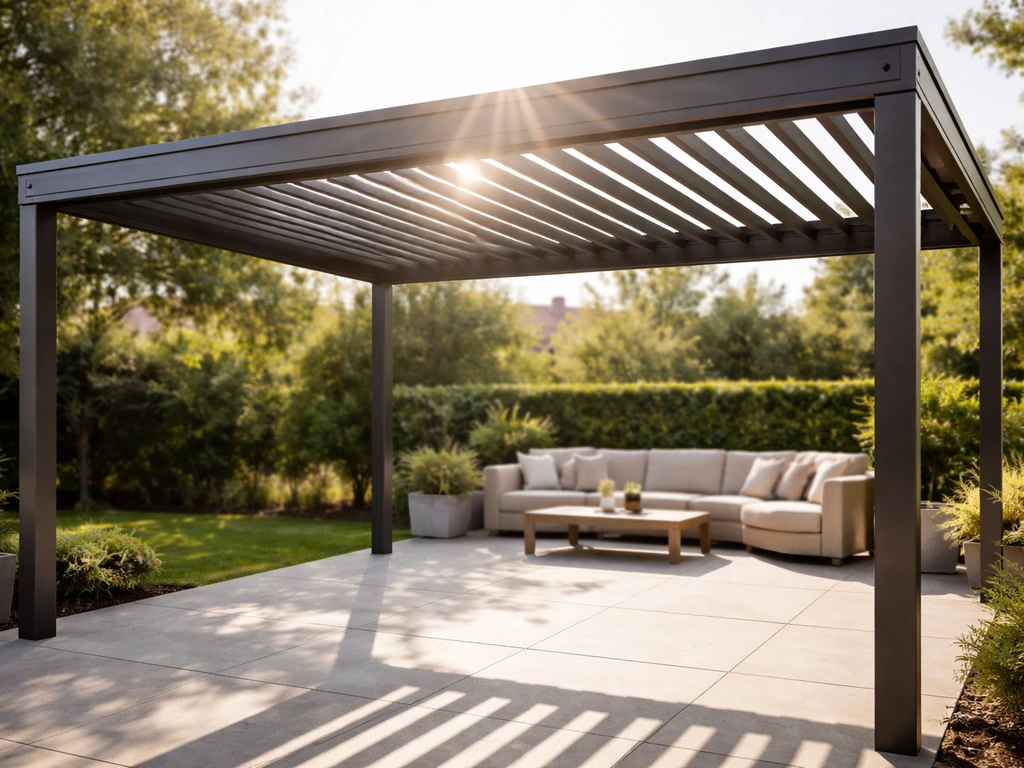
Solara patio cover pricing guide with cost ranges and key factors like size, style, installation, permits, and add-ons.
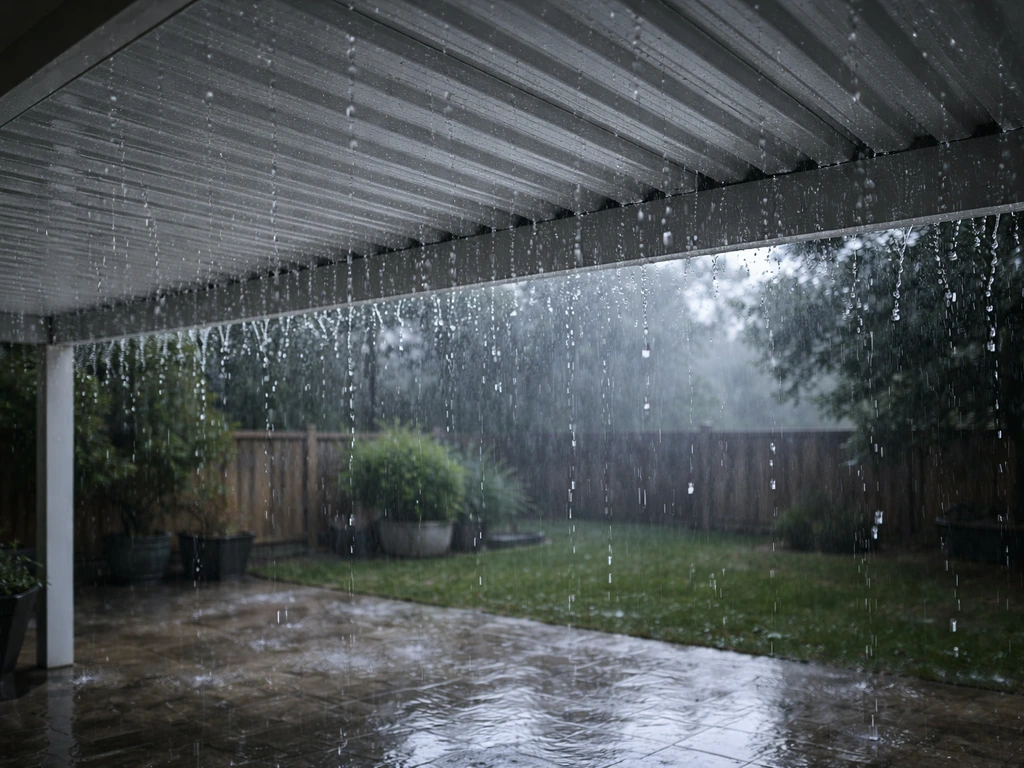
Find out if aluminum patio covers are loud in rain and how to stop rattles with quick fixes and upgrades.
Realistic lifespan ranges for aluminum patio covers and what affects them, plus maintenance and repair vs replace guidan