
Bug out patio products cover two different things depending on who you ask: either direct insect-control products (repellents, traps, spatial sprays, fans) or physical bug-proofing gear (screens, netting, mesh barriers, and smarter lighting). If you need to keep patio cushions dry and protected from pests, a deck box designed for storage can help reduce clutter and remove hiding spots deck box for patio cushions. Most people need a combination of both, and which products actually work depends almost entirely on which bugs are showing up, when they show up, and what's attracting them in the first place. Get that diagnosis right first, and the product choices become obvious.
Bug Out Patio Products: How to Stop Bugs Fast

Lark Perry
23 May 2026
What 'bug out patio products' actually means
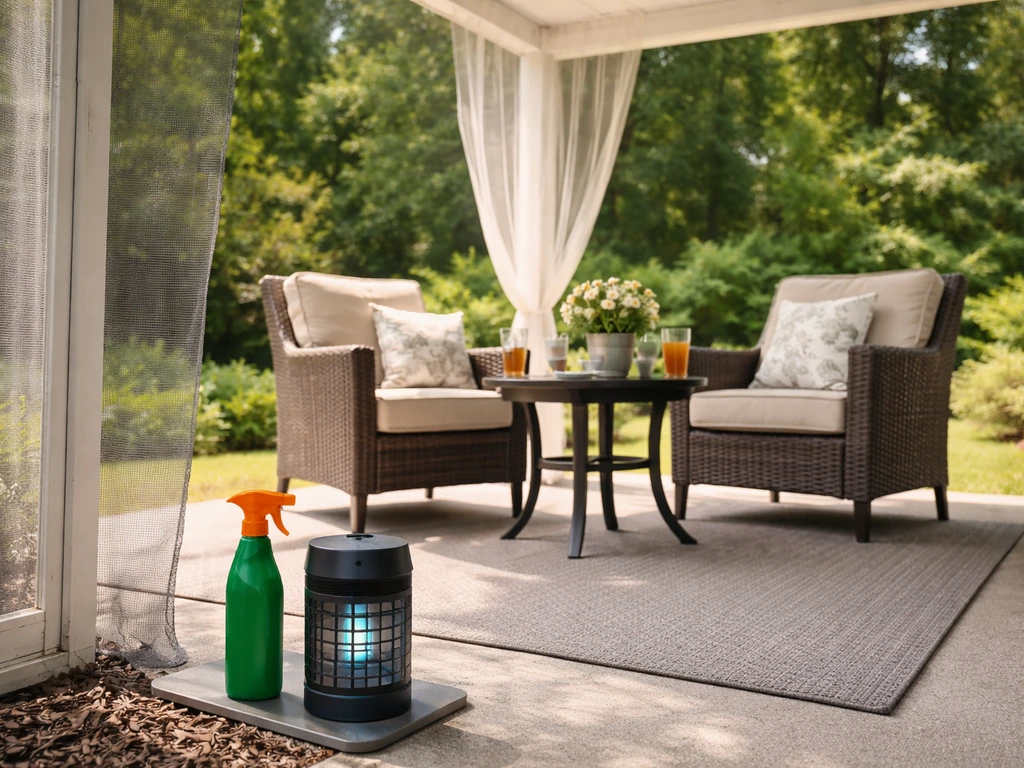
When people search for bug out patio products, they're generally in one of two camps. The first group wants to eliminate or repel insects that are already bothering them on the patio. That means sprays, repellents, coils, traps, and fans. The second group wants to physically seal or screen off their patio space so bugs can't get in to begin with. That means mesh netting, screen panels, curtains with fine weave, and smarter lighting choices that don't lure insects in.
In practice, a good patio bug strategy uses both approaches together. Physical barriers reduce how many bugs enter your space. Repellents and traps deal with the ones that get through or were already there. And lighting adjustments cut down on how many you're attracting in the first place. This guide covers all three angles so you can build a setup that actually works for your specific situation.
Figure out your bug problem before buying anything
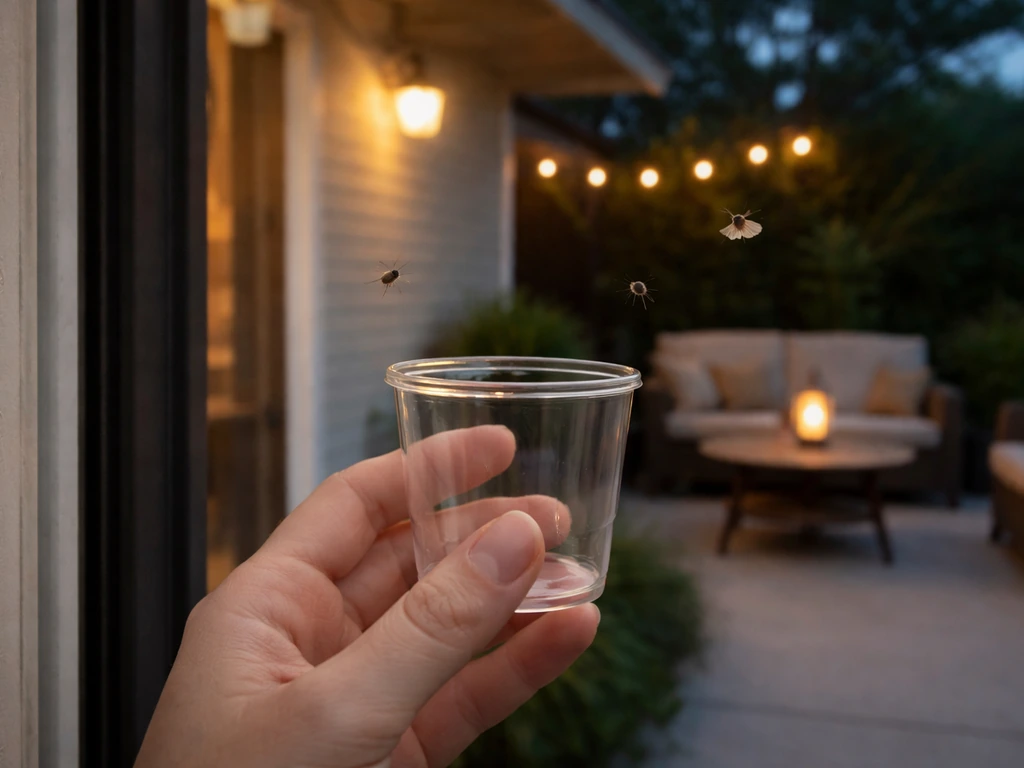
The fastest way to waste money on patio bug products is to buy something before you know what you're dealing with. Spend five minutes answering these questions and you'll cut your options in half.
Which bugs, and when do they show up?
Mosquitoes typically peak at dusk and into the early evening. If you're getting swarmed right around sunset, mosquitoes are almost certainly the main culprit. Gnats and fungus gnats tend to hover in slow clouds and are often linked to overwatered potted plants or damp soil. Flies are usually daytime visitors and are drawn to food and garbage. Wasps show up when there's food around or when they've built a nest nearby. Ants on the patio are almost always following a food trail. Knowing which bug you're fighting tells you which product category to start with.
What's actually attracting them?

- Standing water anywhere on or near the patio (even bottle caps or saucers under planters) breeds mosquitoes within days
- Bright white or blue-toned lights draw moths, gnats, and mosquitoes from a wide radius after dark
- Food residue, spills, and uncovered garbage attract flies, ants, and wasps
- Clutter, wood piles, or cushion storage on or near the patio creates harborage for spiders and roaches
- Overwatered or wet potting soil is a primary driver of fungus gnat infestations
- Dense vegetation or overgrown shrubs close to the patio give mosquitoes a resting spot during the day
Fix as many of these attractants as you can before layering in products. No repellent or trap is going to outperform a patio that's actively breeding or feeding the bugs you're trying to eliminate.
Product categories that actually work on patios
Spatial repellents (sprays, coils, and dispensers)
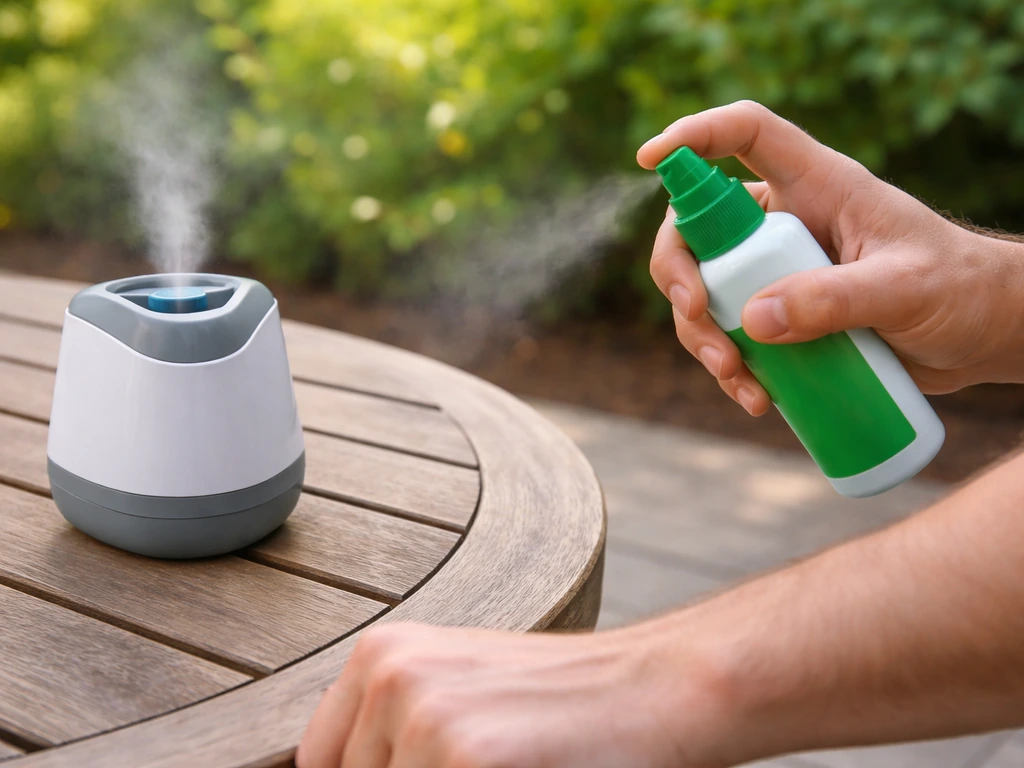
Spatial repellents are designed to disperse repellent chemicals into the air around a defined outdoor area rather than on your skin. This category includes aerosol sprays applied to the patio perimeter, mosquito coils, and electrically heated repellent dispensers (like the Thermacell line). The EPA distinguishes these from skin-applied repellents because they work by saturating the air in a zone rather than protecting an individual body. They need a few minutes to build up effective concentration in a space, so deploy them before guests arrive, not after everyone is already getting bitten. Look for an EPA registration number on anything in this category. Products without one haven't been evaluated for safety or effectiveness, which means you're essentially guessing.
Skin-applied repellents
For personal protection, EPA-registered repellents containing DEET, picaridin, or IR3535 are the evidence-backed choices according to both the CDC and EPA. These EPA-registered insect repellent products are what the EPA says can help you choose the right repellent for preventing mosquito and biting arthropod problems EPA-registered repellents containing DEET, picaridin, or IR3535. DEET and picaridin are the most widely researched. These go on skin or clothing and protect the individual wearing them regardless of what's happening in the broader patio environment. They're particularly useful when the patio space is too open or windy for spatial repellents to hold concentration. PMD (oil of lemon eucalyptus) is also EPA-registered in specific formulations, but note that the CDC advises against using it on children under 3 years old due to potential allergic skin reactions, and pure unregistered OLE products don't carry the same evidence backing.
Fans
A strong directional fan is one of the most underrated mosquito deterrents for a covered or semi-enclosed patio. Mosquitoes are weak fliers and struggle to navigate in wind speeds above about 1 mph. A box fan or oscillating fan pointed at seating areas makes it physically harder for them to land. Fans work best in covered spaces where the airflow stays concentrated. On a fully open exposed patio, the wind disperses too quickly to provide consistent coverage. This is a zero-chemical solution that's safe for everyone including pets and infants.
Traps
Bug zappers attract and kill flying insects using UV light, but research consistently shows they kill far more beneficial insects than mosquitoes. If mosquitoes are your primary target, a CO2-baited mosquito trap is a better investment. These mimic human breath to lure mosquitoes specifically and capture or kill them. They work best placed away from your seating area (30 to 40 feet upwind) so they intercept mosquitoes before they reach you. Sticky traps work well for fungus gnats and small flies when placed near infested planters. For wasps, a decoy nest or a liquid bait trap placed away from the seating zone is more effective than spraying.
Netting and mesh screens
Physical mesh barriers are one of the most reliable long-term solutions for bug-proofing a patio. For mosquito exclusion specifically, the mesh needs holes smaller than 1.2 mm. Anything larger lets mosquitoes through. Patio mosquito curtains, gazebo screen kits, and canopy nets all fall into this category. The most common failure point is gaps at seams, door openings, or where the net meets the ground. A net that touches your skin directly also loses its protection value because mosquitoes can bite through mesh that's pressed against you. Size up when in doubt.
Lighting choices
Switching to yellow, amber, or warm-toned LED bulbs is one of the simplest and most overlooked bug-proofing upgrades for a patio. Bright white and blue-spectrum lights are highly attractive to insects at night. The EPA specifically recommends yellow 'bug' lights as an easy substitution that attracts meaningfully fewer mosquitoes and flying insects. This isn't a magic fix, but it reduces how many bugs you're pulling in from the surrounding area, which makes every other product you're using more effective.
Matching products to your patio, household, and safety needs
The right combination of products depends on your specific setup. Here's a quick framework for matching products to common patio scenarios.
| Scenario | Best-fit products | What to avoid |
|---|---|---|
| Small covered porch, evenings only | Spatial repellent dispenser, fan, mesh curtains | Bug zappers (attract wrong insects) |
| Open exposed deck, large area | Skin-applied repellents, CO2 mosquito trap, yellow lighting | Spatial coils (wind disperses them too fast) |
| Patio dining area with food out | Fans, fine mesh screens, wasp bait traps away from table | Aerosol sprays directly on dining surfaces |
| Household with pets and/or young kids | Fan, netting barriers, picaridin-based repellents (check label) | DEET products on children under 2; anything not EPA-registered |
| People with chemical sensitivities | Physical netting, fans, yellow lighting, CO2 traps | Coils, spray perimeter treatments, unregistered 'natural' products |
| Gnat-heavy patio with potted plants | Sticky yellow traps near planters, reduce watering frequency | Broad-spectrum sprays that don't target gnats specifically |
For households with young children, CDC guidance is specific: don't apply repellent to a child's hands, around their eyes or mouth, or on cuts or irritated skin. Use the minimum effective amount and stick to EPA-registered products. Picaridin is widely considered one of the more kid-friendly options among conventional repellents. When in doubt, lean toward physical barriers and fans first for areas where kids play.
How to set up and use each product type correctly
Spatial repellents: placement and timing
Turn on heated spatial repellent devices (like propane or electric mat dispensers) at least 15 minutes before you plan to use the patio. They need time to build effective concentration in the area. Place them upwind of the seating zone so the repellent-laden air drifts toward and through where people are sitting. On open decks with a steady breeze, these products lose effectiveness quickly because the air clears too fast. In that case, stack in a second approach like personal repellents. Never use coils or propane units in fully enclosed spaces.
Skin repellents: application rules that matter
Apply skin repellents to all exposed skin, not just arms. Don't spray directly on your face. Instead, spray into your hands first and apply around your face, avoiding your eyes and mouth. Apply sparingly around ears. If you're also using sunscreen, apply sunscreen first and repellent second. The EPA advises against inhaling spray products, so hold your breath during application or spray away from your face. Read the label for reapplication timing because coverage duration varies significantly by product concentration.
Netting and screen installation
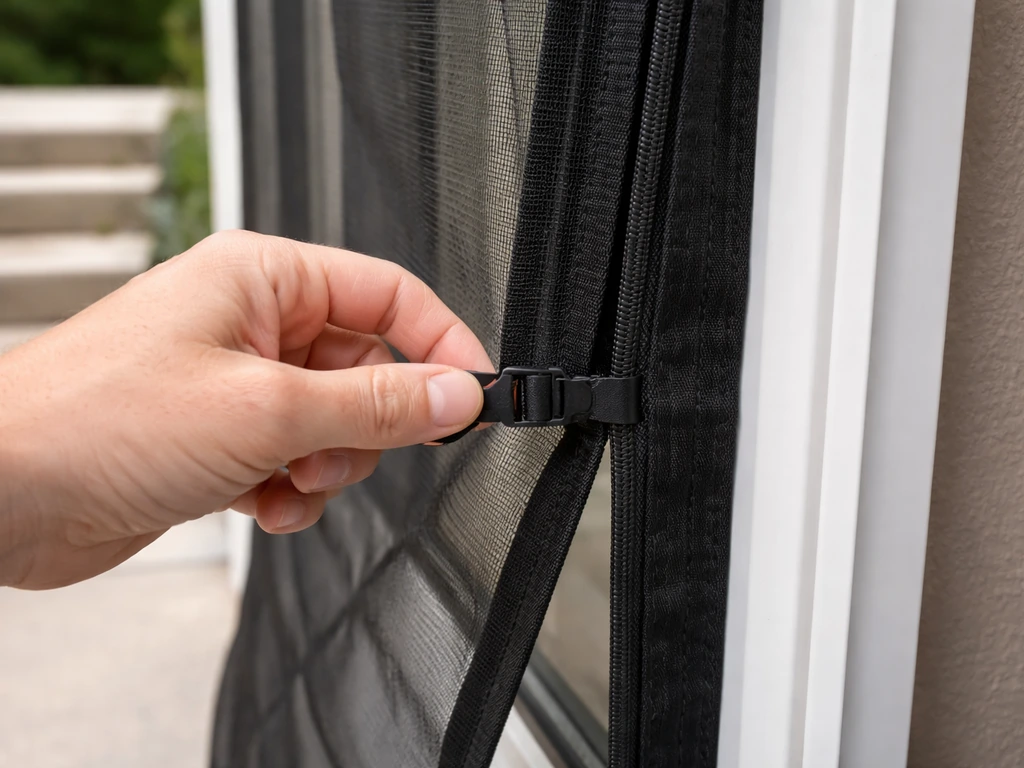
The most important step with any patio netting is eliminating gaps. Check every seam, corner, and entry point. If you're using hanging curtain-style netting, use tie-downs, weights, or stakes at the bottom to prevent the wind from lifting the edges. The net should never press directly against skin or it loses its effectiveness since mosquitoes can bite through fabric touching skin. For a gazebo or pergola, choose a kit that's sized generously for your space. Measure the footprint and ceiling height before ordering, then go up one size if you're between options.
Traps: where and how far
Place CO2 mosquito traps 30 to 40 feet upwind of your seating area, not right next to where people sit. The goal is to intercept mosquitoes before they reach you, not after. Position the trap at roughly the same height as a seated adult, around 2 to 3 feet off the ground. Empty and clean the collection chamber at least weekly during peak season, because a clogged trap loses attractant efficiency quickly. Sticky gnat traps near planters should be replaced every 2 to 4 weeks or when they're visibly coated.
Lighting: the simplest swap
Replace bright white or daylight-spectrum bulbs in patio fixtures with warm yellow or amber LED equivalents rated around 2700K or lower color temperature. These emit less of the UV and blue-spectrum light that insects navigate toward. This doesn't mean bugs disappear, but you'll notice fewer insects hovering around your patio lighting at night, which reduces the total volume you're dealing with across the board.
What to actually look for when buying bug out patio products
The specs that matter
- EPA registration number on any repellent or spray: this is the clearest signal that safety and effectiveness have been evaluated by a federal agency
- Mesh size under 1.2 mm for any netting product marketed for mosquito exclusion: anything larger and you're buying a decorative curtain, not a bug barrier
- Color temperature of 2700K or lower for any patio lighting marketed as bug-resistant
- Coverage area rating on spatial repellents matched to your actual patio square footage, not a best-case scenario
- Refill availability and cost for any device that uses replaceable mats or cartridges: the upfront price means little if refills are expensive or hard to find
Common mistakes to avoid when shopping
- Buying products without EPA registration numbers because they use terms like 'natural,' 'plant-based,' or 'ultrasonic': the EPA explicitly notes it cannot evaluate effectiveness for unregistered products, and sound-wave devices in particular have no evidence backing
- Choosing a netting product based on appearance rather than mesh size specification
- Purchasing a spatial repellent sized for a smaller space and expecting it to cover a large open deck
- Relying on a single product type instead of layering two or three complementary approaches
- Buying bug zappers as the primary mosquito solution: they kill far more non-target insects than mosquitoes
- Not checking if products are safe for the specific ages and species in your household before purchasing
How to read reviews usefully
Filter reviews by your specific bug type. A product that gets glowing reviews for mosquito control might do nothing for gnats. Look for reviewers who describe their patio setup in similar terms to yours: covered vs open, size, region, and season. Be skeptical of reviews that don't mention reapplication, refill frequency, or how long the product lasted. For netting products, the most useful negative reviews almost always mention fit and gap problems, which tells you what to watch out for. Avoid over-indexing on star ratings for pest control products. A product with 3.8 stars and 400 detailed reviews is often more informative than a 4.7-star product with 30 reviews.
DIY vs store-bought, and planning ahead by season
What DIY can and can't do
DIY approaches work best as a first layer or as supplemental prevention. Emptying standing water is the single highest-impact DIY action you can take for mosquito control. Planting citronella, lavender, or basil near the patio can marginally reduce insect presence, but these plants are not a replacement for registered repellents or physical barriers. Making your own citronella candles or essential oil sprays provides minimal, short-range deterrence and shouldn't be relied on for households in areas with high mosquito pressure or disease risk. For the physical barrier side, DIY screen panels using standard door screen mesh (check the mesh size) and a basic frame can be a genuinely effective and affordable option for small covered patios.
Store-bought: when to spend more
Spend more on products that handle conditions you can't easily DIY: a quality heated spatial repellent dispenser for a pergola seating area, a well-fitted gazebo screen kit with verified mesh specs, or a CO2 mosquito trap for a heavily wooded yard. These pay for themselves in actual use time rather than sitting on a shelf after one disappointing trial. The refill-based spatial dispensers in particular have a strong track record in real-world covered patio use. Budget options in this category often have inconsistent cartridge quality that undermines the whole system.
A simple seasonal plan
- Early spring (before mosquito season peaks): Eliminate all standing water sources, replace patio lighting with yellow/amber bulbs, inspect and repair any gaps in existing screens or netting, restock repellent supplies
- Late spring through summer (peak mosquito and gnat season): Deploy spatial repellent devices for evening use starting 15 minutes before going outside, use EPA-registered skin repellents for any extended outdoor time, run fans during seating hours, maintain traps weekly
- Late summer into fall: Continue spatial repellents through the warm evenings, check gnat-prone planters and reduce watering as temperatures cool, store or clean netting products properly before winter to extend their life
- Off-season planning: Review what worked and what didn't, replace worn netting or depleted trap systems before next season rather than scrambling in May, consider upgrading to a better-fit screen system if gaps were a problem
If storage is part of your patio setup challenge, organizing your bug control gear alongside cushions, covers, and other patio accessories in a dedicated outdoor storage box keeps everything accessible at the start of the season. Deck boxes and waterproof outdoor storage options are worth looking at as part of the broader patio organization picture, especially if you're also storing seat cushions, tools, or covers in the same space.
The honest bottom line
No single bug out patio product fixes everything. To get the best outdoor patio storage solution, you also want to seal and store anything that attracts pests, like food, water, and clutter No single bug out patio product fixes everything.. The setups that actually work combine a physical barrier or fan to reduce bug access, an EPA-registered repellent for personal protection during peak hours, and environmental adjustments like lighting and standing water removal to cut down on what's attracting bugs in the first place. For many households, the best outdoor storage for patio cushions is a breathable, waterproof solution that protects against moisture and pests year-round. Nail those three layers and you'll get real, noticeable results instead of the marginal improvement most single-product solutions deliver.
FAQ
Can I use one product to handle multiple bug types on my patio?
Usually no. “Bug out patio products” work differently by target, for example DEET-based repellents protect people from mosquitoes, while sticky traps target small flying pests. If you cannot identify the bug, start with environmental fixes like removing standing water and reducing food attractants, then add one targeted layer based on the most common offender.
How do I choose between a fan, a repellent, and a barrier if my patio is both open and windy?
Wind reduces the effectiveness of spatial repellents because the repellent zone clears too quickly. In that case, prioritize a directional fan aimed at seating plus a barrier where practical (netting or screen panels), and use an EPA-registered skin repellent as the consistent backstop for exposed skin.
Where should I place sticky traps if I have both fungus gnats near plants and flies around food?
Place gnat traps directly near the infested planter zone, because they are attracted to moisture and breeding sites, not picnic areas. For flies, use traps farther from seating and garbage, and remove food sources first so the traps do not become the main “attraction.”
What’s the most common mistake that ruins mosquito netting performance?
Most failures come from gaps, edge lift from wind, or the net touching people. Even if the mesh size is correct, mosquitoes can enter through seams or door openings, and they can bite through fabric that is pressed against skin, so use weights or tie-downs and keep clearance from your body.
Do bug lights (yellow or amber LEDs) work in the daytime too?
Their main benefit is at night. During daytime, most insect behavior is driven more by food, moisture, and resting sites than by light spectrum, so you still need standing water removal, sealing entry points, and targeted repellents if you get daytime biting.
Are citronella plants, essential oil sprays, or DIY candles a safe substitute for registered repellents?
They are best viewed as supplemental and short-range only. In areas with high mosquito pressure or disease risk, DIY citronella approaches typically do not provide reliable protection, so use them only as a minor add-on while relying on EPA-registered repellents and physical screening or fans for dependable results.
Can I use spatial repellent devices in a screened-in patio enclosure?
Avoid coils or propane units in fully enclosed spaces. Heated spatial dispensers can work better with airflow control, but they still require time to build a zone, placement upwind of people, and careful label-following to prevent accumulation in low-ventilation areas.
What should I do if I keep getting ants on the patio despite using repellents?
Repellents that target skin contact may not stop ant foraging, because ants are following a food trail. Focus on cleaning up residues, securing pet food, managing nearby food sources, and addressing entry points, then consider targeted trap baits made for ants if you confirm the species.
How often should I expect to refresh or replace patio bug products?
Follow the label first, but use practical timing cues. For example, CO2 mosquito traps need regular cleaning because a clogged chamber loses lure efficiency, and sticky gnat traps near planters should be replaced when coated. If your application timing and refill schedule is inconsistent, performance typically drops faster than reviews suggest.
Is a bug zapper effective if my main problem is mosquitoes?
Not usually. Bug zappers mainly kill insects drawn to UV and often remove beneficial insects too. If mosquitoes are the target, a CO2-baited mosquito trap or personal protection plus barriers and fans is typically a more targeted approach than relying on UV zappers.
How can I reduce mosquito bites when I cannot cover the entire patio with screens?
Create a “protected zone” rather than trying to seal everything. Use a directional fan at seating, add targeted skin repellents to exposed skin, and place CO2 mosquito traps upwind so mosquitoes are intercepted before they reach you. Then address the biggest attractants, especially standing water and food sources.
What temperature or climate factors should affect my product choice?
In hot or humid conditions, mosquito breeding and activity often increase, so standing water removal becomes even more critical. In windy climates, spatial repellents and perimeter sprays are more likely to underperform, so rely more on barriers, fans, and personal repellents for consistent coverage.
Next Articles
Alternative to Patio Cushions: Durable, Stylish Options and DIY
Alternative to patio cushions: durable, weatherproof seating options, pros, DIY tips & buying guide.

Best Color for Outdoor Patio Cushions in 2026
Choose the best cushion color for sun, heat, and fading in 2026, with pairing tips for patio furniture and durability.
Top Rated Patio Cushions: How to Choose Fast and Right
Step-by-step guide to choose top rated patio cushions by fit, materials, weather durability, and easy cleaning for your