
For most patios, a 70- to 120-gallon resin deck box hits the sweet spot: it fits 4 to 6 standard seat cushions, handles rain and UV without rotting or rusting, and costs between $80 and $200. If you need more than that, step up to a 150-gallon unit like the Lifetime 60254, which gives you a true 19.8 cubic feet of interior space (not just a marketing number) and can swallow full-length chaise lounge cushions, a set of throw pillows, and a bag of potting soil all at once. Suncast’s SS601 dimensions PDF provides an example of how interior volume is translated into “GALLON CAPACITY,” listing an interior volume of 2.941 cu ft. The right choice depends on what you're storing, how much deck space you can spare, and how bad your weather gets, so let's walk through exactly how to land on the right box for your situation.
Best Deck Boxes & Patio Storage: How to Choose Size, Materials

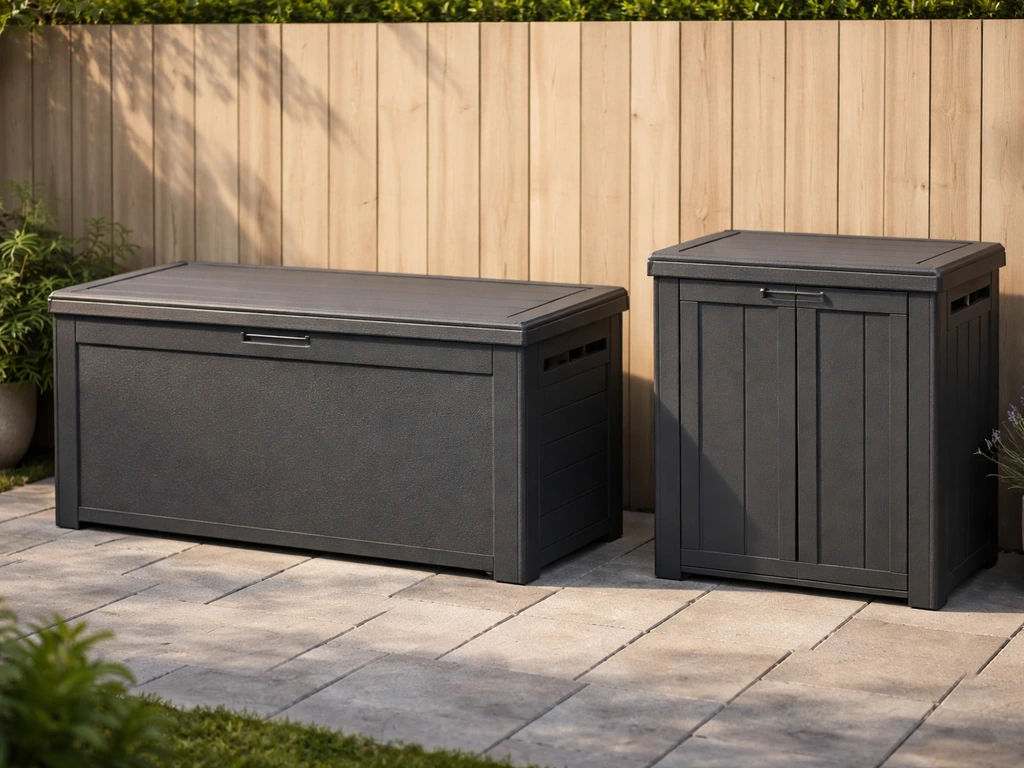
How to pick the right size and capacity
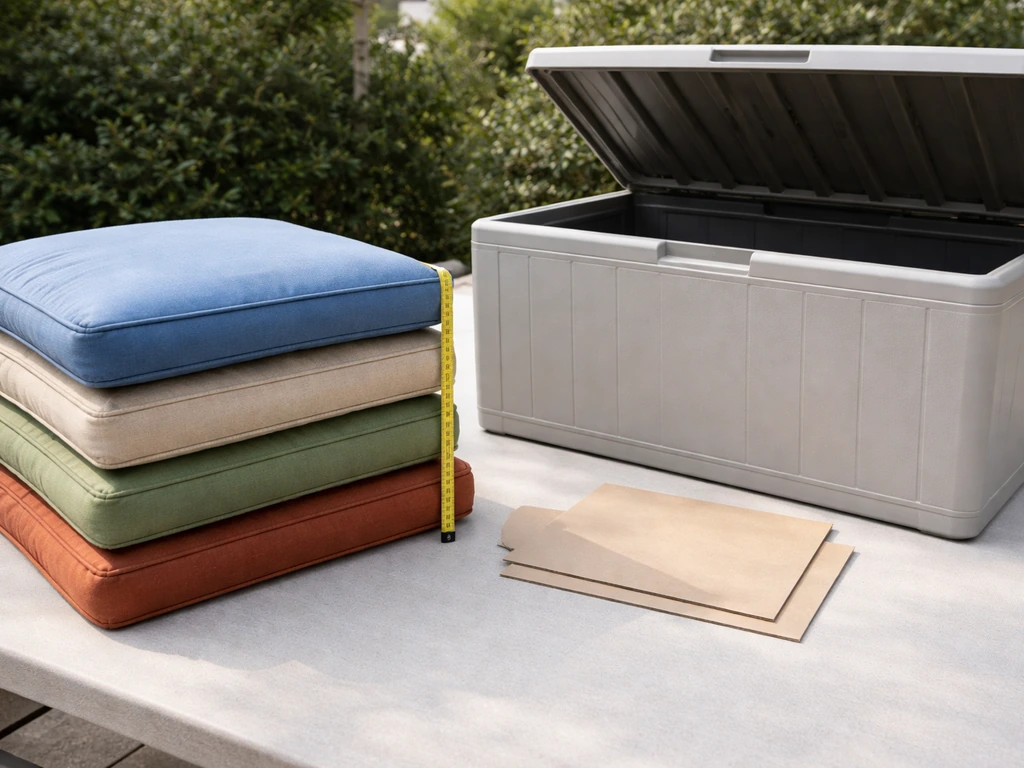
The first thing to understand is that gallon ratings on deck boxes are nominal, not gospel. A box marketed as "150 gallons" may only give you about 19.8 cubic feet of usable interior space (as with the Lifetime 60254), while a 101-gallon box like the Suncast DB9902J actually delivers 13.6 cubic feet inside. That gap matters when you're comparing boxes across brands. Always look for interior cubic footage or interior dimensions, not just the gallon label on the front of the box.
Suncast's own sizing guide breaks the market into four useful buckets: small (31 to 50 gallons), medium (51 to 80 gallons), large (81 to 100 gallons), and extra-large (101 gallons and up). That framework is genuinely helpful for quick sizing decisions. A small box works for a single-chair cushion set or garden gloves and small tools. Medium covers a typical 4-piece furniture set's cushions. Large handles oversized sectional cushions or a mix of cushions plus accessories. Extra-large is where you go for bulk seasonal storage or when you're essentially replacing a garden shed.
Before you buy, measure your available floor space and mentally add about 3 to 4 inches on every side for airflow and access. Then measure your longest item, usually a chaise cushion or a patio umbrella sleeve, because interior depth is often the real constraint, not total volume. The Lifetime 60254's interior runs about 4 feet 7 inches long, which clears most standard 4-foot chaise cushions. A 70-gallon box like the Keter Solana bench typically tops out around 42 to 44 inches internally, which won't fit 48-inch cushions lying flat. Keter markets the Solana patio storage bench as a 70-gallon-capacity unit, using gallon capacity as the key sizing descriptor for this product A 70-gallon box like the Keter Solana bench.
Materials and how they hold up outside
The material your deck box is made from determines almost everything about long-term performance. Resin, wood, and metal each have a real place in the market, but they're not interchangeable, especially if you live somewhere with harsh winters, constant UV exposure, or high humidity.
Resin (the most practical all-weather choice)
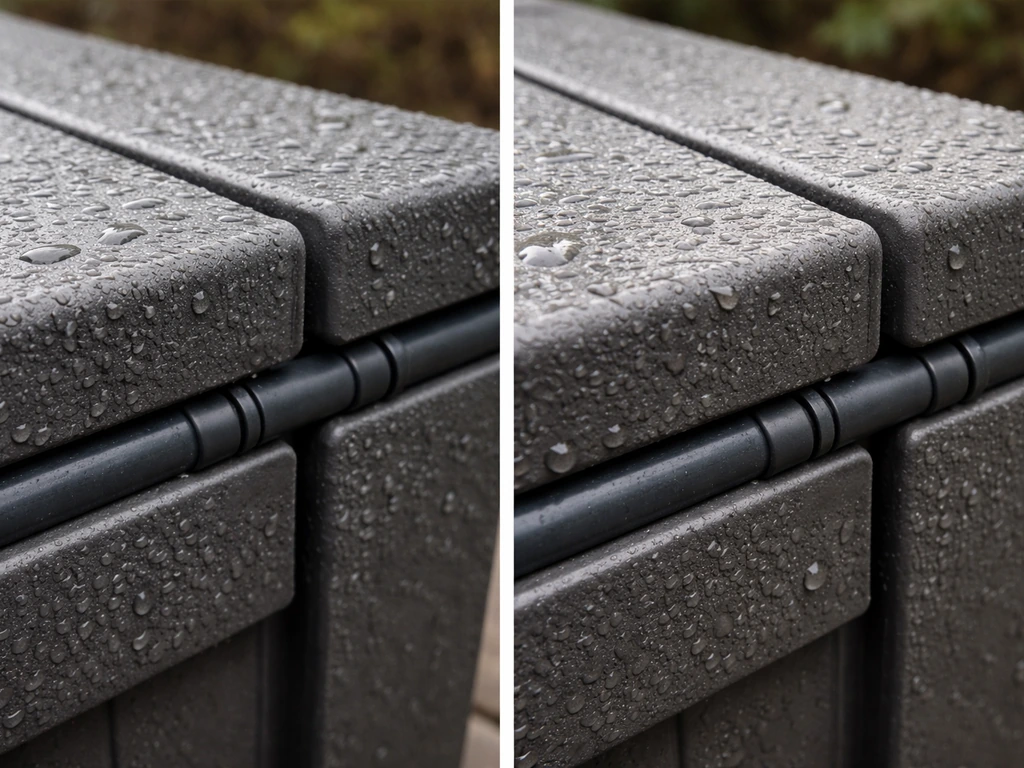
High-density polyethylene (HDPE) and polypropylene resin boxes are the dominant choice for good reason. They don't rot, rust, or splinter. Quality resin boxes use UV inhibitors molded into the material, not just a surface coating, which means they resist fading and brittleness even after years of direct sun. The caveat: cheap resin boxes skip the UV stabilizers, and you'll see them crack and fade within two seasons. Brands like Lifetime, Keter, and Suncast use UV-protected resin and back it with multi-year warranties. Budget off-brand versions often don't. The texture and wall thickness also vary, so flex the lid before you buy, a lid that bends easily under hand pressure will sag and leak over time.
Wood (good-looking but high maintenance)
Cedar and teak boxes look beautiful and blend naturally into landscaped patios. Cedar is naturally rot-resistant and handles moisture reasonably well, but it still needs annual sealing or oiling to prevent checking and graying. Teak is far more durable and nearly maintenance-free in terms of rot resistance, but it costs significantly more and often comes with thinner walls on budget models. Wood boxes are not ideal for storing fabric items like cushions unless they have a secondary liner or a very tight-fitting lid, because humid wood interiors can encourage mildew. If you want wood for aesthetics, treat it as a premium cosmetic choice and be prepared to spend time on upkeep.
Metal (tough but rust is the enemy)
Galvanized steel and powder-coated aluminum storage boxes are strong and can look sharp in modern or industrial patio setups. Aluminum is the better outdoor metal because it doesn't rust, but it dents more easily than steel. Galvanized steel resists rust well until the coating is scratched or chipped, at which point surface rust starts and spreads. Metal boxes also tend to get very hot in direct sun, which can affect items stored inside (think: leaving a can of propane or rubber accessories in a sealed metal box on a 95-degree day). They work best in covered or partially shaded areas.
| Material | Weather Resistance | UV Resistance | Maintenance | Best For |
|---|---|---|---|---|
| Resin (HDPE/PP) | Excellent | Good to Excellent (UV-stabilized) | Very low — wipe clean | Most patios, cushions, tools, year-round use |
| Cedar/Wood | Fair to Good | Poor (needs sealing) | Annual oiling or sealing required | Aesthetic-focused patios, dry climates |
| Teak | Very Good | Good | Minimal (allow natural silver patina or oil) | Premium look, moderate climates |
| Galvanized Steel | Good (until coating chips) | Fair | Check for rust spots annually | Covered areas, tool storage |
| Powder-coated Aluminum | Very Good | Good | Low — rinse and check coating | Modern patios, partially shaded spots |
Weather protection and security features that actually matter
A deck box that lets in water is worse than useless, it turns into a mold farm for your cushions. The lid design is the most important weather protection feature. Look for a lid with a positive overlap (the lid edge drops down over the box walls rather than sitting flush on top) and a compression gasket or lip seal. Boxes without any lid seal can admit wind-driven rain even if the fit looks tight when dry. Some resin boxes add a drip groove on the underside of the lid that channels water away from the interior, a small detail that makes a real difference in heavy rain.
Ventilation is the other side of the coin. A completely airtight box will trap humidity from whatever you put inside (even slightly damp cushions), and that moisture has nowhere to go. The best boxes have small ventilation slots near the base or in the side walls that let air circulate without letting rain in. If your box doesn't have them, leaving the lid slightly ajar for an hour after loading freshly used cushions helps prevent that musty smell from developing.
Pest resistance is mostly a function of material and fit. Resin boxes with tight-fitting lids are naturally resistant to insects and rodents because there's no food source and no easy entry point. Wood boxes are more vulnerable, especially if any gap develops in the joints over time. Check lid seams seasonally and reseal any gaps in wood boxes. If you store birdseed, pet food, or anything edible in your deck box, add a padlock regardless of material, that's the only real deterrent.
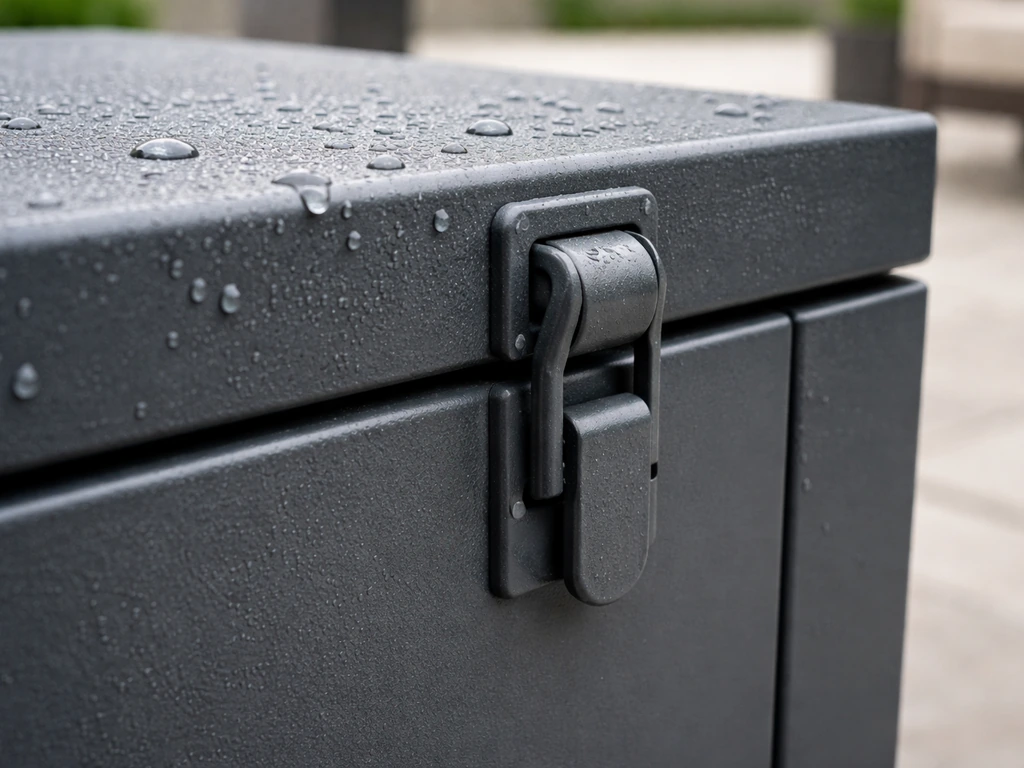
On security: most deck boxes come with a hasp or built-in latch hole that accepts a standard padlock (usually a 3/8-inch shackle fits). Some Keter and Suncast models include a lockable lid as part of the design. If you're storing anything valuable, propane tanks, power tools, expensive garden equipment, a padlock is worth the $10 to $15 investment. For cushion storage, a simple latch without a lock is usually sufficient.
How deck boxes actually perform in daily use
Specs tell you capacity. Real-life use tells you whether you'll actually open the box or just stop bothering. The biggest usability problem with large deck boxes is lid weight. A 150-gallon resin lid can weigh 15 to 20 pounds, and without a piston-assisted lid stay, it'll slam shut on your hands or head every time. Always check for lid support, pneumatic piston stays or lid locks that hold the lid open are not a luxury feature, they're a safety necessity on anything over 80 gallons.
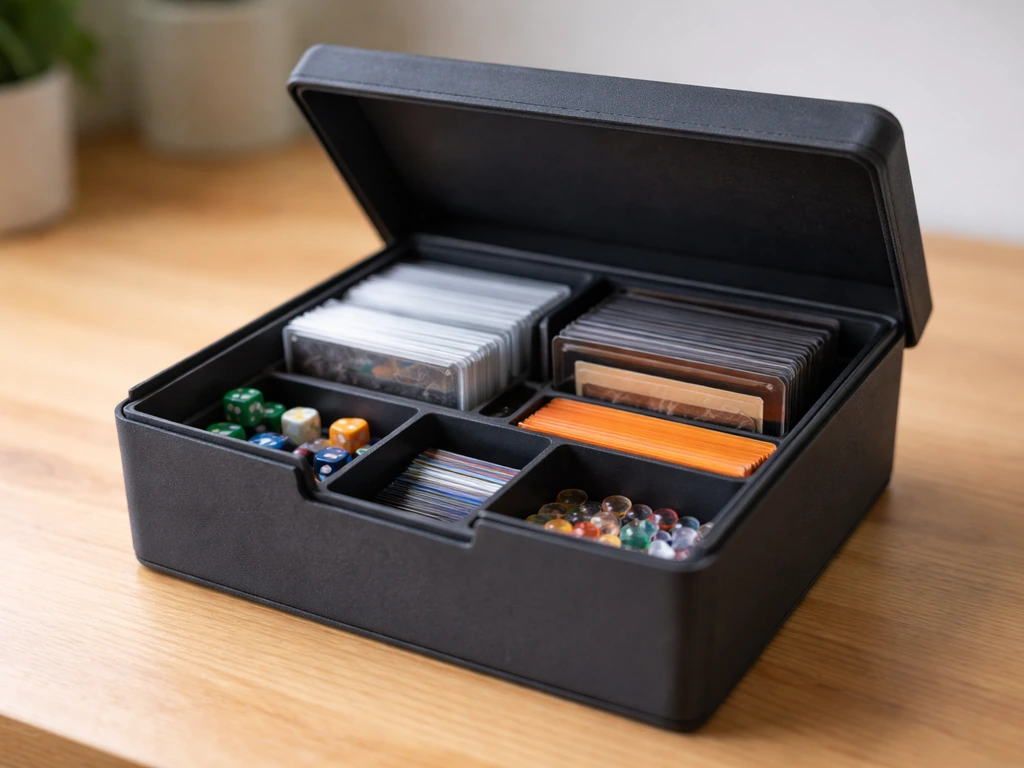
Organization inside a single open box is harder than it looks. Most deck boxes are a single open cavity, which means everything slides around. A few workarounds that actually help: use heavy-duty canvas bags to bundle cushions by set, add a plastic bin or tray on one side for small items (gloves, tools, tie-downs), and use a shelf riser insert if your box is tall enough to warrant it. Some Suncast models offer modular shelf accessories. For cushion storage specifically, rolling cushions rather than folding them uses vertical space better and reduces crease damage.
Wind is an underrated problem with deck boxes. An empty or lightly loaded large-format box can become a sail or a projectile in a storm. Choose a model with anchor points or slots for staking, or place the box against a wall or fence where it's sheltered. Once loaded with cushions, a 120-gallon box is heavy enough to stay put in most conditions, but an empty box left out during a thunderstorm warning is a real hazard.
Best types of deck boxes for specific storage needs
Storing patio cushions and outdoor linens
This is the most common use case and the one that drives most deck box purchases. For the best results, match the box size, material, and weather sealing to patio cushion storage needs For this is the most common use case and the one that drives most deck box purchases. For a standard 4- to 6-piece dining set, a 70- to 100-gallon resin box is usually the right call. For deep sectionals or chaise lounges, go to 120 gallons or above and confirm the interior length exceeds your longest cushion by at least 2 to 3 inches. Look for a box with ventilation and a lid gasket, and avoid storing cushions that are even slightly damp, they'll mildew inside any sealed container.
Garden tools, potting supplies, and hose storage
Tools and gardening gear are less sensitive to humidity but more demanding on material toughness. A resin or galvanized steel box in the 50- to 80-gallon range handles most of this well. Look for a reinforced bottom (some resin boxes have a ribbed floor that keeps the base from flexing under heavy loads) and smooth interior walls that won't snag on long-handled tools. Hose reel boxes are a specialized sub-category worth considering separately if hose storage is your primary need.
Grill accessories, propane, and outdoor cooking gear
Grill covers, tongs, aprons, and light accessories fit easily in a medium-sized box. Propane tanks are a different matter: never store propane cylinders in a fully sealed enclosed container. If you're keeping a small 1-pound canister, leave ventilation open. For a standard 20-pound tank, outdoor storage in a dedicated vented propane cage is the right solution, not a deck box.
Seasonal clutter and overflow storage
If you're using a deck box as a seasonal overflow space, holiday lights, pool floats, throw blankets, sports equipment, a 120- to 150-gallon extra-large box makes sense. At this size, consider placement carefully because these boxes are essentially small garden sheds and will dominate a small patio. A dual-lid design (where each half opens independently) makes accessing items at the back much less frustrating than one giant lid.
What you get at different price points
Budget, mid-range, and premium deck boxes are genuinely different products, not just the same box with a different price tag. Here's what the price tiers actually buy you.
| Price Range | Typical Capacity | Material Quality | Key Features | Best For |
|---|---|---|---|---|
| Under $80 | 31–60 gallons | Basic resin, minimal UV protection | Simple latch, no lid support, thin walls | Renters, light seasonal use, sheltered patios |
| $80–$150 | 60–120 gallons | UV-stabilized resin, reinforced base | Piston lid stay, hasp for lock, ventilation slots | Most homeowners, cushion storage, year-round use |
| $150–$250 | 100–150 gallons | Premium resin or teak/cedar | Dual-lid option, integrated seat bench, weather gasket | Larger patios, heavy-use households, seating doubles |
| $250 and up | 150+ gallons or specialty | Teak, aluminum, or thick HDPE | Full weatherproof seal, locking lid, modular shelving | Premium patios, high-value item storage, design-forward spaces |
The $80 to $150 range is where most buyers get the best value. Boxes like the Keter Solana 70-gallon bench or comparable Suncast 103-gallon units hit the functionality sweet spot: UV-stabilized resin, piston lid stays, and enough capacity for a typical patio cushion set, all at a price where replacement in 7 to 10 years doesn't sting. Spending under $80 is fine for a renter or a covered porch situation, but expect to replace it sooner. Spending over $250 makes sense if you need very large capacity, want a teak piece that doubles as furniture, or are building a long-term patio setup you won't want to touch again.
It's also worth noting that waterproof and cushion-specific deck boxes are a related category that overlaps heavily with what's described here. If your primary goal is keeping cushions bone-dry through heavy rainfall, look specifically at models with integrated gaskets and tested waterproof ratings rather than just "weather-resistant" marketing language.
Placement, care, and keeping your deck box working long-term
Ground prep and placement
Where you place a deck box matters almost as much as which one you buy. Never set a deck box directly on bare dirt or grass, moisture wicks up through the base and creates a perfect mold environment inside, even with a resin box. On a wood deck, make sure the box doesn't block drainage between deck boards. If you're placing it on concrete or pavers, it's fine to sit it directly on the surface, but check after the first heavy rain that water isn't pooling under or around the base.
Level placement matters too. A deck box on an uneven surface will warp its own frame slightly over time, leading to a lid that doesn't seal properly. Use composite shims or rubber pads to level if needed. If you're on a sloped surface, a slight forward pitch (front edge lower than back by about half an inch) actually helps rain run off the lid rather than pooling at the hinge.
Cleaning and seasonal maintenance
Resin boxes are low maintenance but not zero maintenance. Once or twice a year, empty the box completely and wipe the interior with a mild bleach solution (one tablespoon per quart of water) to kill any mold spores before they establish. Rinse thoroughly and let it air dry completely before reloading. Check the lid gasket or seal for cracks or compression fatigue, a seal that's lost its spring won't keep rain out. Replacement gasket tape is available at hardware stores and takes about 10 minutes to install.
For wood boxes, oil or seal the exterior every spring with a penetrating wood sealer or teak oil. Check all joints and corners for gaps and fill any cracks with exterior-grade sealant before they allow water infiltration. Metal boxes need an annual check for rust spots or chipped coating, touch up with rust-inhibiting paint immediately when you find chips, because surface rust spreads quickly once it starts.
End-of-season steps
- Empty the box completely and do the bleach wipe-down before winter storage or before loading seasonal items.
- Check and tighten any hinges, hasps, or latch hardware — these loosen over a season of use.
- Inspect the lid seal and replace if cracked or compressed flat.
- If the box is in a zone with heavy snow load, leave the lid slightly propped or remove stored soft items to avoid the lid cracking under accumulated snow weight.
- Store the box in a covered or semi-sheltered location if empty and not in use — an empty large-format box with a closed lid is a wind hazard.
The bottom line: a resin deck box in the 70- to 120-gallon range, from a brand that uses UV-stabilized material and includes a piston lid stay, will handle the vast majority of patio storage needs at a price that makes sense. Measure your items before your space, confirm interior dimensions rather than trusting nominal gallon ratings, and check for a lid seal and ventilation before you hit buy. Do those three things and you'll get a box that earns its keep every season. Choosing the best outdoor patio storage option for your cushions and accessories helps keep them protected, organized, and easy to access all season. If you want to stash everything quickly during storm season, research bug out patio products designed for weatherproof, secure storage.
FAQ
How much extra space should I leave inside a deck box for patio cushions?
For cushion storage, you generally want at least 2 to 3 inches of interior length beyond your longest cushion so the lid can close without forcing the cushions flat. If your cushions are thicker when loaded, prioritize interior depth and lid clearance over the labeled gallon number.
Can I store slightly damp patio cushions in a deck box?
If the cushion covers are already dry but the foam is slightly damp from morning dew, the box can still trap moisture and cause odor. The safest rule is to use only fully dry cushions, or air them for a short period before closing the lid.
What’s the tradeoff between a watertight lid and ventilation?
Choose a box with a lid overlap plus a gasket or lip seal, then confirm ventilation features are present. An airtight interior without ventilation is more likely to smell musty, especially if you store folded fabrics, towels, or anything that can hold moisture.
How can I tell if a deck box lid actually seals well before relying on it?
Do a simple seal test after installation: close the lid, then lightly pour a controlled stream of water along the lid edge and corners. Check for any drips inside after 5 to 10 minutes, and pay special attention to the front corners where most leaks start.
Will a padlock keep critters and theft out, or are there other weak points?
For security, a padlock is mainly a deterrent, not a guarantee. Focus on whether the hasp lines up tightly with the lid, the quality of the locking hole, and whether the lid can be lifted far enough to create an opening.
Can I store a propane tank inside a deck box for convenience?
You should not store propane cylinders in a fully sealed deck box. A small canister needs ventilation left open, and a standard tank should go in a purpose-built vented propane cage in an outdoor area, away from heat sources and enclosed spaces.
Does storing items in a metal deck box lead to overheating in summer?
If you can, keep the box away from direct morning sun to reduce heat buildup inside during hot days. If it must sit in sun, avoid storing heat sensitive items, and consider a model with thicker walls and better insulation characteristics.
How often should I inspect and replace a deck box lid gasket?
Track the condition of the gasket twice a year, especially after winter. If you notice the lid no longer compresses the seal evenly or you see hairline cracks, replace gasket tape promptly rather than waiting, because small seal loss leads to big water and mildew problems over time.
What’s the best way to prevent a deck box from shifting or lifting in storms?
Many deck boxes have anchor or staking points, but you still need the base to be level first. For wind-prone patios, stake through designated slots into soil or use manufacturer-approved anchors, then re-check lid seal after anchoring.
How do I organize cushions so they don’t slide around inside a single-cavity deck box?
For organization, bundle cushions with heavy-duty canvas bags or straps, then add a shallow bin for small items. A shelf riser can help if the box is tall, but avoid overstacking that compresses the cushions and makes moisture retention worse.
Can I set a resin deck box on grass or dirt?
Yes, but use caution: don’t place a box directly on bare grass or dirt because wicking can still happen through the base. If you must use that area, put it on pavers or a waterproof platform and verify drainage during the next heavy rain.
What’s the safest way to clean the inside of a resin deck box?
Resin boxes can be wiped with a mild bleach solution a couple times per year, but avoid harsh scrubbing that damages the UV-stabilized surface. After cleaning, let it fully air dry, then check the gasket for compression fatigue before you reload items.
Should I take extra precautions if I’m storing birdseed or pet food in a deck box?
If your items include anything edible, or pet and bird food, focus on preventing entry rather than just moisture control. Use a padlock and keep the lid fully closed, then store food in sealed containers inside to reduce odor and attractants.
How level does a deck box need to be for proper rain protection?
When a box is on a slope, a slight forward pitch helps rain runoff, but too much tilt can prevent the lid from sealing correctly. Use shims or rubber pads to level as much as possible, then confirm the lid overlaps evenly along the entire perimeter.
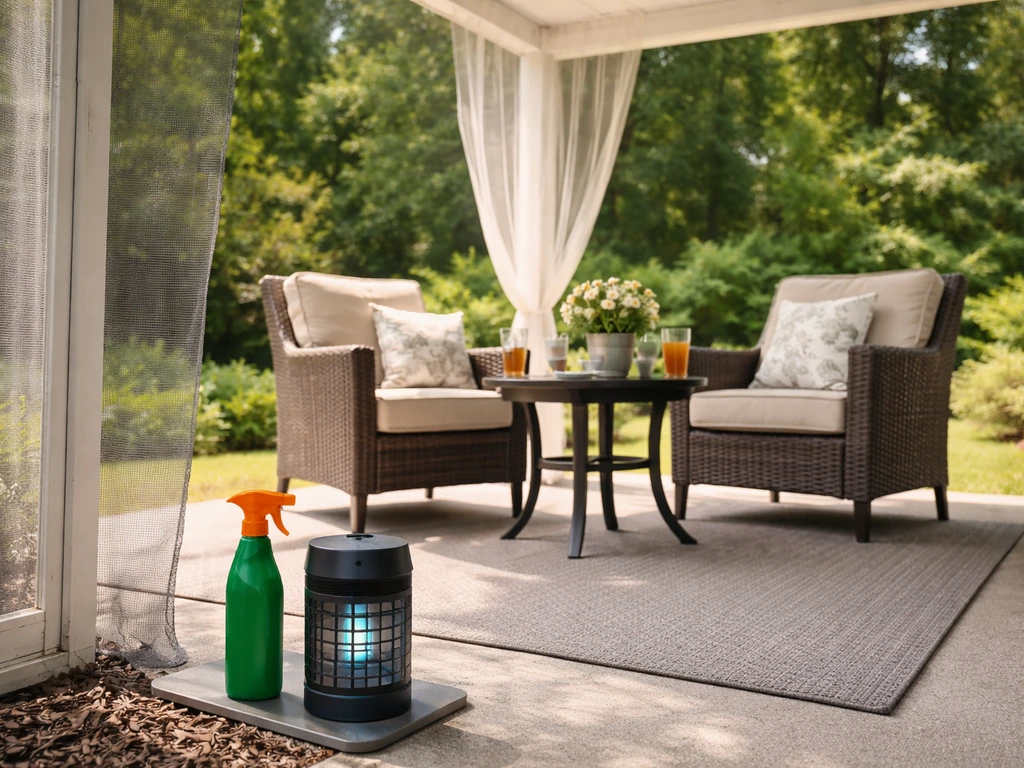
Quick fixes and product picks to stop patio bugs fast with repellent, traps, mesh barriers, and placement tips.
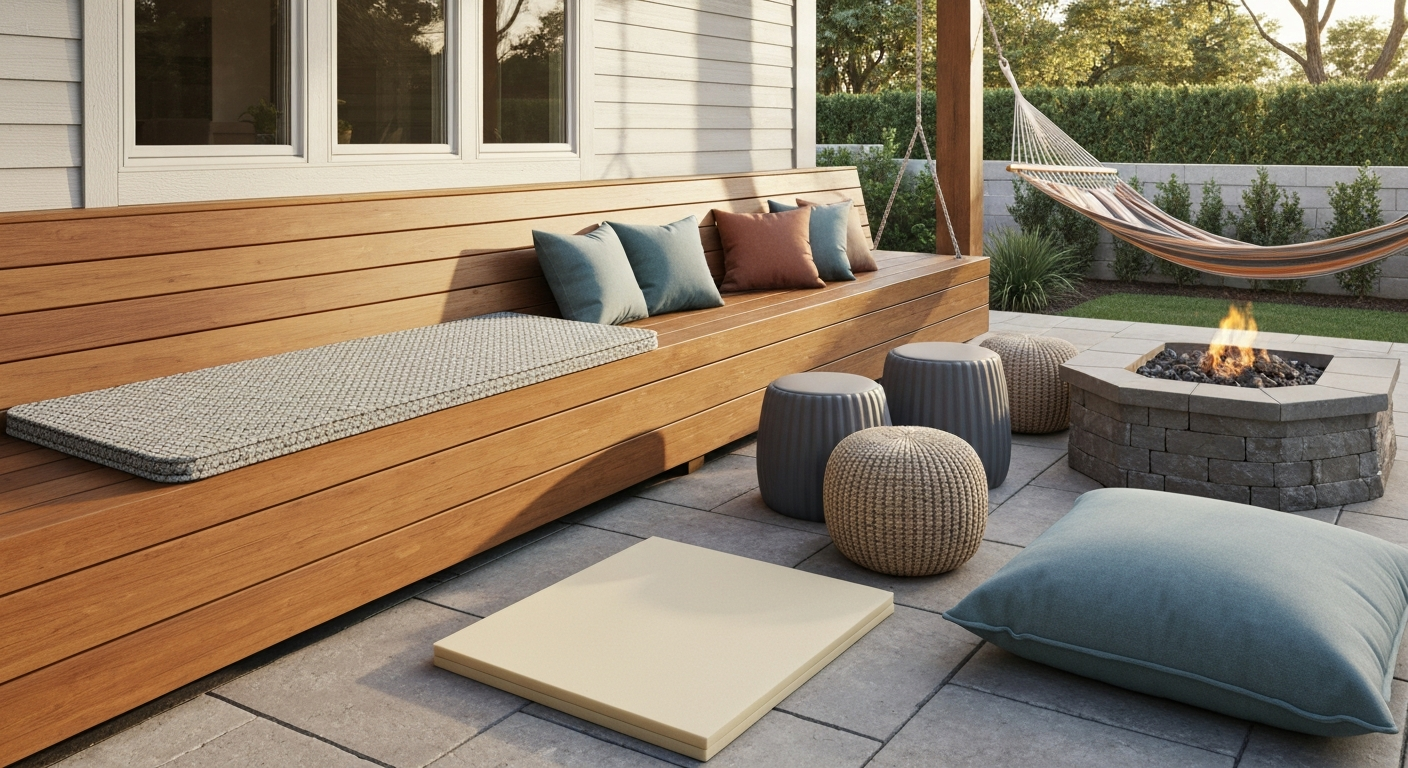
Alternative to patio cushions: durable, weatherproof seating options, pros, DIY tips & buying guide.
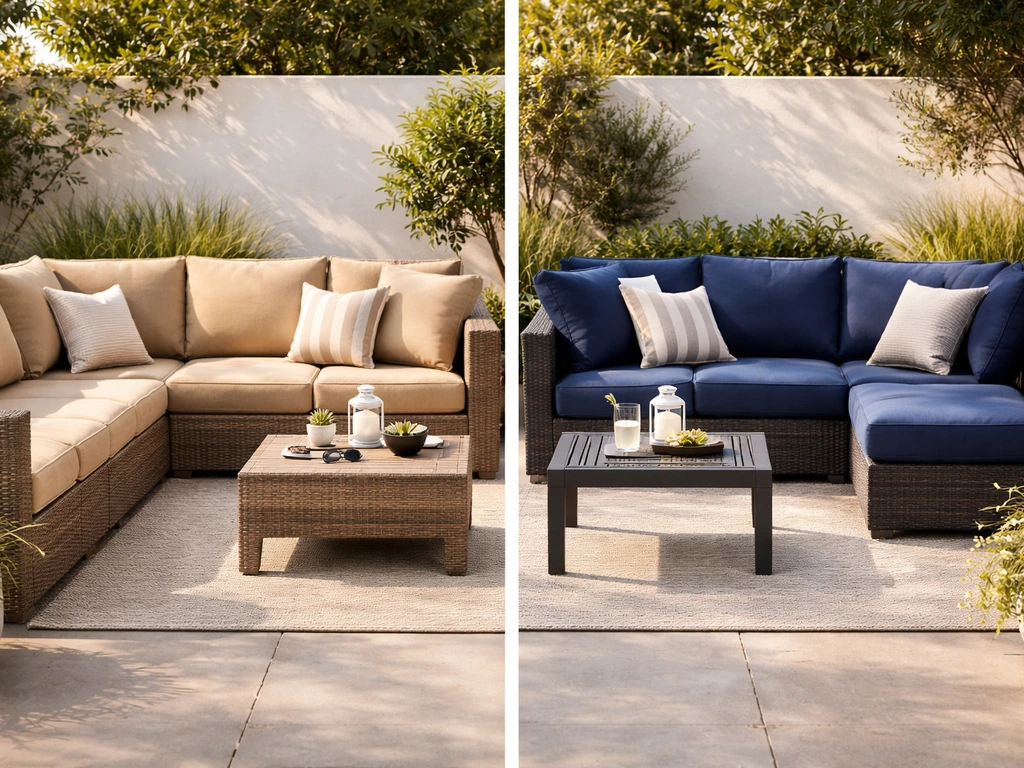
Choose the best cushion color for sun, heat, and fading in 2026, with pairing tips for patio furniture and durability.