
For most patios, a UV-stabilized polypropylene flat-weave mat is the single best choice. It resists fading, dries fast after rain, and fights mold better than almost any other material at a price that makes sense. For most patios, the best material for outdoor patio rugs is UV-stabilized polypropylene because it resists fading, dries quickly after rain, and helps prevent mold. If you're at an entryway or muddy door, a WaterHog-style mat with raised rubber nubs and a water-dam border beats everything else for trapping debris and keeping wet feet from sliding. The right pick for you depends on your surface, your weather, and what you're placing the mat under, and this guide walks through all of it.
Best Outdoor Mat for Patio: Buy Guide by Use Case

Lark Perry
28 Jun 2026
Decide what 'best' actually means for your patio
Before you buy anything, you need to get honest about how your patio is actually used. A mat under a dining set has completely different demands than a scraper mat at a sliding door. A covered patio in the Southwest has nothing in common with an exposed deck in the Pacific Northwest. So before you sort by price or star ratings, ask yourself these questions.
- Is it for an entryway or transition zone (muddy shoes, wet feet, dogs), or is it purely decorative under furniture?
- Does the mat sit fully exposed to sun and rain, or is it under a pergola or awning?
- Is your patio surface smooth concrete, wood decking, pavers, or composite?
- Do you need it to handle snow and freezing temps, or is this a warm-weather-only setup?
- Do you have kids, elderly family members, or pets where grip and safety are non-negotiable?
Once you can answer those, the 'best' mat stops being abstract. A mat that scores a 10 for a Portland entryway might be dead wrong for a Phoenix dining patio. The rest of this guide is structured around those real-world differences, so you can skip to what matches your situation.
Materials and how they hold up to sun, rain, snow, and mold
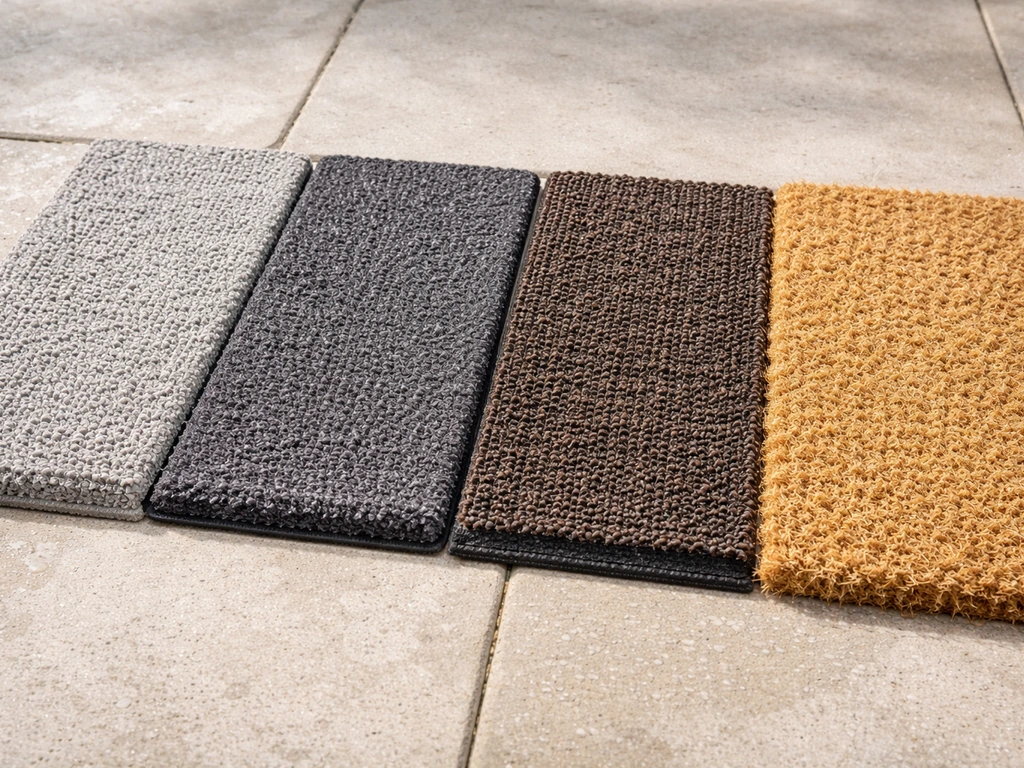
Material is the single biggest factor in how long an outdoor mat lasts, and there's a clear hierarchy for most patio situations.
Polypropylene (olefin): the default winner
UV-stabilized polypropylene is the material I'd put on almost any outdoor patio without much hesitation. The color is baked into the fiber itself through a process called solution-dyeing, which means UV rays can't strip it out the way they would with a surface-applied dye. In practice that means it keeps its color significantly longer than polyester or nylon in direct sun.
It's also highly resistant to moisture, mildew, and staining, and it drains and dries faster than polyester or nylon after rain. Home Depot’s carpet comparison chart notes that [olefin (polypropylene)](https://www. homedepot. com/hdus/enUS/DTCCOM/HomePage/Services/HomeServices/CarpetInstallation/CarpetBuyingGuide/Docs/carpetcomparison_chart.
pdf) is highly resistant to fading, moisture, mildew, soil, and stains, and that it is often solution-dyed for colorfastness. That faster drying matters a lot, because any mat that stays wet for extended periods starts growing mold underneath, even if the face of the mat looks fine.
Nylon: durable but not optimized for outdoors
Nylon is genuinely tough and resists abrasion and crushing well, which is why it's used in high-traffic indoor spaces. But it isn't engineered for UV exposure the way polypropylene is, and it doesn't claim the same mold and mildew resistance. It's a reasonable choice for a covered patio that rarely sees direct rain, but for a fully exposed space I'd pass.
Rubber and PET fiber (WaterHog-style) mats
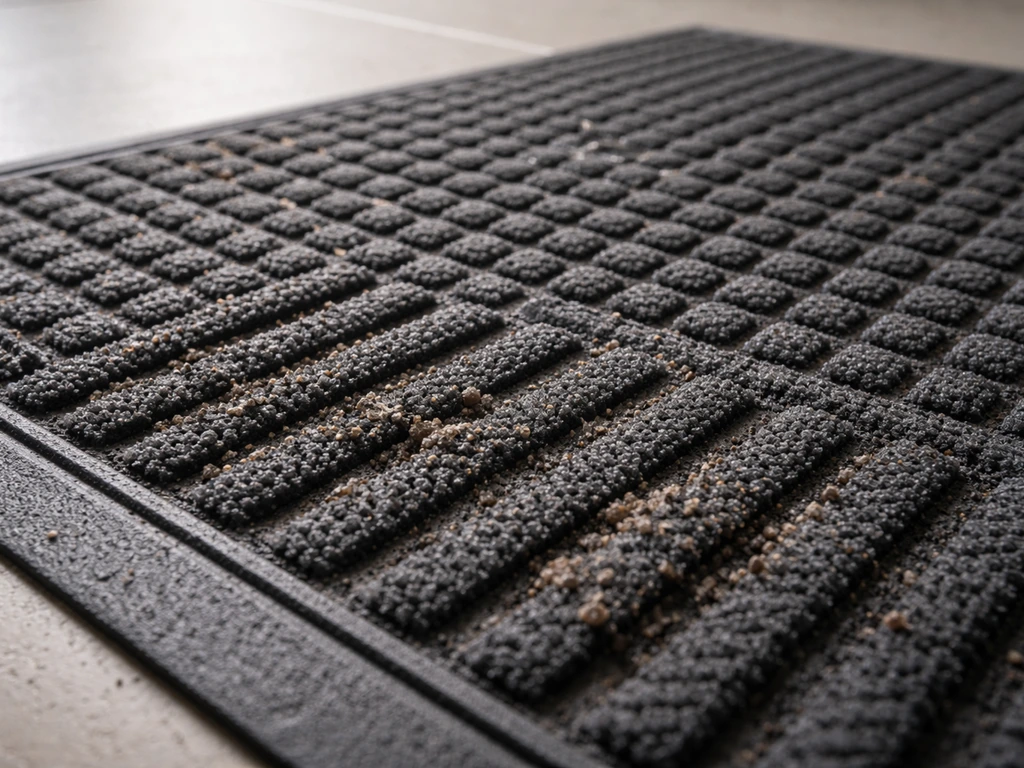
Commercial-style rubber-backed mats with PET fiber faces (like the WaterHog family) are built for a different job than area rugs. They're designed to scrape debris off shoes, trap water in recessed channels or a raised border, and survive serious foot traffic. WaterHog's PET fiber resists staining and is easy to clean with a hose. The raised border design holds up to 1.5 gallons of water per square yard, which sounds like a lot until you've watched a rainstorm flood your entryway. For entryway and doormat applications, this category is the best choice, full stop.
Natural fibers (coir/coconut): know the limits
Coir (coconut fiber) mats have a great natural look and scrape shoes effectively. The honest limitation is that they absorb moisture and don't dry out the way synthetic fibers do, which makes them a mold risk in humid or rainy climates if they stay wet. They work well under a covered porch where they mostly dry between uses, but I wouldn't put one on an exposed patio in a rainy region and expect it to last a full season.
| Material | UV Resistance | Moisture/Mold Resistance | Drying Speed | Best Use Case |
|---|---|---|---|---|
| Polypropylene (solution-dyed) | Excellent | Excellent | Fast | Open patios, dining areas, decorative |
| Nylon | Moderate | Moderate | Moderate | Covered patios, low rain exposure |
| PET fiber / Rubber (WaterHog-style) | Good | Very Good | Fast (channels drain) | Entryways, doormats, high traffic |
| Coir / Coconut | Good | Poor in wet climates | Slow | Covered porches, dry climates only |
| Polyester | Moderate | Moderate | Slow | Decorative, covered, low-sun areas |
One thing worth repeating: no outdoor mat is truly weatherproof in the sense that you can leave it soaking wet indefinitely and expect zero issues. Even the best polypropylene mat can develop mildew underneath if it sits waterlogged on a non-draining surface for days. Material quality reduces risk, but maintenance still matters.
Non-slip grip and safety on outdoor surfaces
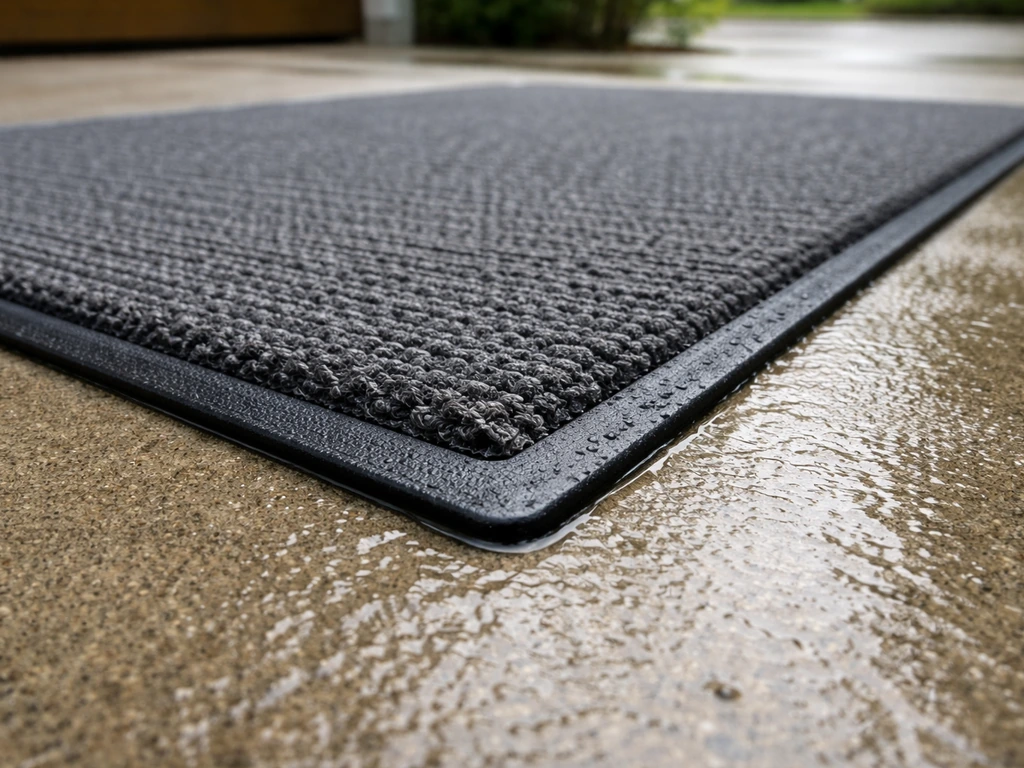
Grip is a safety issue, not just an annoyance. A mat that slides on wet concrete or composite decking can send someone to the ER. How you solve it depends on the surface and the mat type.
Mats with built-in rubber backing
Many outdoor mats, especially the scraper-style and commercial entry mats, have a rubber or vinyl backing bonded directly to the mat. On rough concrete or pavers, this usually provides enough grip on its own. On smooth surfaces like polished concrete, sealed wood, or composite decking, even a rubber-backed mat can shift, especially when wet.
Adding a separate rug pad for area rugs
For larger polypropylene area rugs used on smooth or hard outdoor surfaces, a dedicated outdoor rug pad is the most reliable solution. Products like Gorilla Grip's dual-sided gripper pad or outdoor-specific rug pads from Rugpad.com are designed to work on hard surfaces including concrete, and they help prevent both sliding and the rug edges from curling up and becoming a trip hazard. Make sure you buy a pad labeled for outdoor or hard floor use. Standard interior rug pads can degrade when exposed to moisture and outdoor temperatures.
Surface-specific tips
- Rough concrete or pavers: rubber-backed mats typically grip well on their own; a pad is optional.
- Smooth or sealed concrete: always use a non-slip pad under area rugs; don't rely on backing alone.
- Wood or composite decking: use a pad designed for hard floors; check that the pad won't trap moisture against the wood and cause staining or rot.
- Tile: use a pad or double-sided grip tape; tile becomes extremely slippery when wet.
How to measure and where to place an outdoor mat
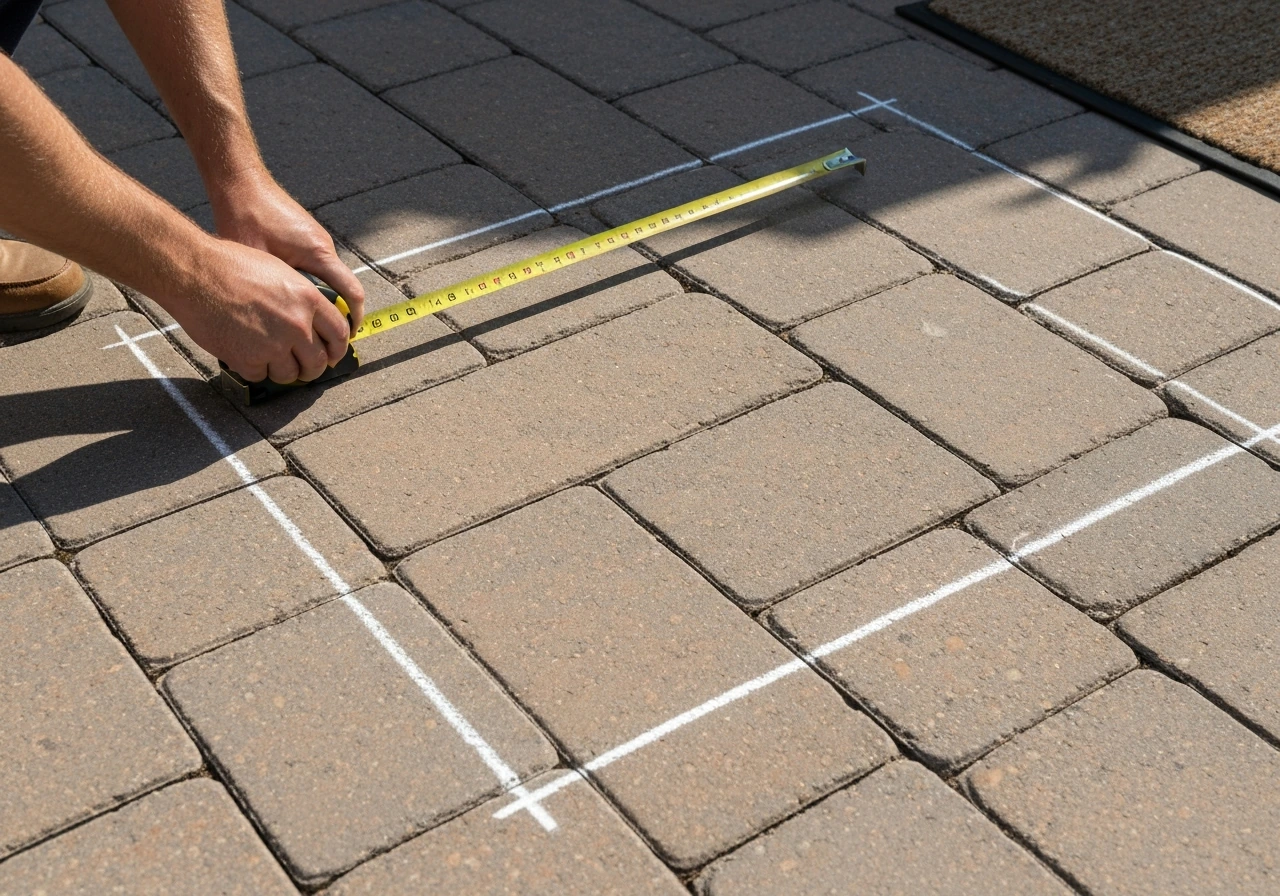
Getting the size wrong is one of the most common mistakes I see, and it makes even a great mat look bad and function worse.
Measuring for a patio or open area
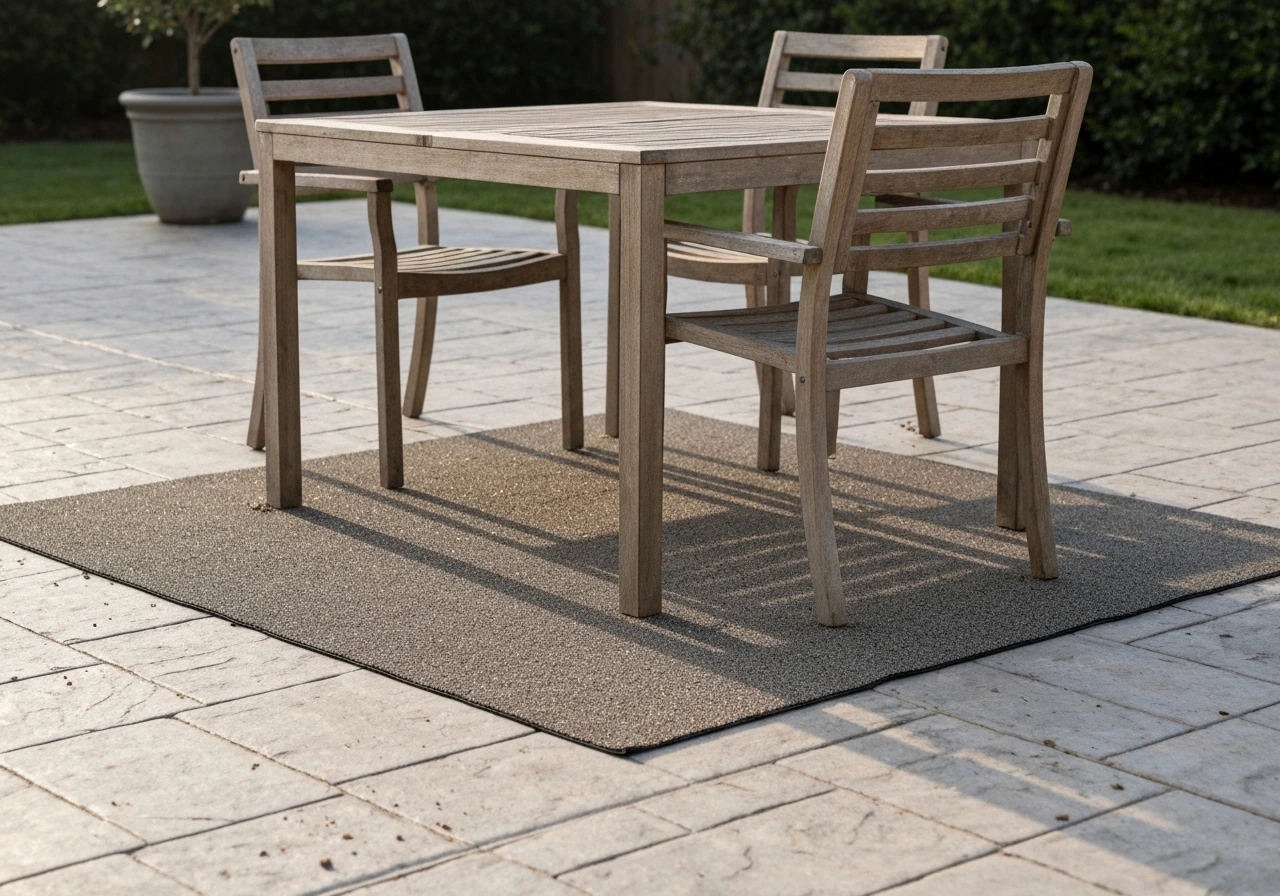
Measure the usable patio area first, then subtract about 12 to 18 inches from each side you want to remain uncovered. That border of exposed surface around the rug creates a visual frame and prevents edges from being a constant trip hazard near the perimeter. For a small patio or balcony, even a 4x6 or 5x7 rug can define the space well. For a large open patio, 8x10 or 9x12 is more proportional.
Sizing for under a dining set
The standard rule for dining is to size the rug so that all four chair legs stay on it even when the chairs are pulled out. In practice that usually means adding at least 24 inches to the table's length and width. A 36-inch round table, for example, typically needs at least a 6x6 or 6x8 rug to keep chairs on the mat as people sit and stand. Go low pile for dining areas because thick or high-pile mats catch chair legs and make moving chairs frustrating. Flat-weave polypropylene is nearly perfect for this.
Entryway and doormat sizing
For a patio doormat or entry mat, match the mat width to at least the full width of the door, ideally wider. Standard doormats are 18x30 or 24x36 inches, but a 24x36 or larger feels more intentional and actually gives people room to wipe both feet without stepping off the mat. Also pay attention to mat thickness at door transitions. A mat over about 3/4 inch can prevent a screen or storm door from clearing. Most quality scraper mats like the WaterHog sit under half an inch at the face level, which clears most doors.
Placement tips
- Center rugs under furniture groupings for a balanced look and to anchor the space.
- Leave at least 12 inches of patio surface exposed at the edges so the rug doesn't run flush with furniture legs and walls.
- At entryways, position the mat so at least half of it is outside the door threshold to catch dirt before shoes reach the patio itself.
- On wood decks, orient the mat so it doesn't trap debris against deck boards in a direction that promotes rot; lift and clean underneath regularly.
Cleaning and maintenance that actually holds up outdoors
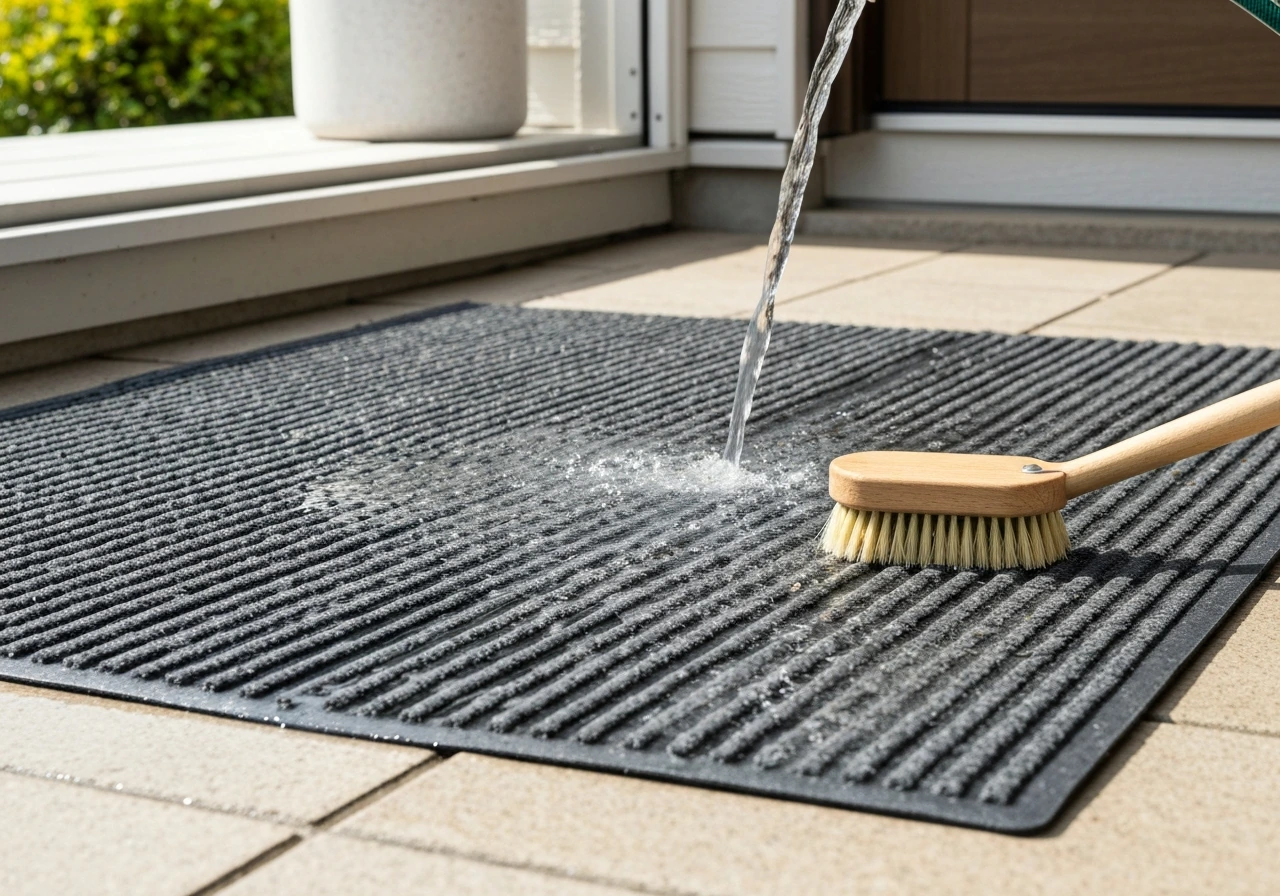
Most outdoor mats are easier to clean than people expect. The key is not letting things go too long, especially after wet weather.
Routine cleaning
For polypropylene area rugs, shake or sweep off loose debris first, then rinse with a garden hose. A soft-bristle brush with a mild soap solution handles tougher spots like pollen, pet debris, or sunscreen. Rinse thoroughly and allow the rug to dry completely before putting furniture back on it. Lifting and propping the rug vertically against a wall or fence is the fastest way to dry both sides. Leaving a damp rug flat on concrete for more than a day is how mold starts on the underside.
Cleaning WaterHog-style mats
Shake or beat out loose debris, then rinse thoroughly with a garden hose. For heavier soiling, use a soft brush with a mild cleaning solution, let it dwell briefly, then rinse again. WaterHog's own care guidance recommends against high-pressure washing at close range since it can damage the fiber construction. The good news is that because water can drain through or out the border openings on drainable-border designs, these mats don't hold moisture the way a flat area rug does.
Seasonal care and storage
If you're in a climate with freezing winters, bring outdoor mats inside or store them before the first hard freeze. Roll them (don't fold) after making sure they're completely dry. Folding can create permanent creases in polypropylene rugs that won't flatten out. Store rolled rugs in a dry space, not a damp garage floor. For areas with mild winters, you can often leave polypropylene mats out year-round, but flipping them once a month and checking the underside for mold is good practice, especially under furniture where airflow is limited.
Rotation extends life significantly
Rotate your outdoor area rug 180 degrees every few months. High-traffic paths wear unevenly, and one area often gets more direct sun than another. Rotating evens out both of those effects and can double the life of a mat that would otherwise fade and fray on just one end.
Top picks by scenario: what to actually buy
Here's how I'd approach the purchase depending on your specific situation. These aren't just categories. They're practical starting points that match the decisions most patio owners actually face.
Best for wet areas, entryways, and muddy conditions
A WaterHog mat with the standard water-dam border is the clear pick here. The bi-level construction (raised rubber nubs plus recessed channels) scrapes mud and debris off shoe soles and holds up to 1. 5 gallons of water per square yard in the border, so you're not spreading wet mud across your patio. The WaterHog Diamond Mat is a slightly upgraded version with a more aggressive scraping pattern.
If water pooling inside the border is a concern (say, the mat sits slightly sloped and water can't drain), the WaterHog Drainable Border Mat or the SuperScrape Plus solves that with a border design that lets water escape the perimeter instead of collecting it. Both are worth the price step up from a basic rubber mat.
Best for smooth outdoor floors (concrete, tile, composite deck)
Pair a flat-weave UV-stabilized polypropylene area rug with a dedicated outdoor rug pad. The rug itself handles UV and moisture exposure, and the pad handles the grip problem that any rug on a smooth hard surface runs into. Look for polypropylene rugs specifically labeled 'solution-dyed' or 'UV-stabilized.' Products like the Ernesta flat-weave indoor/outdoor polypropylene rugs (covered in Forbes Vetted's 2026 roundup) are representative of what to look for: flat-weave construction, water-resistant, quick-drying, and UV-rated. Avoid anything with a thick, plush pile for smooth surfaces because it shifts more easily and is harder to keep flat.
Best for under a dining set
Go flat-weave polypropylene, period. Low or no pile means chair legs glide instead of catching, which matters every single time someone sits down or stands up. Size up generously so chair legs stay on the rug when pulled out. An 8x10 is appropriate for most 4-person dining sets; a 9x12 for 6-person. Stick with a pattern or color that doesn't show dropped food and grill splatter too obviously. Avoid high-pile, shag, or loop-construction rugs in this spot entirely.
Best budget option
A basic flat-weave polypropylene mat from a major retailer (Home Depot, Target, Wayfair) in the $30 to $70 range for a 5x7 or similar size is a solid value buy, provided it's labeled UV-resistant and mildew-resistant. If you want to match the best patio rugs for rain standards, focus on UV-resistant and mildew-resistant labels even in budget picks. The material quality at this price point has improved a lot.
The tradeoff compared to premium options is usually in construction density (thinner weave, slightly faster wear in high-traffic spots) and color longevity over multiple seasons. For a seasonal patio you bring in over winter, a budget polypropylene mat can last 3 to 4 seasons without looking terrible. Just make sure it's not polyester masquerading as an outdoor rug, which some budget listings are.
Best for long-term investment / premium use
If you want something that looks great in year three and not just year one, spend more on construction quality and not just brand name. Look for tightly woven polypropylene, dense pile, a heavier face weight (measured in ounces per square yard), and a warranty from the manufacturer. Some commercial-grade products come with limited warranties of up to five years. You're also paying for colorfastness that holds up through multiple full summers of direct sun, which budget rugs typically can't match.
What to avoid regardless of scenario
- Polyester rugs labeled 'indoor/outdoor' without UV or mildew ratings: they fade fast and hold moisture.
- High-pile or shag rugs for any outdoor use: they trap debris, stay wet longer, and are miserable to clean.
- Coir mats in rainy or humid climates without a covered porch to dry under.
- Any mat left waterlogged for more than 24 to 48 hours: flip, dry, and check the underside regularly.
- Indoor rug pads under outdoor rugs: they break down with moisture and can stain your patio surface.
Quick decision rules before you buy
If you're still deciding, here's the shortest version of everything above. Entryway or mud zone: get a WaterHog or equivalent scraper mat with rubber nubs and a water-managing border. Open patio, decorative, or under furniture: get a flat-weave UV-stabilized polypropylene rug in the right size for your furniture, with a non-slip pad if the surface is smooth. Rainy or humid climate: prioritize fast drying and drainage over thickness or texture. Budget is tight: polypropylene flat-weave still beats everything else at the low end for outdoor performance. Cooking and dining area: always go low pile and size up at least 24 inches beyond your table on all sides.
The material choice connecting all of these is worth exploring further if you want to go deeper. Understanding which specific rug materials hold up best outdoors, which types are safest in rain, and how different weaves perform in your specific climate can sharpen any of these decisions. The right mat doesn't just look good. It stays non-slip, resists mold, and cleans up fast enough that you'll actually do it, which is ultimately what makes it the best one for your patio. It covers the key factors like material, grip, and sizing so you can choose the best patio blankets for your space.
FAQ
Can I use an indoor rug as the best outdoor mat for patio if I cover it when it rains?
Not reliably. Indoor rugs usually have interior backings or adhesives that break down with outdoor humidity and temperature swings. Even if you cover it during storms, repeated damp cycles can lead to odor, underside mildew, and delamination. For an outdoor patio, choose UV-stabilized polypropylene or a scraper-style entry mat designed for drainage.
What should I do if my patio rug still slides on concrete or composite decking?
First confirm you have the right rug pad for outdoor or hard floor use, not a standard interior pad. If you still see shifting when the surface is wet, consider a heavier-duty outdoor gripper pad and avoid very smooth, low-friction rug types. For very slick composite decking, a commercial-style mat with a drainable border often grips more consistently than flat area rugs.
How can I tell whether a polypropylene mat is truly UV-stabilized or just labeled “outdoor”?
Look for wording that indicates solution-dyed or UV-stabilized polypropylene, not just “outdoor” or “fade resistant.” Solution-dyed fibers are less likely to show rapid color loss in direct sun. If the listing only mentions surface coating or stain resistance without UV specifics, treat it as a higher fading risk in bright climates.
Are coir mats safe for a rainy region if I place them under patio furniture?
They are workable mainly in covered areas where they can dry between uses. Under rain exposure, coir absorbs moisture and can stay damp longer, increasing underside mold risk. If you want coir for its look, pair it with placement where water can shed away from the rug and ensure good airflow, otherwise switch to quick-drying polypropylene.
How often should I lift and dry an outdoor mat to prevent mildew underneath?
After heavy rain or recurring wet weather, check the underside the next day. If you can’t lift it easily, at least move furniture away temporarily so air can reach the backing area. A practical routine is a quick inspection after the wet season starts, then rotating the rug every few months while checking the underside for any musty smell.
Should I flip or rotate a dining rug, and does it change how it wears?
Yes, rotation helps both fade and wear patterns, especially where sunlight hits unevenly or where chair legs scuff one section more. Flip or rotate every few months so one side does not become the “shadow” zone under furniture, which is where moisture can linger and grime accumulates.
What size rug should I choose if my patio is irregular (not a simple rectangle)?
Use the largest shape that fits your furniture footprint while keeping your uncovered border consistent around the perimeter. If the layout is L-shaped or has steps, prioritize chair-leg coverage for the dining area and leave a small exposed safety margin near edges. For doorways, match mat width to the door opening, then adjust length so the mat fully covers the typical footfall path.
Is a thicker mat always better for outdoor comfort?
No for two reasons: thicker piles can catch chair legs in dining areas, and thicker setups can reduce how quickly moisture evaporates from the underside. For patios where grip and cleanup matter, flat-weave polypropylene or low-pile scraper mats perform better. Reserve thicker cushioning for sheltered zones, and still ensure the underside can dry.
Can I pressure wash outdoor mats?
Be cautious. For scraper-style commercial mats, high-pressure washing close to the fibers can damage construction. For flat-weave polypropylene, hose rinsing is typically fine, but avoid aggressive scrubbing that frays edges. In both cases, the most important step is thorough rinsing and complete drying before putting furniture back.
What’s the best approach if I have freeze-thaw winters but I don’t want to store mats every season?
For freezing climates, the safest approach is to bring mats inside or store them before hard freezes, then roll them after fully drying to avoid permanent creases. If you must leave them out, use a plan to prevent long-standing damp conditions, because water trapped under the mat increases mold and surface damage during thaw cycles. For recurring freezing, check under furniture more frequently when temperatures start swinging.
How do I clean pet messes and avoid lingering odors on the best outdoor mat for patio?
For wet organic spots, rinse promptly with a garden hose, then use a mild soap solution and a soft brush. Let the cleaner dwell briefly, rinse thoroughly, and dry completely with the rug propped so air reaches both sides. Do not leave it flat while damp, because odors often come from moisture trapped under the backing rather than the top surface.
Next Articles
Best Sunbrella Patio Cushions: Top Picks, Guide & Maintenance
Find the best Sunbrella patio cushions: durable, fade‑resistant picks, buying tips, care, and top recommendations.
Alternative to Patio Cushions: Durable, Stylish Options and DIY
Alternative to patio cushions: durable, weatherproof seating options, pros, DIY tips & buying guide.
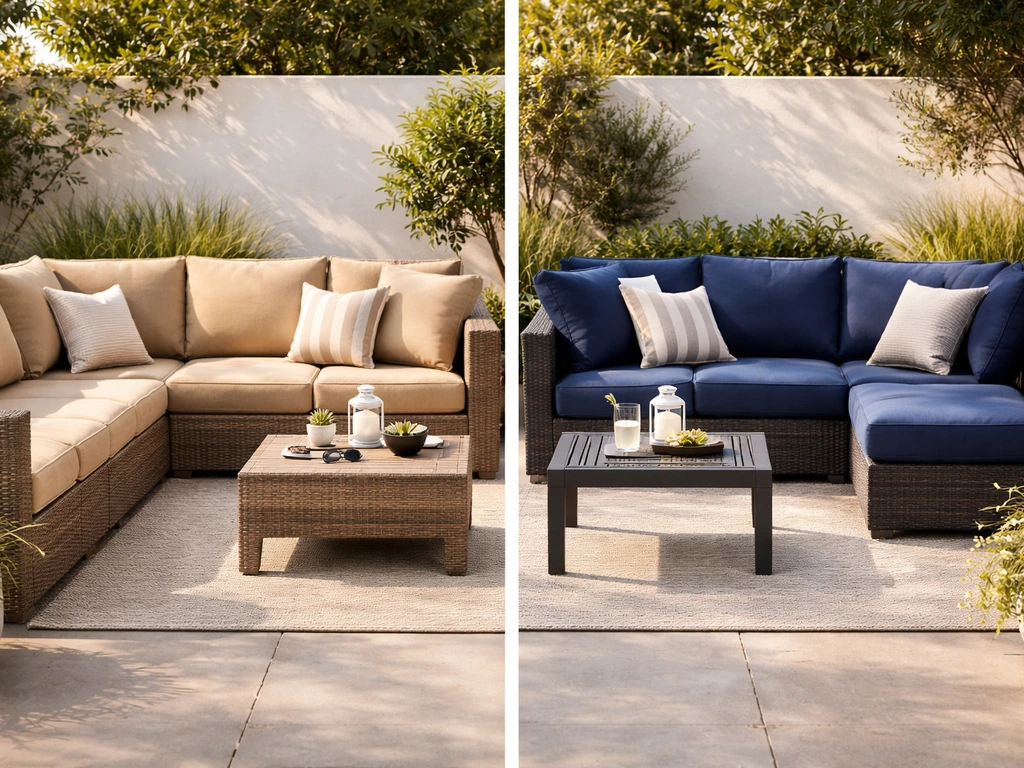
Best Color for Outdoor Patio Cushions in 2026
Choose the best cushion color for sun, heat, and fading in 2026, with pairing tips for patio furniture and durability.