
Solution-dyed polypropylene is the best all-around material for an outdoor patio rug. It resists UV fading, dries fast, repels stains, and holds up to weather abuse better than almost anything else at its price point. That said, the right choice really depends on your specific patio conditions, and a few other materials (PET, outdoor acrylic, olefin) deserve a spot in the conversation depending on your priorities.
Best Material for Outdoor Patio Rugs: Top Picks

Lark Perry
30 Jun 2026
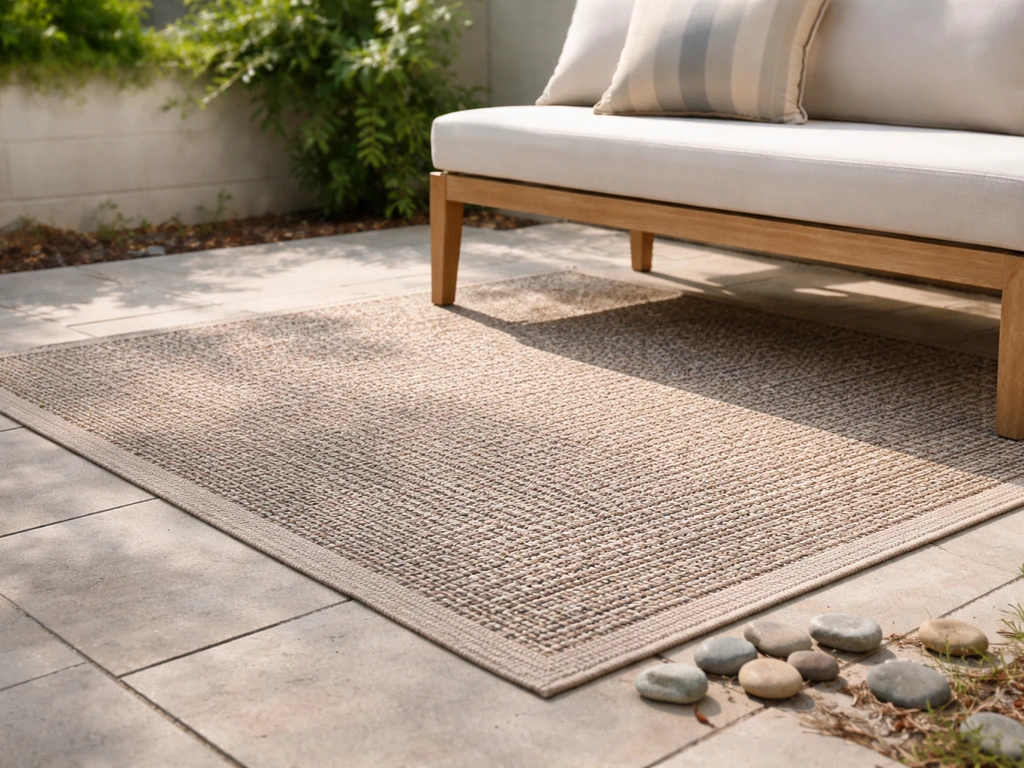
How to pick patio rug material before you buy anything
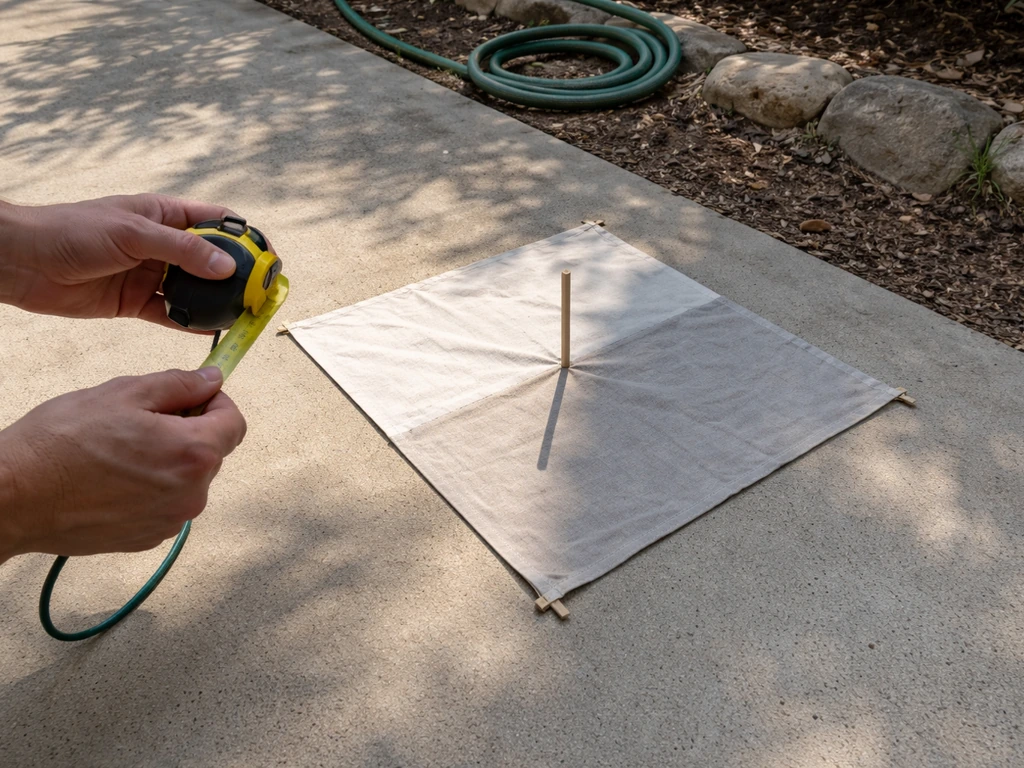
Before you even look at materials, nail down four things about your patio: how much direct sun it gets, whether it's exposed to rain or stays mostly dry, how much foot traffic it sees, and how you plan to clean it. These four factors will eliminate half your options before you ever read a product page.
Sun exposure is probably the most punishing factor. UV light degrades dyes and fibers faster than anything else outdoors. UltraFabrics’ ASTM G154-based specification describes 1000 hours of accelerated UV exposure using a UV lamp apparatus to evaluate coated-fabric resistance to simulated outdoor sunlight and fading blank" rel="noopener noreferrer">ASTM G154 1000 hours accelerated UV exposure. A rug sitting in eight hours of direct sun per day is going to fade in months if it's not built for it. Look for "solution-dyed" in the product description, which means the color is baked into the fiber itself rather than printed on top. This distinction matters enormously for longevity.
Moisture and mildew risk come next. An uncovered deck in a rainy climate, a pool deck, or anywhere the rug stays wet for long stretches creates conditions for mold and mildew growth underneath the rug and within the fibers. You need a material that drains quickly, dries fast, and is inherently resistant to mildew, not just treated with a spray coating that wears off.
Foot traffic and stain risk shape your durability requirements. A grill zone with grease splatter and boot traffic is a completely different environment than a dining area with occasional bare feet. High-traffic zones need a tighter, flat-weave construction so dirt doesn't embed in the pile, and stain resistance matters a lot if kids, pets, or food are involved.
Finally, think about how you'll clean it. If you want to drag the rug to the lawn and blast it with a garden hose, great, most outdoor-rated materials handle that. If you want machine-washable, your options narrow. And if you're considering a pressure washer, the construction needs to be tough enough to take the force without delaminating or fraying.
The best materials and when each one wins
Solution-dyed polypropylene: the default choice for most patios
Solution-dyed polypropylene (sometimes just called "polypro") dominates the outdoor rug market for good reason. The dyeing process happens during fiber manufacturing, so the color is part of the fiber, not a surface treatment. Independent testing using the EN ISO 105/B02 blue scale rates high-quality solution-dyed polypropylene above 7 out of 8 for colorfastness to light, which is excellent for an outdoor textile. It's also naturally hydrophobic, meaning it doesn't absorb water, so it dries fast and doesn't become a mildew breeding ground. Stains sit on the surface rather than soaking in, which makes cleanup easy.
One important caveat: not all polypropylene outdoor rugs are created equal. There are budget rugs sold as "outdoor polypropylene" that use inferior dye systems or skip UV stabilizers, and some people report those fading significantly in as little as a month of direct sun. This is a manufacturing quality issue, not a material flaw, but it means you need to specifically look for "solution-dyed" on the label and, ideally, a stated UV resistance rating. If the product page just says "polypropylene" without mentioning the dyeing process, treat it with some skepticism.
Polypropylene is also the most affordable option in this category, which is why it's the go-to recommendation for most people. It's widely available, comes in a huge range of styles and sizes, and holds up through years of weather exposure when you buy quality.
PET and recycled PET: great performance with an eco angle
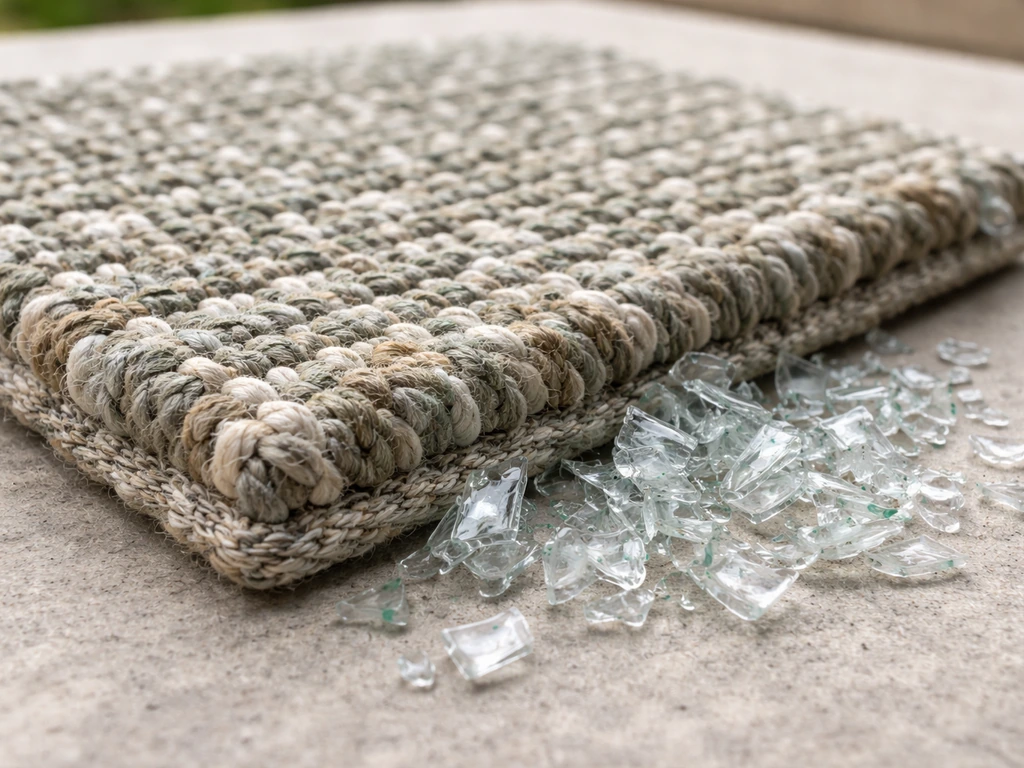
PET (polyethylene terephthalate) fiber, including rugs made from recycled plastic bottles, is a strong performer outdoors. Like polypropylene, it resists moisture and mildew, cleans up easily, and can be produced with solution-dyed fibers for good colorfastness. Recycled PET rugs have become popular because they offer a sustainability story without sacrificing performance. The feel is often slightly softer underfoot than polypropylene, which some people prefer. Performance-wise, PET and solution-dyed polypropylene are comparable for most patio uses, so if the eco credentials matter to you, PET is a completely viable choice.
Outdoor acrylic: the comfort premium pick
Outdoor acrylic is the material used in high-end outdoor fabrics and cushions (think Sunbrella-style products), and it translates well to patio rugs. It has excellent UV resistance, good colorfastness, and a softer, more textile-like feel than polypropylene. The trade-off is price and drying time. Acrylic absorbs slightly more moisture than polypropylene, so it takes longer to dry after rain, which increases mildew risk in consistently wet climates if the rug doesn't get airflow. For a covered patio with occasional moisture exposure, outdoor acrylic is a legitimate step up in comfort and aesthetics. For a fully exposed deck in a rainy climate, polypropylene or PET will serve you better.
Olefin and olefin blends: the budget-friendly workhorse
Olefin is closely related to polypropylene (it's in the same polymer family) and shares many of the same benefits: moisture resistance, stain resistance, and reasonable UV performance. You'll often see it marketed as an outdoor rug material at the lower end of the price range. It's a perfectly decent choice for a covered patio or low-moisture environment. Where it falls short is in sustained UV exposure, where it typically doesn't match the performance of quality solution-dyed polypropylene. Olefin blends can also crush and flatten more over time in high-traffic areas. It's a fine budget option for light-duty use but not the best call for a fully exposed, high-traffic situation.
| Material | UV Resistance | Moisture/Mildew Resistance | Comfort Underfoot | Ease of Cleaning | Price Range |
|---|---|---|---|---|---|
| Solution-dyed polypropylene | Excellent (when solution-dyed) | Excellent | Moderate | Very easy (hose off) | Budget to mid-range |
| PET / Recycled PET | Good to excellent | Excellent | Moderate to good | Very easy | Budget to mid-range |
| Outdoor acrylic | Excellent | Good (slower drying) | Best | Easy (spot clean, hose) | Mid to premium |
| Olefin / olefin blends | Good | Good | Moderate | Easy | Budget |
Best material for wet climates and mildew-prone patios
If your patio gets regular rain, sits near a pool, or stays shaded and damp for stretches, solution-dyed polypropylene is the winner by a clear margin. For help choosing, check out the best patio rugs for rain, including what materials and features hold up when conditions stay damp. Its hydrophobic fiber structure means water doesn't absorb into the material itself. It drains through and the rug can dry out within hours. Quality solution-dyed woven polyester products list inherent mildew and mold resistance as part of the fiber's properties, not as an added coating, which holds up over time rather than washing away. Cushion Connection’s SunTastic 1000 solution-dyed woven polyester datasheet also describes inherent mildew and mold resistance as well as high ultraviolet (UV) resistance blank" rel="noopener noreferrer">SunTastic 1000 solution-dyed woven polyester datasheet describes inherent mildew and mold resistance.
A few practical points for wet conditions: always use a rug pad with drainage holes rather than a solid rubber-backed pad, which traps moisture underneath and accelerates mildew growth on both the rug and your deck surface. Flip the rug occasionally if it stays wet for extended periods, and let it fully dry before rolling it up for storage. Even the best mildew-resistant material will eventually have problems if it stays wet and confined with no airflow.
PET performs nearly as well as polypropylene in wet conditions. If rain is your primary concern and you're choosing between those two, go with whichever fits your style and budget. Outdoor acrylic is a step behind in this specific category because of its slower dry time.
Best material for comfort underfoot
Outdoor rugs are generally not as plush as indoor rugs, but comfort varies a lot by construction. Outdoor acrylic offers the best feel underfoot, with a softer hand that's closer to an indoor textile. If you're using a rug in a lounge area where you're sitting and walking barefoot, acrylic is worth the extra cost.
For polypropylene and PET rugs, the weave construction matters as much as the fiber. A thicker pile or a ribbed loop construction feels significantly better than a flat-woven version of the same material. For high-comfort zones, look for a pile height of at least 0.3 to 0.5 inches, or consider adding a cushioned rug pad underneath to offset the firmness of a flat-weave.
One honest trade-off: the thicker and plusher the outdoor rug, the longer it takes to dry and the more debris gets caught in it. A shag-style polypropylene rug might feel great, but it holds water, traps dirt, and is much harder to clean than a flat-weave version of the same material. For uncovered patios with regular rain, keep the pile short. Save the thicker, cushier options for covered patios or drier climates.
Best material for heavy use and easy cleaning
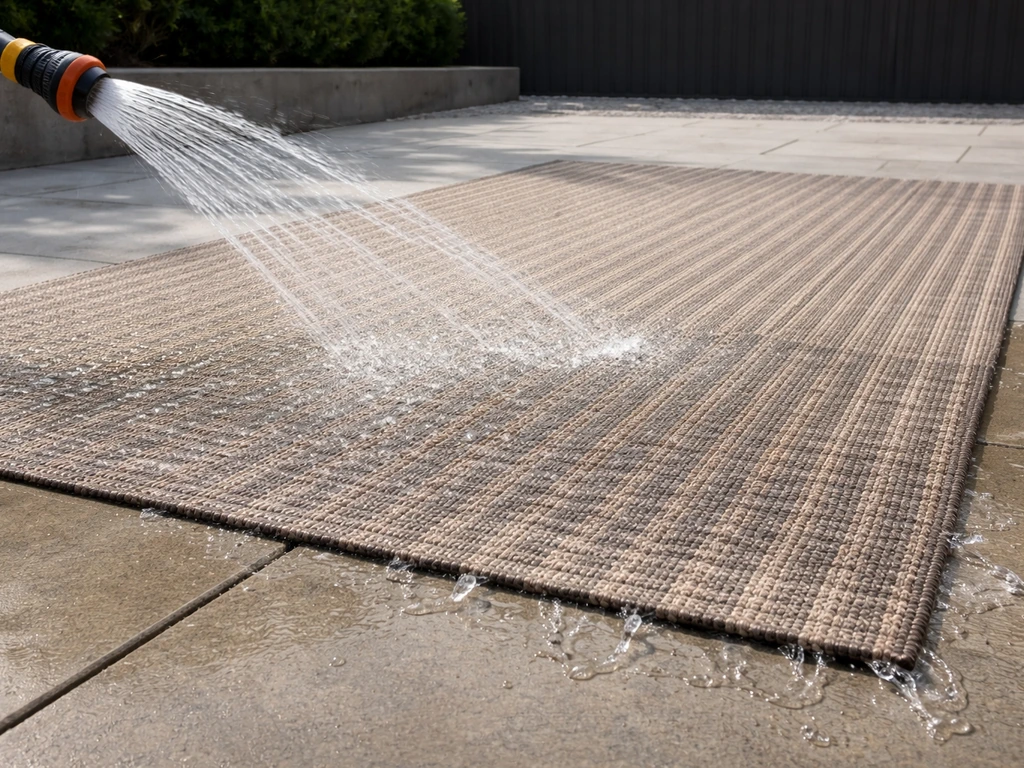
For high-traffic areas, grill zones, households with kids and pets, or anyone who just wants a rug they can power-hose and forget about, solution-dyed polypropylene in a flat-weave or low-pile construction is the practical pick. Its non-absorbent fibers mean spills and stains sit on the surface long enough to be blotted or hosed off. Grease from grilling, muddy paw prints, dropped food, sunscreen, and even mildew surface stains all respond well to a simple rinse and mild soap scrub.
PET rugs share most of these cleaning advantages. Both materials dry fast enough that you can hose them down in the morning and have them back in place by afternoon. For the easiest cleaning routine, flat-weave constructions win over looped or pile styles because there's nowhere for dirt to hide and the fiber contact per square inch is lower.
A few cleaning notes worth keeping in mind: avoid harsh bleach-based cleaners on any synthetic outdoor rug because they degrade UV stabilizers and accelerate breakdown of the fibers over time. Mild dish soap and water work for most situations. For stubborn mildew spots, a diluted white vinegar solution is gentler than bleach and still effective.
Materials to avoid and where rugs typically fail
Natural fibers like jute, sisal, and cotton look great indoors but fail quickly outdoors. Jute and sisal absorb moisture aggressively, develop mildew within days in damp conditions, and can rot through in a single wet season. Cotton absorbs water, fades in UV, and takes a long time to dry, creating the same mildew problems. If you're drawn to the natural aesthetic of jute or sisal, use it only on a fully covered, dry patio and expect to replace it much sooner than a synthetic option.
Wool is occasionally marketed for outdoor use but is generally a poor choice for exposed patios. It absorbs moisture, is slow to dry, can felt or shrink, and is much harder to clean than synthetics. It's expensive to replace when it inevitably degrades in outdoor conditions.
Beyond material choice, construction failures are just as common as fiber failures. Rugs with latex or rubber backings trap moisture underneath, which damages both the rug and the deck surface. Rugs that aren't solution-dyed will fade even if the base fiber is outdoor-appropriate. And non-drainage rug pads are probably responsible for as much patio rug mildew as the rugs themselves. Match the rug to a proper open-weave pad.
- Jute, sisal, and natural grass: mold and rot quickly in any moisture exposure
- Cotton: fades fast, absorbs water, slow to dry
- Wool: poor moisture management, hard to clean, expensive to replace
- Non-solution-dyed polypropylene: may fade in weeks in direct sun
- Solid rubber-backed rugs: trap moisture, damage deck finishes, promote mildew
- Thick pile on uncovered patios: holds water and dirt, difficult to fully dry
Matching material to your specific patio situation
Here's a quick breakdown by patio type to make the decision concrete. This covers the most common situations and maps directly to what actually performs in each environment.
| Patio Type / Condition | Best Material | Construction to Look For | What to Avoid |
|---|---|---|---|
| Fully exposed, sunny, dry climate | Solution-dyed polypropylene | Flat-weave or low pile, open-weave backing | Non-solution-dyed fibers, thick pile |
| Fully exposed, rainy or humid climate | Solution-dyed polypropylene or PET | Flat-weave, drainage holes in pad | Acrylic (slow dry), natural fibers, solid rubber backing |
| Covered patio, occasional moisture | Outdoor acrylic or polypropylene | Any weave; pile is fine here | Jute, sisal, cotton |
| Pool deck | Solution-dyed polypropylene or PET | Flat-weave, no rubber backing | Anything absorbent, thick pile |
| Grill zone / high traffic | Solution-dyed polypropylene | Flat-weave, tight construction | Looped pile, natural fibers |
| Dining area, barefoot comfort priority | Outdoor acrylic or thick-pile polypropylene | Medium pile on covered patio | Natural fibers in wet climates |
Your quick buyer checklist
Before you finalize any outdoor rug purchase, run through these points. Before you finalize any outdoor rug purchase, run through these points to help you choose the best outdoor mat for patio that matches your sun, moisture, and cleanup needs. They're the things most people skip and then regret later.
- Confirm it says "solution-dyed" on the label, not just "polypropylene" or "outdoor-rated"
- Check the backing: open-weave or perforated, not solid rubber or latex
- Match pile height to your moisture exposure: flat-weave for wet/exposed, pile acceptable for covered/dry
- Pick up a proper outdoor rug pad with drainage holes, not a standard indoor pad
- Measure for at least 12 to 18 inches of rug extending beyond furniture legs on all sides so the rug functions as a zone anchor
- If you're in a rain-heavy region, check the label specifically for mildew resistance (inherent, not spray-treated)
- Set a cleaning schedule: hose it off monthly and let it fully dry before replacing the pad underneath
If you're also thinking about other outdoor floor coverings, flat outdoor mats for entryways and high-mud zones follow similar material logic. And if your patio doubles as a relaxation space, layering a patio blanket over your rug seating area in cooler evenings is a natural extension of this setup. A good set of best patio blankets is designed to stay cozy and weather-ready even when temperatures drop at night. For patios that get frequent rain, the specific performance standards for rain-rated outdoor rugs go deeper into drainage specs and material certifications worth knowing before you buy.
FAQ
What’s the best material for an uncovered patio in frequent rain?
If your rug will sit on a deck or near a pool where water and humidity linger, prioritize solution-dyed polypropylene with an open-weave design and pair it with a drainage-holed pad. Avoid solid rubber-backed pads, because they trap moisture underneath even when the rug itself is mildew-resistant.
How can I tell if a “polypropylene outdoor rug” is actually built to resist fading?
For maximum color longevity, buy only rugs that explicitly say the fiber is solution-dyed (not just “polypropylene”). If the product page omits that detail or UV ratings, it often indicates a cheaper dye system or missing UV stabilizers, which can fade much faster under intense sun.
Can I use a solution-dyed polypropylene rug if I want to power-wash or hose it regularly?
Yes, but choose based on drying time. If you plan to hose it frequently, short pile or flat-weave constructions are easier to rinse clean and generally dry faster than shag or deep loop piles, which can hold debris and water.
What should I use to clean outdoor rugs, and what common cleaner mistake should I avoid?
Avoid bleach-based cleaners on synthetic outdoor rugs. They can degrade UV stabilizers and shorten the rug’s lifespan. For most stains, use mild dish soap and water, then rinse thoroughly and let the rug fully dry before storing it or putting it back down.
What’s the best approach if my patio is shaded most of the day and stays damp?
If the rug will be in near-constant shade or stays damp after rain, avoid thick plush piles and rugs that trap water. Even mildew-resistant fibers need airflow, so flip the rug occasionally and ensure it dries completely before rolling or covering it for storage.
Which construction matters most for durability in a busy grill or walkway area?
In high-traffic areas, choose flat-weave or low-pile. Loopier or higher-pile styles can crush down, trap dirt, and become harder to clean, even if the material is otherwise weather-ready.
Between PET and solution-dyed polypropylene, which is better for wet weather and kids/pets?
PET and solution-dyed polypropylene are both strong for outdoor use, including wet conditions. Pick PET if you want the recycled-content angle and a slightly softer feel, but still ensure it is specifically solution-dyed or otherwise labeled as colorfast for outdoor light exposure.
Is outdoor acrylic a good choice if my patio sees occasional rain but I want a softer feel?
Outdoor acrylic feels more comfortable underfoot, but it typically dries more slowly than polypropylene, which can matter in rainy or humid climates. If your patio gets frequent rain or there is little airflow, polypropylene or PET usually outperform acrylic.
How do I remove mildew spots without damaging the rug?
Generally, yes, but many outdoor rugs are designed to be cleaned without heavy chemical treatment. If mildew is present, use a gentler option like diluted white vinegar for spots rather than bleach, and always rinse and dry fully afterward.
What information should I check on the product page before buying any outdoor patio rug?
Don’t assume any rug labeled “outdoor” is equal. Look for solution-dyed fiber wording and, ideally, a stated UV resistance or performance claim. Also verify the rug has drainage-friendly construction and that you are using an open-weave rug pad.
Do outdoor rug pads actually matter, and what type should I buy?
Yes, choosing the right pad is often the difference between “mostly fine” and “reliably mildew-free.” Use a rug pad with drainage holes, because it supports airflow and prevents moisture from being trapped between the rug and deck surface.
Next Articles
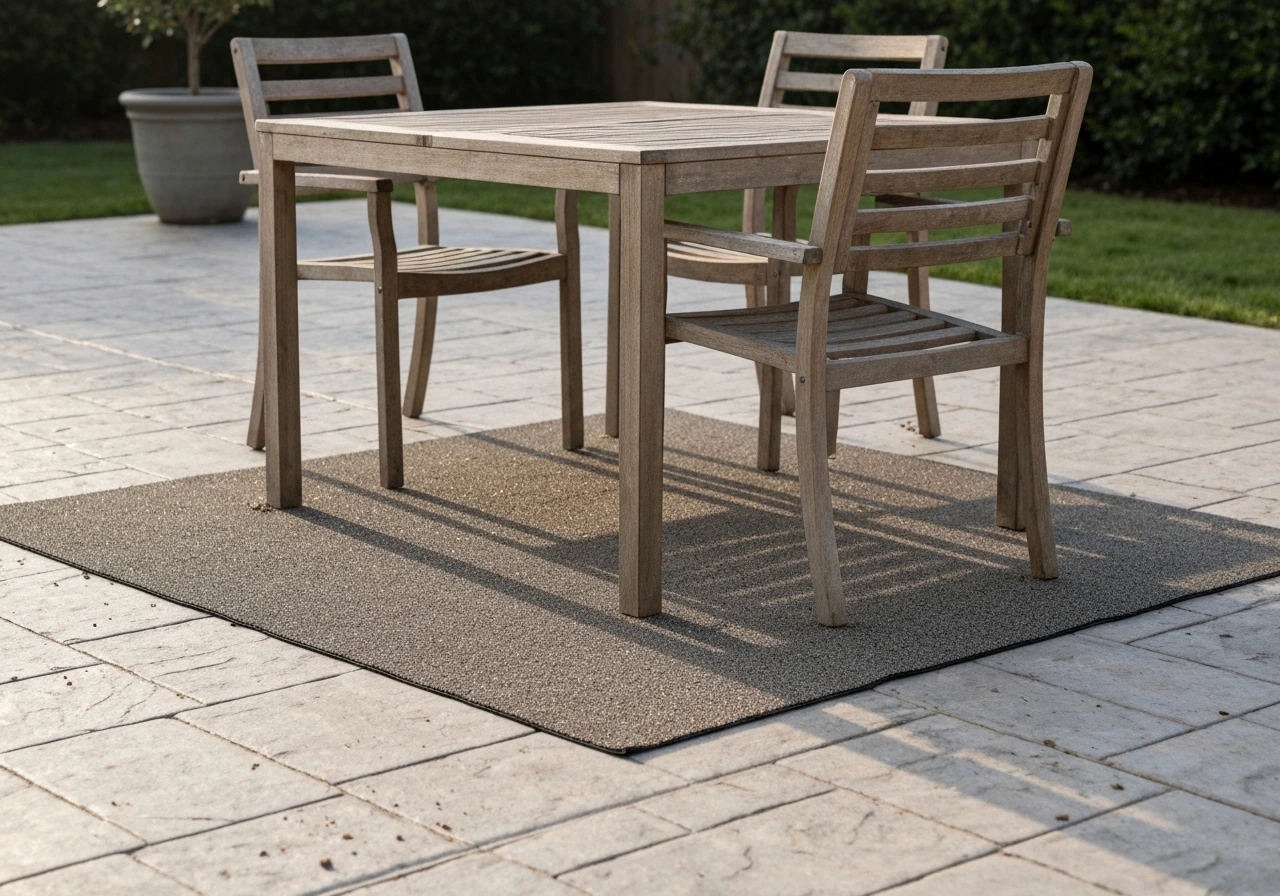
Best Outdoor Mat for Patio: Buy Guide by Use Case
Actionable guide to choose the best outdoor patio mat by material, grip, drainage, cleaning, size and use-case scenarios
Best Sunbrella Patio Cushions: Top Picks, Guide & Maintenance
Find the best Sunbrella patio cushions: durable, fade‑resistant picks, buying tips, care, and top recommendations.
Alternative to Patio Cushions: Durable, Stylish Options and DIY
Alternative to patio cushions: durable, weatherproof seating options, pros, DIY tips & buying guide.