
The best outdoor patio cushions are made from solution-dyed acrylic fabric (like Sunbrella), filled with quick-dry polyester or open-cell foam, and sized to fit your furniture within about an inch. For most people, a cushion in the 4-inch thickness range with a removable, zippered cover hits the sweet spot of comfort, durability, and easy maintenance. But the right pick depends on your climate, furniture style, how rough your household is on things, and how much you want to spend.
What Are the Best Outdoor Patio Cushions? A Buying Guide

Lark Perry
24 May 2026
How to choose the best patio cushions (size, fit, and comfort)
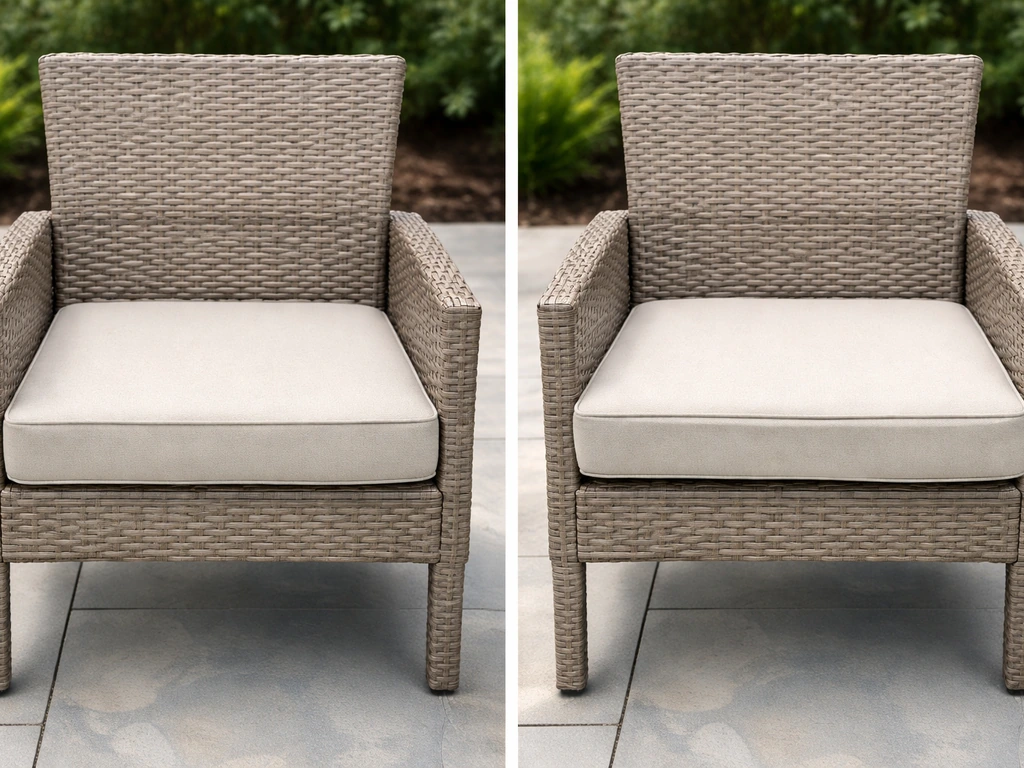
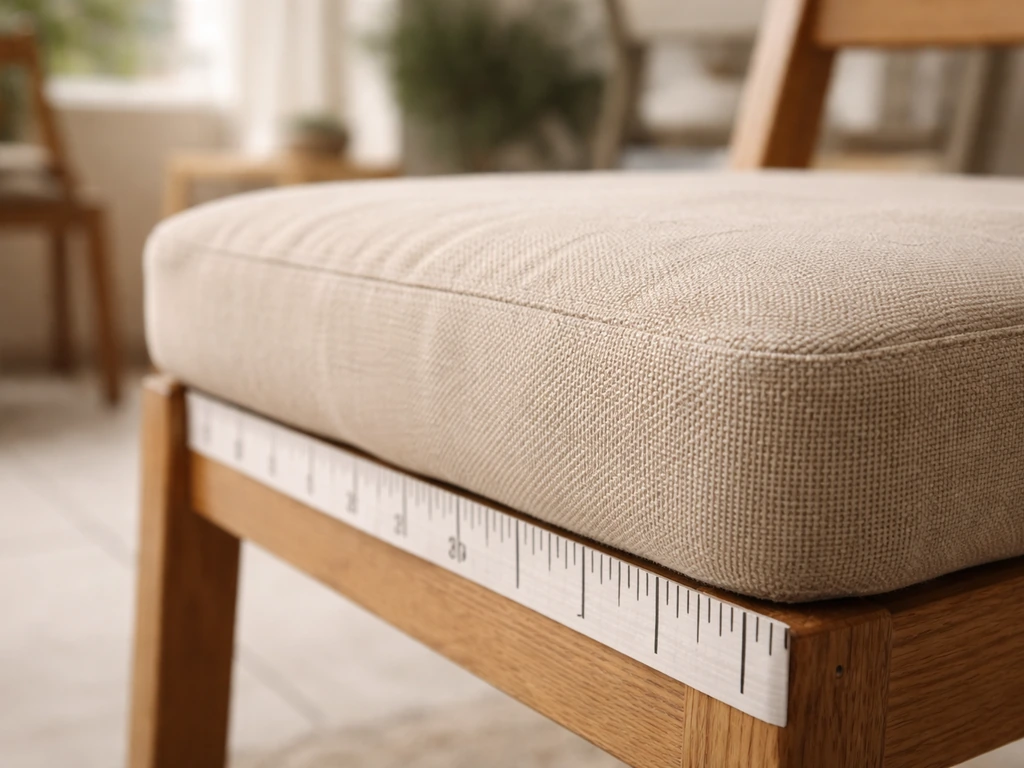
Getting the fit right is the single most important step, and it's where most people go wrong. When selecting a proper replacement-cushion fit, confirm that both the horizontal seat portion and the vertical backrest portion align with the furniture Getting the fit right. A cushion that's even 2 inches too wide looks sloppy and shifts constantly. One that's too short slides off the back of the seat and becomes a tripping hazard. Before you look at a single product, grab a firm tape measure and take three measurements from your furniture: seat width (side to side), seat depth (front to back), and if you need back cushions, the usable back height.
For seat depth, measure along the horizontal surface where your backside actually sits, not the total frame depth. For back cushion height, subtract the seat cushion's depth from the total backrest height. That math gives you the portion of the back your cushion needs to cover. If you're buying replacement cushions for an older set, add about 1 inch to your measurements. Replacement cushions are often cut slightly small, and that extra inch keeps it from looking like it shrunk in the wash.
Once you have your measurements, think about the attachment style. Tie-on cushions work well for dining chairs where you want to swap them out easily, but the ties can wear out after a season or two. Zippered slip-over cushions are more secure and look cleaner but require a close size match. Slipcover-style cushions, which wrap around the frame or cushion base, are ideal for sectionals and deep-seating sets where precision fitting matters most.
Best cushion types by use case
Seat cushions
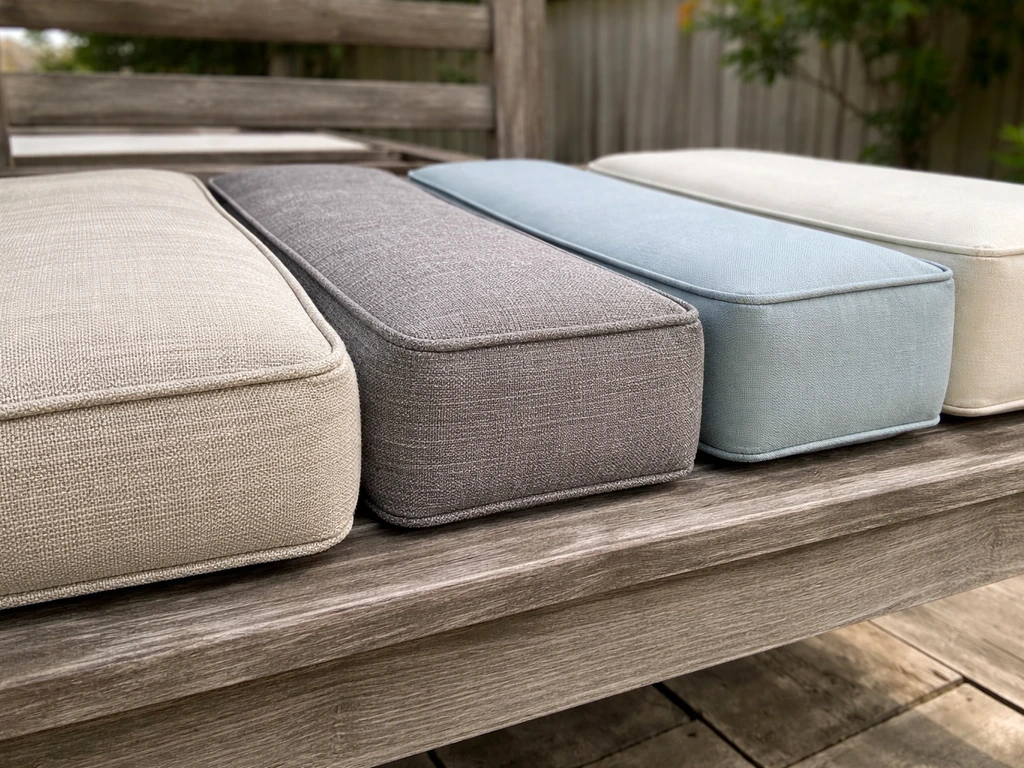
Standard seat cushions range from about 2 to 5 inches thick and are the workhorses of any patio set. They're used on dining chairs, Adirondack chairs, benches, and gliders. For dining chairs, a 2 to 3-inch cushion is usually enough since you're sitting upright and not lounging. For anything where you spend more than 30 minutes at a stretch, go thicker.
Back cushions
Back cushions are often sold separately and tend to be thinner (1.5 to 3 inches) since they're providing lumbar and upper-back support rather than bearing your full weight. The most important thing with back cushions is height accuracy. A cushion that's too tall bunches at the top and pushes you forward; too short and you lose the lumbar support entirely. Use the measurement formula above and don't guess.
Deep-seating cushions
Deep-seating cushions are designed for sofas, sectionals, and lounge chairs with a seat depth of 24 inches or more. These are the big, plush cushions that make your patio feel like an outdoor living room. They're typically 4 to 6 inches thick and include both a seat and a back cushion sold as a set. Because they're larger and heavier, material quality matters even more here. A cheap foam fill in a deep-seating cushion will flatten out within one summer and leave you sitting on a sad pancake.
Weatherproof materials: what actually holds up outside
Fabric
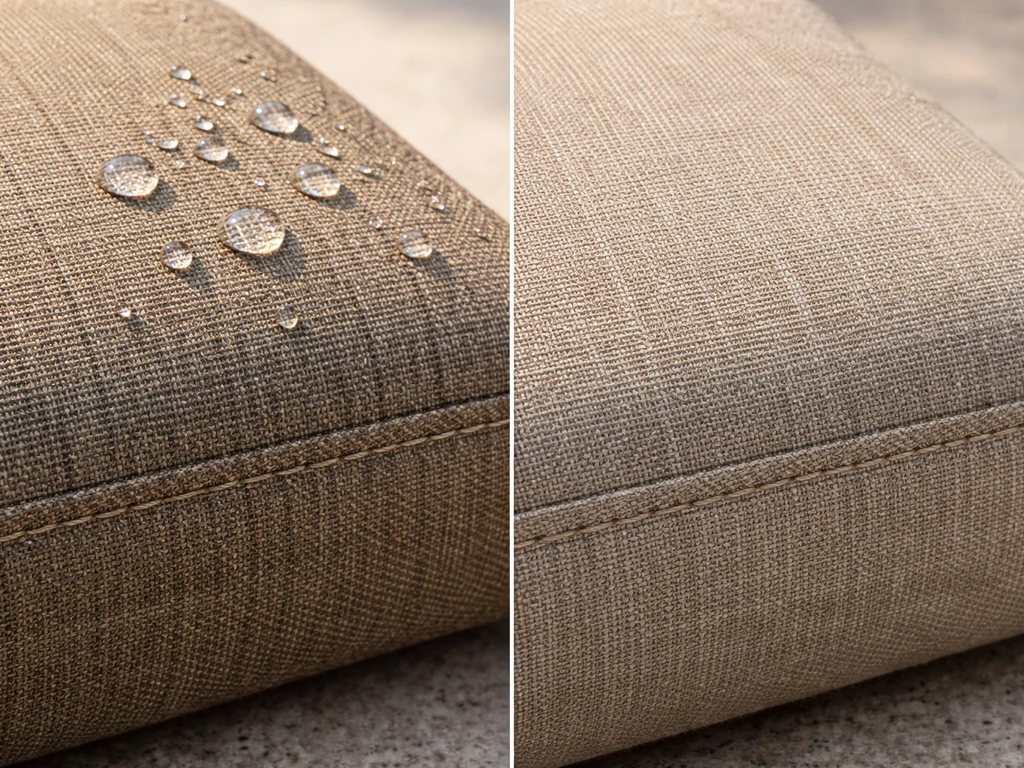
Solution-dyed acrylic is the gold standard for outdoor cushion fabric. The color is baked into the fiber itself during manufacturing, so it resists UV fading far better than fabric that's been printed or dyed on the surface. Sunbrella is the most recognized brand in this category and is worth the premium for anyone in a hot, sunny climate. High-quality polyester (especially olefin and Textilene-style weaves) is a solid budget-friendly alternative, though it fades faster and typically needs to be replaced every 2 to 3 years rather than 5 to 7.
There's also an important distinction between water-resistant and waterproof. Water-resistant fabrics repel light rain and dry quickly but will absorb water in a prolonged downpour. Truly waterproof covers have a sealed backing and work better if your cushions are frequently caught in heavy rain without covers. Most outdoor cushions land in the water-resistant category, which is fine as long as the fill inside also dries quickly. If you need an alternative to patio cushions because yours are constantly getting wet or fading, focus on weatherproof covers and quick-dry fills designed for long-term drying water-resistant category.
Fill and foam
The fill inside your cushion matters as much as the fabric. There are two main options: open-cell polyester fiber fill and outdoor-grade foam. Polyester fiber fill (similar to what's in throw pillows) dries faster because water passes through the open fibers. It's also cheaper, but it compresses over time. Outdoor-grade foam (especially quick-dry or reticulated foam) holds its shape longer and gives better support. The best deep-seating cushions combine a foam core with a polyester fiber wrap for shape, support, and fast drying.
Covers and zippers
Removable covers with rust-proof, marine-grade zippers are a must if you want cushions that last. Being able to pull off the cover and machine wash it (or hose it down) makes a huge difference in long-term upkeep. Avoid cushions with fixed covers or standard metal zippers, which rust and corrode after the first wet season.
Top picks: best cushions by need and budget
Rather than ranking specific product SKUs that change seasonally, here's what to look for in each category based on real-world performance criteria. These guidelines apply whether you're shopping at a big-box store, an outdoor furniture specialist, or online.
| Category | What to look for | Budget range (per cushion/set) |
|---|---|---|
| Best Overall | Solution-dyed acrylic fabric, 4-inch foam core, removable zippered cover, rust-proof hardware | $40–$80 per seat cushion |
| Budget-Friendly | High-density polyester cover, quick-dry fiber fill, tie-on attachment, solid color for fade disguise | $15–$30 per seat cushion |
| Premium / Long-Lasting | Sunbrella fabric, reticulated foam core, double-stitched seams, 5-year fabric warranty | $80–$200+ per seat cushion |
| Quick-Dry | Open-cell or reticulated foam fill, perforated or mesh-back fabric, no batting layer | $30–$70 per seat cushion |
| Pet and Kid Resistant | Olefin or solution-dyed acrylic, tightly woven (no loose loops for claws), dark or pattern cover | $25–$60 per seat cushion |
| Deep-Seating Sets | 5–6-inch seat, 3–4-inch back, foam core with fiber wrap, matching set sold together | $150–$500+ per set |
For most homeowners with a standard patio dining set and a couple of lounge chairs, the best overall category is the right call. The 4-inch solution-dyed acrylic cushion with a removable cover gives you comfort that actually lasts a full summer without the deep-seating price tag. If you're outfitting a sectional or a proper outdoor sofa, invest in the premium or deep-seating tier. The foam quality difference is immediately noticeable.
If budget is a constraint, the budget-friendly options work, but go in with realistic expectations. Plan to replace them every 2 to 3 seasons, choose darker solid colors to mask fading, and always bring them inside during rain or at the end of the season. You can also look at replacement cushion deals from brands like Comfort Classics, Arden Selections, and Mozaic, which offer quality fill at reasonable prices and are sized to common furniture dimensions.
Cushion thickness, support, and comfort features that matter
Thickness is the most visible comfort indicator, but density matters just as much. A 5-inch cushion filled with loose polyester batting will feel like sitting on a cloud for the first week and then compress to 2 inches by August. What you want is a cushion that holds at least 75 percent of its loft through the end of the season. The best way to check this before buying is to look for foam density ratings (anything above 1.8 lb/ft³ is decent for outdoor use) or read reviews specifically about long-term compression.
For dining chairs, 2 to 3 inches of thickness is comfortable for most people. For lounge chairs and chaises where you're reclining, go to 4 inches minimum. Deep-seating sectionals deserve 5 to 6 inches. Back cushions should feel supportive without being stiff. If you have back issues, look for back cushions with a slightly firmer fill rather than soft batting, which collapses against the frame and leaves you with no real support.
Weight and handling are also worth thinking about. A 6-inch deep-seating cushion set for a full sectional can weigh 15 to 20 pounds per piece. If you're storing cushions every night or every rain event, that weight adds up fast. Lighter fiber-fill cushions (even with slightly less support) can be a better practical choice for people who actually move their cushions regularly.
Cleaning, storage, and keeping cushions in good shape
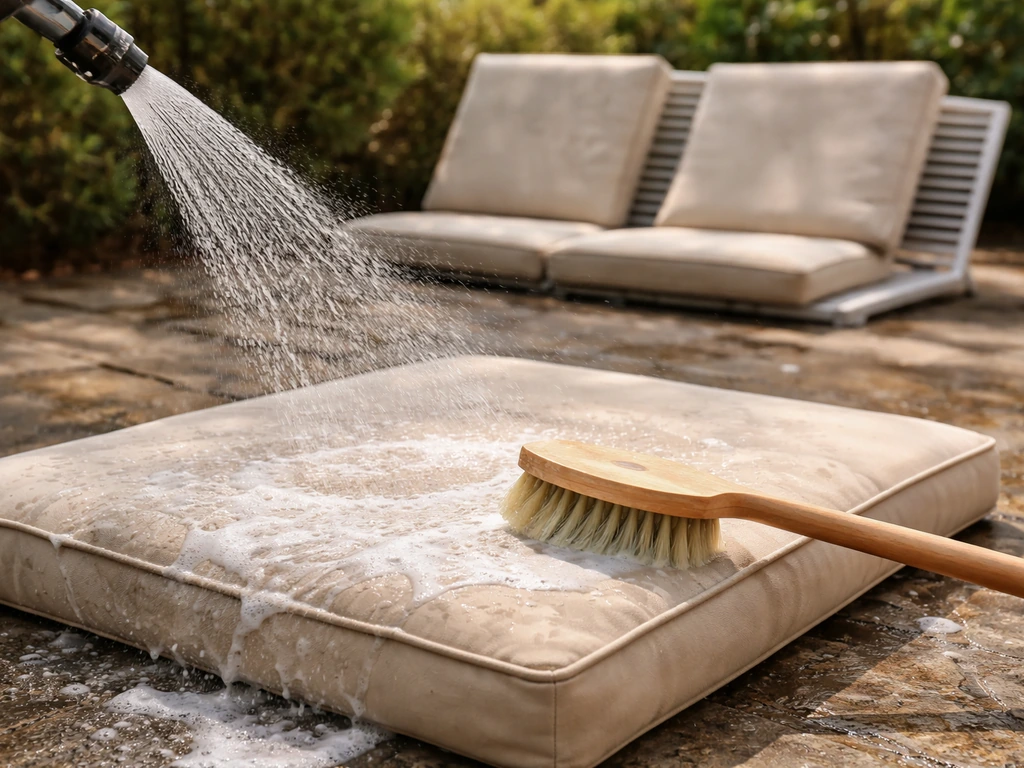
Regular cleaning
For most outdoor cushion fabrics, a mild soap and water solution (about 1/4 cup of dish soap per gallon of water) scrubbed with a soft brush is all you need for regular maintenance. Do this once a month during peak use season and again before storage. For solution-dyed acrylic and Sunbrella fabrics, you can use a diluted bleach solution (1 cup bleach per gallon of water) to kill mold and mildew without damaging the fabric. Always rinse thoroughly and let cushions air dry completely before storing or covering.
Mold and mildew prevention
Mold is the number one cushion killer. It grows fast in humid climates whenever cushions stay damp, especially when they're stacked or stored without airflow. Never store cushions when they're even slightly wet. After rain, stand cushions on their edge so both sides can air out. If you live somewhere humid, a breathable storage bag (not a sealed plastic bin) paired with a desiccant pack does a lot to prevent mold between uses.
End-of-season storage
Before putting cushions away for winter, clean them thoroughly, let them dry completely for at least 48 hours in direct sun if possible, and store them in a breathable cushion storage bag or a deck box with ventilation. Avoid plastic bags, which trap humidity and create perfect mold conditions. A cedar block or two inside the storage area helps keep musty smells away.
Warranties and what they actually cover
Sunbrella fabric carries a 5-year limited warranty against fading and UV damage, which is one of the strongest in the industry and worth factoring into the price comparison. Most other brands offer 1 to 2-year warranties, typically covering manufacturing defects but not UV fading or compression. Read the fine print. A warranty that only covers stitching failure but not fading is not very useful for an outdoor product. Brands with better warranty support (and a reputation for honoring claims) include Pottery Barn Outdoor, Restoration Hardware, and Frontgate on the premium end, and Arden Selections and Keter on the mid-range end.
Your buying checklist and mistakes to avoid
Run through this before you click buy. Top rated patio cushions are typically the ones that combine durable, solution-dyed fabric with quick-dry fill and covers that you can remove and wash. This guide will also help you zero in on the best outdoor patio cushions for your space and budget. It takes 5 minutes and saves you from the most common cushion-shopping mistakes.
- Measure your seat width, seat depth, and back height with a firm tape measure. Add 1 inch to your dimensions for replacement cushions.
- Confirm whether you need seat cushions only, back cushions only, or a matched set.
- Choose your fabric based on climate: solution-dyed acrylic for hot/sunny regions, quick-dry polyester for rainy climates, olefin or tight-weave fabrics for homes with pets.
- Check that the fill is labeled as outdoor-grade foam, reticulated foam, or quick-dry polyester. Avoid standard indoor foam.
- Look for a removable cover with rust-proof zippers or marine-grade hardware.
- Check the warranty length and specifically whether it covers UV fading.
- Confirm return policy before buying, especially for large deep-seating sets where fit issues are harder to predict.
Mistakes that are easy to avoid
- Buying cushions before measuring: even a 1-inch difference looks noticeably wrong in person.
- Choosing white or light-colored cushions for a high-traffic patio: they show every stain, bird dropping, and pollen layer. Opt for medium tones or patterns if the space gets real use.
- Assuming all polyester is the same: solution-dyed acrylic and olefin perform significantly better than standard printed polyester outdoors.
- Storing cushions in sealed plastic bins while still damp: this is the fastest way to grow mold on an otherwise good cushion.
- Skipping the foam density check: thickness without density is just a temporary illusion of comfort.
- Buying individual cushions from two different brands and expecting them to match: color and texture vary enough that mixing brands usually looks off.
- Ignoring cushion weight if you plan to move them frequently: a beautiful 6-inch foam deep-seater is miserable to haul inside every evening.
If you want to go deeper on specific material options, Sunbrella cushions are worth a dedicated look for anyone prioritizing longevity, especially in sun-heavy climates. And if you're still undecided on style direction, thinking through color choices early saves you from buying cushions that clash with your furniture or fade unevenly. For the best color for outdoor patio cushions, choose shades that match your space and resist fading in your sun exposure. The cushion decision also connects naturally to the rest of your patio setup, so it's worth thinking about the whole space rather than just the seat.
FAQ
Can I leave outdoor patio cushions outside year-round?
Yes, but only if the cushion’s cover is machine-washable and the fill dries fast. If your cushions don’t have removable, rust-proof zippers and quick-dry fill, repeated indoor-outdoor rain cycling can shorten the life even with water-resistant fabric.
What if my measurements land between two sizes, how do I choose?
Measure for “usable” dimensions like the article describes, then do a quick test fit: if the cushion cover slips over the base easily and the corners don’t lift, you’re close enough. For zip-over styles, an extra 1/4 inch in width is safer than going small, because slightly loose covers still look tidy while undersized ones bunch and shift.
How can I tell if “water-resistant” cushions will handle heavy rain?
Not always. Water-resistant covers often have open weaves or no sealed backing, so heavy rain and pooling water can soak through. If you get storms where cushions are frequently uncovered, choose truly waterproof with a sealed backing, or add weatherproof cushion storage when rain is expected.
Which fill dries faster, open-cell fiber fill or outdoor foam?
If you store cushions regularly (or you have very humid weather), open-cell polyester fiber fill is often the more practical choice because it dries faster. Foam-based cushions stay supportive longer, but they can be slower to fully dry, so you must dry thoroughly before storage.
Do light-colored patio cushions fade faster than darker ones?
Color and heat matter. Lighter shades and tightly woven fabrics tend to absorb and trap heat less than dark, loose weaves, so they feel cooler and can reduce early fabric wear in intense sun. Pair that with solution-dyed acrylic if fading is a top concern.
What zipper details should I look for on outdoor cushions?
Check the zipper track and the closure style, not just the zipper label. Marine-grade, rust-proof zippers and robust stitching at the corners are what prevent early failures, especially where people sit and shift weight repeatedly.
Are back cushions supposed to be softer or firmer than seat cushions?
If you have a fixed bench or loveseat where cushions cannot shift, a slightly firmer back cushion helps keep posture. If the back cushion frequently slides, choose a design with a wraparound or an attachment style that prevents movement, since thin batting will collapse and make slipping worse.
How do I evaluate compression complaints in cushion reviews?
Reviews that mention “compression” specifically (for example, flattened after one season, stays indented, returns slowly) are more useful than general comfort comments. Also look for mention of loft retention after rain storage, because the fill’s ability to rebound after getting wet is a major real-world differentiator.
Is a plastic storage bin ever okay for patio cushions?
It depends on the container and your climate. For most humid areas, use a breathable cushion storage bag or ventilated deck box plus airflow, and avoid sealed plastic bins unless there’s a proven desiccant setup. The goal is to keep cushions dry and allow any residual moisture to escape.
Can I use bleach on all outdoor cushion fabrics?
Washing can be fine, but avoid bleach unless the fabric is specifically compatible (solution-dyed acrylic is usually the target). Even when bleach is allowed, overuse can accelerate fabric aging, so use mold treatment only when needed and always rinse thoroughly and air dry completely.
Should I rotate or swap cushion covers to extend their life?
If your cushion cover is removable, you can often rotate the set, but don’t swap covers between mismatched sizes or thicknesses because it can stress seams and pull the zipper. For best results, keep each cover with its original fill, especially on deep-seating sets where loft height matters.
What’s the fastest way to make patio cushions last longer?
Add weatherproofing to your workflow. Even solution-dyed fabric benefits from shade, and storing cushions during rain events (or using a top cover that prevents water pooling) greatly reduces mildew risk and slows foam compression.
Next Articles
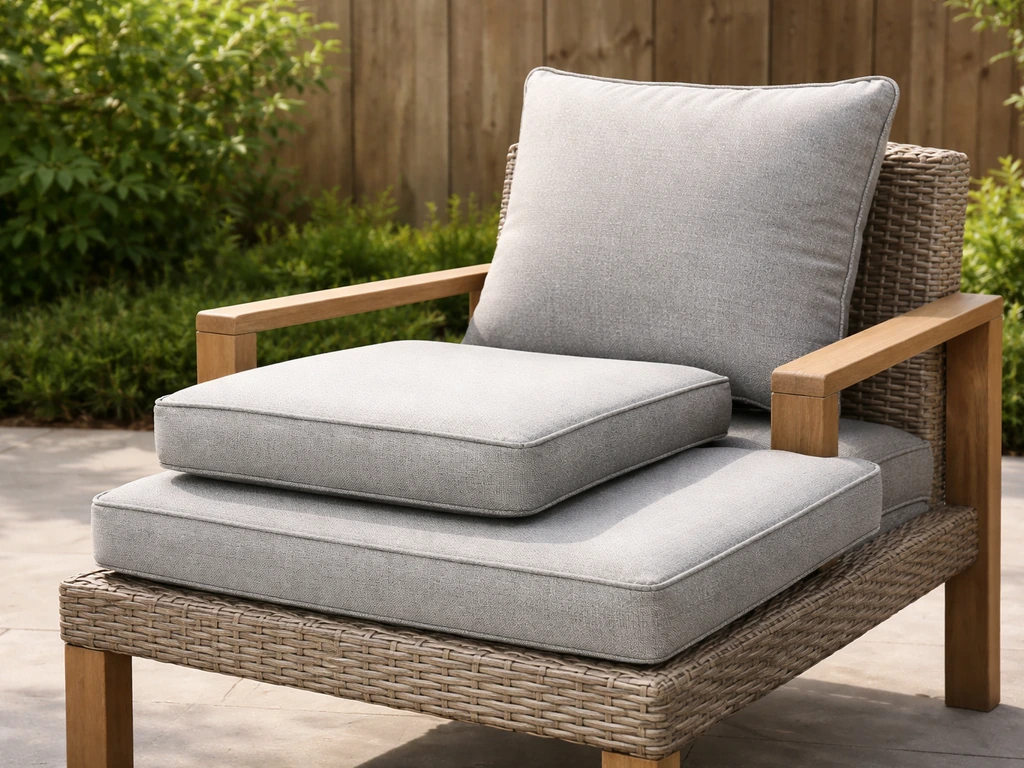
Best Outdoor Patio Cushions: Fit, Comfort, Weatherproof Tips
Choose weatherproof patio chair and seat cushion styles, fit, thickness, foam, covers, and care for lasting comfort.
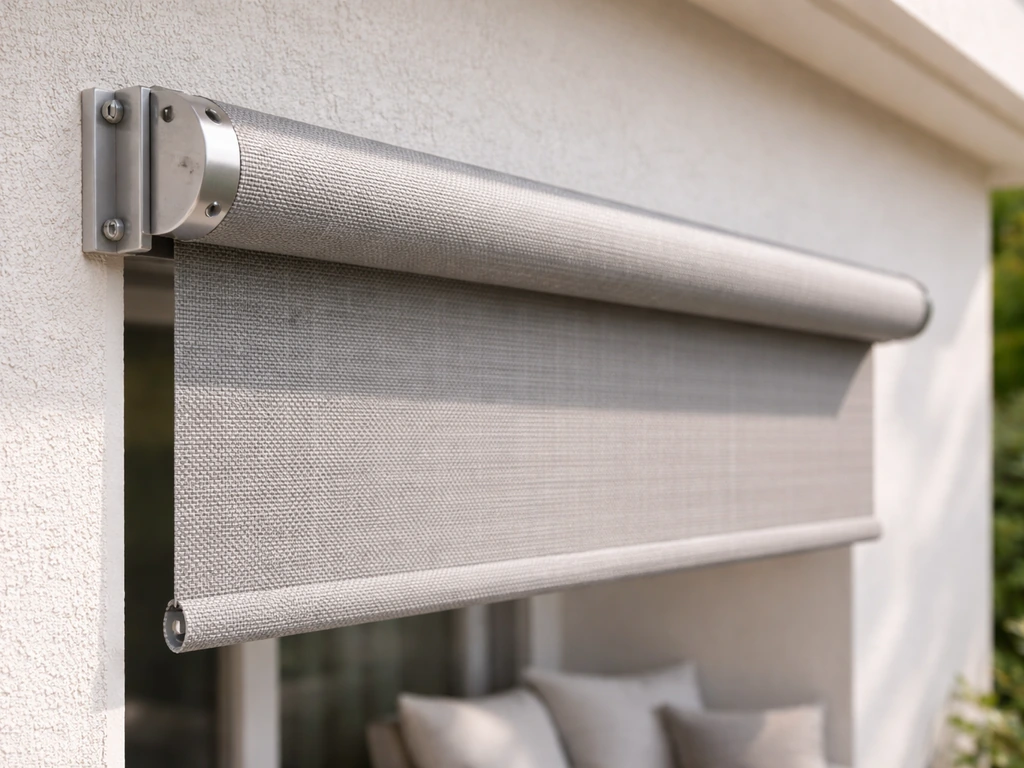
Best Patio Roller Shades Buying Guide: Fit, Mount, Durability
Choose the best patio roller shades with right fit, mounting, UV and water resistance, and manual or motorized options.
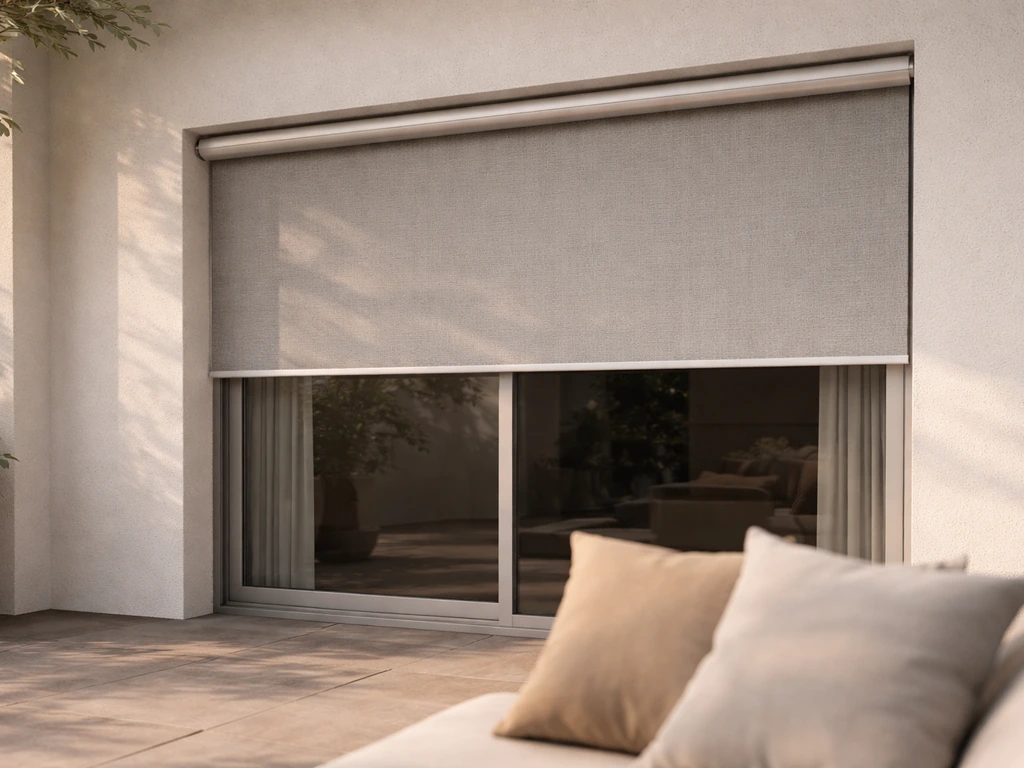
Best Outdoor Roller Shades for Patio: Buyer Guide
Find the best outdoor roller shades for your patio with weatherproof fabric, size tips, mount options, and model picks.