
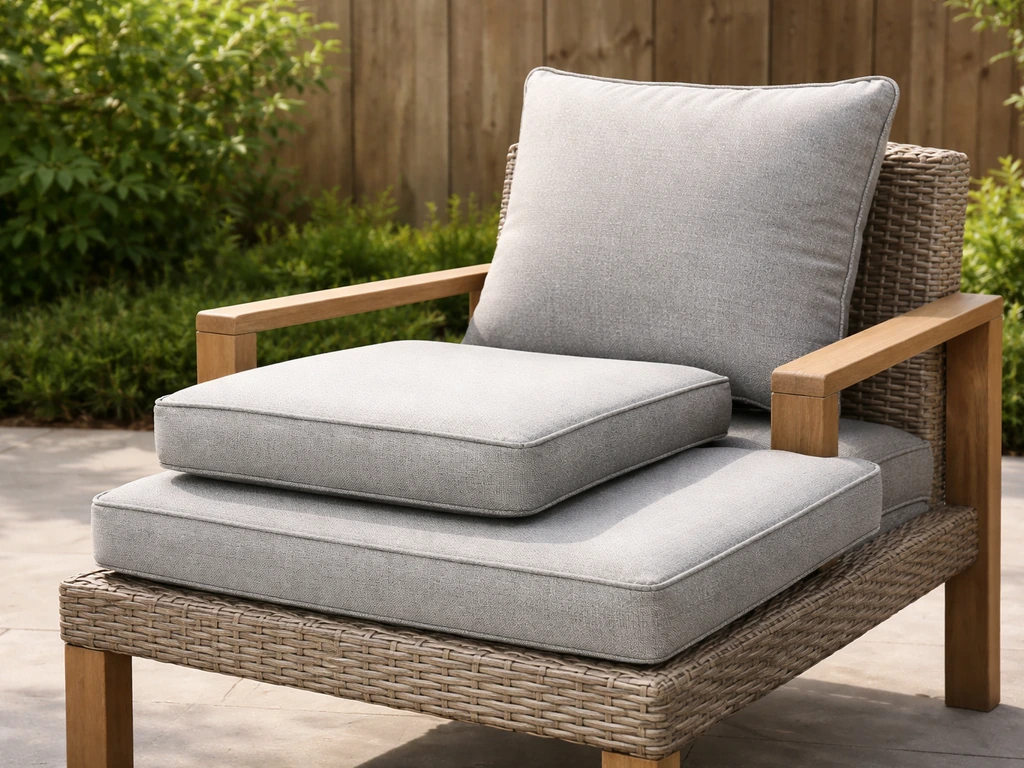
The best outdoor patio cushions right now are ones made with solution-dyed acrylic fabric (Sunbrella being the gold standard), a fast-dry polyester or open-cell foam insert, and sewn seams that drain water rather than hold it. For most people shopping today, that means looking at mid-range to premium options in the $30 to $80 per cushion range for chairs, or $150 to $400 for a full set, depending on how many pieces your furniture has. If you want a single answer: get cushions with Sunbrella or equivalent solution-dyed fabric, 3 to 5 inches of thickness for seating comfort, tie-down straps, and a zipper cover you can actually wash. Everything below will help you dial in the exact type, size, and features for your specific setup. If you need an alternative to patio cushions, consider adding a weather-resistant outdoor rug topper or seat pad designed for outdoor use. If you are shopping specifically for the top rated patio cushions, start with brands known for solution-dyed or UV-resistant fabric and fast-dry foam construction.
Best Outdoor Patio Cushions: Fit, Comfort, Weatherproof Tips
How to Choose the Right Cushion Type and Fit
Before you buy anything, figure out whether you need seat cushions, back cushions, or both. A lot of patio chairs use a single bench-style seat pad, while others (especially wicker and rattan chairs) use a two-piece setup with a separate seat and back cushion. Lounge chairs and outdoor sofas typically take a thick seat cushion plus a separate bolster or back cushion. Getting this wrong means you either end up with a cushion that's too large and bunches up, or too small and leaves the frame exposed.
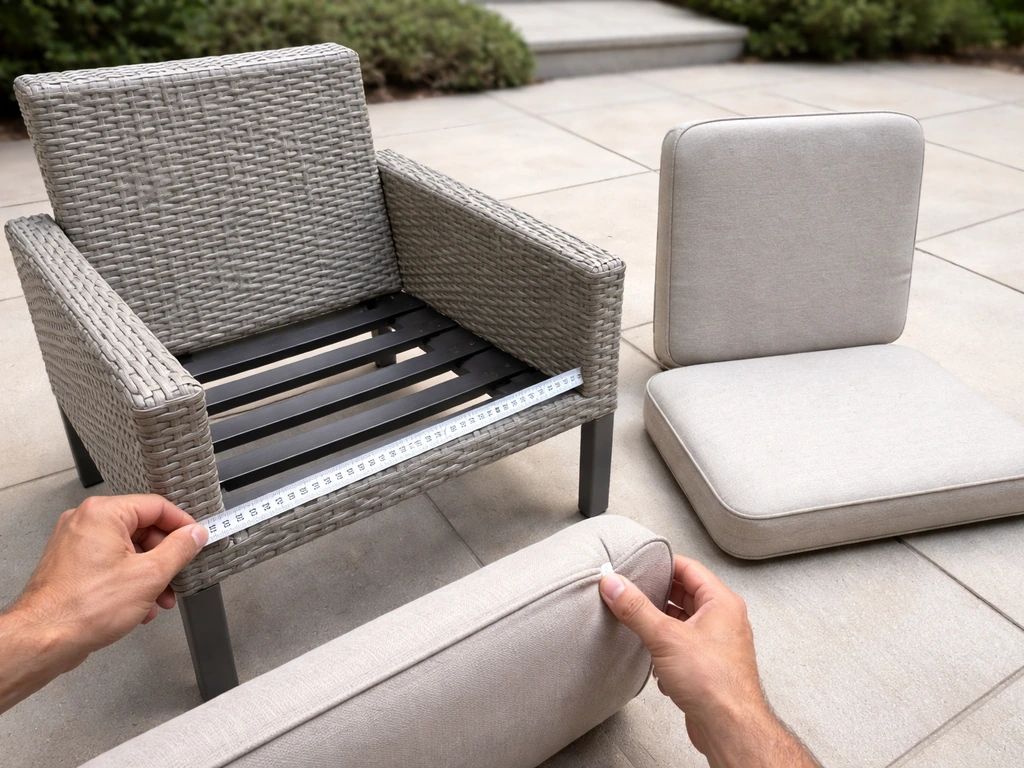
For two-piece chairs with separate seat and back cushions, the sizing math matters more than most people realize. blank" rel="noopener noreferrer">Measure the back height from the top of the chair frame down to the top of the seat frame, then subtract the thickness of your seat cushion. So if the back frame measures 24 inches and your seat cushion is 6 inches thick, you actually need an 18-inch back cushion, not a 24-inch one. Skip this step and the back cushion will sit too high, gap at the bottom, or push you forward off the seat. Also worth knowing: blank" rel="noopener noreferrer">most cushion brands measure seam-to-seam, not the full fluffed-out foam dimension, so always go by the brand's listed measurement method when ordering replacements.
For seat cushions specifically, measure the seat width (left to right across the frame) and seat depth (front to back where you actually sit). Match those numbers as closely as possible, with no more than half an inch of play in either direction. A cushion that's too deep slides forward constantly; one that's too narrow slides sideways. Both are annoying and both put more wear on the fabric at the edges.
Weather-Resistant Materials and Construction
Fabric: What Actually Holds Up Outside
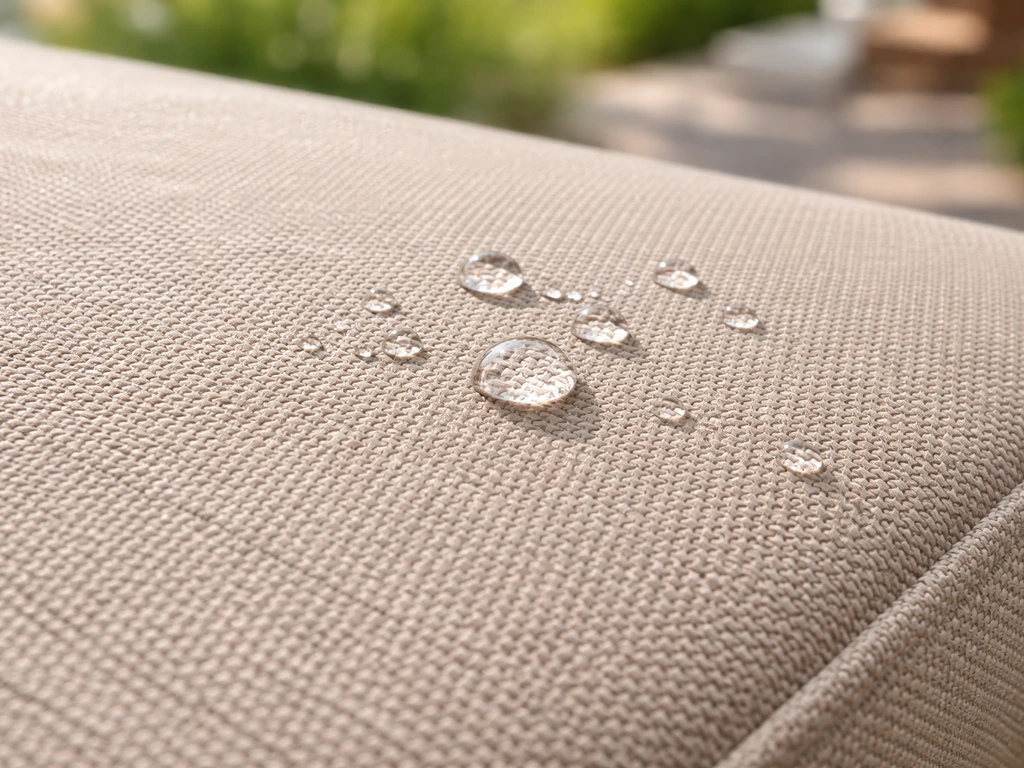
Fabric choice is where most cushion longevity is won or lost. Solution-dyed acrylic is the top performer: the color is baked into the fiber itself rather than applied on top, so UV exposure doesn't bleach it out. Sunbrella is the most recognized brand in this category and sets the benchmark. If you're aiming for the best sunbrella patio cushions, start by prioritizing solution-dyed acrylic like Sunbrella and match the cushion thickness and fit to your furniture. Expect 500 to 1,000 hours of UV resistance before any noticeable fading, compared to 100 to 200 hours for basic polyester prints. If you're buying budget cushions, look for "UV-treated" or "UV-resistant" polyester as a minimum, but know it typically fades noticeably within one to two seasons in direct sun. Olefin (polypropylene) fabric is a solid middle-ground option: cheaper than solution-dyed acrylic, naturally water-resistant, and more fade-resistant than printed polyester.
Foam and Fill: Dry Fast or Stay Soggy
The insert matters almost as much as the cover. Open-cell polyester foam is the standard in weather-resistant cushions because it lets water pass through rather than trapping it inside. Closed-cell foam feels firmer but holds moisture, which leads to mildew in humid climates. Some premium cushions use a polyester fiberfill wrap around the foam core for a softer feel while still draining well. Avoid cushions with standard indoor foam inserts (they'll be labeled as "poly-fill" or "dacron" without specifying outdoor use) because they'll stay wet for days after rain and grow mold within a season. If a cushion listing doesn't mention the insert type, that's usually a red flag.
Seam Construction and Drainage
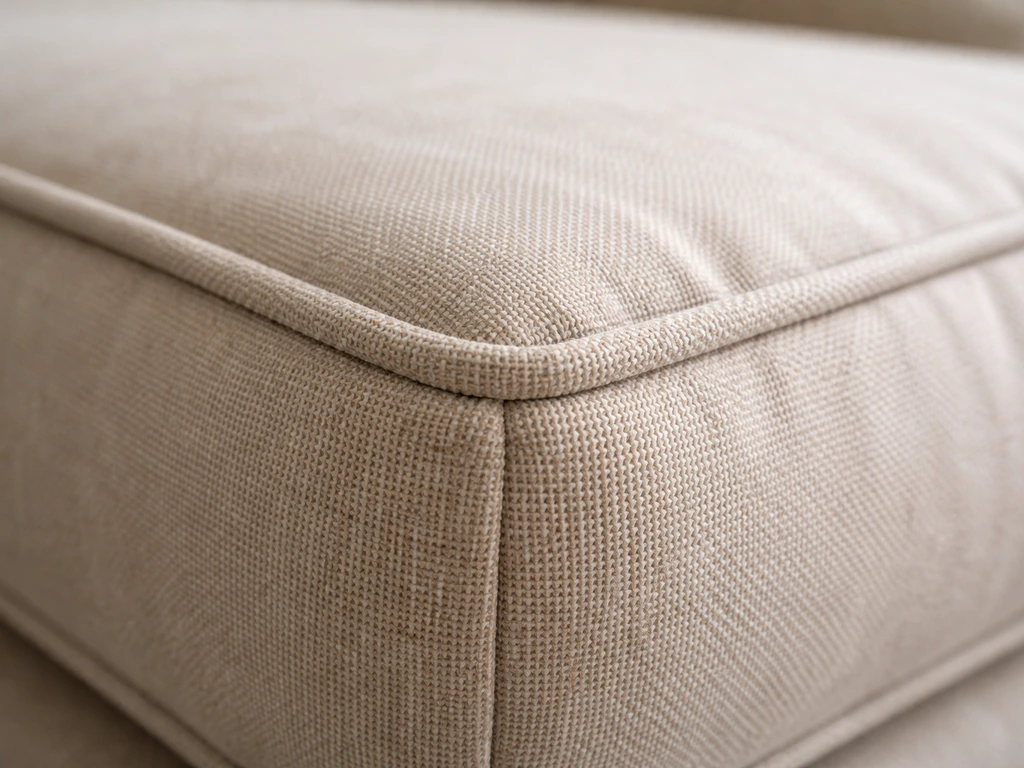
Look for welt cord seams (the raised piping you see around the edges of quality cushions) rather than simple stitched seams. Welt cord seams are more durable under stress and hold their shape better over time. More importantly, check whether the cushion has drainage holes or an open bottom seam at the back. Without a drainage point, even the best fast-dry foam will hold a puddle if rain collects on the cushion surface. The best cushions have a small drainage hole at the back lower edge so water gravity-drains after a rain event and the cushion dries within an hour or two rather than overnight.
Sizing, Thickness, and Support for Chairs vs Seats
Thickness is where comfort and support are determined. Here's a practical breakdown by furniture type:
| Furniture Type | Recommended Thickness | Why |
|---|---|---|
| Dining chair | 2 to 3 inches | Keeps you at the right table height without raising you too far above the tabletop |
| Lounge / Adirondack chair | 3 to 5 inches | You're fully reclining or seated for long periods, so extra cushion is worth it |
| Outdoor sofa seat | 4 to 6 inches | Mimics indoor sofa feel; thinner cushions feel firm and uncomfortable quickly |
| Bench seat | 2 to 3 inches | Thicker cushions shift and slide on benches without a back frame to anchor them |
| Wicker / rattan chair (two-piece) | 3 to 4 inches seat, 2 to 3 inches back | Two-piece balance matters; too thick a back cushion pushes you too far forward |
One thing worth saying clearly: most budget cushions labeled as "3 inches" measure that before compression. After a season of sitting, a low-density foam cushion can compress down to under 2 inches and feel like you're sitting on a board. Higher-density foam (1.8 lb per cubic foot and above) holds its shape much longer. You won't always find density specs in product listings, but a useful shortcut is price: cushions under $20 per piece almost never use high-density foam.
Top Features That Actually Matter
There are a few features that sound like marketing extras but actually make a real difference in day-to-day use. Here's what to prioritize and what you can skip.
- Tie-down straps or loops: Non-negotiable if you live somewhere with wind. Look for cushions with at least two straps per piece; four is better for bench pads. Straps that thread through the frame hold better than clips or velcro, which wear out.
- Removable, zippered covers: Makes cleaning dramatically easier. You can pull the cover off, machine wash it on cold, and let it air dry. Cushions with sewn-shut covers require spot cleaning only, which is much less effective for grease or mildew stains.
- Waterproof vs water-resistant: Waterproof covers (with a coating or membrane) repel light rain well but can trap condensation between the cover and foam. Water-resistant fabric (like Sunbrella) lets moisture migrate through slowly but also dries faster from the inside out. For most patios with moderate rain, water-resistant wins.
- Color stability: Solution-dyed fabrics hold color far longer than screen-printed or yarn-dyed options. If the listing doesn't specify solution-dyed, assume it fades faster.
- Antimicrobial treatment: Some cushions include mold and mildew inhibitors built into the fabric or foam. Worth having in humid climates like the Southeast or Pacific Northwest.
- Separate cushion covers: If you want flexibility in color or want to replace covers without buying new cushions, look for brands that sell covers separately. This is also a cost-effective way to refresh the look of a set without replacing the foam inserts.
Features you can honestly skip: most attached pillows (they get flattened fast), decorative button tufting (it traps water and dirt), and non-removable decorative trim that can't be washed. These look great in photos but add maintenance problems in real use.
Best Picks by Category
Best Outdoor Chair Cushions
For dining chairs, you want something in the 2 to 3 inch range that ties securely and is easy to slide on and off. The Mozaic Company makes well-reviewed dining chair cushions with Sunbrella fabric at around $35 to $55 per cushion, with multiple tie-downs and a zippered cover. For a slightly lower price point, Classic Accessories makes decent olefin-fabric chair cushions with tie straps for around $25 to $35 each. If you want a truly premium option, Pottery Barn's Sunbrella chair cushions (around $80 to $120 each) hold up extremely well over multiple seasons and the covers are removable and washable.
Best Outdoor Seat Cushions
Seat cushions for lounge chairs, Adirondacks, or outdoor sofas should be 3 to 5 inches thick with a fast-dry insert. Pillow Perfect makes a solid line of outdoor seat cushions in multiple sizes with wipeable fabric covers at $30 to $60 per cushion. For lounge chairs specifically, the Arden Selections line (sold through major retailers) offers 4-inch thick options in solution-dyed fabric with reliable tie straps for around $40 to $60. If you have a specific frame shape (kidney, L-shaped, or round), custom cushion companies like Cushion Source or Comfort Works let you specify exact dimensions and fabric, with prices typically starting around $80 to $120 per cushion for Sunbrella fabric.
Best Full Patio Furniture Cushion Sets
If you're outfitting a full set (sofa, two chairs, and a coffee table or Ottoman), buying as a coordinated set usually saves money and ensures the fabric matches across pieces. Better Homes and Gardens and Threshold (Target's outdoor line) both offer full cushion sets in the $150 to $250 range. These use UV-resistant polyester rather than solution-dyed acrylic, so expect some fading after two to three seasons. For a set that lasts five-plus seasons with minimal fading, the Sunbrella branded sets through brands like Hanamint, Telescope, or direct from Sunbrella fabric dealers run $300 to $600 for a four-piece set. That price jump is significant, but replacement planning (covered below) makes it worth the math.
Care, Cleaning, and Storage to Make Cushions Last
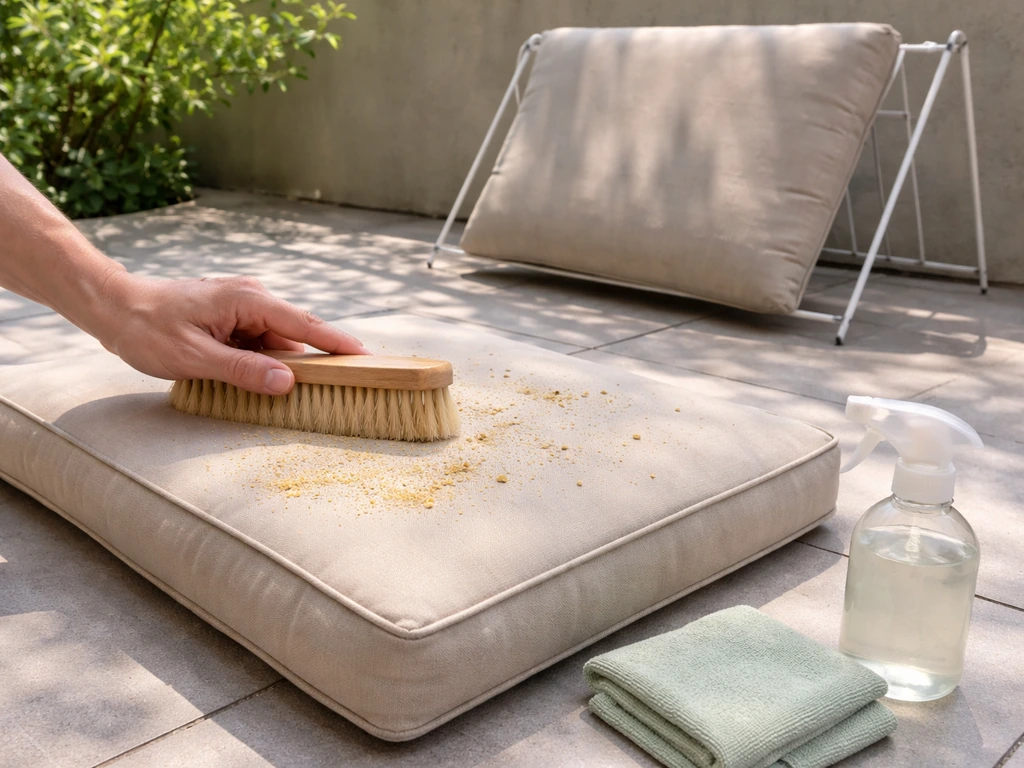
Even the best outdoor cushions need some care to hit their maximum lifespan. The biggest mistake most people make is ignoring the cushions until they're visibly moldy or stained, at which point cleaning is an uphill battle. Routine maintenance every few weeks during peak season is much easier.
- Brush off loose debris (pollen, leaves, bird droppings) weekly with a soft brush or shake the cushions out. Organic debris left to sit traps moisture and starts mold.
- Spot clean stains immediately with a mix of dish soap and warm water. For Sunbrella and similar solution-dyed fabrics, a diluted bleach solution (1/4 cup bleach per gallon of water) won't damage the fabric and kills mold spores effectively.
- For cushions with removable covers, wash covers in the machine on cold every four to six weeks during heavy use season. Air dry only, never machine dry (heat degrades the fabric coating and UV treatment).
- For sewn-shut cushions, spray clean with a fabric-safe outdoor cleaner, scrub gently, rinse with a hose, and stand the cushion on edge to drain and dry fully before placing back on furniture.
- At end of season, store cushions in a cool, dry indoor space. A dedicated outdoor cushion storage bag or deck box works well. Do not store cushions while still damp; this is how mold colonizes the foam insert.
- Apply a fabric protector spray (303 Fabric Guard or similar) at the start of each season to restore water repellency, especially on solution-dyed acrylic fabric that has been washed multiple times.
One real-world tip: if you live somewhere with heavy summer storms, invest in a deck box or outdoor storage bench that holds your cushions. Bringing them inside or covering them before major rain events extends their life significantly, even if the fabric is technically rated for moisture.
Budget vs Premium: Cost-Benefit and Replacement Planning
Here's the honest math on cushion spending. A set of budget polyester cushions for a four-piece patio set costs around $100 to $200 total. They'll look decent for one season, start fading and compressing in season two, and realistically need replacement by year three. That's $50 to $70 per year in cushion costs, plus the hassle of shopping again.
A mid-range set with olefin fabric and a decent foam insert costs $250 to $350. With proper care and seasonal storage, expect three to five seasons before they look tired. That's $60 to $90 per year, but with dramatically less maintenance frustration and fewer mildew problems.
Premium Sunbrella cushions for a four-piece set run $400 to $600. Treated well, they last seven to ten seasons, meaning $50 to $85 per year, and they still look close to new at year five or six. The real advantage isn't just longevity: it's not having to shop again, not dealing with sagging foam or bleached-out colors, and having covers you can actually wash without worrying about damage. To pick the best color for outdoor patio cushions, prioritize fade-resistant shades that match your furniture and keep its look fresh season after season.
| Tier | Upfront Cost (4-piece set) | Expected Lifespan | Annual Cost | Best For |
|---|---|---|---|---|
| Budget (polyester) | $100 to $200 | 1 to 3 seasons | $50 to $80/year | Renters, temporary setups, low-sun patios |
| Mid-range (olefin) | $250 to $350 | 3 to 5 seasons | $60 to $90/year | Most homeowners who store cushions seasonally |
| Premium (Sunbrella/solution-dyed acrylic) | $400 to $600 | 7 to 10 seasons | $50 to $85/year | Long-term homeowners, high-sun or high-rain climates |
The counterintuitive part: premium cushions aren't dramatically more expensive per year than budget options once you account for replacements. If budget is tight right now, go mid-range over budget and you'll thank yourself in two seasons. If you can stretch at all, Sunbrella-quality fabric pays for itself for anyone who's serious about their outdoor space.
One more thing worth knowing: if you love a particular cushion set but the fabric is fading while the foam is still in good shape, look into replacement covers rather than full cushion replacement. Several brands and custom shops (including Sunbrella fabric dealers) sell covers to fit standard foam dimensions. This can cut replacement cost by 40 to 60 percent and is worth pricing out before you toss an otherwise functional set. Color choices, Sunbrella fabric options, and the specific look that works best for your patio are worth exploring separately if you're building out a full outdoor design.
FAQ
How do I know if my current cushions are likely the right size if I switch brands?
Check whether the listing measures seam-to-seam or full foam dimensions. If measurements are seam-to-seam, adding your cushion thickness to your frame opening can make the difference between a tight fit and a cushion that bunches or leaves gaps. Also confirm tie-down locations (they can shift how much usable seating surface you actually get).
My cushions get soaked after rain. Is it always the foam, or can the cover be the issue too?
Both can matter, but a common cover-only problem is missing drainage details like an open-bottom seam or drainage holes at the back lower edge. If water can’t escape from the cushion base, even fast-dry inserts will stay wet longer, leading to mildew within days in humid weather.
Can I machine wash outdoor cushion covers, and what’s the safest way to do it?
If the listing says the cover is washable and has a zipper cover, remove only the cover and wash it on a gentle cycle with mild detergent, then air-dry fully before reassembly. Avoid high-heat drying, because heat can shrink piping or seams and change the fit over time.
What’s the best choice if I need cushions for direct sun all day, but I don’t want the premium price?
Prioritize UV-resistant fabric with solution-dyed or at least UV-treated polyester, and choose lighter or mid-tone colors that show less fade. Then compensate with better inserts, since sagging foam makes cushions feel “worn out” even before color fades.
Are thicker cushions always better for comfort on outdoor seating?
Thicker is better for support up to the point your furniture has enough clearance for the cushion and still lets water drain. If your cushions make you sit too high, you may slide forward and compress faster, which can shorten lifespan even if the foam is high quality.
How should I position cushions on slatted or uneven chair frames?
Make sure the cushion sits fully on the frame surface, not on the edges of slats. If the base is uneven, you may need a slightly larger depth or a tie-down style that prevents the cushion from shifting and exposing seams to stress.
What is the difference between open-cell polyester foam and closed-cell foam in real life?
Open-cell foam drains and dries faster because water can pass through, which reduces mildew risk after storms. Closed-cell foam often feels firmer, but it can hold moisture longer, especially if cushions are stored or covered while still damp.
How long should outdoor patio cushions last with normal care?
Expect a wide range based on fabric and storage. Budget polyester often looks tired by year three, mid-range options commonly last three to five seasons, and solution-dyed acrylic-quality cushions can reach seven to ten seasons, especially if you store cushions during long wet spells.
If my cushions fade but the foam is still good, what’s the smartest way to replace only what’s needed?
Measure the foam dimensions using the brand’s measurement method, then price replacement covers sized for that specific insert thickness. This usually costs less than buying new cushions and avoids redoing tie-down locations, welt cord, and seam placement.
What are common mistakes that lead to mildew even with “outdoor” cushions?
Leaving cushions wet for extended periods, storing them while damp, and using indoor foam inserts labeled as poly-fill or dacron are big culprits. Another frequent issue is poor drainage design, such as no drainage hole or no open-bottom seam, which keeps water trapped near the seam line.
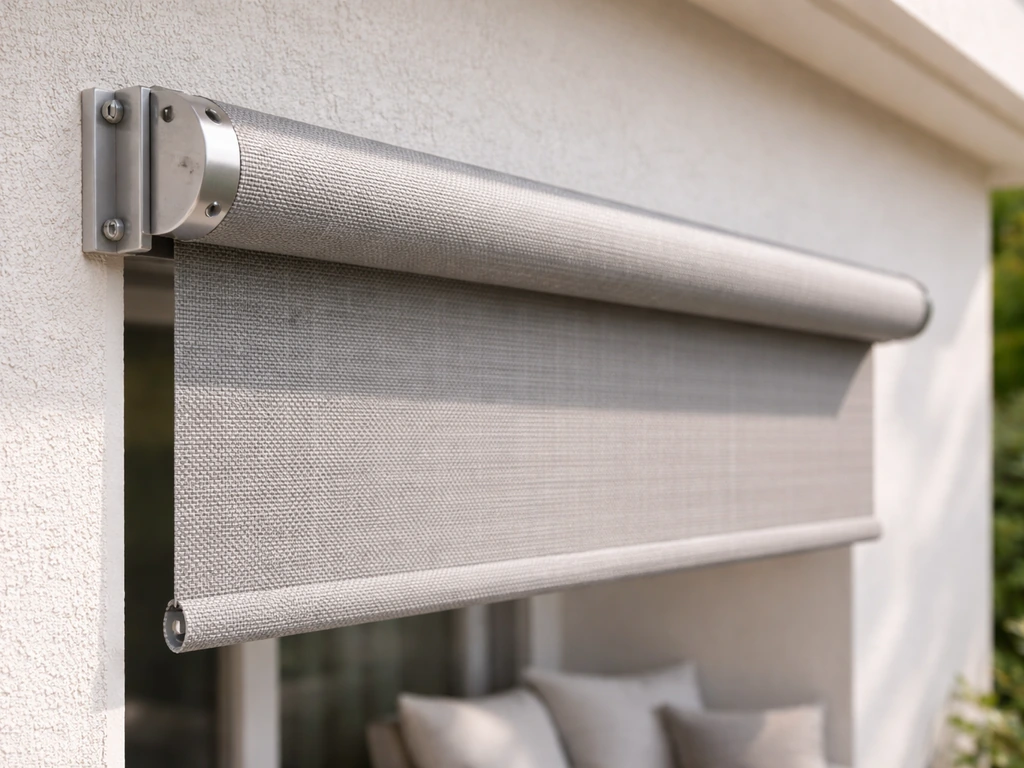
Choose the best patio roller shades with right fit, mounting, UV and water resistance, and manual or motorized options.
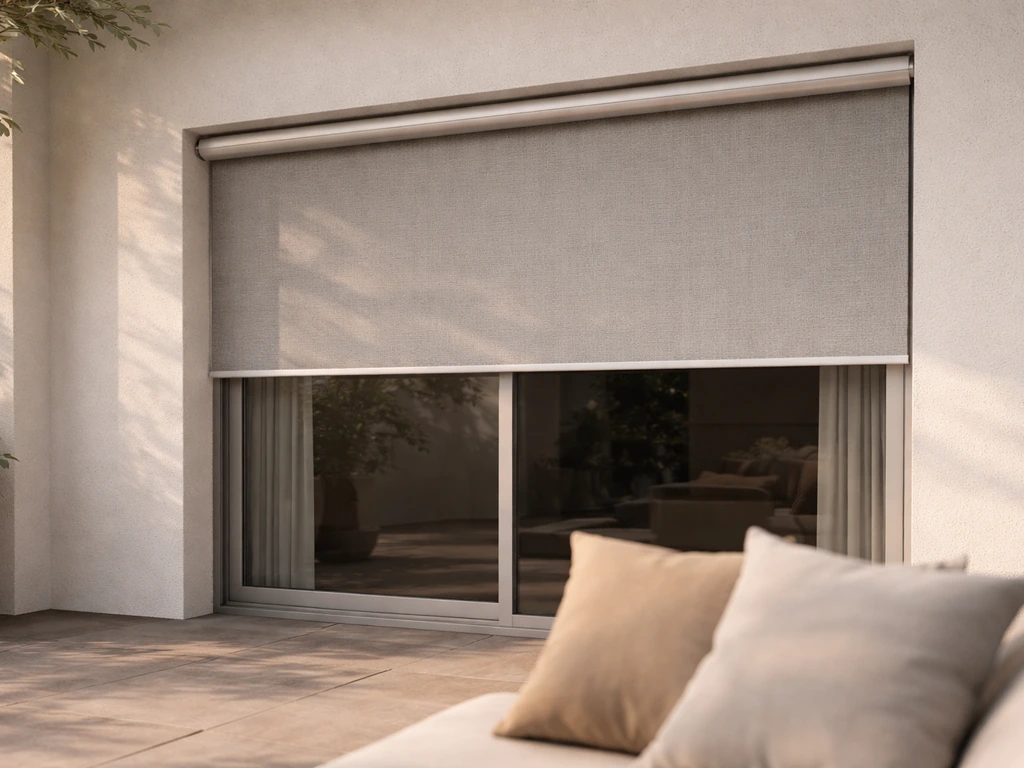
Find the best outdoor roller shades for your patio with weatherproof fabric, size tips, mount options, and model picks.
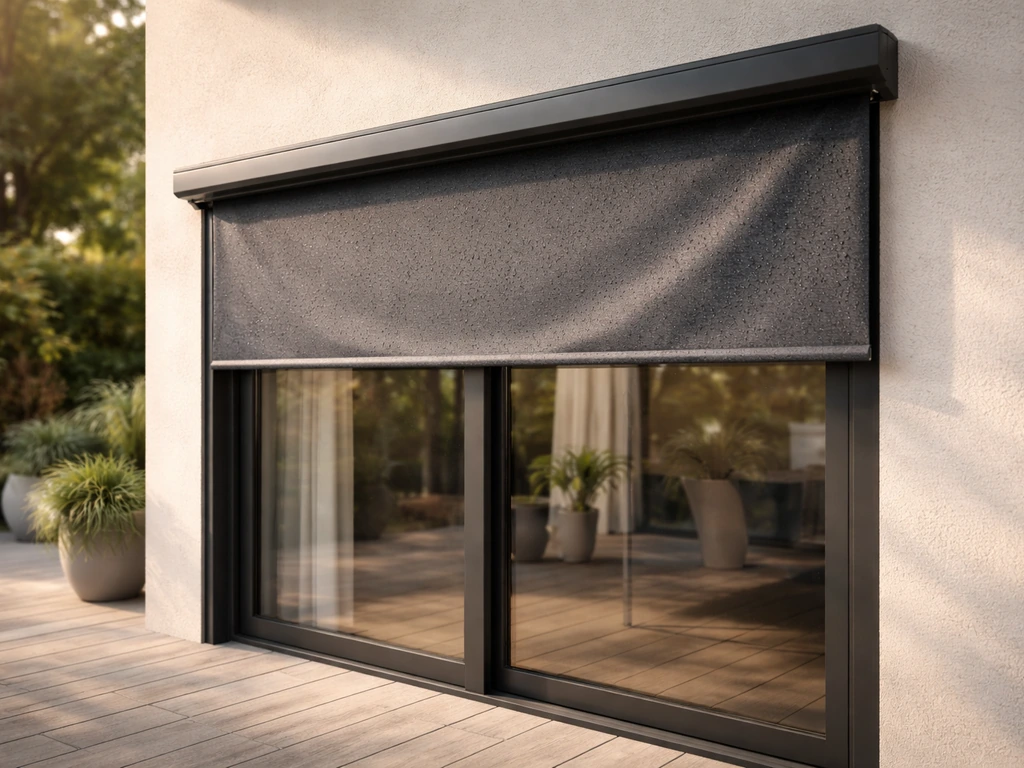
Compare the best outdoor patio blinds by style, fit, weather resistance, wind options, cost, and maintenance tips.