
The best outdoor patio speakers available at Best Buy right now depend on your setup: for a small deck or balcony with simple Bluetooth streaming, the Bose SoundLink Flex (IP67, truly portable, around $149) or JBL Charge 5 (also IP67) are hard to beat. If you want permanent mounted speakers for a mid-size patio, the Polk Atrium series (starting around $100–$130 a pair) delivers honest outdoor performance at a price that won't hurt. For a larger patio or whole-yard audio with serious sound quality, the Sonos Outdoor Speakers by Sonance (IP66 + Mil Spec 810 rated, around $899 a pair) are the premium answer, especially if you already own Sonos gear inside the house. If you're also shopping for a screen for movie nights outside, check out the best TV for outdoors patio so you get an outdoor-rated model that can handle sun and heat. The right pick comes down to three things: how big your space is, whether you want wired or wireless, and how serious the weather gets where you live. If you are specifically searching for the best TV for an outdoor patio setup, you will want to look at brightness, weatherproofing, and how people on Reddit handle mounting and glare.
Outdoor Patio Speakers Best Buy: Best Picks and How to Choose
What to look for in outdoor patio speakers
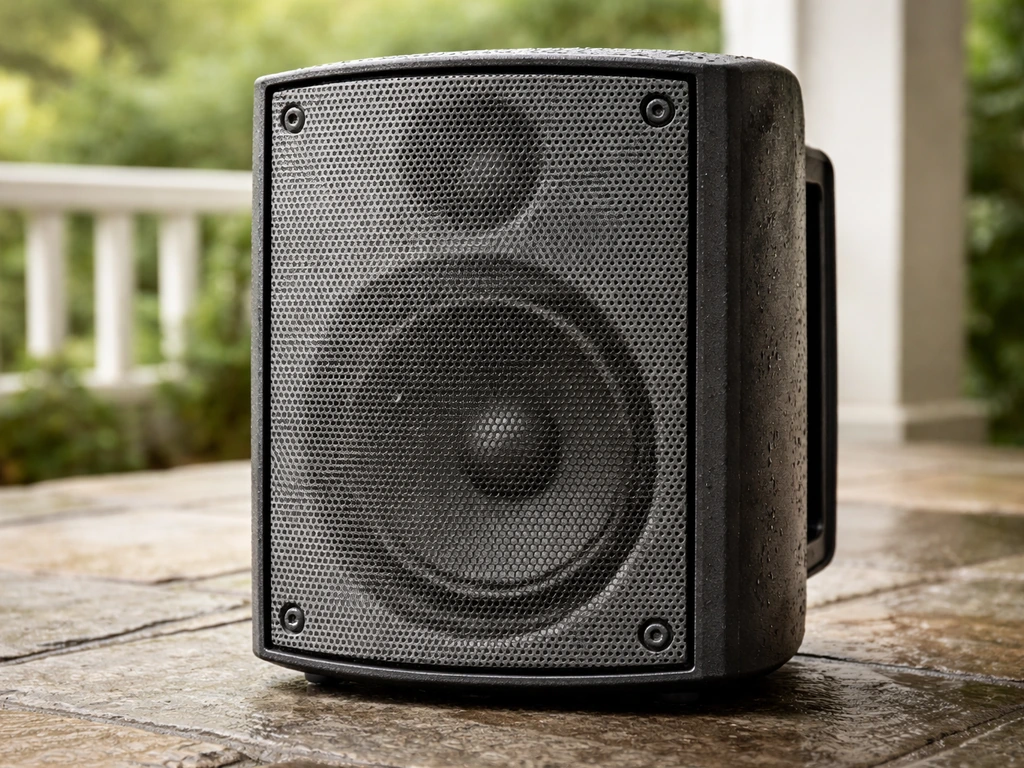
Outdoor speakers fail for different reasons than indoor ones. The main culprits are UV damage to cabinets, moisture creeping into drivers, and rust on grilles and hardware. Before you look at sound specs, look at the build.
IP ratings are the most reliable shorthand for weather resistance. The format is two digits: the first covers dust and solid particles, the second covers water. A rating of IP66 means the speaker is fully dust-tight and can handle powerful water jets from any direction. IP67 means it can be submerged in water briefly (up to 30 minutes at a shallow depth). IP56 means strong splash and rain resistance, but not full waterproofing. For a covered patio, IP55 or IP65 is usually plenty. For an exposed deck or poolside setup, push for IP66 or IP67.
Beyond IP ratings, look for UV-resistant cabinet materials (ABS plastic is common and works well), rustproof grilles (aluminum or stainless steel are the standard), and stainless steel mounting hardware. Klipsch, for example, uses UV-resistant ABS cabinets with rustproof aluminum grilles on their AW-series speakers. Polk's Atrium series goes further with ASTM D5894 UV salt fog testing and Mil Standard 810 immersion certification. Those extra certifications matter if you live near the coast or in a very humid climate.
After durability, focus on sensitivity and power handling. Sensitivity (measured in dB at 1 watt/1 meter) tells you how loud a speaker gets with a given amount of power. The Polk Atrium 4, for instance, lists 89 dB sensitivity, which is solid for moderate outdoor listening. Higher sensitivity means you need less amplifier power to fill a space. For outdoor use, where sound dissipates quickly, you generally want sensitivity of 88 dB or higher and power handling that matches your amplifier.
- IP rating: IP55 minimum for covered patios; IP66 or IP67 for exposed or poolside locations
- Cabinet material: UV-resistant ABS or fiberglass, not regular plastic
- Grille: aluminum or stainless steel to prevent rust
- Sensitivity: 88 dB or higher for outdoor use
- Frequency response: 75 Hz or lower on the bass end if you want some warmth (outdoor air eats low frequencies)
- Power handling: should match or exceed your amplifier's output
- Wired vs wireless: wired installs sound better and never drop; wireless is easier and more flexible
Best models at different budgets and patio sizes
Here's how the most commonly available options stack up across budgets and use cases. These are all either stocked at Best Buy directly or widely available through major retailers.
| Model | Type | IP Rating | Best For | Price Range |
|---|---|---|---|---|
| JBL Charge 5 | Portable Bluetooth | IP67 | Small balcony, casual use, travel | ~$130–$150 |
| Bose SoundLink Flex | Portable Bluetooth | IP67 | Small patio, solo or couple listening, poolside | ~$149 |
| Polk Atrium 4 | Passive mounted | All-Weather Certified | Small-to-mid patio, budget wired setup | ~$100–$130/pair |
| Klipsch AW-525 | Passive mounted | IPX6 (RSM-525) | Mid-size patio, wired, higher volume needs | ~$200–$250/pair |
| Sonos Outdoor by Sonance | Powered Wi-Fi/Sonos | IP66 + Mil Spec 810 | Large patio, multi-room, premium sound | ~$899/pair |
Small balcony or compact patio (under 150 sq ft)
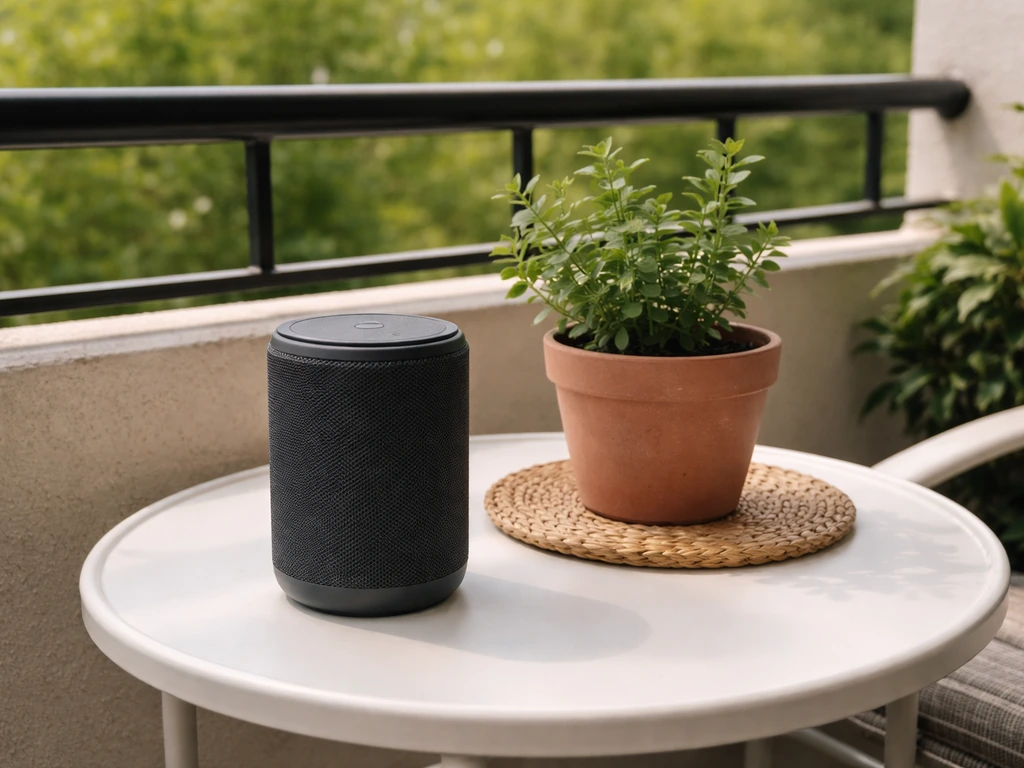
Portable Bluetooth speakers are the right call here. You don't need a permanent install, and the JBL Charge 5 and Bose SoundLink Flex are both IP67-rated, meaning they handle full submersion briefly and laugh off rain. The SoundLink Flex has a slight edge in audio balance (it handles positioning well, even on its side), while the Charge 5 wins on battery life and can charge other devices via USB. Either gets you covered for a small space without any wiring or installation headaches.
Mid-size deck or patio (150–400 sq ft)
This is where the Polk Atrium 4 shines as a value pick. At 89 dB sensitivity with a frequency response down to 75 Hz, it fills a reasonable patio without needing a beefy amplifier. It's passive (needs a receiver or amp), but that also means you control the power and can scale up later. The Klipsch AW-525 is a step up in output, with a 300-watt peak power handling rating and IPX6 weather resistance. Best Buy’s Klipsch AW525 product page lists peak power handling of 300 watts and describes the speaker as passive, meaning it requires an AV receiver instead of being self-amplified Klipsch AW-525’s 300-watt peak power handling rating. It's a better choice if you host regular gatherings or your patio is partially open and the sound has more room to disappear.
Large deck, open yard, or whole-patio coverage (400+ sq ft)
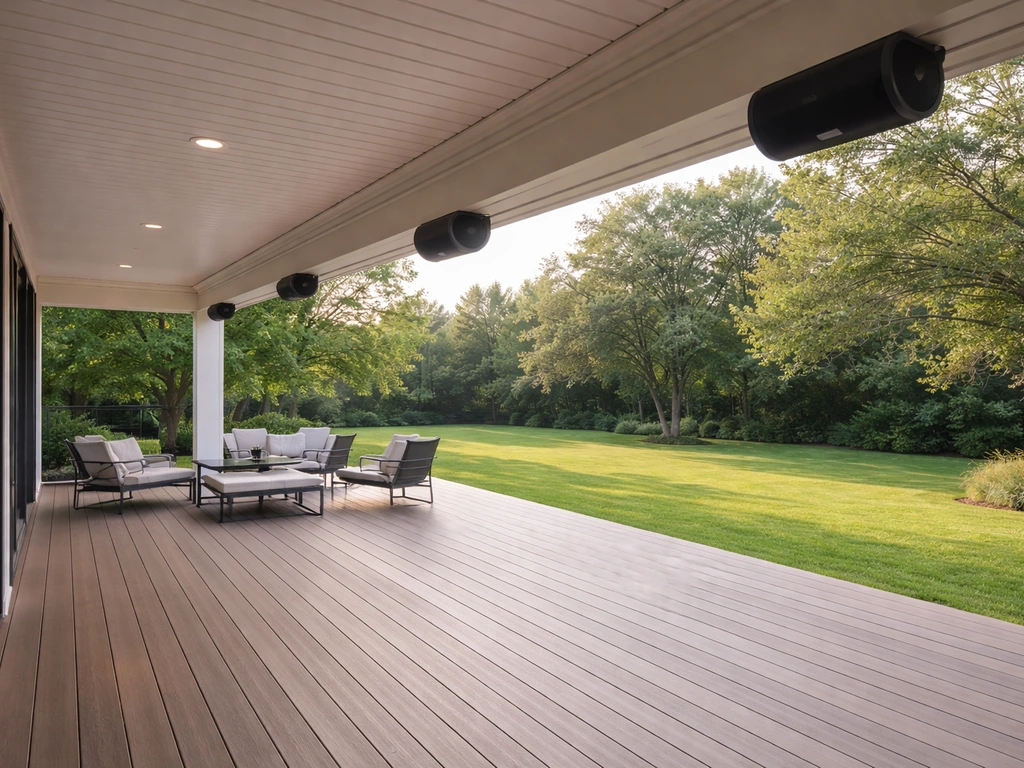
The Sonos Outdoor Speakers by Sonance are built for this. They're rated IP66 plus Mil Spec 810 (humidity, salt spray, UV, and temperature tested), and they integrate directly into the Sonos ecosystem so you can run them alongside your indoor Sonos setup. If you want the best Sonos for outdoor patio listening, these integrate with the Sonos app and work seamlessly with indoor Sonos speakers. The frequency range goes down to 48 Hz (with DSP) on the system level, which is unusually good for outdoor speakers and means you get real bass even in open air. The $899 price is steep, but you're getting a whole-home audio extension that a portable Bluetooth speaker simply cannot match.
Sound quality vs real-world outdoor factors
Outdoor audio is genuinely harder than indoor audio. Sound doesn't bounce off walls, it just keeps going. Wind cuts through mid-range clarity. Open yards absorb bass before it reaches your ears. This is why specs that look impressive on paper often disappoint outside.
Bass is the biggest casualty. A speaker rated down to 75 Hz indoors might sound thin outside unless you're sitting close to it. The Sonos Outdoor speakers reach 48 Hz with DSP processing, which helps compensate. The Polk Atrium 4 hits 75 Hz, which is workable but not warm. For genuine bass outdoors, placement near a wall or fence helps redirect low frequencies back toward the listening area instead of letting them scatter.
Volume ceiling matters more outdoors than it does in a living room. A speaker that sounds great at 70% volume in your kitchen might hit its limit at 60% outside before it starts distorting. Always buy for headroom: if you think you need 80 watts, get something rated for 100–120 watts. The Klipsch AW-525's 300-watt peak handling is a good example of building in room to breathe. Running a speaker hard all the time also degrades components faster in heat and humidity, so the overhead is worth it.
Covered patios change the equation significantly. A pergola or roof bounces sound back down and partially simulates an indoor environment. In covered spaces, you can get away with a lower-sensitivity speaker and still get satisfying results. Open patios and yards need higher sensitivity, higher power handling, and ideally multiple speaker positions rather than one central speaker trying to cover everything.
Wireless and connectivity options (Bluetooth, Wi-Fi, multi-room)
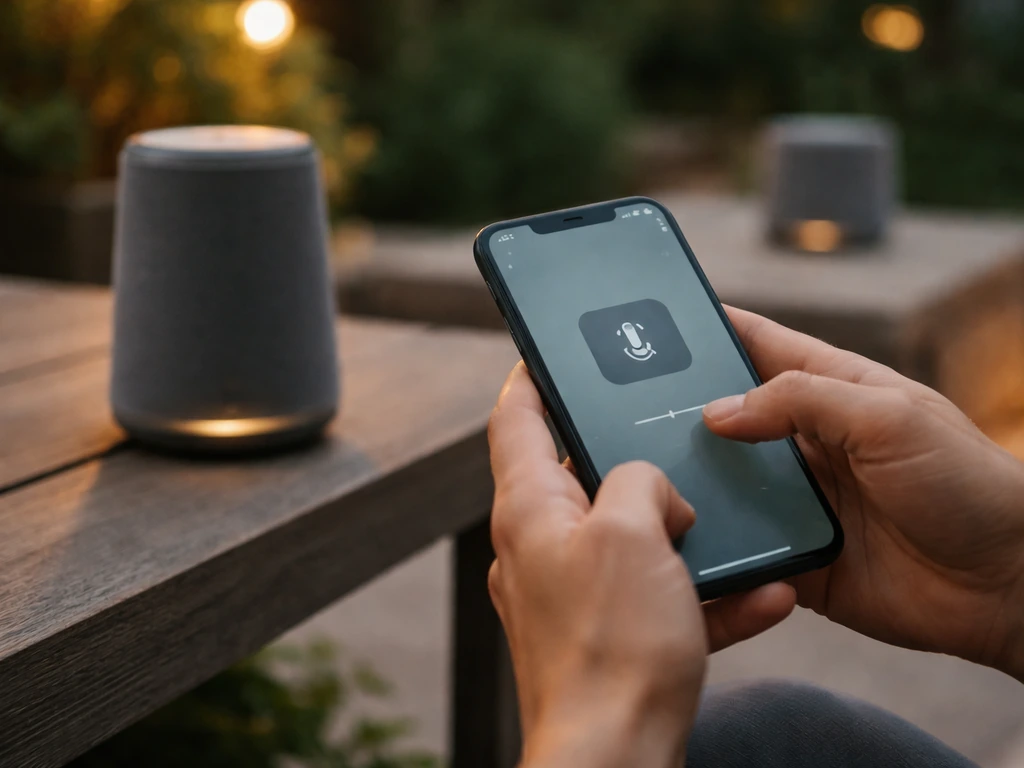
Wireless outdoor speakers generally fall into two camps: Bluetooth and Wi-Fi. Each has real tradeoffs worth understanding before you buy.
Bluetooth is simple and universal. Every phone supports it, there's no router dependency, and pairing takes seconds. The downside is range (typically 30–33 feet in open air, less with walls or interference) and latency, which matters if you're syncing audio to video. Bluetooth also means only one device controls the speaker at a time, which can be annoying at a party when everyone wants to DJ. Portable speakers like the JBL Charge 5 and Bose SoundLink Flex are Bluetooth-only, which is fine for casual use but not ideal for a permanent whole-patio install. If you want the best outdoor radio for your patio, prioritize weatherproofing and streaming options that match how you’ll actually use the space Bluetooth-only.
Wi-Fi-based systems like Sonos operate over your home network, which means virtually unlimited range (within your router's coverage), lower latency, and multi-room grouping. With Sonos, you can sync outdoor speakers with speakers inside the house so music plays seamlessly as you move from the kitchen to the patio. You can also control everything from the Sonos app, use voice assistants, and stream from any service simultaneously. The tradeoff is cost and setup complexity: you need a strong outdoor Wi-Fi signal, and the speakers themselves are significantly more expensive.
If you're building a permanent outdoor audio setup and already have Sonos indoors, the Sonos Outdoor Speakers by Sonance are the obvious choice for multi-room integration. If you want wireless without the Sonos price tag, some Bluetooth receivers (like a basic Bluetooth-to-amplifier adapter) let you add wireless streaming to passive speakers like the Polk Atrium series, not seamless, but functional and affordable. For more on building out a full wireless outdoor setup, the topics on best wireless patio speakers and best Sonos for outdoor patio cover those paths in more depth.
Weather resistance, durability, and speaker placement
Weather resistance and placement are linked. A speaker rated IP66 can handle direct rain, but that doesn't mean you should point it directly at the sky. Speakers mounted face-down or under a slight overhang last longer than those fully exposed, even with good IP ratings. UV is a silent killer: prolonged sun exposure degrades plastic housings and surround materials over time, which is why certifications like Mil Spec 810 UV testing (seen on Polk Atrium and Sonos Outdoor) matter for anything installed in a sun-drenched location. If you are wondering about the best TV mount for an outdoor patio, look for weatherproof materials and a secure mounting method that can handle sun, rain, and wind best tv mount for outdoor patio.
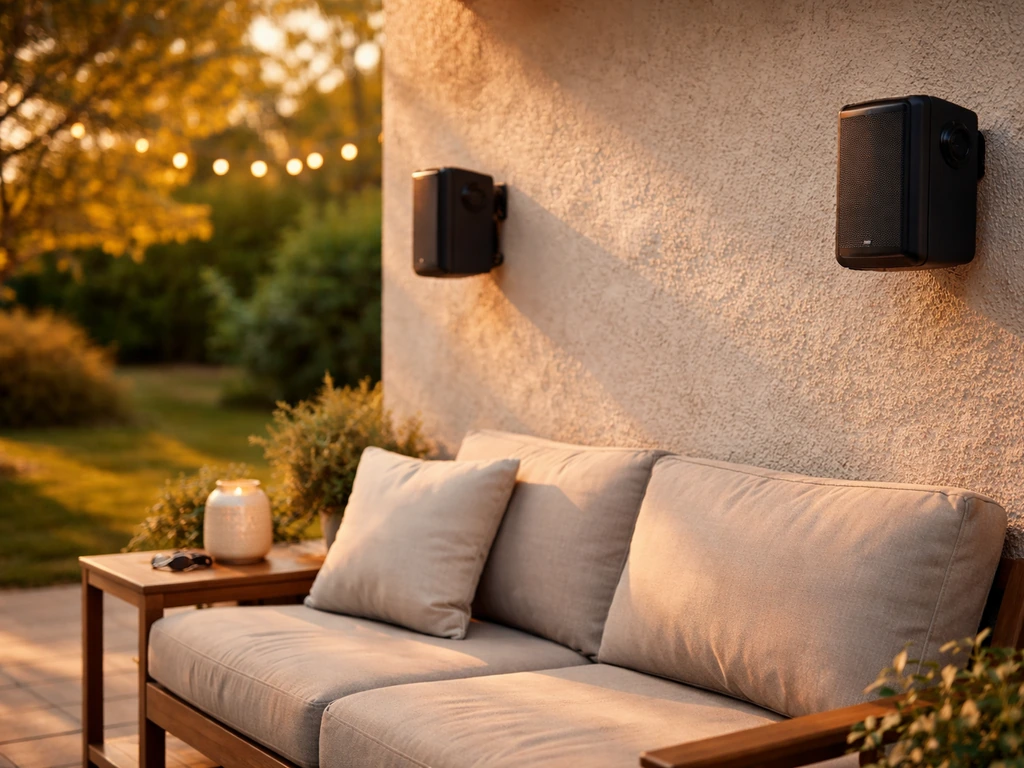
For placement, the standard rule is to mount speakers at ear height plus a few feet, angled down toward the listening area. To narrow down the best size TV for an outdoor patio, measure the viewing distance and factor in glare and resolution so the picture stays readable in bright light. For a typical patio, 8–10 feet off the ground aimed at a 15–20 degree downward angle works well. Spacing matters too: for stereo coverage of a 300 sq ft patio, position speakers 10–12 feet apart and 8–10 feet from the primary seating area. Going wider than that introduces a stereo hole in the middle where sound doesn't overlap cleanly.
For wired installs, use outdoor-rated (direct burial or in-conduit) speaker wire. Regular 16-gauge wire will corrode at the connectors within a couple of seasons. CL2 or CL3-rated wire is the right spec for any permanent outdoor run. Keep wire runs as short as practical to minimize resistance, especially if your amplifier is pushing 8-ohm speakers like the Polk Atrium (8 ohms nominal) or Klipsch AW-525 (8 ohms nominal).
Power, volume, and zoning for parties vs everyday listening
Everyday listening on the patio (background music for two people having coffee) needs maybe 10–20 watts per channel. Polk's Atrium 4 is spec'd for 10–80 watts recommended amplifier power per channel, meaning a modest receiver does the job for daily use. For parties, you want to be able to push closer to that 80-watt ceiling without distorting, and ideally you want the speakers spread across multiple positions so everyone in the yard hears something decent.
Zoning is the concept of dividing your outdoor space into audio zones that can be controlled independently. If you have a patio, a side yard, and a pool area, zoning lets you blast music near the pool while keeping it quieter on the dining patio. Sonos does this natively through the app: each pair of Sonos Outdoor Speakers is its own zone. With a traditional wired setup, you'd need a multi-zone amplifier or A/B speaker selector switch to achieve the same result. For anything more than one continuous area, it's worth planning your zones before you run wire or buy equipment.
Volume leveling is underrated. Outdoor speakers often run louder in some spots than others depending on placement and reflections. If your amp or receiver has an EQ, push the mid-range slightly (2–3 kHz) and cut the high end a touch outdoors, since highs carry well but can sound harsh against reflective surfaces like concrete patios. Boosting bass slightly (around 80–120 Hz) helps compensate for outdoor bass loss without making the sound muddy.
Recommended buying checklist and setup tips
Use this checklist before you buy and before you install. It prevents the most common regrets.
- Measure your patio: under 150 sq ft = portable Bluetooth; 150–400 sq ft = one pair of mounted speakers; 400+ sq ft = two pairs or a Sonos multi-zone setup
- Check coverage: covered patio (pergola/roof) = lower power requirements; fully open or exposed = higher sensitivity and power needed
- Confirm your IP rating need: occasional rain or coastal proximity = IP66 minimum; poolside or fully exposed = IP66 or IP67
- Decide wired or wireless: permanent install with best sound = wired passive with a receiver; convenience first = Bluetooth or Sonos Wi-Fi
- Check your amplifier: passive speakers (Polk Atrium, Klipsch AW-525) need a receiver or amp—don't assume the speaker makes sound on its own
- Buy outdoor-rated wire: CL2 or CL3 rated, 14 or 16 gauge, for any permanent run
- Plan mount height: 8–10 feet off the ground, angled 15–20 degrees downward toward listening area
- Spacing: place stereo pairs 10–12 feet apart for standard patios; wider than 14 feet starts creating sound gaps
- Test volume before finalizing placement: play music at party volume before drilling final mounts to check coverage
- Plan for Wi-Fi if using Sonos: check router signal strength at the outdoor mount location before purchasing
For pairing and setup: Bluetooth speakers should be paired within 10 feet of the source device the first time. For Sonos, add the outdoor speakers to your existing Sonos system through the app under 'Add a Product', the app walks you through it step by step and lets you immediately assign the speakers to an existing room or create a new outdoor zone. Run a Trueplay tuning session (on supported Sonos devices) after mounting to let the system compensate for your specific outdoor environment.
Common mistakes and troubleshooting outdoor speaker issues
The most common mistake is buying indoor speakers thinking they'll survive outside. Even a well-protected garage or screened porch cycles through humidity, temperature swings, and insects in ways that destroy non-rated speakers within a year. Always verify the IP rating or All-Weather certification before buying anything for permanent outdoor use.
Another common problem: underpowering speakers. This sounds counterintuitive, but running a speaker at maximum volume on an underpowered amplifier causes more damage than running it at moderate volume on a properly matched amp. Clipping (a distorted, harsh sound at high volume) is the sign you're pushing past the amp's limit. If you hear distortion before you reach comfortable party volume, your amp is the bottleneck, not the speakers.
Bluetooth dropouts are usually a Wi-Fi interference issue. The 2.4 GHz band that older Bluetooth uses is crowded. If you're dropping connection from 20 feet away, try moving your router slightly, switching your phone's Wi-Fi to 5 GHz, or using a speaker that supports Bluetooth 5.0 or higher. Also, metal patio furniture, concrete walls, and even certain types of fencing can block Bluetooth signal more than expected.
If your outdoor speakers sound thin or tinny, the fix is usually placement, not replacement. Move the speakers closer together, angle them more directly at the listening area, and try positioning them near a wall or fence on one side to give bass frequencies something to reflect off of. If the sound is muffled or the high end has disappeared, check the grille: insect nests inside speaker grilles are more common than you'd think and block the tweeter opening completely.
Finally, if a wired speaker suddenly goes quiet on one channel, check the speaker wire connections at both the amplifier terminals and the speaker terminals. Outdoor temperature cycling causes terminals to loosen over time. Strip fresh wire, reconnect firmly, and make sure the bare wire strands aren't touching across positive and negative terminals, which will short the channel or trigger protection mode on your receiver.
FAQ
Are outdoor patio speakers from Best Buy safe to leave outside year-round?
Only if they’re specifically rated for outdoor exposure, not just “water resistant.” For year-round installs, look for an IP66 or IP67 (direct rain and dust) plus UV-resistant cabinet materials, and avoid placing them where they get constant direct sun or standing water, even if the IP rating is high.
What’s the difference between IP66, IP67, and IP56 for patio use?
IP66 is dust-tight and handles strong water jets, IP67 adds short submersion tolerance (up to about 30 minutes), and IP56 is mainly for splashes and rain, not full waterproofing. For an exposed deck or poolside, IP66 is often the minimum you should target, IP67 if you expect storms or occasional submersion.
Do I need Wi-Fi for outdoor speakers, or is Bluetooth enough?
Bluetooth is enough for casual use and small spaces where one person or one party controls playback. If you want multi-room syncing, whole-home behavior, or simultaneous control from multiple phones, a Wi-Fi system like Sonos is the better fit, but you must ensure your outdoor area has reliable network coverage.
Can I use indoor speakers outdoors if they’re under a covered patio?
You should avoid it unless they’re explicitly rated for outdoor/All-Weather use. Indoor models still face UV, condensation cycles, and corrosion at terminals, and those issues often show up within a year even on screened or roofed patios.
How many speakers do I need for a 300 sq ft patio?
A single pair is usually a starting point, but positioning matters more than the total count. For stereo coverage, plan for roughly 10 to 12 feet between speakers and 8 to 10 feet from the main seating area, then angle them down toward the listening spot to avoid a “dead” center.
Why do my outdoor speakers sound thin even though they have a bass spec?
Outdoor bass is lost faster because there’s less reflection than indoors. Try placement first, such as mounting closer to a wall or fence and aiming speakers more directly at the seating area. Also consider that 75 Hz-range models may not feel “warm” in open air unless you sit near them or add multiple positions.
What amplifier power should I buy if I’m using passive outdoor speakers like Polk Atrium?
Buy for headroom, not just maximum loudness. If your speaker is rated for up to a certain wattage, choose an amp that can deliver enough clean power without clipping, because clipping from underpowered amps is what typically causes harsh distortion and faster wear.
How can I prevent Bluetooth dropouts on my patio?
If dropouts happen at distance, the fix is often signal quality. Move the source device closer during testing, change your Wi-Fi to 5 GHz to reduce 2.4 GHz congestion, and upgrade to speakers supporting Bluetooth 5.0 or newer. Also check whether metal furniture or concrete walls are blocking the line of sight.
Is it okay to mount outdoor speakers facing straight down or under the eave only?
Under an overhang or facing slightly downward generally helps longevity, but avoid assumptions based on IP rating alone. If possible, keep them from pointing directly into constant rain and ensure airflow around drivers and grilles, especially in humid climates.
Can I run outdoor speaker wire safely without special cable?
Use outdoor-rated cable for permanent runs. Regular indoor speaker wire often corrodes at connectors after exposure, and the article’s guidance aligns with using CL2 or CL3 rated wire (and direct burial or in-conduit where required) to reduce failure risk at terminals.
What’s the safest way to set up zones for multiple outdoor areas?
Plan zones before you buy and before you run wire. For Sonos, each outdoor speaker pair can function as its own zone in the app. For wired systems without Sonos, you typically need a multi-zone amplifier or switching solution, so map your patio, side yard, and pool areas first.
How do I reduce harsh highs outdoors without ruining clarity?
If your amp or receiver supports EQ, reduce the high end slightly and avoid extreme boosts that make wind-driven hiss worse. A common approach is a small mid-range lift and a gentle high-end cut, then modest bass compensation around the low-mid region to counter outdoor bass loss.
Why did one channel of my wired outdoor speaker go quiet?
Outdoor temperature cycling can loosen terminals over time. Check connections at both the amp and the speaker, strip fresh wire if needed, and confirm positive and negative conductors are not touching across terminals, which can trigger protection or short the channel.
Do I need to run any tuning after mounting Sonos outdoor speakers?
If your Sonos hardware supports it, run Trueplay tuning after installation and after speakers are aimed where they’ll be used. Tuning adjusts for your specific outdoor reflections and helps reduce location-dependent issues like missing bass or overly bright treble.
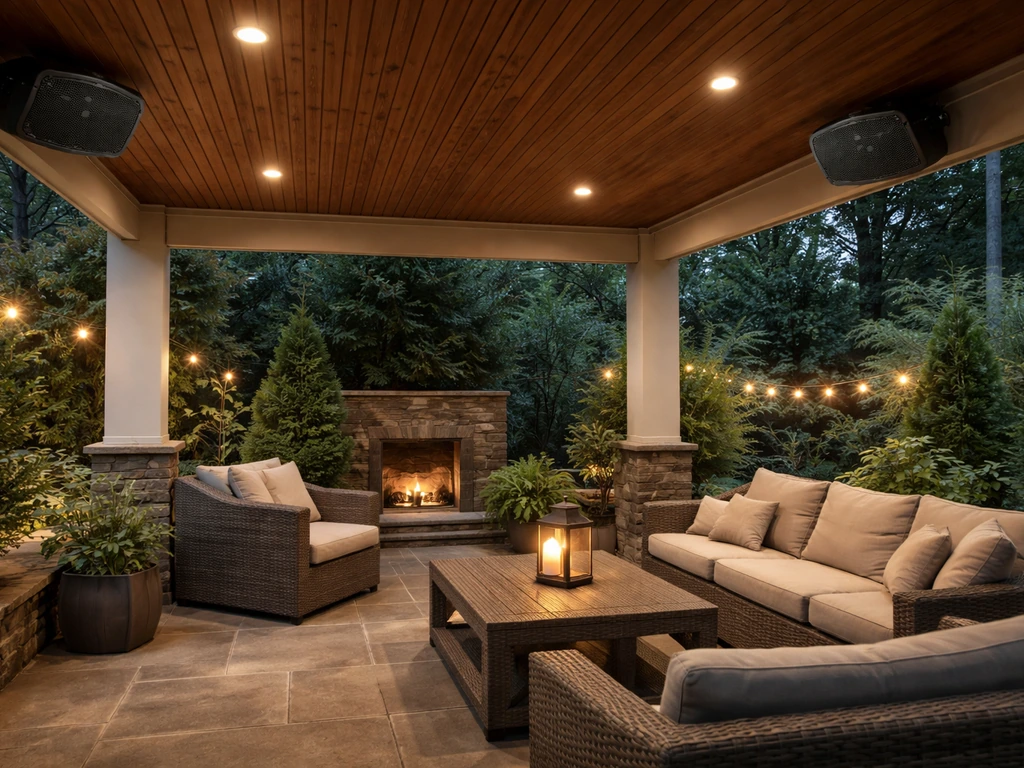
Compare the best Sonos outdoor patio models, placement, wiring, weather ratings, and setup for single or multi-zone soun
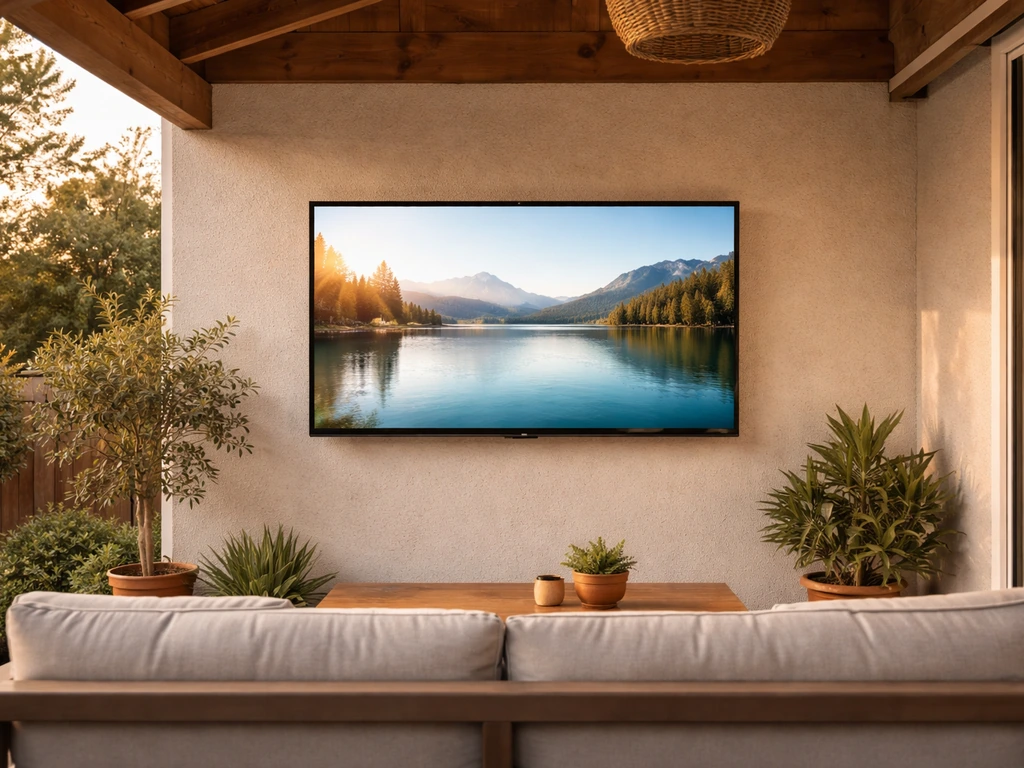
Choose the right outdoor patio TV size with distance math, brightness tips, weather ratings, mounting and glare planning
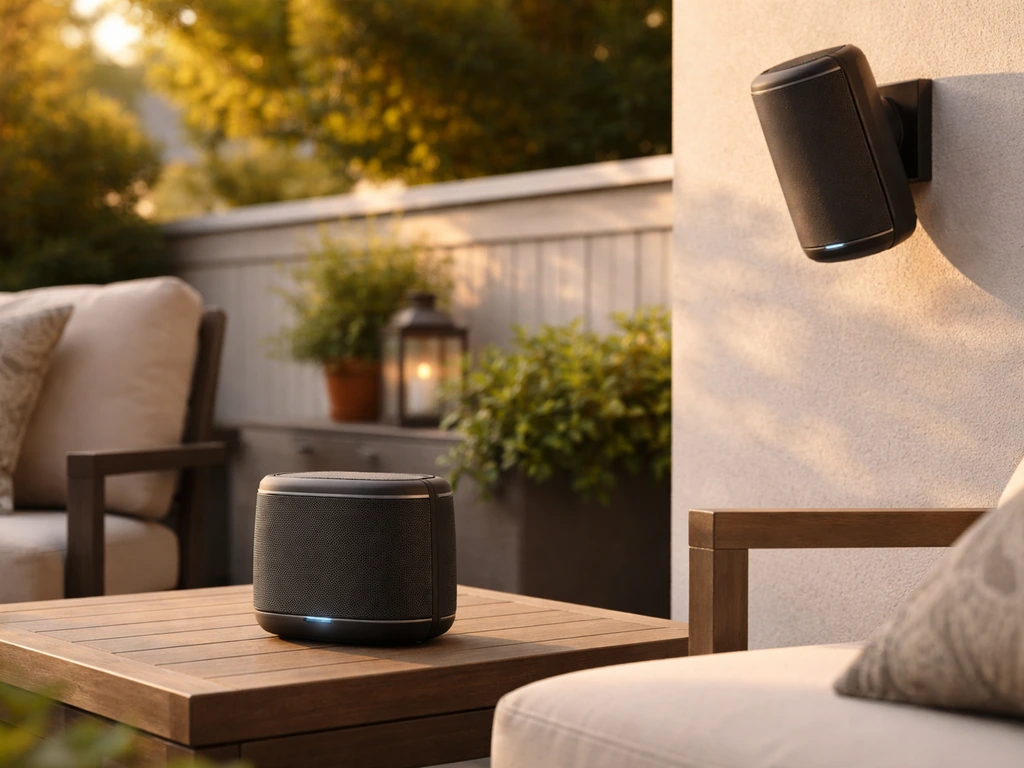
Top wireless patio speakers for outdoor use, with Bluetooth range, weatherproofing, setup tips, and category picks.