
The best wireless patio speakers right now are the Sonos Era 300 (for a premium Wi-Fi setup), the Bose SoundLink Max (for a portable Bluetooth workhorse with 20-hour battery and IP67 protection), and the JBL Charge 5 (for a budget-friendly, genuinely waterproof option that still sounds great outside). Which one is right for you depends on your patio size, whether you have power nearby, and how seriously you want to invest in a permanent outdoor audio setup versus something you can grab and go. Which one is right for you depends on your patio size, whether you have power nearby, and how seriously you want to invest in a permanent outdoor audio setup versus something you can grab and go, and if you want something different than speakers, the best outdoor radio for patio models are a related option to consider. If you want a quick shortcut, check the outdoor patio speakers best buy picks and compare them against your patio size and power options.
Best Wireless Patio Speakers: Top Outdoor Picks and Buying Guide

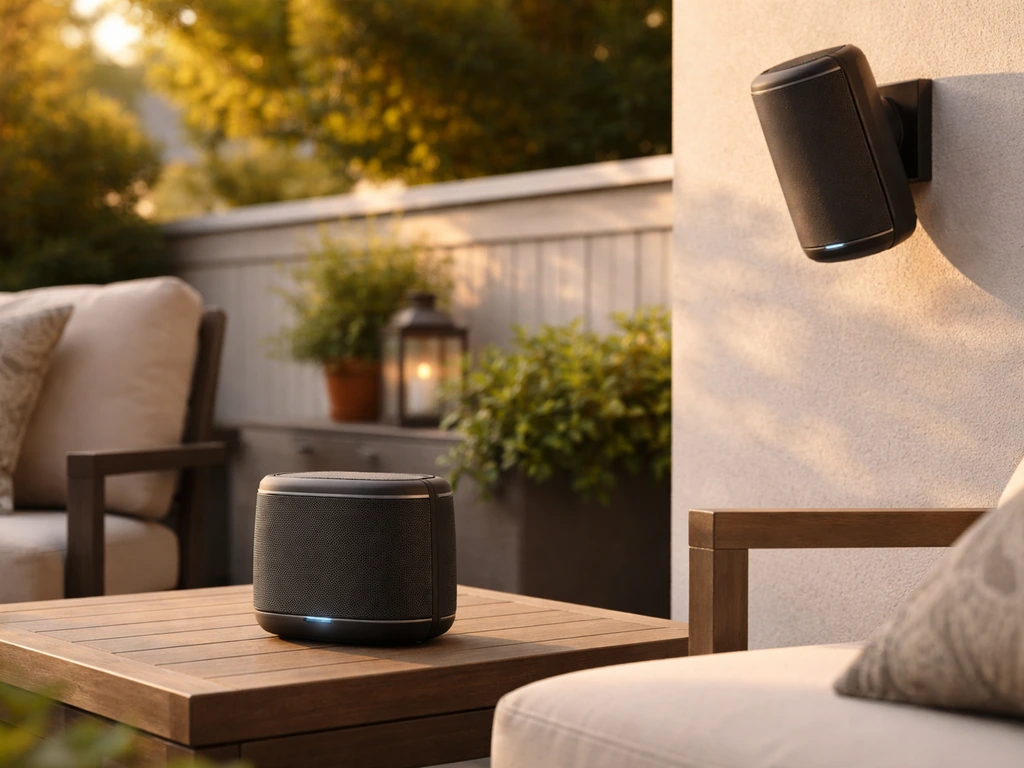
What actually makes a patio speaker the 'best'
Indoor speakers fail outside for a pretty predictable set of reasons: the open air swallows their sound, rain and humidity kill the electronics, and UV exposure degrades the enclosure within a season or two. A genuinely good outdoor patio speaker has to solve all three problems at once, not just one of them.
On the sound side, outdoor speakers need to push more volume and have wider dispersion than indoor speakers. There are no walls to reflect sound back at you, so everything bleeds into the open air. A speaker that sounds loud in your living room will feel thin and quiet on a 20-foot patio. You want higher sensitivity ratings (90dB or above is a good target), and for anything bigger than a small balcony, you want more than one speaker or a larger driver.
On the wireless side, the key requirements are stable connection over the distances you actually use (at minimum 30 feet, ideally 60+ feet), easy pairing, and a power setup that fits your patio. That means either a long-lasting battery for portable setups, or a model designed to stay plugged in or wired permanently. Many of the best options now support both Bluetooth and Wi-Fi, which gives you flexibility depending on where you're using them.
Bluetooth vs. Wi-Fi: which wireless option is right for your patio
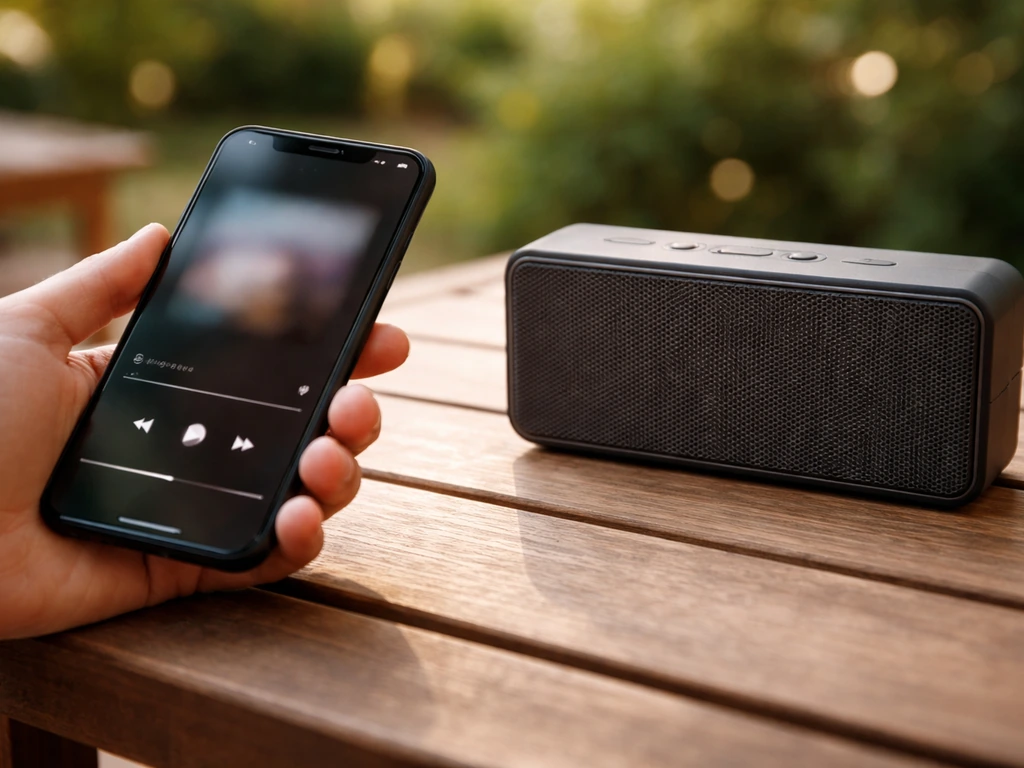
Most people default to Bluetooth because it's simple: connect your phone, press play, done. And for casual patio use, Bluetooth is completely fine. Bluetooth is completely fine for casual patio use, but if you're specifically shopping for the best patio speakers bluetooth, you'll want to compare range, IP weatherproofing, and whether the speaker supports stereo pairing. Modern Bluetooth 5.0+ speakers typically handle 30 to 60 feet of range in open air, though walls, interference from neighboring networks, and even your own body moving between the speaker and your phone can cause brief dropouts. If you've ever had a speaker cut out when you walked into the kitchen, you know the drill.
Wi-Fi speakers solve most of those stability issues. They connect to your home network instead of directly to your phone, so range is limited by your router's coverage rather than the speaker-to-phone Bluetooth link. Sonos products, for example, support 802.11a/b/g/n/ac/ax on both 2.4 GHz and 5 GHz bands, and they can also work over a wired Ethernet connection if you run a cable. Sonos states the Era 300 can connect over Wi-Fi to a router broadcasting 802.11 a/b/g/n/ac/ax on both 2.4 GHz and 5 GHz Sonos products, for example, support 802.. That means your music stays completely stable even when you walk inside, answer a call, or hand off playback to someone else. The Sonos Roam 2 is a good illustration of how these two modes can coexist: it streams over Wi-Fi when you're at home on your network, and switches to Bluetooth when you take it somewhere else.
| Feature | Bluetooth | Wi-Fi (e.g., Sonos) |
|---|---|---|
| Typical outdoor range | 30–60 ft | Limited by router, often 100+ ft |
| Setup complexity | Very easy (pair once) | Requires home network, app setup |
| Connection stability | Good, can drop with interference | Excellent, network-based |
| Multi-room audio | Limited (some dual-pairing) | Full multi-room support |
| Power requirement | Battery or plug-in | Almost always plug-in |
| Best for | Portable, casual use | Permanent, high-quality setup |
For a small balcony or casual weekend listening, Bluetooth is perfectly sufficient. For a larger patio where you're entertaining regularly or want a permanent outdoor audio system, Wi-Fi is worth the extra setup effort. If you're already in the Sonos ecosystem or thinking about it, the Sonos Outdoor Speakers (the architectural set by Sonos and Sonance) or the Roam 2 are natural fits.
Weatherproofing: what the specs actually mean
IP ratings are the main thing to look at, and they're worth understanding properly. The two digits mean different things: the first digit rates protection against solid particles (like dust), and the second rates protection against water. So IPX4 means splash protection has been tested, but dust resistance has not been tested at all. That 'X' is not a passing grade for dust, it just means that particular test wasn't performed.
For a patio speaker that's going to live outside, aim for at least IP65 or IP67. JBL recommends a water rating of 6 and a dust protection of 5 as the minimum for an outdoor speaker that doesn't need babysitting. IP67 means the speaker is fully dustproof and can handle submersion in up to 1 meter of water for 30 minutes. That matters even if you never submerge it, because it tells you heavy rain and sprinkler overspray won't kill it.
Beyond IP ratings, look for UV resistance if the speaker will sit in direct sun. Plastic enclosures without UV stabilizers fade and crack within a year or two in strong sunlight. The Sonos Outdoor Speakers (by Sonos and Sonance) go further than most, with an IP66 rating plus MIL-SPEC 810 compliance, which covers humidity, salt spray, temperature extremes, and UV exposure. That's the standard you want for a speaker that's staying outside year-round in a harsh climate. Both the Bose SoundLink Max and JBL Charge 5 carry IP67 ratings, making them solid choices for portables that will see serious outdoor use.
Temperature and long-term durability
Most outdoor-rated speakers handle 32°F to 104°F (0°C to 40°C) without issue, but if you're in a climate with sub-freezing winters, check whether the manufacturer recommends bringing the speaker inside during extreme cold. Batteries in particular degrade faster with repeated freeze-thaw cycles. Permanent architectural speakers (like the Sonos/Sonance set) are designed to stay mounted year-round in most climates. Portable Bluetooth speakers are better brought inside during off-season months.
Getting the sound right on your patio
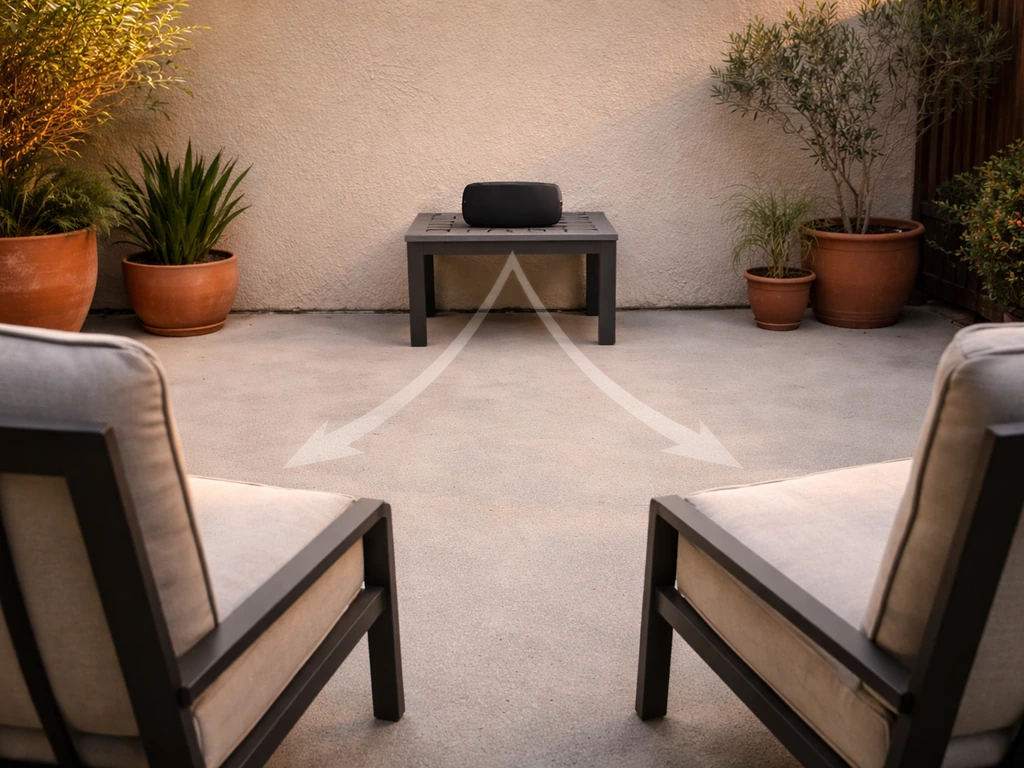
Placement makes or breaks outdoor audio. The biggest mistake people make is setting one speaker in the center of the patio and expecting it to fill the whole space evenly. Open air is ruthless: sound drops off quickly with distance, and high frequencies (the detail in music) drop off faster than bass. Here's how to approach it based on patio size.
Small patios and balconies (under 150 sq ft)
A single portable Bluetooth speaker like the Bose SoundLink Max or JBL Charge 5 placed on a table or ledge at ear height works well here. Point it toward the seating area rather than at a wall. You'll get comfortable background-music levels without disturbing neighbors, and volume around 50–60% is usually plenty.
Medium patios (150–400 sq ft)
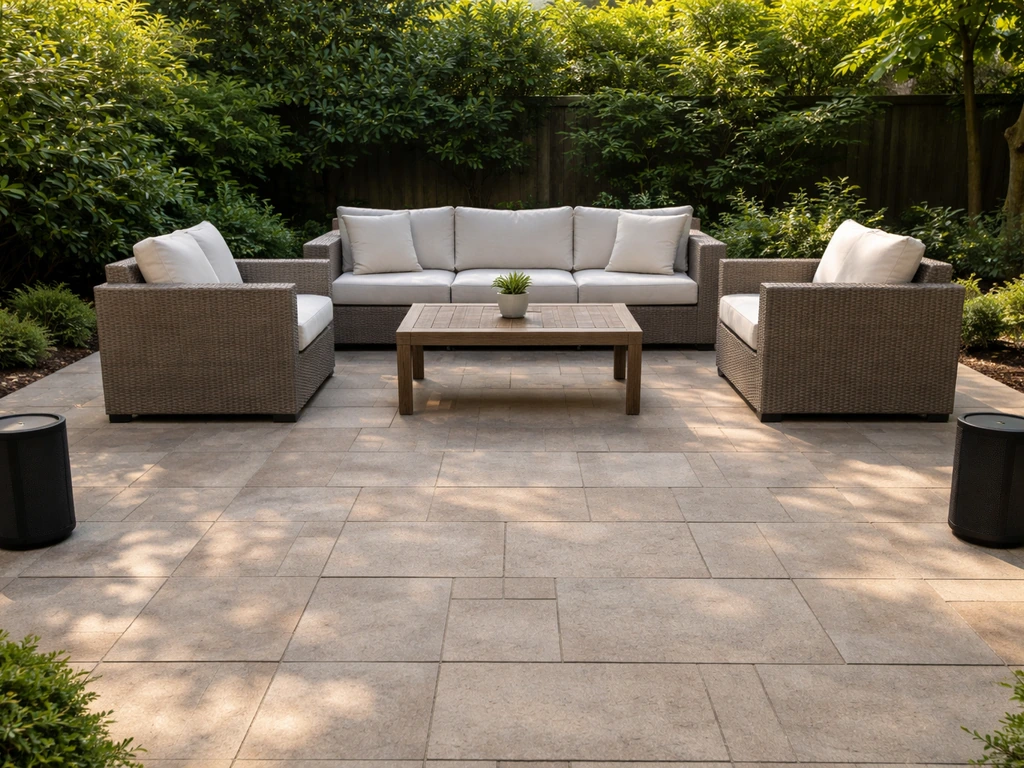
This is where a single portable speaker starts to feel thin, especially when you have a group of people talking. Consider two speakers placed at opposite ends of the seating area, or upgrade to a powered speaker with more wattage. A stereo pair of Wi-Fi speakers (like the Sonos Era 100 pair) gives you proper stereo separation and consistent volume across the whole space. If you go the Bluetooth route, look for models with stereo pairing support so two units can work together.
Large patios and open yards (400+ sq ft)
At this size, you really want either multiple speakers distributed around the space or a dedicated architectural outdoor speaker system. The Sonos Outdoor Speakers by Sonance are designed for this: they mount to walls, soffits, or fences, and Sonos' own placement guidance emphasizes aiming them directly at the listening area using their pivoting mounts. Multiple distributed speakers at lower volume is almost always better than one loud speaker blasting from a corner. It sounds more natural, puts less stress on neighbors, and gives you even coverage across the whole yard.
Volume realities outdoors
Expect to run outdoor speakers 20–30% louder than you would indoors for the same perceived volume. A 10-watt indoor Bluetooth speaker might feel adequate inside but disappear outside. For a hosting scenario with conversation and ambient noise, 20+ watts per channel is a practical minimum for a medium patio. Architectural systems driven by an amplifier like the Sonos Amp Multi handle this easily and give you precise volume control across zones.
Top picks: best wireless patio speakers by use case
These are the speakers worth considering right now, matched to real patio scenarios rather than just specs on a page.
Best overall portable: Bose SoundLink Max
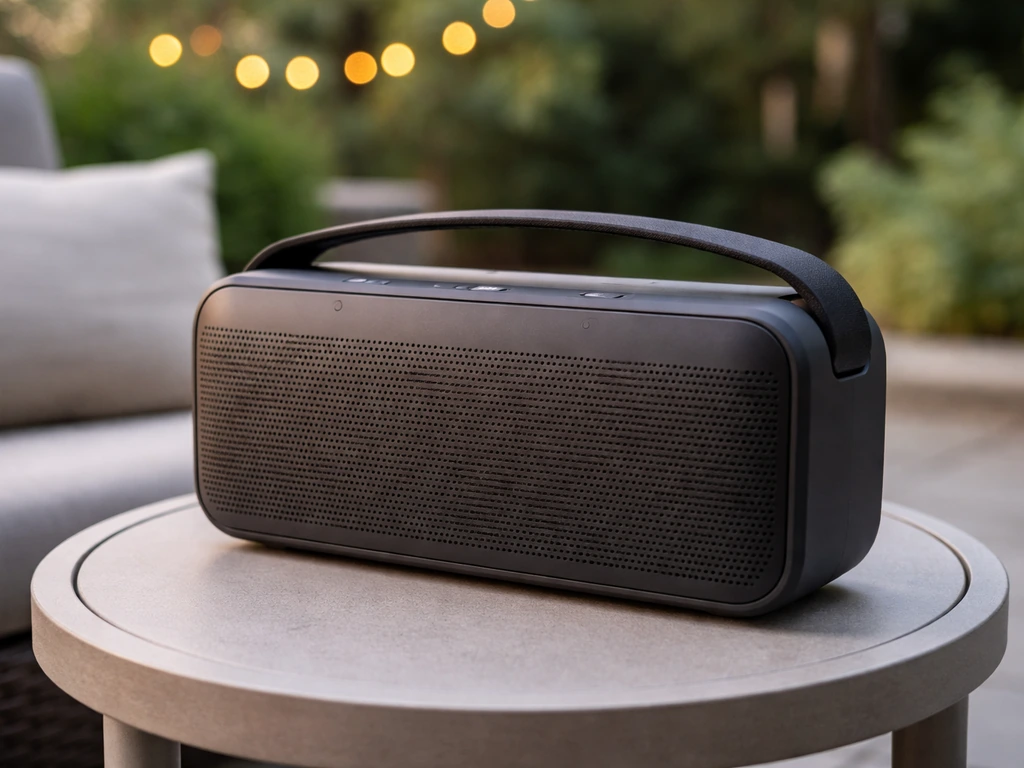
The SoundLink Max is the portable I'd reach for first if someone asked me to recommend one wireless patio speaker without knowing much about their setup. It's IP67 rated (fully dustproof and waterproof), delivers genuinely room-filling sound for a portable, and has a 20-hour battery life so it survives a full day of outdoor use without needing a charge. Bluetooth pairing is straightforward, and it handles outdoor volume demands better than most competing portables. It's not cheap, but it's one of those speakers that makes you forget about the price the first time you hear it outside.
Best budget pick: JBL Charge 5
The JBL Charge 5 hits the sweet spot of affordable, genuinely weatherproof, and good-sounding. IP67 rated with 20 hours of battery life, it punches above its weight class for outdoor volume. It also has a USB-A output so you can charge your phone from it, which is a small but genuinely useful feature when you're outside all day. For a balcony, small patio, or anyone who just wants a dependable outdoor Bluetooth speaker without spending a lot, this is the pick.
Best for a permanent setup: Sonos Outdoor Speakers (by Sonance)
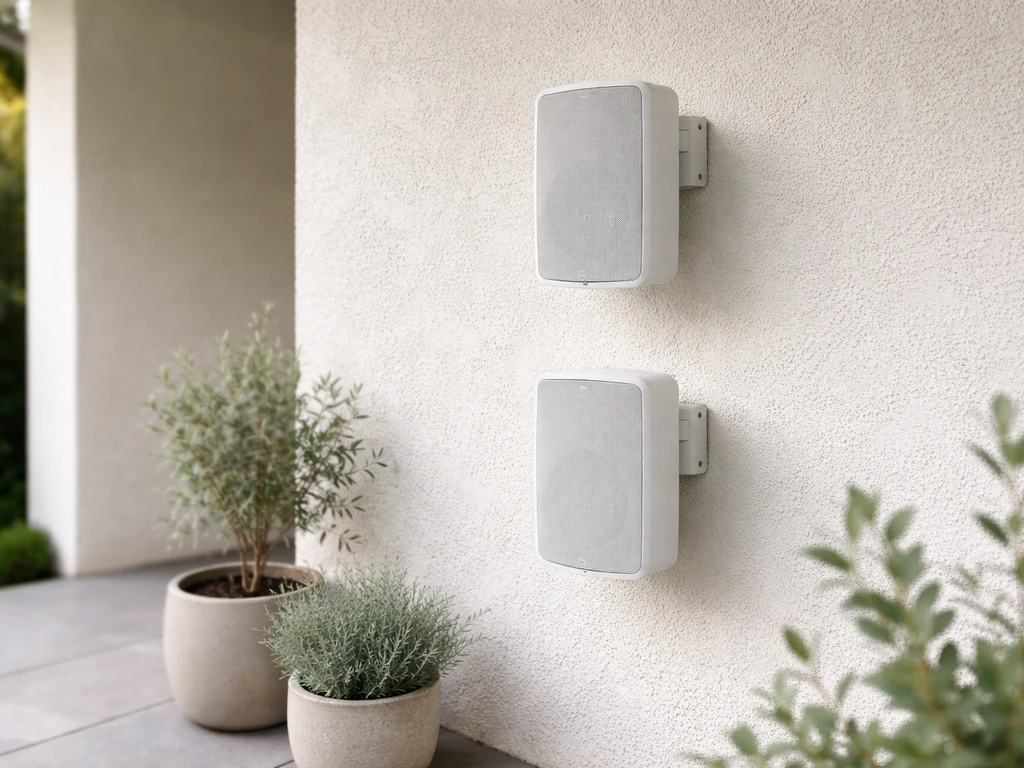
If you're building a real outdoor audio system and want speakers that stay mounted outside year-round, the Sonos/Sonance outdoor architectural speakers are the gold standard. IP66 plus MIL-SPEC 810 certification means they're engineered for permanent outdoor exposure, not just occasional rain. They connect via Sonos' Wi-Fi network for rock-solid streaming, integrate with every other Sonos device in your home, and can be controlled from your phone just like any other Sonos speaker. You'll need the Sonos Amp Multi to power them, which adds to the cost, but the result is a proper outdoor audio system rather than a portable speaker on a table.
Best hybrid (portable + home): Sonos Roam 2
The Roam 2 is ideal if you want a speaker that integrates with a Sonos home system but also goes with you. At home it works over Wi-Fi as part of your Sonos setup; away from home it switches to Bluetooth. It's IP67 rated and compact enough to take to the beach or a friend's house. Battery holds up for about 10 days on standby, and it charges via USB-C. The sound is good for its size, though it won't fill a large patio on its own.
Best for large outdoor areas: Sonos Era 300 pair (Wi-Fi)
For a larger patio where you want genuine stereo sound and high volume without a dedicated amp setup, a stereo-paired set of Sonos Era 300 speakers delivers impressive coverage and detail. These are plug-in speakers (no battery), so you need power nearby, but the audio quality and multi-room integration make them worth it for a serious outdoor setup.
| Speaker | IP Rating | Power | Best For | Approx. Price |
|---|---|---|---|---|
| Bose SoundLink Max | IP67 | 20-hr battery | Small/medium patio, portable use | $399 |
| JBL Charge 5 | IP67 | 20-hr battery | Budget portable, small patio | $130 |
| Sonos Outdoor by Sonance | IP66 + MIL-SPEC | Wired (via Sonos Amp) | Permanent large patio install | $699 (pair) |
| Sonos Roam 2 | IP67 | Battery + USB-C | Hybrid home/portable use | $179 |
| Sonos Era 300 (pair) | Not rated for outdoor | Plug-in | Covered patio, premium sound | $899 (pair) |
A quick note on the Era 300: it's not rated for outdoor exposure, so it belongs only on a well-covered patio (a roof overhead, not just an umbrella) where it won't get wet. For uncovered or semi-exposed patios, stick with IP65 or higher rated options.
How to match size and power to your patio and budget
The simplest framework: start with your patio size and exposure level, then match power and weatherproofing to that, and finally set a budget that makes sense for how permanent the setup will be.
- Small patio or balcony (under 150 sq ft), casual use: A $100–$180 portable Bluetooth speaker like the JBL Charge 5 is all you need. IP67 protection, 20-hour battery, easy Bluetooth pairing.
- Medium patio (150–400 sq ft), regular hosting: Step up to the Bose SoundLink Max ($399) or a pair of smaller Bluetooth speakers with stereo pairing. Budget $300–$500 total.
- Large patio or yard (400+ sq ft), permanent installation: Invest in an architectural system. The Sonos/Sonance outdoor speaker pair with a Sonos Amp Multi is the right tool. Budget $1,000–$1,500 all-in, including installation hardware.
- Hybrid use (patio + travel + home): The Sonos Roam 2 at $179 covers most scenarios if you're already on the Sonos platform, or the Bose SoundLink Max if you want better standalone portable sound.
- Covered patio only, premium sound: Non-outdoor-rated premium speakers like the Sonos Era 300 pair work here, but only if rain and direct sun are genuinely not a factor.
On the power question: if your patio has an outdoor outlet, plug-in speakers or a powered amp setup will always outperform battery-powered speakers of similar price because the driver and amplifier can draw more power consistently. If you don't have outdoor power, a quality portable with a long battery life is the practical choice, and the JBL Charge 5 and Bose SoundLink Max are both excellent at that.
Quick troubleshooting for common wireless issues
If your Bluetooth speaker keeps dropping the connection or won't pair at all, the two most common causes are low battery and outdated firmware. Bose explicitly flags both of these as pairing culprits: make sure the speaker is adequately charged before troubleshooting, and check for any pending software updates in the speaker's companion app. For Sonos products, the Sonos app handles firmware updates automatically, but if you're seeing connection errors on the Roam 2 in Bluetooth mode, Sonos' support process walks you through clearing the pairing list and re-pairing from scratch, which resolves most persistent issues.
- Speaker won't pair: Charge it fully first, then try forgetting the device on your phone and pairing fresh.
- Connection drops mid-song: Check for Wi-Fi interference (microwave ovens, crowded 2.4 GHz channels) or move your phone closer. Update speaker firmware.
- Sound is too quiet outside: You're not alone. Run the speaker at 70–80% volume before concluding it's underpowered. If still thin, you need a higher-wattage speaker or a second unit.
- Speaker sounds muffled after rain: Most IP67 speakers recover quickly. Shake out any water in the grille and let it dry for 30 minutes before assuming damage.
- Wi-Fi speaker drops off the network: Check router placement. For large patios, a mesh Wi-Fi node closer to the outdoor area can eliminate dead zones entirely.
One last thing: if you're serious about building out a full patio entertainment setup, wireless speakers are just one piece. Pairing good audio with an outdoor-rated TV and proper lighting transforms a patio into an actual outdoor room. Pair it with the best tv for outdoors patio so you get a clear, weather-ready picture in direct sunlight. To complete the setup, you’ll also want the best tv mount for outdoor patio use so the screen stays secure and properly angled. For many people, the best TV for outdoors patio setups is one built to handle direct sun and weather, so it can stay reliable during rain and heat outdoor-rated TV. The audio foundation though starts with picking the right wireless speaker for your specific space, and hopefully by now you have a clear enough picture to pull the trigger on the right one. If you're still deciding, it helps to also compare the best size tv for outdoor patio options so your speaker volume and placement match the viewing distance and room feel. The best Sonos for outdoor patio setups usually comes down to whether you want a plug-in stereo option or a permanent in-ceiling or in-wall architectural system.
FAQ
I have an uncovered patio, which wireless patio speakers are safest to leave outside year-round?
If your patio is uncovered or sees wind-driven rain, prioritize IP65+ with the enclosure protected from direct spray. For wireless play, also plan for the warm-up period after the speaker has been in cold temperatures, since some portables take a few minutes to re-stabilize Bluetooth or Wi-Fi audio after exposure to sub-freezing weather.
Will an IP67-rated speaker last in a coastal area with salty air and strong sun?
Yes, but do not assume “waterproof” means “no corrosion.” Salt air and heavy humidity can still degrade speaker grilles and internal contacts over time. For coastal use, look for higher build protections (UV plus humidity and corrosion resistance) and use a shaded placement when possible.
How many speakers do I actually need for good coverage on a 20 to 40 foot patio?
Outdoors, you typically want higher volume headroom than indoors and more than one speaker for even coverage. If your goal is party-level background sound, start with two speakers placed toward the seating area, spaced apart to reduce dead zones, then increase count before maxing one unit’s volume.
My Bluetooth speaker cuts out when I walk around, what should I change first?
For Bluetooth, range can be far worse than the marketing number if there are walls, metal furniture, or the phone is moving in and out of line of sight. If you routinely walk away from the patio, Wi-Fi audio is usually more stable, and a model that supports stereo pairing over Bluetooth helps you avoid turning up one speaker too high.
What’s the most common reason outdoor wireless speakers fail even though they’re water-rated?
Do not rely only on IP numbers when comparing. UV resistance and enclosure construction matter because sunlight damage is gradual, and some speakers use plastics that can chalk and crack. If you have direct sun exposure, pick speakers explicitly designed for outdoor UV, not just water resistance.
Should I choose Wi-Fi or Bluetooth for my patio if my router coverage is inconsistent?
If your patio has a strong home Wi-Fi signal, Wi-Fi speakers usually outperform Bluetooth for stability. If Wi-Fi signal is weak, placement of your router or adding a mesh node can be the deciding factor, often more than the speaker brand.
Will wireless patio speakers keep audio in sync with an outdoor TV?
Bluetooth and Wi-Fi do not have the same “delay feel” for everyone. If you plan to watch outdoor TV, prioritize Wi-Fi or a speaker system designed for synchronized playback, and be prepared to use TV audio delay settings. Battery portables can also add slight latency depending on the codec.
What placement mistake causes the “it sounds thin outside” problem?
Do not mount or place a speaker so it points at a wall and expects the wall to reflect sound, since open air reduces reflections. Aim toward the listening area, keep drivers at roughly ear height for background listening, and raise slightly for larger patios to reduce high-frequency drop-off.
Can I pair two different brands or two different models of wireless patio speakers into stereo?
Yes, but only within the limits of the speaker’s pairing system. Bluetooth “stereo pair” must be supported by both units, and the two speakers should be the same model and firmware for best results. For multi-zone or whole-home setups, Wi-Fi systems with proper app control are usually easier.
What troubleshooting steps should I try if a wireless patio speaker won’t pair or won’t reconnect reliably?
If you see pairing problems, charge the speaker fully first, then reset and remove old pairings from your phone. Also check whether the app for the model is required for updates and configuration, because some speakers need a specific companion app to enable stable reconnection modes.
Should I store my outdoor Bluetooth speaker inside during winter, even if it’s IP67-rated?
For battery speakers, storing in a cool, dry place helps. Avoid leaving them fully discharged for long periods, and if you live where freezing happens, bring the speaker inside during extreme cold since repeated freeze-thaw can shorten battery life.
If my outdoor speaker has a USB port, can it charge my phone all day while playing music?
Yes, but confirm the design supports charging while outputting audio, and use a compatible cable and power rating. The phone-charging feature on some portables is handy, but it may reduce charging speed during high-volume playback.
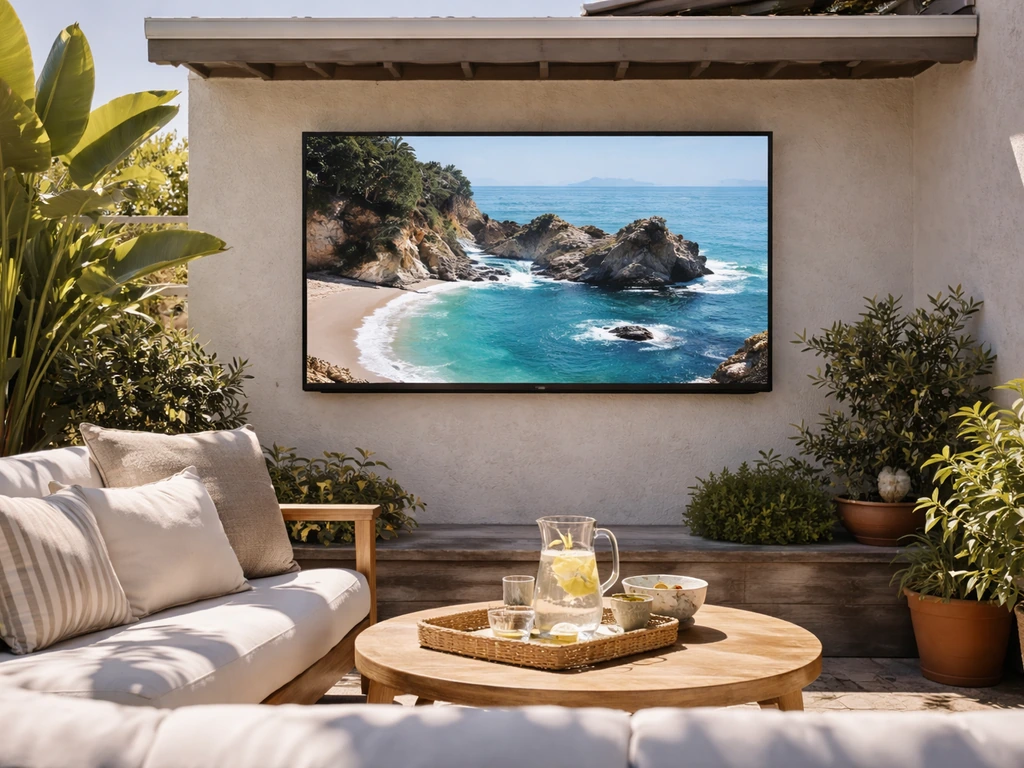
Choose the best outdoor patio TV for sun or covered spaces, with brightness, glare, smart features, size and setup check
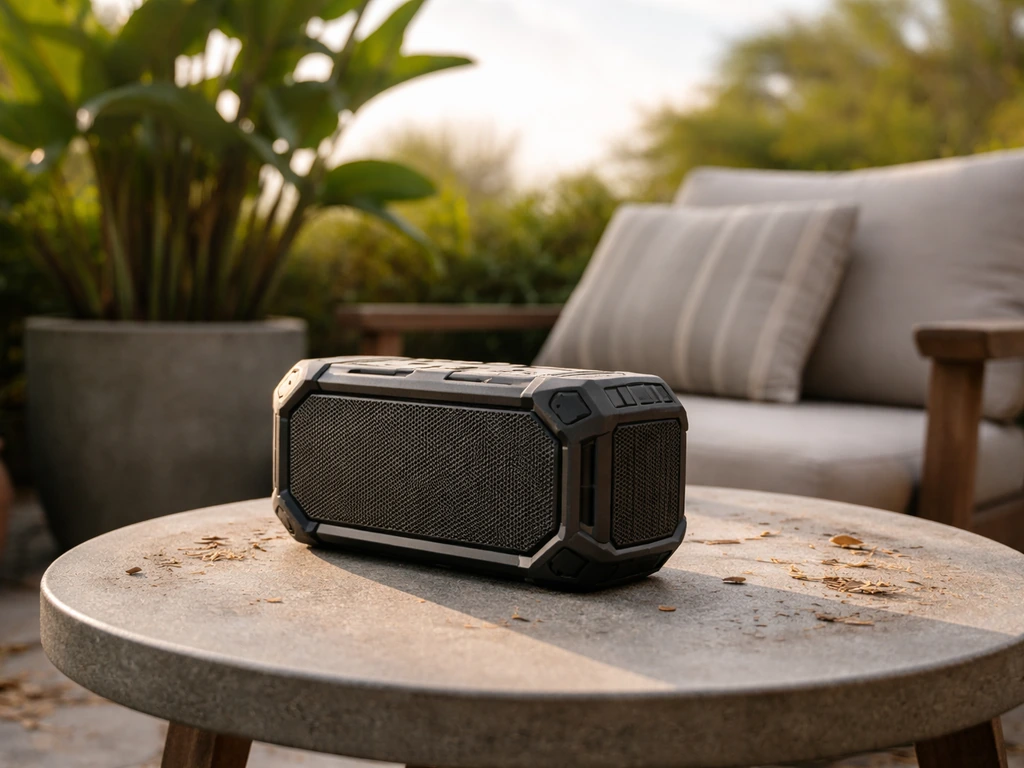
Compare the best Bluetooth patio speakers by patio size, weather ratings, battery power, range, bass, and multi-speaker
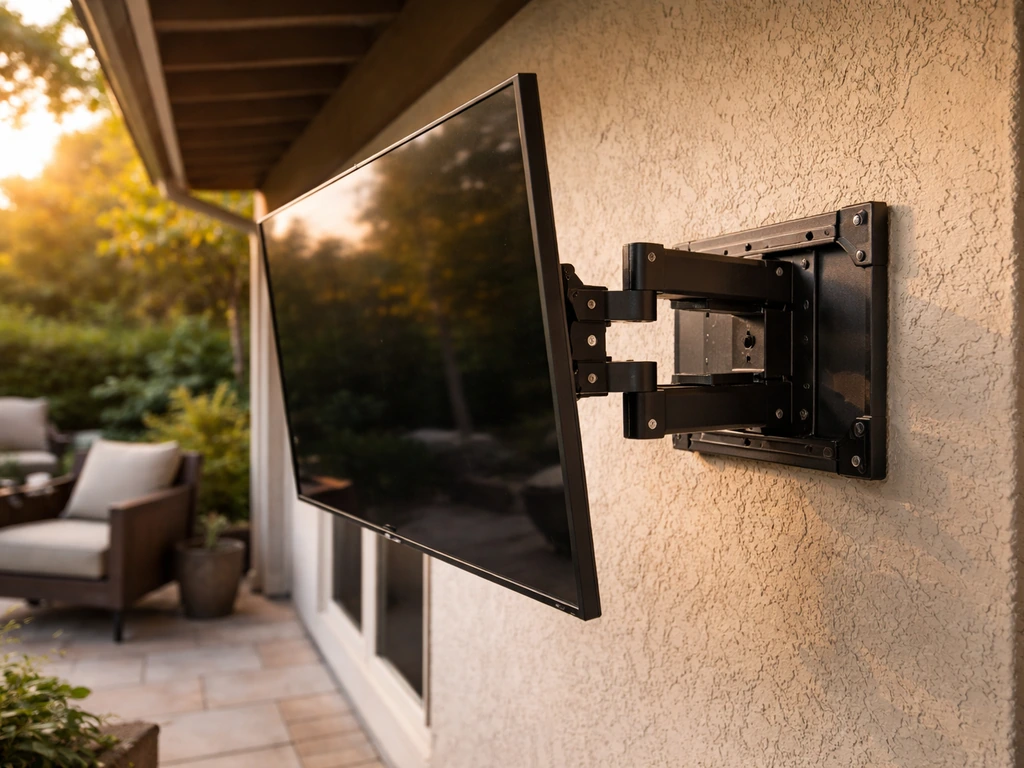
Best outdoor patio TV mount guide with mount types, must-have specs, weatherproof install steps, and viewing setup check