
A high quality patio cover is one that stays watertight after three years, doesn't warp or fade after the first summer, and doesn't wobble when a storm rolls in. That means you're looking for a cover built from a durable material (aluminum, quality wood, or heavy-duty vinyl), engineered to handle the actual wind and snow loads in your region, installed with proper flashing so water doesn't sneak behind the ledger, and sloped enough to shed rain reliably. Get those four things right, and you have a cover that lasts 20 to 40 years. Skip any one of them, and you'll be patching leaks or replacing the whole thing in five.
High Quality Patio Covers: How to Choose and Compare

Lark Perry
26 Jun 2026
What 'high quality' actually means for a patio cover
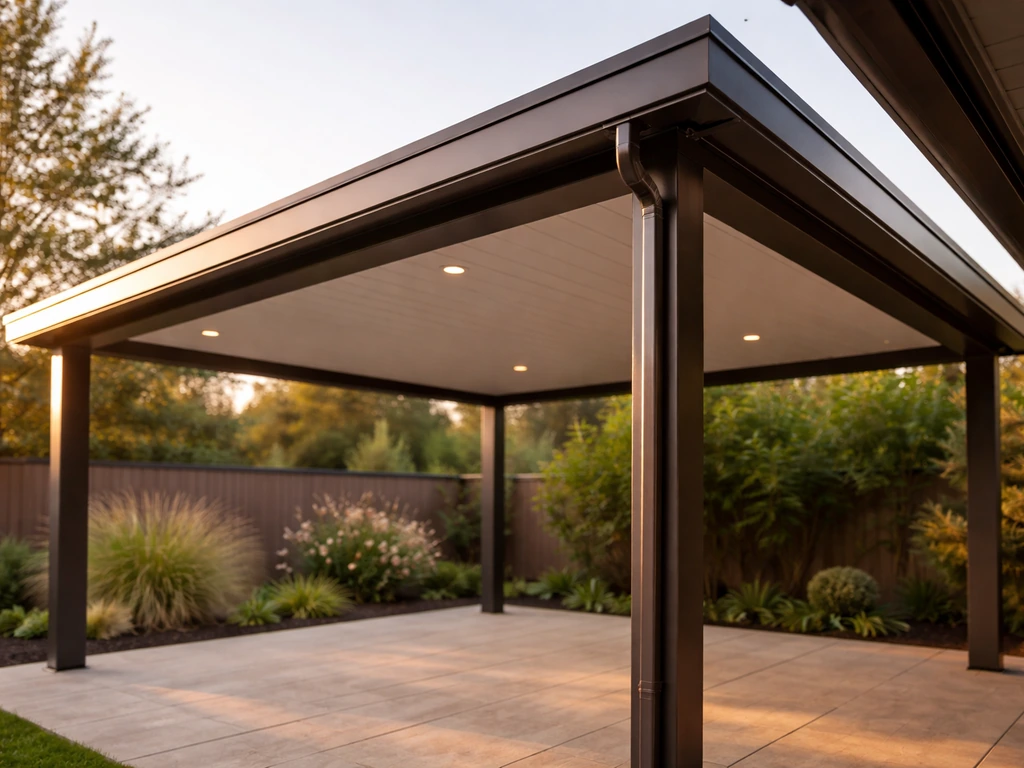
The term gets thrown around in product listings constantly, so it's worth being specific. A truly high quality patio cover checks boxes in three areas: materials, engineering, and execution. Materials matter for longevity and weather resistance. Engineering matters for whether the structure stays standing and leak-free. Execution is about how it's installed, including flashing, connections, and drainage details.
On the engineering side, the 2024 International Building Code requires patio covers to handle a minimum vertical live load of 10 pounds per square foot, plus wind and seismic loads specific to the location. That's a baseline, not a ceiling. If you're in a hurricane zone, a coastal area, or somewhere with heavy snowfall, you need a cover designed well beyond that minimum. A product that only meets the floor isn't high quality for those conditions.
For materials, high quality means corrosion-resistant fasteners and connectors, not just a corrosion-resistant frame. That detail trips up a lot of products that look great on paper. Powder-coated aluminum rated to AAMA 2604 or 2605 standards is a meaningful quality signal, since those coatings have been tested for salt spray resistance at 3,000 hours or more using ASTM B117. If a brand can't tell you their coating spec, that's already a yellow flag.
The main types of patio covers and when each makes sense
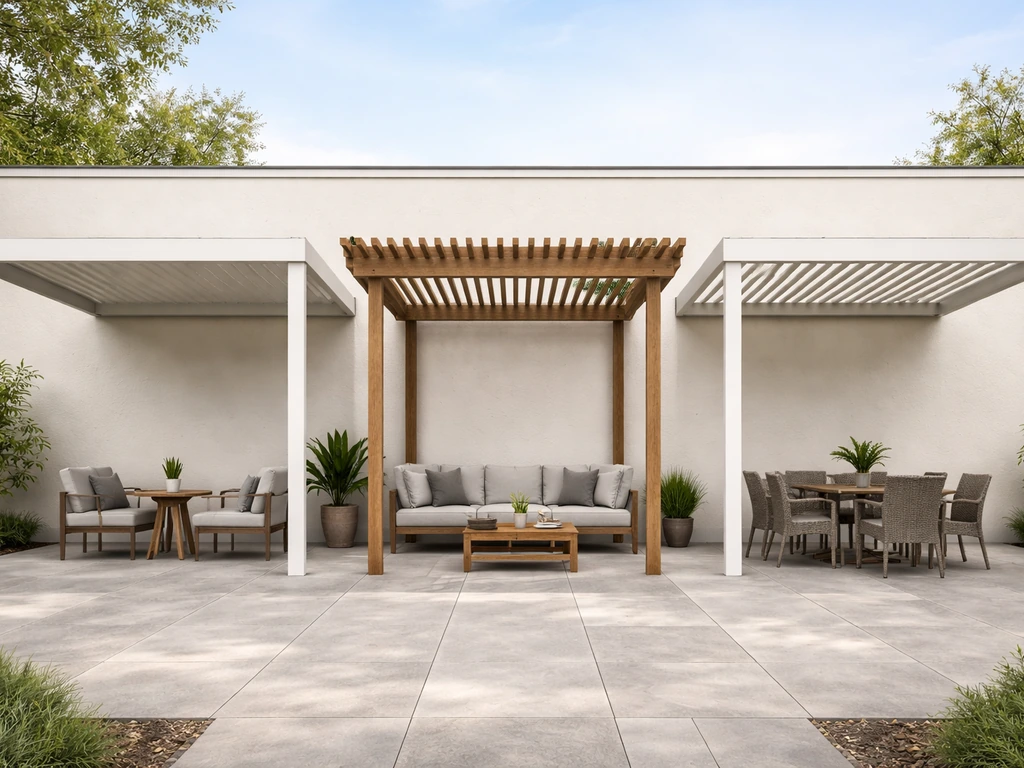
There are five main categories, and each suits a different use case. Understanding which one fits your situation is more useful than just picking the most expensive option.
| Cover Type | Best For | Main Limitation |
|---|---|---|
| Solid aluminum panel | Full shade, rain protection, low maintenance | Can trap heat without ventilation; less decorative appeal |
| Louvered/adjustable aluminum | Variable shade control, rain + airflow flexibility | Moving parts need maintenance; not fully watertight in wind-driven rain |
| Wood (solid or pergola-style) | Aesthetics, custom design, traditional look | Requires regular painting/staining; susceptible to rot and fire |
| Vinyl solid panel | Budget-friendly, no-rot, low maintenance | Can crack in extreme cold; quality varies widely by brand |
| Fabric/awning | Seasonal shade, low cost, easy retract | Not designed for permanent rain protection; shorter lifespan |
| Steel frame with roofing | Maximum structural strength, commercial-grade builds | Heavy, more expensive, requires professional installation |
Solid aluminum panel covers are the most popular choice for homeowners who want a year-round, set-it-and-forget-it solution. They shed rain, resist corrosion, and don't need painting. Louvered covers, like motorized pergola-style systems, give you adjustability, but keep in mind that even certified products, including those with Miami-Dade high-wind certification, typically note that water tightness isn't guaranteed in extreme wind-driven rain because the louvers have gaps by design. Wood pergolas look beautiful but need repainting every few years and increase wildfire risk in dry climates. Fabric awnings and canopies are a good seasonal option, but they're not a substitute for a permanent cover if you want reliable weather protection.
Materials compared: tradeoffs you need to know
Here's an honest breakdown of the six materials you'll encounter, including how they hold up over time and what they actually cost to own:
| Material | Lifespan (approx.) | Rot/Rust Risk | UV/Fade Resistance | Maintenance Level | Cost Range (installed/sq ft) | Fire Risk |
|---|---|---|---|---|---|---|
| Aluminum | 30–50 years | None (with powder coat) | High (AAMA 2604/2605 coatings) | Very low | $50–$120 | Non-combustible |
| Wood | 15–25 years | Moderate to high (rot) | Low without finish | High (paint/stain every 2–3 yrs) | $60–$150 | Combustible |
| Vinyl | 20–30 years | None | Good (varies by product) | Low | $30–$80 | Combustible |
| Steel | 25–40 years | High if coating fails | Good with coating | Moderate (inspect coating) | $70–$150 | Non-combustible |
| Composite | 25–40 years | Low | Good | Low | $60–$130 | Varies by formulation |
| Fabric/Canvas | 5–12 years | None (mildew risk) | Moderate (marine-grade vinyl can hit 5,000+ hrs ASTM G154) | Moderate (clean, retract in storms) | $15–$60 | Varies |
Aluminum is the standout material for most homeowners because it genuinely is non-combustible, resists corrosion, and requires almost no ongoing upkeep. Vinyl is a solid budget option, and some manufacturers claim lifetime warranties against yellowing, though you should read those warranty exclusions carefully before taking that claim at face value. Wood has the best aesthetics but demands the most from you in maintenance terms: a D. R.
Horton homeowner manual specifically calls out that wood shade structures need regular repainting to prevent warping and dry rot, and that's a cost and time commitment that surprises people. Steel is great for large spans that need extra structural strength, but if the powder coat gets chipped and isn't touched up, rust starts fast.
Fabric covers using marine-grade vinyl substrates can be surprisingly durable, with some products like Weathertyte Plus carrying 8-year manufacturer warranties, but no fabric cover should be expected to perform like a solid roof.
Design specs that separate a good cover from a great one
Slope and drainage
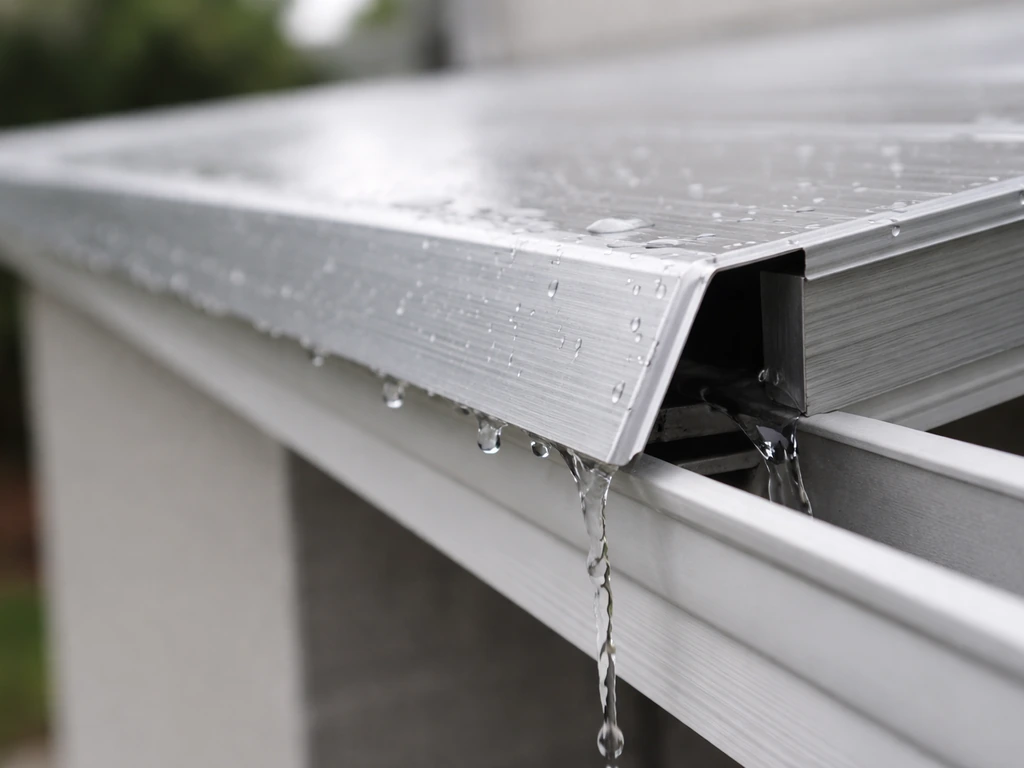
A common recommendation from aluminum patio cover contractors is a minimum slope of 1/2 inch per foot. That sounds small, but it's enough to move water reliably toward a gutter or drip edge rather than letting it pool in the middle of the panels. Low-slope roofs must drain to scuppers, gutters, or edge details, per Building America Solution Center guidance. If the slope is too flat, water backs up behind panel seams and starts finding its way through.
Ventilation and condensation control
A solid cover with no ventilation traps heat and moisture, which causes condensation on the underside and can accelerate mold growth on the ceiling material or on furniture below. Quality covers either incorporate vented ridge caps, perforated soffits, or a slight air gap at the wall attachment that allows airflow. If you're looking at a louvered system, this is one area where they have a natural advantage: you get ventilation on demand.
Span limits
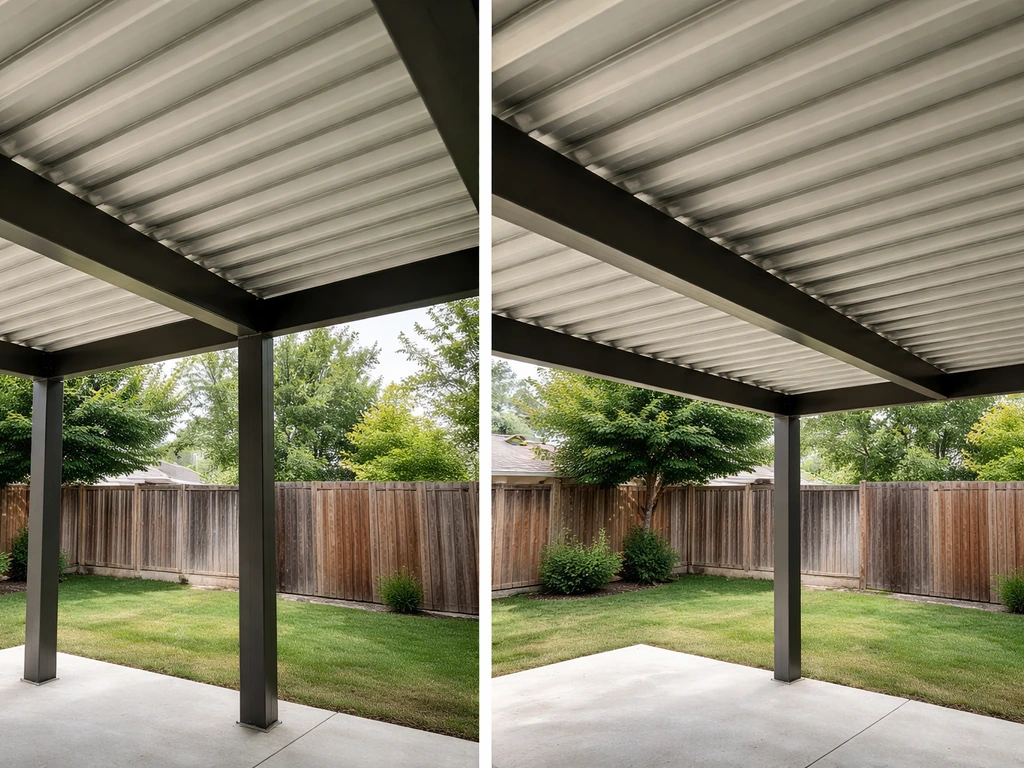
Every material has a maximum span it can reliably cover without intermediate posts. Aluminum extrusions used in residential panel systems are typically rated for spans up to 12 to 14 feet without a mid-span beam. Pushing past those limits with undersized material is how you end up with a sagging cover after a couple of winters. Ask the manufacturer or contractor for the specific span table for the product you're buying, and confirm it's been tested or certified rather than just estimated.
Wind and snow ratings
Quantified structural ratings are one of the clearest ways to compare products. Some louvered aluminum pergolas, for example, publish wind ratings up to 110 mph and snow load ratings of 17.7 lbs/sq ft with integrated drainage routed through the posts. Those are real specs you can compare against your local code requirements. If a product listing only says 'wind resistant' without a number, ask for the actual rating before buying.
UV protection
UV degradation is what turns a nice powder-coated aluminum cover chalky and makes vinyl brittle over time. Look for coatings tested to ASTM G154, which is the standard accelerated weathering test using fluorescent UV lamps. AAMA 2604 and AAMA 2605 are the main weathering classifications for architectural coatings: 2605 is the top-tier standard and what you want on a long-term cover exposed to full sun. Qualicoat Class 2 is an equivalent European benchmark worth knowing if you're looking at imported aluminum systems.
Installation quality: the checklist you actually need
Even a premium product will fail if it's installed poorly. The most common failure points are the ledger attachment to the house and the flashing where the cover meets the wall. These are also the areas most DIYers underestimate.
DIY or hire a pro?
Simple freestanding pergola kits can be a reasonable DIY project if you're comfortable with basic carpentry and follow the manufacturer's instructions closely. Attached covers, meaning anything that bolts to the house, are a different story. Getting the blank" rel="noopener noreferrer">ledger flashing wrong is a guaranteed leak, and getting the structural attachment wrong is a safety issue. The 2024 IRC building guides from several jurisdictions specifically call out that correct attachment to the home is critical to preventing collapses. If you're attaching to the house, hire a licensed contractor unless you have real construction experience.
Permits and inspections
Most attached patio covers require a building permit. Pull the permit. It's not just about following rules: the inspection process gives you a set of outside eyes on the framing, ledger attachment, rafter connections, beam hangers, and footing depth before everything gets covered up. An inspector catching a missed hanger or an undersized ledger bolt now saves you from a structural failure or a failed home sale inspection later.
Waterproofing and flashing checklist
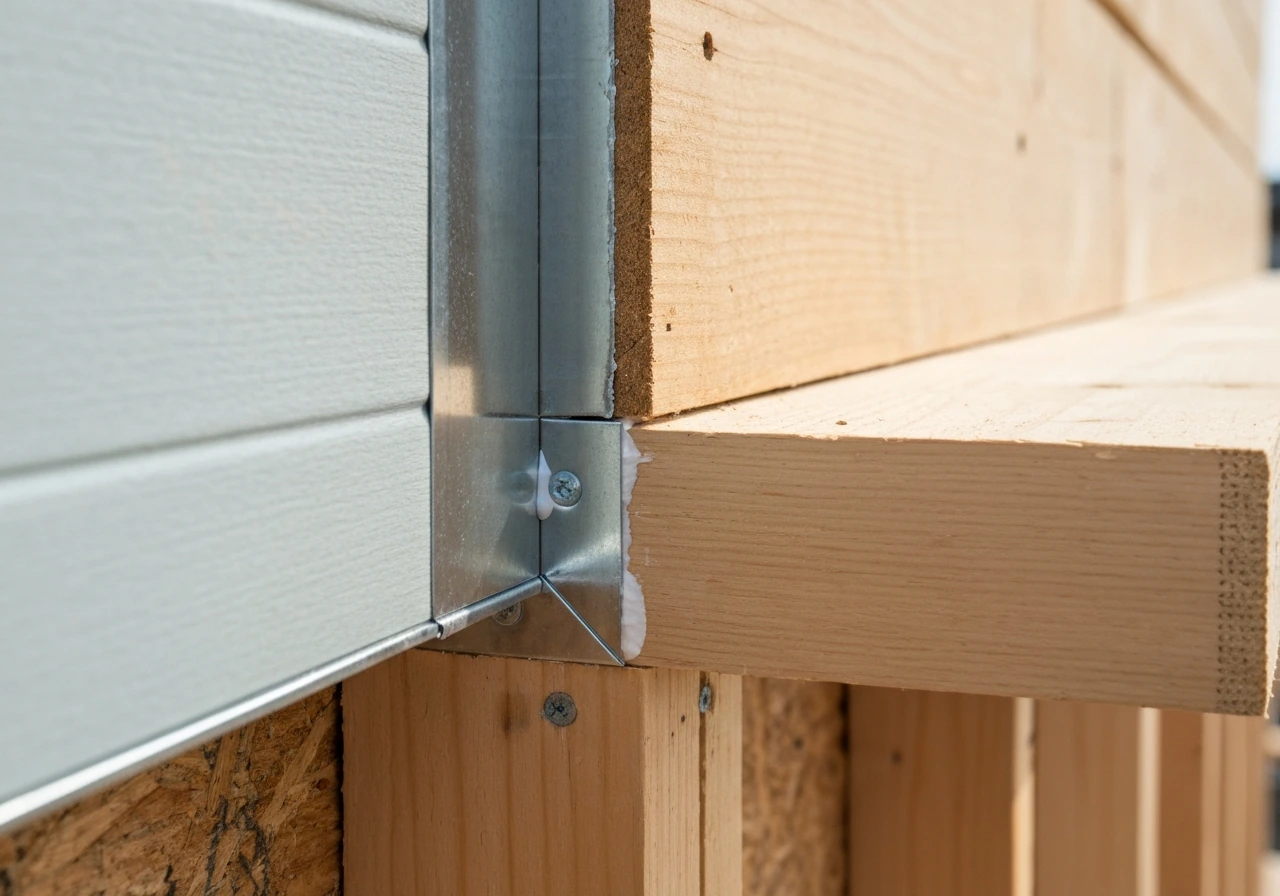
- Ledger board flashing: metal flashing must be installed behind the siding and over the ledger so water drains outward, not behind the board into the wall
- WRB (water-resistive barrier) integration: the flashing must lap over the wall's drainage layer, not tuck behind it
- Z-flashing or drip cap: installed at the top edge where the cover meets the wall to kick water over the ledger and away from the structure
- Sealant at all penetrations: use a compatible, paintable sealant rated for exterior use; recheck every two to three years
- Gutter or drip edge at the outer edge: prevents water from sheeting back onto the fascia or running along the underside of panels
- Slope verification: check with a level that the finished panels drain toward the outer edge or gutter
- Fastener and connector corrosion resistance: all connectors in the load path should be hot-dip galvanized or stainless steel, not just zinc-plated
Cost vs value: what your budget actually gets you
Installed patio cover costs in the U.S. typically run from about $50 to $150 per square foot depending on material, complexity, and region. In Southern California, labor alone adds roughly $7 to $11 per square foot for aluminum panel installation. Basic DIY aluminum or vinyl kits from big-box retailers can start around $1,000 to $5,000 for materials only, but that number doesn't include permits, footings, or flashing, which easily add $1,500 to $3,000 more.
| Budget Range | What You Typically Get | Expected Lifespan |
|---|---|---|
| $1,000–$5,000 (DIY kit) | Basic aluminum or vinyl flat-panel kit, no permit/install included | 15–25 years if well-installed |
| $5,000–$15,000 (entry-level installed) | Professionally installed aluminum panel cover with basic flashing and gutters | 20–30 years |
| $15,000–$35,000 (mid-range installed) | Heavier-gauge aluminum, louvered systems, or quality wood with full permitting and flashing | 25–40 years |
| $35,000+ (premium/custom) | Custom timber, high-end louvered systems with motorization, full structural engineering | 30–50+ years |
The biggest value destroyer is buying a mid-grade product and skimping on installation. A $6,000 aluminum cover installed without proper ledger flashing will cost you more in repairs within five years than spending $9,000 upfront on a properly permitted and flashed installation. Lifespan and warranty claims also need to be read carefully: many warranties exclude improper installation and don't cover labor for removal and replacement, so a 'lifetime warranty' on the material doesn't mean much if the installation isn't done right. If you're specifically weighing acrylic patio cover reviews, focus on whether the brand backs up its wind, snow, and flashing details with real testing and clear installation guidance.
Maintenance that keeps a quality cover looking and performing like new
Low-maintenance doesn't mean no-maintenance. Here's what actually needs to happen on a regular schedule: If you want to choose the right natural-light patio cover, reading natural light patio covers reviews can help you compare real-world light levels, glare, and how well each style performs over time.
- Annual inspection: walk the perimeter and check sealant at wall junctions, fasteners for corrosion, and gutters or drip edges for blockages
- Gutter and channel clearing: debris in integrated drainage channels or gutters causes water backup and is the most common source of leaks in otherwise well-built covers
- Panel cleaning: wash aluminum panels with mild soap and water annually to remove dirt, bird droppings, and biological buildup that holds moisture against coatings
- Wood cover maintenance: repaint or re-stain every two to three years; inspect for soft spots that indicate early rot, especially at post bases and ledger ends
- Fabric/awning covers: retract during storms and high winds per manufacturer instructions; never roll up a wet awning and leave it closed, as this causes mildew that voids most warranties
- Powder coat touch-up: if aluminum coating chips, touch up promptly with matching paint to prevent corrosion at the exposed spot
- Flashing re-inspection every three to five years: re-caulk any cracked sealant at the wall junction before it becomes a leak path
How to compare brands and products before you buy
Most patio cover shopping happens online or through contractor quotes, and it's easy to end up comparing prices without actually comparing products. If you're researching options like Duracool patio covers, reviews can help you spot common installation and longevity issues before you buy. Here's a concrete framework for evaluating any cover before you commit.
Specs to ask for in writing
- Wind load rating (in mph or psf): get an actual number, not just 'wind resistant'
- Snow load rating if applicable: in lbs/sq ft
- Powder coat or finish standard: ask for AAMA 2604 or 2605 rating specifically
- Span table: maximum unsupported span for the specific extrusion or panel being used
- Drainage design: how water exits the system (gutters, integrated post drainage, open drip edge)
- Fastener and connector spec: galvanized, stainless, or coated; ask specifically about connectors in the load path
- Warranty terms: what's covered, what's excluded, and whether it covers labor for replacement
Red flags to avoid
- No published wind or load ratings, just marketing language
- Warranty that excludes improper installation but offers no inspection or installation standard
- Contractor who discourages pulling a permit ('it'll be faster and cheaper without one')
- Flashing plan that relies entirely on sealant with no mechanical drip edge or Z-flashing
- Coating spec that can't be named (no AAMA classification mentioned)
- Span claims that exceed typical material limits without a supporting load table
Photos and documentation to request before signing
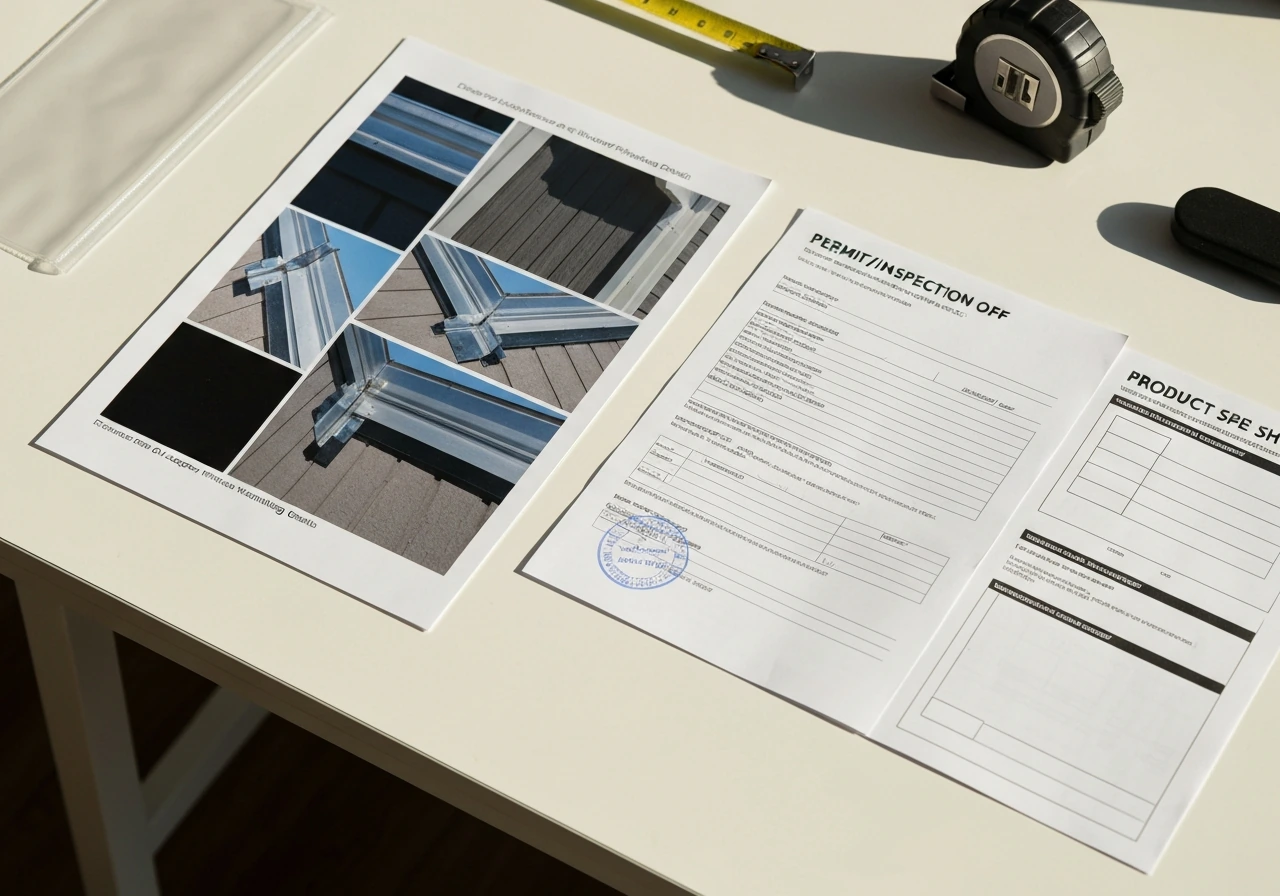
- Photos of completed ledger and flashing details from a recent job
- Copy of the permit and inspection sign-off from a similar past project
- Product cut sheet or spec sheet with structural ratings
- Full warranty document (not just the summary)
- References from installs at least five years old so you can ask about long-term performance
If you're researching specific products and brands, it's worth comparing purpose-built systems against each other. Adjustable and louvered cover systems are a growing category worth a close look if you want sun and shade control in one product. And if you're weighing national chains against regional suppliers, total installed cost, local permit knowledge, and access to replacement parts years down the road all matter more than the sticker price alone.
The bottom line: a high quality patio cover isn't just about the product you buy, it's about the whole system. Get the right material for your climate and budget, confirm the structural ratings match your local requirements, insist on proper flashing at the wall, and pull the permit so the installation gets inspected. Do those things, and you'll have a cover that does exactly what you bought it to do for the next two or three decades.
FAQ
What details should I look for to confirm a patio cover is actually watertight, not just “water-resistant”?
Ask for the product’s water management design details, especially where panels meet the wall (ledger flashing) and how water is routed to a gutter, drip edge, or scupper. Also confirm whether the manufacturer defines any limits for wind-driven rain, particularly for louvered systems that intentionally allow gaps.
Is “lifetime warranty” meaningful for high quality patio covers?
It can be, but only if it covers material degradation and includes clear exclusions for installation errors, coastal corrosion, and fading. Warranties often do not cover labor to remove and reinstall panels, so check whether labor, freight, and replacement parts are included.
How much slope do I really need if my patio cover is low-slope?
If you are below the commonly cited 1/2 inch per foot minimum, confirm the entire drainage path (gutters, scuppers, or edge drainage details) is designed for that condition. Low-slope failures usually happen when water pools behind seams, so insist on a drainage plan, not just a flatter pitch.
Can a patio cover trap heat or cause mold even if it’s sealed well?
Yes. A sealed cover can create condensation if there is no airflow path. Ask how the system ventilates (vented ridge cap, perforated soffit, or air gap at the wall attachment) and whether the underside surface is rated to resist moisture or humidity.
How do I verify the structural span is appropriate for my space?
Get the product’s span table for the exact model and material thickness, and compare it to your measured opening. If the installer proposes a “close enough” span with no mid-span beam, that is a common cause of sagging after freeze-thaw winters.
What should I ask about wind and snow ratings if I’m in a high-risk area?
Request specific numeric ratings (wind speed and snow load) for the installed configuration, not generic “resistant” language. Confirm whether ratings assume the same attachment method, coverage area, and drainage approach used in your project.
Why do some aluminum patio covers fade or chalk even when the frame is aluminum?
Coating performance depends on the coating system and its UV test standard, not just “powder-coated aluminum.” Ask whether the finish meets AAMA 2604 or 2605 and, ideally, whether the listing references UV degradation testing aligned with ASTM G154.
Do I need ventilation if I choose a solid panel cover designed to be watertight?
Often yes, because watertight sealing can still trap moisture. Ask whether the system includes ventilation components or an engineered air gap at the wall attachment, since condensation can occur on the underside even when rain is blocked.
Is it safe to DIY an attached patio cover to save money?
Freestanding pergola kits are more DIY-friendly, but attached covers involve ledger and rafter-to-house connections that directly affect structural safety. If you are attaching to the home, hiring a licensed contractor is typically the safest choice unless you have documented construction experience and can follow the installation instructions exactly.
What are the most common installation mistakes that void quality expectations?
The big ones are ledger flashing at the wall, incorrect or undersized structural attachments to the house, and inadequate drainage away from the cover edge. If a contractor cannot clearly explain flashing details and the water route, treat that as a risk rather than a minor concern.
Will building permits affect the resale value or future inspections?
They usually help, because permitted work provides inspection documentation for framing, ledger attachment, and footing depth before covers are closed in. Skipping permits can lead to issues during a home sale, insurance underwriting, or if future owners need to verify structural compliance.
How can I compare quotes without accidentally comparing apples to oranges?
Compare the full system, not just price per square foot. Ask each bidder to list material specs, fastening and connector types, slope and drainage approach, warranty terms that exclude labor, and whether they will pull permits and handle flashing to the wall.
What should I consider about replacement parts years later?
Ask whether panels, louver blades, ridge caps, vents, and fasteners are available for your exact model if something gets damaged. This matters more than most shoppers expect, because matching older runs can be hard, especially for imported systems or niche louvered designs.
Are louvered or adjustable patio cover systems “water tight” in storms?
Often they are not guaranteed for extreme wind-driven rain because louvers have intentional gaps. If you expect heavy storm exposure, ask the manufacturer to define water infiltration limits and confirm the system includes an engineered drainage path through the structure.
What maintenance tasks should I plan for, even with low-maintenance materials?
Even aluminum or vinyl covers usually benefit from periodic cleaning and checks of fasteners, gutters or drip edges, and caulk or seal points at transitions. For wood covers, the maintenance need is higher, repainting schedules are critical to prevent dry rot, and the wildfire risk in dry regions should be part of your decision.
Next Articles
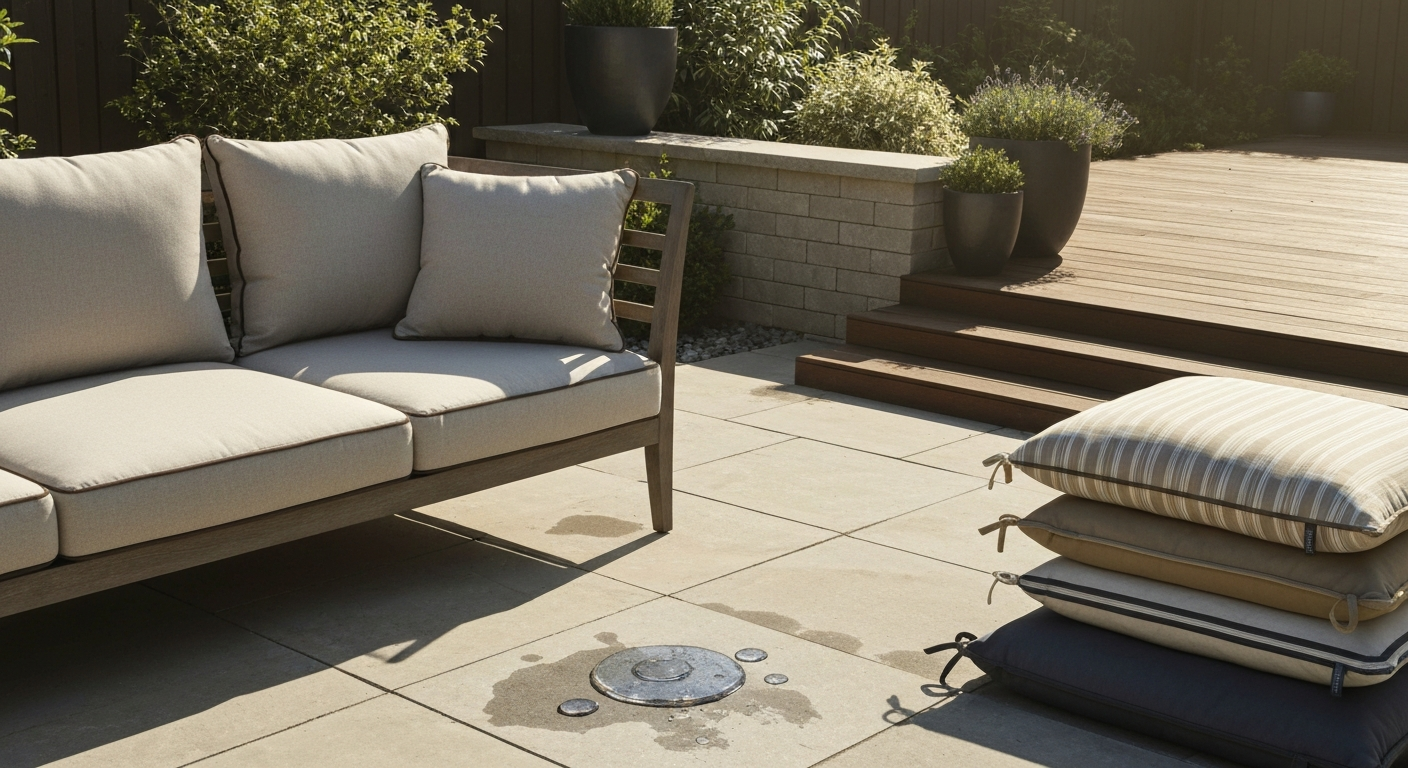
Best Sunbrella Patio Cushions: Top Picks, Guide & Maintenance
Find the best Sunbrella patio cushions: durable, fade‑resistant picks, buying tips, care, and top recommendations.
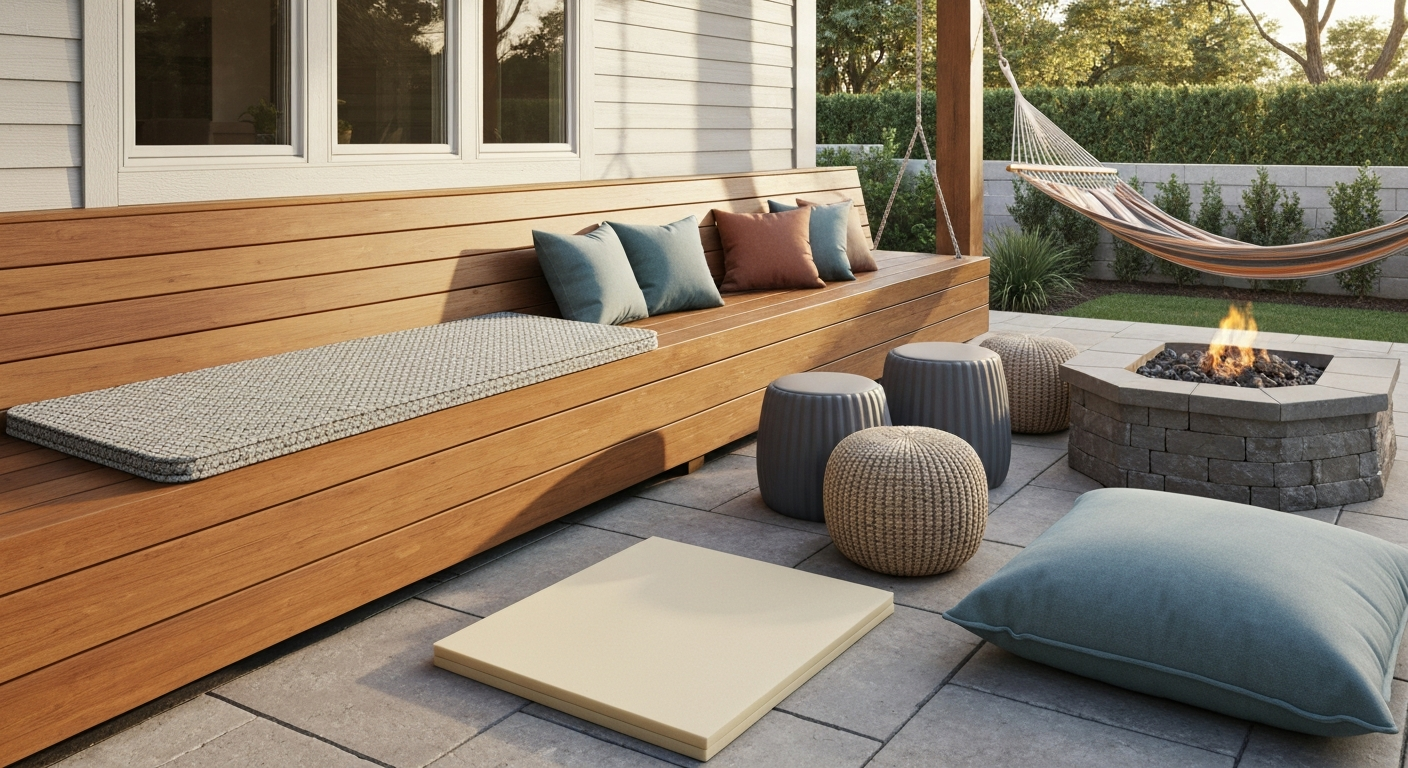
Alternative to Patio Cushions: Durable, Stylish Options and DIY
Alternative to patio cushions: durable, weatherproof seating options, pros, DIY tips & buying guide.
Best Color for Outdoor Patio Cushions in 2026
Choose the best cushion color for sun, heat, and fading in 2026, with pairing tips for patio furniture and durability.