
Suggested title: National Patio Covers Review & Buying Guide: Acrylic, Duracool, Adjustable & Translucent Options. Meta description: In-depth reviews and buying guide for National Patio Covers: acrylic, Duracool, adjustable and translucent models, compare performance, price, and warranties.
National Patio Covers Reviews: Complete Buying Guide & Ratings
Lark Perry
30 Jul 2026
TL;DR: Quick Verdict and Best Picks by Use Case
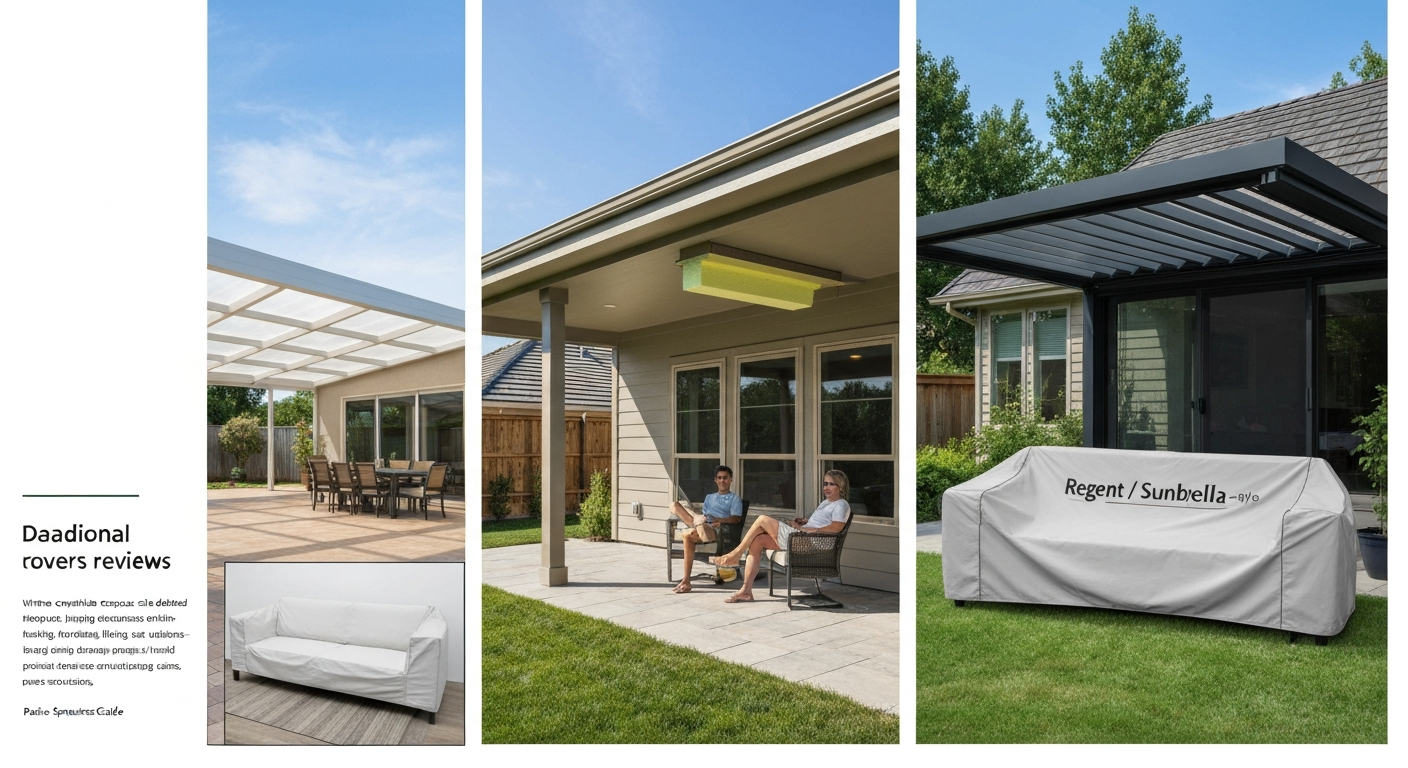
National Patio Covers is primarily a retail site selling fabric furniture covers under the Meridian, Regent, Portofino, and Seasons labels, not a structural patio roofing manufacturer. If you landed here looking for rigid patio roof covers, the brand you likely want is Duracool (or its parent line, Duralum), which is a domestic aluminum patio cover manufacturer with five distinct panel profiles, an ICC-ES evaluated structural report, and a transferable lifetime warranty on materials. For fabric furniture covers, National Patio Covers carries real options worth considering, particularly the Regent line made with Sunbrella acrylic fabric.
- Best for UV protection on patio furniture: Regent (Sunbrella acrylic fabric) — rated 99% UV blockage, best-in-class fabric durability.
- Best rigid roof cover for heat and weather control: Duracool IRP Insulated panel — highest thermal performance in the Duralum/Duracool lineup.
- Best for natural light with shade: Duracool Lattice or a translucent acrylic panel system — balances light transmission and heat reduction.
- Best adjustable/operable option: A louvered or adjustable panel cover — lets you dial in sun exposure and ventilation without committing to a fixed roof.
- Best budget-friendly fabric cover: Meridian (Marinex polyester) — lower price point, decent weather resistance, shorter warranty than Regent.
Brand Overview: What National Patio Covers Actually Is
National Patio Covers operates as an online retailer specializing in protective covers for patio furniture, grills, and outdoor appliances. The site organizes products by model and brand collection, with shop-by-model tools that help you match a cover to a specific furniture set. The four main collections you'll encounter are Meridian, Regent, Portofino, and Seasons, each targeting a different price point and material tier. The manufacturer behind several of these lines is Eevelle, a company that produces outdoor fabric covers sold under multiple retail banners.
It's worth being upfront about one thing I noticed quickly while researching: the name 'National Patio Covers' creates genuine search confusion. Many people searching this phrase are actually looking for rigid, structural aluminum or polycarbonate patio roof covers, the kind you attach to your house to create a covered patio space. That's a different product category entirely. If that's what you're after, the Duracool and Duralum brands are far more relevant, and I cover them in detail below. But if you're shopping for covers to protect outdoor furniture from rain, UV, and debris, then nationalpatiocovers.com is a legitimate place to shop, with caveats I'll explain in the customer feedback section.
On the warranty side, National Patio Covers publishes limited, pro-rated warranty terms that are non-transferable and begin at the date of purchase. That's a standard structure for fabric cover retail, but it's notably weaker than what Duralum/Duracool offers on rigid structural covers, so the comparison matters when you're deciding how much to spend.
Product Lineup at a Glance
Here's a quick map of how the product categories break down across both the National Patio Covers retail site and the Duracool/Duralum structural cover range that comes up under the same search intent.
| Category | Key Products / Models | Primary Material | Best For |
|---|---|---|---|
| Fabric furniture covers (National) | Regent, Meridian, Portofino, Seasons | Sunbrella acrylic / Marinex polyester | Protecting patio furniture, grills, BBQs |
| Structural flat/solid panel (Duracool) | Flatpan, W-Pan, Tri-V | Domestic aluminum + Duracoat XT40 finish | Full patio roof cover, weather protection |
| Insulated structural panel (Duracool) | IRP (Insulated Roof Panel) | Aluminum with insulation core | Heat control, energy efficiency |
| Open/lattice structural (Duracool) | Lattice panel | Aluminum | Partial shade, aesthetic appeal |
| Translucent / natural light panel | Acrylic or polycarbonate sheet systems | Solid or multi-wall acrylic/polycarbonate | Light transmission with rain protection |
| Adjustable / operable covers | Louvered patio covers, adjustable blade systems | Aluminum (powder-coated) | Variable shade and ventilation control |
Acrylic Patio Covers: Detailed Review
Materials and Optical Performance
Solid acrylic sheet, the kind used in rigid patio roof panels, transmits approximately 92% of visible light, based on manufacturer datasheets from producers like Plaskolite (their Optix line). That's optically close to glass, which makes acrylic covers a popular choice when homeowners want a covered patio that still feels bright and open. The material is also significantly lighter than glass and easier to cut on-site, which matters a lot during installation. For independent comparisons and user feedback on acrylic options, see our acrylic patio cover reviews.
The tradeoff is solar heat gain. High visible light transmission means solar energy, including infrared heat, passes through freely. Uncoated clear acrylic does relatively little to block heat, so a south-facing patio with a clear acrylic roof can get uncomfortably hot in summer. Tinted or bronze-finish acrylic reduces that, but at the cost of some light transmission. If heat control is your priority, a multi-wall polycarbonate or an insulated aluminum panel like the Duracool IRP will outperform a solid acrylic sheet.
Fabrication Quality and Installation
Acrylic patio cover systems typically arrive as panel kits with aluminum framing extrusions, ridge caps, and gutter profiles. Installation guidelines for these systems specify preparation steps including verifying structural attachment points, leveling the ledger board, and establishing a minimum slope (usually 1:12 or steeper) for water drainage. That slope requirement is critical, a flat or under-sloped acrylic roof will pond water and eventually leak at the panel joints.
DIY installation of a basic acrylic panel kit is achievable for a handy homeowner, but I'd recommend professional installation the moment your project involves attaching to masonry, requires an engineering permit, or involves spans over about 12 feet. Under the International Residential Code (IRC) Appendix H, patio covers must be designed to meet local wind and snow loads, which in many jurisdictions means you need either a manufacturer's ICC-ES evaluation report or a site-specific engineer's stamp. See APPENDIX H PATIO COVERS - 2018 INTERNATIONAL RESIDENTIAL CODE (IRC) for code excerpts that specify design loads and testing/engineering requirements for factory-made patio covers and when structural testing or engineering packets are required. Not every acrylic kit supplier provides that documentation, so ask before you buy.
Pricing, Warranty, and Pros/Cons
Acrylic panel kit systems typically run from around $800 to $2,500 for a 10x12 foot patio, depending on panel thickness (4mm to 8mm), framing quality, and supplier. Warranties vary widely, some manufacturers offer 10-year warranties on the acrylic sheet against yellowing and impact failure, while framing warranties are often shorter. Always verify whether the warranty covers UV-induced yellowing specifically, because that's the primary long-term failure mode for acrylic in full-sun environments.
- Pro: High light transmission (~92%) keeps the space feeling open and bright.
- Pro: Lighter and easier to work with than glass; DIY-friendly for smaller spans.
- Pro: Lower upfront cost than polycarbonate multi-wall or insulated aluminum systems.
- Con: Minimal heat reduction without tinting — clear acrylic won't stop solar heat gain.
- Con: Susceptible to yellowing over time in UV-intense climates if UV-stabilized grades aren't specified.
- Con: Less impact-resistant than polycarbonate (though acrylic is more scratch-resistant).
- Con: Requires correct slope for drainage — flat installations are a setup for failure.
Acrylic covers are ideal for covered pergolas in mild climates where the goal is rain protection and diffused light, not serious heat reduction. If you're comparing this option to other translucent systems, the natural-light patio cover category is worth exploring separately, it covers the polycarbonate alternative in more depth.
Adjustable and Operable Patio Covers: Detailed Review
How the Mechanisms Work
Adjustable patio covers, most commonly louvered systems, use rotating aluminum blades mounted in a fixed frame. You rotate the blades open for full ventilation and light, close them for weather protection, or angle them to control glare and shade direction. For side-by-side comparisons of motorized and manual louvered systems, see our adjustable patio covers reviews for performance, durability, and price guidance. Higher-end systems are motorized and can be controlled via remote or smartphone app. Manual systems use a hand crank or pull rod. Both work well, but motorized systems make far more practical sense for covers over 12 feet wide, where reaching a manual crank is awkward.
Durability and Maintenance
Aluminum louver blades powder-coated with a quality finish hold up well in coastal and high-UV environments, but the pivot mechanisms and motor assemblies are the vulnerable points. Grit and debris accumulate in the blade pivots over time, and if you don't flush them out with water and lubricate the pivot pins annually, they stiffen and eventually bind. I've seen louvered systems that were beautifully installed go completely manual-only within three years because a motor burned out on a stuck blade. Regular maintenance, blast the pivots clean at the start of each season, apply a silicone-based lubricant to the pins, extends the system life significantly.
Wind resistance is another consideration. Most quality louvered systems are rated to handle 60-80 mph winds in the closed position. In the open position, the blades act like airfoils and can be damaged at much lower wind speeds. If you're in a hurricane-prone or high-wind zone, look for systems with documented wind ratings and automatic close features on the motorized version.
Pricing and Best-Fit Scenarios
Adjustable louvered covers are among the most expensive patio cover options. A professionally installed aluminum louvered system for a 12x16 foot patio typically runs from $4,000 to $10,000 or more depending on motorization, finish quality, and structural requirements. DIY louvered kits exist at the lower end of the market ($1,500 to $3,000 for materials), but the installation complexity, especially for motorized versions that require electrical rough-in, puts these firmly in the professional-install category for most homeowners.
- Pro: Maximum flexibility — full sun, partial shade, or complete closure on demand.
- Pro: Excellent ventilation control prevents the stuffy, greenhouse effect of solid covers.
- Pro: Premium appearance; adds more perceived home value than fabric covers.
- Con: Highest upfront cost of any cover category.
- Con: Pivot and motor maintenance is non-negotiable for long-term performance.
- Con: Open louvers have limited wind resistance compared to solid panels.
- Con: Motorized systems add electrical complexity and ongoing component costs.
Adjustable covers make the most sense for homeowners who use the patio year-round in variable climates, where a fixed cover would be either too hot in summer or too dark in winter. If your patio sees heavy seasonal use changes, the flexibility justifies the premium. If you only use the patio in good weather, a fixed solid panel is more cost-effective.
Duracool Patio Covers: Detailed Review
What Duracool Actually Makes
Duracool (operating under the Duralum parent brand) manufactures rigid aluminum patio covers in five distinct panel profiles: Lattice, Flatpan, W-Pan, Tri-V, and IRP (Insulated Roof Panel). See Duracool patio covers reviews for independent evaluations and customer feedback on these aluminum systems. All panels are marketed as domestically produced aluminum with a Duracoat XT40 factory finish. The XT40 finish is a key selling point, it's a factory-applied coating designed for long-term color stability and corrosion resistance in outdoor exposure. Duracool positions this against competitors who use thinner or less durable paint systems.
Structurally, Duracool products have been through ICC-ES evaluation (report ESR-2676P), which is meaningful third-party verification. ICC-ES reports document allowable design loads, wind and snow, that the product has been tested or engineered to meet. This isn't just a marketing claim; it's the documentation your building department needs to issue a permit without requiring a site-specific engineer's calculation. That's a real advantage over smaller or import-brand competitors who can't produce equivalent documentation.
The Five Panel Profiles Explained
| Model | Profile Style | Best Use | Heat Control |
|---|---|---|---|
| Lattice | Open aluminum lattice | Partial shade, decorative appeal | Low (open to sky) |
| Flatpan | Flat solid aluminum | Full weather cover, clean modern look | Moderate |
| W-Pan | Corrugated W-profile solid | Structural spans, traditional look | Moderate |
| Tri-V | Tri-V ribbed profile solid | Longer spans, strength-to-weight | Moderate |
| IRP Insulated | Insulated foam-core sandwich panel | Heat control, energy efficiency | High |
The IRP insulated panel is the one I'd recommend for anyone in a hot climate who cares about patio comfort. The foam-core sandwich construction significantly reduces heat transfer compared to a single-skin aluminum panel, which can radiate heat back down onto the patio on a summer afternoon. The single-skin profiles (Flatpan, W-Pan, Tri-V) are solid structural choices and durable, but they don't insulate, you're getting weather protection, not heat management.
Warranty and Where to Buy Parts
Duralum's published brochure states a lifetime warranty on materials including labor, and the warranty is fully transferable to subsequent property owners. That's an unusually strong warranty in this category and a legitimate differentiator. Compare that to National Patio Covers' limited, non-transferable, pro-rated warranty on fabric covers, and the gap is significant if you're weighing long-term value. Replacement parts and OEM accessories for Duracool systems are available through PatioPart.com, which is the official parts channel linked from the Duracool site. Parts availability matters more than most buyers realize, a cover system that can't be repaired becomes a replacement cost instead of a maintenance cost.
- Pro: ICC-ES evaluated (ESR-2676P) — permittable in most jurisdictions without a separate engineering calculation.
- Pro: Lifetime transferable warranty is best-in-class for structural patio covers.
- Pro: Five panel profiles give flexibility from open lattice to fully insulated.
- Pro: Domestic aluminum construction with Duracoat XT40 finish for long-term color stability.
- Pro: OEM parts available through dedicated parts supplier.
- Con: Higher upfront cost than import aluminum cover kits.
- Con: Requires professional installation for most residential applications to maintain warranty validity.
- Con: Single-skin panels (Flatpan, W-Pan, Tri-V) provide no meaningful heat insulation.
Natural-Light and Translucent Patio Cover Options
Acrylic vs. Polycarbonate: The Core Tradeoff
Translucent patio covers fall into two main material categories: solid acrylic sheet and multi-wall polycarbonate. Solid acrylic (like Plaskolite's Optix line) transmits around 92% of visible light, beautiful, bright, and relatively affordable. Polycarbonate in solid form transmits slightly less light but is dramatically tougher: roughly 250 times the impact resistance of acrylic by most manufacturer comparisons. For a patio cover that might take hail, falling branches, or the occasional basketball, polycarbonate is the safer call.
Multi-wall polycarbonate panels (twin-wall or triple-wall) offer an additional thermal performance benefit. The air pockets between the walls act as insulation, reducing solar heat gain compared to a single solid sheet of either material. Covestro's Makrolon polycarbonate line, for example, is available in UV-stabilized grades that add a UV-protective co-extrusion layer to the outer surface, this is important because untreated polycarbonate yellows and degrades faster than untreated acrylic under prolonged UV exposure.
Light Transmission vs. Heat and UV Control
Solar heat gain through a translucent panel depends on its Solar Heat Gain Coefficient (SHGC), a value between 0 and 1 where lower numbers mean less heat transmitted. Clear single-skin acrylic or polycarbonate has a high SHGC, meaning significant heat passes through. Tinted and multi-wall systems bring this down. ASHRAE fenestration performance guidelines outline how these values are measured and compared, and the methodology matters: a panel's visible light transmission (VLT) and its SHGC don't always move together, you can get a tint that cuts heat more than it cuts light, which is usually the goal.
UV blocking is a separate parameter from visible light transmission. Most UV-stabilized acrylic and polycarbonate panels block close to 100% of UV-B radiation regardless of their VLT, you can have a nearly clear panel that still blocks essentially all UV. This is measured per ASTM E903 (solar spectral transmittance/reflectance testing), and quality manufacturer datasheets will include UV transmittance data. If a translucent panel supplier can't provide this data, treat that as a red flag.
Glare Control and Recommended Installs
Glare is a real usability problem with clear or lightly tinted translucent panels on south or west-facing patios. A 92% VLT panel overhead at noon is genuinely uncomfortable without sunglasses. Opal or diffused-finish polycarbonate panels reduce glare significantly by scattering light, at a cost of lower total light transmission (typically 40-60% VLT for opal grades). For patio spaces where people will be eating, reading, or working outdoors, I consistently recommend diffused over clear panels. Save the clear panels for pergola roofs where you're after a decorative sky-view effect, not a working outdoor room.
- Pro: Maintains a bright, open feel compared to solid opaque covers.
- Pro: UV-stabilized grades block nearly all UV-B regardless of visible light transmission.
- Pro: Multi-wall polycarbonate adds thermal insulation the single-skin options can't match.
- Pro: Available in diffused/opal finishes that control glare while retaining good light levels.
- Con: Clear/lightly tinted panels allow significant solar heat gain — uncomfortable in hot climates.
- Con: Polycarbonate scratches more easily than acrylic; cleaning requires non-abrasive methods only.
- Con: Untreated polycarbonate yellows faster than acrylic under UV — always specify UV-stabilized grades.
- Con: Glare from clear panels overhead is severe on sun-facing patios.
For National's own translucent lineup, the same material principles apply. Where National Patio Covers or affiliated brands offer translucent panel options, verify the UV-stabilization grade, ask for the VLT and SHGC data, and confirm the warranty specifically covers UV-induced yellowing. The natural light patio cover category rewards buyers who ask these questions upfront and punishes those who don't.
Performance Testing Notes: UV, Heat, Water, and Wind
Across all cover types, here's how the main performance categories stack up based on material science and available test documentation. UV control is essentially solved by any quality outdoor-rated cover, the Regent fabric line claims 99% UV blockage, UV-stabilized polycarbonate and acrylic panels block UV-B at near-100% efficiency, and even standard aluminum panels block UV entirely. Heat control is where the real differences emerge: insulated panels (Duracool IRP) and multi-wall polycarbonate both meaningfully reduce heat transmission, while single-skin aluminum and clear acrylic offer little thermal benefit.
Water shedding depends almost entirely on slope and joint quality. The IRC Appendix H patio cover provisions require adequate slope for drainage, and manufacturers typically specify a minimum 1:12 pitch. Any installation that ignores this will pond water and eventually leak. Wind resistance is load-specific: the Duracool ICC-ES report (ESR-2676P) documents allowable wind loads for their aluminum systems, making permit compliance straightforward. Fabric covers and unlisted panel systems require either a manufacturer's test report or a site engineer for permit purposes in most jurisdictions.
DIY vs. Professional Installation: What You Need to Know
For fabric furniture covers from National Patio Covers, Regent, Meridian, Portofino, installation is obviously DIY: you unfold the cover and put it on the furniture. No tools, no permits, no contractor. For structural patio roof covers, the calculus is more complex.
Small acrylic panel kits on freestanding structures under 200 square feet, in low-wind zones, with no masonry attachment can realistically be DIY projects for someone comfortable with basic carpentry. Beyond that, I'd budget for professional installation. The reasons are practical: ledger board attachment to the house structure, electrical for motorized systems, and permit compliance all introduce complexity that quickly exceeds what a weekend warrior should take on. Professional installation for a 12x16 structural aluminum cover typically adds $1,500 to $3,000 to the material cost, but it usually comes with an installer warranty on the work itself, separate from the product warranty.
What Real Customers Are Saying
Trustpilot reviews for nationalpatiocovers.com surface a consistent set of complaints worth knowing before you order. The most common issues are fit accuracy (covers that don't match the dimensions advertised for specific furniture models), a frustrating returns and cancellation fee structure, and slow warranty responsiveness. Multiple reviewers mention difficulty getting responses when claiming warranty coverage. This doesn't mean every transaction goes wrong, plenty of buyers receive covers that fit fine and report satisfaction, but the pattern is clear enough that I'd recommend confirming your furniture model number against the site's fitment guide before ordering, and reading the return policy terms carefully before purchase.
For Duracool/Duralum structural covers, customer feedback is generally positive around product durability and finish quality, with installation complexity being the primary complaint. This is consistent with what you'd expect from a product that requires professional installation, buyers who go the DIY route without adequate preparation run into trouble.
Competitor Comparison: How National and Duracool Stack Up
| Feature | National Patio Covers (Fabric) | Duracool / Duralum (Structural) | Generic Import Aluminum |
|---|---|---|---|
| Product type | Fabric furniture covers | Rigid aluminum panel roofing | Rigid aluminum panel roofing |
| Material | Sunbrella acrylic / Marinex polyester | Domestic aluminum + Duracoat XT40 | Imported aluminum, variable finish |
| Warranty | Limited, pro-rated, non-transferable | Lifetime, transferable, includes labor | Typically 1-5 years, non-transferable |
| ICC-ES / code compliance | N/A (furniture covers) | Yes — ESR-2676P | Rarely available |
| Parts availability | Replacement covers via retailer | OEM parts via PatioPart.com | Limited, often discontinued |
| Price range (typical) | $50–$300 per furniture cover | $3,000–$8,000+ installed | $1,500–$4,000 installed |
| Best for | Protecting outdoor furniture | Permitted patio roof additions | Budget patio roofing, low-wind zones |
Maintenance Tips to Extend Cover Life
Fabric covers: brush off debris before storing, machine or hand wash per label instructions (Sunbrella acrylic fabric tolerates a mild bleach solution for mold treatment), and store in a dry location during the off-season if you're in a freeze-thaw climate. Don't leave fabric covers on through extended wet or freezing periods if the furniture is in storage, trapped moisture under the cover accelerates frame corrosion and fabric mildew.
Aluminum panel covers (Duracool and similar): rinse the panels annually with plain water to remove dust and pollen. Avoid abrasive cleaners on the Duracoat or powder-coated finish. Inspect fasteners and sealant at panel overlaps every two to three years, UV and thermal cycling degrade lap sealants over time, and resealing a joint is a $20 tube of silicone, not a service call. For louvered/adjustable systems, clean pivot points each spring and apply silicone lubricant to blade pivot pins.
Translucent acrylic or polycarbonate panels: clean with a soft cloth and mild soap only, solvents and abrasive pads scratch polycarbonate and can craze acrylic. For polycarbonate, check the cut edges for moisture ingress into multi-wall cavities; tape edge closures that have failed allow moisture inside the cells, leading to algae growth and panel clouding.
Where to Buy and Final Buying Recommendations
For fabric furniture covers, nationalpatiocovers.com is a viable shopping destination, particularly for the Regent (Sunbrella) line if you want durable UV-blocking fabric cover performance. Confirm your furniture model number against their fitment tool before ordering, understand the return policy before you click buy, and keep your warranty documentation from the purchase date.
For structural patio roof covers, contact Duracool or a local authorized Duralum dealer directly. The ICC-ES documentation (ESR-2676P) makes their products the safest choice for permitted installations, and the lifetime transferable warranty is genuinely hard to beat. For more options and installers, see our guide to high quality patio covers. If budget is the constraint and you're in a low-wind, no-permit-required situation, import aluminum kit covers can work, but go in knowing the warranty and parts support will be limited.
- Start by confirming whether you need a fabric furniture cover or a structural patio roof — the product categories are completely different despite overlapping search results.
- For fabric covers, choose Regent (Sunbrella) for maximum UV and weather durability, or Meridian for a lower-cost option with decent short-term performance.
- For structural aluminum roof covers, prioritize ICC-ES evaluated products (Duracool/Duralum) if you need a permit — it saves engineer fees and simplifies the approval process.
- For translucent covers, specify UV-stabilized polycarbonate or acrylic, request VLT and SHGC data from the supplier, and choose diffused/opal finish if glare is a concern.
- For adjustable/louvered covers, factor in long-term maintenance costs and electrical requirements before committing to a motorized system.
- Always read the warranty fine print — non-transferable vs. transferable, pro-rated vs. full replacement, and whether labor is included all affect the real long-term value.
FAQ
What core brand information must be verified for the 'brand overview' section and which sources should I cite?
Required information: company full name and business model (retailer vs manufacturer), product lines/collections sold (Meridian, Regent, Portofino, Seasons), contact channels (phone, shop-by-model tools), typical shipping/lead time statements, and the official warranty/returns summary as stated by the seller. Cite: National Patio Covers official site and warranty page (Patio Furniture Covers | National Patio Covers; Warranty | National Patio Covers). Use Trustpilot to corroborate customer service themes (National Covers Reviews | Trustpilot) when reporting reputation or service issues.
What exact product-variant details are necessary for each variant (acrylic, Duracool, Duracool styles, translucent, adjustable/operable)?
Required information: model/style names, construction materials, available finishes/coatings, available sizes and modular options, listed performance claims (UV/heat control, light transmission), installation method (roof-mounted vs freestanding), and manufacturer-stated warranty per model. Cite: National Patio Covers product pages for retailer-listed variants; Duracool official product pages for Duracool family and per-style specs (Duracool Patios — Products); Duralum brochure for Duralum/Duracool warranty claims. For acrylic-specific spec claims and installation guidance cite the Acrylic Patio Covers installation guide and Plaskolite (Optix) datasheet for material optical/mechanical properties.
What independent or third-party test/engineering evidence is required for performance claims (UV/heat control, solar heat gain, wind and snow loads, water shedding)?
Required information: independent test reports or code-evaluation reports verifying structural performance and allowable design loads; lab or datasheet measurements for optical/thermal properties (visible light transmittance, UV blocking, SHGC/R-value where available); installation slope/drainage guidance and code/permitting thresholds. Cite: ICC‑ES evaluation report ESR‑2676P for code-compliance/structural evaluation; Plaskolite (Optix) acrylic datasheet and Covestro (Makrolon) polycarbonate datasheets for material optical and mechanical properties; LBNL/ASTM references and ASHRAE fenestration chapter for methodology to compute solar heat gain (Ronnen LBNL; ASHRAE Handbook). Use IRC Appendix H for permitting/design load requirements.
What manufacturer claims about materials, finishes, and fabrication must be verified and where to source them?
Required information: base material (aluminum, acrylic, polycarbonate, fabrics), finish names and claimed properties (Duracoat XT40, powder-coat, anodize), statements about domestic vs imported fabrication, and any proprietary coatings or process claims. Cite: Duracool product pages and company site for Duracoat XT40 and construction claims (Duracool Patios); Duralum brochure for warranty/finish claims; National Patio Covers product pages where retailer repeats material/finish claims. Supplement with manufacturer datasheets (Plaskolite, Covestro) for material-level technical properties.
What data is needed to produce an evidence-based price and warranty comparison table?
Required information: MSRP or retailer pricing ranges per product family (typical small/medium/large sizes), shipping/installation cost estimates, stated manufacturer or retailer warranty length and coverage scope (labor, transferable vs non-transferable, prorated terms), and typical lead times. Cite: National Patio Covers product pages and warranty page for retailer pricing and warranty language; Duralum brochure and Duracool warranty/resource pages for manufacturer warranty terms; Trustpilot or other review aggregates for reported warranty claim experiences (service responsiveness). If available, cite explicit price examples from product pages (e.g., Built-In BBQ Covers page).
What installation and permitting information must be included for 'DIY vs professional' guidance and where to get it?
Required information: typical installation steps, recommended tools/fasteners, typical anchor/attachment details, structural engineering/permitting thresholds (when stamped drawings or engineered connections are required), and labor hour estimates and cost ranges for pro installation. Cite: Acrylic Patio Covers installation/technical guide for detailed steps and fastener details; IRC Appendix H for permitting/design thresholds; ICC‑ES ESR report for engineered-system compliance; Duracool site and PatioPart.com for parts/accessories and pro-install resources. Use local building department guidance for jurisdictional permit notes (refer readers to local codes).
Next Articles
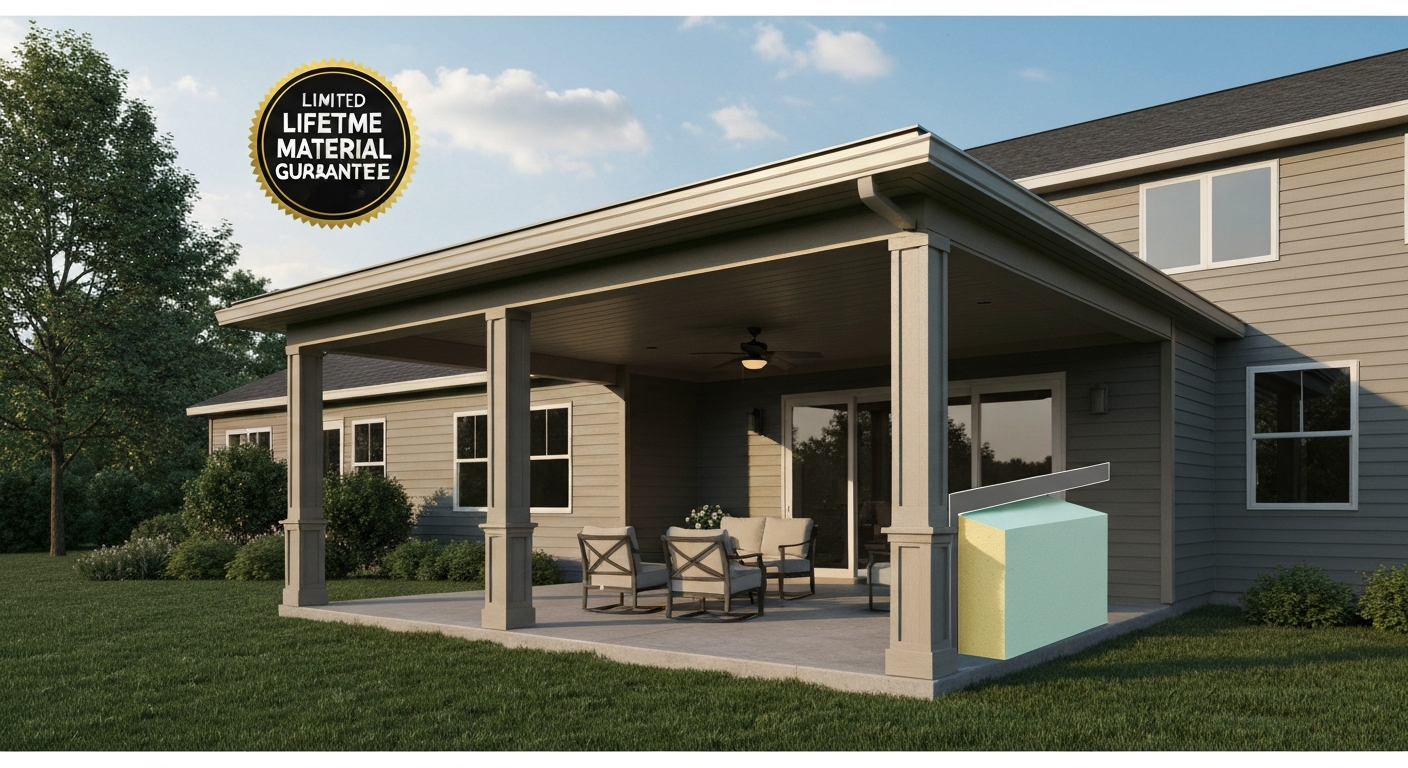
Duracool patio covers reviews: buyer's guide & comparisons
Duracool patio covers reviews: hands-on look at light control, durability, cost, installation, and a clear buying check
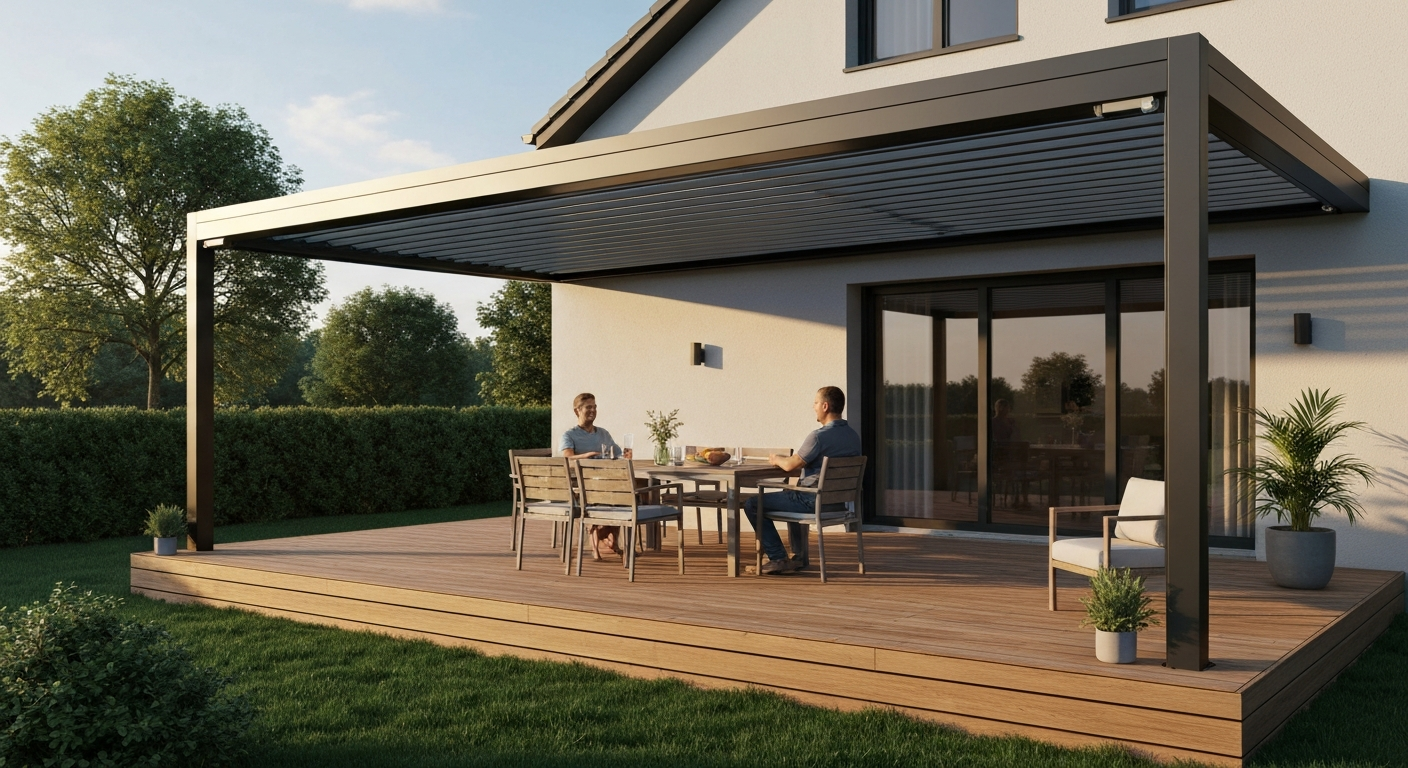
Adjustable Patio Covers Reviews: Top Picks & Buying Guide
adjustable patio covers reviews: expert buyer's guide with top picks, real-world tests, costs, installation tips.
High Quality Patio Covers: How to Choose and Compare
Learn to compare high quality patio covers by materials, design specs, installation checks, costs, and long-term mainten