
Four Seasons patio covers are a solid mid-to-upper tier aluminum patio cover option, and most homeowners who do their homework before buying come away satisfied. The ones who run into trouble usually hit the same three issues: panels that don't fit as precisely as advertised, shipping logistics that fall apart, and a warranty that excludes the one thing most people worry about most (leaks). If you know those pain points going in and verify a few key details before you order, the product performs well across most climates and holds up for years with minimal maintenance.
Four Seasons Patio Covers Reviews: What to Check Before Buying

Lark Perry
21 Jun 2026
What Four Seasons patio covers are (and what reviews are actually judging)
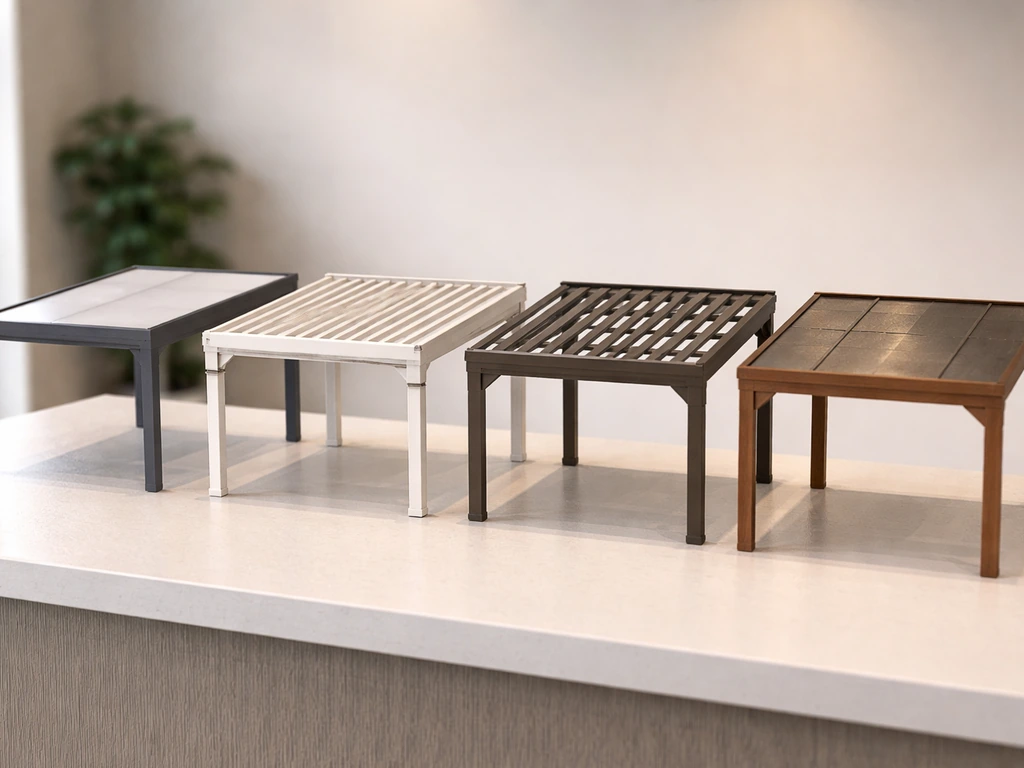
Four Seasons is a brand umbrella that includes a few distinct product lines. You'll see names like Contempra, Optima, TWV Series, and Elitewood-affiliated products, and they don't all come from the same place or carry the same warranty language. The Contempra is a popular DIY-friendly model sold through Home Depot, featuring 3-inch thick insulated snap-in roof panels and a powder-coated aluminum frame.
The Optima High Performance line steps up to a heavier 40 lb snow load rating (versus 20 lb on the base Contempra) and adds a built-in drainage system that channels water away from the house. The TWV Series is marketed as their flagship, made from 100% sustainably sourced aluminum with a "limited lifetime warranty" framing.
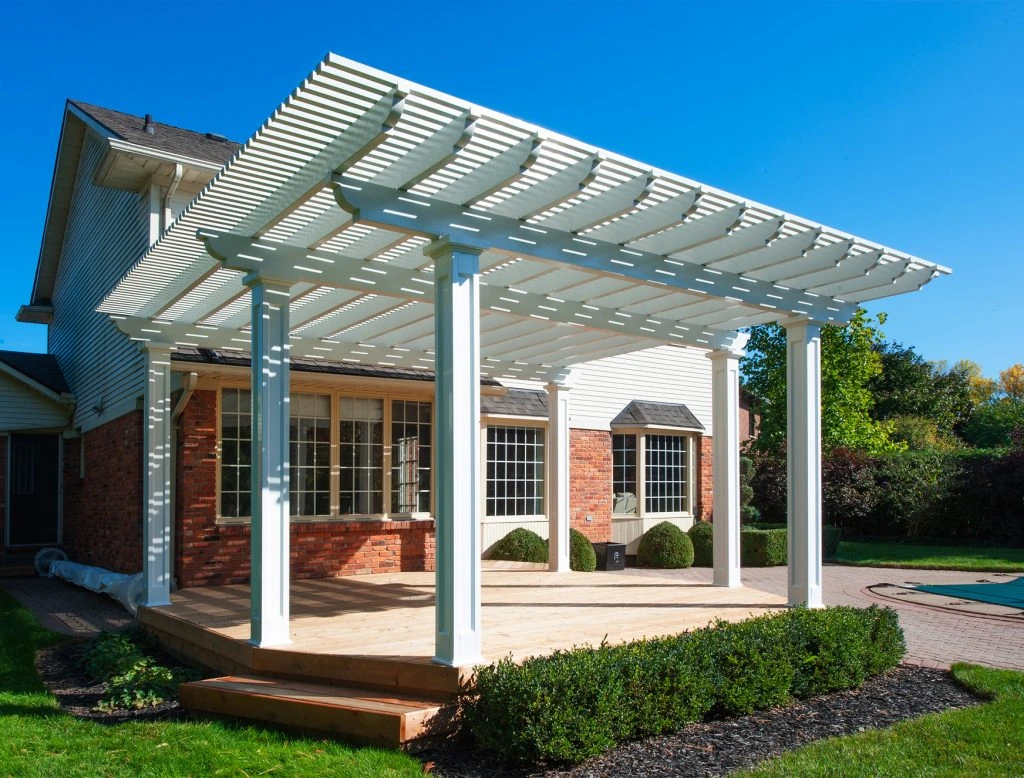
There's also a louvered patio cover variant that adjusts between a fully closed roof and an open-style roof, which is a different product category entirely and closer in function to a motorized pergola.
When you read reviews for these products, people are judging a few distinct things that sometimes get mixed together: the quality of the raw materials when they arrive, how well the panels and frame components actually fit together during installation, how the cover performs in rain, heat, and wind once it's up, and whether the company/retailer stands behind it when something goes wrong. A glowing 5-star review from someone who had a professional crew install it in perfect weather is a very different data point than a 3-star from someone who DIY'd it solo in January. Knowing what the reviewer's situation was helps you weight the feedback correctly.
Top review takeaways: build quality, fit/finish, and durability
The powder-coated aluminum frame consistently gets positive marks. The claim that it won't chip, fade, or rust holds up in real-world reviews, and the structural feel of the main beams and header gets described as solid. Where things get messier is in the precision of the panel fit. One documented Contempra review on Home Depot flagged that the header, main beam, and rain gutter were all off by about 1-3/4 inches on the last panel. Another noted that the aluminum outer sheets weren't trimmed evenly on the ends, with some running up to 3/4 of an inch long, and that three panels didn't fully snap in and needed caulking at the joints to prevent potential leaks.
These aren't catastrophic problems, but they matter for two reasons. First, they tell you that tolerances on the DIY kits can be loose enough that you need to budget time and caulk to finish the job properly. Second, and this is important given the warranty situation we'll cover shortly, any moisture that gets in through improperly seated panels is on you to manage. The Elitewood-affiliated warranty language does promise the material itself won't peel, blister, flake, chip, split, rust, or crack for the life of the original purchaser, but that's a materials defect promise, not a performance-under-your-conditions promise.
Overall durability across multiple review sets looks good for the frame and panel material itself. The insulated panels (3 inches thick on most models) also do a genuinely good job of reducing radiant heat transfer, which is one of the more appreciated features in warmer climates. Aesthetically, the white roof and powder-coated frame look clean and modern, and the appearance holds over several years based on longer-term reviews.
How it holds up through the actual seasons
Rain and drainage
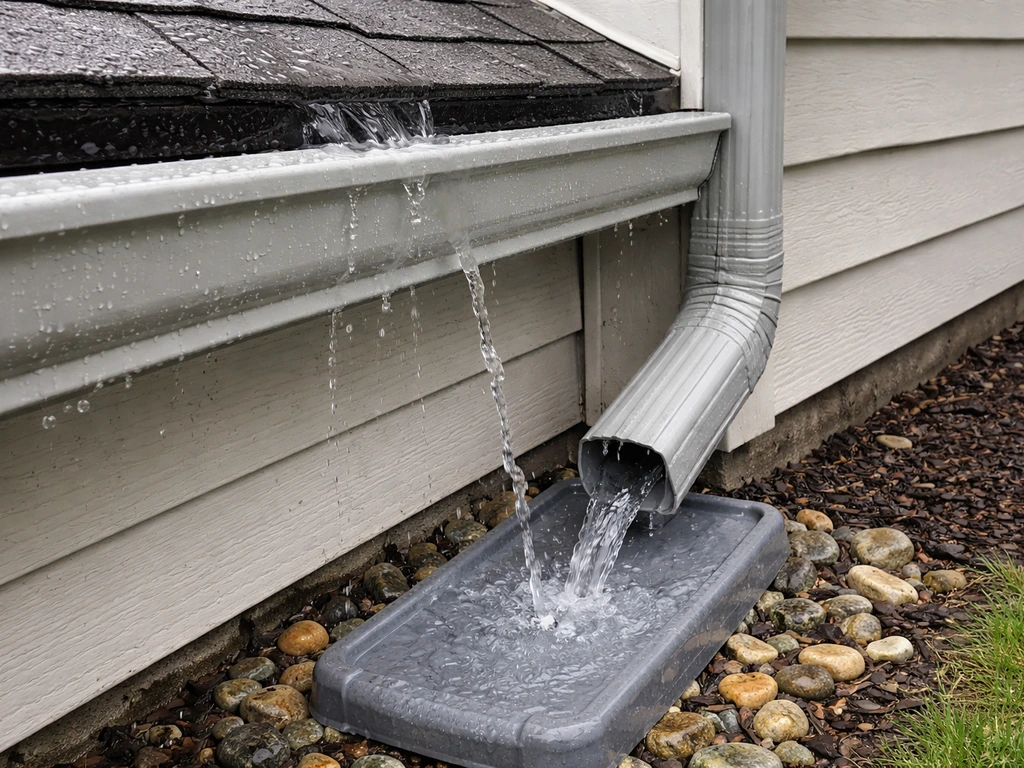
The Optima High Performance model specifically includes a built-in drainage system designed to direct water away from the home, which is a meaningful upgrade over covers that just rely on roof pitch alone. On the base Contempra, drainage depends heavily on correct pitch during installation and on how well your panels seal at the joints. Given the fit issues some reviewers noted, this is the single most important thing to get right during install. If you're in a region with heavy rainfall, either step up to the Optima or plan to caulk every joint yourself during installation rather than trusting the snap-fit alone.
Summer heat and sun blocking
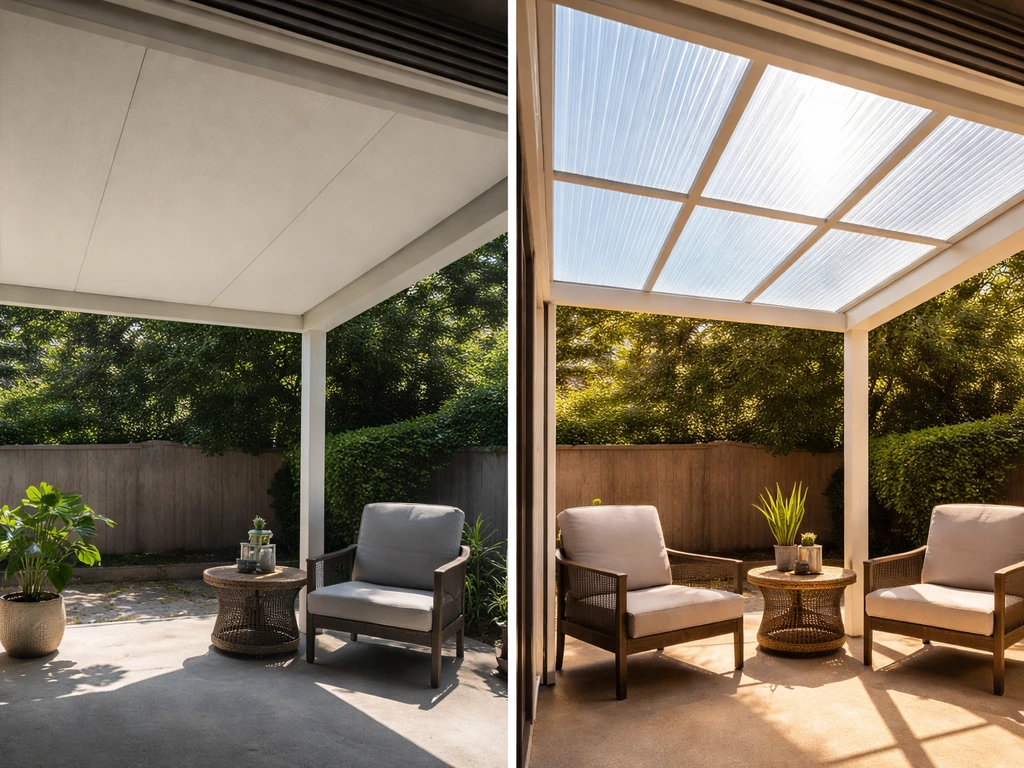
The insulated solid roof panels are genuinely effective at blocking radiant heat. Unlike a polycarbonate panel that lets heat through, or an open pergola that provides shade but not much thermal blocking, the 3-inch foam-core insulated aluminum panels keep the space noticeably cooler. If you’re comparing materials, these polycarbonate patio cover reviews can help you see how common the heat and glare trade-offs are with that style. If you're in a hot climate like the Southwest or Southeast, this is one of the strongest arguments for an insulated aluminum cover over cheaper single-wall options or polycarbonate panels.
Wind and snow
Snow load ratings are a hard spec you need to match to your local building code. The base Contempra is rated at 20 lbs per square foot, the Optima High Performance at 40 lbs per square foot. If you're in a region that gets heavy snow, the 20 lb model may not meet your local code requirements. The Four Seasons Building Products line is covered by ICC-ES report ESR-1953, which means attached and freestanding configurations have been evaluated under IBC/IRC-related code frameworks, and that's a legitimate credential that most bargain cover brands don't have. For wind, check the specific product spec sheet for your local wind zone requirements before assuming either model is compliant.
Installation experience and warranty: read this carefully before you buy
One of the most common review complaints has nothing to do with the product itself: it's shipping and scheduling. One reviewed Contempra buyer had their delivery schedule change three times, which left them with contractors standing by and no cover on site. Home Depot didn't update the order status in real time, compounding the frustration. This is a logistics issue, not a product flaw, but it's real and it means you should build extra lead time into your project schedule and confirm delivery tracking directly with the freight carrier, not just through the retailer's website.
On installation itself, these are designed as DIY-capable kits, but the fit tolerance issues mentioned in reviews mean a professional installation reduces your risk of panel gaps, improper pitch, and sealing problems. If you're DIY-ing, have two people minimum, read the instructions completely before opening any packages, and lay all components out before you start to catch any trim length discrepancies early.
Now for the warranty, and this part matters a lot. The TWV Series Limited Lifetime Warranty explicitly [excludes leaks](https://pdf. lowes. com/productdocuments/4ffb87a3-7a1d-45c6-bcd9-8ddf35472fcd/64542334.
pdf). Read that again: a patio cover warranty that doesn't cover leaks. If you're specifically comparing heritage patio cover reviews, this leak exclusion is one of the key points reviewers often emphasize. The warranty also requires you to report defects in writing immediately after discovery, and you need to provide your bill of sale, contract, or warranty registration to make a claim.
Implied warranties are limited to 60 days from installation completion. The Elitewood-affiliated warranty covers material defects (no peeling, rusting, cracking, etc. ) for the life of the original purchaser but similarly carves out improper installation, misuse, lack of maintenance, and environmental damage. Bottom line: register your warranty the day you finish installation, keep your purchase documents, and document any defects with photos immediately when you find them.
Costs, value, and how Four Seasons stacks up against other options
The Optima High Performance 22 ft x 12 ft model (approximately 252 sq ft of coverage) was listed at $3,239 as a DIY kit. That's materials only, before any professional installation labor, permit fees, or concrete work for post footings. For a 252 sq ft cover, that puts material cost at roughly $12.85 per square foot, which is competitive for a fully insulated, code-evaluated aluminum cover system. Add professional installation and you're likely looking at $5,000 to $8,000 total depending on your market and job complexity.
One important dimension note: the 22 ft x 12 ft nominal size has an actual assembled width and depth of 21 ft 1 in x 12 ft. That's not a huge difference but it matters for tight spaces, fence clearances, or HOA setback requirements. Always use the actual assembled dimensions, not the nominal label, when you're measuring your patio and checking codes.
| Option | Approx. Cost (materials) | Snow Load | Leak Warranty | Insulation | Best For |
|---|---|---|---|---|---|
| Four Seasons Contempra (20 lb) | $2,000–$2,800 | 20 lbs/sq ft | Not covered | 3-in insulated panels | Mild climates, budget-conscious DIYers |
| Four Seasons Optima (40 lb) | $3,200–$4,000 | 40 lbs/sq ft | Not covered | 3-in insulated panels | Snow regions, full-season use |
| Four Seasons TWV Series | Custom/quote | Varies | Not covered | Insulated aluminum | Premium builds, long-term ownership |
| Louvered patio cover | Higher (motorized) | Varies | Varies | Open/closed adjustable | Versatility, partial shade control |
| Wood/vinyl pergola | $1,500–$5,000+ | Low | None | None | Aesthetic priority, shade only |
| Retractable awning | $800–$3,000 | Very low | Varies | None | Temporary/seasonal coverage |
Compared to a basic wood or vinyl pergola, the Four Seasons insulated aluminum cover wins on weather protection, longevity, and code compliance. Compared to a retractable awning, it's more expensive upfront but provides far better protection and permanence. If you're comparing to other aluminum cover brands, the ICC-ES evaluation report (ESR-1953) is a genuine differentiator that brands like louvered cover systems or heritage-style covers may or may not have for your specific jurisdiction.
If you want to compare real-world performance, readers often search for empire patio cover reviews to see how similar systems hold up ICC-ES evaluation report. It's worth checking what code documentation competing brands can provide before assuming any aluminum cover will get a permit approval in your area.
How to choose the right model and setup for your patio
Start with your actual patio dimensions, not an estimate. Measure the space you want to cover, then subtract clearances for any existing structures, gates, or fence setbacks. Cross-reference those measurements against the actual assembled dimensions of the model you're considering (not the nominal name). If you're right at the edge of a size, go down a size and add a trim extension rather than assuming the larger model will squeeze in cleanly.
Roof pitch matters for drainage. The manufacturer's instructions will specify a minimum pitch, and you need enough vertical clearance at the house attachment point to hit that pitch while still leaving comfortable headroom at the outer edge (typically 7 ft minimum at the posts). If your patio has a low fascia attachment point, run the numbers before ordering.
For permits and HOA, don't assume. Even a "DIY kit" patio cover typically requires a building permit in most jurisdictions, especially when it's attached to the house structure. The ICC-ES report ESR-1953 gives the Four Seasons Building Products line a compliance pathway under IBC/IRC frameworks, which your building department will want to see. Pull that document from the ICC-ES website before your permit appointment. For HOA, check both the architectural review requirements and any rules about cover color, material, or style before you pick a finish.
- Measure actual patio dimensions and check against the product's assembled (not nominal) size
- Calculate available pitch from the house attachment point to the outer post height
- Look up your local snow load and wind zone requirements and match to product specs
- Download ICC-ES report ESR-1953 to verify code compliance for your jurisdiction
- Check HOA rules on cover color, material, setbacks, and height before ordering
- Confirm permit requirements with your local building department before purchasing
- In heavy rain or snow regions, choose the Optima (40 lb) over the Contempra (20 lb)
Red flags to watch for, questions to ask, and how to maintain it
Red flags in reviews and listings
Watch for reviews that mention panel gaps, water intrusion at joints, or misaligned trim on delivery. These aren't dealbreakers, but they're signals that the install will require extra sealing work. Any review that mentions the customer just pushed forward without addressing fit issues is not a good model to follow. Also flag reviews that don't mention the specific model number, because the Contempra and Optima are meaningfully different products and mixing their reviews together distorts both.
Questions to ask before you buy
- What is the actual assembled footprint of this model (not the nominal size)?
- What snow load and wind speed rating does this specific SKU carry?
- Does the drainage system direct water away from the house foundation, or just off the roof?
- Is the warranty document I'm receiving the TWV Series warranty, the Elitewood warranty, or something else — and does it cover leaks?
- What is the current lead time and freight carrier, and how will I be notified of delivery changes?
- Are there any permit-specific engineering drawings or ICC-ES reports available for my jurisdiction?
- What is the return policy if components arrive damaged or out of tolerance?
Documents to request
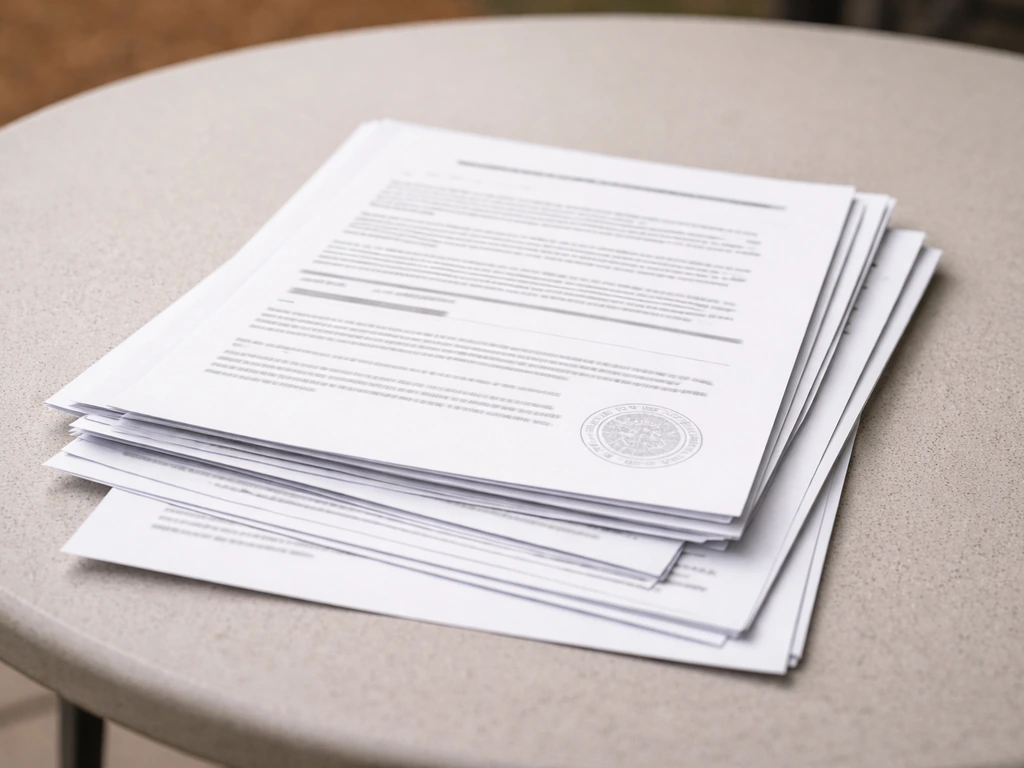
- Full warranty document (read the exclusions section specifically)
- ICC-ES report ESR-1953 or equivalent evaluation report for the product line
- Installation manual with panel sequence, pitch requirements, and fastener specs
- Snow load and wind speed certification for the specific model you're buying
- Warranty registration form (fill this out the day installation is complete)
Maintenance: it's easier than you think
Four Seasons markets the TWV Series as needing just dish soap and water to clean, and for routine maintenance that's accurate. Rinse the roof panels seasonally to clear debris, especially in fall when leaves can clog gutters and cause water to back up at the house connection point. Inspect panel joints and end caps once a year and reapply exterior-grade sealant anywhere you see separation. Check post anchor bolts annually, especially if you're in a freeze-thaw climate where soil movement can shift footings. None of this is time-consuming, but skipping the annual inspection is how small sealing issues turn into interior wall damage over a few winters.
For who this is best for: Four Seasons insulated aluminum patio covers make the most sense for homeowners who want a permanent, low-maintenance structure that performs well year-round, especially in climates with real heat, rain, or moderate snow. If you're also considering Duralum for your project, reading duralum patio cover reviews can help you compare fit, drainage, and warranty expectations before you decide. If you're in a heavy snow region (over 20 lbs/sq ft), go straight to the Optima or check whether a higher-rated custom configuration is available through a local dealer. If you're primarily looking for aesthetic flexibility or only need occasional shade, a louvered cover system or a retractable option might be a better fit for your priorities and budget.
FAQ
Do Four Seasons patio cover warranties cover leaks if water gets through joints?
Yes, but confirm the exact product line and warranty text in your order paperwork. The leak exclusion applies to the TWV Series Limited Lifetime Warranty framework described for that line, and different Four Seasons-associated lines can have different warranty language, so you should not assume all models cover performance or “water management” the same way.
If Four Seasons has an ICC-ES report, does that mean permits are always easy to get?
Not automatically. Even with code-evaluation language, your local building department may require the specific configuration drawing (attached vs freestanding), fastener details, and proof of the model and assembled dimensions. Bring your permit application with the ESR evaluation reference and the exact kit name/model so the reviewer can match it to your drawings.
What should I do if reviews say panels do not snap in cleanly?
Trim and sealing are usually not optional. If reviews mention last-panel misalignment, uneven trimming at ends, or panels not fully snapping in, plan to budget caulk and extra time at joints, end caps, and any areas where water could follow capillary paths. If you are not comfortable with sealing, strongly consider professional installation.
How should I document issues to protect myself given the warranty limitations?
Because the warranty carves out leaks and also limits implied warranties, you should treat photos and documentation as part of the install process, not just after problems appear. Take reference photos of joints, drainage routing, end caps, and the attachment points before final sign-off, then again after the first major rain to document condition.
Which Four Seasons model is safer for heavy rain, the base Contempra or Optima High Performance?
Look for two things in the spec sheet, roof pitch requirements and drainage method. The base kit relies more on correct pitch and joint sealing, while the Optima line is described as having built-in drainage, which reduces how much you can “get away with” if pitch is slightly off.
If my area has heavy snow, can I rely on the 20 psf rating anyway if I’m “close”?
Snow load ratings have to match both your code and your specific exposure conditions. Don’t just use the kit rating, also check whether the configuration is attached or freestanding, and whether local code uses different criteria for roof systems. If you are above the base 20 psf range, upgrade to Optima or consult a local dealer or engineer for an approved arrangement.
Why do the installed dimensions matter when I’m checking fit for tight spaces?
Measure your patio opening to the clearance constraints first, then compare against the actual assembled width and depth, not the nominal kit label. The article notes the 22 ft x 12 ft nominal becomes about 21 ft 1 in x 12 ft assembled, so even small fence or setback differences can become installation problems if you size based on the nominal number.
How can I prevent shipping delays from derailing my installation timeline?
If you are in the middle of a schedule crunch, do not rely only on the retailer’s tracking updates. Confirm freight delivery details directly with the carrier, ask what triggers delivery changes, and schedule installers around your expected delivery window with contingency time, since review complaints mention repeated schedule shifts.
Is it worth paying for professional installation even if the kit is DIY-capable?
Yes, but it changes how you should assess “fit” and sealing. Professional installation reduces the chance of panel gaps, wrong pitch, and incomplete joint sealing, which matters most because leaks are excluded under the described warranty language. If you DIY, have at least two people and lay out trim lengths before starting to catch discrepancies early.
What water control checks should I do during install so I do not create an issue near the house?
For outlet and adjacent wall water control, check that the drainage path actually discharges away from the house, not just “toward a gutter.” For any model, verify the water leaves the structure area and does not pool near the attachment point, because improperly routed water can create interior damage even if the roof surface looks fine.
How do I confirm roof pitch and headroom will work before placing an order?
Start with the minimum required headroom at the posts and confirm the house attachment point height can still achieve the required pitch. If you have a low fascia attachment point, you can lose the pitch requirement and create drainage and sealing problems, so test your clearance against the manufacturer’s pitch guidance before ordering.
What is the real maintenance routine after installation?
Insulated aluminum is generally easier to maintain than fabric awnings or open pergolas, but you should still plan for seasonal cleaning and annual joint checks. Reviews and the maintenance guidance emphasize rinsing panels, clearing debris from gutters, inspecting joints and end caps, and reapplying exterior-grade sealant where separation shows up.
How do I interpret mixed reviews that seem to describe different Four Seasons products?
If a review does not name the model (Contempra versus Optima versus TWV line) or does not describe weather conditions and installer type, treat it as low signal. Since the article stresses differences in fit precision, drainage behavior, and warranty coverage, you should prioritize reviews that mention the exact product line and whether it was installed in comparable conditions.
Can I compare a louvered Four Seasons cover to the insulated solid roof reviews directly?
If you are comparing Four Seasons to louvered or pergola-style options, be careful about expectations. Louvered and pergola categories can deliver ventilation or adjustable shade, but they are not the same function as a fully insulated solid roof with defined drainage and leak-managed joints, so “comfort” complaints can be mismatched.
Next Articles
Empire Patio Cover Reviews: What Homeowners Report
Real homeowner feedback on Empire patio covers: performance, build quality, installation, costs, warranty, and key watch
Alternative to Patio Cushions: Durable, Stylish Options and DIY
Alternative to patio cushions: durable, weatherproof seating options, pros, DIY tips & buying guide.
Best Color for Outdoor Patio Cushions in 2026
Choose the best cushion color for sun, heat, and fading in 2026, with pairing tips for patio furniture and durability.