
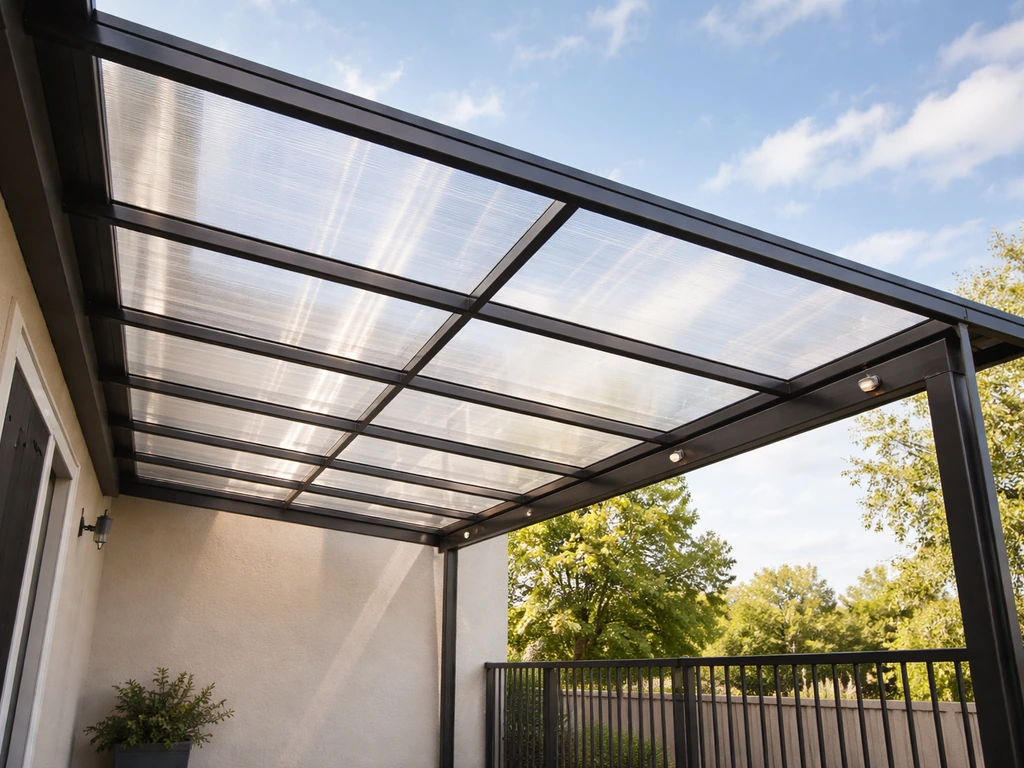
Multiwall polycarbonate patio covers are the best choice for most homeowners. They block UV, diffuse harsh sunlight, handle rain and moderate snow loads, and last 15 to 20 years when installed correctly. Solid sheet polycarbonate is cheaper upfront but yellows faster and insulates poorly. Tinted or opal finishes beat clear panels for comfort in hot climates. Pitched or pergola-style mounting beats flat for drainage and longevity. The main reason polycarbonate covers fail early is not the material itself but wrong installation: missing UV-side orientation, no expansion gaps, cheap fasteners, or poor drainage. Get those details right and you will have a cover that holds up well.
Polycarbonate Patio Cover Reviews: Buyer Guide and Best Picks

Lark Perry
29 Jun 2026
What polycarbonate patio covers actually are (and the types you'll encounter)
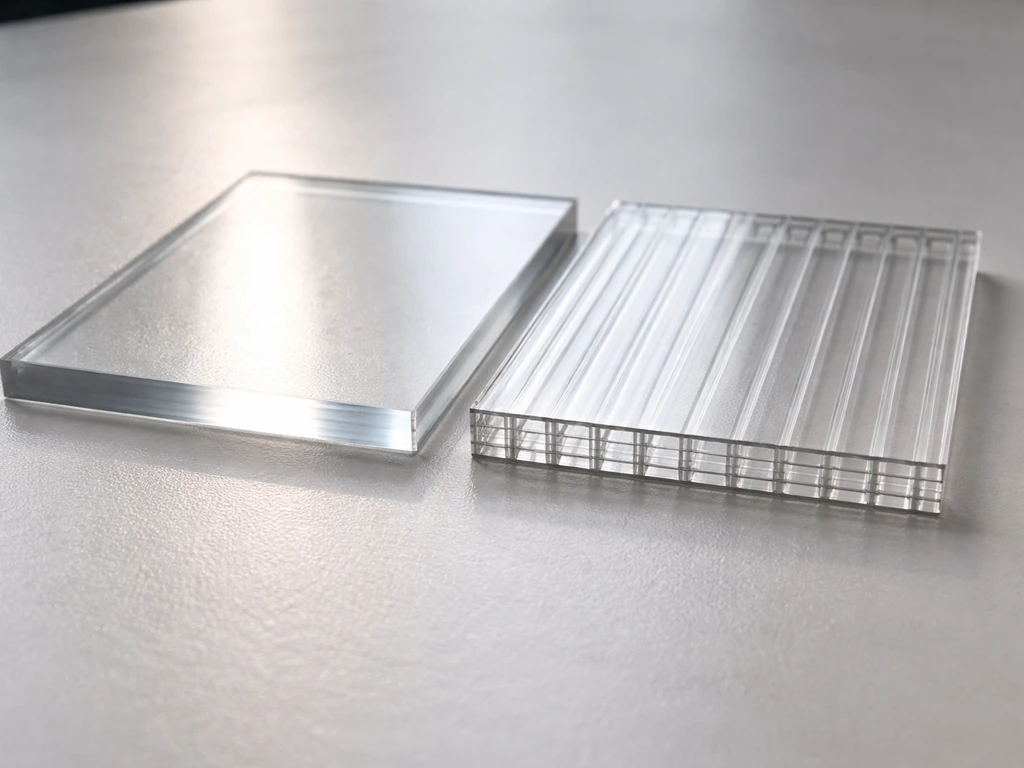
Polycarbonate is a tough, lightweight thermoplastic that transmits light like glass but weighs a fraction as much and resists impact far better. For patio covers, it comes in two fundamentally different forms: solid (monolithic) sheet and multiwall (structured) sheet. These are not just cosmetic differences. They perform very differently in the real world.
Solid polycarbonate sheet is a single continuous layer, typically 3mm to 6mm thick. It is the cheaper, simpler option and looks closest to glass. It transmits more direct light, which sounds nice until you are sitting under it in July. It has almost no insulating value, and its thinner UV-protective coating tends to degrade faster than multiwall alternatives.
Multiwall polycarbonate (also called blank" rel="noopener noreferrer">twinwall, triplewall, or structured polycarbonate) has internal air channels running through it. Those channels do several things at once: they add structural rigidity, blank" rel="noopener noreferrer">improve the R-value (insulation), and reduce direct light transmission to something more comfortable. Common thicknesses run from 6mm twinwall up to 16mm or 25mm triplewall or honeycomb panels. Thicker multiwall panels handle heavier snow loads and provide noticeably better heat reduction. Brands like SABIC (Lexan THERMOCLEAR) offer multiwall panels with 20-year warranties against yellowing and light-transmission loss when the UV-coextruded face is installed correctly.
Beyond the sheet type, you will encounter four other major split decisions when shopping.
- Clear vs. tinted vs. opal: Clear maximizes natural light but lets through the most heat. Bronze or gray tint reduces glare and solar heat gain significantly. Opal (milky white) diffuses light evenly and is the most comfortable option for a dining or lounge area but transmits the least light.
- Flat vs. pitched: Flat covers are simpler to build but require careful drainage planning. Pitched or lean-to style covers with at least a 5-degree slope shed water faster, resist debris buildup, and generally last longer.
- Attached vs. freestanding: Attached covers bolt to your house wall or fascia and share structural load. Freestanding pergola-style covers stand on their own posts and are more flexible in placement but need stronger post footings.
- DIY kit vs. custom-fabricated system: Pre-cut kit panels from home improvement stores work fine for standard rectangular patios. Custom systems from specialty suppliers give you better fitting, thicker profiles, and often better warranty support.
How polycarbonate holds up in real conditions
Sun and heat
This is where polycarbonate's quality tier matters most. A quality multiwall panel with a coextruded UV-stabilized layer on the weathering face blocks essentially all UV-A and UV-B. What it does not fully block is infrared heat. Bronze-tinted or opal multiwall panels reduce solar heat gain meaningfully compared to clear versions. Under a clear solid panel on a hot day, you will still feel baked. Under a 16mm opal twinwall panel, the temperature difference is real and noticeable. If you are in Phoenix, Dallas, or anywhere with intense summer sun, tinted or opal multiwall is not optional. It is the right spec.
Rain
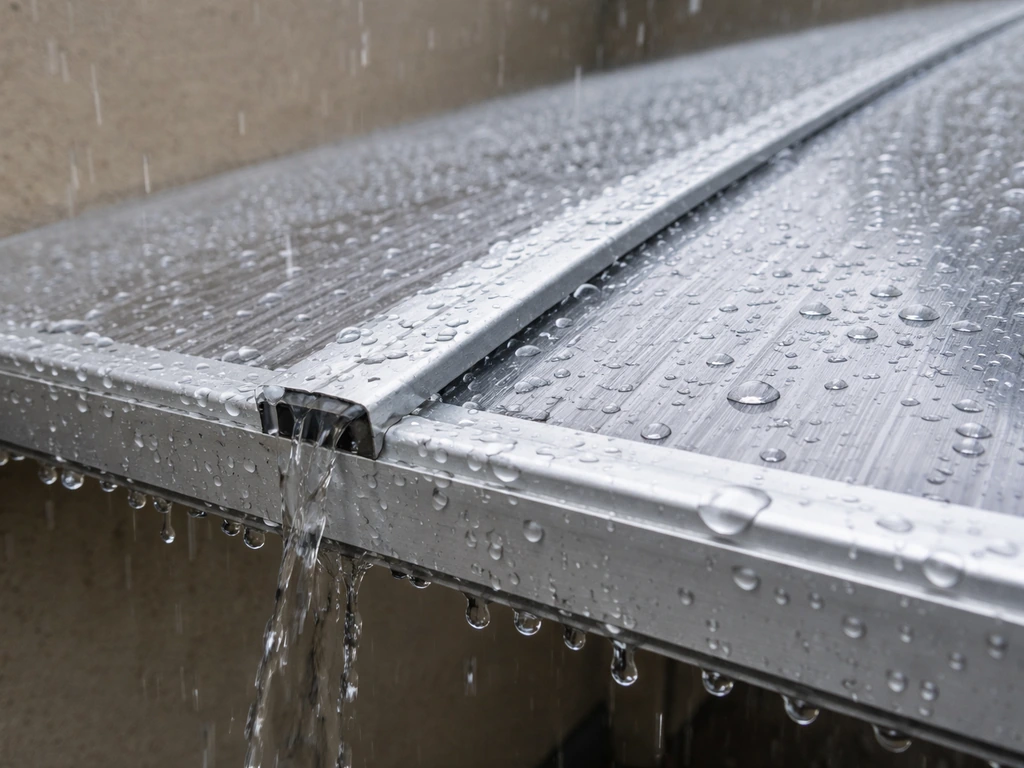
Polycarbonate itself is waterproof. The failure points are always at the edges and joints. Properly installed panels with aluminum H-profiles or U-profiles sealing the edges, a minimum 5-degree pitch, and correct flashing at the wall connection will handle heavy rain without issue. Where I see reviews complain about leaks, it is almost always a flat install with no slope, missing flashing at the house wall, or panel joints sealed only with silicone that eventually degrades. If you are specifically searching louvered patio covers reviews, use those leak complaints to judge whether the system includes correct pitch, flashing, and edge sealing reviews complain about leaks. Budget for proper aluminum extrusion profiles and flashing tape from the start.
Snow
Polycarbonate itself can handle moderate snow loads when it is the right thickness. For areas with meaningful snow (more than 20 lbs per square foot ground snow load), use at least 16mm multiwall panels and make sure your rafter or beam spacing does not exceed the span rating for that panel thickness. Most 8mm twinwall panels span about 24 inches between supports. Thicker triplewall or 16mm panels can span up to 48 inches. Under-supported panels deflect visibly under snow and can crack. Also critical: a pitched install lets snow slide off instead of sitting and loading the structure.
Wind
Polycarbonate is flexible enough to resist wind uplift better than glass, but only if it is properly fastened. Panels need to be screwed or clamped at correct intervals with fasteners that go through oversized holes (to allow thermal expansion) and use neoprene or EPDM washers to seal the penetration. In coastal or high-wind areas, check manufacturer wind-load ratings. Freestanding pergola-style covers in windy locations need deeper post footings, typically 24 to 36 inches deep depending on soil type.
Durability and the failure points that actually matter
UV yellowing
Yellowing is the number-one complaint in polycarbonate patio cover reviews, and it is almost always preventable. Quality polycarbonate panels have a coextruded UV-absorbing layer on one face. That face must be installed facing the sky. Flip it by mistake and the panel can start yellowing within two to three years. Legitimate manufacturers mark the UV-protected face with a label or film that says 'this side out.' Do not remove that protective film until after installation. Look for panels with at least a 10-year anti-yellowing warranty, and consider premium products like Lexan THERMOCLEAR 15 (20-year warranty) for a cover you expect to keep long term.
Cracking
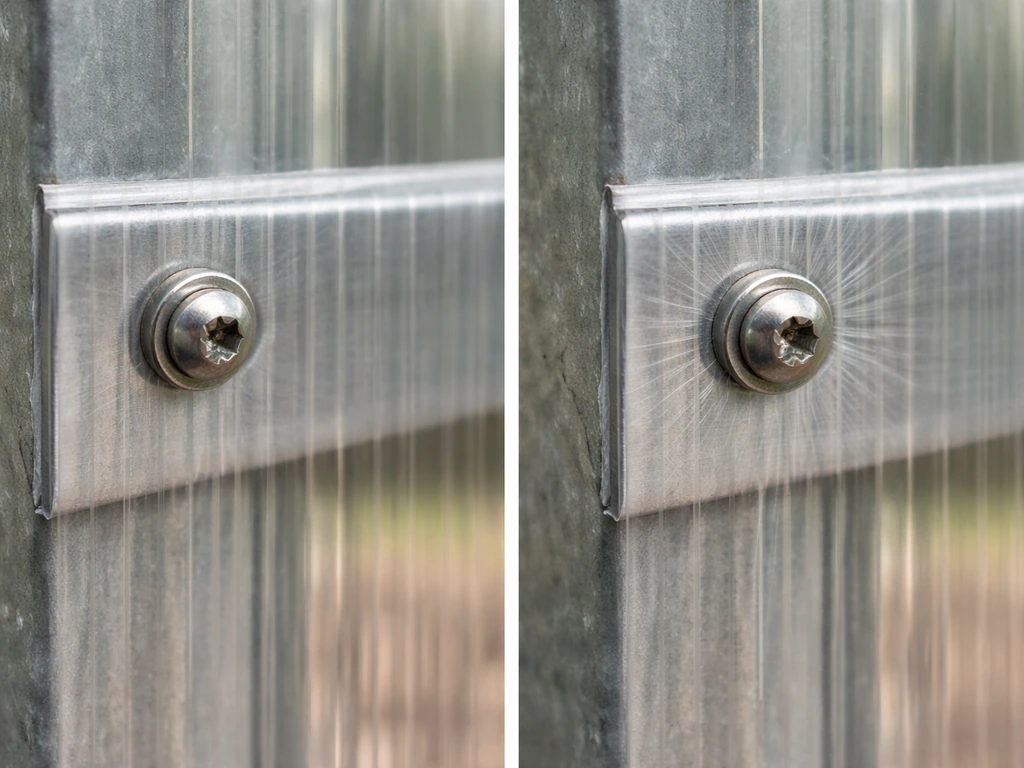
Polycarbonate expands and contracts with temperature changes more than aluminum or wood framing does. If panels are over-tightened at fastening points with no room to move, stress cracks develop at the fastener holes over one to three seasons. The fix is simple: drill fastener holes 2mm to 3mm larger than the fastener diameter and use washers. Do not crank fasteners down hard. Cracking can also happen from impact (hail, falling branches). For hail-prone areas, 10mm or thicker multiwall panels handle hail noticeably better than thin solid sheet.
Leakage and condensation
Leaks come from bad edge sealing, missing flashing, or insufficient pitch. Condensation is a different problem: moisture that forms inside the air channels of multiwall panels and then drips out. The channel openings at the lower edge of multiwall panels should be sealed with breathable tape (not solid tape) that keeps debris and insects out while letting moisture vapor escape. The upper edge (at the ridge or wall) gets solid waterproof tape. Skipping this step is one of the most common DIY mistakes, and it turns a good cover into one that drips on you after every rain.
Hardware corrosion
Coastal installs get hit hardest here. Standard zinc-plated screws corrode and leave rust stains within a year or two near saltwater. Use stainless steel or aluminum fasteners throughout. The same goes for the frame itself: aluminum extrusion frames far outlast painted steel in coastal or high-humidity environments.
Polycarbonate vs. the alternatives
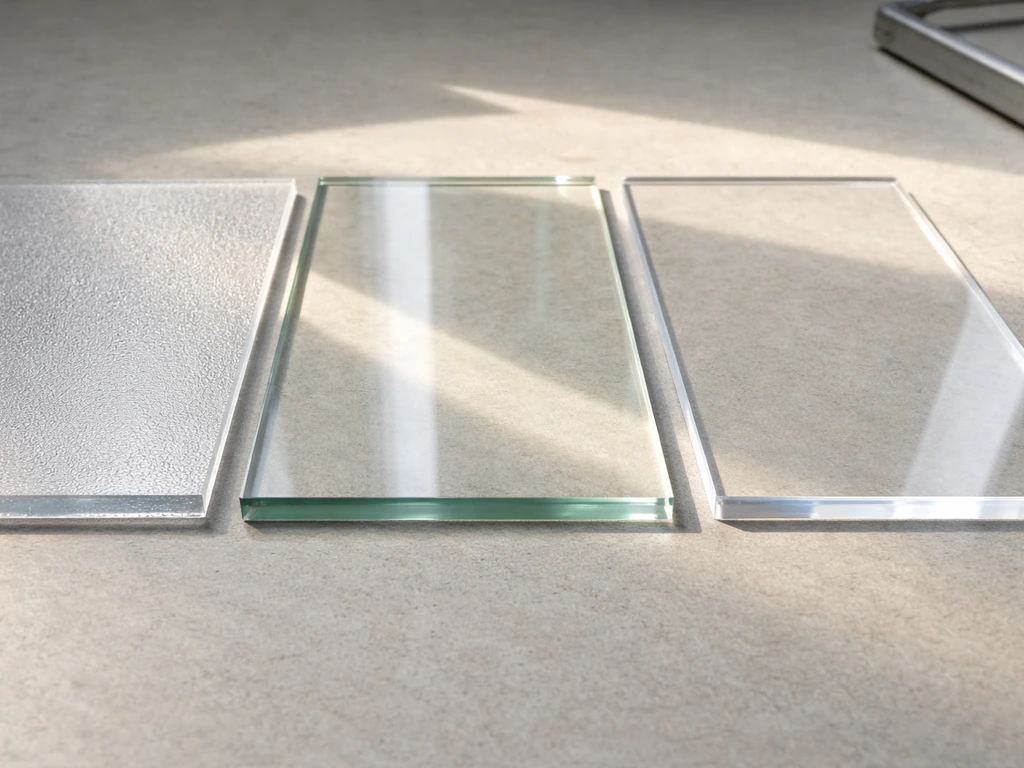
Before committing to polycarbonate, it helps to compare it honestly against the main alternatives. Each material suits a different situation.
| Material | Cost (relative) | Light transmission | UV/heat control | Durability | Best for |
|---|---|---|---|---|---|
| Solid polycarbonate | Low | High (clear) | Poor without tint | 10-12 years (quality) | Budget DIY, small porches |
| Multiwall polycarbonate | Low-medium | Medium (adjustable) | Good to excellent | 15-20+ years | Most patios, hot or rainy climates |
| Acrylic (Plexiglas) | Medium | Very high | Poor (no UV blocking) | 8-12 years (brittle) | Decorative, low-impact areas |
| Aluminum solid panel | Medium-high | None (opaque) | Excellent | 25-30+ years | Full shade, privacy, durability priority |
| Wood/pergola + shade cloth | Variable | Partial | Moderate | 10-20 years (with maintenance) | Aesthetic priority, DIY flexibility |
| Tempered glass | High | Very high | Poor without coating | 30+ years | Premium installs, indoor-outdoor rooms |
Acrylic is often confused with polycarbonate because both are clear plastic. Acrylic is significantly more brittle, offers no meaningful UV blocking on its own, and will shatter under hail that polycarbonate would only dent. For a patio cover, polycarbonate almost always wins over acrylic on safety and longevity grounds. Aluminum solid panel covers (like those reviewed in Duralum or Heritage cover lines) are the right call if you want full shade and zero maintenance on the cover surface itself. But you lose all natural light. Multiwall polycarbonate sits in a genuinely useful middle ground: natural light, rain protection, UV protection, and manageable cost.
How to choose the right specs
Thickness and panel structure
For most residential patios in temperate climates with moderate snow (under 20 lbs/sq ft), 8mm twinwall at 24-inch rafter spacing is the entry-level functional spec. For hot climates, upgrade to 10mm or 16mm opal twinwall to reduce heat gain. For heavy snow country (Pacific Northwest, Midwest, Northeast), 16mm triplewall or thicker at tighter rafter spacing (16 to 24 inches) is the responsible choice. Always check the manufacturer's span table for the panel thickness you are considering. It tells you the maximum distance between supports for a given snow or wind load.
Panel size and orientation
Polycarbonate panels should always be oriented so the internal channels run in the direction of the slope (i.e., downhill). This allows condensation to drain out the lower edge rather than sitting in the channels. Plan your panel layout to minimize cuts and align seams over rafters so the H-profile connectors have solid support underneath.
Mounting system
The frame matters as much as the panel. Aluminum extrusion systems (with purpose-built rafter profiles, ridge caps, and gutters) are worth the cost over simple wood framing for anything meant to last a decade. Wood framing works fine structurally but requires more fastener sealing and regular maintenance. For attached covers, use a proper ledger board bolted through the siding to studs or masonry anchors, not just surface-mounted to siding. A flashing detail at the top of the ledger that directs water away from the house wall is non-negotiable.
Warranties and certifications to look for
- Anti-yellowing warranty: 10 years minimum, 20 years for premium panels
- Light transmission retention guarantee (some manufacturers specify no more than a certain percentage drop over the warranty period)
- Impact resistance rating: IK rating or hail-size rating if you are in a hail-prone area
- Building code compliance: check local codes for snow load and wind load ratings before purchasing
Installation and maintenance: the details that determine how long it lasts
Drainage and slope
Minimum pitch for a polycarbonate cover is 5 degrees (roughly 1 inch of drop for every 12 inches of run). A 10 to 15 degree pitch is better: faster drainage, less debris accumulation, less standing water at the lower edge. If the cover drains toward a wall or pathway, install a gutter at the lower edge. Overshooting water onto a walkway or foundation is a common complaint in reviews for flat and near-flat installs. If you are comparing options, duralum patio cover reviews can help you spot which aluminum styles hold up best in your local weather.
Flashing
Where the cover meets a house wall, you need a proper metal flashing that tucks under the siding above and laps over the top of the polycarbonate panel. This is not optional. Silicone alone at that joint will crack and let water in within a few seasons. A Z-flashing or step flashing in aluminum is the right solution.
Fasteners and expansion
Polycarbonate expands approximately 2.5mm per meter of panel length for every 10 degrees Celsius of temperature change. For a 3-meter panel going from winter cold to summer heat, that can be 15mm or more of movement. Leave that room at edges and at fastener holes. Use neoprene or EPDM washers under fastener heads. Over-tightening is the single most common cause of cracking at screw holes.
Edge sealing
Upper edge (high side of slope): seal closed with solid aluminum tape or a solid U-profile end cap to prevent water entry into the channels. Lower edge (draining end): use breathable microporous tape or a vented U-profile so moisture inside channels can escape without letting insects or debris in.
Cleaning and ongoing maintenance
Clean polycarbonate with warm water and mild dish soap, using a soft cloth or sponge. Never use abrasive pads, ammonia-based cleaners, or solvent-based products. These scratch the UV coating and accelerate yellowing. Rinse with clean water. Inspect edge seals and flashing once a year, ideally before winter. Re-seal any silicone joints that show cracking. Check fastener washers for deterioration every two to three years.
How to read polycarbonate patio cover reviews without getting misled
Star ratings alone are nearly useless for patio cover decisions. A five-star review from someone who installed a cover six months ago tells you nothing about whether it yellows in year three. Here is how to actually extract useful signal from reviews. Many people look at four seasons patio covers reviews to compare durability, installation quality, and long-term performance in different climates patio cover decisions.
Review signals that actually predict long-term performance
- Reviews from 3-plus years post-install: look for long-term color and clarity reports, not first-impression reviews
- Mentions of beam or rafter spacing used: reviewers who share their rafter spacing and whether the panel deflects under load are giving you real engineering data
- Comments on condensation dripping: this reveals whether edge sealing was done correctly and whether the design addresses it
- Corrosion reports on fasteners or frame connectors: especially important if the reviewer is in a coastal or humid area similar to yours
- Whether the reviewer mentions UV side orientation: someone who was aware of this and installed correctly is more credible about durability
- Negative reviews mentioning cracking at screw holes: this is often an installation error (over-tightening, no expansion room) rather than a product defect, but the manufacturer's instruction quality plays a role
Questions to ask before buying from a contractor or supplier
- What is the panel thickness and structure (twinwall, triplewall), and what is the span rating at my local snow/wind load?
- What UV protection method is used, coextruded layer or surface coating, and what is the warranty period against yellowing?
- Is the frame aluminum extrusion or painted steel, and what corrosion protection is provided?
- How is the wall-to-cover junction flashed, and what is the drainage plan?
- What is the minimum slope you are designing to, and where does runoff water go?
- Does the install include breathable venting at the lower panel edge for condensation control?
Red flags in contractor or product listings
- No mention of UV-side orientation in instructions
- Warranty that only covers 'manufacturing defects' with no yellowing or light-transmission provision
- Flat (zero-slope) installs shown in marketing photos
- No expansion gap specification in installation guides
- Zinc-plated fasteners as standard in a system being marketed for any climate
Your decision framework
Pull together everything above with these practical decision rules. Match your situation to the right spec before you start comparing products or quotes.
| Your situation | Recommended spec |
|---|---|
| Small covered porch, mild climate, budget priority | 8mm clear or bronze twinwall, wood frame, basic aluminum U-profiles |
| Large patio, hot sunny climate | 16mm opal or bronze twinwall, aluminum extrusion frame, minimum 10-degree pitch |
| Rainy climate (Pacific Northwest, Southeast) | 10mm+ multiwall, aluminum frame, guttered lower edge, minimum 10-degree pitch |
| Snow country (Midwest, Northeast, mountain areas) | 16mm triplewall, rafter spacing under 24 inches, steep pitch, check local snow load code |
| Coastal or high-humidity area | Stainless steel fasteners, aluminum frame only, UV-coextruded multiwall, inspect annually |
| DIY installer, first cover | Pre-engineered kit system with span tables and step-by-step instructions, 10mm twinwall minimum |
| Long-term install, premium materials | Lexan THERMOCLEAR 15 or equivalent 20-year warranty multiwall, professional aluminum extrusion system |
If you are also weighing alternatives like full aluminum panel systems (such as those from Duralum or Heritage), louvered covers, or insulated covers from Four Seasons-type suppliers, the core trade-off is the same: polycarbonate gives you natural light and weather protection at lower cost, while full aluminum or insulated systems give you maximum durability and energy performance at higher cost and with no daylight. There is no wrong answer, only the right match to what your patio actually needs.
Quick pre-purchase checklist
- Confirm panel thickness and span rating matches your rafter/beam spacing and local load requirements
- Verify UV protection method and warranty period (look for 10 years minimum, 20 years for premium)
- Confirm frame material is aluminum for longevity, or treated wood with stainless fasteners at minimum
- Check that installation plan includes wall flashing and a gutter or drip edge at the low end
- Confirm minimum 5-degree pitch in the design (10 degrees or more preferred)
- Ensure fastener spec includes oversized holes for expansion and neoprene or EPDM washers
- Check that edge sealing plan includes breathable tape at lower edge and solid seal at upper edge
- Read reviews specifically for mentions of 3-plus year yellowing, leaking, and condensation dripping
FAQ
How can I tell from polycarbonate patio cover reviews whether leaks are the panel’s fault or the installer’s fault?
If a review says “it leaked,” try to confirm whether the complaint mentions missing wall flashing, a flat or near-flat pitch, or silicone-only sealing at seams. Those details usually point to install spec failures rather than a bad polycarbonate sheet, so look for photos of the lower edge, wall joint, and H-profile area.
What does condensation on a polycarbonate cover mean, and how is it different from a rain leak?
For multiwall panels, condensation typically shows up as droplets that form on the underside and then run out near the lower edge. It is more likely when the lower channel openings were not sealed with breathable microporous tape (or were fully sealed), or when the cover runs too flat for proper drainage and venting.
I see mixed advice online about flipping polycarbonate, does the UV side really matter?
Do not treat the “UP” or “UV protected side” marking as optional. If you install the UV face downward, you may still get usable light initially, then yellowing accelerates after a couple of seasons. Also, keep the factory protective film on until after the panel is mounted, then remove it, not before.
What’s the most common cause of polycarbonate cracking, and what should I check on installation?
Yes, especially at the fasteners. Use neoprene or EPDM washers and drill oversized holes (about 2 to 3 mm extra) so the panel can move with temperature swings. Over-tightening is a common cause of stress cracks starting at screw holes within 1 to 3 years.
Which polycarbonate thickness is safest for hail-prone locations?
If your area gets hail, prioritize thicker multiwall (for example 10 mm or 16 mm) and avoid thinner solid sheet as your primary impact protection. Also check whether reviews mention visible denting versus actual cracks, and whether the product is rated for impact or hail conditions.
How do I use span ratings correctly when reading polycarbonate patio cover reviews?
You should validate two numbers before buying: the panel thickness and the rafter spacing, then confirm the manufacturer span table for your actual snow and wind region. Many “it sagged” or “it cracked” complaints come from using entry-level spacing with higher-than-expected loads.
What pitch should I target, and which review complaints are most predictive of future water problems?
Minimum pitch matters for both drainage and reduced standing debris. If you cannot achieve around a 5 degree pitch, plan for a gutter and check whether the review specifically complains about water pooling at the lower edge or running toward a walkway or foundation.
Are there specific hardware issues I should watch for in reviews for coastal homes?
In salt-air or coastal locations, look for reviews that mention rust stains, corroded hardware, or frame deterioration. If you see those notes, the fix is not just washing, it is switching to stainless steel or aluminum fasteners and an aluminum frame system.
What should I confirm about wind performance for freestanding (not attached) polycarbonate patio covers?
If the cover is freestanding pergola-style, reviews should reference wind load capacity and footing depth or post sizing. Shallow footings can create wobble or panel damage even if the polycarbonate itself is strong, so treat wind rating and foundation details as essential.
How do I evaluate whether a system is sealed correctly at the upper and lower edges?
Good systems usually specify the lower edge treatment that lets moisture escape, plus the upper edge closed sealing. If reviews say “it drips after every rain,” check whether they describe breathable tape at lower channel openings and solid tape or U-profile closure at the high side.
What’s the best way to extract useful signal from star ratings and short-term reviews?
Star ratings are often inflated by short-term satisfaction. A better review filter is to search within reviews for time-to-failure signals like yellowing after 2 to 3 years, recurring corrosion after 1 to 2 years, and recurring leaks during specific storm seasons.
If I’m willing to add a gutter or adjust slope, can that reduce the risk of problems mentioned in reviews?
Yes, and it changes your expectations. If you add gutters or improve slope toward a controlled discharge point, you can significantly reduce complaints about water dumping onto walkways. Reviews that mention where water ends up (near the foundation, landscaping, or a walkway) are more actionable than generic “dry” statements.
Next Articles
Louvered Patio Covers Reviews: How to Choose the Best
Reviews guide to louvered patio covers, comparing materials, drainage, wind, sealing, heat control, noise, and costs.
Four Seasons Patio Covers Reviews: What to Check Before Buying
Four Seasons patio cover reviews guide: what to check on build, materials, weather performance, warranty, and fit.
Empire Patio Cover Reviews: What Homeowners Report
Real homeowner feedback on Empire patio covers: performance, build quality, installation, costs, warranty, and key watch