
If you want the most flexible, year-round outdoor living space, a motorized louvered patio cover is the best single upgrade you can make. The adjustable slats let you dial in exactly how much sun, shade, airflow, and rain protection you get at any given moment, and the best systems handle all four automatically. That said, they're a significant investment, and not every product lives up to the brochure. Here's how to read the reviews intelligently, know what specs actually matter, and pick the right model for your patio and climate.
Louvered Patio Covers Reviews: How to Choose the Best

Lark Perry
24 Jun 2026
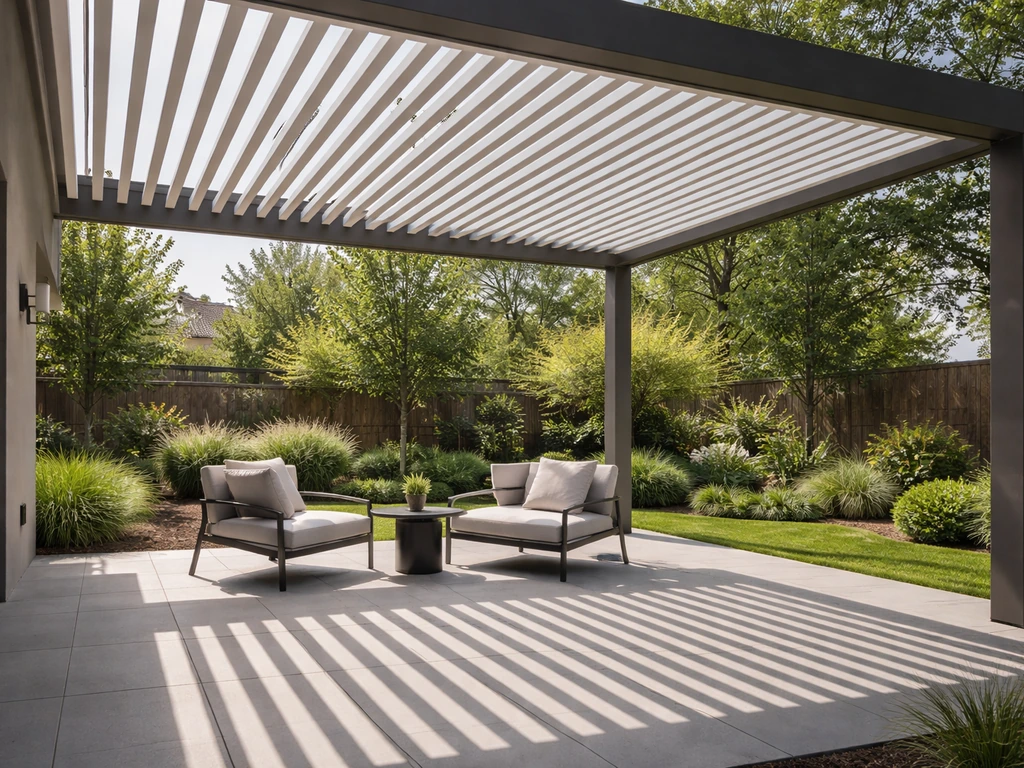
What louvered patio covers are and how they actually work
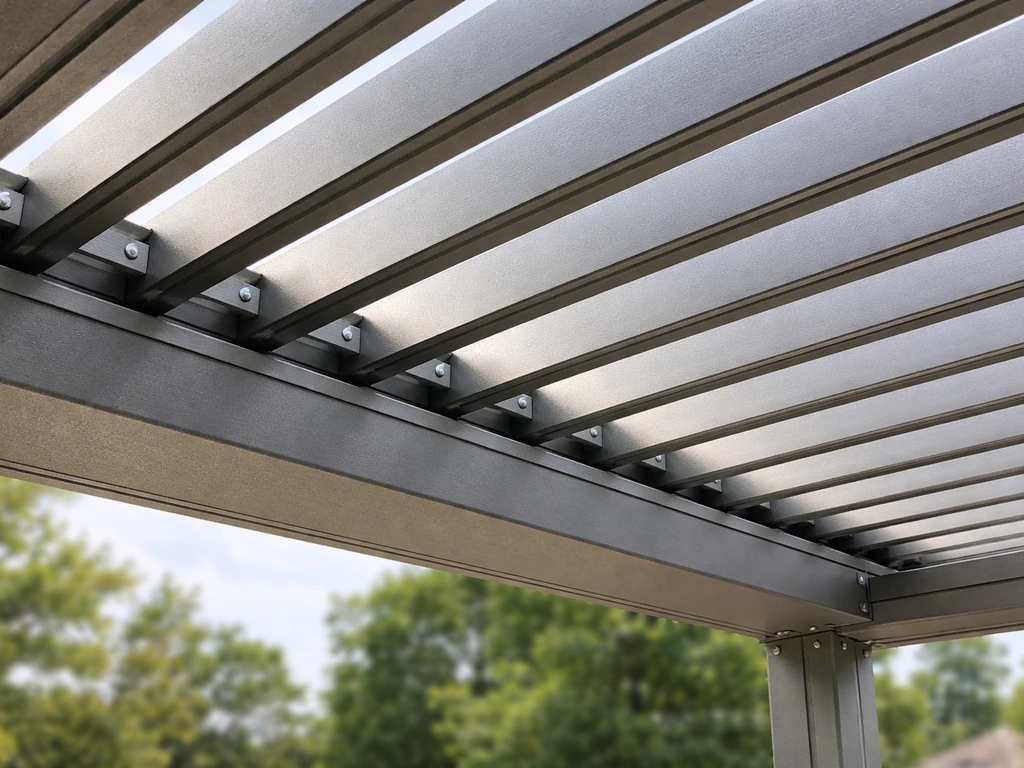
A louvered patio cover is essentially a roof made of parallel rotating slats (called louvres or louvers) mounted in a structural frame. The principle is borrowed from blank" rel="noopener noreferrer">jalousie windows, where each slat pivots on its axis so you can tilt the whole set open or closed in unison. When the slats are fully closed and interlocked, a good system forms a weatherproof barrier. When they're tilted open, air moves through freely and direct sunlight is broken up into filtered light. At partial angles, you can sit outside during a light drizzle without getting soaked, something a solid cover can't offer and a pergola absolutely can't.
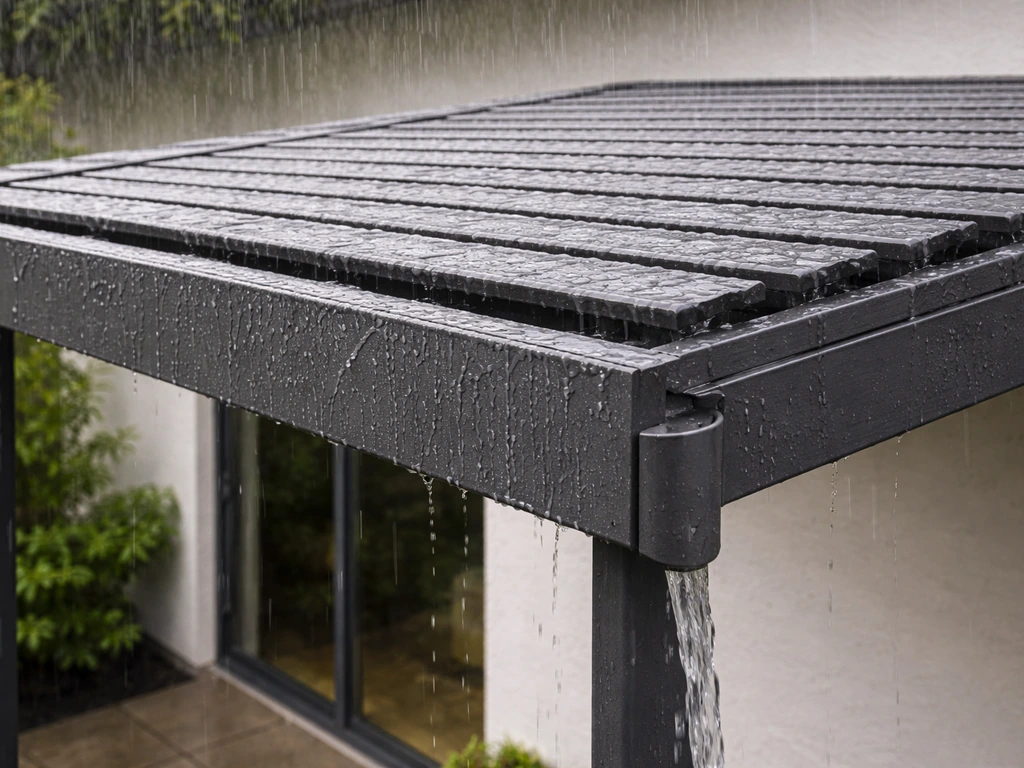
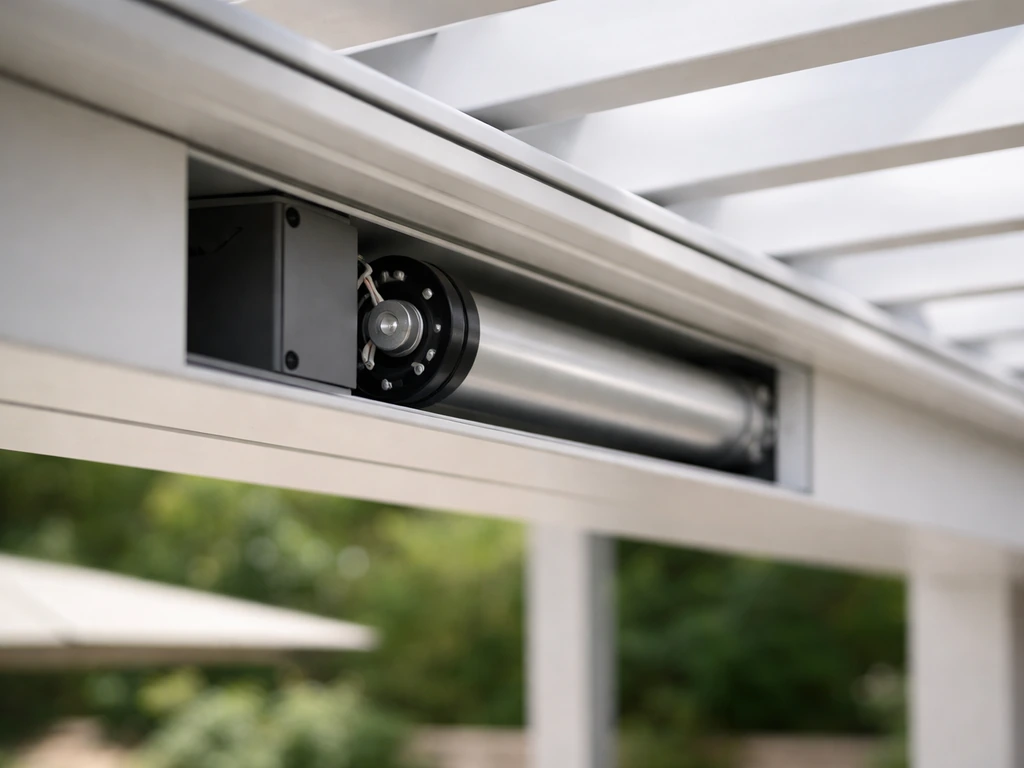
Most residential louvered covers sold today are motorized. A motor, either a tubular type built into the slat itself or an external piston-arm actuator, rotates all the slats simultaneously via remote control, a wall switch, or a smartphone app. Premium systems add sensors: a rain sensor closes the roof automatically when it starts to drizzle, and a wind sensor opens the slats to reduce load on the structure in high gusts. Rainwater that hits closed slats is routed into integrated gutters built into the perimeter frame, then channeled to downspouts at the corners. That drainage system is what separates a genuinely weatherproof louvered cover from one that just leaks slowly.
How to actually read louvered patio cover reviews
Most online reviews for louvered covers are short and written right after installation, which means they capture first impressions but miss the long-term durability story. To get real value out of reviews, you need to filter them by climate, look for patterns across multiple reviewers rather than single opinions, and focus on the specific criteria that affect daily use. If you want to compare specific brands side by side, start with empire patio cover reviews and look for patterns in durability, drainage, and customer support. Here's what to watch for:
- Rain performance: Do reviewers mention leaks at the slat seams or around the frame? A well-designed system with interlocking slats and perimeter gutters should be essentially leak-free when closed. One or two complaints about drips are normal; a pattern of them is a red flag.
- Motor and electronics reliability: This is the most common long-term failure point. Look for reviews written 2 to 4 years after installation. Complaints about motors failing, remotes losing sync, or sensors giving false triggers are more common than manufacturers admit.
- Noise: Aluminum slats can rattle in wind or hum when the motor runs. Reviewers in windy climates are the best source here. A tubular motor is generally quieter than an external piston-arm motor.
- Finish durability: Powder-coated aluminum holds up well, but scratches and chips can eventually rust in coastal or humid climates. Look for reviews that mention the finish after two or more summers.
- Installation experience: A rocky installation often predicts future warranty headaches. Reviews that mention poor fit-up, missing hardware, or vague instructions are worth weighing heavily.
- Customer service and warranty follow-through: A five-year warranty means nothing if the company is hard to reach. Reviewer comments about warranty claims are gold.
One thing to watch out for: many glowing reviews of louvered covers appear on the manufacturer's own website or on retailer pages, where negative reviews may be filtered. Cross-reference with home improvement forums, Google reviews of local dealers, and the Better Business Bureau before you trust a brand's average rating. If you want to narrow the options quickly, start with reputable heritage patio cover reviews that discuss drainage, noise, and real-world durability.
The features that actually separate good systems from mediocre ones
Materials
Virtually all quality louvered covers use extruded aluminum for both the frame and the slats. Aluminum doesn't rot, doesn't warp in heat, and is light enough to keep the motor loads manageable. What varies is the wall thickness of the extrusion, the quality of the powder coat, and whether the alloy is marine-grade for salt air environments. Avoid any product marketed as using composite or vinyl slats for the moving parts. Those materials creep and deform over time, causing gaps and binding.
Slat design and weather sealing
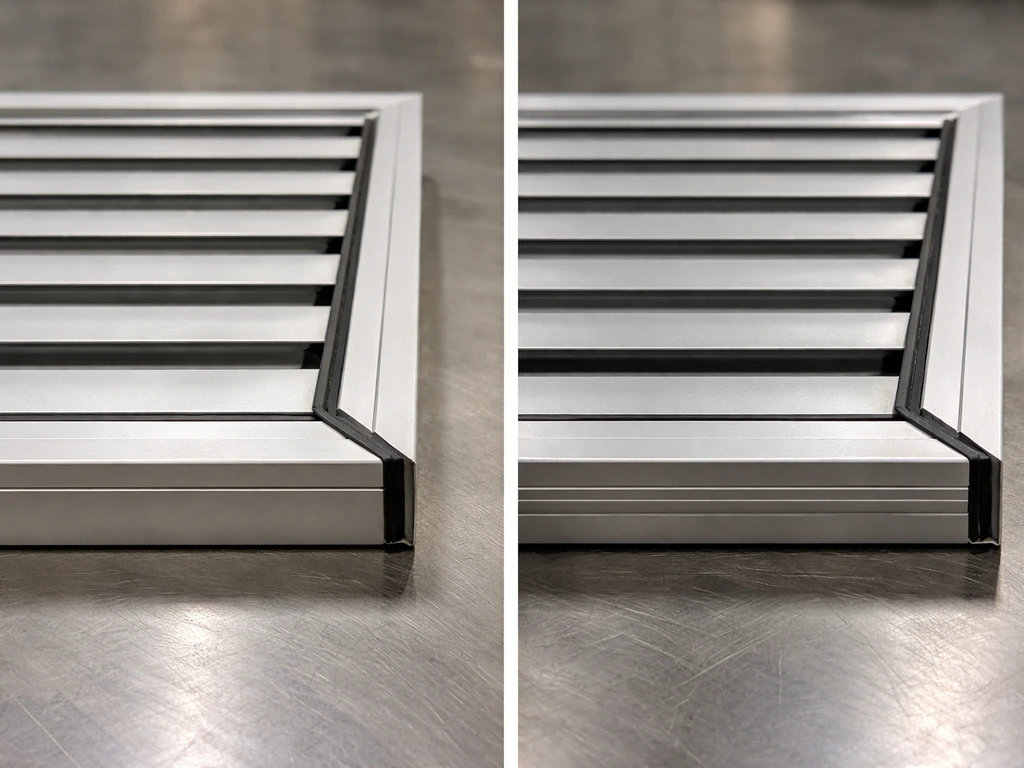
Single-wall slats are the budget option. Dual-wall slats, like the profile used in Novo Pergola's R-BLADE system, add a layer of insulation and create a tighter interlock when closed. When evaluating the closed position, look for gapless interlock: the slats should physically overlap or tongue-and-groove together so there's no open seam for water or wind to penetrate. Products that simply butt slat edges together without a seal will leak in any meaningful rain.
Drainage
The drainage system is make-or-break. A properly designed louvered cover routes all water that lands on the closed slats into gutters built into the side beams, then down to corner downspouts. Forever Pergola and Comfort Pergola both describe this perimeter drainage approach in their technical documentation, and it's become the industry standard for anything above entry-level. What breaks down in practice is clogged gutters. Leaves, debris, and pollen accumulate in the channel and, if ignored, cause water to back up and spill inward. Budget at least two gutter cleanings per year.
Wind ratings
Wind load ratings for louvered covers are typically expressed in miles per hour for sustained wind and a separate gust rating. The AMCA 550-22 standard establishes how operable louver systems should be tested for wind and high-velocity rain resistance, so when a manufacturer says a product is "AMCA certified," that means something specific and verifiable. Ask for the actual wind speed rating in open and closed positions, because they're different. In closed position, the frame takes the full load. In open position, wind passes through the slats, which reduces load but makes the slats flutter. Smart systems like StruXure's address this by automatically opening slats during high-wind events to protect the structure, while rain sensors close them during storms. If you're in a hurricane zone or sustained wind corridor, this automation isn't a luxury, it's a necessity.
Motor type and electronics
Tubular motors, where the motor lives inside a tube integrated into the slat assembly, are generally more reliable and quieter than external piston-arm actuators. Pergolade explicitly positions their tubular motor design as a reliability advantage over piston-arm alternatives, and from a mechanical standpoint, they're right: fewer external moving parts means fewer points of failure and less exposure to UV and weather. Pergolade describes its Blade Pro louvers as using a tubular motor design, positioning it as a reliability advantage compared with piston-arm motors Pergolade explicitly positions their tubular motor design as a reliability advantage over piston-arm alternatives. Whatever motor type you choose, confirm the IP rating (at minimum IP44 for an exposed outdoor installation), and make sure the manufacturer has a clear parts replacement policy. A motor failure five years in shouldn't require replacing the entire system.
Real-world performance: what reviewers actually experience
After reading through hundreds of owner reviews across platforms, a few consistent patterns emerge. Here's the honest summary:
Where louvered covers genuinely shine
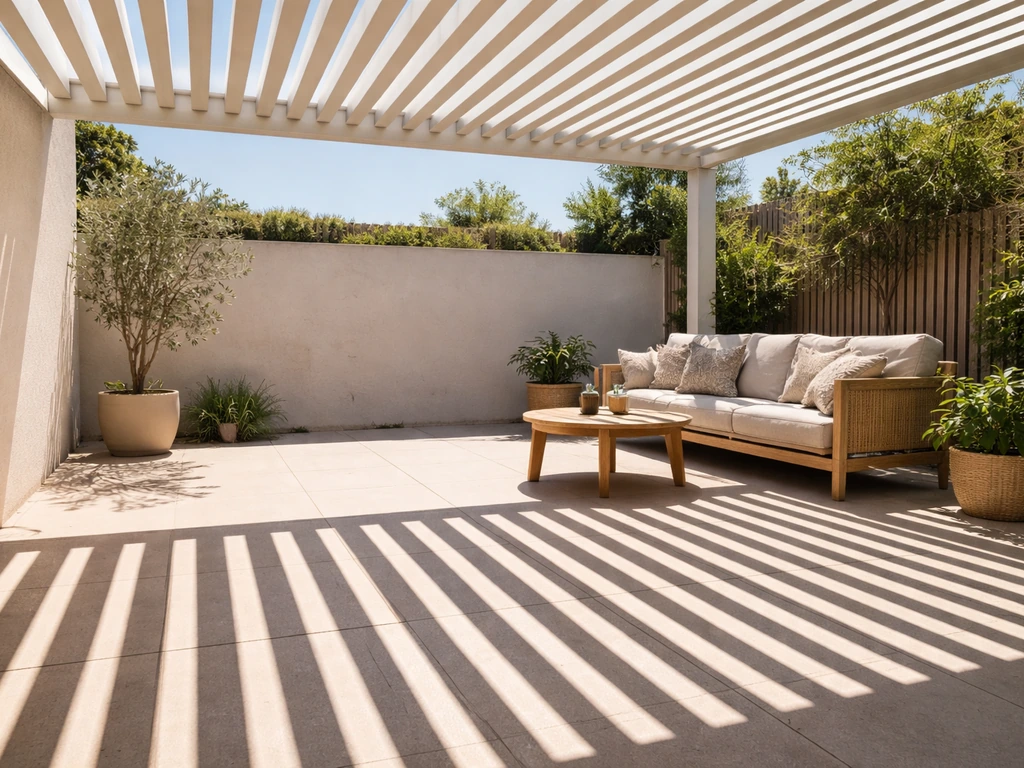
- Heat control: Owners in hot climates consistently say the ability to angle slats to block direct noon sun while still allowing airflow is the single best feature. A solid cover blocks the sun but traps heat underneath; a louvered cover at a 45-degree angle gives you shade without the oven effect.
- Rain versatility: Systems with interlocking slats and good drainage let you stay outside during moderate rain with the cover fully closed, which owners describe as genuinely transformative for how much they use the space.
- Light quality: Partial open positions create a dappled, filtered light that reviewers consistently prefer over the flat shade of a solid cover.
- Year-round usability: In mild climates, owners report using their covered patio 8 to 10 months per year versus 4 to 5 months before the cover was installed.
Where the complaints pile up
- Motor failures after 3 to 5 years are the most commonly cited durability issue, especially with entry-level systems.
- Noise in wind is a recurring complaint. Even slight wind can cause slats to rattle if the closed interlock tolerances aren't tight, or if the system has worn over time.
- Drainage maintenance is underestimated. Multiple reviewers mention discovering their gutters were clogged only after water started backing up indoors or pooling on the patio.
- Temperature extremes accelerate wear. Owners in climates with hard freeze-thaw cycles report more sealing issues and motor problems than owners in mild or dry climates.
- Remote/app reliability varies significantly by brand. Some systems lose connectivity after power outages or require periodic re-pairing. This is a minor annoyance in isolation but becomes frustrating over years.
Installation: DIY, professional, permits, and what to expect
Most louvered patio covers from reputable manufacturers are sold through authorized dealers who also handle installation. Full DIY is technically possible for smaller, simpler systems, but the tolerance requirements for proper drainage slope (typically 1 to 2 percent toward the gutters) and the structural requirements for post anchoring mean that errors are common and can compromise both weather performance and safety. My honest recommendation: use a professional installer unless you have concrete structural framing experience.
Lead times for custom louvered covers typically run 6 to 14 weeks from order to installation. If you're planning around a specific event or season, order early. Supply chains for aluminum extrusions have been unpredictable, and several brands extended lead times through 2025 and into 2026.
Permits are required in most jurisdictions for any attached patio cover, and some municipalities require them for freestanding structures above a certain square footage (commonly 200 square feet). Check with your local building department before ordering. A reputable dealer will help you pull permits, but the responsibility to check is yours. Skipping permits can create problems at resale and may void your homeowner's insurance for that structure.
Maintenance checklist
- Clean perimeter gutters at least twice per year (spring and fall), more often if you have overhanging trees.
- Rinse slats with a garden hose to remove pollen, dust, and debris. Do not spray directly at the motor head or any electrical component.
- Inspect the powder coat finish annually for chips or scratches and touch up with manufacturer-supplied paint to prevent corrosion.
- Test sensors (rain and wind) seasonally by triggering them manually to confirm the motor responds correctly.
- Lubricate slat pivot points and any mechanical linkage with a silicone-based lubricant every 12 to 18 months.
- Check that all fasteners and post anchors remain tight, especially after a season with significant wind or temperature swings.
- Review the motor manufacturer's service interval. Some tubular motors have a rated cycle count (commonly 10,000 to 20,000 cycles) and should be serviced proactively.
Warranty: what to demand
A meaningful warranty for a louvered cover should include at minimum: 10 years on the structural frame and extrusions, 5 years on the powder coat finish, and 2 to 3 years on electrical components including the motor. Read the fine print on what voids the warranty. Many manufacturers exclude damage from improper installation, which is exactly why you want a certified dealer rather than an independent contractor who may not be trained on that brand's specific assembly requirements.
Cost, value, and how louvered covers compare to alternatives
Louvered patio covers are not cheap. A professionally installed system for a typical 12x16-foot patio runs roughly $8,000 to $20,000 depending on brand, features, and complexity. Premium brands with full automation, sensors, and integrated lighting or heating can push past $25,000 for larger spaces. That's a meaningful number, and it's worth putting in context against the alternatives.
| Option | Typical Cost (12x16 ft) | Weather Protection | Adjustability | Durability | Best For |
|---|---|---|---|---|---|
| Motorized louvered cover | $8,000–$20,000+ | Excellent (rain + heat + UV) | High (adjustable slats) | High with maintenance | Year-round outdoor living in varied climates |
| Solid aluminum patio cover | $3,000–$8,000 | Good (rain + UV) | None | Very high | Budget-focused, simple rain/sun protection |
| Freestanding wood or aluminum pergola | $2,000–$10,000 | Minimal (open roof) | None | Moderate to high | Aesthetics, partial shade, no rain protection |
| Retractable awning | $1,500–$5,000 | Moderate (sun + light rain) | Medium (extends/retracts) | Moderate | Smaller spaces, renters, lower budgets |
| Polycarbonate patio cover | $3,000–$8,000 | Good (rain + partial UV) | None | High | Light diffusion without full blockage |
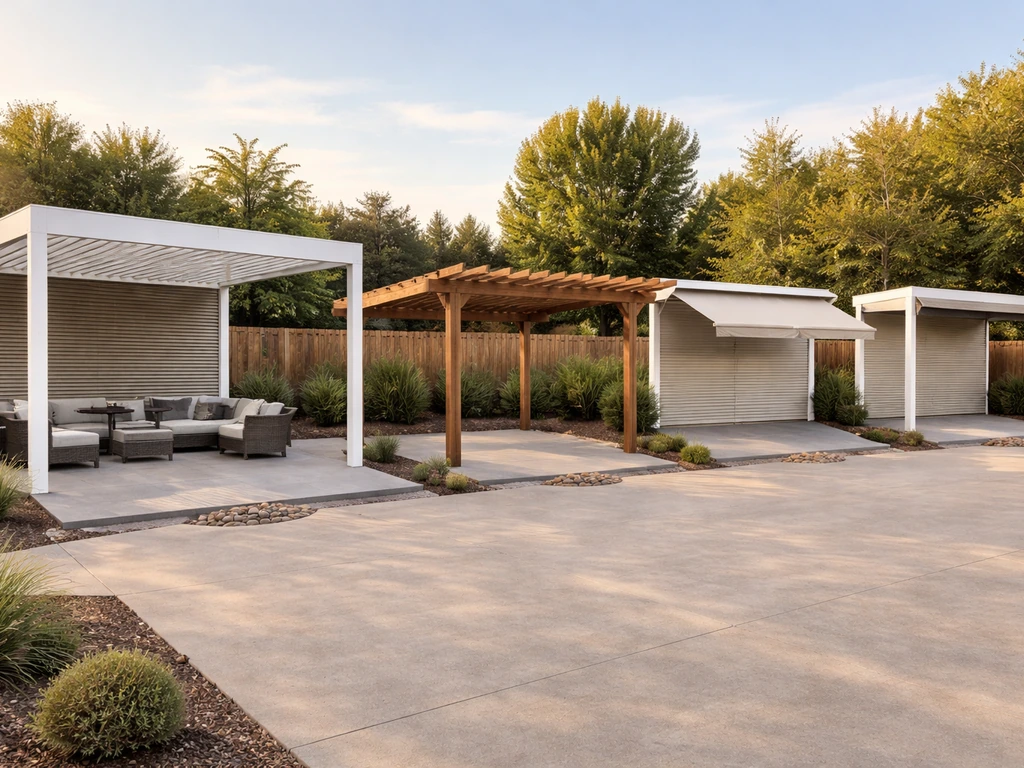
Solid patio covers, including aluminum panel systems reviewed elsewhere on this site, cost significantly less and require almost no maintenance, but you lose all adjustability. You can't open a solid cover to let in airflow or a breeze on a cool morning. Polycarbonate covers offer decent light diffusion and rain protection at a lower price point, but they can be noisy in rain and offer no control over ventilation. If you're comparing options, these polycarbonate patio cover reviews can help you weigh light diffusion, rain protection, and real-world noise issues. Retractable awnings are the budget-friendly option but typically can't handle sustained rain or wind, and the fabric degrades faster than aluminum. A louvered system wins on versatility but loses on simplicity and upfront cost. If your climate is mild and you mainly want rain protection, a solid or polycarbonate cover is better value. If you're in a climate with real heat, humidity, and variable weather, and you want to use the space year-round, the louvered system pays for itself in usability.
Picking the right model for your specific patio
Sizing and layout
Start by measuring your patio precisely, including any obstructions like gas lines, light fixtures, or existing posts. Most louvered systems have maximum unsupported span limits, commonly 16 to 20 feet between posts depending on the beam profile. Larger spaces require additional posts or intermediate beams, which affects layout and traffic flow. Plan post placement before you fall in love with a particular model, because not every system can span your space without awkward mid-patio posts.
For drainage slope, the cover needs to pitch slightly toward one or both sides where the gutters will drain. On an attached cover (one side fastened to the house), the slope typically runs away from the house toward the outer beam. On a freestanding pergola-style structure, you have more flexibility but need to plan where the downspouts will terminate. Don't discharge near a foundation.
Questions to ask before you buy
- What is the wind load rating in both open and closed slat positions, and is it certified to any independent standard like AMCA 550-22?
- Is the motor tubular or piston-arm, what is its IP rating, and what is the rated cycle count before service is needed?
- Does the system include rain and wind sensors, or are those add-ons?
- What is the maximum unsupported span, and how many posts will my space require?
- What are the drainage slope requirements and where can downspouts terminate?
- Who handles warranty service: the manufacturer, the dealer, or a third-party service network?
- What is the current lead time from order to installation?
- Will the dealer pull permits, or is that my responsibility?
- Is the powder coat finish standard or marine-grade, and does that affect the warranty?
- Can the system integrate with an existing smart home platform, and what happens to the slats during a power outage?
Matching system to climate
Hot and dry climates (Southwest, inland California) benefit most from slat angle control for heat management. Look for dual-wall slats and high UV-stable powder coat. Rain drainage is less critical but still worth having. Humid and rainy climates (Southeast, Pacific Northwest) need the best drainage engineering you can find: perimeter gutters, large downspouts, and tight slat interlock. Noise from rain on aluminum slats is a real issue here, so ask specifically about acoustic performance. High-wind zones (coastal areas, plains states) should prioritize certified wind ratings, automatic wind sensors, and robust post anchoring. Freeze-thaw climates (Midwest, Northeast) should ask specifically about how thermal cycling affects the seals and motor. Some manufacturers void warranties for climates that regularly go below a specific temperature, so read that fine print carefully.
The bottom line is that a louvered patio cover is one of the highest-impact outdoor upgrades you can make, but it rewards careful research. Use the criteria above to filter reviews, ask the right questions before signing a contract, and match the system's actual specs to your climate and layout rather than trusting the marketing photos. If you want an easy starting point, four seasons patio covers reviews can help you compare how different systems perform in real sun, shade, rain, and cold-weather conditions. Done right, it's the kind of addition that changes how you use your home.
FAQ
How can I tell in louvered patio covers reviews whether drainage is actually effective, not just “waterproof” in marketing?
Look for comments about water behavior during light rain at partial-tilt angles, and whether reviewers mention overflowing gutters, staining on beams, or puddling near downspouts. Also prioritize reviews that mention gutter maintenance needs, such as how often they cleaned debris and whether clogs caused inward leaks.
Do louvered patio covers leak when the slats are only partially closed?
Some do, especially products with simple edge-to-edge (butt) slat designs. Reviews that describe “fine in full close, annoying at 30 to 60 degrees” are a red flag. Ideally, you want gapless overlap interlock and a drainage path designed for water landing on tilted slats.
What should I ask the dealer about noise from rain on aluminum slats, especially in rainy climates?
Ask whether the manufacturer provides any acoustic testing or data for rainfall impact. Reviews that only say “not loud” without conditions (wind level, rain intensity, seating distance) are less useful. Also confirm whether insulation options, dual-wall slats, or mounting details change sound levels.
If I live in a freeze-thaw climate, what do I need to confirm beyond general warranty coverage?
Ask how the seals and drainage channels behave during repeated ice formation, and whether there are manufacturer limits on sub-freezing operation. Reviews can reveal whether motors struggle after cold snaps, or if gutters freeze and back up before slats fully close.
How do I interpret wind ratings in louvered patio covers reviews if manufacturers list different numbers?
Compare the specific wording, sustained wind versus gust, and the rated conditions (open versus closed position). Reviews are most helpful when they mention shuttering behavior during storms, slat flutter, or recurring rattle after high gusts. If a system only protects by manual shutdown, reviews will often call that out.
Are tubular motors really more reliable than piston-arm actuators, and what evidence should I look for?
Instead of relying on brand claims, check reviews for motor issues like “won’t open,” “stuck mid-travel,” or repeated service calls. Also look for mentions of replacement parts availability and whether the repair required a full slat assembly replacement.
What does IP44 (or higher) mean for real-world use, and should I care about it in reviews?
IP44 typically indicates protection from splashing water, but the installation style matters (exposed versus covered areas). Reviews that mention corrosion near the motor housing, failed limit switches, or premature electrical faults in rainy seasons are the best indicators to watch for.
Do I need to worry about clogging in perimeter gutters even if the system is “designed” for drainage?
Yes. The article notes clogs are a common failure mode, so check reviews for how often users clean gutters and whether they experienced overflow. If most reviews do not mention maintenance, ask the dealer what the gutter clearance design and recommended cleaning intervals are for your local debris conditions.
How do I verify supported span limits and post placement before choosing a model?
Find out the maximum distance between posts for the exact beam profile and roof design, not just the brand’s generic range. Then compare that to your patio layout in reviews that mention awkward mid-patio posts or reduced usability, especially for dining or grilling zones.
In louvered patio covers reviews, what is a common mistake homeowners make when choosing between DIY and professional installation?
Watch for reviews that blame performance issues on “it works but not like expected,” after DIY leveling or slope errors. The biggest tell is reports of slow drainage, pooling, or misalignment after installation. If a reviewer mentions they deviated from the spec for anchoring or slope, treat it as a factor.
What warranty details should I look for, beyond the headline years, to avoid surprises?
Confirm what exactly is covered by the structural and finish terms, and whether exclusions mention improper installation, electrical misuse, or climate limits. Reviews that describe warranty denials usually include details like “not covered due to installation method” or “parts availability delays,” which you should take seriously.
Do lead times in louvered patio covers reviews reflect a one-time delay or ongoing supply problems?
Use reviews dated across multiple months, and note whether users reported repeated postponements after the original install date. Also ask your dealer how aluminum extrusion availability could affect your specific size and motor package, not just the general brand lead time.
How can I use louvered patio covers reviews to predict customer support quality if something breaks?
Look for mentions of response speed, whether replacement parts were stocked locally, and whether the installer or manufacturer handled the fix. Reviews that only talk about installation day are less helpful. Prioritize those that describe repair timelines and communication when motors or sensors failed.
Should I choose sensors and full automation, or is basic remote control enough?
Automation matters most if you cannot monitor weather closely. Reviews can reveal whether rain sensors reliably trigger closure without false positives, and whether wind sensors prevent slat flutter. If you frequently have sudden storms or high gust events, reviews that praise “hands-off storm behavior” are a strong sign.
What’s the best way to check local permit requirements, and how does it show up in reviews?
Ask your dealer whether they handle permit submission and inspection schedules, then verify with your local building department. Reviews sometimes mention refund delays, rework requests, or inspection failures, and those issues often point to permit gaps or noncompliant anchoring details.
How can I tell if a louvered cover will still be easy to use after a few years?
Search reviews for long-term usability issues like stuttering travel, needing extra force to open, or remote reliability problems. Also check whether users report corrosion in fasteners, recurring gutter cleanouts, or repeated sensor resets, since those are the most common day-to-day degradation points.
Next Articles
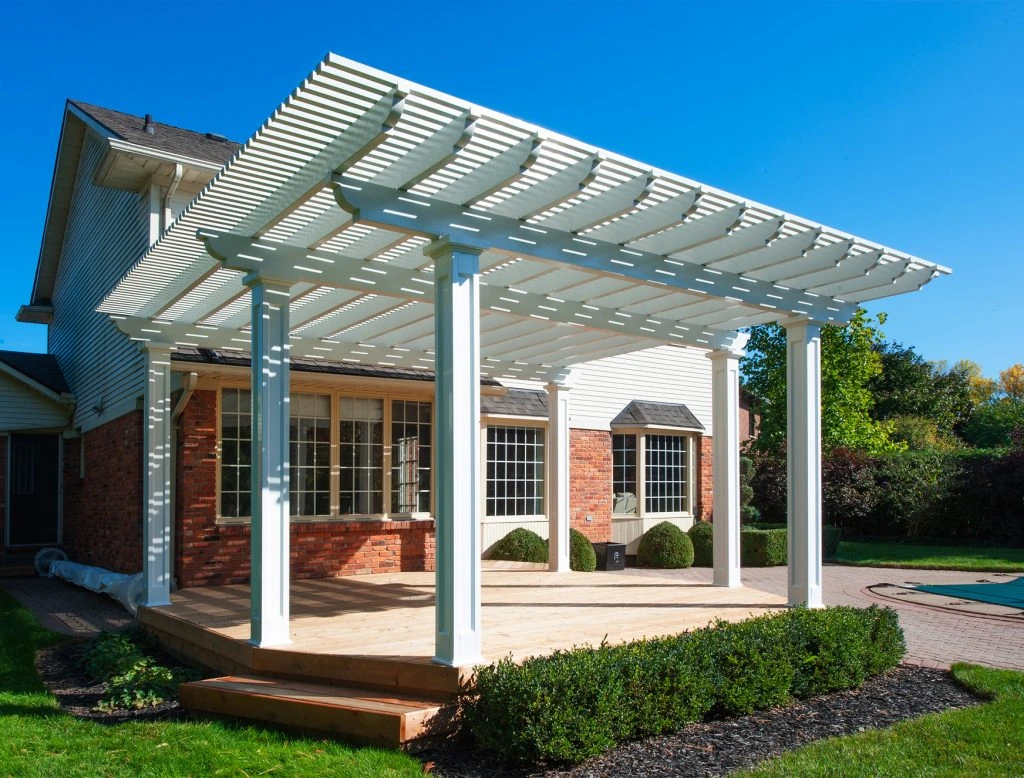
Four Seasons Patio Covers Reviews: What to Check Before Buying
Four Seasons patio cover reviews guide: what to check on build, materials, weather performance, warranty, and fit.
Empire Patio Cover Reviews: What Homeowners Report
Real homeowner feedback on Empire patio covers: performance, build quality, installation, costs, warranty, and key watch
Best Sunbrella Patio Cushions: Top Picks, Guide & Maintenance
Find the best Sunbrella patio cushions: durable, fade‑resistant picks, buying tips, care, and top recommendations.