
Heritage patio covers are a legitimate, U.S.-made product line sold through Heritage Patios, and they come in three main series: TWV (a shade-focused open-beam style), Optima (a solid but non-insulated roof panel), and Contempra (a 3-inch foam-core insulated roof panel they call the "Quiet and Cool Roof"). Heritage Patios also organizes its TWV Patio Covers as a dedicated collection page so you can order by series configuration TWV (a shade-focused open-beam style). If you're shopping based on reviews and wondering which one to buy, the short version is this: go with the Contempra if you want real all-weather performance and long-term durability, the Optima if you're on a tighter budget but still want a solid roof, and the TWV if shade is your main goal and you're not worried about rain coverage. Everything else in your decision comes down to snow load rating, your patio dimensions, and whether your HOA or local code requires a permit.
Heritage Patio Cover Reviews: What to Know Before You Buy

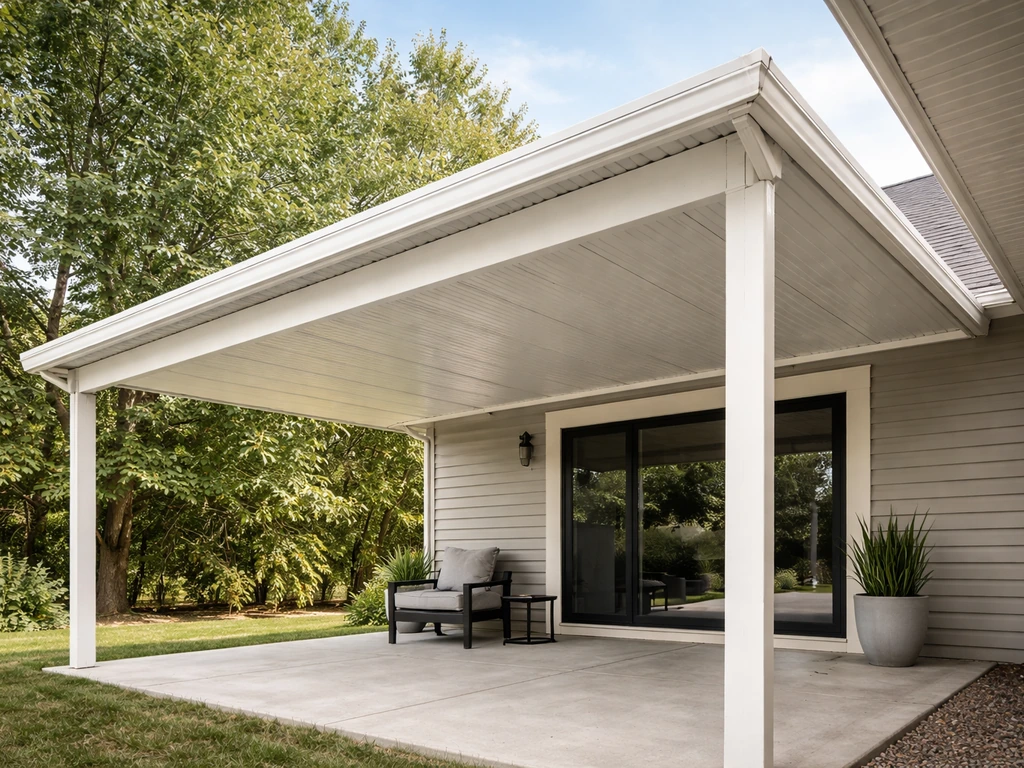
What Heritage patio covers actually are
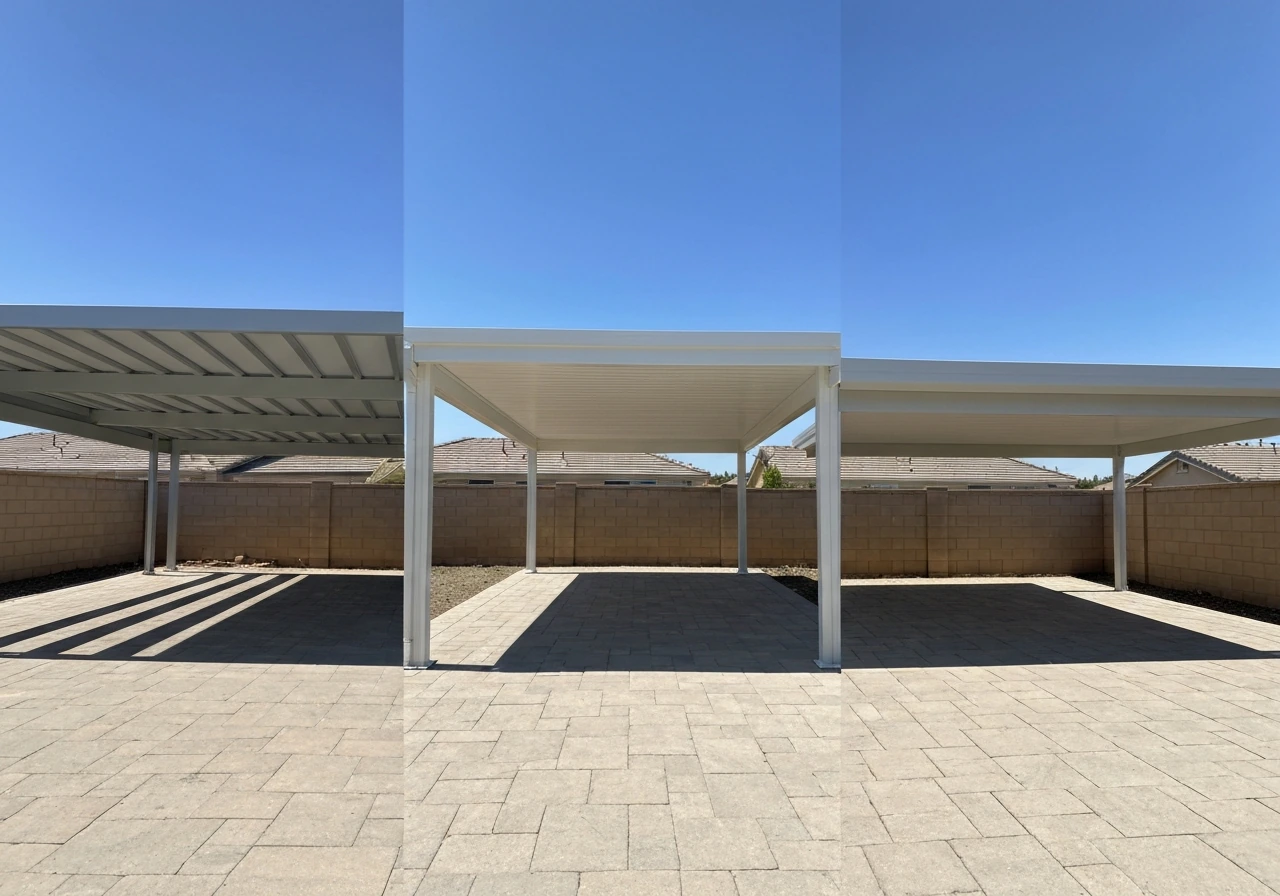
Heritage Patios is a manufacturer and direct seller, not a generic brand name. If you still want a quick way to compare options, louvered patio covers reviews can help you gauge how people feel about airflow-focused designs versus sealed solid-panel systems like Heritage's Optima and Contempra. That distinction matters when you're reading reviews because you're dealing with a specific product ecosystem, not just any patio cover that happens to carry the word "Heritage" in a listing. They manufacture their panels and systems in U.S. factories, which is worth noting if domestic production is on your checklist.
The three product lines each fill a different role. The TWV Series is an open-style cover, meaning it provides shade and some rain deflection but is not a sealed roof. Think of it as a slatted or louvered-style system rather than a solid cover. The Optima gives you a solid roof panel without insulation, which protects against rain and sun but can radiate heat back down in the summer. The Contempra is the flagship: a 3-inch thick insulated panel with foam core and aluminum coil surfaces, which keeps the underside noticeably cooler and also reduces rain noise significantly. All three systems are available in multiple snow-load engineering classes, ranging from 10 lb to 50 lb ground snow load ratings, so they're engineered for different climates, not just sold as one-size-fits-all. Heritage Patios’ FAQ explains that its snow-load “engineering classes” (10 lb through 50 lb) correspond to ground snow load designs All three systems are available in multiple snow-load engineering classes, ranging from 10 lb to 50 lb ground snow load ratings.
Where Heritage covers fit in the broader market: they're positioned between mass-market DIY kits (think big-box store pergola kits) and full custom contractor builds. They can be installer-supplied or owner-installed depending on complexity, and Heritage provides DIY installation guides for their systems. If you've been looking at louvered patio covers or polycarbonate panel systems as alternatives, Heritage's Contempra and Optima are most comparable to insulated and solid-panel aluminum cover systems from other regional manufacturers.
How to read patio cover reviews without getting misled
The reviews space for patio covers is messy. Most of the complaints you'll find online aren't really about the product itself. They're about installation errors, undersized systems, or a mismatch between what the buyer expected and what the product actually does. Here's how to filter signal from noise.
- Check whether the reviewer installed it themselves or had a contractor do it. DIY installs gone wrong skew negative and often blame the product for what was a leveling, drainage, or anchoring mistake.
- Look for reviews that mention specific model names (Contempra, Optima, TWV) rather than just "Heritage patio cover." Generic reviews may not apply to the system you're considering.
- Reviews mentioning water pooling almost always point to incorrect pitch setting during install, not a manufacturing defect. A properly pitched panel (typically a 1/4 inch per foot slope minimum) drains fine.
- Negative reviews about heat underneath are almost always about non-insulated panels. If you're reading a heat complaint on a review for the Contempra insulated system, that's a red flag worth investigating. If it's the Optima, that's a known tradeoff of non-insulated construction.
- Five-star reviews that don't mention weather performance, specific conditions, or time since installation are not useful. Look for reviews written at least one full season after install.
- Watch for reviews that conflate Heritage Patios products with generic "Heritage-style" aluminum patio covers sold by unrelated vendors. These are different products.
One more thing: Heritage Patios sells through their own site and through dealers, so reviews may be scattered across Google, Houzz, regional dealer pages, and lumber or outdoor product forums. Don't rely solely on the brand's own testimonials page. Cross-reference with installer forums and local contractor feedback wherever you can find it.
Real-world performance: sun, rain, wind, and drainage
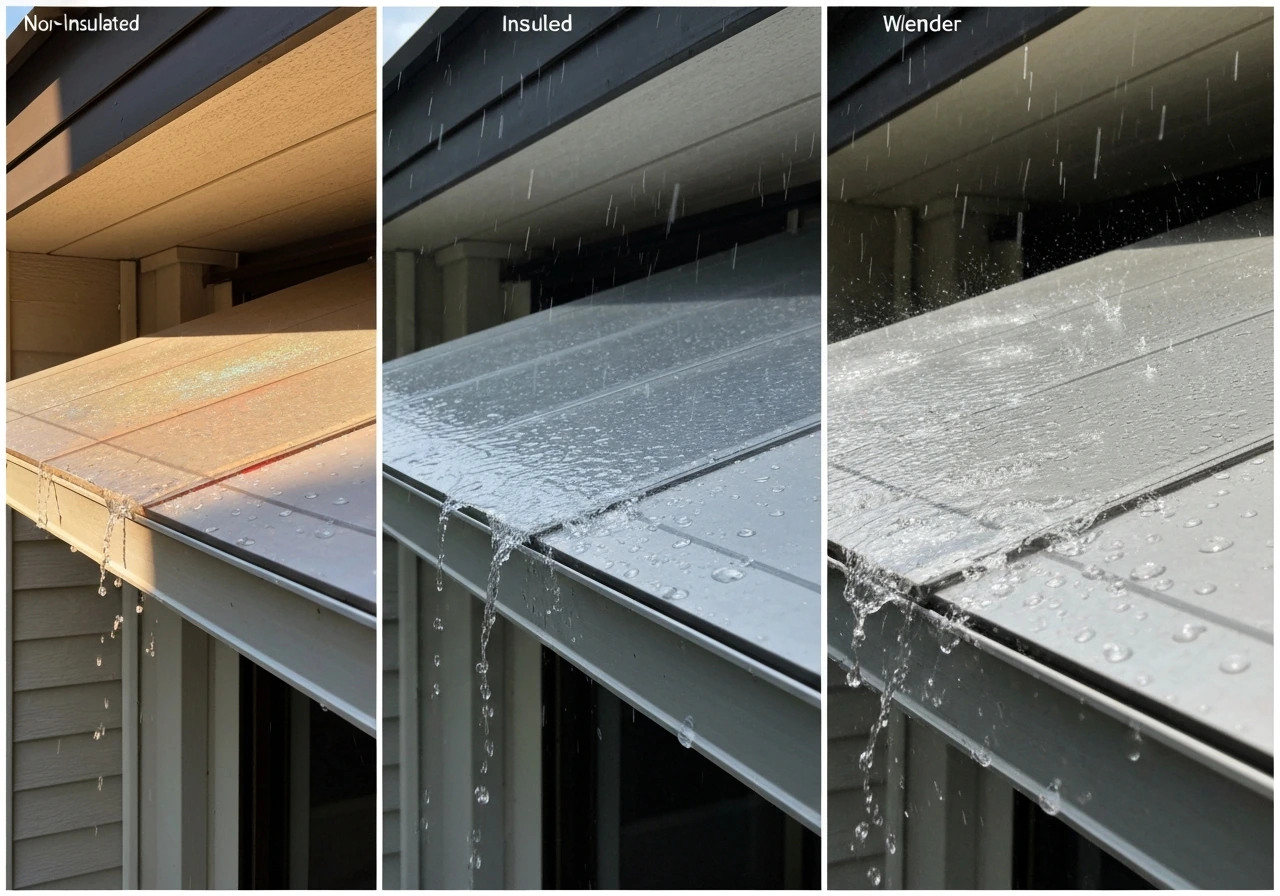
Sun protection is solid across all three Heritage systems, but the Contempra's insulated panel genuinely changes the experience under the cover. The 3-inch foam core reduces heat transfer through the panel, meaning the ceiling of your covered patio stays much cooler than it would under a bare aluminum panel. On a 95-degree day, the difference between sitting under an Optima and a Contempra is noticeable, not marginal. If you're in a climate with hot summers (Southwest, Southeast, Central Texas), the Contempra is worth the premium for this reason alone.
Rain performance depends on two things: panel type and pitch. The Contempra and Optima are fully solid roofs, so they handle rain completely as long as the panel is pitched correctly toward a gutter or drip edge. The TWV series, being open-style, is not a rain cover. Do not buy it expecting rain protection. Wind resistance ties back to snow-load engineering class: the same structural specs that allow a panel to handle 30 or 40 lbs per square foot of snow load also translate to better wind resistance under lateral load. If you're in a coastal or high-wind area, ask specifically for the engineering documentation on the model you're buying and verify it meets your local wind zone requirements.
Drainage is the most common real-world performance issue and almost always comes down to installation. The panels need a consistent slope of at least 1/4 inch per foot away from the house (or toward a gutter on the outer edge). If your installer or DIY setup leaves the cover flat or with an inconsistent slope, you'll get water pooling and eventually standing water, which leads to staining, mildew at the edges, and in colder climates, ice dam issues. Check your install pitch before signing off, and if you're in a wet climate, add a proper gutter system at the leading edge.
Materials, build quality, and long-term durability
Heritage covers use aluminum as their primary structural and surface material, which is the right call for outdoor applications. Aluminum doesn't rust, handles temperature cycling well, and holds paint finishes longer than steel in exposed conditions. The Contempra's panels specifically use aluminum coil surfaces bonded to the foam core, which means you're not dealing with exposed foam edges or delamination risks the way you might with cheaper composite panel systems.
The finish is typically a powder coat or factory-applied paint finish. How long that finish lasts depends heavily on your climate and maintenance habits. In coastal salt-air environments or areas with intense UV exposure, expect to do a light cleaning with mild soap and water annually and inspect the finish every two to three years. The aluminum substrate itself won't corrode, but the surface finish can chalk or fade over time if neglected. This is true of virtually every aluminum patio cover on the market, not just Heritage.
Structurally, the snow-load class system Heritage uses is a meaningful quality differentiator. A 10 lb snow-load panel is built to a lighter spec than a 30 lb or 50 lb panel. If you're in a climate that sees any snow accumulation, don't buy the minimum class just to save money. The cost difference between a 20 lb and 30 lb class panel is modest compared to the cost of a structural failure. Even if you're in a no-snow climate, a higher snow-load class generally means heavier-gauge material and stronger post and beam connections, which also means better wind and long-term structural performance.
Compared to other cover types in this category: polycarbonate panel covers are lighter and let in diffused light but are less durable over a 10-plus year horizon because UV degrades polycarbonate. Louvered aluminum covers offer adjustability but come at a significantly higher cost. Heritage's solid aluminum panel systems land in a durable middle ground: heavier and more permanent-feeling than polycarbonate, less adjustable than louvered systems, but considerably less expensive than motorized louvered options.
Costs, installation, permits, and what drives the price
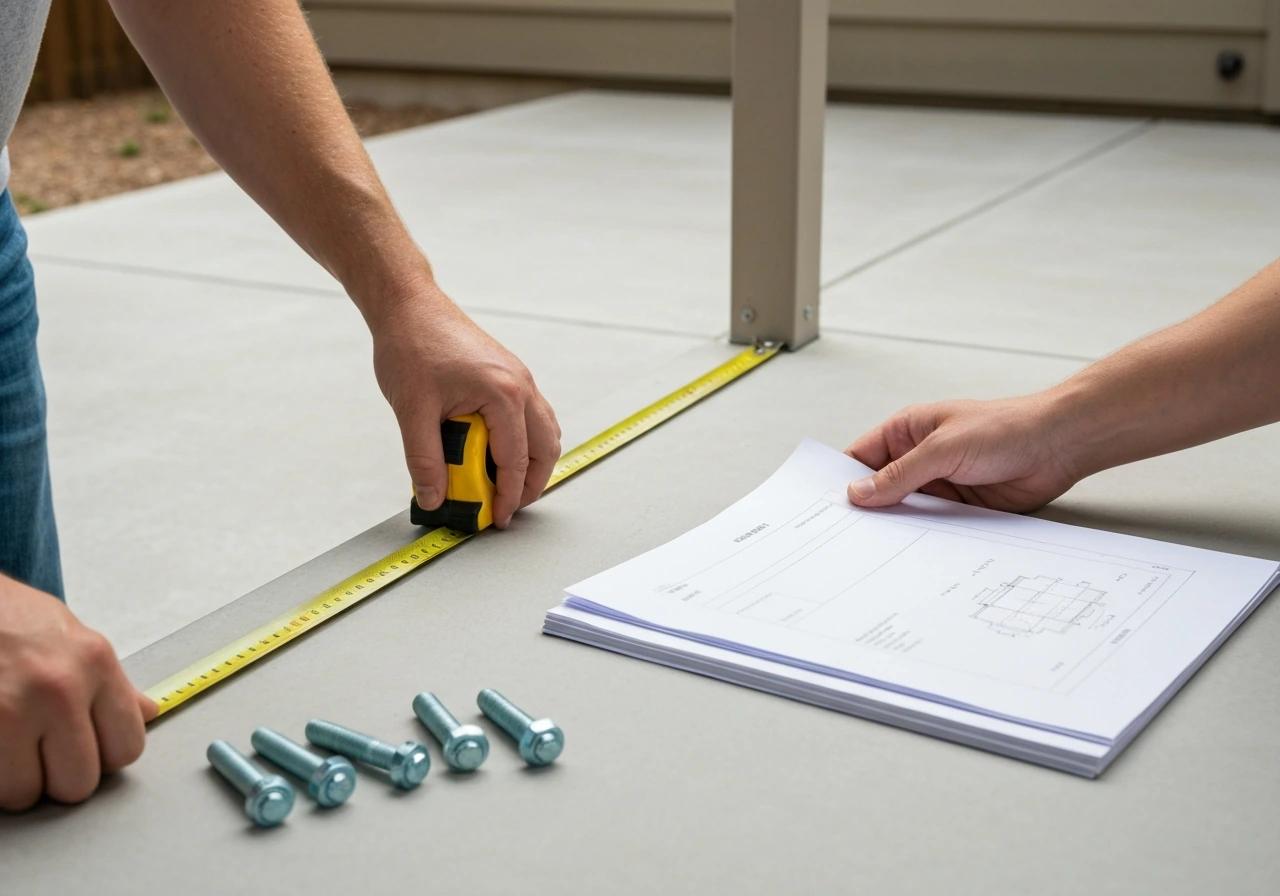
Heritage covers are not budget big-box products, but they're not full custom construction pricing either. For a rough ballpark: a basic Optima system for a 12x16 patio with DIY installation might land in the $2,000 to $4,000 range for materials depending on configuration and snow-load class. A Contempra system of the same size with contractor installation can run $5,000 to $10,000 or more depending on your region, site complexity, and what the contractor charges for labor. These are estimates, not quotes, and prices shift based on aluminum commodity costs, so get current quotes.
What drives the price up most reliably: size (obviously), attachment to the home versus freestanding, snow-load class, number of posts, whether you need electrical run through the beams for lighting or fans, finish color choice (some premium colors add cost), and local labor rates. A freestanding pergola-style Heritage cover will cost more than an attached cover of the same size because it needs more posts and a full perimeter beam structure.
Permits are not optional in most jurisdictions. A permanent attached patio cover almost universally requires a building permit and, in many cases, engineered drawings. Heritage's snow-load class system actually helps here because the panels come with engineering documentation you can submit to your building department. Check with your local permitting office before you order, not after. HOA review is a separate process entirely: many HOAs require pre-approval for any structural addition visible from the street or neighbor's property, and some have restrictions on panel color or style. Get HOA sign-off in writing before you purchase materials.
Warranty, customer service, and what maintenance actually looks like
Heritage Patios offers warranties on their products, but the specific terms matter. Before you buy, ask for the written warranty document and check three things: what is actually covered (materials vs. workmanship vs. finish), what voids the warranty (improper installation is the most common exclusion), and what the claims process looks like. A warranty is only as useful as the company's responsiveness when you need it. Check for reviews specifically mentioning warranty claim experiences, not just product satisfaction.
On the customer service front, Heritage Patios sells direct and through dealers. If you buy through a dealer, understand that your primary service contact may be the dealer, not Heritage directly. This is worth clarifying upfront: if there's a panel defect or a missing component, who do you call and what's the expected response time? Get this in writing if you're doing a contractor-installed project.
Maintenance for aluminum patio covers is genuinely low but not zero. Once a year: wash the panels and gutters with mild soap and water, check all fasteners and post bases for tightness, inspect the finish for chips or scratches (touch up with matching paint to prevent any underlying corrosion at the chip), and clear any debris from gutters or drip edges. Twice a year in heavy leaf-drop or pine-needle climates. That's it. There's no staining, sealing, or repainting required under normal circumstances for years.
How to choose the right Heritage cover for your patio
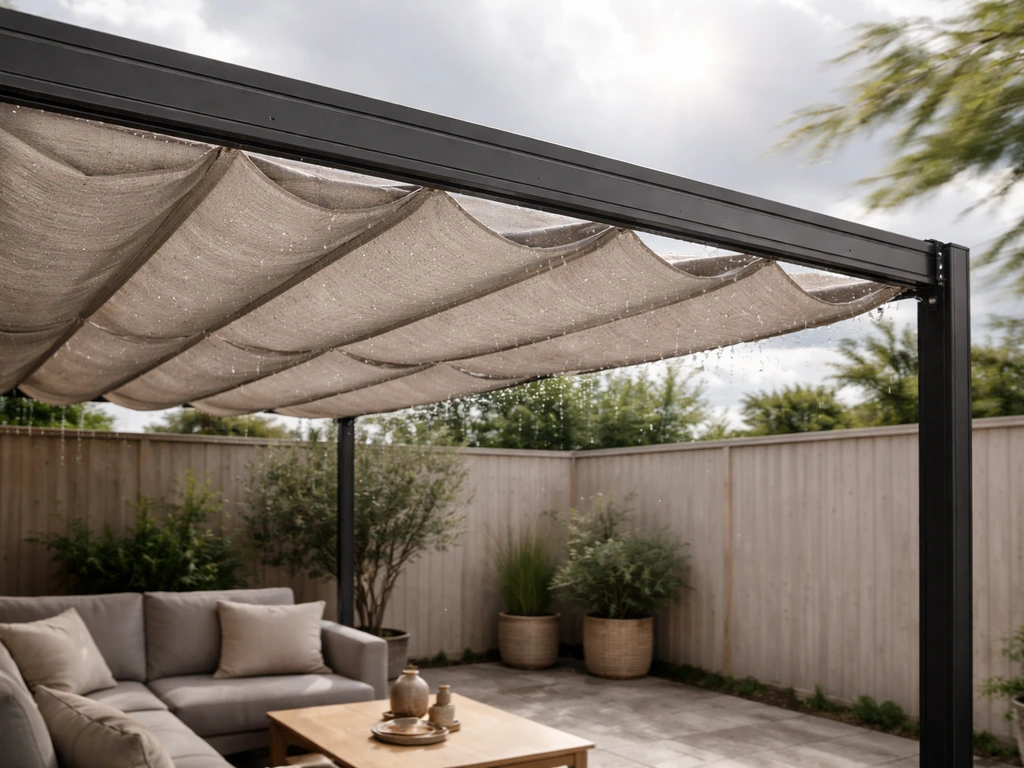
Start with your climate and primary use case, then layer in budget. Four seasons patio covers reviews can help you compare real-world insulation, rain handling, and maintenance expectations across different cover styles. If you get meaningful snow accumulation, your snow-load class choice is non-negotiable: match it to your local ground snow load, not the minimum available. If you're in a hot, sunny climate with minimal snow, the Contempra's insulation value is your best argument for the premium cost. If you're primarily shading an outdoor dining area and rain coverage is secondary, the TWV series is a legitimate option and likely more affordable.
| Series | Best For | Rain Coverage | Heat Performance | Relative Cost |
|---|---|---|---|---|
| TWV | Shade-focused patios, pergola aesthetic | Partial only | Good airflow, moderate shade | Lower |
| Optima | Budget-conscious solid roof, moderate climates | Full (with proper pitch) | Can radiate heat in summer | Mid-range |
| Contempra | All-weather use, hot summers, noise reduction | Full (with proper pitch) | Noticeably cooler underneath | Higher |
Once you've picked your series, size it generously. Most people undersize their patio cover by one to two feet on each side and then wish they'd gone bigger. Measure your patio furniture in its intended layout and add at least 18 to 24 inches of clearance on the open sides. You can always add gutters or trim later, but you can't easily extend a cover after it's installed. If you are comparing options like duralum patio cover reviews, also check how drainage details are handled, since that can make or break real-world performance add gutters or trim later.
Before you buy: questions to ask the seller or installer
- What snow-load class is this panel, and does that match my local ground snow load requirement?
- Does this system come with engineering documentation I can submit for a building permit?
- What is the recommended pitch for drainage, and how is that set during installation?
- What does the warranty cover, and what voids it?
- If I buy through a dealer, who handles warranty claims and defective component replacements?
- Is this system compatible with electrical conduit routing for lighting or ceiling fans?
- What are the lead times for delivery, and are replacement panels available if I need one years from now?
Your pre-purchase checklist
- Measure your patio dimensions and add at least 18 to 24 inches on open sides for your cover size target.
- Look up your local ground snow load (available from your building department or ASCE 7 maps) and match it to Heritage's snow-load class options.
- Contact your local building department to confirm permit requirements for an attached or freestanding patio cover.
- If you have an HOA, submit a pre-approval request before ordering materials.
- Decide between DIY and contractor install: get at least two contractor quotes if going pro and verify they have experience with aluminum panel cover systems specifically.
- Request the full written warranty document before finalizing your purchase.
- Plan your drainage: confirm where water will exit the cover and whether you need a gutter at the leading edge.
- If you want lighting or a ceiling fan, specify electrical conduit routing in your order or install plan before the cover goes up.
- Cross-reference at least three reviews that mention your specific series, your climate type, and were written more than one season post-install.
The bottom line on Heritage patio covers is that they're a well-engineered product with real options for different climates and budgets. The Contempra insulated system is genuinely good if you're in it for the long term and want the best all-weather performance. The Optima is a solid, practical choice if budget is a constraint. The TWV is purpose-built for shade, not weather protection, so match it to the right job. Read reviews with the filter of installation quality in mind, match your snow-load class to your climate, sort out permits before you buy, and get the drainage pitch right on install day. Do those things and you'll likely end up with a cover that performs exactly as expected for a decade or more.
FAQ
Can I mount lights, fans, or other accessories to a Heritage patio cover?
Yes, but only if it is engineered and installed for that purpose. If you want to hang a ceiling fan, outdoor lights, or speakers from the roof system, you should request the correct engineering details and ask whether additional blocking or wiring paths are supported in that specific series, especially with Contempra’s insulated panel where mounting points matter.
Is the TWV series “weatherproof” enough for rainy days?
You should avoid using TWV as a substitute for a solid roof when rain matters. The open-beam design is mainly for shade and partial rain deflection, so if your goal is keeping furniture dry during storms, plan on Optima or Contempra (and confirm the pitch and drainage plan).
How can I verify the roof pitch is correct before the cover is installed?
Assuming your patio is level, you still need a consistent slope across the entire roof plane. The article notes a minimum slope of 1/4 inch per foot away from the house, so ask your installer for a layout that shows how that slope will be maintained under seams and around posts before installation starts.
What documents should I ask for for permitting (especially snow-load and wind)?
In many places, you will need permit approval for an attached, permanent cover, and you may also need engineered drawings. A practical step is to ask your dealer or seller for the snow-load class documentation and confirm it matches what your building department requires before submitting anything.
If a review says a certain snow-load rating “worked fine,” is that enough to choose my class?
Treat the listed snow-load class as a starting point, not the final answer for your site. If you are in mixed conditions (snow with wind, or snow with frequent freeze thaw), ask for the engineering package for both snow and lateral loading and confirm it matches your local snow zone and wind exposure.
What signs show up first if the installation drainage is wrong?
After installation, check for water pooling at the lowest edges and near gutters or drip edges within a day of rain. If you see persistent pooling, it usually means the slope or flashing/drainage detail was off, and waiting months can lead to staining, mildew, and edge deterioration.
How do I protect the finish if I live in a coastal area or near salt spray?
Powder coat or factory paint durability depends on coastal salt air, UV intensity, and how often the surfaces are cleaned. The article suggests annual mild cleaning and periodic finish checks, but also ask for touch-up paint availability in your chosen color so you can correct chips quickly.
What should I look for in heritage patio cover reviews to tell install problems from product problems?
Yes, and it is one of the most common “review complaints” drivers. When reading reviews, filter for mentions of missing components, alignment issues, roof pitch problems, and who performed the installation, because those points are usually more decisive than the product series itself.
If I have a defective panel or a missing part, who handles it under warranty, the dealer or Heritage?
If you buy through a dealer, your support workflow may be dealer-first rather than direct to the manufacturer. Before paying, get clarity in writing on who handles defects and missing parts, the expected response timeframe, and whether warranty coverage is processed through the dealer or directly with Heritage.
Does the Contempra insulation also help with comfort if I plan to use heaters or cooking appliances underneath?
Insulated panels often reduce heat transfer and rain noise, but they can still underperform if the space is also affected by airflow and ventilation. If you plan to use heaters, confirm you have adequate ventilation for safety and comfort, and ask about any required clearances around the home attachment details.
Do I need to worry about corrosion around fasteners and chipped areas over time?
Most aluminum patio covers can handle temperature cycling well, but corrosion at fasteners or at cut edges can occur if chips expose bare material and it is not touched up. Make touch-up part of your first-season checklist, and re-check after the first heavy rain and freeze thaw cycle in colder areas.
How do I handle HOA approval when choosing between TWV, Optima, and Contempra?
Not always. If your HOA restrictions are strict, the style and color can matter, and approval often needs to be for the final appearance as viewed from street or neighboring properties. Ask your HOA what drawings or submittal package they want (including color and elevation views) before you order materials.
Why do two quotes for the same patio size differ so much, even with “Heritage” in both?
You will usually pay more for an attached design versus a freestanding one, or vice versa, depending on how the perimeter framing and posts are handled, but the article’s consistent driver is complexity. If you are comparing quotes, request an apples-to-apples breakdown for snow-load class, number of posts, attachment method, and any electrical runs, so the comparison is not misleading.
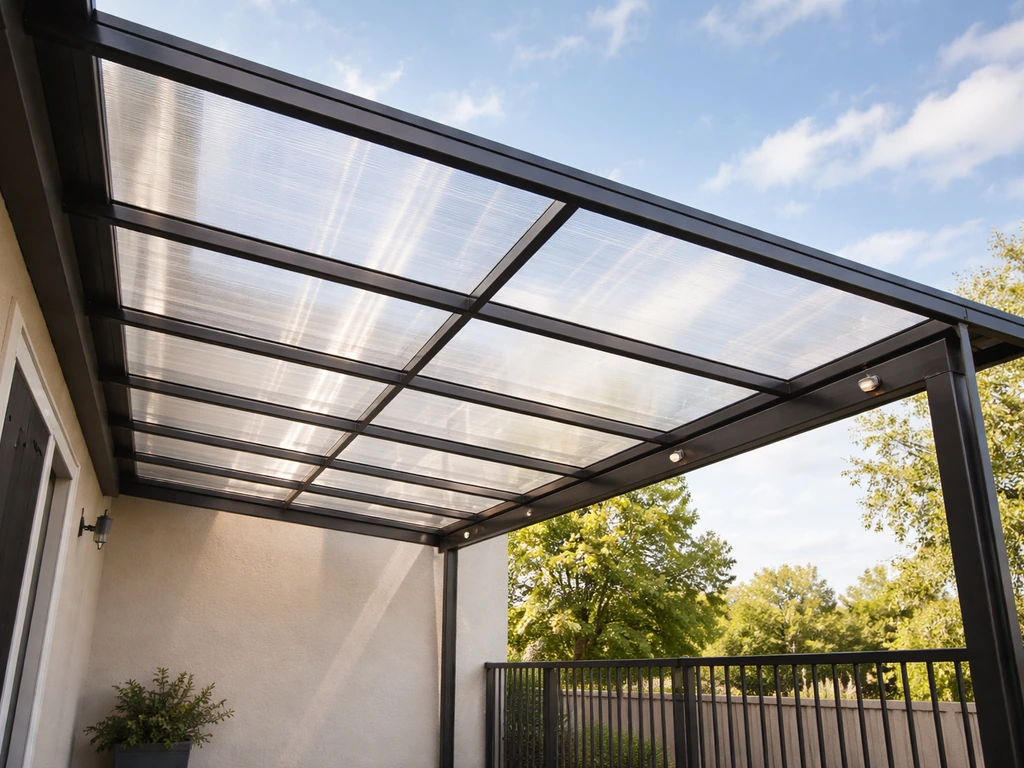
Real polycarbonate patio cover reviews: types, performance in sun heat rain wind, pros cons, and best picks for your cli
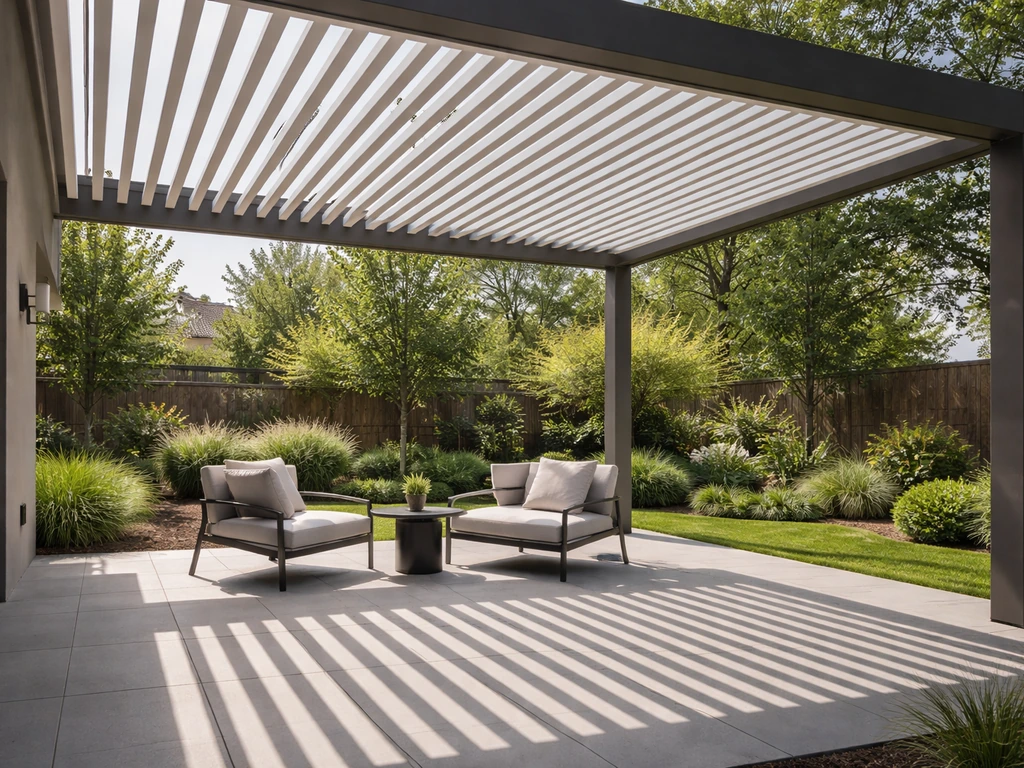
Reviews guide to louvered patio covers, comparing materials, drainage, wind, sealing, heat control, noise, and costs.
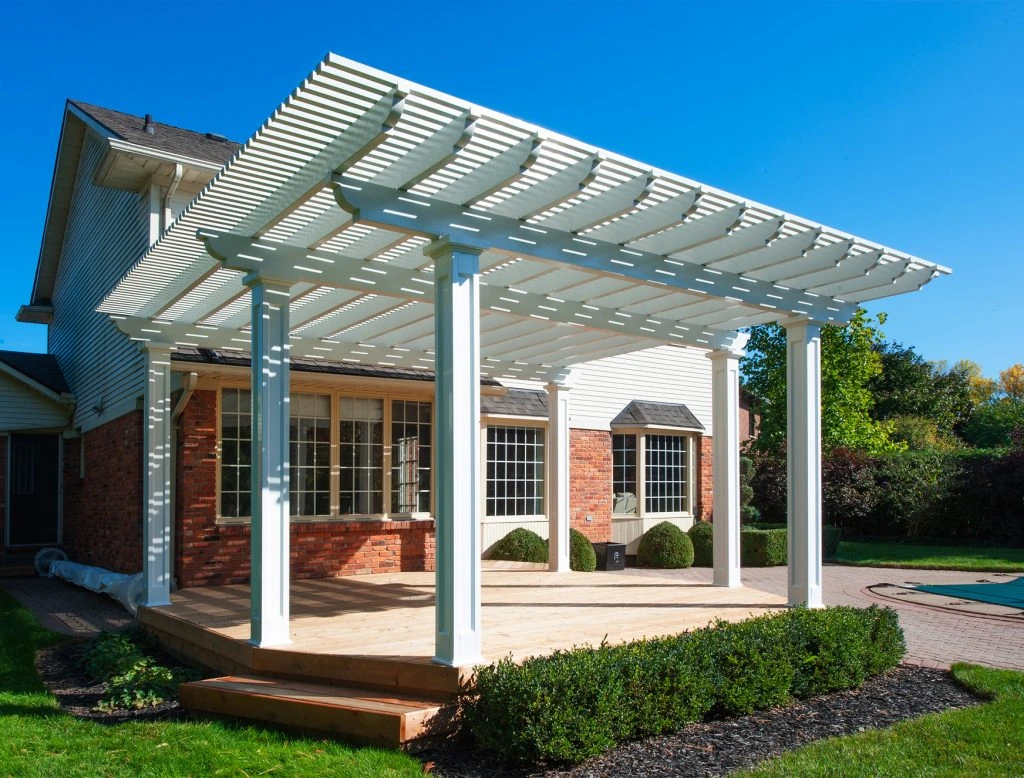
Four Seasons patio cover reviews guide: what to check on build, materials, weather performance, warranty, and fit.