
Right now, the best patio gazebos for most homeowners fall into three clear camps: a budget steel-frame canopy like the ABCCANOPY for basic shade, a mid-range aluminum hardtop from brands like Sojag or JolyDale (Wayfair) for year-round use, and a wood-frame option like Yardistry if you want permanent structure and don't mind a serious weekend assembly project. Which one actually fits your patio depends on your local weather, how much slab or deck you're working with, and how much you want to wrestle with anchor hardware. Here's what the current reviews, manuals, and real owner experience tell you about each.
Best Patio Gazebo Reviews: Buyer Guide and Top Picks
Lark Perry
20 Jun 2026
What to actually look for before you buy
Most people start with size and end up regretting they didn't think harder about weather. Here are the specs that actually matter and why they move the needle on satisfaction.
Size and clearance
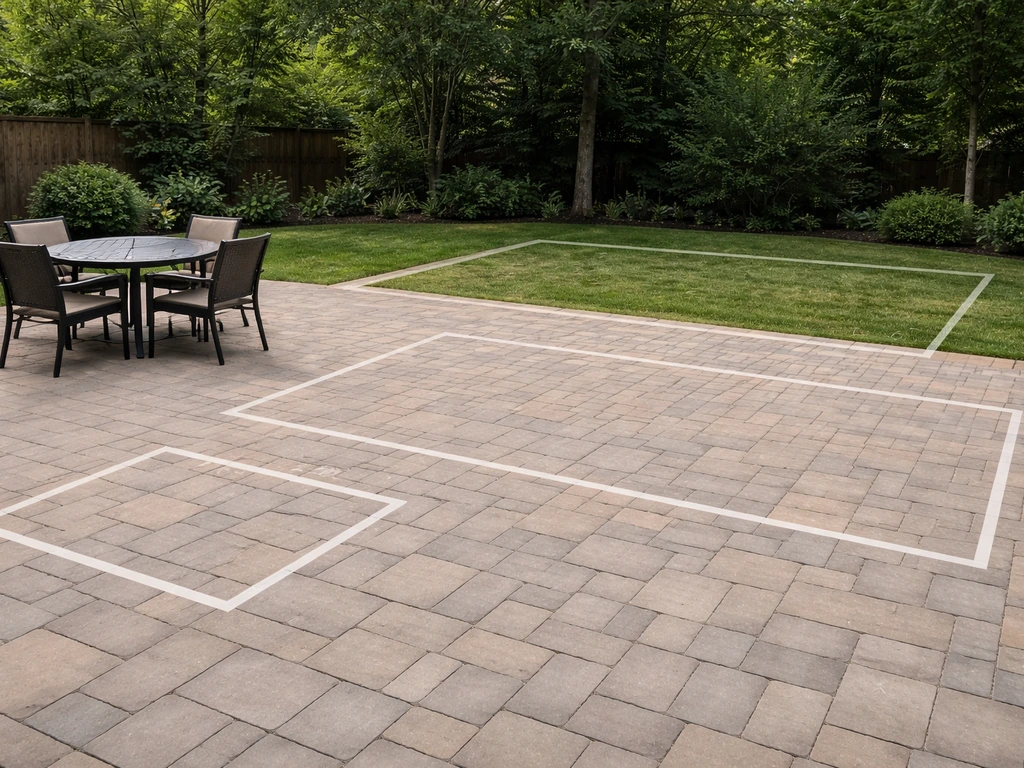
A 10x10 ft footprint is the sweet spot for a small to medium patio and fits a standard four-person dining set with room to pull chairs out. A 10x12 or 10x14 (like the Sojag Ventura II or Yardistry Grand) works better if you're covering a lounge area or a larger table. Measure your usable patio space, then subtract at least 18 inches on each side where the legs will sit. That keeps you from fighting leg placement on a tight concrete slab. Also check the peak height, most quality hardtops run 8.5 to 10 feet at the ridge, which matters if you have tall patio heaters or ceiling fans planned.
Weather protection: rain and wind ratings
Pay close attention to the difference between water-repellant and waterproof. Home Depot's own care documentation calls this out directly: a fabric canopy that markets itself as water-repellant is not waterproof, and in a sustained downpour it will eventually seep through, especially at the seams. A polycarbonate or galvanized steel hardtop is genuinely waterproof by design. For wind, the frame material and post diameter matter more than the marketing copy. Heavier-gauge posts and triangular or braced post geometry (like what ABCCANOPY uses on their hardtop line) resist lateral flex significantly better than thin square tubing.
Ventilation
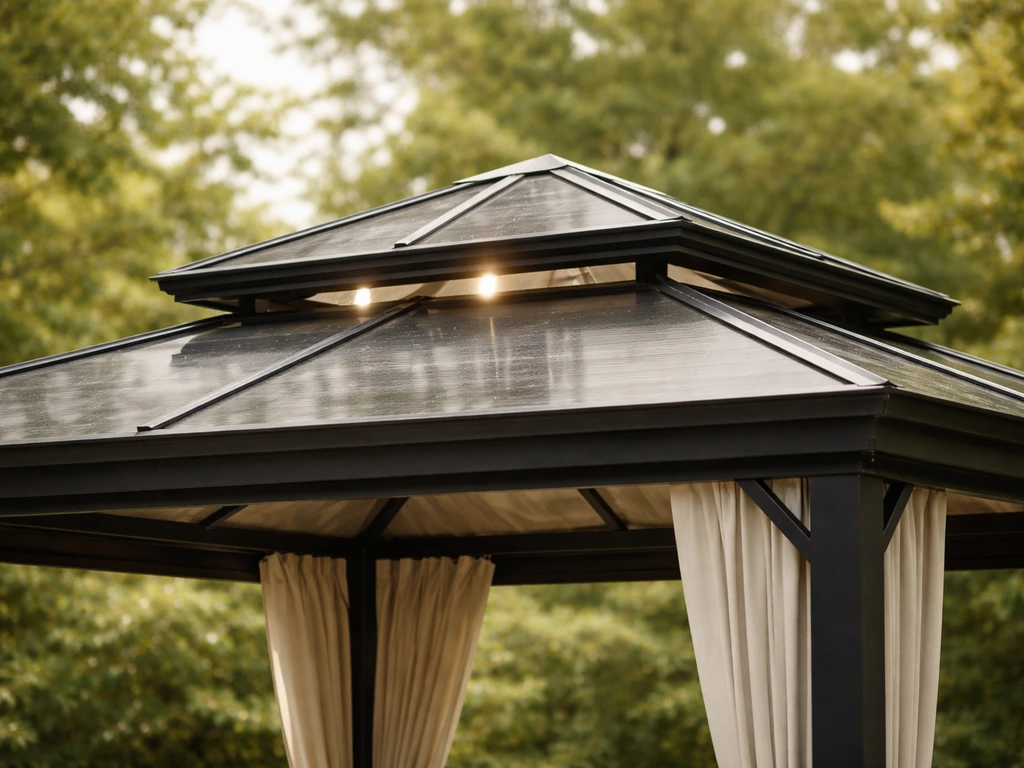
A double-roof design is more than a style choice. The gap between the inner and outer roof panels lets hot air escape and dramatically reduces the greenhouse effect that makes single-roof gazebos miserable in July. Sojag builds this into most of their line (the Genova II and Sanibel both reference it in their manuals), and several Wayfair aluminum hardtops, including the Domi louvered model, include wind vents as a listed feature. A Manuals+ copy of the Sojag Sanibel manual notes that the double-roof design promotes increased air circulation, which the manual frames as part of longevity and maintenance Sojag builds this into most of their line. If you're in a hot climate or you plan to actually sit under the thing in summer, a double-roof or louvered design should be on your shortlist.
Best patio gazebo picks by use case
These recommendations are based on what's consistently showing up in 2026 review roundups, owner feedback, and real-world performance data, not just spec sheets.
Best budget pick: ABCCANOPY steel-frame canopy gazebo
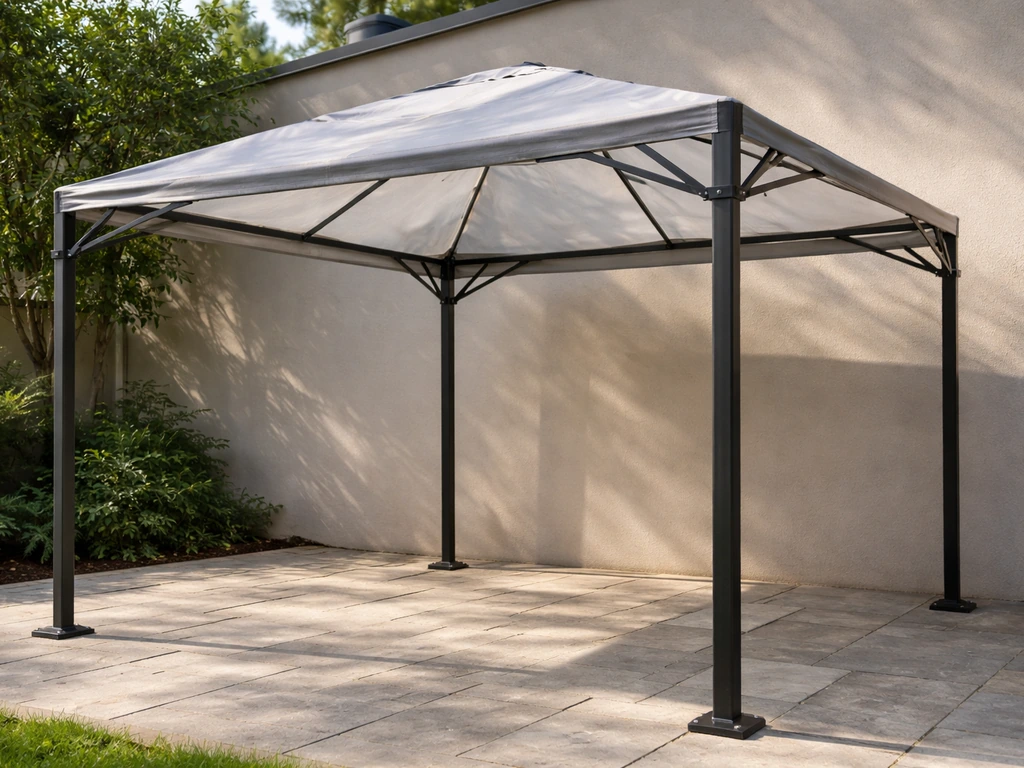
BestReviews' June 2026 update calls ABCCANOPY the best bang for the buck, and that reputation holds. If you're hunting for the best deals on patio gazebos, timing and retailer promotions can matter as much as the model you choose. You're getting a steel frame with a polyester canopy at a price point well under the aluminum hardtop category. It assembles faster than anything else on this list (often under two hours), and it works well as a seasonal shade solution. The honest limitation: the polyester canopy is water-repellant, not waterproof, and SUNJOY's own documentation (which applies to similar-style canopy gazebos generally) recommends removing the fabric during high winds, heavy rain, and snow. Treat it as a spring-through-fall shade structure, not an all-season room.
Best mid-range all-season pick: Sojag or JolyDale aluminum hardtop
If you want something you don't have to take down every time a storm rolls in, an aluminum hardtop with polycarbonate roof panels is the right move. The Sojag Genova II (available in 12x14) and the JolyDale double-roof aluminum hardtop on Wayfair are both strong performers here. The polycarbonate panels shed rain well and one owner report on a 10x10 polycarbonate hardtop specifically noted no pooling on the roof. The double-roof design adds ventilation, which Sojag's manuals explicitly tie to condensation management and longer lifespan. These run roughly $800 to $1,500 depending on size and retailer, and they earn that premium by being genuinely low-maintenance once installed.
Best large-coverage pick: Yardistry 12x14 wood-frame gazebo
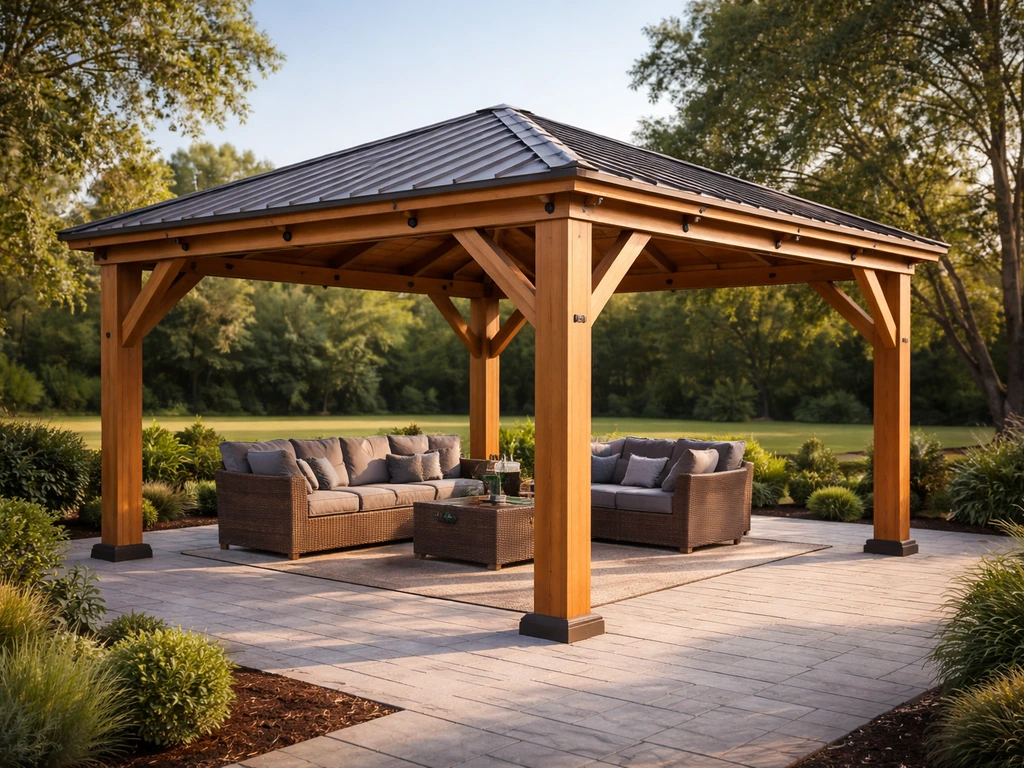
Yardistry comes up constantly in owner discussions when people want a gazebo that looks like it belongs in the yard rather than a rental patio. The cedar construction gives it a warmth that aluminum and steel can't match. The tradeoff is real though: assembly time is a legitimate pain point. Handyman guides and Reddit threads from Costco buyers consistently flag confusing instructions and multi-day builds. If you have a helper and a free weekend, it's manageable. If you're a solo builder expecting a Saturday afternoon, reset those expectations. Once it's up, it's solid and the wood actually benefits from being treated and stained on your schedule.
Best for high wind and heavy rain: ABCCANOPY hardtop or louvered aluminum hardtop
For patios that regularly see gusts above 20 mph or heavy seasonal storms, skip the fabric canopy entirely and go straight to a hardtop with a robust anchoring system. ABCCANOPY's hardtop designs use triangular aluminum post geometry and galvanized steel roofing, which are specifically engineered for larger footprints under wind load. The Domi louvered aluminum hardtop on Wayfair lists wind vents and polycarbonate panels as features, which reduces pressure buildup across the roof surface. Either of these, properly anchored (more on that below), is a genuinely all-weather structure rather than a fair-weather one.
Material and build quality: what the frame is made of matters a lot
| Frame Material | Best For | Weather Resistance | Maintenance | Typical Price Range |
|---|---|---|---|---|
| Steel (powder-coated) | Budget builds, seasonal use | Good with rust-inhibiting paint; watch for chips | Annual touch-up on chips; remove canopy in storms | $150–$500 |
| Aluminum | Year-round permanent installs | Excellent; won't rust | Low; rinse periodically | $600–$2,000+ |
| Wood (cedar/pressure-treated) | Permanent, aesthetic installs | Good if sealed; needs seasonal treatment | Annual sealing/staining required | $1,000–$3,500+ |
| Fabric/polyester canopy | Shade-only seasonal use | Water-repellant, not waterproof | Remove in storms; clean mildew regularly | $100–$400 (canopy replacement) |
Steel frames are treated with rust-inhibiting paint from the factory (SUNJOY's documentation confirms this), but that protection only lasts as long as the coating. Once the paint chips at a bolt hole or weld point, rust follows fast. Aluminum doesn't have this problem at all, which is why it dominates the mid-to-premium hardtop market. Wood is its own category: it looks great, ages gracefully if you maintain it, and rots if you don't. Cedar is naturally more rot-resistant than pine, but you still need to seal it every year or two depending on your climate.
Stability and anchoring: this is where most people get it wrong
An unanchored gazebo is a liability in any wind above 15 mph. I've seen people set up a perfectly good steel-frame unit on a deck, clip the leg covers over, and call it done. Then a summer thunderstorm comes through and the whole thing ends up in the neighbor's yard. Anchoring is not optional. What anchoring looks like depends entirely on your surface.
Concrete slab (the easiest surface to anchor)
This is the ideal base. Home Depot's installation documentation recommends a 4-inch thick concrete slab as the foundation, and both SUNJOY and Yardistry manuals direct you to anchor the legs permanently into concrete. SUNJOY’s hardtop installation PDF also instructs owners to anchor the gazebo legs permanently into a concrete slab or platform for proper placement and stability anchor the legs permanently into concrete. Use concrete anchor bolts rated for the weight and footprint of your specific model. Drill into the slab at each corner leg, set the anchor bolts, and torque them to spec. Done right, this setup resists serious wind loads. SUNJOY's hardtop installation PDF also flags that local permit requirements may apply for permanent structures, worth checking before you pour or drill.
Wood deck anchoring
Deck anchoring is straightforward with the right lag bolts or post anchors, but you need to hit a joist or beam, not just the deck surface boards. SUNJOY's installation documentation specifically calls out using surface-appropriate anchors for wood decks. Use a stud finder or check your deck's joist layout before drilling. For a heavier hardtop, adding a wood block beneath each leg spreads the load and gives you more surface area to anchor into.
Pavers and interlock: the tricky one
This comes up constantly in forums and it's genuinely more complicated. Pavers are not a fixed slab, so standard anchor bolts don't give you the uplift resistance you need in wind. The approaches that actually work: drill through the pavers and into a concrete base beneath them, or pour small concrete footings at each corner location and anchor into those. Reddit threads on this specific problem repeatedly land on the same conclusion, anchor into something solid below the paver surface, not the pavers themselves. Pier blocks set in gravel can work for lighter canvas-canopy gazebos, but for any hardtop structure, go concrete.
Grass and soil
Ground stakes or auger-style anchors work for soft ground, and most fabric canopy gazebos include them. The problem is that ground stakes in soft or wet soil can pull out in strong sustained wind. Add weight bags to each leg in addition to stakes for any setup on grass. Canvas canopy roundup reviews specifically noted that setups survived 20-mph gusts better when leg weighting was part of the install. For a permanent structure, grass isn't a suitable base. Pour a slab.
Wind direction and placement
One thing that doesn't get enough attention: where the wind is coming from relative to your gazebo's open sides matters even if your house partially shields the space. A Reddit discussion on wind survival specifically noted that winds blowing toward the gazebo from an exposed angle still create significant uplift risk even with partial house coverage. Check your prevailing wind direction before finalizing placement and, if possible, orient the closed or most solid face of the gazebo into the prevailing wind.
Rooftop and coverage features worth paying attention to
Single canopy vs. double roof vs. louvered
A single polyester canopy is the entry point. It's lightweight, easy to replace, and provides good shade on a clear day. Under actual rain, you'll eventually get seepage at the seams. Brushing on a seam sealant and following up with a waterproofing spray helps, but it's a recurring maintenance task. A double-roof hardtop with polycarbonate panels (Sojag, JolyDale, ABCCANOPY hardtop) is genuinely waterproof from the panels themselves, with the lower gap providing airflow. A louvered aluminum roof like the Domi model is the premium option: you can angle the louvers to control light, airflow, and rain runoff dynamically. Louvers are great but add cost and mechanical complexity.
Rain runoff and pooling
Pooling is a real problem. The ECAnopy manual flat-out instructs owners not to let rain pool on the canopy top, because pooling accelerates fabric breakdown and adds dangerous weight. A polycarbonate double-roof handles this better by design as long as it's installed level with proper pitch. One polycarbonate hardtop owner reported clean drainage with no pooling. The risk with polycarbonate is around the fastener points: moisture can work in around screws over time, especially in freeze-thaw climates. Use appropriate sealant at all fastener locations during assembly.
UV and mold resistance
Most fabric canopies on the market now include UV-resistant coating, but that coating fades over three to five seasons with regular sun exposure. Polycarbonate panels are inherently UV-stable for much longer. On the mold side, Home Depot's maintenance documentation makes an important point: mildew grows on surfaces that are dirty first, meaning the best mold prevention is regular cleaning, not just the canopy's marketing claims about mold resistance.
Assembly and maintenance: what you're actually signing up for
Assembly time by type
- Fabric canopy pop-up or quick-frame gazebo: 1 to 2 hours, typically one person, no power tools needed
- Steel-frame canopy gazebo (like ABCCANOPY): 2 to 4 hours with a helper, basic hand tools
- Aluminum hardtop (Sojag, JolyDale, ABCCANOPY hardtop): 4 to 8 hours with two people; a drill driver is highly recommended
- Wood-frame gazebo (Yardistry): 1 to 2 full days minimum with two people; follow the manual exactly and leave fasteners slightly loose until each section is aligned
The Reddit tip from a DIY hardtop builder is genuinely useful: leave bolts and fasteners slightly loose until all roof sections are in position and aligned. Tightening as you go sounds logical but it actually fights you later when panels don't line up. Assemble the skeleton first, confirm everything sits square, then torque everything down in sequence.
Cleaning and seasonal care
For fabric canopies, brush off debris regularly (leaves sitting on wet fabric are the main mildew trigger), and clean with mild soap and water at the start and end of each season. Never use a pressure washer directly on the canopy fabric as it strips the water-resistant coating faster than UV exposure does. For aluminum and steel frames, a rinse and wipe-down twice a season is usually sufficient. On steel frames, inspect all welds and bolt holes at least once a year for paint chips or surface rust, and hit any bare metal spots with a rust-inhibiting spray paint before they become a structural issue. Wood frames need annual inspection for cracking or checking in the wood, and a fresh coat of sealer or stain every one to two years depending on your climate.
Storm protocol for soft-top canopies
If you have a fabric canopy, take it down before a major storm. SUNJOY's official documentation says it clearly: remove the canopy during high winds, heavy rain, and snow. This isn't a maybe. A fabric canopy under high wind becomes a sail, and the force on the frame can bend posts or pull anchors. Hardtop polycarbonate and steel-roof units don't need this seasonal dance, which is a real quality-of-life difference if you live somewhere with unpredictable weather.
How to match a gazebo to your exact patio layout
Use this checklist before you add anything to a cart. It takes ten minutes and saves you from a return shipping nightmare.
- Measure your usable patio area: length and width of the space you want covered, from edge to edge of your slab, deck, or paved area.
- Subtract 18 to 24 inches on each side for leg placement clearance so posts don't hang over edges or create tripping hazards.
- Check your anchor surface: concrete slab, wood deck, pavers, or grass. This determines which anchoring hardware you need and whether a permanent hardtop is even feasible on your current surface.
- Note your local weather: average wind speeds, whether you get snow load, and whether you're in a high-UV climate. Match these to canopy type (hardtop for wind and snow, double-roof for heat management).
- Decide on your permanence preference: if you want to reconfigure or move the structure, stick with a freestanding aluminum frame. If it's a forever installation, wood or anchored steel hardtop makes more sense.
- Measure peak clearance: check that your chosen model's peak height clears any existing structures, overhead utility lines, or HOA height restrictions (many capped at 10 to 12 feet for accessory structures).
- Confirm your assembly resources: do you have a second person available? Power tools? If not, factor in rental or help costs before buying a wood-frame or large hardtop model.
- Check local permit requirements before purchasing any permanently anchored structure, especially on a concrete slab. Some municipalities require a permit for any structure over a certain square footage.
Once you've run through that checklist, your options narrow fast. Most people end up in one of two clear buckets: a fabric-canopy steel-frame unit for seasonal, low-commitment shade, or an aluminum hardtop with polycarbonate panels for a proper outdoor room that holds up to real weather. The wood option is for people who've already decided they want a permanent architectural feature in the yard and are ready for the project that comes with it. If you're still on the fence about pop-up or quick-setup options as an alternative, those fit a completely different use case and are worth looking at separately as a comparison. If you want the best pop up gazebo for patio use, focus on sturdy frame materials, fast setup, and a reliable anchoring method for wind pop-up or quick-setup options.
FAQ
Are patio gazebos safe to leave outside during winter and freezing rain?
Yes, but only in the sense that you can use a hardtop year-round if you anchor it correctly and choose materials that tolerate freezing. Polycarbonate and galvanized or aluminum frames handle cold-weather better than fabric canopies, but you still need to check fastener seals after winter. If you live where snow loads happen, confirm the roof pitch and whether the manufacturer expects you to remove snow, because heavy accumulation can stress joints even on waterproof roofs.
How can I tell whether a gazebo is truly covered for wind damage (not just water)?
Look for the warranty terms that specify wind or structural coverage, not just “waterproof” claims. For example, even a waterproof polycarbonate roof can be excluded for “installation not per manual,” and anchoring mistakes are a common warranty denial reason. If wind ratings are missing, treat the unit as unverified for severe storms and prioritize models that explicitly list wind vents, bracing, and anchoring requirements.
What’s the safest anchoring option if I only have pavers (no slab)?
For concrete, use anchor bolts rated for the load and the gazebo’s footprint, and set them with correct torque. For pavers, don’t rely on anchoring into the paver surface alone, because uplift can shear the pavers. A practical upgrade is adding small concrete footings under each corner location (or drilling through to a concrete base beneath) so anchors have something solid below.
When measuring my patio, how do I avoid buying the wrong size even if the footprint seems right?
Measure for door clearance at the “usable interior” level, not just the roof footprint. Legs and post geometry can reduce circulation space, so plan for how chairs, a grill cart, or a patio heater will be positioned relative to each post. A quick test is to place painter’s tape in your intended footprint and simulate chair pull-out paths, then confirm you still have room to walk between posts on rainy days when items are wider.
Can I mount a ceiling fan or hanging heater under a hardtop gazebo?
If you want to use a ceiling fan or overhead heater, confirm the ridge height and the roof construction type, then verify you have a safe mounting plan. Many gazebo roofs are not designed for hanging loads, and adding mounts can create leak points at fasteners. Instead, consider free-standing heaters or fans designed for outdoor-rated structures, or ask the manufacturer whether overhead accessories are supported.
Will a polycarbonate hardtop be louder in rain than a fabric canopy?
Yes, you can reduce noise, but it’s case-specific. During heavy rain, polycarbonate can transmit more sound than fabric, so adding an insulating underlay where allowed by the manual (or using targeted outdoor speaker dampening) can help. Also check whether your model has a double-roof gap, because the air space can reduce resonance compared with a single roof panel.
How often should I inspect and recoat a steel-frame gazebo to prevent rust?
Most “rust-proof” steel still needs inspection because corrosion starts at chips, cut edges, or bolt holes. Plan on checking weld points and fasteners at least once early in the first year, then annually after that, especially if you’re near coastal air. If you see blistering paint, address it quickly with a rust-inhibiting touch-up to prevent hidden corrosion.
Can I replace the canopy fabric later with a third-party cover?
Don’t assume you can just swap fabric tops across brands, because rail spacing, attachment styles, and replacement parts differ. Many canopies are “compatible only within the model line,” and generic replacement fabric often fits poorly and changes water drainage. If you want future flexibility, confirm replacement canopy availability and attachment method (straps, clips, or sleeve channels) before buying.
What maintenance matters most for polycarbonate hardtops in cold climates?
In freeze-thaw climates, watch for loosening at screw and fastener points and potential moisture intrusion around penetrations. Even if the panels shed water well, freeze-thaw can widen tiny gaps, which is why sealant at fastener locations matters. After your first winter, inspect for any wet spots, bubbling around penetrations, or panel shift, then reseal only the affected areas if needed.
How do I choose placement on my patio if wind direction changes throughout the year?
If your patio is exposed to prevailing wind, orient the gazebo so the more closed or braced side faces the wind, and keep clear of obstacles that create turbulence at roof height. Also avoid setting it too close to tall fences or trees that can create gust “funnels.” Before purchase, check local prevailing wind direction and seasonality, then verify you can still anchor every leg properly in that location.
Next Articles
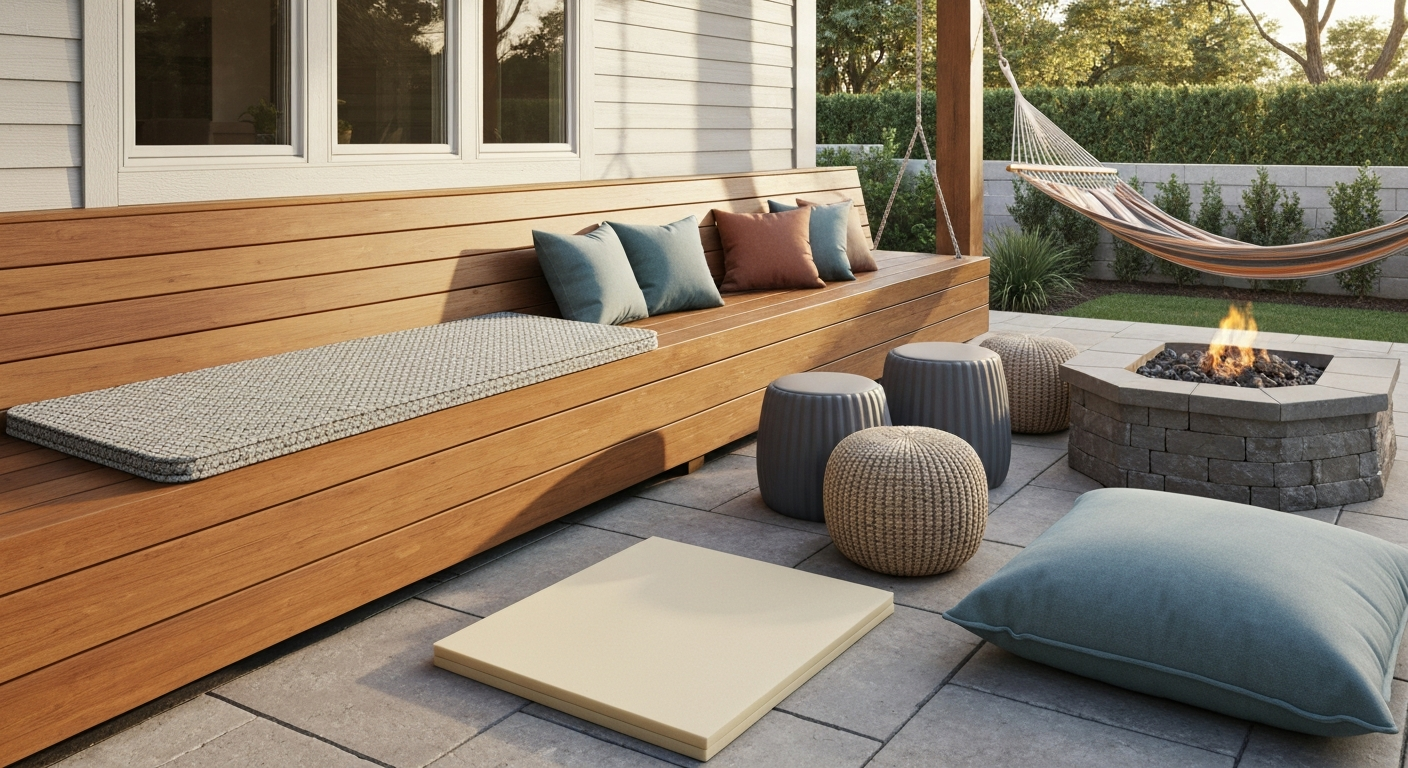
Alternative to Patio Cushions: Durable, Stylish Options and DIY
Alternative to patio cushions: durable, weatherproof seating options, pros, DIY tips & buying guide.
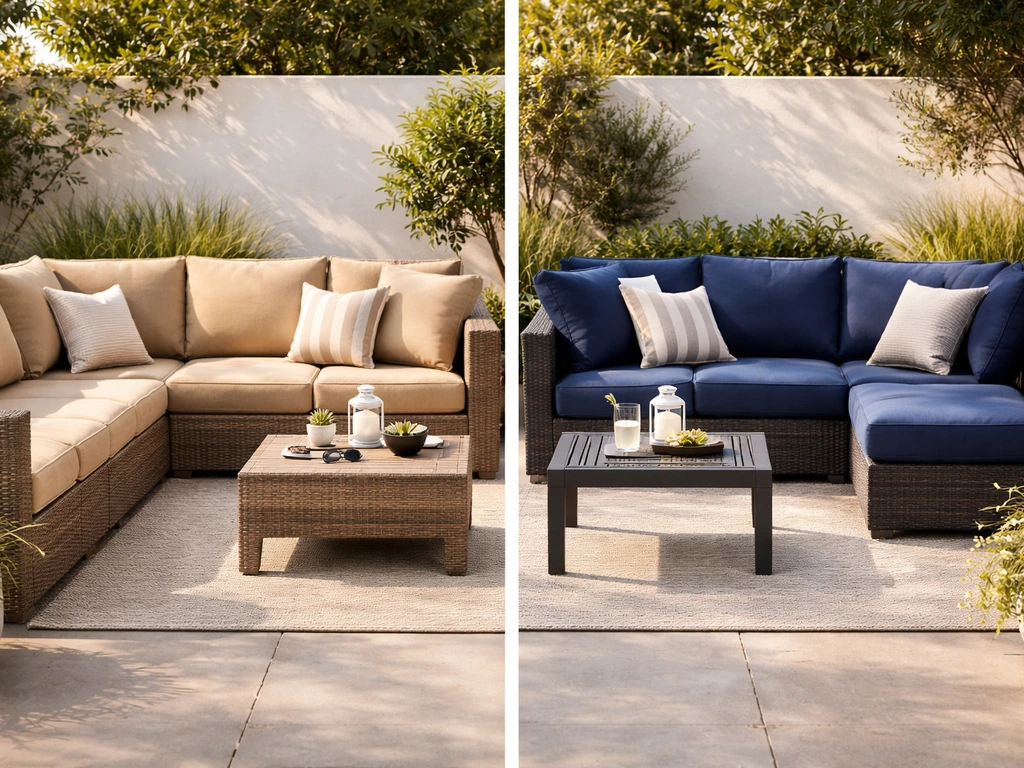
Best Color for Outdoor Patio Cushions in 2026
Choose the best cushion color for sun, heat, and fading in 2026, with pairing tips for patio furniture and durability.
Top Rated Patio Cushions: How to Choose Fast and Right
Step-by-step guide to choose top rated patio cushions by fit, materials, weather durability, and easy cleaning for your