
The best deal on a patio gazebo is not the lowest price you can find, it is the lowest total cost for a structure that actually fits your space, survives your weather, and comes from a retailer who will make things right if there is a problem. That usually means spending somewhere between $300 and $800 for a solid mid-range frame gazebo, knowing exactly what accessories you still need to buy, and timing your purchase around late-summer clearance or early-spring sales when retailers are moving inventory.
Best Deals on Patio Gazebos: How to Buy Smart Today

Lark Perry
2 Jul 2026
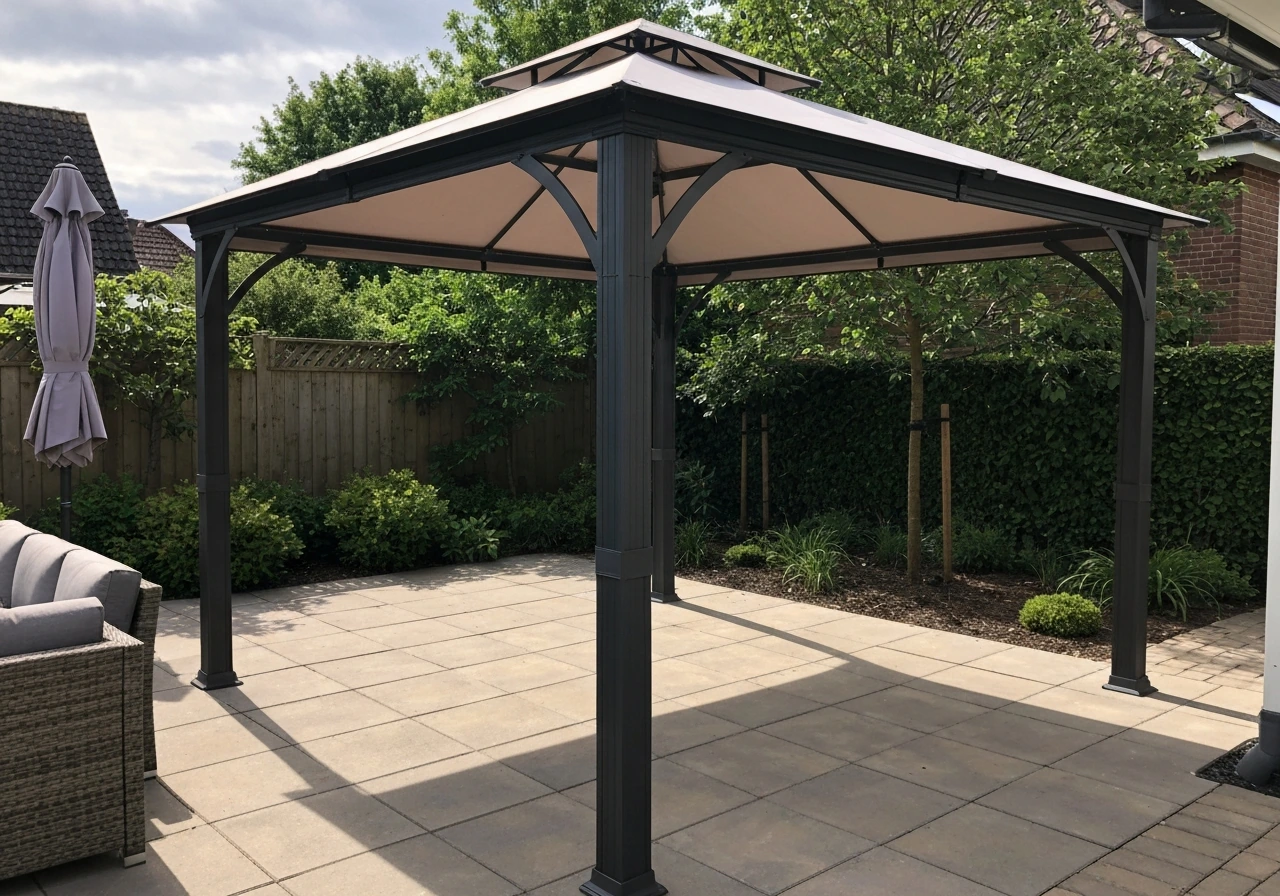
What 'best deal' actually means for a gazebo
Most people search for the cheapest gazebo and end up buying twice. A deal is only a deal if the gazebo does the job you need it to do for at least a few seasons without falling apart. So before you compare prices, get clear on three things: your budget ceiling, your patio dimensions, and how long you need it to last.
Your budget ceiling is not just the purchase price. Factor in a canopy anchor kit (roughly $20 to $50), any side curtains or privacy panels ($40 to $120), a replacement canopy in year two or three if you buy a soft-top ($60 to $150), and assembly time if you plan to hire someone. A $200 gazebo that needs $180 in extras and a $100 replacement canopy in 18 months is not cheaper than a $450 model that ships complete and lasts five years.
Your patio dimensions set a hard boundary. Measure the usable square footage, mark clearances from the house and any fencing, and then note your ceiling height if you are working under a covered deck or pergola. Most gazebos need at least 2 feet of clearance on all sides for proper anchoring and airflow. If you are working with a 10x10 patio, a 12x12 gazebo is not actually an option.
Durability goals come down to how you use the patio and where you live. A pop-up canopy gazebo is fine for occasional weekend use in a mild climate. If you want a permanent outdoor room that handles UV, rain, and occasional wind, you need a hard-top or heavy-duty soft-top frame gazebo with steel or aluminum construction. Knowing which category you actually need is the first step to avoiding a bad deal.
Gazebo types and what price ranges really signal
There are three main gazebo categories you will encounter when shopping, and the price tiers within each category tell you something real about build quality. Here is how to read them.
Pop-up and canopy-style gazebos
These are the portable, collapsible shade structures you see at farmers markets and backyard parties. They are fast to set up, easy to store, and genuinely useful for events. Under $100 you are getting thin steel or fiberglass poles, a polyester canopy rated for maybe one season, and minimal wind resistance. In the $150 to $300 range the frame gets heavier, the canopy fabric reaches 150D to 300D polyester with UV coating, and you get proper weight bag or stake anchoring systems. Above $300 in this category, you are usually paying for branded event-grade frames with reinforced corners. For permanent patio use, these are not the right tool. For dedicated pop-up gazebo guidance, there is more detail in a comparison of the best pop-up gazebos for patios. If you want a quick shortlist, use this guide to compare the best pop up gazebo for patio use by size, materials, and wind stability.
Soft-top frame gazebos
This is the most popular category for backyard patios. You get a steel or powder-coated aluminum frame with a fabric canopy, often with optional curtains and netting. Under $200 means thin-gauge steel, basic polyester canopies, and hardware that will rust in one or two seasons. The $250 to $500 range is where things start making sense: thicker steel frames, canopies rated at 180D to 300D with UV30 to UV50+ protection, and pre-drilled base plates for anchoring. Above $500, you start seeing heavier gauge aluminum, double-vented canopy tops for wind resistance, and more complete accessory packages. A double-vented canopy is worth paying for if you live anywhere with afternoon thunderstorms, because a single flat canopy in a wind gust becomes a sail.
Hard-top gazebos
Hard-top models use aluminum, steel, or polycarbonate roofing panels instead of fabric. They are heavier, harder to assemble, more permanent, and significantly more durable. The entry point is around $500 to $700 for basic galvanized steel or powder-coated aluminum frames with polycarbonate panels. The $800 to $1,500 range gets you fully waterproof metal roofing, proper drainage channels, thicker frame profiles, and netting or curtain packages included. Above $1,500 you are approaching semi-permanent structures with concrete anchor requirements and professional assembly recommendations. If you want something that handles year-round weather without a canopy replacement cycle, this is the category. Hard-top steel gazebos, including the popular galvanized steel outdoor models, are built for exactly this kind of long-term, low-maintenance use.
| Type | Typical Price Range | Lifespan Expectation | Best For |
|---|---|---|---|
| Pop-up / Canopy | $80 to $300 | 1 to 3 seasons | Events, occasional use, renters |
| Soft-top Frame | $200 to $600 | 3 to 6 years | Seasonal patios, moderate climates |
| Hard-top Frame | $500 to $1,500+ | 8 to 15+ years | Permanent outdoor rooms, harsh weather |
Where real discounts come from
Gazebo discounts are not random. They follow predictable patterns, and knowing where to look saves you more than coupon-hunting ever will.
- End-of-season clearance: Late July through September is the best window for soft-top and pop-up gazebos. Retailers including Walmart, Home Depot, and Lowe's discount outdoor furniture and shade structures 20 to 50 percent to clear floor space for fall and holiday inventory.
- Early spring pre-season sales: March and April bring promotional pricing as retailers restock outdoor categories. You get the season ahead of you, prices are lower than peak summer, and selection is at its widest.
- Open-box and display models: Home Depot and Lowe's stores often sell floor display models at 20 to 40 percent off. Call ahead to ask what they have. Check that all hardware bags are present before you commit.
- Wayfair Way Day and sitewide sales: Wayfair runs structured sale events multiple times a year where gazebos regularly hit 25 to 40 percent off. Set up a wishlist and let the price-drop notifications do the work.
- Costco seasonal rotation: Costco sells gazebos in limited runs, often bundled with accessories. Prices tend to be strong relative to quality, and Costco's return policy is consistently the most generous in the category.
- Bundle deals: Some retailers offer gazebos packaged with side curtains, mosquito netting, or LED lighting at a combined price below buying components separately. These bundles are worth calculating against the individual component prices.
- Walmart Marketplace third-party sellers: Walmart's marketplace includes third-party sellers who sometimes undercut big-box prices, but check the seller's return policy separately since it may differ from Walmart's standard policy.
- Manufacturer direct promos: Some gazebo brands run email list promotions and coupon codes on their own sites. Worth checking if you have already identified a specific model.
How to compare value beyond the sticker price
Two gazebos priced at $399 can have very different total costs over three years. Here is how to actually compare them.
Start with the frame gauge and material. Steel frames should be powder-coated and at minimum 1.2mm wall thickness for anything you plan to leave up season after season. Thinner steel rusts at the welds first, and rust spreads. Aluminum costs more upfront but does not rust, weighs less, and is worth the premium in humid or coastal climates.
Canopy fabric is the highest recurring cost on a soft-top. Look for 180D polyester minimum, UV50+ rating, and water-resistant (not just water-repellent) treatment. A UV30 canopy fades and degrades in two seasons. A 300D UV50+ canopy will last four to five years in direct sun. Check whether a replacement canopy is available for that model and what it costs. If the manufacturer does not sell a replacement canopy for the model you are looking at, assume you will be buying a new gazebo in two years.
Accessories add up fast. Side curtains, privacy panels, mosquito netting, ground anchors, and sandbag weights are frequently sold separately and can add $80 to $250 to the final cost. A gazebo listed at $299 that requires $150 in accessories to be functional is a $449 gazebo. Lay out the full accessory list before you compare prices.
Warranty terms matter more than most buyers realize. A 1-year limited warranty covering manufacturing defects is the standard you will see at most retailers, and it excludes normal wear and weather damage. That is not necessarily bad, but it means you need the frame to be right from day one. Wayfair's protection plans extend coverage for up to 10 years with repair and replace workflows, which can be worth adding for a hard-top gazebo you plan to keep long-term.
Sizing, materials, and features that change the price (and how to choose)
Getting the size right
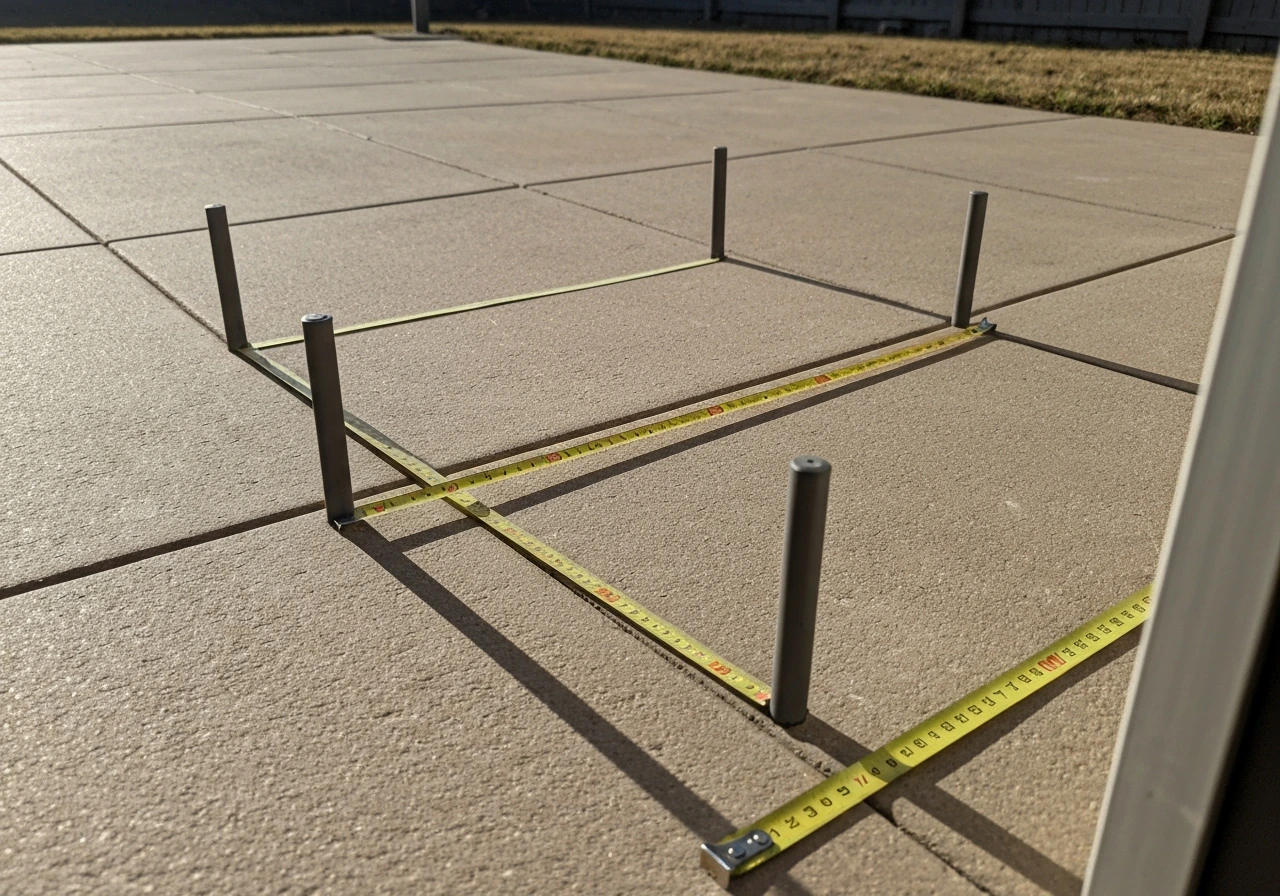
The most common gazebo sizes are 10x10, 10x12, 10x13, and 12x12 feet. A 10x10 comfortably fits a 4-person dining set with room to move around chairs. A 10x12 or 12x12 is better for a 6-person set or a lounge arrangement with a side table. Measure your patio, subtract at least 2 feet on each anchored side for clearance, and match that to the gazebo footprint. Bigger is not always better: an oversized gazebo on a small patio looks awkward, limits airflow, and can create drainage problems if the roof overhangs too far toward the house.
Frame materials
Powder-coated steel is the most common frame material in the $200 to $600 range. It is strong and relatively affordable, but it will eventually rust at joints and welds if the coating gets scratched. Aluminum frames cost 15 to 30 percent more but are rust-proof and lighter, making them easier to move and better in coastal or high-humidity climates. Wooden frames, usually cedar or pine, are visually attractive and blend naturally into landscaped patios, but they require annual sealing or staining and are less common in this price range. Soft-top beige and natural-tone gazebos, like those with steel frames and fabric canopies in neutral colors, are popular for buyers who want the look of wood without the maintenance.
Roof and canopy features
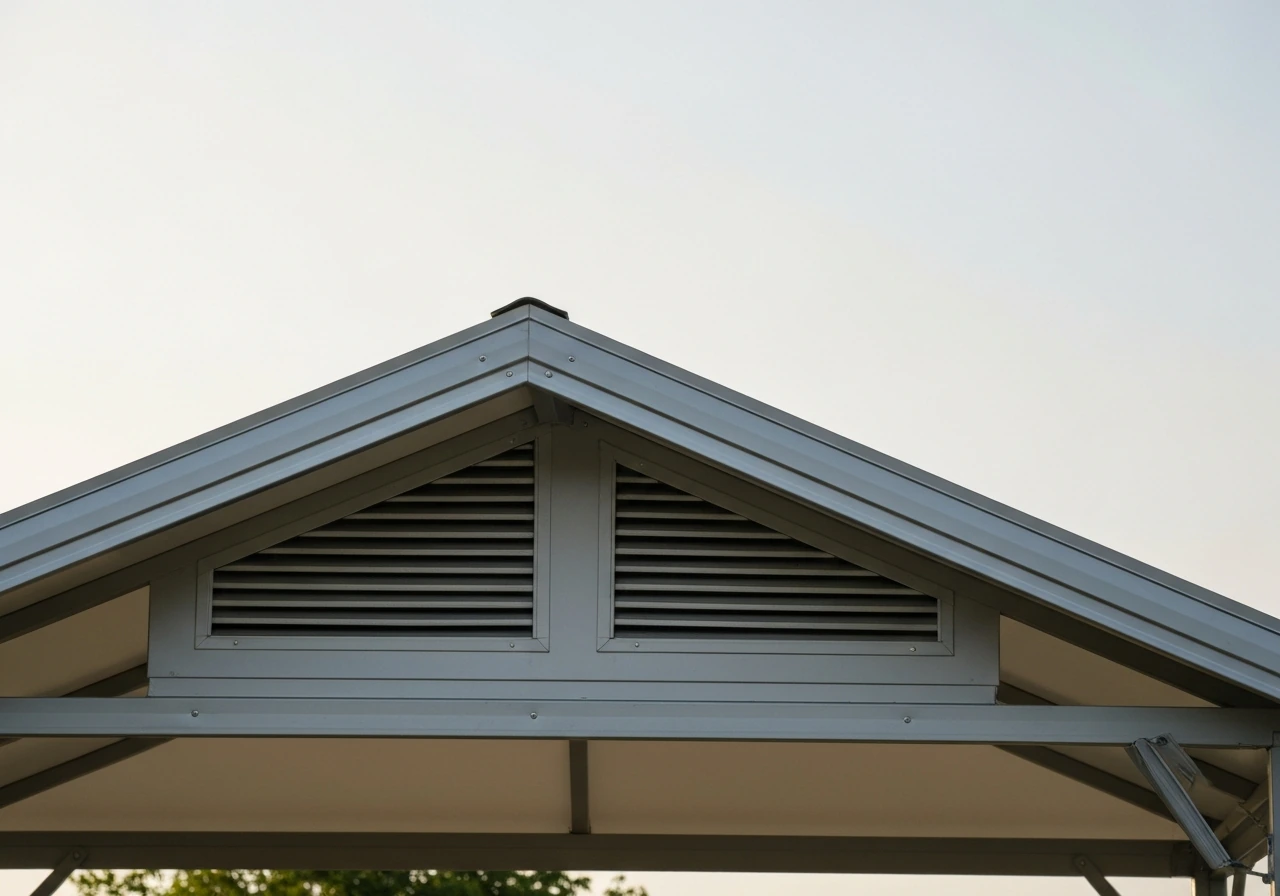
For soft-tops, a double-vented peaked roof is worth paying for. The dual vents allow wind to pass through instead of catching the canopy like a parachute, which is the number one cause of frame damage in sudden storms. For hard-tops, look for aluminum or galvanized steel roofing panels with integrated drainage channels so water runs off cleanly rather than pooling. Polycarbonate panels are lighter and cheaper than metal but can crack in hail or under heavy snow loads. If you live somewhere with real winters, galvanized steel roofing is the right call.
Features that add cost but earn their keep
- Mosquito netting panels: Useful in humid climates; worth having included in the base price rather than adding separately
- Privacy curtain tracks: Pre-drilled curtain rail channels make adding side panels much easier than clip-on systems
- Anchor plate footings: Pre-drilled base plates allow proper concrete or deck anchoring, which is critical for wind resistance
- Integrated lighting hooks or wire channels: Lets you run string lights cleanly without drilling into the frame
- Powder-coat color matching: If you have existing patio furniture in black or bronze, matching the gazebo frame avoids a mismatched look that is hard to fix later
Shipping, assembly, and return policies that can make or break a deal
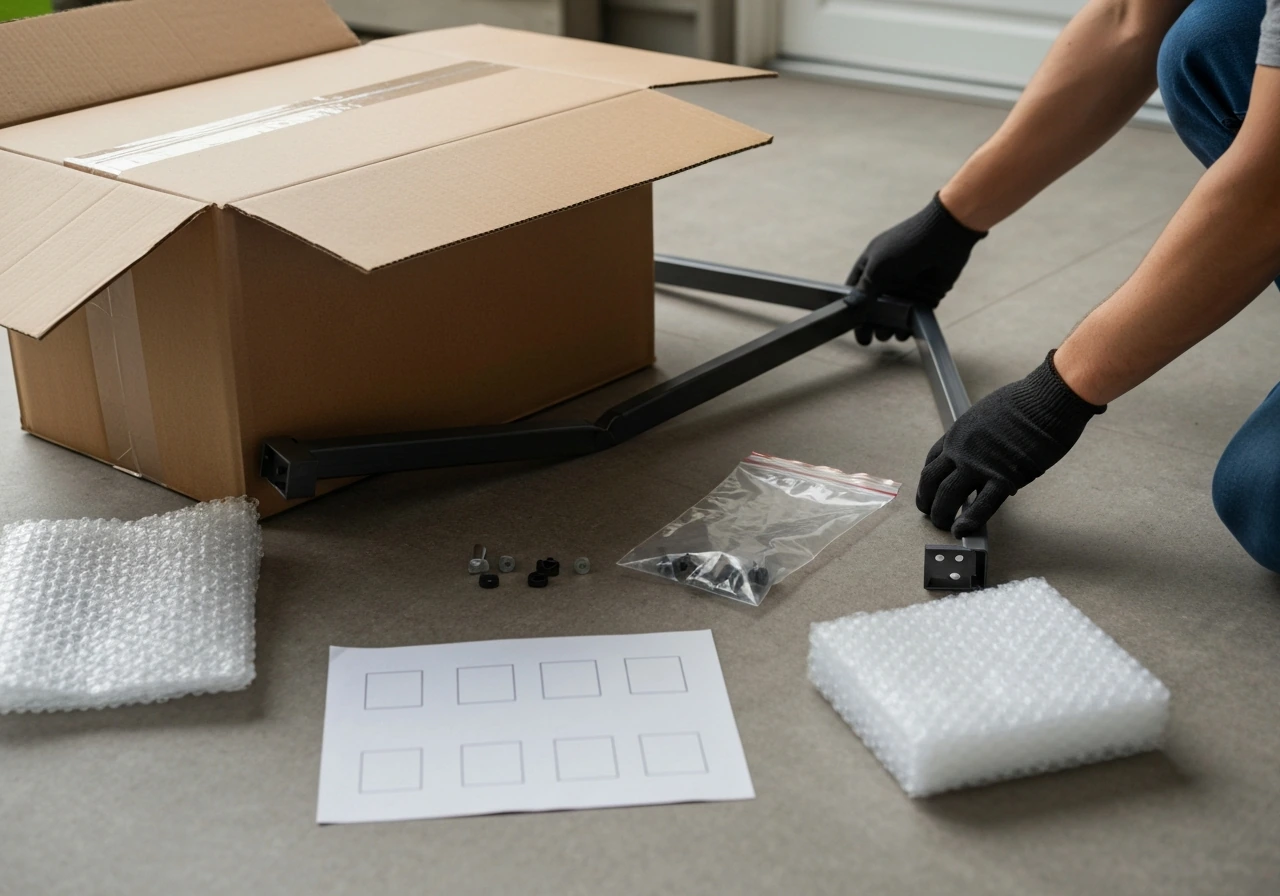
A cheap gazebo with a bad return policy is a trap. Gazebos are large, heavy, and awkward to re-pack, and if it arrives damaged or missing parts, you need a retailer who handles that without making you jump through hoops.
Shipping damage is a real risk
Gazebos ship in large, heavy boxes and are prone to frame bending, hardware bag loss, and canopy fabric damage in transit. When your order arrives, inspect the outside of the box before signing anything. If the box looks crushed or punctured, note it on the delivery receipt. Open everything before you start assembly and inventory all hardware bags against the parts list. Missing bolts are common and a replacement call on assembly day will cost you hours.
Retailer return policies compared
Wayfair accepts returns on unused items within 30 days of delivery. If something arrives damaged or defective, you can report it and start a return through their self-serve portal. Wayfair’s Help & Contact page also provides the self-serve path to start or modify returns for “Return or Replace Items.” blank" rel="noopener noreferrer">start/modify returns for “Return or Replace Items”. Wayfair also offers extended protection plans that cover repair and replacement workflows beyond the standard window. Walmart's standard return policy gives you 90 days for most items, and damaged or defective items are eligible for refund or replacement by mail or in-store. However, if the item requires assembly, Walmart requires it to be fully disassembled and re-packaged before returning, and FedEx may decline service for unpackaged assembled items. That is a meaningful caveat for a gazebo you have already started putting together. blank" rel="noopener noreferrer">Home Depot's Home Decorators Collection line offers free replacement of defective parts, which is useful for missing or broken hardware without a full return. Costco's return policy is the most generous of the major retailers, with no defined hard cutoff for most non-excluded items, which makes it the lowest-risk place to buy a higher-priced hard-top gazebo.
| Retailer | Return Window | Damaged/Defective Handling | Assembly Return Caveat |
|---|---|---|---|
| Wayfair | 30 days (unused) | Self-serve portal, report and return/replace | None specified |
| Walmart | 90 days (most items) | Refund or replacement by mail or in-store | Must disassemble and re-package fully |
| Home Depot | Per category policy | Free part replacement for defective components | Check category-specific terms |
| Lowe's | Per category policy | 1-year warranty, directed to manufacturer hotline for parts | Do not return to store for assembly/part issues |
| Costco | No fixed cutoff (exceptions apply) | Return accepted in most cases | Generally accepts with receipt |
Assembly complexity matters
Most 10x10 soft-top gazebos take two people 2 to 4 hours to assemble. Hard-top models can run 4 to 8 hours for two people and sometimes require a third set of hands for roof panel installation. If the listing says 'easy assembly' but the customer reviews mention 6-hour installs with confusing instructions, trust the reviews. If you are deciding between models, the best patio gazebo reviews can help you compare build quality and assembly experience. Look specifically for mentions of hardware quality, instruction clarity, and whether parts were pre-labeled. Poorly labeled parts are the single most common cause of assembly frustration and mistakes that compromise structural integrity.
Best time to buy and a checklist to pull the trigger
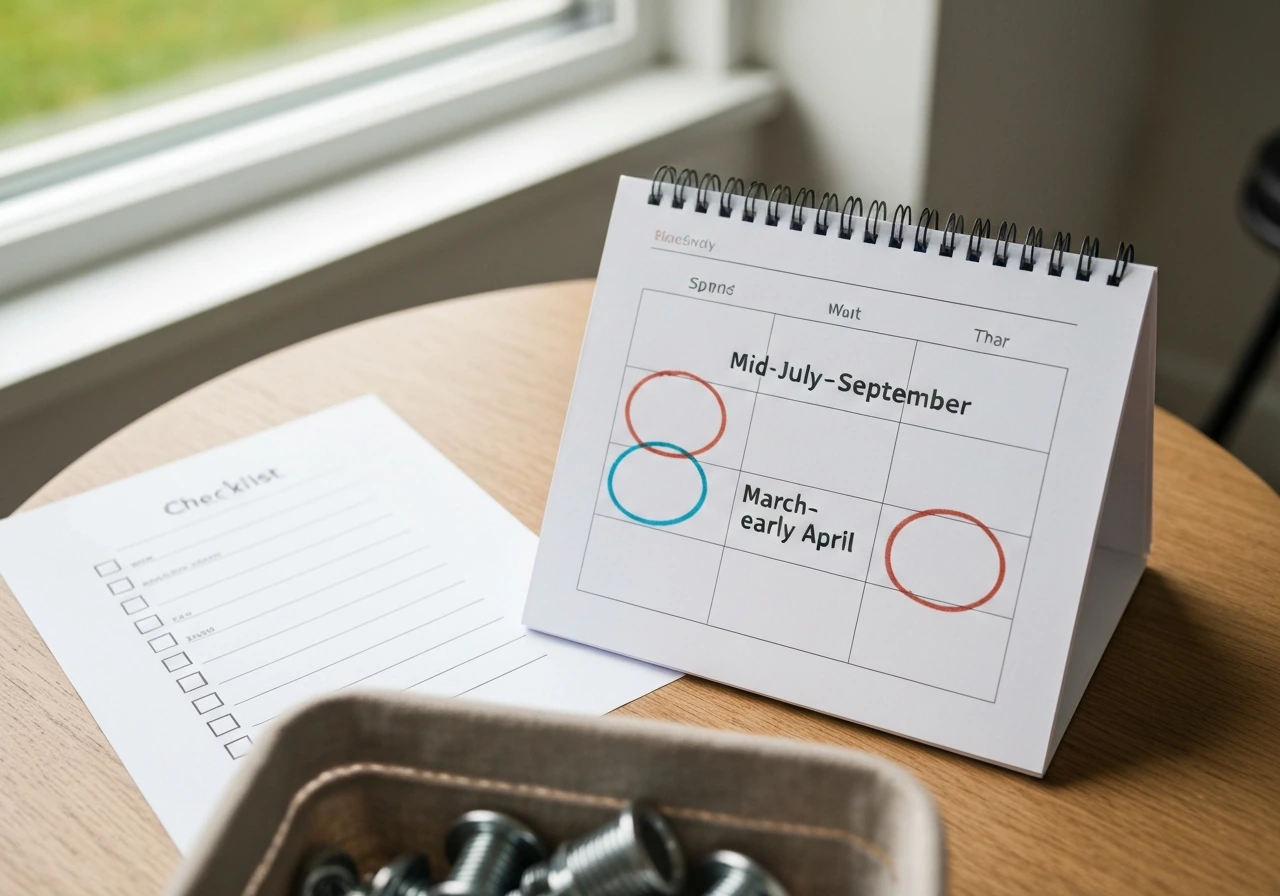
Right now, in early July, you are at the beginning of the first clearance window of the outdoor season. Retailers start discounting patio structures mid-July through August as they make room for fall inventory. If you can wait two to four weeks, you will see meaningful price drops on soft-top and pop-up models. If you need it now for a specific event or the summer season, buy now and watch for price match opportunities.
The other strong buying window is March through early April, before peak season demand pushes prices back up. If you are buying a hard-top gazebo that you want installed before summer, spring is the smart time. Late-season clearance is better for soft-tops where you are less worried about losing usable season time.
Your pre-purchase checklist
- Measure your patio footprint and subtract 2 feet per side for clearance to get your maximum gazebo size
- Decide on type: pop-up for occasional/portable use, soft-top frame for seasonal use, hard-top for permanent installation
- Set your true budget ceiling including anchoring kit, side panels, netting, and one canopy replacement cycle if buying soft-top
- Check canopy rating: minimum 180D polyester, UV50+, water-resistant for soft-tops; metal or polycarbonate panels with drainage channels for hard-tops
- Verify frame material: powder-coated steel for budget builds, aluminum for humid or coastal climates
- Confirm a double-vented roof design for any soft-top if you are in a storm-prone area
- Look up the replacement canopy price and availability for the specific model before you buy
- Read the retailer return policy and note the return window, assembly re-packing requirement, and parts replacement process
- Check whether accessories (netting, curtains, weights) are included or priced separately, and add those to your total
- Search customer reviews specifically for mentions of assembly time, missing hardware, and wind performance
- Compare the total cost (purchase plus accessories plus estimated replacement canopy) across at least two retailers before deciding
- If buying within the next few weeks, check for retailer price-match policies in case clearance discounts drop further in late July
The goal is to walk away from this purchase with a gazebo that fits your space, handles your weather, and cost you the least over a three-to-five year horizon, not just the least at checkout. That combination of correct sizing, appropriate materials, smart accessory planning, and a retailer with a workable return policy is what actually makes a deal worth celebrating.
FAQ
Can I anchor a patio gazebo to pavers or concrete if the kit seems optional?
Yes, but only if the listing clearly supports it. Some gazebos are designed for specific anchor kit types and mounting points, and “universal” straps or weights can shift under gusts. If you plan to install into concrete or pavers, confirm the frame has pre-drilled base plates or compatible bolt holes, and choose anchors rated for wind uplift.
Will a gazebo roof create water problems on my patio?
Measure before you buy, then double-check the roof overhang and downspout or drainage design. Hard-top models with roof panels that extend toward the house can create water runoff at the wrong angle, pooling near the foundation or washing mulch away. If you want to keep water off the house, look for integrated drainage channels and confirm the roof edge directs runoff away from the structure.
How do I estimate the real replacement cost for a soft-top canopy?
For soft-top canopies, plan to budget replacement after the typical UV cycle, especially if the gazebo sits in full afternoon sun. Even if the fabric looks fine, UV breakdown often starts with fading and then seam or stitching failure. If the manufacturer sells a replacement canopy for that exact model, confirm the SKU availability and cost before you treat it like a one-time purchase.
What’s the most common sizing mistake buyers make with gazebos?
Don’t use only the nominal “square footage” for fit. Compare the gazebo’s labeled footprint plus the clearance you need for anchoring and airflow, usually at least 2 feet on anchored sides. Also account for door swings from nearby exterior doors, and check whether curtains or netting can be fully opened without hitting furniture.
What should I check for wind and rain performance beyond the base price?
If the weather is your main concern, prioritize performance specs over marketing language. For soft-tops, look for a UV50+ rating and a canopy described as water-resistant, not just water-repellent, then verify the anchoring system is designed to resist uplift. For hard-tops, choose roofing that won’t pool and confirm the panel material is suitable for your typical snow or hail conditions.
Does gazebo color or roof type affect durability or comfort?
Color is not just aesthetics, it affects heat and fabric degradation. Dark or non-UV-stabilized fabrics can fade faster, and metal roofs can heat up quickly in direct sun. If you often use the patio in summer, consider lighter canopy colors for reduced heat buildup, and plan airflow (vents or side openness) to avoid trapped hot air.
Are clearance or discontinued models always a good deal?
Yes, but do it strategically. If you’re buying on clearance, make sure the model still has replacement parts support (canopy replacements, zippers, curtain sets, and hardware). Discontinued lines can be cheap, but if the canopy or connectors are no longer sold, your “deal” becomes a full replacement earlier than expected.
What warranty gotchas should I watch for before buying?
Be careful with warranties that require specific installation. Many warranties treat improper anchoring, modifications, or neglect of maintenance as “not covered,” even for manufacturing defects. Keep the documentation, follow the anchor instructions, and take photos at delivery and during assembly in case you need a warranty claim for damaged parts.
What’s the fastest way to avoid assembly mistakes that weaken the frame?
Assemble it on a stable day and do a “hardware reality check” first. Verify every hardware bag against the parts list before fully tightening bolts, because missing bolts are common and are much easier to resolve at the start than after the frame is partially stressed. If reviews mention confusing steps or missing pre-labels, use the review photos or comment threads to decide whether you should set aside extra time or plan help.
How can return policies impact my ability to return a gazebo I assembled?
Return risk increases if you plan to start assembly immediately. For models that ship heavy and awkward, some retailers require items to be fully disassembled and repacked, and shipping carriers may refuse improperly packed returns. If the seller’s return rules are strict, open, inventory, and test-fit quickly, then contact support the same day for damaged or missing parts.
Which accessories are worth buying, and which are usually overpriced add-ons?
Yes, you can save money by matching accessories to your actual usage. If you rarely need privacy, skip full curtain sets and start with optional side panels only for the side that faces neighbors. For insects, mesh netting may be enough, ground anchors and weights should match the kit’s requirements, and sandbags alone may not be adequate for windy areas.
How do I compare two gazebos that have the same price but might not be equal deals?
Not necessarily. Some “budget” gazebos look similar but differ in frame wall thickness, coating quality, and canopy fabric ratings, which affect lifespan. Instead of comparing only sticker price, compare at least three things: frame material and gauge, canopy UV rating and fabric weight, and whether replacement parts are sold for that specific model.
Next Articles
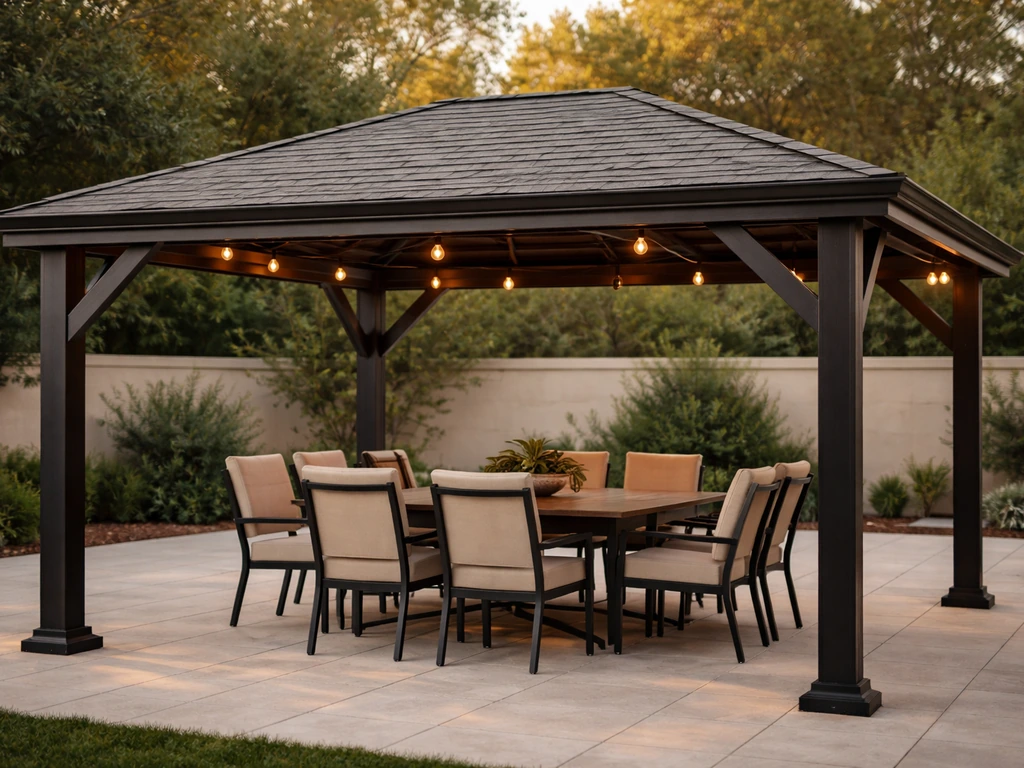
Best Patio Gazebo Reviews: Buyer Guide and Top Picks
Best patio gazebo reviews with specs, stability, materials, weatherproofing, top picks by budget, and patio sizing check
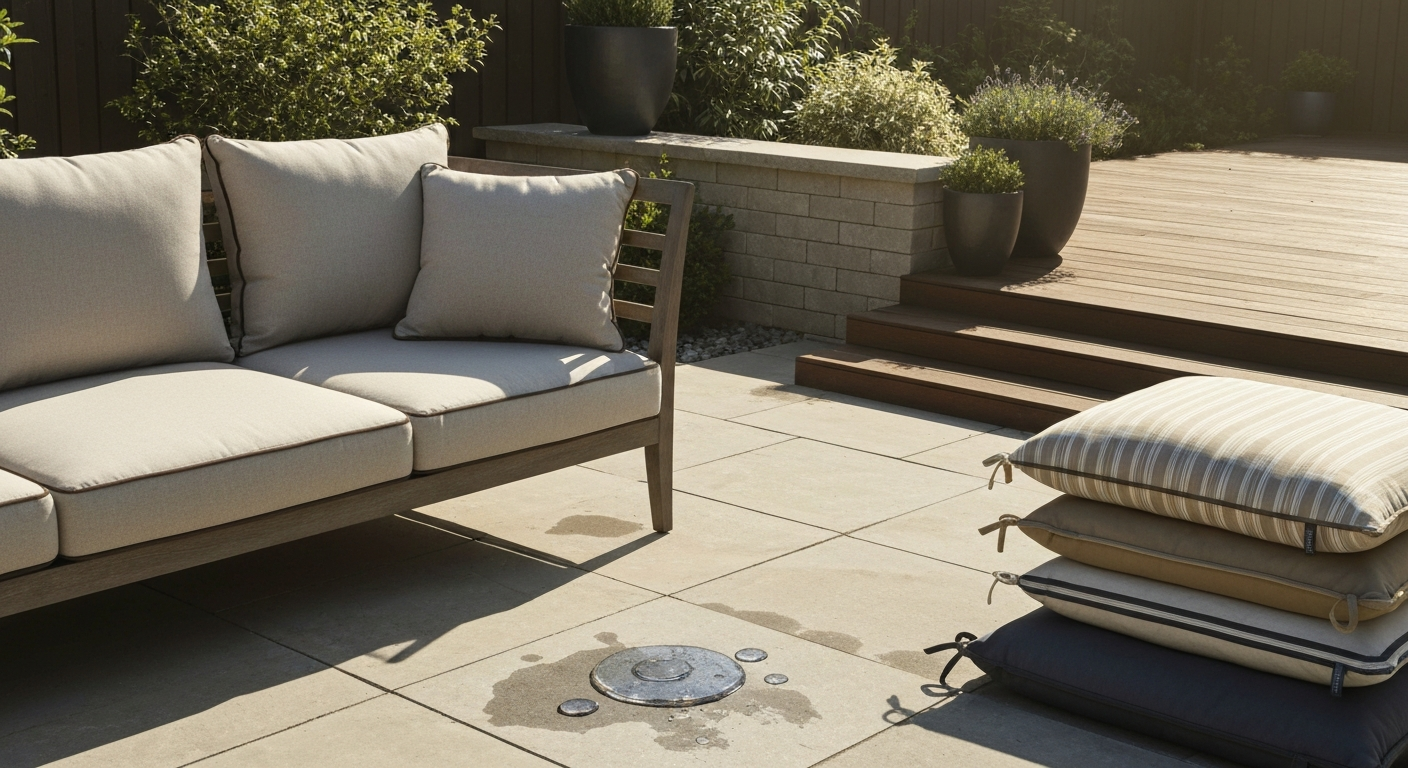
Best Sunbrella Patio Cushions: Top Picks, Guide & Maintenance
Find the best Sunbrella patio cushions: durable, fade‑resistant picks, buying tips, care, and top recommendations.
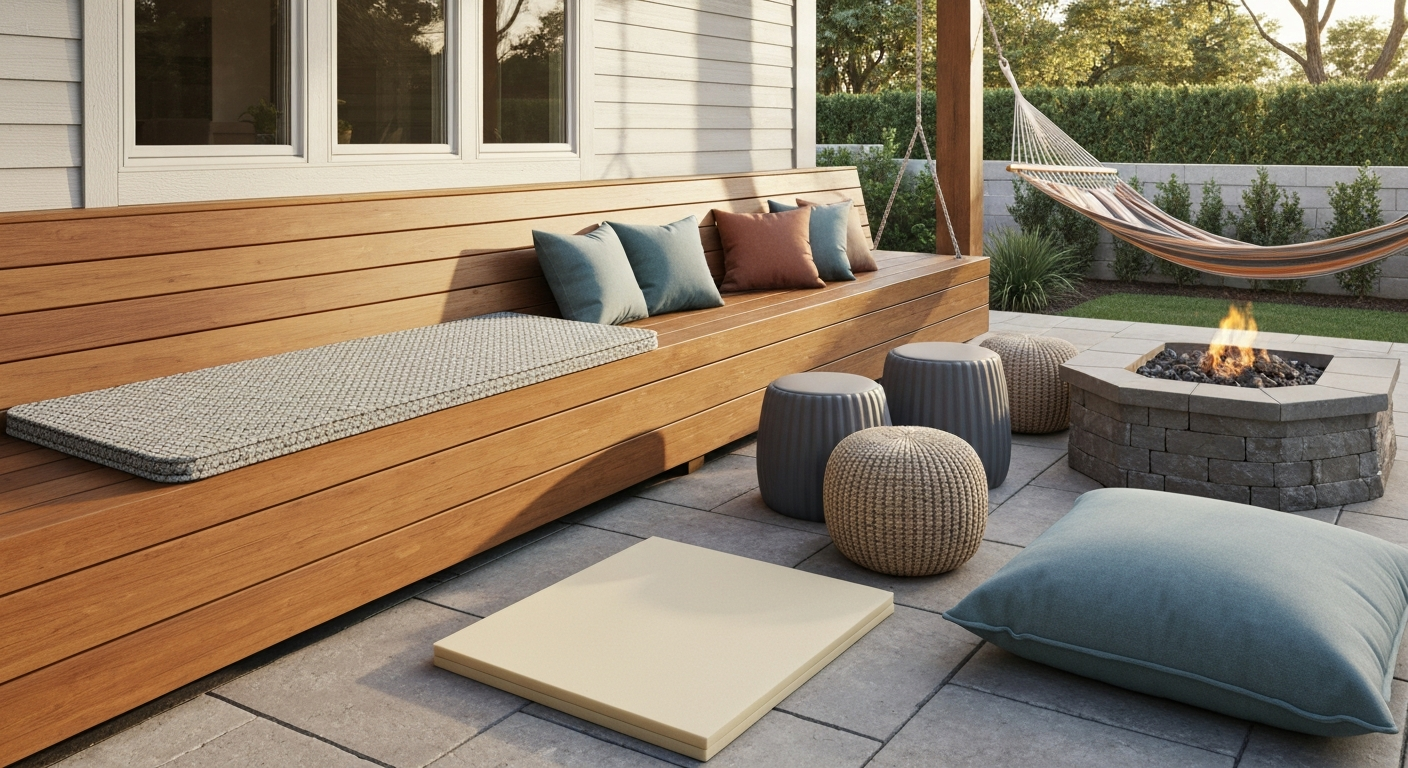
Alternative to Patio Cushions: Durable, Stylish Options and DIY
Alternative to patio cushions: durable, weatherproof seating options, pros, DIY tips & buying guide.