
For most patios, a 10x10 or 11x11 pop-up gazebo with a powder-coated steel frame, a vented two-tier canopy, and a full anchoring kit (stakes, guy ropes, and sandbags) is the best all-around choice. That combination gives you enough shade coverage for a dining set or small lounge, handles light rain, resists wind better than a flat-top design, and can be set up solo in under 30 minutes once you know the steps. The exact model you should pick depends on your patio size, whether you own or rent, and how much wind you typically get, so let me walk you through each factor the way I'd explain it to a neighbor.
Best Pop Up Gazebo for Patio: Buyer Guide and Picks

Lark Perry
5 Jul 2026
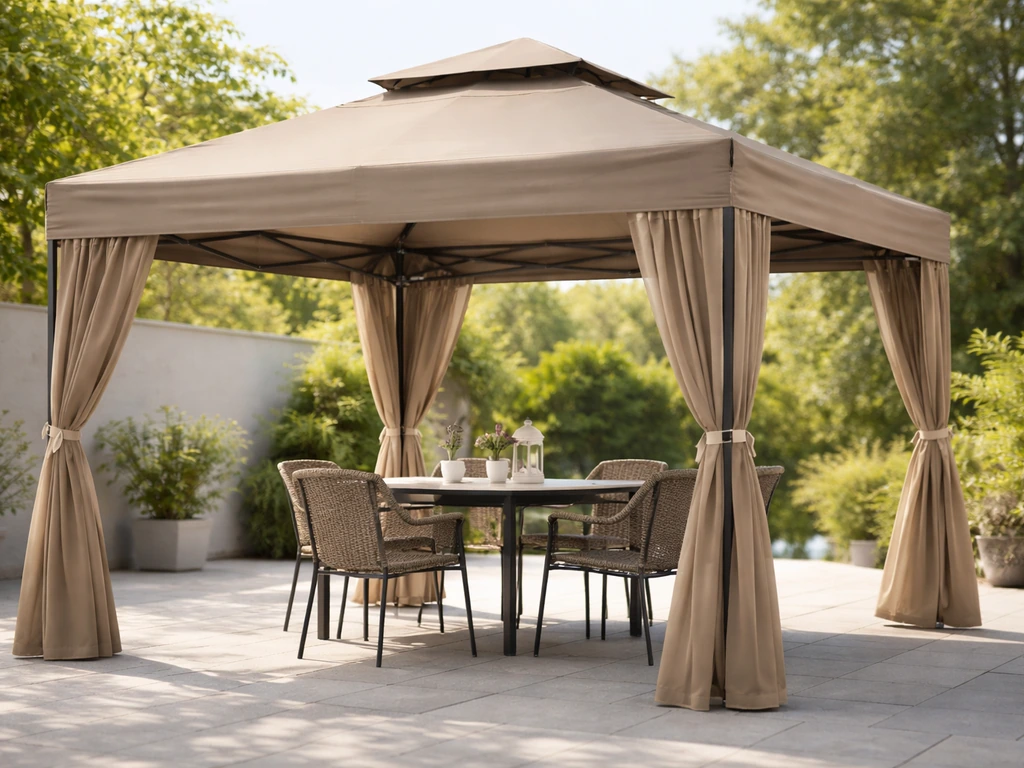
What 'best' actually means for a patio pop-up gazebo
The word 'best' does a lot of heavy lifting here, so it helps to pin down what you're actually optimizing for. Pop-up gazebos sit at the portable end of the gazebo spectrum. Compared to permanent hardtop structures, they trade long-term stability for ease of setup, takedown, and storage. That's not a flaw; it's the whole point. But it does mean your definition of 'best' needs to be honest about what a pop-up can and can't do.
For a patio specifically, the best pop-up gazebo is the one that fits your usable space without crowding walkways, goes up and comes down without a construction crew, holds its shape during a breezy afternoon, provides real UV protection (not just visual shade), and stores cleanly when the season ends. Bonus points if it looks good enough that your patio doesn't feel like a campsite. Models with hard-top galvanized steel canopies offer more durability at the cost of portability, and soft-top options in beige or neutral tones can blend in beautifully with a patio aesthetic. A laurel canyon beige soft top steel/metal outdoor patio gazebo can be a great option when you want neutral styling with a sturdy steel frame. Those tradeoffs are worth thinking about before you buy.
Quick checklist: size, coverage, and measurements
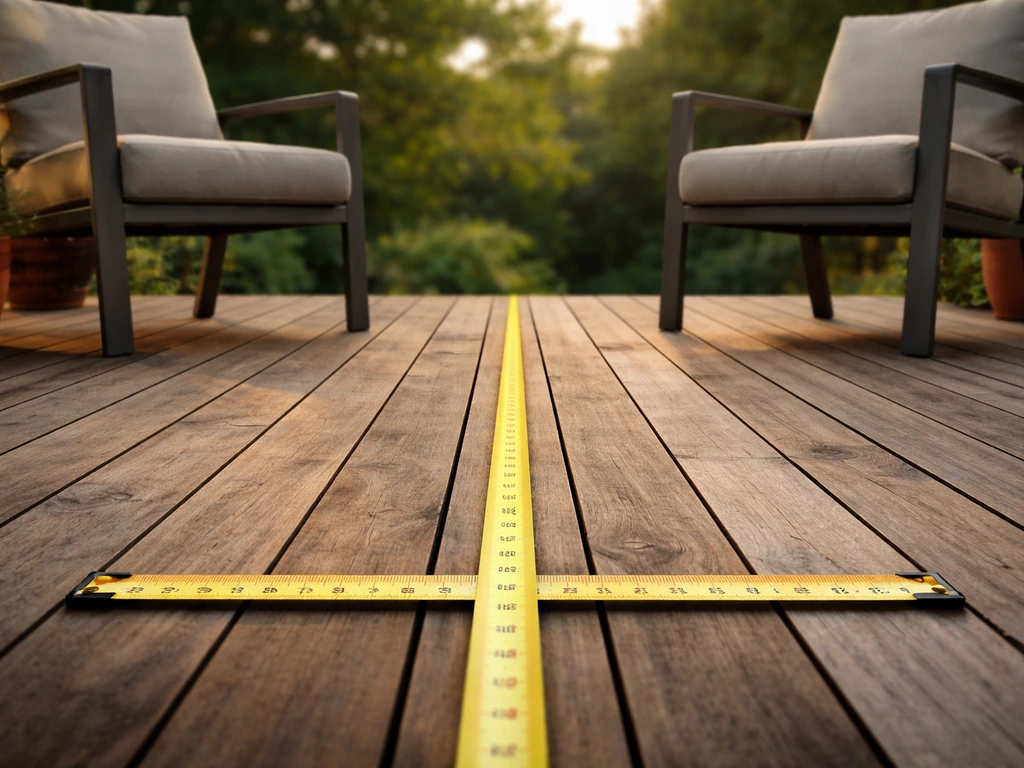
Measure your patio before you do anything else. This sounds obvious but it's the step people skip, and then they're stuck with a gazebo that either hangs over a planter or barely covers their table. Here's the practical approach I use.
- Measure the area you want shaded, including chairs pulled out from the table. A standard 4-person dining set with chairs needs roughly 10x10 feet of clearance.
- Add at least 1 to 2 feet of buffer around your furniture perimeter so legs aren't teetering on the edge of the frame.
- Check the Sunjoy assembly guidance, which specifies keeping the gazebo at least 6 feet from fences, walls, your house, or any overhanging structure. Factor that into your available space.
- Confirm the ground is level. Uneven surfaces complicate both anchoring and the frame's structural integrity.
- For a small city patio or balcony-adjacent space, a 10x10 model is usually the sweet spot. If you have a larger deck and want to cover a sectional sofa plus a coffee table, step up to 11x11 or 13x13.
A 10x10 footprint covers 100 square feet, which comfortably fits a 4-person table or a loveseat-and-chairs lounge grouping. An 11x11 gives you 121 square feet and is better for a 6-person setup or a larger sectional corner. Going bigger than 13 feet in either direction on a typical residential patio usually creates more problems than it solves, both with clearance requirements and wind resistance.
Materials and build quality that hold up outdoors
The frame and the canopy fabric are the two places where quality differences show up fast. Here's what to actually look for, rather than trusting marketing language alone.
Frame materials
Powder-coated steel is the standard for pop-up gazebo frames in this category, and it's a solid choice. The powder coating resists rust, handles UV exposure better than bare metal, and feels sturdy underfoot. The catch is that the coating chips over time, especially at joints. If you see a scratch, touch it up with matching paint right away (this is even called out in Sunjoy's own maintenance guidance) because bare steel will rust quickly once exposed to moisture. Aluminum frames are lighter and inherently rust-proof, which makes them attractive for renters who move the unit frequently, but they flex more in wind than steel.
Canopy fabric
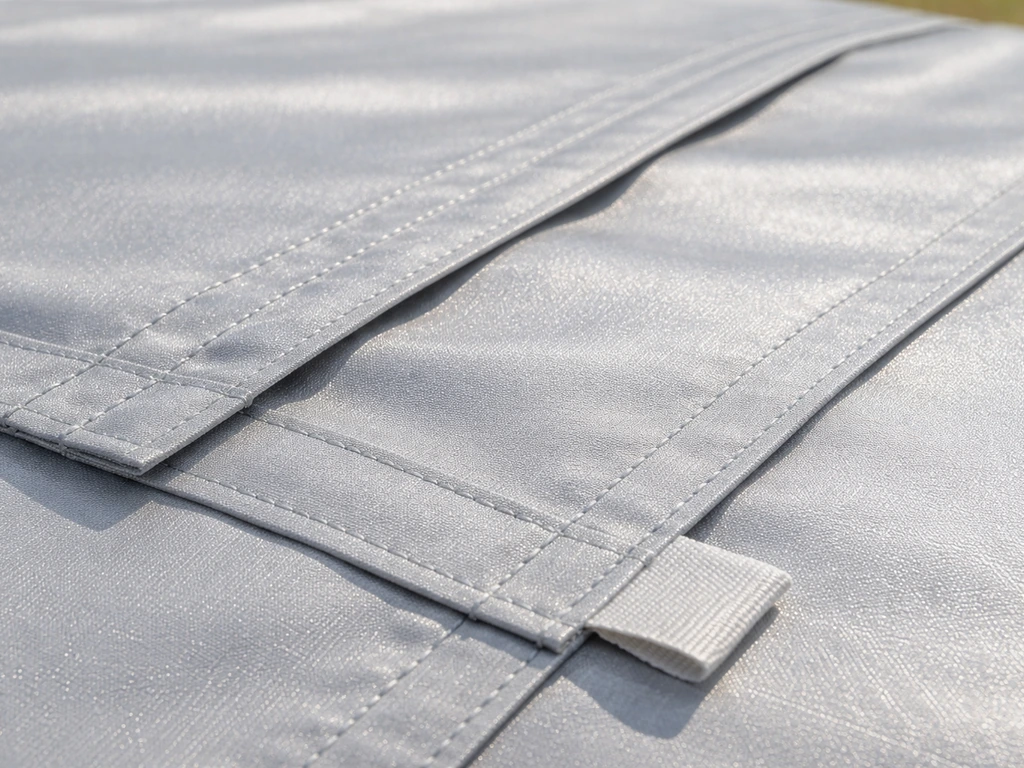
Look for canopy fabric rated at UPF 50+ for real sun protection. 210D Oxford polyester with a silver coating (used on several models including the Gaomon sold at Macy's) blocks UV well and adds some water resistance, though 'water resistant' is not the same as 'waterproof.' For extended rain coverage, you want fabric described as waterproof with sealed or taped seams. Sunbrella fabric is the premium benchmark here: it resists fading better than most alternatives over multiple seasons. Whatever fabric you choose, verify it's described as UV-resistant, not just 'water resistant,' because UV degradation is what destroys canopies after one or two summers.
| Feature | Budget Polyester (210D) | Coated Polyester (Silver/UPF) | Sunbrella-grade Fabric |
|---|---|---|---|
| UV protection | Basic / limited | UPF 50+ | Excellent, fade-resistant |
| Water resistance | Water-resistant | Water-resistant to waterproof | Water-resistant (needs treatment for heavy rain) |
| Durability (seasons) | 1-2 seasons | 2-3 seasons | 5+ seasons |
| Cost impact | Low | Moderate | High |
| Best for | Occasional use | Regular patio use | Permanent or semi-permanent setups |
Stability in wind: anchors, weights, and frame design
This is the section most buyers skip, and it's the reason most pop-up gazebo failures happen. An event supplier on Reddit put it bluntly: gazebo collapses are almost always tied to underestimated anchoring, not the gazebo itself. People set up with light stakes, the wind picks up beyond what they planned for, and the whole structure either tips or becomes a kite. SUNJOY's anchoring guidance similarly warns that a poorly anchored pop-up can collapse or even fly away once wind picks up People set up with light stakes, the wind picks up beyond what they planned for, and the whole structure either tips or becomes a kite.. It's a real safety risk, not just an inconvenience.
Anchoring by surface type
On grass or dirt: use the included stakes and guy ropes as your baseline, but add sandbag weights on each leg for any wind above a light breeze. Outsunny specifically calls out stakes, guy ropes, and sandbags as a combined system, and that's the right approach. On concrete or pavers (the most common patio surface): stakes won't work. You need leg weight bags filled with sand (20 to 40 lbs per leg minimum) or purpose-built base plates. For a permanent or semi-permanent patio setup, sleeve anchors or Tapcon screws drilled into concrete are the most reliable option, though that approach is better suited to homeowners than renters.
Frame design choices for wind resistance
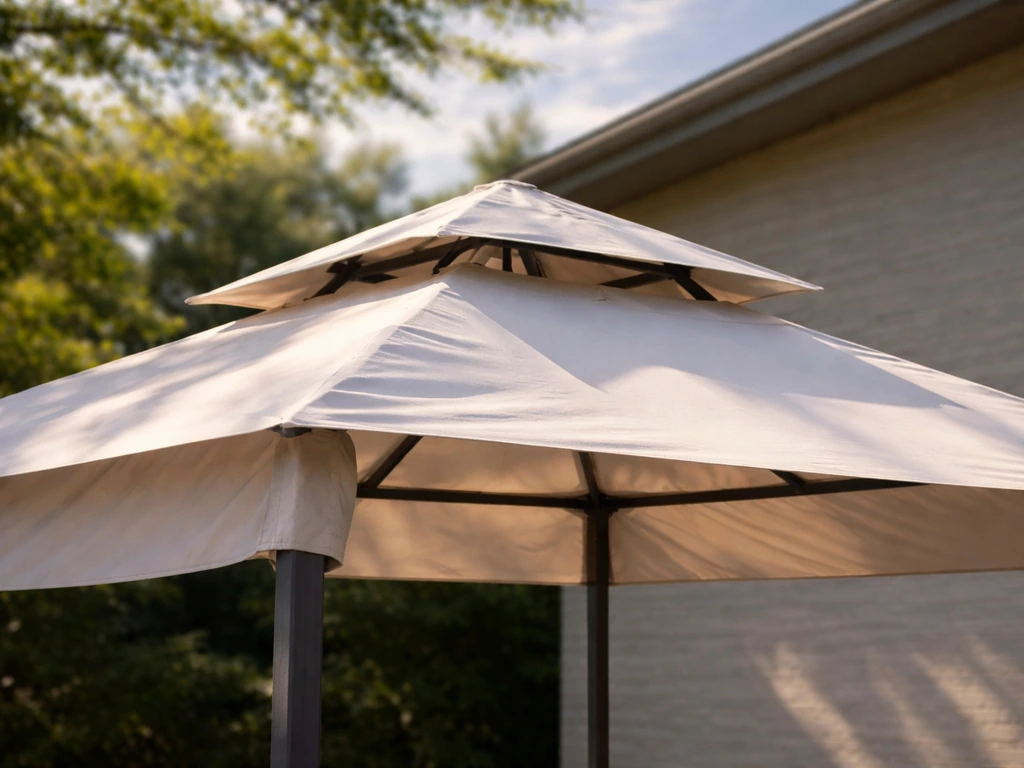
A two-tier vented canopy design is meaningfully better in wind than a flat-top design. The gap between the upper and lower tier lets wind pass through instead of pushing the whole structure sideways. Consumer Reports specifically recommends vented canopy designs for this reason, and it's a spec worth prioritizing if you're in a location that gets afternoon gusts. Remember that even the best-anchored pop-up is not designed for severe weather: several manufacturer manuals (including Suntime's, hosted by Home Depot) explicitly state that instant canopies are not intended to withstand high winds or heavy rain. If a storm is rolling in, take it down.
Weather protection and canopy features
Pop-up gazebos for patios generally fall into three weather-protection tiers, and understanding which tier you're buying in is the key to not being disappointed.
- Sun shade only: Flat-top canopies with basic polyester. Good for UV protection on calm days, not designed for rain or wind. These are the cheapest options and the ones that fail fastest.
- Sun plus light rain: Vented two-tier canopies with UPF 50+ coated fabric. These handle a passing shower reasonably well, especially models with drainage holes built into the canopy (like Outsunny's design, which drains rain away rather than pooling it). This is the tier most patio buyers should target.
- Sun, rain, and partial wind: Thicker fabric, full sidewall options, heavy-duty steel frames. These are the most weather-capable pop-ups available. The tradeoff is more weight and a more involved setup.
Sidewalls are an underrated feature. Outsunny's 10x10 model includes optional sidewalls that let you partially enclose the space when rain is blowing in at an angle or when you want evening privacy. Not every pop-up offers them, but if you plan to use the gazebo for dining or entertaining regularly, sidewalls are worth the small added cost. Ventilation matters too: a two-tier design doesn't just help with wind resistance, it also improves airflow on hot days, making the space genuinely more comfortable.
Ease of setup, portability, and storage for renters
One of the main reasons to choose a pop-up gazebo over a permanent structure is the ability to take it down when you move, store it in winter, or bring it to a different location. But 'pop-up' can be misleading: some models go up in 20 minutes, and some take the better part of an afternoon the first time you assemble them. Real-world Reddit commentary from assemblers puts soft-top pop-up assembly at around 1 to 3 hours for a first-timer, depending on how closely you follow the instructions.
The assembly manual guidance is consistent across brands: place the collapsed frame in the center of your desired area before unfolding it (not at the edge and then sliding it, which stresses the joints). The Sunjoy instruction manual also says the assembled gazebo should be located at least 6 feet from obstructions like a fence, garage, house, or overhanging areas place the collapsed frame in the center of your desired area before unfolding it. Lift the frame to full height, which most manuals note is easier with two people for 10x10 and above. Then attach the canopy from the top down. Most instruction manuals also specify staking and guy roping as the final step before use, not an optional add-on.
For storage, a wheeled carry bag is a genuinely useful feature. Costco's 10x10 instant canopy, for example, includes a wheeled bag and claims one-person setup. At 34 lbs, it's manageable solo but not light. After folding, always pack the canopy dry to prevent mildew, and use the carry bag rather than leaving the unit bundled in a corner where moisture and UV exposure will degrade it between uses.
If you're a renter and portability is a priority, lean toward aluminum-frame models (lighter, no rust risk if stored damp accidentally) and avoid any setup that requires drilling into the patio surface. Use sandbag leg weights as your primary anchoring method. They're removable, leave no marks, and work on any hard surface.
Top picks compared and how to choose yours today
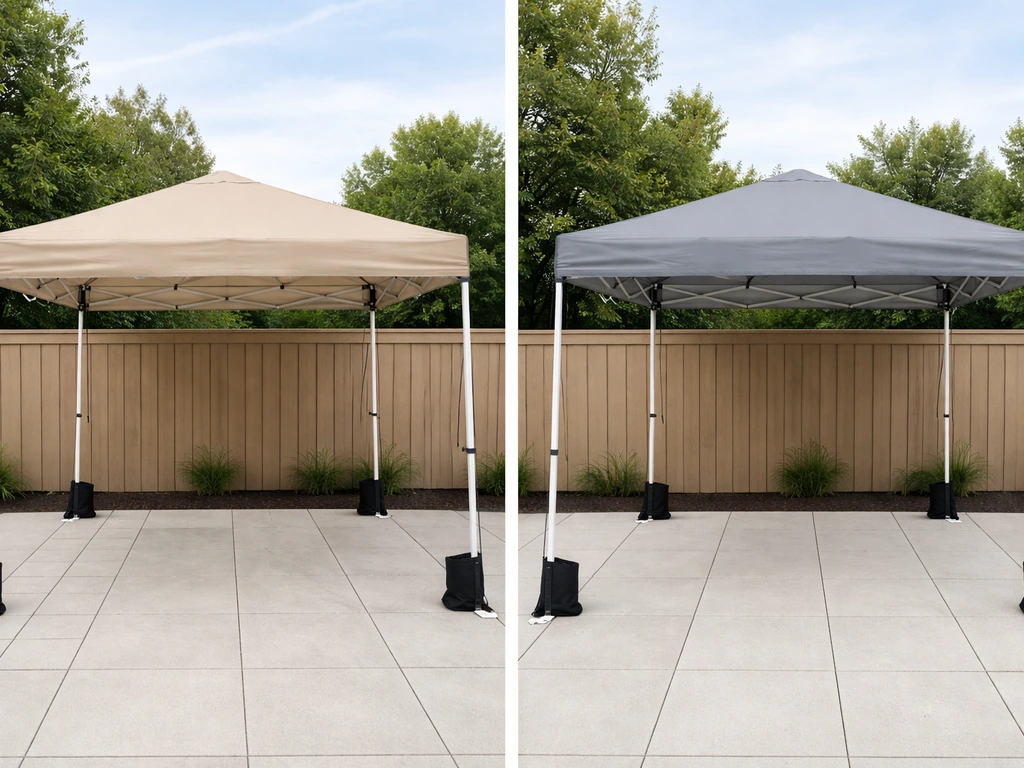
Rather than just listing names, here's how the leading pop-up gazebo options stack up across the specs that matter most on a patio. Use this to match your situation to a category, then pick the specific model that fits your budget within it. To find the best deals on patio gazebos, use that category match to compare prices, canopy coverage, and anchoring included with each option match your situation to a category.
| Model / Type | Size | Frame | Canopy | Anchoring Included | Best For |
|---|---|---|---|---|---|
| Sunjoy 11x11 2-Tier Pop-Up (Tractor Supply) | 11x11 ft | Powder-coated steel | Vented 2-tier, soft top | Stakes/ropes (sandbags sold separately) | Patio dining, moderate wind, budget-conscious buyers |
| Outsunny 10x10 with Sidewalls | 10x10 ft | Steel | UPF canopy with drainage holes | Stakes, ropes, sandbag weights included | Renters, patios, light rain coverage |
| Zeus & Ruta 10x10 (Home Depot) | 10x10 ft | Steel | Adjustable height, flat top | Stakes and ropes included | Basic sun shade, calm conditions |
| Gymax 11x11 2-Tier (Home Depot) | 11x11 ft | Steel | 2-tier canopy | Carry bag included | Larger patios, family dining setups |
| Eagle Peak 13x13 (Wayfair) | 13x13 ft | Metal | Water-resistant fabric | Varies by listing | Large patio/lounge areas, more coverage needed |
| POPUP-SHADE 10x10 Instant (Costco) | 10x10 ft | Steel | Standard canopy | Wheeled bag, solo-setup design | Portability priority, frequent setup/takedown |
Here's the shortcut for most people: if you have a standard patio with a 4 to 6 person setup and want something that handles real patio life (afternoon sun, an occasional passing shower, a breeze), get a 10x10 or 11x11 with a two-tier vented canopy and make sure it comes with or you separately buy sandbag leg weights. The Sunjoy and Outsunny options in that range give you the best combination of real weather protection and manageable setup for the money.
If portability and renter-friendliness matter most, prioritize a model with a wheeled carry bag, sandbag anchoring (no drilling), and an aluminum or lighter steel frame. If you're a homeowner willing to anchor more permanently and want something that approaches a fixed structure in durability, look at hard-top galvanized steel gazebo options, which offer significantly more rigidity than any soft-top pop-up.
Practical next steps before you buy
- Measure your patio with the furniture in place. Write down both the furniture footprint and the total available space, and check that a 6-foot clearance from walls and fences is achievable.
- Decide on your anchoring plan before the gazebo arrives. If you're on concrete or pavers, order sandbag leg weights (one per leg, filled to 20-40 lbs each) at the same time as the gazebo.
- Check the prevailing wind direction on your patio. If afternoon wind consistently comes from one direction, position the gazebo so the open vented tier faces into that wind rather than catching it broadside.
- Do your first assembly during a calm, dry day with two people available. Follow the manual step-by-step: center the frame, lift to height, attach canopy top-down, stake or weight all four corners.
- Touch up any frame scratches immediately with matching paint. Store the canopy dry. If you're putting it away for winter, disassemble fully and store in the carry bag in a dry space, not in an outdoor shed where moisture can get in.
One last honest note: no pop-up gazebo is a set-it-and-forget-it structure. If you want something you never have to think about, a permanent hardtop gazebo is a better long-term investment. But for flexibility, portability, and a genuinely good outdoor shade solution that works season after season when properly anchored and maintained, a well-chosen pop-up is hard to beat for a patio.
FAQ
Do I need to buy extra anchoring hardware, or is the included kit usually enough for patios?
It depends on your surface and typical winds. For pavers or concrete, included stakes are often not sufficient, you will usually need sandbag leg weights (or base plates). For grass or dirt, stakes plus guy ropes can work, but only if you add sandbags when breezes get stronger than a light afternoon wind.
How do I know what patio width and clearance I need for a 10x10 or 11x11 pop-up gazebo?
Use not just the footprint, also your door, furniture, and leg clearance. Measure the path you walk through and confirm you can reach the table without stepping under the frame. Also plan for the folded canopy clearance when the unit is opened, so it does not bump planters, railings, or overhead lights.
Is a two-tier vented canopy enough for rainy days, or should I look for waterproof fabric?
A two-tier design helps with wind pressure, it does not automatically make the canopy rainproof. If you want protection during actual showers, prioritize fabric described as waterproof with sealed or taped seams, and expect some water behavior at seams and zipper areas even on “waterproof” models.
Can I use a pop-up gazebo on a balcony or deck instead of a ground patio?
Be cautious, decks and balconies often have limited anchoring options and wind exposure can be higher. If you cannot drill, plan on using weighted anchoring that does not damage the surface, and avoid designs that require sleeve anchors into the structure. If strong gusts occur where you live, a pop-up may not be the safest choice.
What’s the biggest mistake that causes wobbling or collapse?
Underestimating anchoring and wind. Even a sturdy frame can tip if the unit is staked on an inappropriate surface (stakes on concrete) or if sandbags are skipped. Always follow the “staking and guy roping last” order and re-check tension after the first gusty afternoon.
How often should I take the gazebo down and store it, especially if I leave it up all summer?
At minimum, take it down during storms and at the end of the season. If you plan to leave it up for weeks, inspect the fabric and seams for stress points, and verify anchoring connections remain tight. When you store it, pack the canopy dry to prevent mildew and degradation from trapped moisture.
Do I really need UPF 50+ if the gazebo already blocks visible sunlight?
Yes, visible shade is not the same as UV protection. UPF 50+ indicates the fabric’s ability to block UV radiation, while many “nice looking” canopies still let harmful UV through enough to fade and deteriorate them faster over seasons.
Is it better to choose powder-coated steel or aluminum for my situation?
Powder-coated steel is usually sturdier and a good default for patio use, but it can chip at joints and rust can follow if scratched. Aluminum is lighter and less prone to rust if stored damp, which often suits renters who move it frequently, but it may flex more in wind.
What should I do if the frame is slightly out of level after setup?
Stop using it and correct it before anchoring. A misaligned frame increases stress on joints and can pull the canopy unevenly, making wind performance worse. Re-center the folded frame first (before unfolding) and confirm each leg is fully extended before you attach the canopy.
Are sidewalls worth it, and do they make the gazebo less wind-safe?
Sidewalls can improve privacy and reduce sideways rain, but they can also act like sails if left fully closed in gusty conditions. Use them for partial enclosure during mild weather, keep ventilation in mind, and remove sidewalls when wind picks up beyond what the manual rates.
How should I handle storage if I don’t have a dry indoor space?
If storage space is only partially dry, focus on preventing trapped moisture. Pack the canopy fully dry when possible, use airflow when you can, and consider lighter aluminum frames because they tolerate damp storage better. Still, inspect for mildew and clean the fabric before the next season.
What’s the safest approach when severe weather is forecast?
Do not wait for high wind to test it. Manuals for instant canopies commonly warn against high winds and heavy rain, so the safest move is to take the unit down before conditions escalate and secure any loose parts away from the patio.
Next Articles
Best Deals on Patio Gazebos: How to Buy Smart Today
Find top deals on patio gazebos with smart criteria, pricing, materials, total costs, and timing to avoid cheap mistakes
Best Patio Gazebo Reviews: Buyer Guide and Top Picks
Best patio gazebo reviews with specs, stability, materials, weatherproofing, top picks by budget, and patio sizing check
Best Sunbrella Patio Cushions: Top Picks, Guide & Maintenance
Find the best Sunbrella patio cushions: durable, fade‑resistant picks, buying tips, care, and top recommendations.