
For an uncovered patio, your best material options are teak, powder-coated aluminum, high-density polyethylene (HDPE) lumber, and all-weather wicker over an aluminum frame. These four hold up to full sun, rain, and freeze-thaw cycles better than anything else on the market right now. Bare steel, untreated wood, and standard resin wicker will all fail faster than you'd expect when left fully exposed year-round, so skip them unless you're prepared to do serious maintenance or replace pieces in a few seasons.
Best Outdoor Furniture for Uncovered Patio: A Buying Guide

Lark Perry
19 May 2026
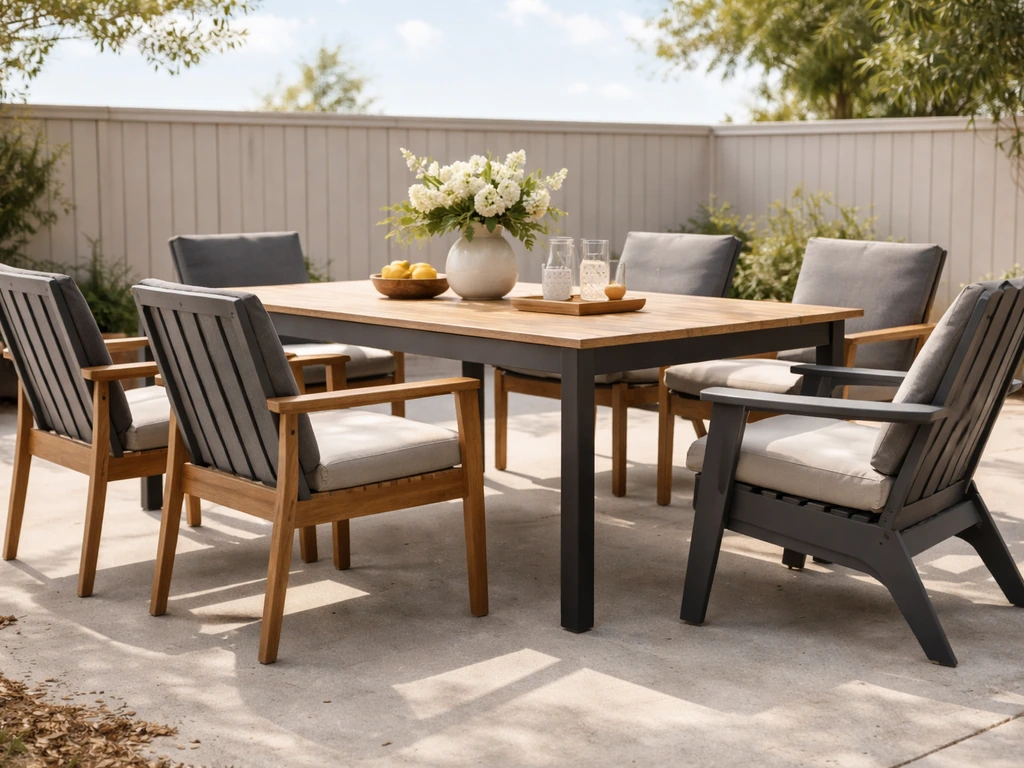
What 'uncovered patio' actually changes about buying furniture
A covered patio gives furniture a break. UV exposure is reduced, rain doesn't pound directly on frames and cushions, and temperature swings are slightly buffered by an overhead structure. On an uncovered patio, none of that applies. Your furniture sits in full sun every day, gets rained on directly, and has to survive whatever your local climate throws at it, including freezing winters if you're in the north, or high humidity and salt air if you're on the coast.
That shifts your buying priorities in a real way. For a covered patio, you might be able to get away with a cheaper steel frame or a softer wood because the conditions are gentler. For an uncovered setup, material quality, coating thickness, and drainage design move from nice-to-have features to non-negotiables. You're also going to be thinking about cleaning more often, whether cushions need to come inside, and how to store or cover the furniture off-season. None of this is complicated, but it has to be part of the plan from day one.
Best materials for full weather exposure (and what to skip)
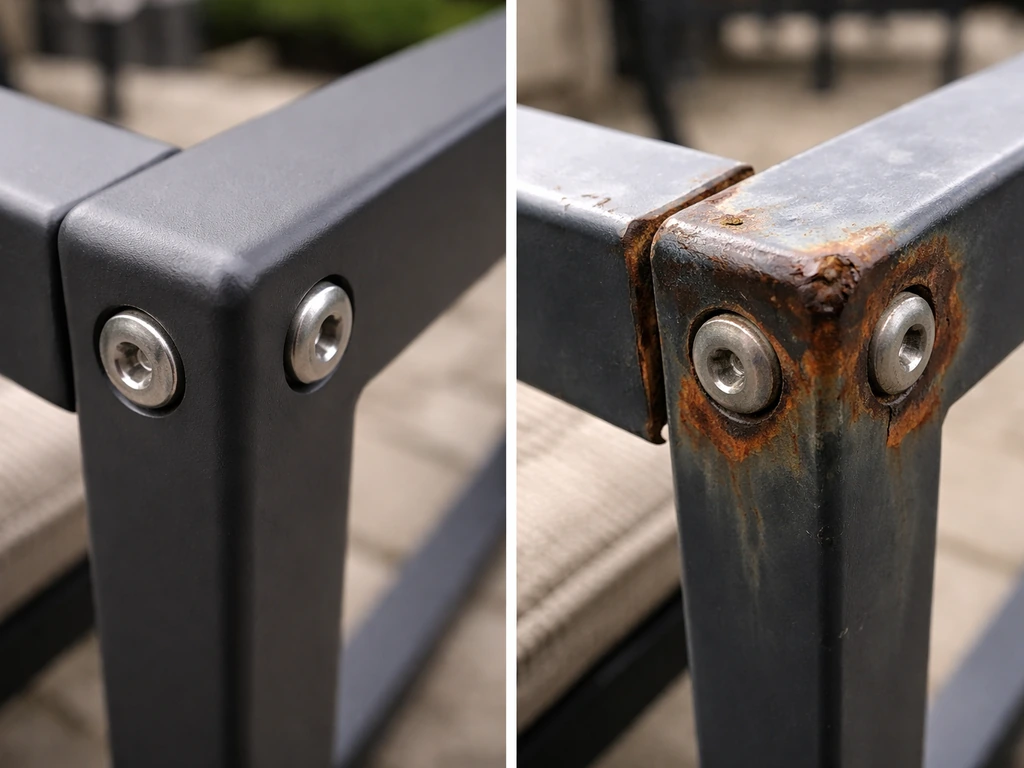
The single biggest cause of outdoor furniture failure on uncovered patios is metal corrosion starting at joints, fasteners, and any spot where the coating is chipped or cut. Once bare metal is exposed to rain and humidity, rust spreads quickly under the surrounding coating. That means the quality of the protective finish matters as much as the base material itself.
Powder-coated aluminum
Aluminum is the most practical all-around frame material for uncovered patios. It doesn't rust, it's lightweight enough to move around, and a quality powder coat finish is far more durable than spray paint. The key word is quality. [Good powder coating uses a thicker, cross-linked coating with UV stabilizers built in, and the dry film thickness is a real indicator of how long it'll last outdoors.
](https://sundialpowdercoating. com/articles/can-you-powder-coat-patio-furniture) When you're comparing pieces, look for brands that specifically mention powder coat thickness or AAMA 2605 compliance, which is the high-performance coating standard for architectural aluminum exposed to outdoor weathering.
Thin or poorly applied powder coat will chip, and once aluminum is exposed at a chip, oxidation and pitting start. It's slower than rust on steel, but it still degrades over time.
Teak
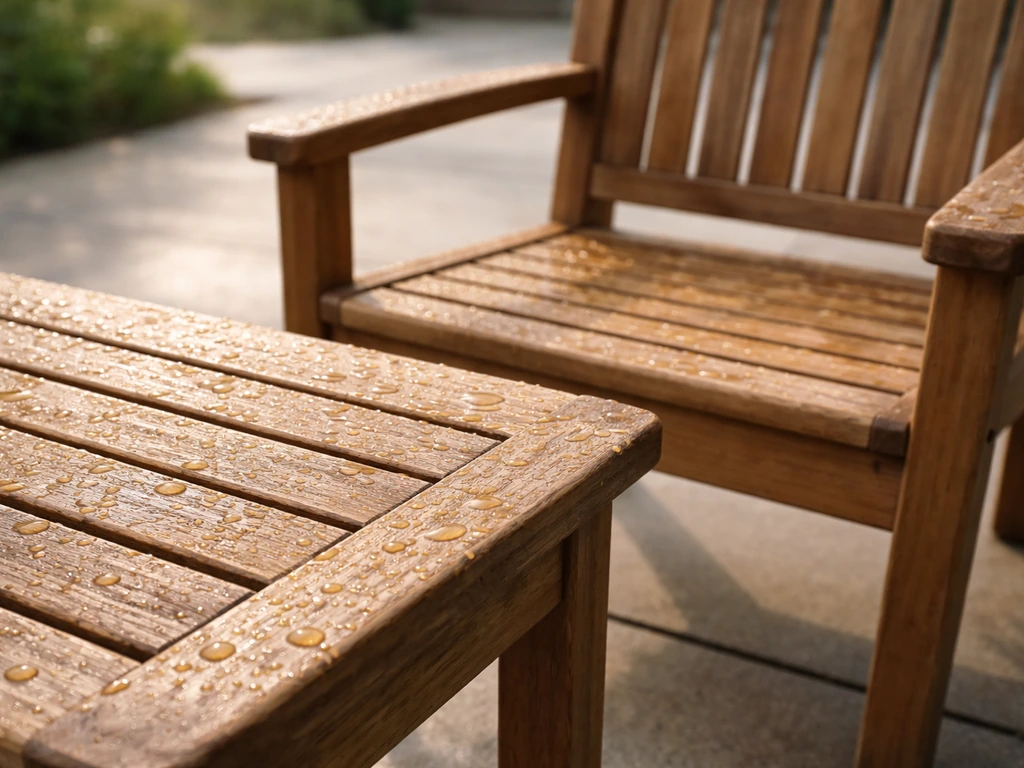
Teak is the gold standard for uncovered wood furniture, and the reason is practical: it has naturally high oil and resin content that resists moisture absorption and rot without needing sealants. Left untreated, it weathers to a silvery-gray patina that's considered attractive by most people and doesn't mean the wood is failing. If you want to keep the warm honey color, a teak oil treatment once or twice a year does it.
Teak is classified as highly decay-resistant (often referenced as Class 1 durability in wood grading), which means it genuinely holds up to outdoor, uncovered exposure for decades with minimal intervention. The main downside is cost. Quality teak sets run significantly more than aluminum or HDPE alternatives, and there's a wide range of teak grades on the market, so look for Grade A teak (cut from the heartwood center of mature trees) to get the durability you're paying for.
HDPE lumber (recycled plastic lumber)
HDPE lumber is made from recycled high-density polyethylene, and it's genuinely maintenance-free in a way most other materials aren't. It won't rot, splinter, crack, or fade the way natural wood does, and it doesn't need sealing or staining. It handles UV, rain, and freeze-thaw cycles well. The look is clean and wood-like, and the weight is heavier than it looks, which actually helps with stability on an exposed patio where wind is a factor.
Adirondack chairs and dining sets made from HDPE lumber are excellent choices for uncovered patios. The downside is that the color options are more limited than other materials, and very cheap versions can feel plasticky. Trex Outdoor Furniture and Polywood are two of the most recognized brands if you want a benchmark.
All-weather wicker over aluminum frame
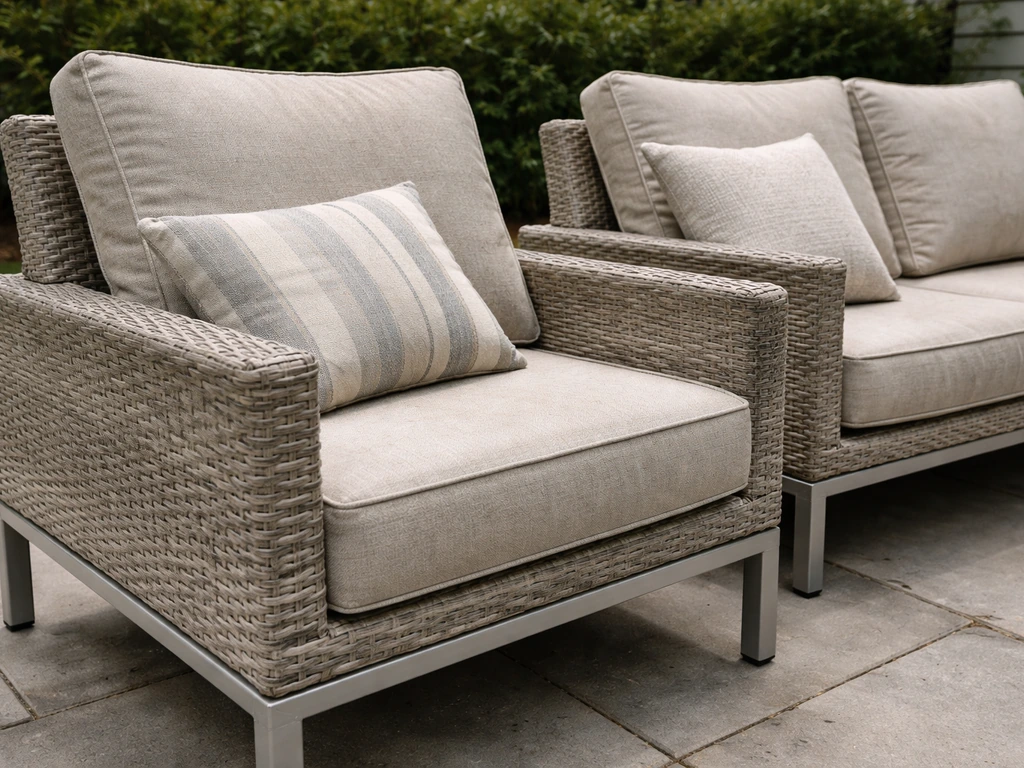
Traditional rattan wicker will fall apart outdoors. All-weather wicker (also called resin wicker or synthetic wicker) is a completely different product made from UV-stabilized polyethylene or polypropylene woven over a powder-coated aluminum frame. The wicker itself resists fading and won't unravel or crack in most climates, and the aluminum frame underneath keeps it from rusting. The combination gives you a comfortable, visually warm look with solid weather resistance. The weak points to check: make sure the frame is aluminum (not steel), and inspect the weave density. Tighter, denser weaves tend to hold up better over time.
What to avoid on an uncovered patio
- Bare or painted steel frames: Steel rusts faster than aluminum under rain and humidity, especially at joints and fasteners. Even galvanized steel has limitations in coastal or very wet climates.
- Standard resin wicker (rattan core): The traditional rattan or natural fiber core degrades quickly with direct moisture and UV exposure.
- Untreated pine, cedar, or softwood: These require regular sealing or staining to survive outdoors. Without maintenance, they crack, splinter, and rot within a couple of seasons.
- Glass tabletops without frames: Tempered glass is fine, but large glass tops in open areas are a wind hazard and require extra anchoring.
- Fabric-based pieces without waterproof treatment: Regular upholstery fabrics will mold and degrade quickly. Stick to Sunbrella or equivalent solution-dyed acrylic fabrics for any cushion covers.
Top furniture styles and configurations that work on an uncovered patio
The style you choose matters beyond aesthetics. For an uncovered patio, drainage, stackability, and whether cushions need to be stored frequently all factor into how well a setup actually works day-to-day.
Dining sets
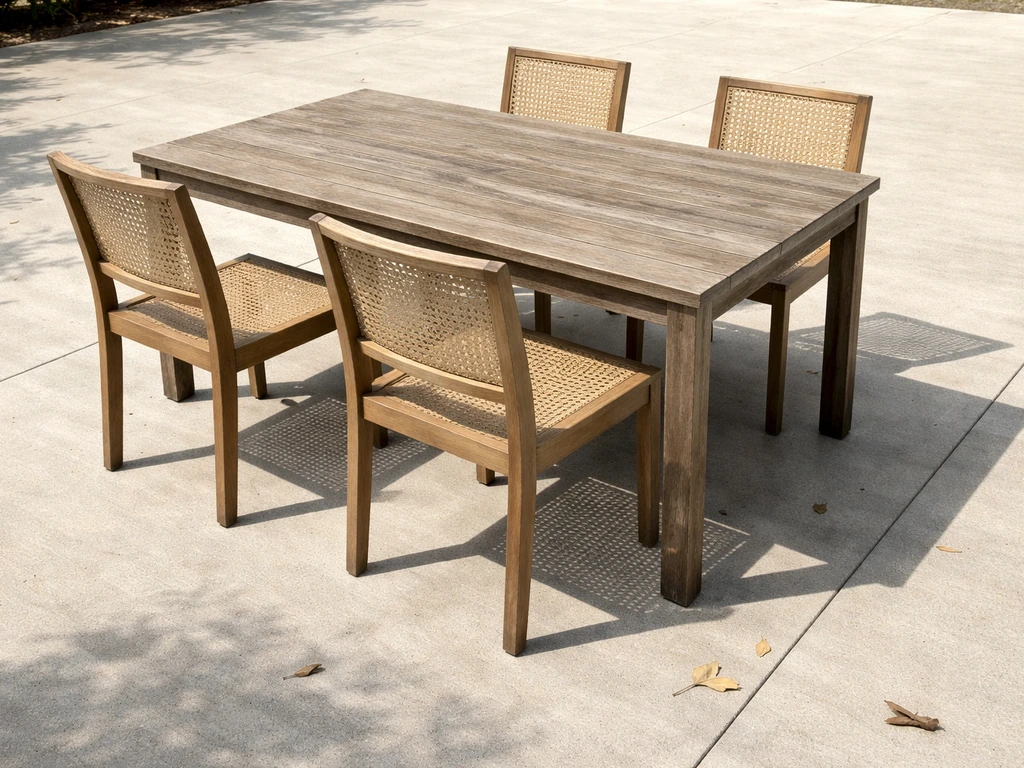
A dining table and chairs is the most versatile outdoor furniture configuration for most patios. If you want the best outdoor patio dining experience on an uncovered setup, prioritize durable frames and weather-ready table surfaces. If you are still deciding, it helps to start with the must have for outdoor patio items that keep the dining area comfortable and protected outdoor furniture configuration. For uncovered use, look for slatted or mesh tabletops rather than solid surfaces.
Slats allow water to drain instead of pooling, which reduces standing water on the frame and tabletop. Chairs with open-slat or mesh seats are also easier to dry out after rain. Stackable chairs are a major convenience if you want to move them inside quickly or cover them off-season. Four-seat sets fit most medium patios comfortably; go to six seats only if you have at least 10 feet by 10 feet of clear usable space around the table.
Sectional and deep seating
Deep seating sectionals look great, but they require more commitment on an uncovered patio. The cushions are thicker and take longer to dry, and the configurations are harder to move inside quickly. If you go this route, invest in high-quality Sunbrella-type cushion covers, elevate the sectional pieces on furniture pads to keep the frame bases off wet surface, and budget for furniture covers from the start. Modular sectionals with adjustable configurations are the most practical because you can remove pieces you're not using and reduce the area that needs covering or protecting.
Adirondack chairs and lounge seating
Single-piece or two-piece loungers and Adirondack chairs in HDPE lumber are arguably the lowest-maintenance option you can put on an uncovered patio. No cushions needed, no covers required, no seasonal maintenance. Just hose them off when dirty. They're heavier than they look, which is a good thing for wind resistance, and they look appropriate in most backyard settings. If you want to add cushions for extra comfort, make sure they're made for outdoor use with solution-dyed acrylic or polyester fabric with a breathable fill that dries quickly.
Bar height and bistro sets
Bar height or counter-height sets work well on smaller uncovered patios or decks where you want a social setup without a full dining footprint. Two-seat bistro sets are particularly practical for tight spaces and can be moved inside easily in bad weather. If your patio doubles as an outdoor bar or entertaining area, the right bar setup connects naturally with the rest of your patio accessories plan.
How to choose based on your climate and sun exposure
The right furniture for someone in Phoenix is not the same as the right furniture for someone in Seattle or Chicago. Climate is probably the biggest variable in this whole decision, and it's the one most buying guides gloss over.
| Climate Type | Main Threat | Best Material Choices | What to Prioritize |
|---|---|---|---|
| Hot, dry, high UV (Southwest, desert) | UV fading, heat-induced coating breakdown | HDPE lumber, powder-coated aluminum, teak | UV-stabilized finishes, lighter colors to reduce heat absorption |
| Humid, rainy (Pacific Northwest, Southeast) | Moisture, mold, mildew, rust at joints | Teak, HDPE lumber, aluminum with thick powder coat | Drainage design, mold-resistant cushion fill, ventilated covers |
| Coastal/salt air (any ocean-adjacent area) | Salt corrosion on metal, UV | Teak, HDPE lumber, marine-grade aluminum | Stainless steel or marine-grade fasteners, rinse regularly |
| Cold winters, freeze-thaw cycles (Midwest, Northeast) | Freeze expansion cracking wood/weave, cushion storage needs | HDPE lumber, aluminum, all-weather wicker | Plan for off-season storage or covers, avoid hollow frames that trap water |
| Mixed/variable (most of the country) | Combination of UV, rain, occasional freeze | Powder-coated aluminum, all-weather wicker, teak | All-around durability, quality cushion covers, seasonal cover plan |
One thing that catches people off guard is UV damage in northern climates. Even if you're not in a hot climate, prolonged UV exposure still breaks down coatings and fades fabrics. UV stabilizers in the frame coating and solution-dyed (not printed) fabric for cushions make a real difference in how long color lasts, regardless of where you live.
Comfort vs. durability: finding the right balance on cushions and frames
Here's the honest tradeoff: the most durable uncovered patio furniture (slatted aluminum or HDPE with no cushions) is also the least comfortable for long sit-down use. The most comfortable setups (thick cushion sectionals) require the most maintenance and protection. You're almost always choosing somewhere in the middle.
Frames
For frame durability on an uncovered patio, cast aluminum is more rigid and dent-resistant than extruded aluminum, but both perform well. Look for welded joints rather than bolted-together frames at the corners, because welded construction has fewer exposed metal-to-metal contact points where moisture can sit and cause corrosion. Check that all hardware (bolts, screws, hinges) is stainless steel or at minimum zinc-plated. Regular zinc hardware will rust and stain the surrounding frame quickly.
Cushions and fabrics
Cushion quality is where most mid-range outdoor furniture falls short. The baseline you should insist on is solution-dyed acrylic fabric (Sunbrella is the most recognized brand, but there are solid alternatives) and a quick-dry foam or polyester fill. Solution-dyed fabric has color baked into the fiber before weaving, so it doesn't fade or bleach out from UV the way printed or surface-dyed fabric does.
Quick-dry fill is essential because dense foam stays wet for days after rain, which encourages mold and mildew inside the cushion even when the cover looks dry outside. Even with good outdoor cushions, bringing them in or using covers during extended rain or off-season is the single most effective thing you can do to extend their lifespan.
Maintenance reality check
Be honest with yourself about how much maintenance you'll actually do. If the answer is "minimal," lean toward HDPE lumber or aluminum-only pieces with no cushions, or invest once in high-quality covers and use them consistently. If you're willing to bring cushions in when rain is coming and do a seasonal cleaning routine, you unlock a much wider range of comfortable options. The sets that fail fastest on uncovered patios are almost always mid-range pieces with thin coatings and mediocre cushions owned by people who didn't plan a maintenance routine.
Buying checklist and setup tips before you order
Measure your space first
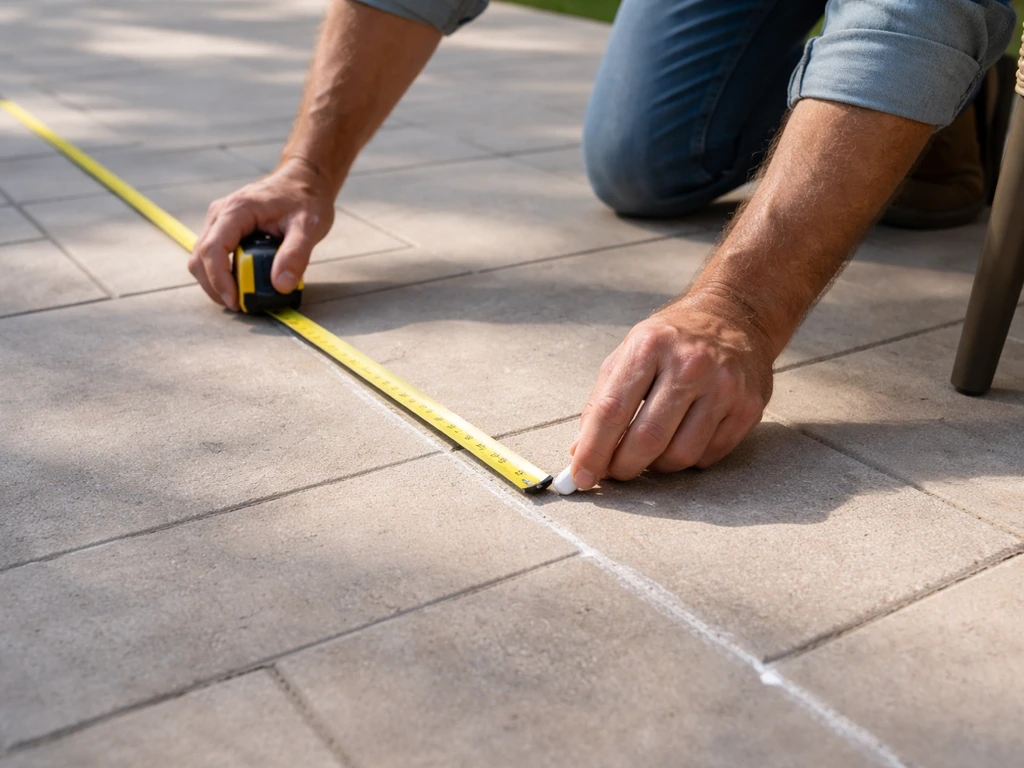
This sounds obvious but it's the most common mistake. Measure your actual usable patio area, then subtract at least 3 feet on all sides for walking clearance. For a dining set, you need roughly 3 feet of clearance around the table on all sides when chairs are pulled out. A 4-person dining set typically needs a minimum footprint of about 10 by 10 feet.
A 6-person set needs closer to 12 by 12 feet. For a sectional, add 18 to 24 inches in front of the seating for a coffee table plus leg room. If you're setting up an outdoor bar area, those space considerations overlap with your broader patio layout plan. If you want the best outdoor patio bar setup, prioritize weather-resistant materials, smart drainage, and easy-to-clean finishes so it looks great season after season outdoor bar area.
Weather resistance verification checklist
Before committing to any piece, run through these quick checks, whether you're shopping in-store or reading a product listing online:
- Frame material: Is it aluminum, teak, or HDPE? If it's steel, is it stainless or at minimum galvanized? Avoid uncoated or chrome-plated steel.
- Coating: Does the product listing specify powder coat? Does it mention coating thickness, UV stabilizers, or AAMA 2605 compliance? Generic 'rust-resistant finish' is a red flag.
- Fasteners and hardware: Are screws and bolts listed as stainless steel? Check product photos at joints and connection points.
- Cushion fabric: Does it specify solution-dyed acrylic (Sunbrella or similar) or at minimum UV-resistant polyester? Avoid anything that just says 'polyester' without qualification.
- Cushion fill: Does it mention quick-dry or open-cell foam? High-density foam with no drainage is a mold risk outdoors.
- Drainage: Do tabletops and seat surfaces have slats, holes, or mesh to let water drain? Flat solid surfaces trap standing water.
- Warranty: Does the frame have at least a 1-year warranty? Better brands offer 3 to 5 years on frames. Short or missing warranties on frames suggest lower build quality.
- Weight and stability: For uncovered, open areas, heavier frames resist wind better. Check whether the product has anti-tip or ground-anchor options for chairs and umbrellas.
Placement tips for uncovered patios
- Position furniture away from downspout runoff paths so water doesn't pool under frames after rain.
- Use furniture pads or rubber feet under all frame legs to prevent direct metal-to-surface contact, which speeds up corrosion on metal legs and traps moisture under wood or HDPE feet.
- If your patio is concrete or pavers, check that the surface drains away from the seating area. Poor drainage means frames sit in standing water longer after each rain.
- Place dining tables where they get partial shade during peak afternoon hours if possible. This reduces UV load on cushions and makes the furniture more comfortable to use in summer.
- For sectional or deep seating pieces, orient the configuration so prevailing wind doesn't blow directly into the open side, which reduces cushion blow-off and wind stress on the frame joints.
Care, cleaning, and your long-term protection plan
The lifespan difference between furniture that lasts 3 years and furniture that lasts 10 or more years on an uncovered patio usually comes down to three things: cover usage, seasonal cleaning, and catching coating damage early before it spreads.
Covers
Get furniture covers. This is the single highest-return investment you can make after buying the furniture itself. You don't need to cover pieces every night, but covering during extended rain periods, off-season storage, or any time you won't use the patio for more than a week makes a measurable difference in how fast coatings and cushions degrade. Look for covers with air vents built in. Covers that trap moisture underneath create mold and accelerate the exact corrosion you're trying to prevent. A good cover with vents costs $30 to $100 depending on size and dramatically extends the lifespan of everything underneath it.
Cleaning routine
For aluminum and HDPE frames, a mild dish soap and water rinse with a soft brush twice a year is usually all you need. Avoid abrasive cleaners or steel wool on powder-coated aluminum; they scratch the coating and create entry points for corrosion. For teak, a light scrub with a teak cleaner and water once a year keeps it clean. If you want to maintain the warm color, apply teak oil after cleaning.
If you prefer the gray patina, do nothing except rinse it down occasionally. For all-weather wicker, rinse with a garden hose to clear debris from the weave and use a soft brush for any mildew spots. For cushion covers, most high-quality outdoor fabric covers are machine washable on cold. Check the tag, but Sunbrella-type fabrics generally clean up easily with mild soap and cold water.
Catching coating damage before it becomes a bigger problem
Once or twice a year, run your hand along all metal frame joints, weld points, and any area where the furniture gets regular contact (armrests, table edges, chair legs that drag). If you feel roughness, see bubbling under the coating, or find exposed metal at a chip, address it immediately with a touch-up paint or powder coat spray in a matching color. This sounds tedious but it takes about five minutes and genuinely stops corrosion from spreading under the surrounding coating. The alternative is watching a rust bloom work its way across an entire frame over one wet season.
Off-season storage
If you're in a climate with cold, wet winters, the most protective thing you can do is store cushions indoors (a dry garage, shed, or basement works fine) and cover the frames. Solid HDPE and aluminum can technically stay out uncovered all winter, but covering them still reduces UV exposure and coating wear from freeze-thaw cycling. Teak can also stay out in winter without damage, but a light oiling before winter helps if you want to maintain the color. The pieces that need the most protection in winter are anything with upholstered cushions, glass tabletops, and hollow frame designs that can trap water that then expands when it freezes and cracks the frame from the inside.
Once you've got your furniture dialed in, the natural next steps are rounding out the rest of your patio setup, from the right accessories and decor to shade solutions if the full-sun exposure becomes a comfort issue in summer. Pair your furniture with the best outdoor patio accessories for weather protection and day-to-day comfort right accessories and decor. A solid furniture choice is the foundation, and everything else layers on from there.
FAQ
Is it okay to buy standard (untreated) wicker or resin wicker for a truly uncovered patio if I cover it most of the time?
You can reduce damage by covering, but standard resin or regular rattan still degrades faster under constant UV and repeated wetting, especially at the weave. If you want wicker, make sure the product is UV-stabilized synthetic wicker over an aluminum frame, and choose denser weave patterns. Otherwise plan on replacing sooner or doing more frequent maintenance.
Do I need a cover if my furniture has no cushions, like HDPE Adirondack chairs or slatted aluminum tables?
Yes, but the priority is different. Covers still help by reducing UV wear on finishes and limiting freeze-thaw stress at joints, but you can often cover frames less frequently than cushion sets. Use covers during extended rain, off-season, and when you know you will not use the patio for more than about a week.
How can I tell whether an aluminum frame’s powder coat is high quality before buying?
Look for product details that mention powder coat thickness or compliance with AAMA 2605, then inspect the finish at corners and joint areas for even coverage and smooth transitions. If the coating looks thin, uneven, or has sharp gaps at welded seams, assume it will chip sooner and expose metal to corrosion.
What’s the best way to prevent rust from spreading if I notice a chip or scratch on coated aluminum or steel?
Address it immediately, clean the area, then apply a matching touch-up paint or powder-coat type repair product specifically intended for outdoor metal finishes. Don’t wait for full “seasonal cleanup,” because corrosion starts at chips and can spread under intact coating.
Can I leave glass tabletops outside on an uncovered patio in winter?
Be cautious. Glass may survive, but many glass-top assemblies trap water in frames or between hardware, and that water expands during freezing. If you have glass outdoors year-round, choose designs that allow water to drain and keep the tabletop elevated or covered during winter storms.
Are welded frames always better than bolted ones for uncovered patios?
For aluminum and other metal frames, welded construction generally reduces exposed metal-to-metal contact points where moisture can sit. That said, the real goal is fewer places for water to collect. If a product uses bolts, verify corrosion-resistant hardware and excellent joint sealing and drainage.
What cushion fabric should I choose if my priority is color staying bright in a northern climate?
Choose solution-dyed acrylic or similarly engineered outdoor fabric, not printed or surface-dyed textiles. Also prioritize breathable, quick-drying foam or polyester fill so the cushion dries fast after rain, since trapped moisture is what leads to mildew even when the cover looks dry.
How often should I clean uncovered patio furniture, and what’s the minimum I should do?
A practical minimum is twice per year for most frames: a mild soap and water rinse with a soft brush for aluminum and HDPE. For cushions, clean as needed and always after heavy pollen, grime, or mildew. Also do the quick joint inspection by touch once or twice a year to catch coating failure early.
Is there a rule of thumb for choosing slatted or mesh tabletops for rain drainage?
Yes. If the table surface has openings that allow water to drain, it reduces standing water on the frame and slows coating and joint degradation. Slatted and mesh designs typically dry faster than solid tabletops, especially after storms.
What’s the biggest spacing mistake people make with dining sets on uncovered patios?
Underestimating clearance with chairs pulled out. Plan for around 3 feet of walking clearance on all sides of the dining area when chairs are in use, and factor in chair swing space. A common mistake is buying a table that fits the patio footprint, but not the operational footprint when people sit down or stand up.
Should I store only cushions indoors, or should I store the entire sectional?
On uncovered patios, storing cushions indoors is the highest-impact step because they hold moisture and can take days to dry. If the sectional has thicker cushions and heavy modular pieces, using covers and elevating the base helps, but modular designs that let you remove sections reduce the amount you have to manage and protect.
If I live in a coastal area with salt air, what should I adjust in my buying decision?
Increase emphasis on corrosion resistance: prioritize aluminum frames with truly robust powder coating and stainless or zinc-plated hardware, and avoid standard steel frames unless they are exceptionally well finished. After storms, rinse furniture periodically to remove salt residue from joints and under edges.
What’s the most durable uncovered patio setup if I want minimal maintenance and can accept less comfort?
Go with no-cushion or low-cushion options, like slatted aluminum seating or HDPE loungers and Adirondacks. These dry quickly, need less cover usage than cushion-heavy sets, and the surfaces resist rot and splintering, which makes them easier to keep usable through changing weather.
Next Articles
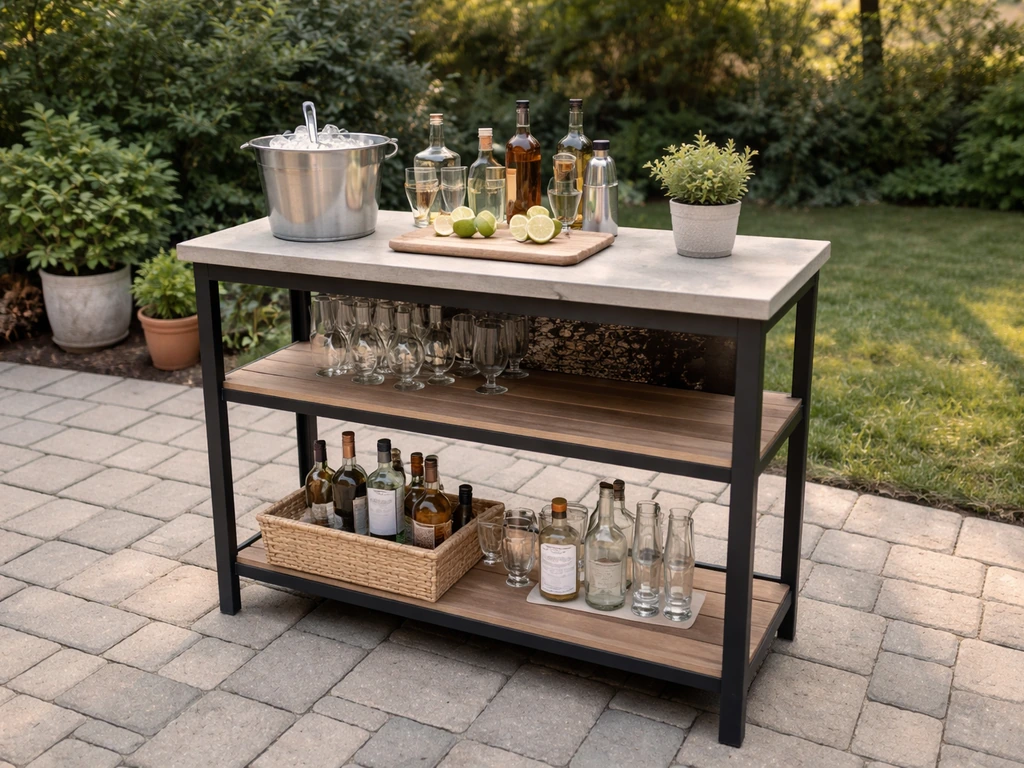
Best Outdoor Patio Bar: Buyer Guide for Any Space
Find the best outdoor patio bar with a size, storage, materials, and maintenance guide plus top picks for any space.
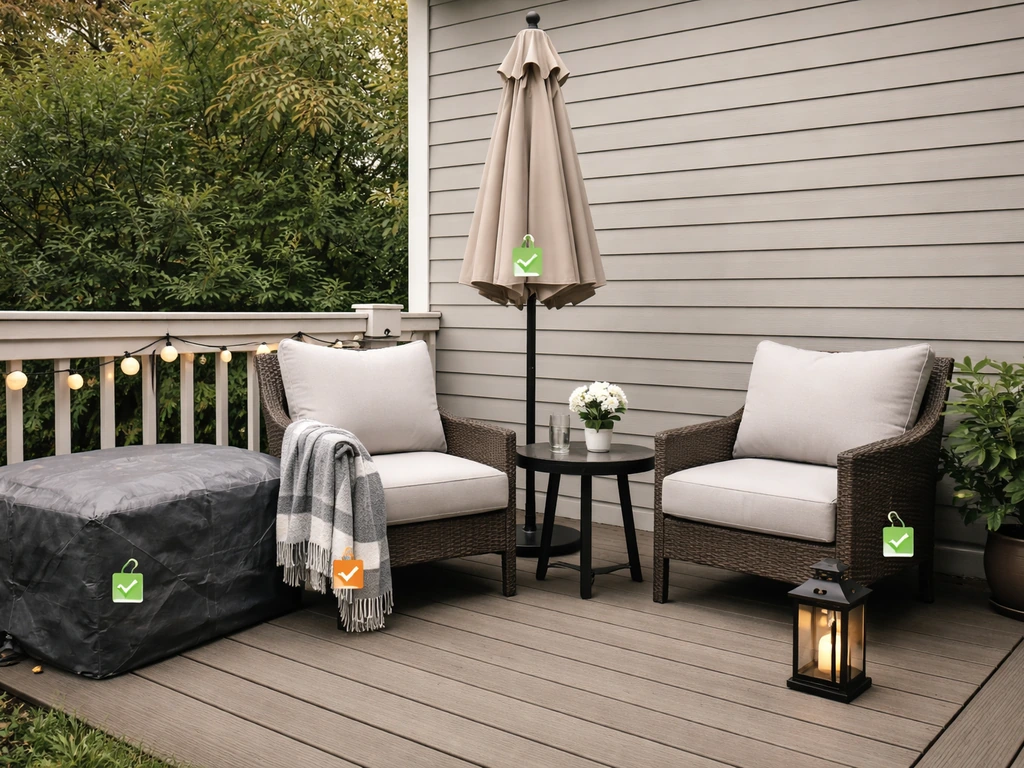
Must Have for Outdoor Patio: A Practical Checklist
Must-have patio checklist: furniture, comfort, lighting power, weather protection, privacy and next-step upgrades for an
Alternative to Patio Cushions: Durable, Stylish Options and DIY
Alternative to patio cushions: durable, weatherproof seating options, pros, DIY tips & buying guide.