
The must-haves for an outdoor patio come down to five categories: seating and a surface, weather and comfort control (shade, heat, airflow), lighting and power access, protection and storage, and the finishing touches that make the space feel like somewhere you actually want to spend time. You don't need all of it on day one, but you do need to buy in the right order so you're not redoing your layout after the fact.
Must Have for Outdoor Patio: A Practical Checklist

Lark Perry
13 May 2026
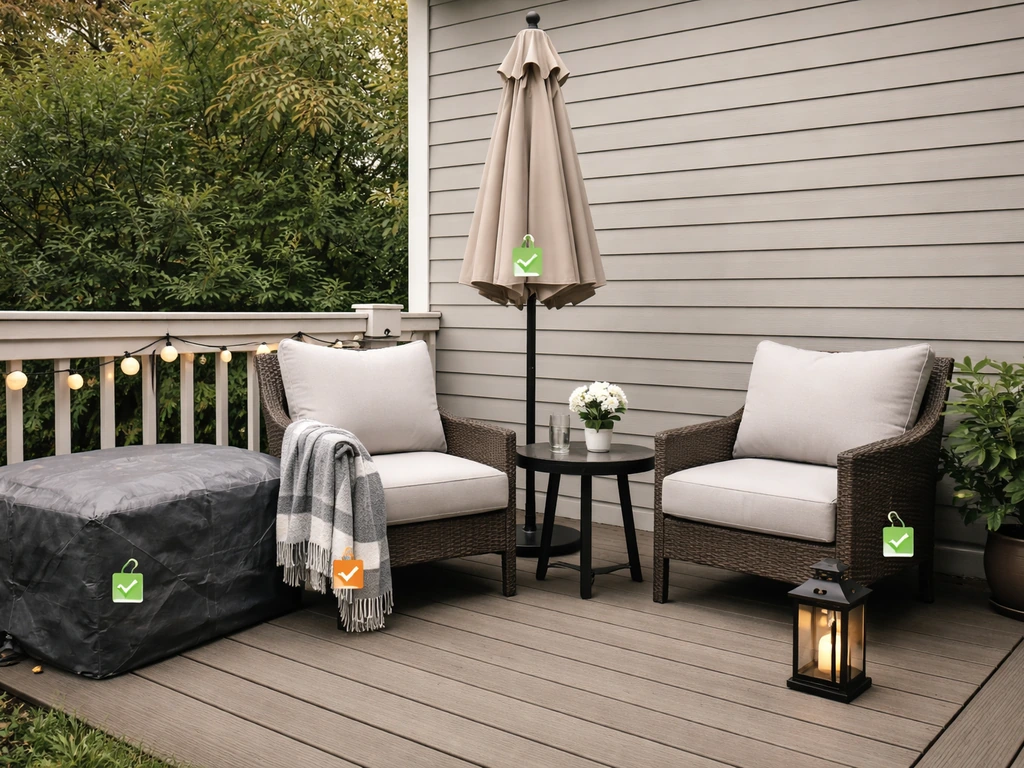
Start by defining your space, budget, and constraints
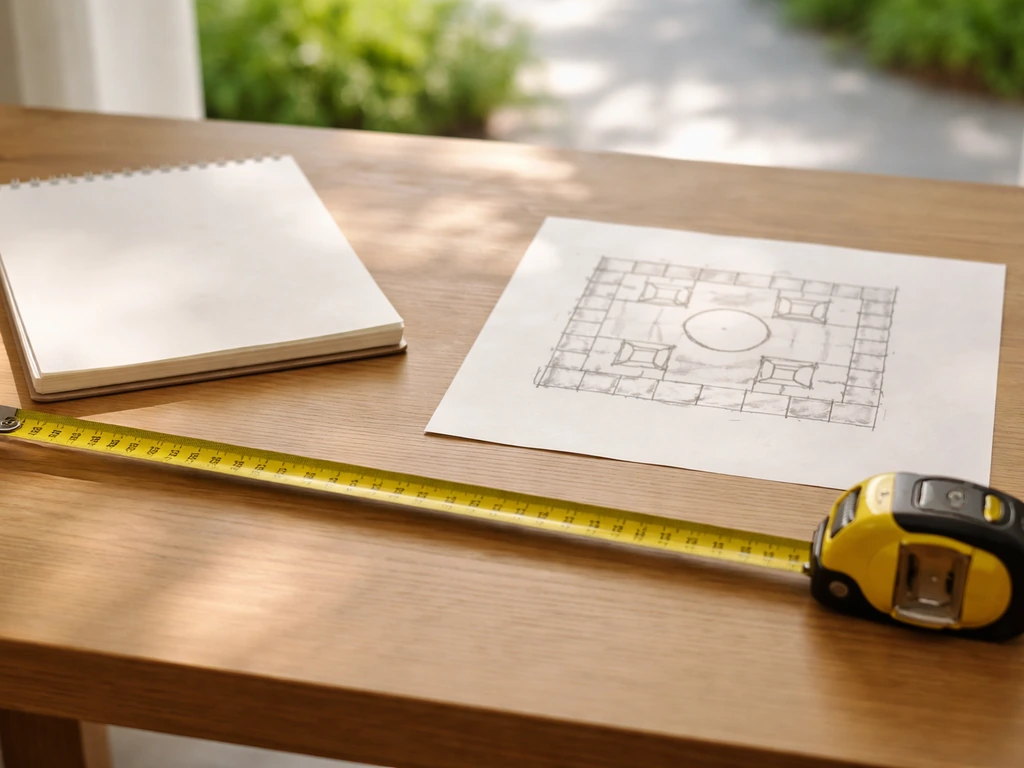
Before you buy a single thing, spend 20 minutes answering a few questions. How much square footage are you working with? Do you own the space or rent it? What's your local climate like from spring through fall? These answers change almost every decision you'll make.
Renters have real limitations: you can't drill into the building facade, you probably can't install permanent electrical, and you need furniture and shade solutions that move with you. Homeowners have more options but also more to protect long-term. Neither situation is better, they just lead to different choices. A renter might lean on freestanding umbrella bases and solar lighting; a homeowner might install a pergola, hardwired outlets, and built-in storage benches.
Budget reality check: a functional patio doesn't require thousands of dollars, but trying to furnish everything at once with the cheapest possible option tends to backfire. Outdoor materials get punished by sun, rain, and temperature swings. Budget for fewer, better pieces rather than a full set of flimsy furniture. Prioritize the items you'll use daily (seating, shade, lighting) and defer the nice-to-haves (outdoor bar cart, decorative planters, fire pit) until phase two.
Must-have basics: seating, a surface, and your layout
Seating is the core of any patio. Whether you go with a dining set, a lounge grouping, or a mix of both depends on how you actually use outdoor space. If you eat outside regularly, a dining table with chairs wins. For more ideas, explore the best outdoor patio dining setups that balance seating, shade, and layout for everyday meals dining table with chairs. If you host drinks-and-conversation gatherings more often, a sectional or a couple of deep-seat lounge chairs with a low coffee table will serve you better.
Layout is where most people go wrong. The rule that saves the most frustration: leave at least 36 inches of clearance between the back of any dining chair and the wall, railing, or furniture behind it. A tighter gap than that and you're doing an awkward shuffle every time someone stands up. If you can push to 48 inches of walkway clearance around the table edge, do it. That extra foot makes the space feel open rather than squeezed. Measure your patio, tape out the footprint on the ground before you order anything, and walk through it.
For material choices, powder-coated aluminum is the best all-around bet for most climates. It's light enough to rearrange, rust-resistant, and doesn't require annual sealing like teak or eucalyptus wood. Wicker (specifically all-weather resin wicker over a powder-coated frame) looks great and holds up well in dry or moderate climates, but can fade and crack faster in extreme UV regions. Solid teak or eucalyptus is beautiful and genuinely durable if you oil it once a year, but it's heavier and more expensive.
| Material | Durability | Maintenance | Best Climate Fit | Relative Cost |
|---|---|---|---|---|
| Powder-coated aluminum | Excellent | Very low | All climates | Mid |
| Resin wicker over aluminum | Good | Low | Moderate UV, dry | Mid |
| Teak / eucalyptus wood | Excellent (with care) | Annual oiling | All, best in mild | High |
| Steel (non-coated) | Poor without treatment | High (rust-prone) | Dry climates only | Low–Mid |
| Recycled plastic (HDPE) | Excellent | Very low | All climates | Mid–High |
If you're building a patio from scratch and want more guidance on dining-specific setups, that's its own rabbit hole worth exploring separately. Same goes if you're planning a bar-style layout or an uncovered patio where material durability becomes even more critical. For an uncovered patio, prioritizing materials and shade coverage helps you find the best outdoor furniture for uncovered patio comfort and durability.
Weather and comfort essentials: shade, heating, and airflow
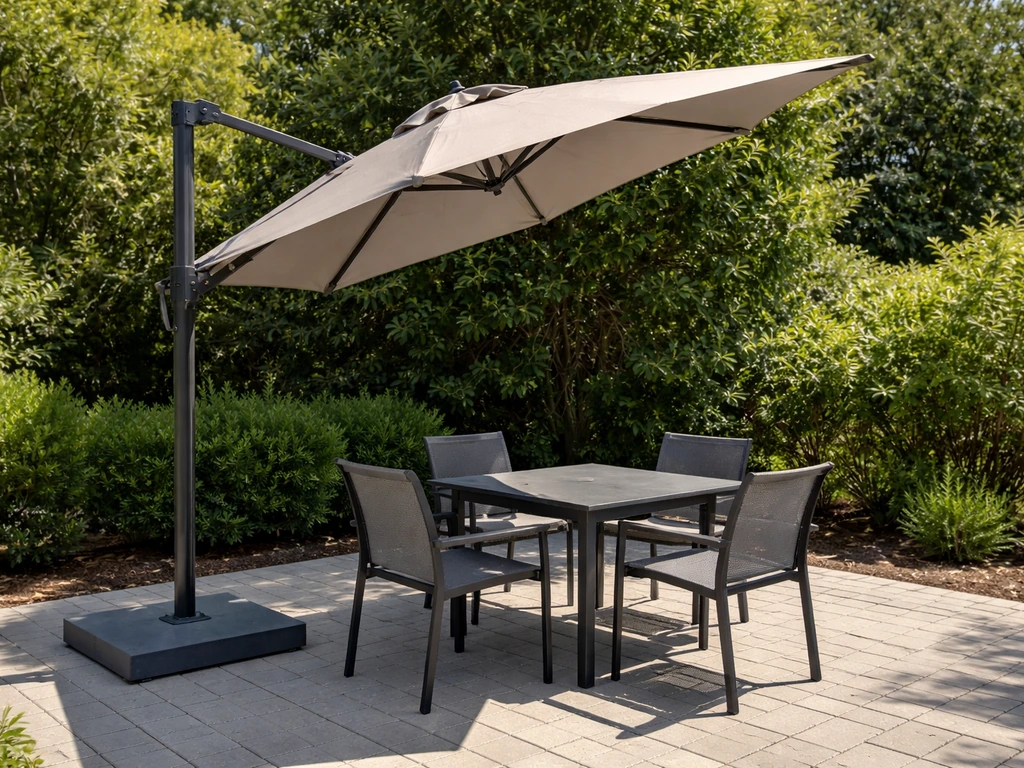
Shade is the single highest-impact upgrade you can make to a patio. Without it, a hot afternoon in summer makes the space completely unusable. With it, the same afternoon is comfortable. A patio umbrella is the most accessible starting point.
Getting umbrella sizing right
The sizing heuristic that actually works: your umbrella canopy should extend roughly 2 feet beyond the table edge on all sides. For a 36-inch round table, that means a 7.5 to 9-foot umbrella is the right range. Larger rectangular tables need proportionally bigger spans. An umbrella that just clears the table edge leaves everyone on the perimeter cooking in direct sun, which defeats the purpose.
For renters or anyone who can't drill into a surface, a cantilever (offset) umbrella with a heavy weighted base is a strong move. It positions the pole off to the side, keeping the table surface clear and allowing repositioning throughout the day as the sun moves. The tradeoff is cost (cantilevers run more than center-pole market umbrellas) and the need for a genuinely heavy base, at least 50 lbs, to keep it from tipping in wind.
Shade sails are a great alternative if you want broader coverage. One important sizing note from installation guides: always account for 10 to 15 inches on each side for the tensioning hardware when planning your attachment points. The sail's finished size is smaller than the spread you'll see when it's laying flat, so measure your anchor points first and work backward to the sail size you need.
Heating and airflow
If you live somewhere with cool evenings or a shoulder season you want to use, a patio heater extends your usable hours significantly. Propane tower heaters are the most portable and need no electrical hookup. Electric infrared heaters mounted overhead (on a pergola, wall, or umbrella pole bracket) are more efficient, heat people directly rather than heating the air, and don't require a gas line. For renters, freestanding propane is the obvious choice. For homeowners with a covered patio or pergola, a hardwired infrared heater mounted overhead is the long-term better investment.
Airflow often gets overlooked. On a screened porch or under a pergola with limited breeze, an outdoor ceiling fan changes the experience entirely on humid summer days. Look for fans specifically rated for wet or damp outdoor locations (more on ratings below). If a ceiling fan isn't possible, a large oscillating outdoor floor fan or a misting fan can fill the gap.
Lighting and power: using your patio after dark
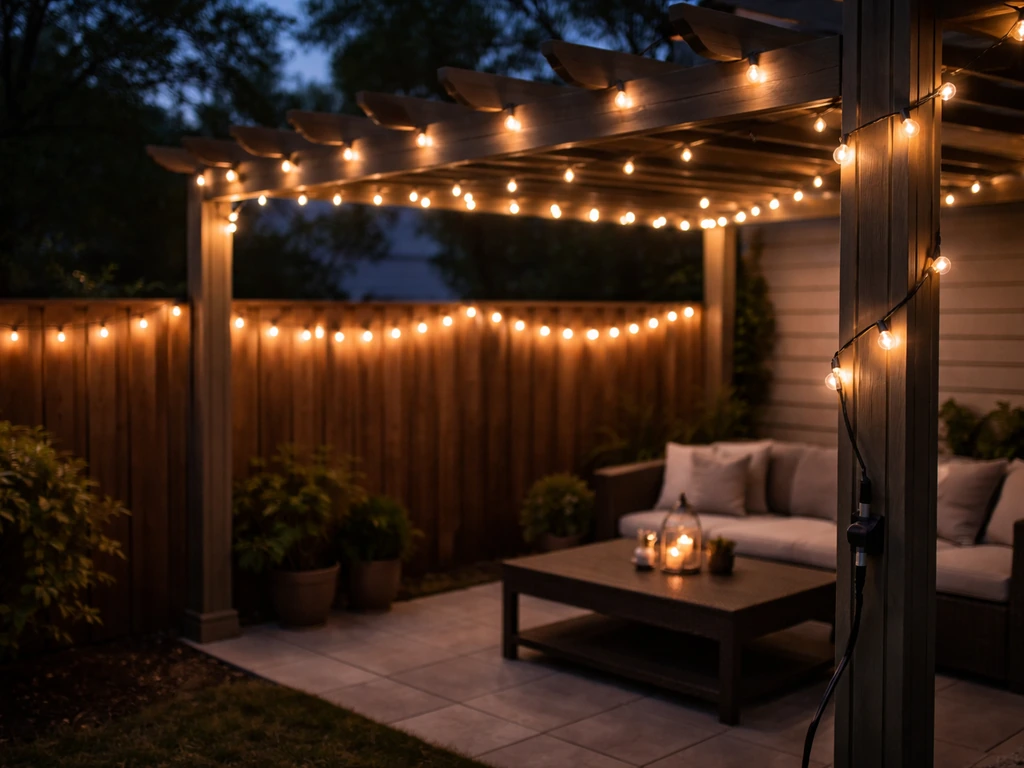
A patio without lighting stops being usable at sunset. Lighting also does more than illuminate: it sets the atmosphere, defines the space, and makes the whole thing feel intentional rather than improvised.
Picking the right fixtures for outdoors
Not all outdoor fixtures are created equal. Fixtures are rated for dry, damp, or wet locations based on UL standards. A damp-rated fixture handles moisture and humidity but isn't meant to take direct rain or splashing. A wet-rated fixture can handle direct water contact, including rain, spray, or being hosed down. UL 1598 wet location definitions commonly used for luminaire ratings describe locations where water or liquid can drip, splash, or flow on or against electrical equipment wet-rated fixture can handle direct water contact, including rain, spray, or being hosed down. Dry-rated fixtures belong indoors only. For an open patio or anywhere rain can reach, use wet-rated. For a covered porch or pergola where fixtures are protected from direct rain but still exposed to humidity and condensation, damp-rated works fine. Using an unrated or dry-rated fixture outside is a safety issue, not just a durability one.
Power planning and GFCI outlets
If you want to run a string light transformer, a portable speaker charger, a blender, or anything else on your patio, you need an outdoor outlet. Here's the critical safety requirement: all outdoor outlets (50 amps or less) must have GFCI protection under NEC code. GFCI outlets cut power instantly if they detect a ground fault, which is the scenario where an outdoor outlet plus moisture becomes dangerous. If your patio already has an outlet but you're not sure it's GFCI-protected, look for the test/reset buttons on the outlet face, or have an electrician check it. Don't skip this.
For renters who can't install hardwired outlets, outdoor-rated extension cords and solar-powered lighting are the practical alternatives. String lights with solar panels have gotten genuinely good in the last few years. They're not quite as bright or reliable as hardwired options, but they work well enough for ambiance and don't require any electrical work.
Layering your lighting
The most inviting patios use multiple layers of light instead of one overhead fixture. String lights overhead (draped across a pergola, along a fence, or strung between poles) provide the ambient layer. A lantern or two on the table handles task and accent lighting. Path lighting or step lighting handles safety around the edges. This three-layer approach is inexpensive to pull off with solar and plug-in options and makes a disproportionate difference to how the space feels at night.
Protection and durability: covers, storage, and upkeep
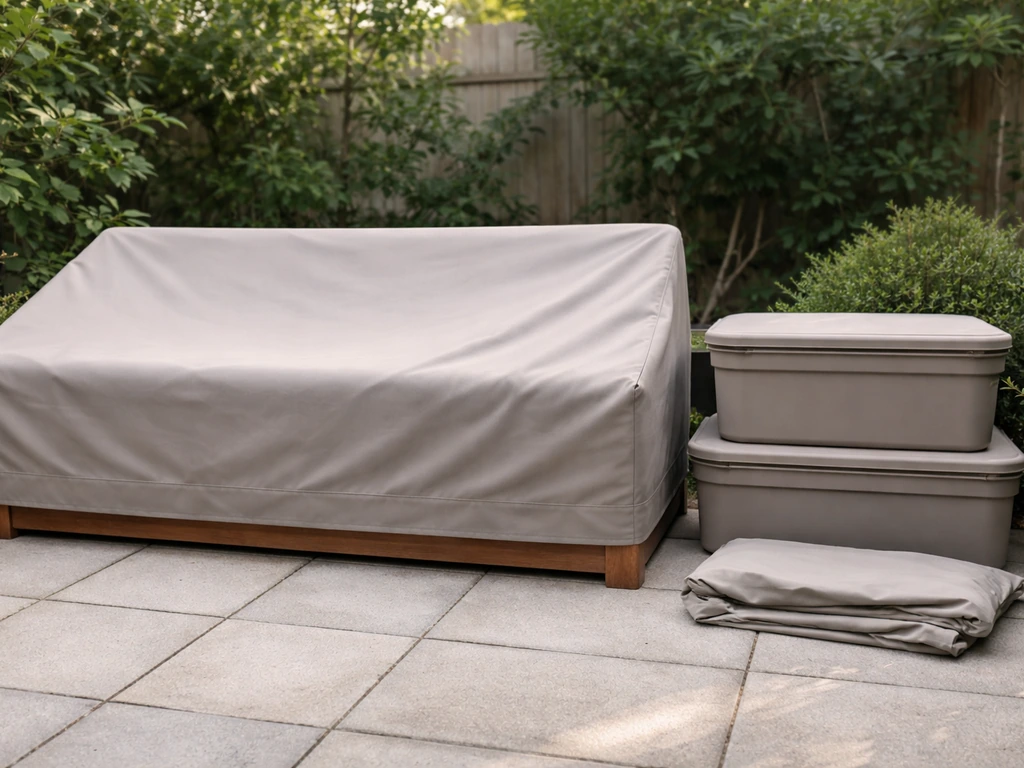
Outdoor furniture is an investment, and what you do between uses determines how long it lasts. The two biggest enemies are UV exposure (which fades and degrades almost every material over time) and moisture left sitting in fabric, cushion seams, and frame joints.
Furniture covers are the cheapest insurance you can buy. A good fitted cover for a dining set runs $40 to $100 and can add years to the furniture's lifespan. Look for covers made of polyester with a PVC or PEVA backing, with vents to prevent mildew buildup underneath. Covers without vents trap condensation and can actually accelerate mold growth on cushion fabric.
Cushion storage is the other piece people underestimate. Even cushions rated for outdoor use last significantly longer when stored inside (a bench with a lift-top, a deck box, or a garage shelf) during heavy rain or when the patio isn't in use for extended periods. A 70- to 100-gallon deck box handles a full set of chair cushions for a 6-person dining set and doubles as extra seating or a side table.
Maintenance doesn't have to be complicated. Once or twice a season: wipe down frames with mild soap and water, rinse and air-dry cushions, check for any rust spots on metal hardware and treat them immediately with a rust converter before they spread, and re-tighten any bolts or screws. For teak or wood furniture, apply teak oil or a UV-protective sealer once a year in spring. That's genuinely all it takes to keep most patio furniture in good shape for a decade.
Noise, privacy, and atmosphere: the finishing layer
Once the functional stuff is handled, the upgrades that make a patio feel like a real outdoor room are privacy, sound, and atmosphere. These are the items that can wait until phase two of your setup, but they're worth knowing about because they often get overlooked until people feel like something is still missing after buying all the furniture.
Privacy screening
If you're in close proximity to neighbors or a street, privacy screening makes the patio feel much more like your own space. Options range from tall planters with dense shrubs (works for renters, moveable, no installation needed) to bamboo or reed fence panels you can attach to an existing fence or railing, to outdoor privacy curtains hung from a pergola or tension rod. Curtains also soften wind, add a decorative layer, and can be swapped out seasonally.
Sound and noise
A good outdoor Bluetooth speaker is one of the most-used patio accessories you'll own. Look for IP67 or IP65 waterproof ratings, and if it's going to sit outside permanently rather than brought out per use, choose one with a marine-grade or UV-resistant enclosure. Noise coming in from the street or neighbors is harder to solve. Dense plantings, a water feature (fountain or small waterfall), or a wind-chime style white-noise element can help soften ambient street noise by occupying the sound space.
Atmosphere and decor
Outdoor rugs define zones, add color, and make a hard patio surface feel more finished underfoot. Choose polypropylene or recycled plastic rugs rated for outdoor use since they resist mildew and can be hosed clean. Planters, lanterns, and a small side table or two round out the space visually without requiring a big budget commitment. If you're building toward a more complete outdoor entertaining setup, an outdoor bar or bar cart is a natural next step once the seating and shade are sorted.
What to buy first and what can wait
Here's the priority order that makes the most practical sense for most people:
- Seating and a table (the patio is unusable without these, and your layout decisions here anchor everything else)
- Shade solution (umbrella or shade sail matched to your table size and space constraints)
- Lighting (at minimum, a string light setup so you can use the space at night)
- Furniture covers and a deck box for cushion storage (buy these the same week as the furniture, not after the first storm)
- Heating if you're in a climate with cool evenings or a long shoulder season
- Privacy screening, outdoor speaker, outdoor rug, and decor items once the functional layer is complete
The goal with a first patio setup is a functional, comfortable space you can actually use this week, not a perfectly styled one you're still assembling in August. Get seating, shade, and lighting dialed in first. The rest comes together naturally once you've spent time in the space and know how you actually use it.
FAQ
How do I avoid a patio layout that feels cramped even if the table fits on paper?
Use the 36-inch rule as your default, then check two specific choke points: the path from the door to the seating and the space behind the highest-backed chair. If either feels tighter than about 32 inches when chairs are pulled out for eating, resize the table or swap chairs for narrower profiles.
Which shade option is better if the sun hits from different angles at different times of day?
If you share a wall or railing with neighbors, choose a shade plan that can be adjusted without moving the whole setup. A cantilever umbrella lets you shift coverage during afternoon sun, while shade sails require fixed anchor points, so they work best when you know the sun angle you want to block.
What should I consider about wind so my shade investment does not turn into a safety risk?
Before buying an umbrella or shade sail, measure your wind reality. If your area regularly sees strong gusts, prioritize heavier bases (or sail tensioning hardware sized for your spans) and avoid lightweight poles. For cantilever umbrellas, plan on wind-proofing from day one, not as an afterthought.
What’s the right way to tell whether my patio outlet is actually safe for outdoor use?
If you can’t confirm your existing outdoor outlet is GFCI-protected, treat it as unsafe until verified. Look specifically for a GFCI “Test” and “Reset” button on the outlet face, and if the buttons are missing or the outlet is old, use a properly rated GFCI-protected outlet or have an electrician check it.
How do I choose between wet-rated and damp-rated outdoor lighting for a covered patio?
Wet-rated fixtures are the safest choice when rain can hit them directly or if you will hose down the area. Use damp-rated only when there is shielding from direct rain, but still expect humidity and condensation, such as under a covered pergola where water droplets can form but not strike directly.
What’s the best way to choose and place outdoor Bluetooth speakers for patio use?
For patio speakers that are used year-round, pick an enclosure designed for outdoor permanence, then also decide whether you need true bass or just background sound. In many patios, placement matters more than wattage, mount or place speakers so they aim across seating rather than toward the house.
Should I cover everything, or only cushions, when I’m not using the patio?
Plan storage around how you actually live. If it rains heavily in your off months, store cushions fully inside and keep only frames under covers, so trapped moisture does not sit in seams. For quick turnarounds, a deck box is easiest, but make sure the lid seals well and is ventilated if your area stays humid.
What’s the fastest way to make outdoor cushions last longer after a rainstorm?
Most “outdoor” fabric still ages faster if it stays wet. After storms, the fix is simple: rinse off salt or heavy debris if needed, then air-dry fully before covering, especially cushions and fabric sling seats. This one step prevents mildew buildup under furniture covers.
Where should a heater be placed so it warms people, not just the space around them?
If you’re trying to heat a dining zone, choose heater placement that reduces dead spots. Overhead infrared works well when mounted above the seating, propane tower heaters work best when positioned to avoid blowing heat away with ceiling fans, breezes, or open sides.
What’s a renter-friendly privacy approach that lets me test what actually works before committing?
A first-pass privacy solution should be reversible and easy to test. Start with movable options like planter screens or tensioned panels, measure the height relative to sightlines from neighbors, then decide on permanent installation only after you notice how shadows and wind behave through different seasons.
Next Articles
Best Sunbrella Patio Cushions: Top Picks, Guide & Maintenance
Find the best Sunbrella patio cushions: durable, fade‑resistant picks, buying tips, care, and top recommendations.
Alternative to Patio Cushions: Durable, Stylish Options and DIY
Alternative to patio cushions: durable, weatherproof seating options, pros, DIY tips & buying guide.
Best Color for Outdoor Patio Cushions in 2026
Choose the best cushion color for sun, heat, and fading in 2026, with pairing tips for patio furniture and durability.