
The best outdoor patio decor starts with three high-impact categories: weather-resistant lighting (string lights or solar lanterns), fade-proof outdoor rugs, and durable planters. A must have for outdoor patio setups is weather-resistant lighting that works in both covered and exposed conditions. Get those three right and your patio will look intentional and put-together even before you add anything else. From there, it's about layering in textiles, wall accents, and seasonal pieces without blowing your budget on things that will fade, mold, or crack by next summer.
Best Outdoor Patio Decor: What to Buy and How to Style It

Lark Perry
1 Jul 2026
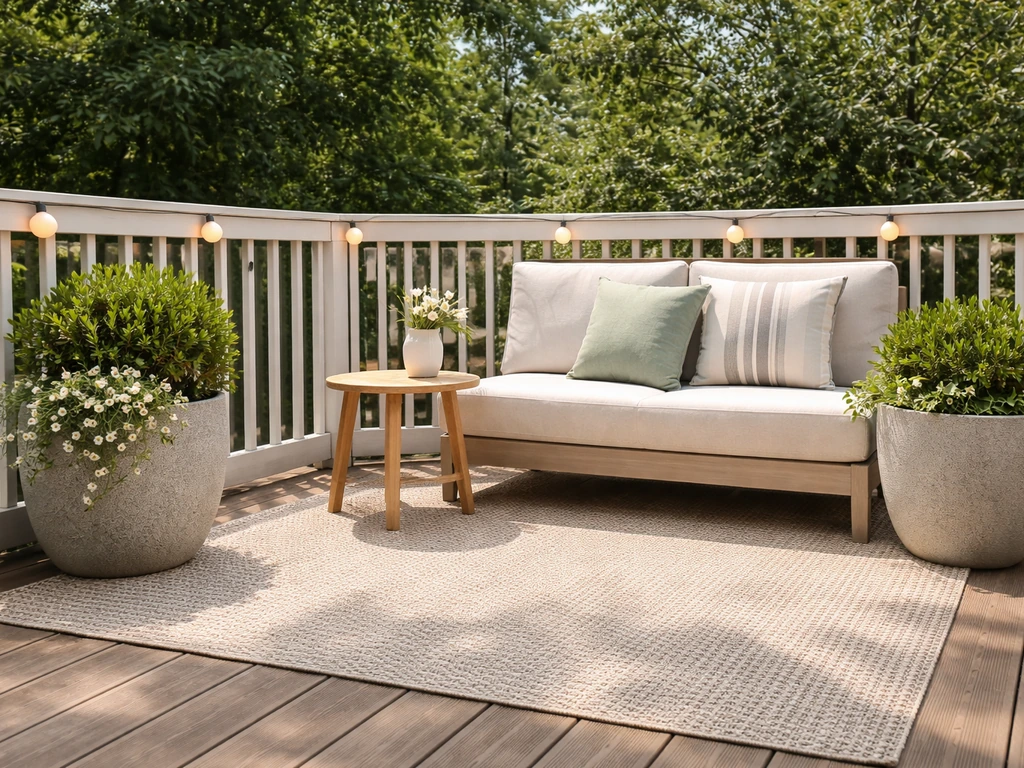
Start by nailing down your style, space, and limits
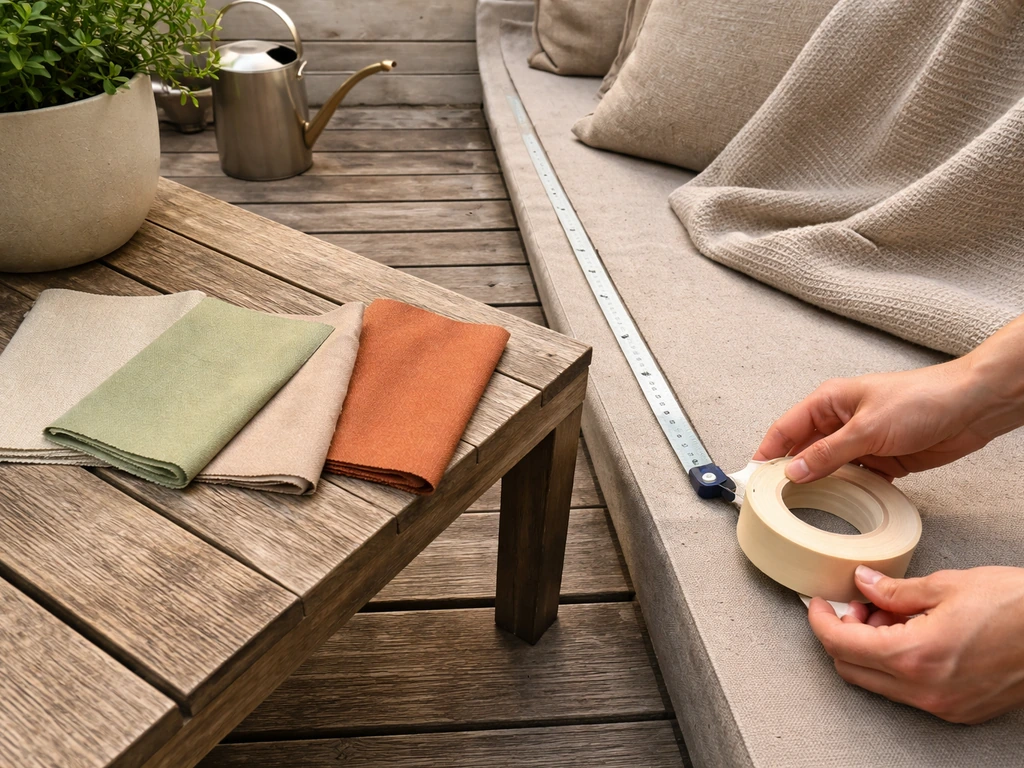
Before you buy a single thing, spend five minutes answering three questions: What style do you actually want? How big is your space (and what's the layout)? And are you a renter or homeowner? These answers will shape every choice you make.
On style, the three directions that translate most cleanly to outdoor decor are modern minimalist (clean lines, concrete planters, matte black metal accents, geometric patterns), coastal retreat (natural textures, rope lanterns, whitewashed wood, soft blues and sandy neutrals), and rustic farmhouse (warm wood tones, galvanized metal, terracotta planters, vintage-inspired signage). You don't have to commit to one label rigidly, but picking a general direction keeps you from ending up with a chaotic mix that makes even a generous-sized patio feel busy and cluttered. Design guidance also cautions that a total lack of cohesion can make a small patio feel busy, so aligning your patio aesthetics with nearby indoor and outdoor surfaces can help you achieve that seamless feel.
One of the fastest ways to make any patio feel more cohesive is to look at what's already around it. The exterior wall color, the flooring material, the door frame finish, these are fixed elements your decor needs to work with, not fight against. A glossy white metal bistro set looks sharp against a dark charcoal wall but awkward against a brick red one. Take a photo of your patio before you shop and use it as a reference.
If you're renting, your constraints are stricter: no permanent mounting, no drilling, nothing that damages surfaces. That actually narrows your choices usefully, you're looking at freestanding, weighted, or clip-on solutions. If you own your home, you have the option to invest in slightly more permanent pieces like wall-mounted lighting or built-in planters, which tend to look more polished and last longer. If you want a quick way to upgrade your space, start with the best outdoor patio accessories that match your climate and layout.
Decor that actually survives the weather
This is where most people waste money. They buy something that looks great in the store or online, put it outside, and watch it fade, warp, or grow mold within a season. The fix is knowing what to look for before you buy.
Materials that hold up vs. ones that don't
| Material | Best For | Weakness | Maintenance |
|---|---|---|---|
| Solution-dyed acrylic (e.g., Sunbrella) | Pillows, cushions, throws | Higher upfront cost | Wipe clean; machine wash covers |
| Polypropylene | Outdoor rugs | Can trap moisture underneath if not lifted | Hose off; let dry fully |
| Powder-coated steel/aluminum | Lanterns, frames, wall art | Chips can rust if not touched up | Wipe down; touch up chips yearly |
| Teak/eucalyptus | Planters, furniture accents | Needs oiling annually | Oil once a year; seal if desired |
| Concrete/fiberglass | Planters, sculptures | Heavy; fiberglass can crack in hard freezes if water-logged | Drain before freezing temps |
| Resin wicker (HDPE) | Baskets, planters, decorative accents | Can look cheap if low quality | Rinse with mild soap |
| Terracotta | Planters | Cracks in freeze-thaw cycles | Bring inside for winter in cold climates |
UV, moisture, and mold: the big three threats
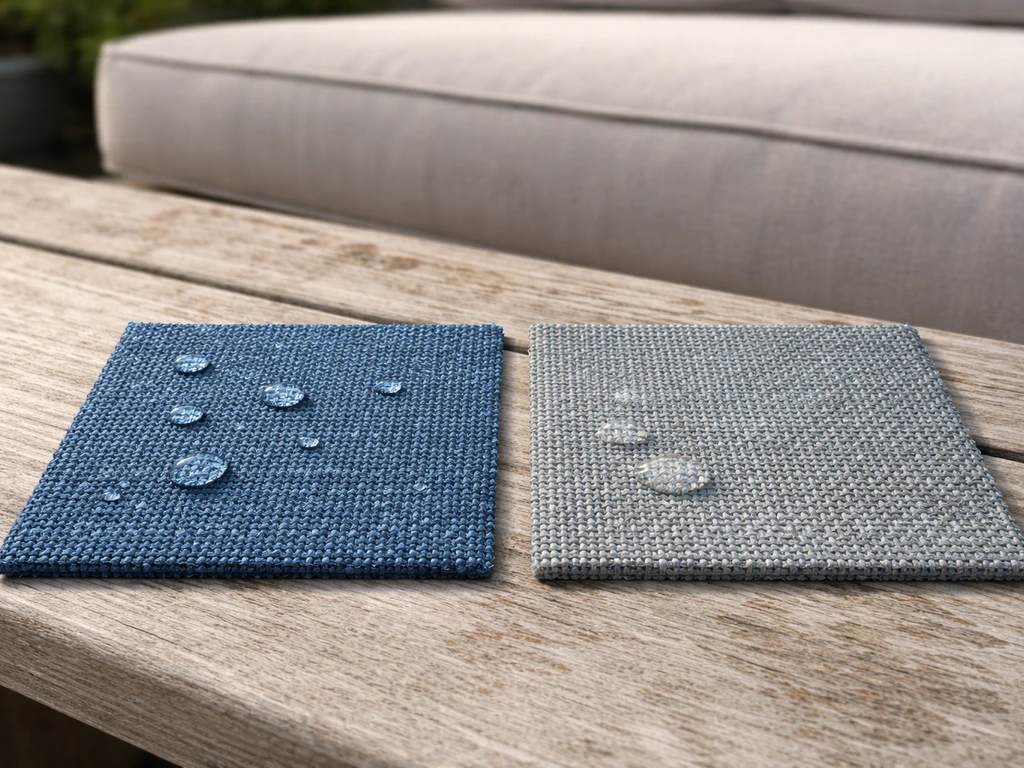
UV exposure is the fastest way to kill outdoor decor. Look for fabrics labeled solution-dyed rather than piece-dyed or printed, the color goes all the way through the fiber so it doesn't bleach out from the surface down. For hard decor like wall art, metal with a powder-coat finish holds color far better than painted metal. Plastics and resins should be labeled UV-stabilized; without that treatment, they'll turn chalky and brittle within a couple of seasons in direct sun.
Moisture and mold are especially problematic for textiles and rugs. Any outdoor fabric should have an open-weave or quick-dry construction so water passes through or evaporates rather than sitting. Lift rugs every week or two during wet seasons to let the surface underneath breathe. If you live somewhere with high humidity (the Gulf Coast, Pacific Northwest, Florida), prioritize mold-resistant and mildew-resistant labels, they're not just marketing.
Wind is the underrated problem. Lightweight decorative pieces, small lanterns, lightweight cushions, thin welcome mats, will end up across your yard after any serious gust. Use weighted bases, fill hollow planters with gravel at the bottom, or choose pieces with built-in ground stakes for anything that sits at the perimeter.
The high-impact decor categories worth spending on
Outdoor lighting
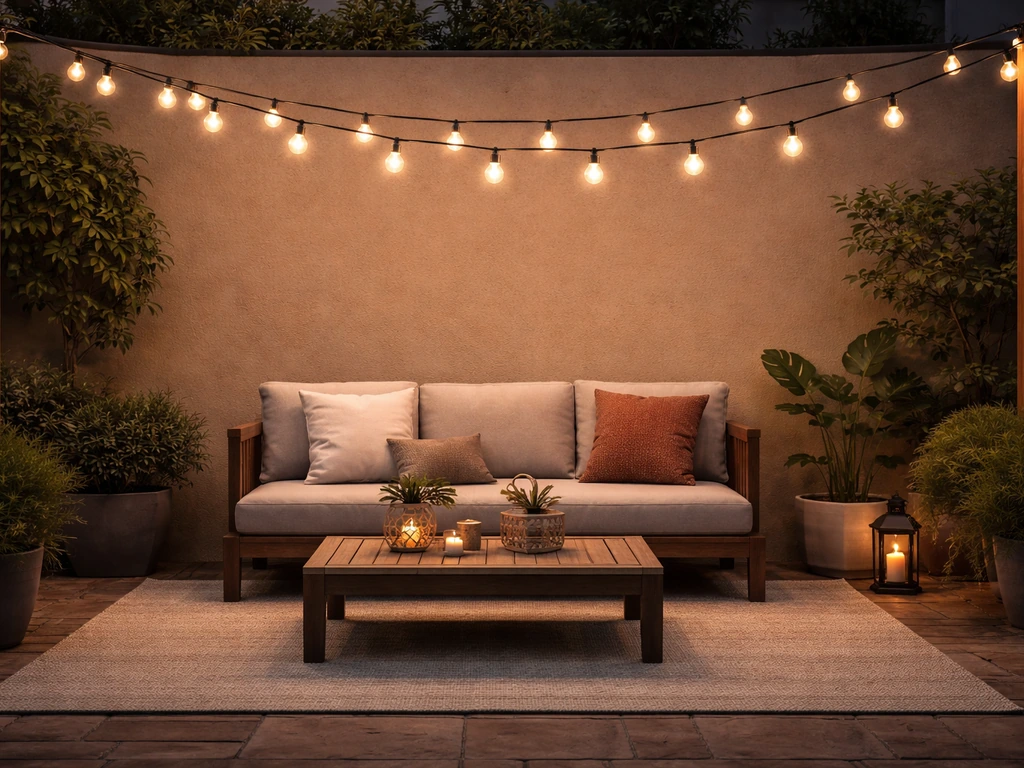
Lighting is the single highest-return decor investment you can make on a patio. String lights (especially café-style or globe bulbs on a heavy-gauge wire rated for outdoor use) transform a bare space after dark and are inexpensive relative to their visual impact. Solar-powered options have gotten genuinely good, look for panels rated at least 1. 5W and batteries with 6-8 hour run time.
For something more structured, a pair of weather-resistant lanterns at 24-30 inches tall flanking a seating area reads as intentional and finished. Always check the IP rating: IP44 is fine for covered patios, IP65 or higher for exposed areas that get direct rain. For an uncovered patio, focus on outdoor furniture rated for UV and moisture so it stays comfortable and attractive through the seasons.
Outdoor rugs
A rug does more visual work than almost any other single piece. It anchors a seating arrangement, defines zones on a large patio, and adds color or pattern without requiring much upkeep if you buy the right one. Flat-weave polypropylene rugs in 5x8 or 8x10 are the workhorses here, they drain quickly, resist fading, and are easy to hose off. Avoid high-pile outdoor rugs in wet climates; they hold moisture and develop mildew faster than flat-weave versions. Size up if you're unsure: a rug that's too small makes furniture look like it's floating.
Throw pillows and outdoor textiles
Pillows are your easiest way to introduce color, pattern, and seasonal updates. Stick to solution-dyed acrylic covers (Sunbrella is the gold standard, but there are decent alternatives at lower price points) and use inserts made from open-cell polyester foam or shredded foam specifically rated for outdoor use, standard indoor pillow inserts will grow mold inside weatherproof covers. Two to four 18x18 pillows per seating area is a practical number. Throws work best on covered patios; in uncovered areas they need to come inside when not in use.
Planters and plants
Planters are structural elements, not just decorative accents. A pair of tall planters (18-24 inches) on either side of a door or seating area creates framing that makes the whole space feel designed. Concrete and fiberglass planters hold up the best across climates (lightweight fiberglass mimics concrete aesthetics without the weight). If you're in a climate that freezes, either choose frost-proof materials or plan to bring planters inside in November. For plants themselves, succulents and ornamental grasses are the lowest-maintenance choices for busy people; lavender, rosemary, and boxwood add structure and scent.
Wall and vertical accents
Most people ignore vertical space entirely, which is a missed opportunity, especially on small patios where floor space is limited. A wall-mounted planter panel, a simple piece of powder-coated outdoor wall art, or a trellis with climbing plants adds visual height without taking up square footage. Mirrors designed specifically for outdoor use (tempered or acrylic, not glass) can make a small patio feel larger. Avoid wooden signs or canvas art without a fully weatherproof coating; they deteriorate fast in direct sun or rain.
Functional accents that also look good
Storage ottomans, side tables with built-in coolers, and decorative trays on coffee tables all do double duty, they solve a real problem and contribute to the look. Resist the temptation to add purely decorative objects that serve no function; on a patio, every surface is exposed to weather, and fewer items means less maintenance and less clutter. A good rule is: if it doesn't do something useful or look genuinely great, skip it.
How to pull it all together into a cohesive look
Cohesion is what separates a curated patio from a collection of things. You don't need a designer to achieve it, you just need a few simple rules applied consistently.
- Pick a two or three color palette and stick to it. One neutral (gray, tan, white, black), one accent color (navy, terracotta, sage, rust), and an optional second accent. Every soft good — rug, pillows, throw — should pull from these colors.
- Repeat at least one material across multiple pieces. If you use natural rattan in a side table, echo it in a planter basket or a lantern shade. Repetition signals intention.
- Work in odd numbers for grouped objects. Three planters, three lanterns, three candle holders — odd groupings read as deliberate rather than random.
- Create one clear focal point. A well-styled coffee table arrangement, a statement planter pair flanking a doorway, or a lit wall feature gives the eye somewhere to land.
- Scale pieces to the space. Oversized furniture and undersized decor is a common mismatch. A 4x6 rug under a full dining set disappears; a single small lantern in a large backyard reads as an afterthought.
- Don't skimp on quality for key anchor pieces. One well-made outdoor rug and quality pillow covers will look better for longer than five cheap ones that fade and sag by August.
If your patio connects directly to an indoor living area (through sliding doors or a large window), carry one or two elements of your indoor palette outside. It doesn't need to match exactly, just one shared color or material is enough to make the transition feel intentional rather than jarring.
What works best by patio size and layout
Small balconies and apartment patios (under 60 sq ft)
The biggest mistake on a small balcony is trying to fit too much in. One seating zone (two chairs or a loveseat with a small side table) is usually the right limit. Use vertical space aggressively: a wall-mounted planter rail, hanging string lights along the railing or ceiling, and a narrow console or rail-mounted shelf. Choose a flat-weave rug in a 4x6 or 5x7 to define the seating area without overwhelming the floor space. Two or three pillows, one statement planter, and good lighting is genuinely all you need, anything more gets crowded fast.
Medium patios and decks (60-200 sq ft)
This is the most versatile size range. You can typically fit a full seating arrangement and a dining zone, or a deep seating grouping with a dedicated lounge chair. Use a large rug (8x10 or 9x12) to anchor the main seating area and let it do the zone-defining work. A pair of floor lanterns or a string light canopy overhead gives the space evening presence. This size benefits most from a focal point piece, a large planter arrangement, a fire table, or a statement outdoor console with mirror above it.
Large patios and full backyards (200+ sq ft)
Scale is the challenge here. Undersized decor on a large patio looks sparse and unintentional. Think in zones, a dining area, a lounge zone, and a transition or accent area, each with its own rug, lighting anchor, and planter grouping. Large-scale planters (24 inches or taller) and taller lighting (shepherd's hook pole lights at 7-8 feet, or multiple string light strands creating a canopy) hold the proportions better. If you're considering building out a bar area, that's a natural anchor for one of the zones. For an effortless upgrade, build your bar area around the best outdoor patio bar setup for your space and entertaining style.
Seasonal updates and renter-friendly swaps
The smartest way to keep a patio feeling fresh without spending a lot is to invest in permanent anchor pieces (rug, lighting, planters, main furniture) that are neutral enough to work year-round, then rotate lower-cost accent pieces seasonally. Pillows, throws, and small decorative objects are your swap levers.
- Spring/Summer: Light, bright pillow covers (whites, light blues, citrus tones), flowering plants in planters, solar string lights for longer evenings, lightweight outdoor throw for cooler nights
- Fall: Swap pillow covers to warm tones (rust, mustard, deep green), add ornamental grasses or mums to planters, swap string lights for warmer-toned bulbs (2200K instead of 3000K), add a weather-rated lantern with real or flameless candles
- Winter (mild climates): Evergreen cuttings in planters, deep jewel-toned pillow covers, battery-operated outdoor candles in lanterns, a heavier outdoor throw rated to handle cold temps
- Winter (cold climates): Store terracotta and ceramic planters inside; drain and store cushions; cover or store the rug if snow/ice is expected; leave only freeze-proof items outside
For renters specifically, everything above can be done with zero drilling or permanent modifications. Railing-mounted planters with clamp or hook attachments, freestanding lanterns, weighted umbrella bases, and tension-rod curtain panels for privacy all come down cleanly when you move. Solar lighting eliminates the need to run extension cords through windows. Command strips rated for outdoor use can hold lightweight wall art on smooth siding surfaces, though test a small patch first.
Your buying checklist and starter bundles by budget
Use this checklist before you buy anything. Check off each question to avoid common money-wasting mistakes. One common patio mistake is scrimping on outdoor furnishings, which can undermine the intended style and finish of your decor.
- Is the fabric solution-dyed acrylic or labeled fade-resistant for outdoor use?
- Is the rug polypropylene with a flat or low-pile weave that drains quickly?
- Does lighting carry an IP44 rating minimum (IP65 for uncovered areas)?
- Are planters frost-proof or appropriate for your climate's winter lows?
- Is the metal powder-coated, galvanized, or rust-resistant aluminum?
- Does the scale of each piece fit your actual square footage?
- Does every piece share at least one color or material with another piece you're buying?
- Have you accounted for wind in your area (weighted bases, tied-down items)?
- If you're renting, does everything come down without damage?
Budget starter bundle: under $150
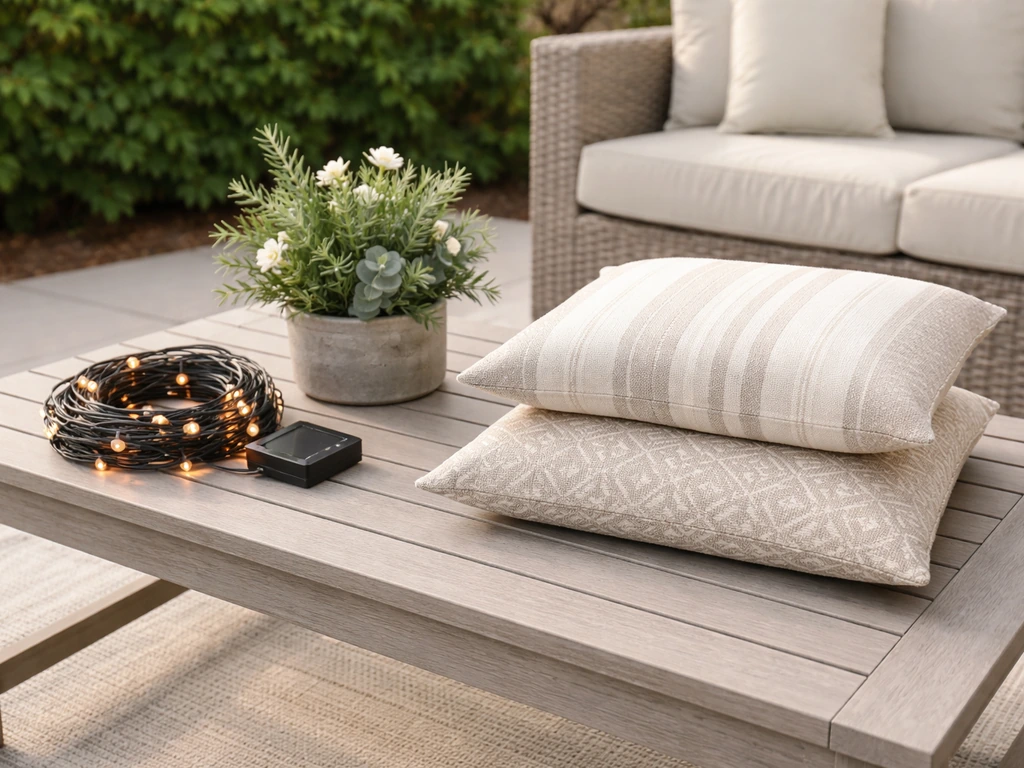
Focus on lighting and softening the existing furniture. One set of solar string lights ($25-40), two outdoor throw pillow covers in a coordinating pattern ($30-40 for a pair), one flat-weave polypropylene rug in a 5x7 or 5x8 ($50-70), and one mid-size planter with a hearty low-maintenance plant like a succulent or ornamental grass ($20-30). Total lands around $125-180 and immediately changes how the space reads.
Mid-range bundle: $300-500
At this budget you can invest in better materials that last. A quality 8x10 polypropylene rug ($100-150), four Sunbrella-grade pillow covers with outdoor-rated inserts ($80-120), a pair of 24-inch fiberglass or concrete planters with plants ($80-120), and a set of café-style outdoor string lights on heavy-gauge wire ($50-80). You'll also have room for one decorative accent piece, a lantern pair, a small piece of outdoor wall art, or a plant stand.
Higher-end bundle: $700-1,200
Here you're buying investment-grade pieces that should last 5-10 years. A large (9x12) commercial-grade polypropylene rug, a full set of Sunbrella cushions and pillow covers, a pair of tall fiberglass planters flanking the main seating area, a hardwired or heavy-duty plug-in outdoor sconce (for homeowners), and a layered lighting setup (overhead string lights plus lanterns at ground level). This tier also makes sense for adding a storage ottoman or a weather-resistant side table with dual function.
If you're building out a full dining setup at this budget level, the outdoor dining accessories and seating choices you make will drive most of the aesthetic, the decor just needs to complement what you've already invested in. For a polished, long-lasting outdoor patio dining setup, focus on weatherproof furniture, lighting, and a dining-ready layout best outdoor patio dining.
Whatever your budget, the principle is the same: invest more in the anchor pieces (rug, lighting, planters) and less in the easily swappable ones (pillow covers, seasonal accents). That approach gives you a polished, weather-resistant base that holds up over multiple seasons while still letting you refresh the look without starting over every year.
FAQ
How do I choose outdoor patio decor if my patio is mostly in shade or gets intense sun?
Treat it as two environments. For mostly shaded patios, prioritize mildew-resistant fabrics and quick-dry rugs, since moisture can hang around. For intense sun, prioritize solution-dyed materials, UV-stabilized plastics/resins, and powder-coated metal, because bleaching and chalking usually show up faster than fading in shade.
What’s the best outdoor patio decor material for rugs if I get frequent rain?
Use flat-weave polypropylene as a default, and look for drainage-friendly construction (no tight pile, no thick foam backing that traps water). After storms, rinse if you can and lift or tilt the rug to dry, especially if your patio floor stays damp.
Can I use regular (indoor) string lights on a patio?
Avoid indoor-rated lights because they are not built for moisture and temperature swings. If you choose decorative lights, confirm they are rated for outdoor use and check the wire gauge is suitable for the full length you plan to hang. For exposed patios, prioritize fixtures with an appropriate IP rating for direct rain.
How do I prevent outdoor decor from looking “small” or cluttered on a narrow balcony?
Use fewer items, but move them upward. Focus on one seating zone and keep horizontal surfaces minimal. Add a flat-weave rug sized to define the seat area, then use vertical lighting (railing or ceiling lines) and one or two larger planters instead of many small decor pieces.
What’s the right rug size if my dining chairs extend beyond the tabletop?
Choose a rug size that allows chairs to remain on the rug when pulled out. A common mistake is buying a rug that fits the table but makes chairs sit on the floor after meals, which breaks the visual “zone” and makes the setup harder to keep clean.
What should I do about outdoor pillows if I don’t want to bring them inside during storms?
Outdoor pillow covers help, but cushions still benefit from protection. If your patio is uncovered, keep pillows on a waterproof storage solution or use a breathable outdoor cover when rain is forecast. Also, use outdoor-rated inserts so moisture does not pool inside the fill.
Are mirrors safe for outdoor use?
Only if they are specifically made for outdoor conditions and are not standard indoor glass mirrors. Look for tempered or acrylic options, and mount them so they avoid direct, constant water spray and the harshest afternoon sun.
How do I choose planters if my area freezes in winter?
If temperatures dip below freezing, use frost-proof materials or plan a seasonal move. Lightweight fiberglass can mimic concrete look but still needs to be rated for your cold conditions. Also consider drainage, a planter that holds water can crack or reduce plant survival.
What’s the easiest way to make decor look cohesive with my existing patio colors?
Pick one dominant outdoor “anchor” color from your space, often your rug tones or planter style, then repeat it once more in lighting accessories or pillow covers. Keeping two shared materials consistent, like matte black metal and the same wood tone, usually reads intentional even if other items differ.
If I’m renting, what outdoor decor is least likely to cause problems with the landlord?
Choose non-damaging options first: clamp or railing-mounted planters, freestanding weighted lanterns, tension-rod privacy panels, and solar lighting that avoids electrical work. For adhesive methods like Command strips, test on a small hidden area and avoid using them on peeling or textured paint where they may pull up finish.
What are common mistakes that lead to outdoor decor failing early?
Buying for looks only is the big one, UV-unstabilized plastics and piece-dyed fabrics often fail quickly. Also, use the right construction for moisture, avoid high-pile rugs in humid areas. Finally, don’t ignore wind, lightweight items without stakes or weights get displaced and can break.
How can I refresh my best outdoor patio decor without replacing the anchors every year?
Keep rug, lighting, and planters as your neutral anchors, then rotate small-impact items like pillow covers, seasonal plantings, and lightweight trays or decorative objects. Store swap pieces in a dry bin so they stay clean and ready, rather than leaving them outdoors between seasons.
Next Articles
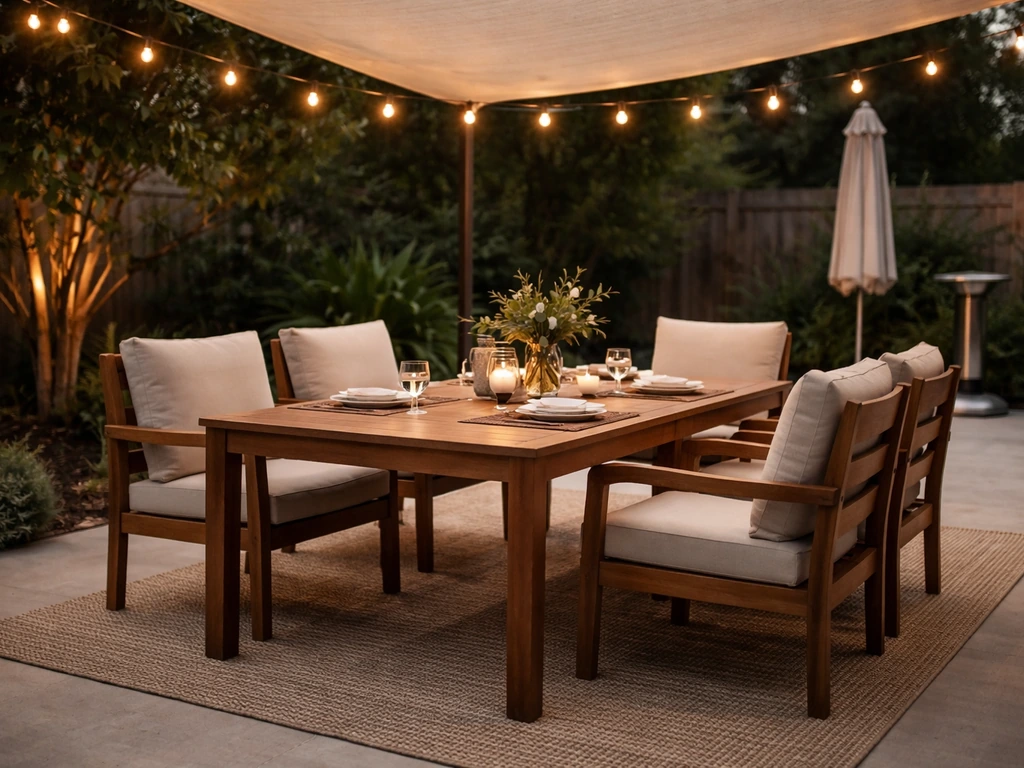
Best Outdoor Patio Dining: How to Choose the Right Setup
Find the best outdoor patio dining setup: table, seating, layout, weatherproofing, comfort upgrades, and budget picks.
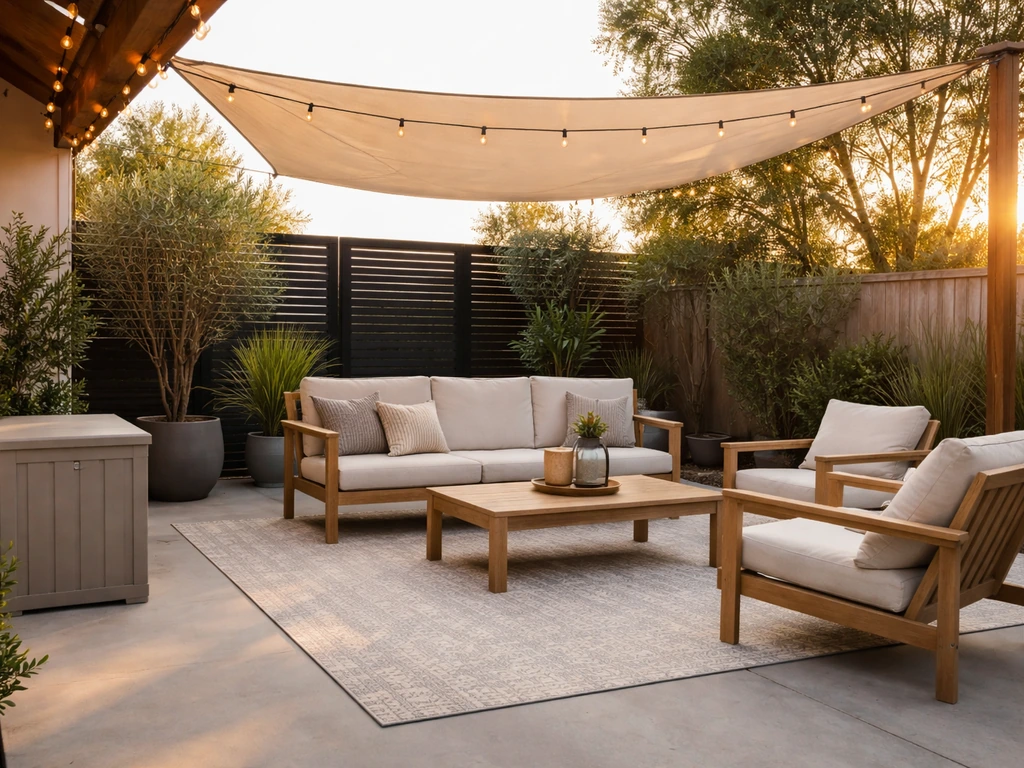
Best Outdoor Patio Accessories: Buyer Guide by Need
Buy the best outdoor patio accessories with a tailored checklist for comfort, lighting, shade, privacy, and weather prot
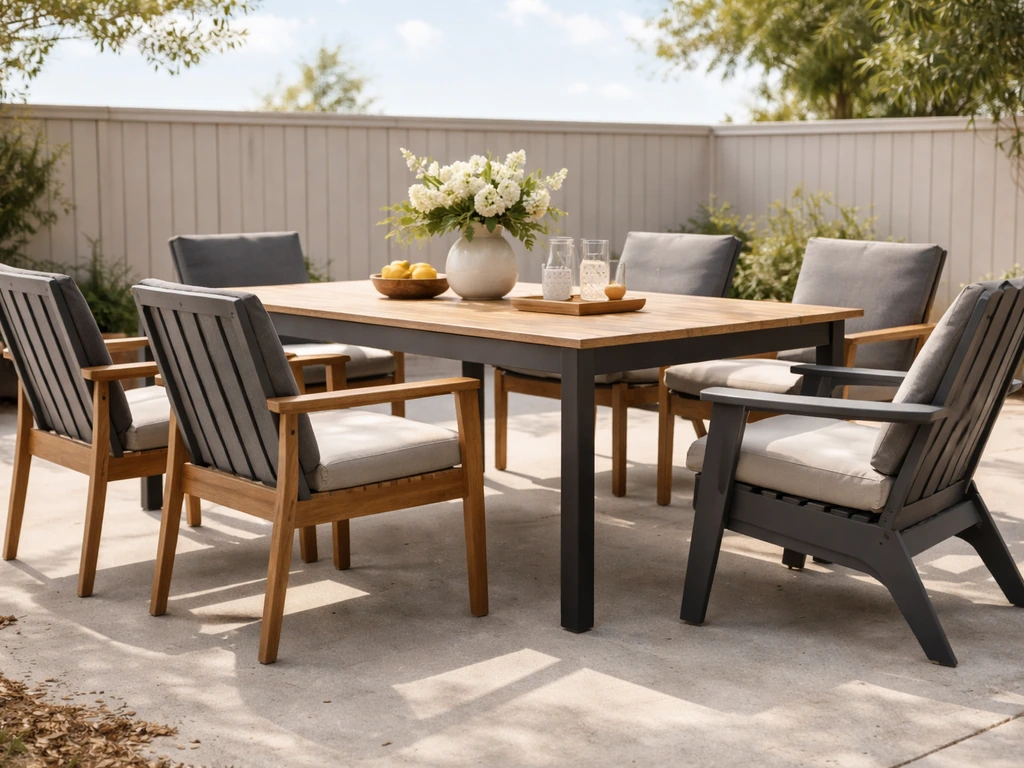
Best Outdoor Furniture for Uncovered Patio: A Buying Guide
Choose the best outdoor furniture for uncovered patios with weatherproof materials, size tips, and a buying checklist.