
For most homeowners today, aluminum patio covers are the better practical choice. They cost less to install than solid wood, last 20 to 30+ years with minimal upkeep, and handle rain, snow, UV, and insects without the maintenance cycle that real wood demands. Wood patio covers look undeniably beautiful and can match traditional architecture perfectly, but they come with a real maintenance commitment and a shorter lifespan that many buyers don't fully account for when comparing bids. That said, the right answer depends on your climate, your budget, and how much upkeep you're actually willing to do every few years.
Aluminum Patio Covers vs Wood: Cost, Durability, Maintenance

Lark Perry
1 Jun 2026
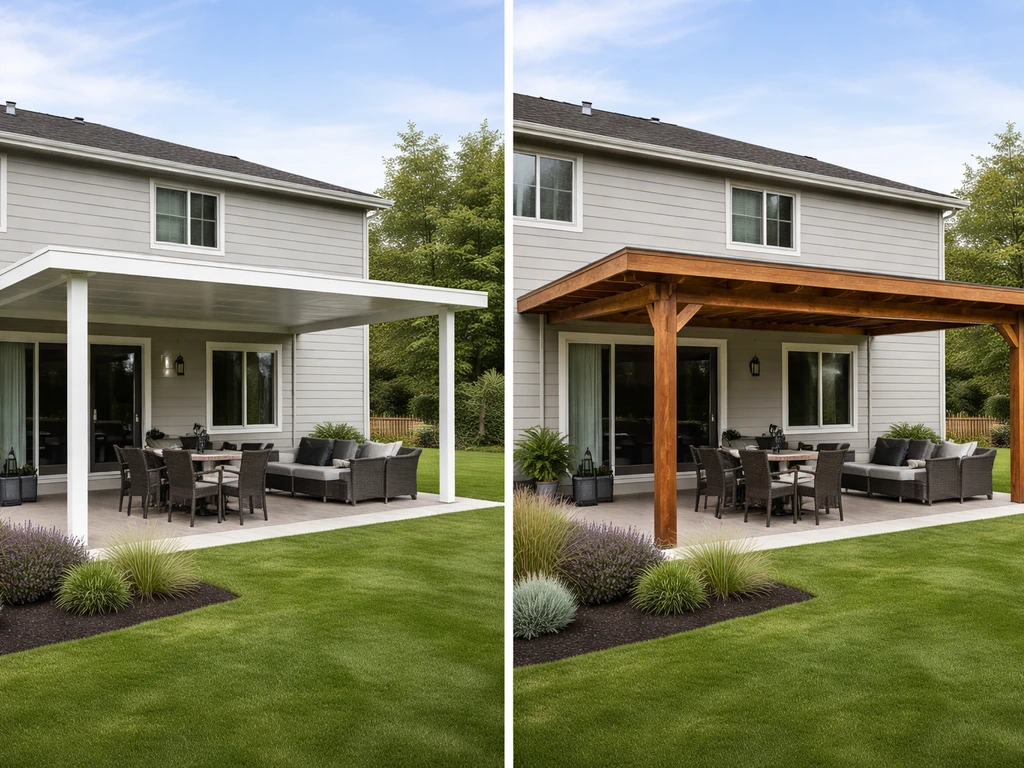
Quick decision: which material fits your priorities
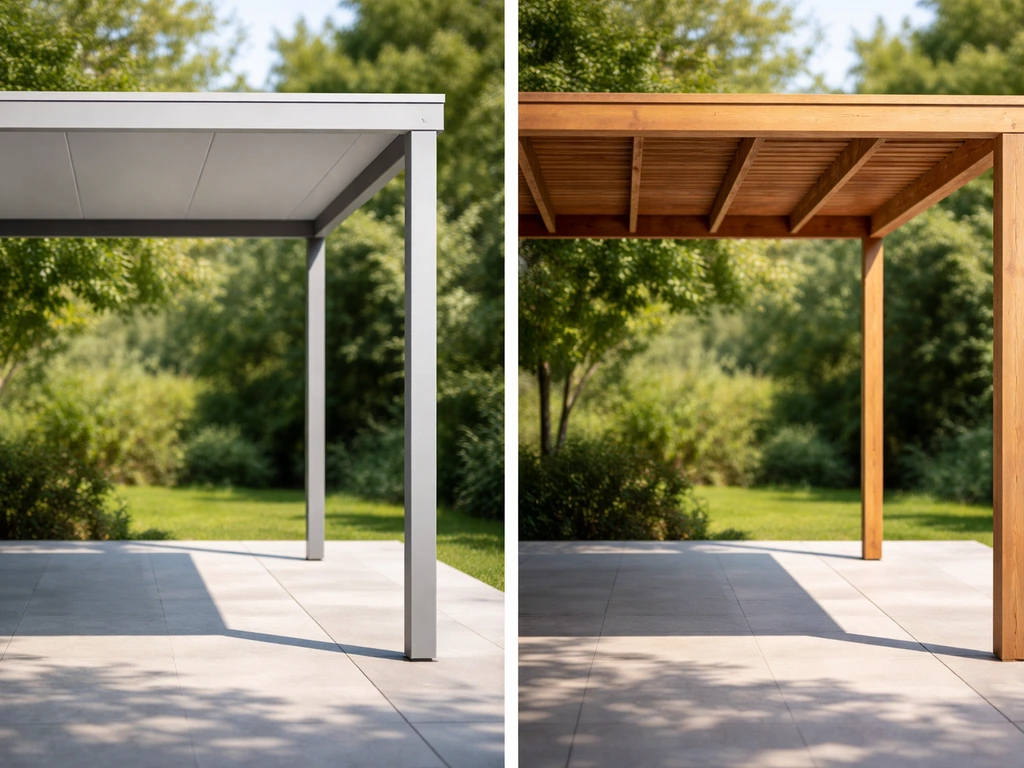
If you want the simplest decision tree, here it is. Choose aluminum if you want low maintenance, a long service life, and reliable weather performance across most climates. Choose wood if the natural aesthetic is non-negotiable for your home's architecture, you're comfortable re-staining every 2 to 3 years, and your climate is relatively mild. If you love the look of wood but don't want the upkeep, strongly consider Alumawood or Elitewood (both aluminum-based systems that mimic wood grain) before committing to real lumber. More on those in a dedicated section below.
- Go aluminum if: you want 20+ year lifespan with minimal labor, you're in a wet, snowy, or high-UV climate, or you're on a tighter budget.
- Go wood if: the natural grain and color are essential for your home's look, you enjoy hands-on maintenance, and you're in a mild, dry climate.
- Go Alumawood or Elitewood if: you want wood aesthetics without the rot/warping risk and are willing to pay a mid-range price for a factory-finished aluminum system.
- Skip wood entirely if: you live somewhere with heavy rain, coastal humidity, or harsh freeze-thaw winters—real wood suffers in all three conditions.
Side-by-side comparison: cost, lifespan, and real-world value
Let's talk real installed numbers, not just material prices. Most homeowners pay somewhere between $4,500 and $12,000 for a patio cover installation, with the national average sitting around $8,500 according to Angi. On a per-square-foot basis, you're typically looking at $20 to $50 per square foot for standard aluminum, while solid wood patio covers run $60 to $120 per square foot installed depending on wood species and quality.
LIDA OUTDOOR’s 2025 patio cover cost guide lists installed cost bands per square foot, including Aluminum/Vinyl at about $20, $60 and Wood at about $60, $120 What Is a Patio Cover? Types, Materials, Costs.
You can get a solid estimate of how much aluminum patio covers cost by using your patio size and typical installed per-square-foot rates as a starting point how much do aluminum patio covers cost. That's a significant gap, especially once you factor in that wood requires ongoing maintenance spending every few years on top of the upfront cost.
| Factor | Aluminum | Wood |
|---|---|---|
| Installed cost (per sq ft) | $20–$60 | $60–$120 |
| Typical lifespan | 20–30+ years | 10–15 years |
| Warranty (typical) | 20-year finish warranty; lifetime material on premium lines | Varies; often limited and maintenance-dependent |
| Resale value impact | Good; durable and low-maintenance appeals to buyers | Good if well-maintained; poor if showing wear |
| Maintenance cost over 15 years | Low (cleaning, occasional inspection) | Moderate to high (staining every 2–3 years, potential repairs) |
| Pest/rot risk | None | Moderate to high depending on wood species and climate |
When you run the full 15-year cost of ownership, aluminum almost always wins on value. A wood cover installed at $80 per square foot on a 200-square-foot patio costs $16,000 upfront, then adds staining and sealing costs every 2 to 3 years, plus potential repairs for rot, warping, or insect damage. An aluminum cover at $35 per square foot runs $7,000 installed and needs little more than periodic cleaning over that same period. The lifespan difference compounds that further: wood may need full replacement at the 10-to-15-year mark, while a quality aluminum system with a proper factory finish can run 20 to 30+ years without major intervention.
Maintenance and upkeep: what you'll actually do each year
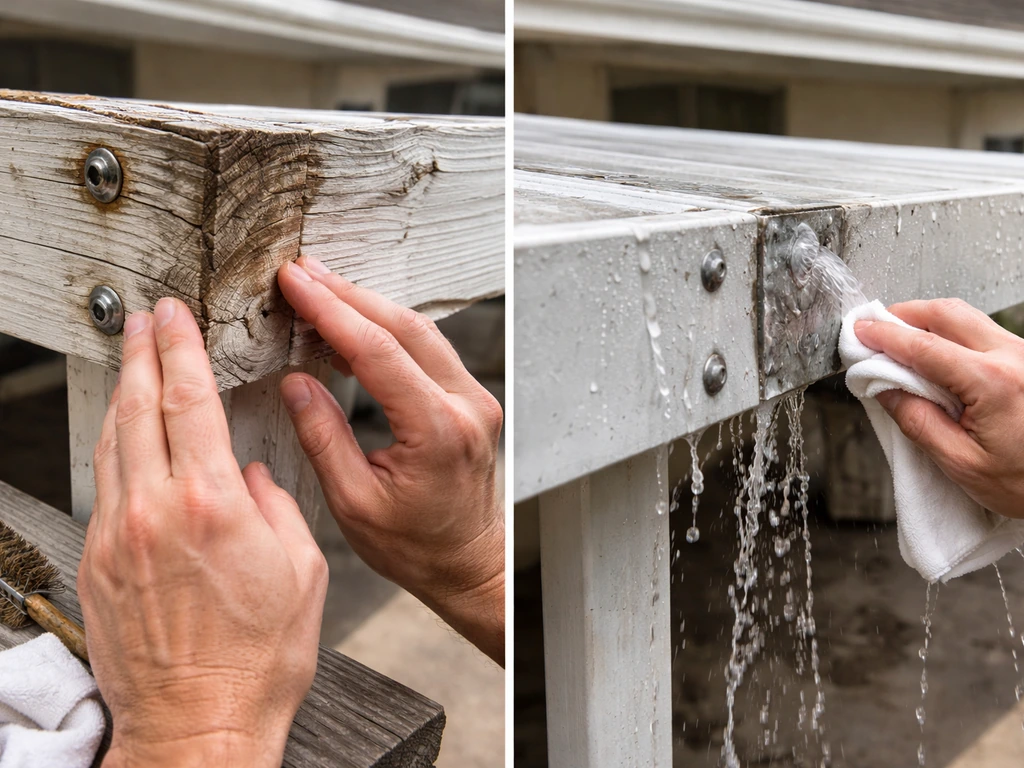
Wood maintenance is real and predictable, which is both a blessing and a burden. You'll need to inspect your wood cover annually for soft spots, cracking, and pest activity, and re-stain or re-seal the entire structure every 2 to 3 years depending on weather exposure. Skip a staining cycle and you're accelerating rot, especially on the underside and at the post bases where moisture collects. Cedar holds up better than pressure-treated pine but still needs that sealer applied on schedule. Budget time as well as money here: re-staining a 200-square-foot structure yourself takes a full weekend, and hiring it out adds hundreds of dollars each cycle.
Aluminum maintenance is much lighter. The main job is keeping the finish clean, since dirt, pollen, and environmental grime can degrade the powder-coat over time if left to sit. A wash with mild soap and a garden hose a couple of times per year is usually enough. One important note if you go with Alumawood specifically: do not repaint it. The manufacturer is explicit that repainting any part of the structure voids the finish warranty and that DIY paint weathers and fades faster than the factory baked-on finish. Work within the system's design rather than trying to customize the color after the fact.
Weather performance and durability
Sun and UV exposure
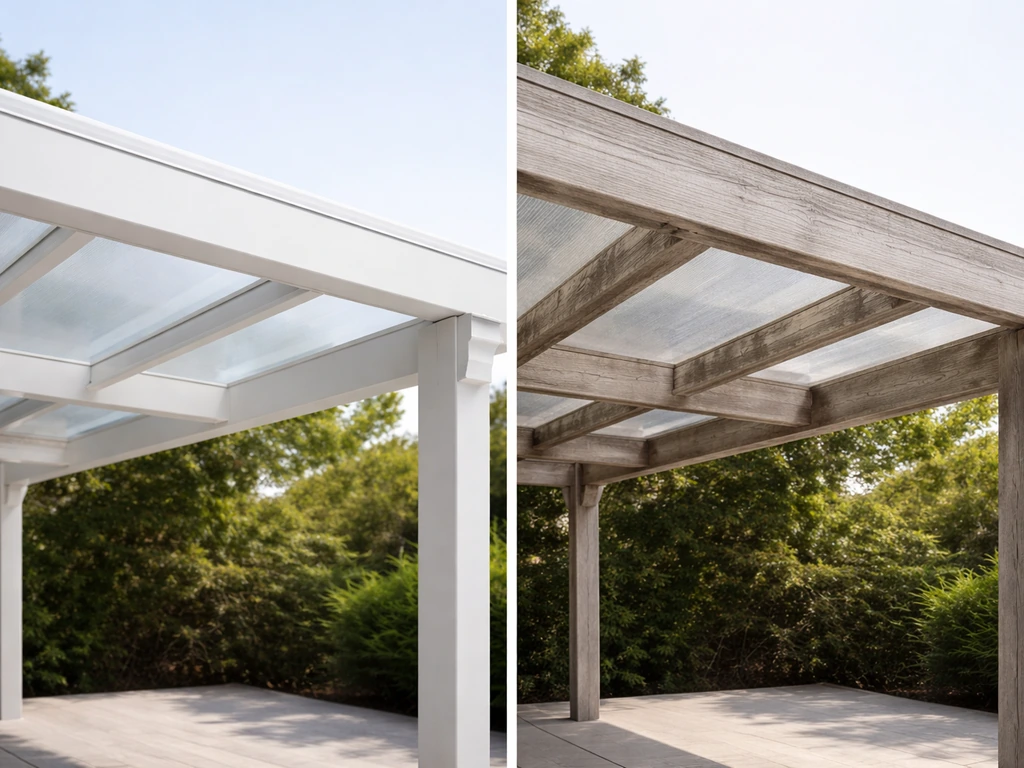
Aluminum handles UV far better than wood over the long term. A quality powder-coated or Aluma-Shield finished aluminum cover will resist fading and chalking for 20+ years when properly maintained. Real wood, by contrast, grays and checks without consistent UV-blocking sealers. In high-sun climates like the Southwest or Southeast, this difference becomes obvious within 5 years if maintenance slips. Aluminum is the clear winner here.
Rain, snow, and moisture
Moisture is wood's biggest enemy for patio covers. Even pressure-treated lumber rated for ground contact can show rot at joints and post bases within 10 years in wet climates. Aluminum doesn't rot, doesn't absorb water, and doesn't swell or warp through freeze-thaw cycles. For structural snow loads, engineered aluminum systems like Alumashade are typically designed to a 10 lb live load with specific wind ratings (110 mph in some cases), and they come with engineering compliance documentation. Wood systems can be engineered to similar performance standards, but the structural integrity degrades faster as the material ages and moisture cycles through it.
Wind performance
Both materials can be engineered for local wind codes. The 2018 International Building Code requires patio covers to resist minimum wind and seismic loads by design, and most counties require stamped structural drawings before issuing a permit regardless of material. The practical difference is that aluminum systems often ship with pre-engineered design packets that already meet common code requirements, saving time on the permitting side. A custom wood structure requires full structural drawings from scratch.
Insects and rot
Termites and carpenter ants don't care about your maintenance schedule. If you're in the Southeast, Gulf Coast, Hawaii, or any humid termite-active region, wood patio covers carry a real pest risk that aluminum simply doesn't have. Even pressure-treated wood is not fully termite-proof, especially at cut ends and above-grade connections. Aluminum has zero pest vulnerability, which is a strong argument for it in affected climates.
Appearance, customization, and comfort
Real wood wins on natural aesthetics, full stop. The grain, the warmth, the way it takes stain and blends into a traditional or craftsman-style home is something aluminum can approximate but not fully replicate. If your home has exposed timber framing, cedar siding, or a strong architectural character that calls for natural materials, a wood patio cover will look better to you and to future buyers who share that preference.
Aluminum covers have improved dramatically in appearance options. They come in a range of powder-coat colors and, in the case of Alumawood and Elitewood, convincing wood-grain embossed textures. Insulated aluminum panel systems also bring a practical comfort advantage: the insulated Elitewood Ultra Series, for example, can reduce patio temperatures by up to 15 degrees Fahrenheit compared to a non-insulated cover, which makes a real difference on summer afternoons.
If you’re worried about whether aluminum patio covers are hot, insulated aluminum panel systems are one related option because they can reduce patio temperatures significantly on summer afternoons insulated panels. Standard non-insulated solid aluminum covers can trap warm air underneath without ventilation, so if you're in a hot climate, insulated panels or a lattice design (which allows more airflow) are worth considering.
Aluminum systems also make electrical integration easier. Insulated panel covers are designed with concealed channels for running wiring, making it straightforward to add recessed lighting, ceiling fans, or outdoor speakers without exposed conduit. Wood covers can do all of that too, but the routing requires more custom carpentry work.
Installation and structural considerations
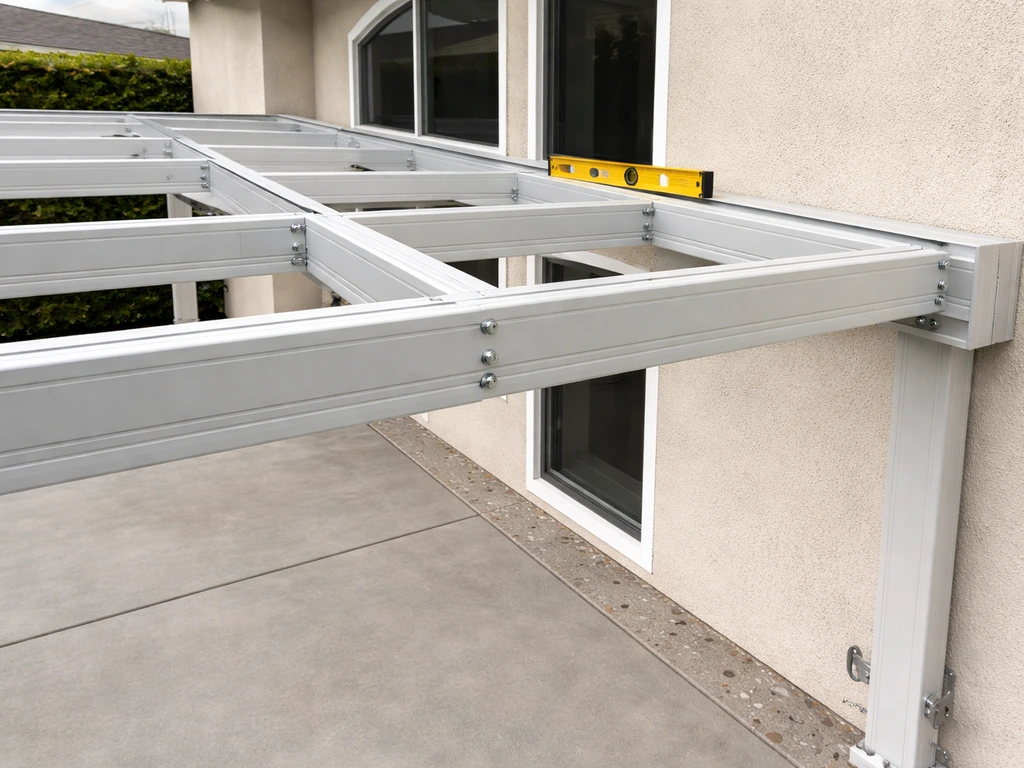
Plan for permits regardless of material. Almost every city and county requires a building permit for an attached or detached patio cover, and most jurisdictions require stamped structural engineering drawings that include post sizes, beam spans, rafter spacing, footing details, and ledger attachment specifications. Douglas County, for example, requires framing plans that specify lumber species, member sizes, and all connection details. This permit process adds cost and time to both aluminum and wood projects equally, so don't assume aluminum is automatically faster to install just because the materials are lighter.
That said, aluminum systems do tend to have a faster construction timeline. Pre-cut, pre-engineered aluminum kits like Alumawood arrive ready to assemble with factory-cut pieces and pre-drilled connection points. A competent contractor can install a standard aluminum cover in one to three days. A custom wood patio cover built from dimensional lumber requires on-site cutting, fitting, and finishing that typically takes longer and has more variables. If timeline matters to you, aluminum has a real edge.
Structural span capacity is another practical consideration. Both materials can be engineered to span similar distances, but the allowable rafter spans for wood depend on lumber species, member size, and spacing, all of which must match your specific load conditions and local code tables. Aluminum engineered systems come with predetermined span data, simplifying the design phase. For large or complex structures, consult a local structural engineer early in the planning process regardless of material.
Alumawood and Elitewood: brand confusion explained
A lot of homeowners searching for wood patio covers end up looking at Alumawood or Elitewood and wondering where they fit. Here's the plain-language answer: neither of them is real wood. Both are aluminum-based systems engineered to look like wood.
Alumawood is a product line by Amerimax that uses extruded and embossed aluminum sheet metal components (rafters, lattice, beams, posts) with a factory-applied baked-on finish called Aluma-Shield. The surface is textured to mimic wood grain, and the system comes as a pre-cut kit. Alumawood carries a limited lifetime material warranty covering against splitting, and a finish warranty covering chipping, peeling, flaking, and blistering under normal wear.
For standard aluminum patio covers and carports, Superior Awning’s aluminum product warranty document describes a 20-year limited standard aluminum product warranty that covers finish defects like chipping, peeling, cracking, and blistering under normal conditions.
The key thing to know: because it's non-combustible aluminum, it performs very differently from wood in fire-prone areas, and as mentioned, you cannot repaint it without voiding the warranty.
Elitewood, specifically the Elitewood Ultra Series, is a competing aluminum-based wood-grain cover system. The Ultra Series is explicitly constructed from aluminum with an embossed wood-like finish. Its key differentiator is the insulated panel option, which is what delivers that up-to-15-degree temperature reduction. The warranty on Elitewood-style products focuses on repairing or replacing faulty aluminum components, consistent with its aluminum substrate.
| Feature | Traditional Aluminum Cover | Alumawood | Elitewood Ultra Series | Real Wood Cover |
|---|---|---|---|---|
| Core material | Aluminum | Aluminum (embossed) | Aluminum (insulated panels) | Dimensional lumber |
| Wood-grain appearance | No | Yes | Yes | Yes (natural) |
| Insulated option | Some products | Yes (insulated panels) | Yes (standard) | No |
| Maintenance level | Very low | Very low | Very low | Moderate to high |
| Lifespan | 20–30+ years | 20–30+ years | 20–30+ years | 10–15 years |
| Warranty | Typically 20-year finish | Limited lifetime material | Component-based aluminum warranty | Limited or none |
| Repainting allowed | Yes (follow guidelines) | No (voids warranty) | Check manufacturer | Yes (required regularly) |
| Relative cost | Lower | Mid-range | Mid to upper-mid | Higher installed cost |
The bottom line on Alumawood vs Elitewood: if you want a wood-look aluminum cover and live somewhere hot, Elitewood's insulated panels offer better thermal comfort. If you're primarily concerned with cost and want a reliable warranty-backed system, Alumawood is a well-established option with a strong track record. Both are vastly easier to maintain than real lumber and last significantly longer. Neither is a substitute for the natural character of actual wood grain up close, but from a normal viewing distance, the textured finishes read convincingly as wood.
Choosing and next steps
Before you call contractors for bids, get clear on your own priorities. Here are the questions that actually drive the decision:
- What is your climate? High humidity, heavy rain, termite activity, or brutal UV exposure all favor aluminum or aluminum-based systems strongly.
- What is your home's architectural style? Craftsman, colonial, and rustic designs often look better with real wood. Modern, transitional, and stucco homes work well with aluminum finishes.
- How much maintenance will you actually do? Be honest. If you know you'll defer re-staining, choose aluminum.
- Do you want integrated lighting, fans, or electrical? Insulated aluminum panels make this much simpler.
- What is your 15-year total budget, not just upfront cost? Factor in staining cycles and potential repairs for wood.
- Is natural wood texture a hard requirement, or would a high-quality wood-grain aluminum system satisfy you visually?
What to look for when reviewing bids and specs
- Ask for the specific product system or lumber species, not just 'aluminum cover' or 'wood cover'—get the brand, series, and finish specification.
- Confirm the bid includes permit fees and structural engineering, not just materials and labor.
- For aluminum systems, ask whether the finish is powder-coated or a factory-baked system like Aluma-Shield, and request the warranty documentation.
- For wood bids, ask what species is being used, whether it's pressure-treated or naturally rot-resistant (cedar, redwood), and what the contractor recommends for first-year sealing.
- Check that structural drawings will be provided and that the system is sized for your local wind and snow load requirements.
- Ask about gutter and drainage integration—aluminum systems with built-in gutter channels are a meaningful upgrade over wood builds that require separate gutter installation.
- For insulated panel aluminum covers, confirm the R-value or thermal performance spec, not just a marketing claim about temperature reduction.
- Get at least two to three bids and make sure they're comparing equivalent systems—a $10,000 insulated aluminum cover bid is not the same as a $6,000 non-insulated lattice bid.
Best-fit scenarios at a glance
| Your Situation | Best Choice |
|---|---|
| Tight budget, long lifespan priority | Standard aluminum patio cover |
| Hot climate, want comfort and low maintenance | Insulated aluminum (Elitewood Ultra or similar) |
| Want wood look without wood upkeep | Alumawood or Elitewood |
| Traditional home, natural aesthetic is essential | Real wood (cedar or redwood) with consistent maintenance plan |
| High-humidity or termite-active region | Aluminum in any form |
| Planning to sell within 5–7 years | Aluminum—lower cost, no deferred maintenance surprises for buyers |
| Love DIY, want hands-on customization over time | Wood, if you'll genuinely follow the 2–3 year staining schedule |
One final practical note: the cost data for patio covers varies widely depending on your region, project size, and contractor, so treat national per-square-foot averages as rough calibration tools rather than firm quotes. Get local bids, ask for itemized breakdowns, and make sure the structural engineering and permit costs are included before comparing numbers. The homeowners who feel best about their patio cover five years later are the ones who matched the material to their actual lifestyle and maintenance habits, not just the lowest upfront price.
FAQ
Which material is better if I plan to add screens, curtains, or glass panels later?
Aluminum usually makes later enclosure upgrades easier because channels and attachment points are designed to accept hardware. Wood covers can work, but retrofits often require carpentry changes to avoid weakening the framing or trapping moisture behind new panels.
How do I decide between a solid aluminum roof vs a lattice or ventilated design for heat control?
Choose insulated aluminum panels if you want maximum temperature reduction under direct sun, especially in hot climates. Choose lattice or more open designs if you prioritize airflow and want to reduce heat buildup without adding insulation. Non-insulated solid roofs can trap warm air if your patio design lacks ventilation.
What should I ask contractors to verify before signing, regardless of aluminum or wood?
Ask for the stamped engineering package details (post sizes, beam spans, rafter spacing, footing plan, and ledger attachment method) and confirm the wind and live load design basis. Also request an itemized line for permit and engineering fees so you compare full installed scope, not just material price.
Is it worth paying extra for “sealed” or “treated” wood to reduce maintenance?
Sometimes it helps, but it does not eliminate maintenance. Even treated wood needs periodic inspection and re-sealing on a schedule, especially at underside surfaces and at joint and post-base locations where moisture collects over time.
If my patio is near the coast or uses de-icing salts, which is safer long-term?
Aluminum is generally the better choice because it does not rot or absorb water, and quality powder-coat systems resist weathering better than stained wood finishes. With wood, salt spray and constant moisture accelerate graying, checking, and coating failure, which then speeds up underlying deterioration.
Do aluminum patio covers make it easier to install lighting or fans?
Yes, especially with insulated aluminum panel systems that include designed pathways for wiring, which reduces the chance of visible conduit or risky drilling into structural members. With wood, routing is more custom and contractors may need to avoid cutting close to load-bearing areas and joints.
What are the most common mistakes homeowners make when choosing wood patio covers?
Skipping the re-staining or re-sealing window is the biggest one, it leads to faster underside rot and coating breakdown at the post bases. Another common issue is underestimating how much cracking and warping can occur when the underside is shaded differently than the top surface.
Can I paint an aluminum wood-look cover to match my home, or will it void warranties?
For products like Alumawood, repainting typically voids the finish warranty, and DIY paint can fade or weather sooner than the factory baked-on coating. If color matching matters, ask the installer what colors are available through the manufacturer options rather than planning to repaint later.
How should I handle gutters and drainage with each material?
Regardless of material, plan for consistent drainage and avoid water pooling at the post bases. Aluminum does not rot if water hits it, but standing water can still cause staining or accelerate coating wear, and poor drainage will shorten the service life of any attached wood components.
Will a wood-look aluminum cover still get as hot as real wood?
It can, but insulated aluminum panel systems are specifically designed to reduce patio temperatures (often up to about 15 degrees Fahrenheit compared to non-insulated covers). Real wood also insulates somewhat, but it still needs UV-blocking sealers to maintain performance in high-sun areas.
If I’m worried about termites, is aluminum always the safest choice?
For insect risk, aluminum is essentially immune because it does not provide the food source termites need. Wood can still be vulnerable in termite-active regions even if it is pressure-treated, particularly at cut ends and above-grade connections.
Next Articles
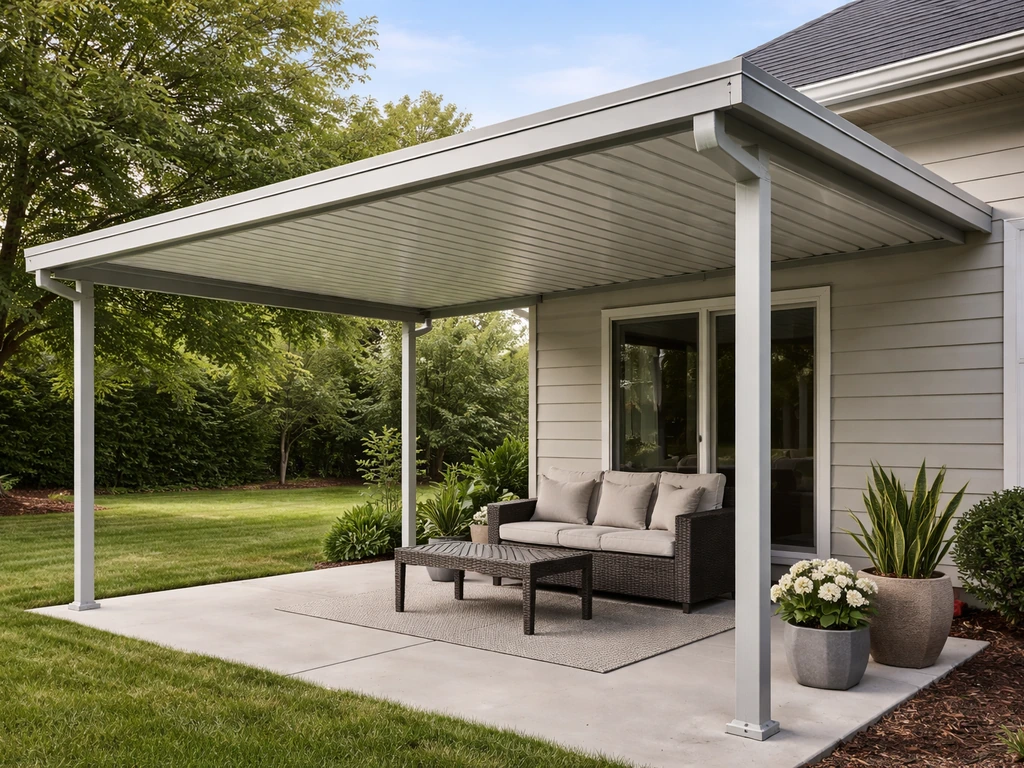
How Much Do Aluminum Patio Covers Cost? 2026 Pricing
2026 pricing for aluminum and Alumawood patio covers, with cost ranges, what affects totals, and key quote questions.
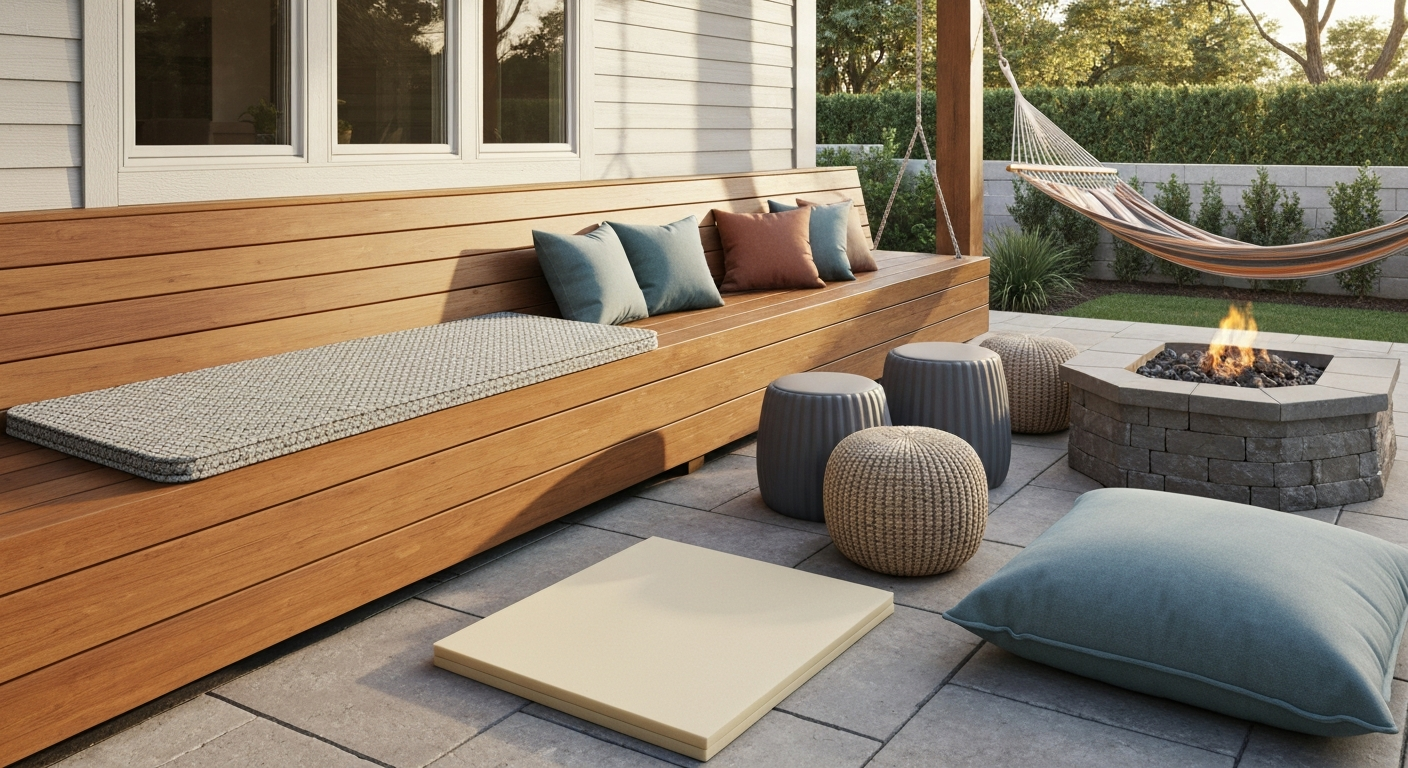
Alternative to Patio Cushions: Durable, Stylish Options and DIY
Alternative to patio cushions: durable, weatherproof seating options, pros, DIY tips & buying guide.
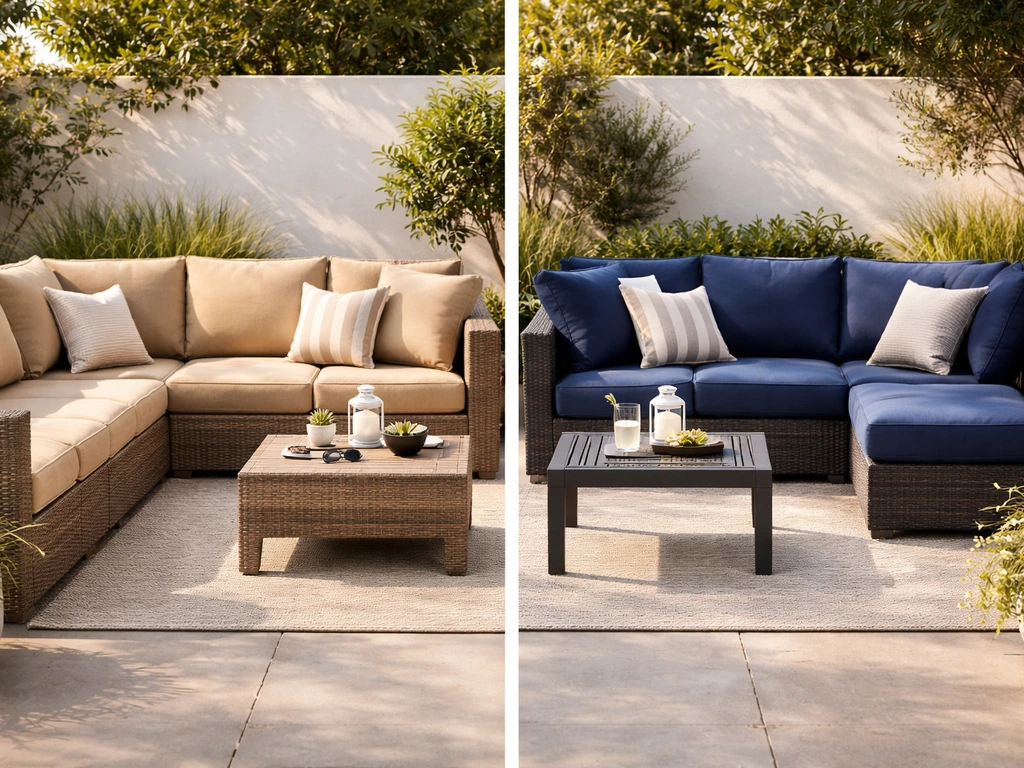
Best Color for Outdoor Patio Cushions in 2026
Choose the best cushion color for sun, heat, and fading in 2026, with pairing tips for patio furniture and durability.