
Most homeowners pay between $4,500 and $22,500 for a professionally installed aluminum patio cover in 2026, with the national average sitting around $8,500. If you want the best aluminum patio cover for your home, focus on roof style, panel quality, and whether the system includes the right drainage and hardware. On a per-square-foot basis, expect $20 to $50 installed for a standard solid aluminum cover, or as low as $16 and as high as $68 per square foot if you're going with a premium louvered or heavily engineered system. Materials alone run $10 to $15 per square foot, so labor, hardware, and permits make up a big chunk of what you actually pay.
How Much Do Aluminum Patio Covers Cost? 2026 Pricing
Lark Perry
14 May 2026
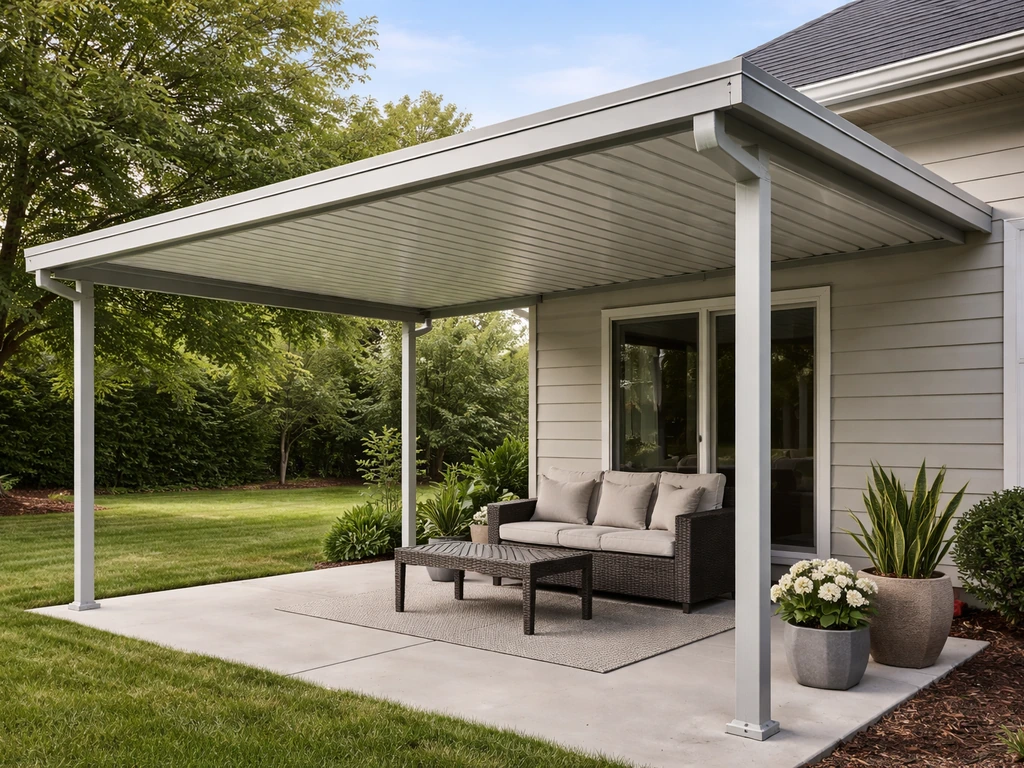
Typical cost ranges for aluminum patio covers
A basic attached aluminum patio cover over a 200 to 300 square foot patio will usually land somewhere between $4,500 and $12,000 fully installed. Larger or more complex projects push into the $10,000 to $22,500 range. The $20 to $50 per square foot installed figure is the most reliable benchmark for a standard solid aluminum cover. Here's what that looks like at common sizes:
| Cover Size | Low End (Installed) | High End (Installed) |
|---|---|---|
| 10' x 12' (120 sq ft) | $2,400 | $6,000 |
| 12' x 16' (192 sq ft) | $3,840 | $9,600 |
| 12' x 20' (240 sq ft) | $4,800 | $12,000 |
| 14' x 20' (280 sq ft) | $5,600 | $14,000 |
| 16' x 24' (384 sq ft) | $7,680 | $19,200 |
These figures assume a standard attached cover with a simple roof profile, basic post footings, and no major electrical or drainage work. The real cost in your backyard depends on the specific factors below.
Alumawood patio cover costs specifically
Alumawood is a brand name (not a generic material) that's become so widely searched it's almost its own category. If you're in California or the Southwest, there's a good chance a contractor has already quoted you an Alumawood product without calling it that. These covers are aluminum systems engineered to mimic the look of wood and come in several product lines with different price points.
Alumawood patio covers cost $18 to $55 per square foot installed on average. The Newport series, which is one of the most popular and commonly quoted configurations, runs about $20 to $35 per square foot installed. In markets like Los Angeles, total project costs for an Alumawood cover typically land between $8,000 and $15,000 for a standard backyard install. The insulated version, called the Maxx Panel (a 3-inch insulated roof panel system), sits at the higher end of that range because the panels themselves are thicker, heavier, and require more precise installation.
The main reason people expect Alumawood to cost differently than generic aluminum is the panel engineering. Alumawood insulated panels are rated for specific ground snow loads and come with published load tables that match panel skin thickness to structural requirements. Alumawood’s Maxx Panel specification documentation links ground snow load requirements to the required panel skin thickness, reflecting how the engineering criteria drive the component specifications. That engineering documentation actually helps with permits, but it also means you're buying a more precisely spec'd system, which costs more than a basic extruded aluminum lattice or flat pan cover.
What actually drives the price
Size and square footage
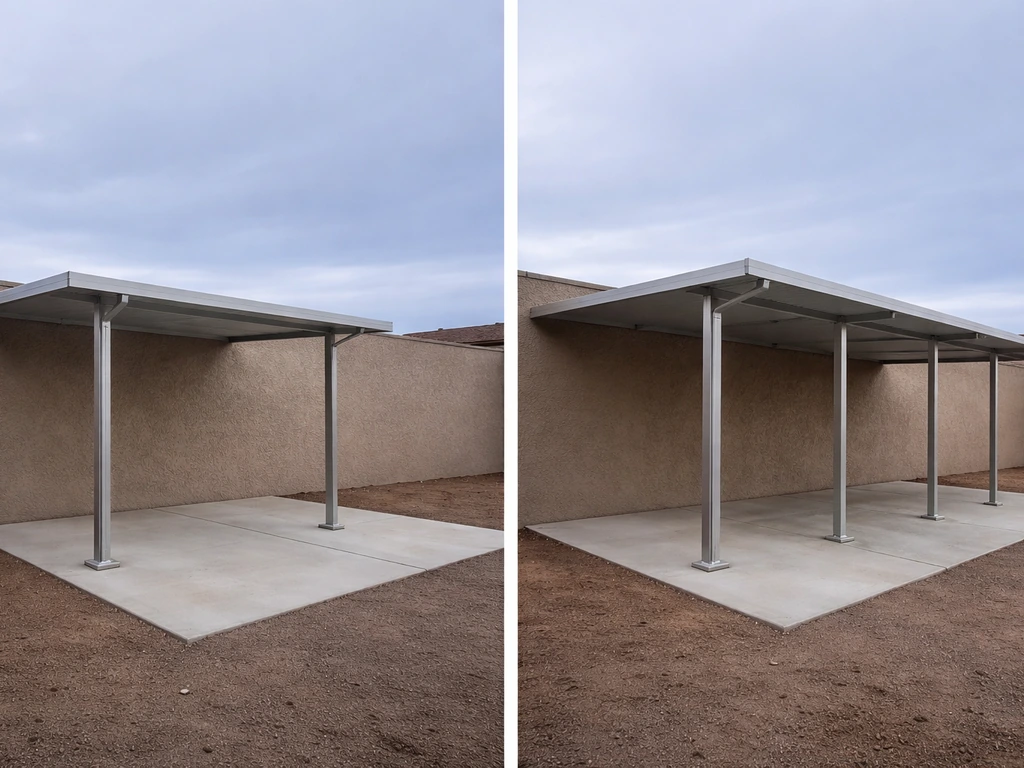
Square footage is the single biggest lever. Bigger covers need more material, more posts, and bigger concrete footings. Monarch (High Desert Pricing) ties patio cover costs to structural scope, noting that larger covers require more posts and bigger footings, and that narrow side-yard access or work over block walls increases labor larger covers need more posts and bigger concrete footings. Footings alone can run $200 to $500 per post, and a larger span means more posts. If your cover needs to clear a narrow side yard or be lifted over a block wall to get materials into the backyard, expect a labor surcharge on top of the base price.
Roof style and design
A flat or single-slope attached cover is the cheapest to build. A hip roof, gable, or multi-pitch design adds framing complexity and material. Louvered aluminum covers (where the roof slats rotate to control sun and airflow) are at the top of the price spectrum, often pushing into the $40 to $68 per square foot range installed because of the motorized hardware and more complex assembly.
Material thickness and system specs
Thicker aluminum panels have higher load ratings and better thermal performance. If you're in a region with snow loads or high wind requirements, your contractor may be required to use heavier-gauge components. This isn't optional, it's a code issue. Insulated panels (like the Alumawood Maxx) also add cost over non-insulated lattice or solid pan systems, but they make a meaningful difference in heat under the cover on hot days. That temperature lift is one reason people ask whether aluminum patio covers are hot, especially in sunny, warm climates heat under the cover on hot days.
Structural engineering and permits
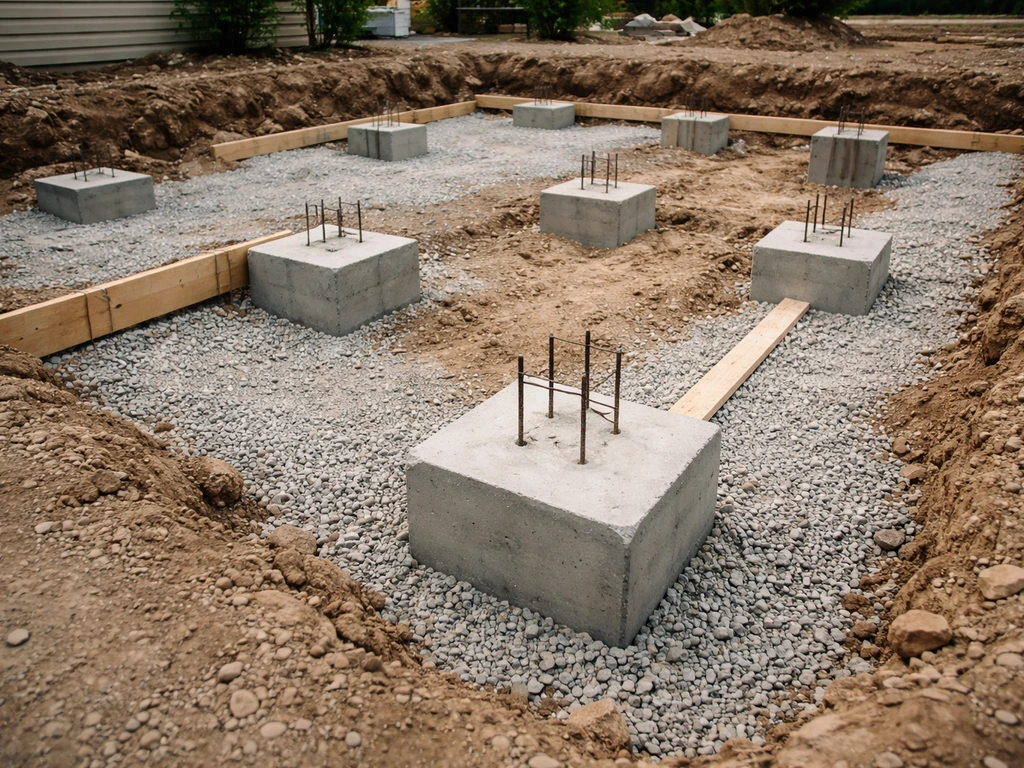
Permit costs vary by jurisdiction but typically run $200 to $800 for a standard residential patio cover. Some cities, like San Diego, exempt covers under 300 square feet from a building permit in certain single-family scenarios, though electrical permits for lighting are still usually required separately. Cities like Irvine may accept pre-fabricated system manufacturer cut sheets in lieu of engineer-stamped drawings for open-lattice covers that meet city standards. But in many jurisdictions, you'll need a licensed engineer's calculations if the cover is large, attached to the house's structural ledger, or in a high-wind or snow zone. Factor in $300 to $1,000 for engineering if your contractor says it's needed, and don't skip it to save money.
Local labor rates
Labor in Southern California typically adds $7 to $11 per square foot to the material cost. Nationally, labor makes up roughly 30% to 50% of total project cost, which translates to about $1,500 to $4,000 in labor for a typical project. Urban markets and areas with a high cost of living run closer to the top of that range.
Installed vs. materials-only pricing
If you're handy and willing to do the work yourself, aluminum patio cover materials (the panels, posts, beams, and hardware) typically cost $10 to $15 per square foot. A 12x20 cover would run $2,400 to $3,600 in materials. Many brands including Alumawood sell through dealers and some direct channels with full DIY kits.
The gap between materials-only and fully installed is where labor, footings, permit fees, and site prep costs live. A quote that sounds suspiciously cheap is often a materials-only price that doesn't include installation, or it's missing footings, permit fees, and any electrical rough-in. When you compare bids, you need to confirm that each one includes the same scope or you're comparing apples to oranges. A good contractor's estimate will separate line items for materials, labor, concrete footings, and permits.
Add-ons and extras that change your final price
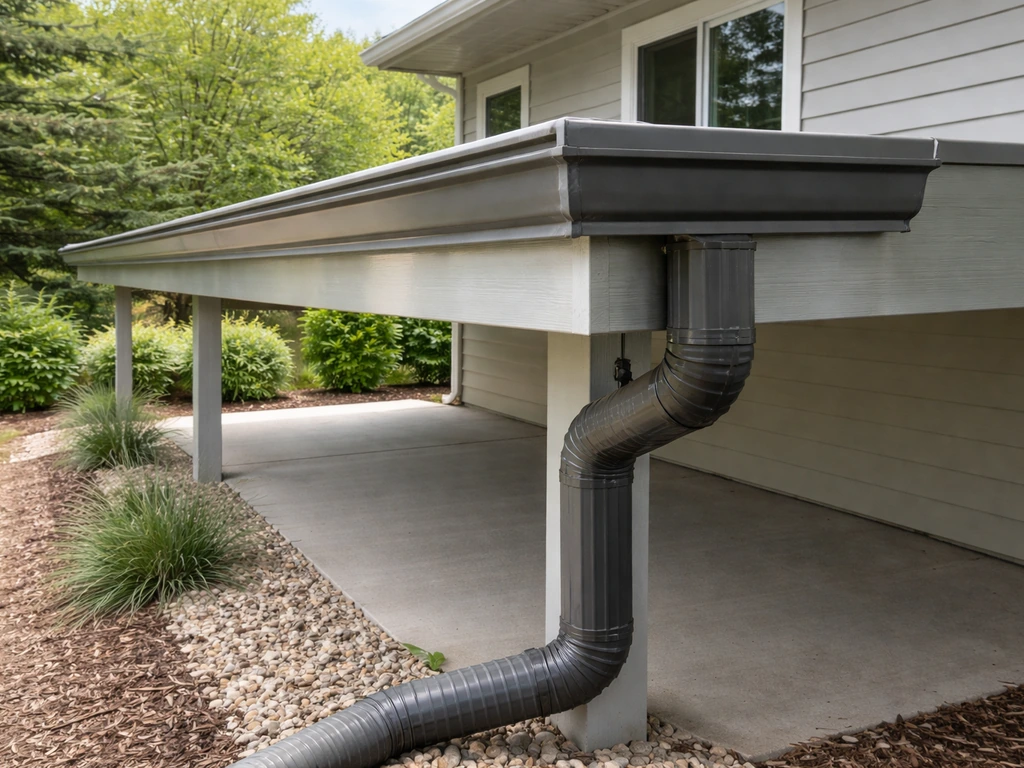
These are the items that can quietly add $1,000 to $5,000 or more to a project that initially looks affordable:
- Gutters and drainage systems: Integrated gutter systems for aluminum covers run $500 to $1,500. If your cover drains toward the house or doesn't shed water properly, this isn't optional.
- Ceiling fans and lighting: A basic LED lighting package might add $300 to $700. Ceiling fans with weather-rated boxes add $400 to $900 per fan installed, plus electrical rough-in costs.
- Decorative columns or rails: Aluminum columns instead of basic posts add a few hundred dollars each; decorative railing systems can add $1,000 to $3,000 depending on linear footage.
- Screens or privacy panels: Retractable screens or fixed privacy panels can add $500 to $2,500 depending on the number of openings and motorization.
- Smart home features or automated louvers: Motorized louvered systems or automated shade integration can add $1,000 or more over manual systems.
- Removal of an existing cover: If a wood or old aluminum cover needs to come down first, budget $500 to $1,500 for demo and haul-away.
- Site prep and concrete work: Uneven terrain, poor drainage, or the need for a new concrete slab under the cover adds cost that varies widely by site.
- Delivery surcharges: Materials for large covers can be bulky; if your site has access issues, delivery fees may appear as a separate line item.
How to get accurate quotes today
Measure correctly before you call anyone
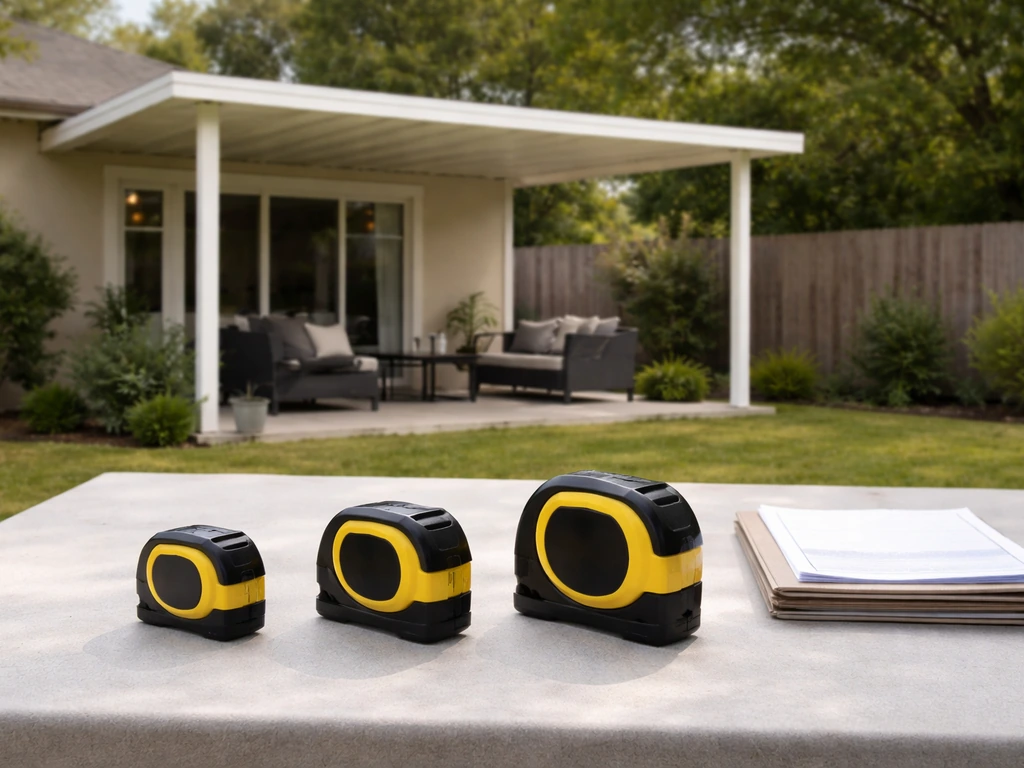
Measure your patio slab or the area you want covered, then add about 1 foot of overhang on the sides that extend beyond the house. For example, if your patio is 10x20, you'd order an 11x22 cover to allow proper water shedding and visual proportion. Have those dimensions ready before your first contractor conversation. You should also measure from the ground to the top of the ledger board or planned attachment point on the house wall so the contractor can assess ceiling height and beam sizing.
What to tell the contractor
- Exact dimensions of the area to be covered (length, width, and approximate ceiling height)
- Whether the cover will be attached to the house or freestanding
- What's below the proposed cover (existing concrete slab, pavers, or bare ground)
- Any overhead obstacles like second-story windows, utility lines, or HVAC equipment
- Whether you want solid, lattice, or insulated panels
- Whether you want electrical (lights, fan) included in the scope
- Whether an old cover needs to be removed first
Questions to ask every contractor
- Is this quote for materials and full installation, or materials only?
- Does the quote include concrete footings, and how many posts are planned?
- Are permit fees included, or are they billed separately?
- Who pulls the permit, and is engineering included if required by the city?
- What aluminum gauge/thickness are you using, and what's the load rating?
- Is drainage or guttering included, or is that an add-on?
- What warranty do you offer on materials and on your labor separately?
Get at least three itemized quotes. A bid that comes in 30% to 40% below others almost always means something is missing from the scope, whether that's footings, permits, or a plan to use thinner-gauge materials that won't meet code. Compare line by line, not just the bottom number.
Ways to lower costs without cutting corners
There are legitimate ways to reduce what you spend. The key is knowing which cuts are fine and which ones will cost you more later.
- Go with lattice instead of solid or insulated panels: Lattice aluminum covers cost less in materials and are lighter, which means fewer posts and smaller footings. The trade-off is less shade and no weather protection. If you're mainly after shade and not rain coverage, this is a smart savings move.
- Keep the design simple: A single-slope attached cover with a straightforward roofline is faster to build and uses fewer materials than a hip roof or gabled design. Every angle and valley in a roof adds cost.
- Stay under permit thresholds where allowed: In some cities, a cover under 300 square feet may qualify for a simplified or exempt permit path. Ask your contractor upfront, but never skip the permit entirely because it protects you at resale and in the event of storm damage.
- Skip the electrical for now: Rough-in the conduit and junction box during construction (which adds very little cost), then add fans and lighting later as a separate project. This splits the cost without sacrificing the infrastructure.
- Get quotes in the off-season: In Southern California and the Southwest, contractors are less busy in late fall and winter. You may find better availability and slightly lower pricing outside of spring and summer.
- Supply your own materials if you're a confident DIYer: Some contractors will install materials you purchase directly from a manufacturer. This can save money on the material markup, but confirm the contractor is willing and that it won't void their labor warranty.
- Avoid over-sizing the cover: Covering only the area you actually use keeps material and structural costs in check. A 12x16 cover used daily beats a 16x24 cover that pushes your budget and ends up mostly empty.
One place not to cut costs: the concrete footings and post anchorage. Undersized footings are the most common reason patio covers fail in high winds, and they're expensive to fix after the fact. If a contractor suggests skipping footings on a large attached cover, that's a red flag.
If you're still weighing aluminum against other materials, it's worth knowing that aluminum holds up better than wood in wet or humid climates and requires almost no long-term maintenance. If you're wondering whether are aluminum patio covers good for your space, the best approach is to match the roof style and panel specs to your sun, wind, and weather needs. A direct way to compare options is to look at aluminum patio covers vs wood, including differences in durability, maintenance, and long-term cost aluminum against other materials. Whether it's the right fit for your specific situation depends on your climate, aesthetic preferences, and budget, but on a cost-per-year-of-use basis, aluminum tends to win out for most homeowners once you factor in the near-zero maintenance costs over time.
FAQ
Is the price based on my patio’s square footage or the actual roof footprint?
Most quotes are built on total covered square footage, using roof dimensions rather than the exact patio slab size. To avoid underbuying, measure the planned roof footprint and include an extra margin for proper overhang, then confirm whether the contractor prices per installed square foot of the cover, not per post spacing or per slab area.
How much extra does electrical work add to the cost?
Yes, but it usually changes the scope more than the material type. If you need power for ceiling fans, recessed lights, or a motorized louver system, expect separate electrical permit and wiring labor, plus add-ons for weatherproof conduit and exterior-rated fixtures.
Will my existing house attachments lower the price?
If you already have a structure or ledger that is in good condition, you may pay less for attachments, but you should still expect an engineer or contractor to verify that the house framing can carry the added wind and snow loads. If the ledger board or siding needs reinforcement, the cost can rise even if the cover size stays the same.
Are detached aluminum patio covers more expensive than attached ones?
Detached and freestanding covers often cost more because they require deeper or more numerous post footings and a more complete structural framework. Attached covers can share load paths with the house, so they’re typically cheaper than a fully independent system.
Why can two quotes for “aluminum patio cover” be very different?
A common mismatch is bids that quote only the panels and posts but exclude concrete footings, site grading, hardware, gutters, and drainage paths. Ask whether the quote includes permit fees, engineering (if required), downspouts or guttering, and any fascia trim, then compare line items rather than only totals.
What construction changes happen if I’m in a snow or high-wind area?
For larger spans, snow load and wind zone requirements can force thicker components, closer beam spacing, or extra posts. Even if your aesthetic stays the same, these code-driven structural changes can push you toward the higher end of the per-square-foot range.
How do site obstacles or narrow access affect the final cost?
If the roof must accommodate obstacles like a block wall, utility lines, or a restricted access path, expect rework in layout and sometimes additional labor hours. Ask the contractor for a site logistics plan, including how materials and equipment will be delivered and placed.
Do aluminum patio covers include gutters and drainage, or is that extra?
Many homeowners underestimate drainage. If your slope and gutter/downspout plan is inadequate, you can end up with water staining or pooling near the foundation, which may require additional retrofit cost. Confirm whether gutters, flashing, and a drip edge are included, and how runoff will be routed away from the house.
Is the insulated option worth the extra money in very hot climates?
If you live in a climate with frequent hot sun, an insulated or engineered panel typically costs more upfront but can reduce heat transfer. Ask the contractor what insulation type and panel thickness are being installed, and whether the spec matches local thermal and load requirements.
What cost-saving shortcuts are risky or likely to fail?
Cutting cost by reducing post depth, footing size, or beam gauge can create safety and warranty problems. If a bid suggests skipping footings or using lighter-gauge components to hit a price point, request the engineering calc basis or load tables that justify the design.
If I buy a DIY kit, what parts still typically require professional help or permits?
DIY can reduce the labor component, but full DIY still leaves gaps like permit approvals, inspection scheduling, anchoring to code, and correct leveling of the ledger for proper roof pitch. If you’re planning to install your own, ask your local permitting office whether you can submit manufacturer cut sheets for your specific design, and whether inspections are required at multiple stages.
What specifically makes motorized louvered patio covers cost more?
If you’re considering a louvered cover, the cost is often higher because of motorization, control wiring, and more complex assembly, plus potential electrical requirements. Ask whether the quote includes the motor controller, remote or wall switch, and weatherproofing details.
How much does customization (roof pitch, trim, or special dimensions) change the cost?
Yes, pricing can shift depending on whether the contractor is quoting for a standard attached layout or for a more customized pitch, additional structural bays, or custom trim and flashing. If your design deviates from a basic flat or single-slope profile, request that customization be priced as separate line items.
What should I confirm on an estimate so I know I’m comparing the same product?
Before you sign, confirm the quote includes the same roof type, panel grade, and structural spacing, because brands and systems can look similar but use different component specs. A “low” bid can be cheaper due to thinner materials or missing accessories, so insist on the exact product line, thickness, and hardware included.
Next Articles
Best Sunbrella Patio Cushions: Top Picks, Guide & Maintenance
Find the best Sunbrella patio cushions: durable, fade‑resistant picks, buying tips, care, and top recommendations.
Alternative to Patio Cushions: Durable, Stylish Options and DIY
Alternative to patio cushions: durable, weatherproof seating options, pros, DIY tips & buying guide.
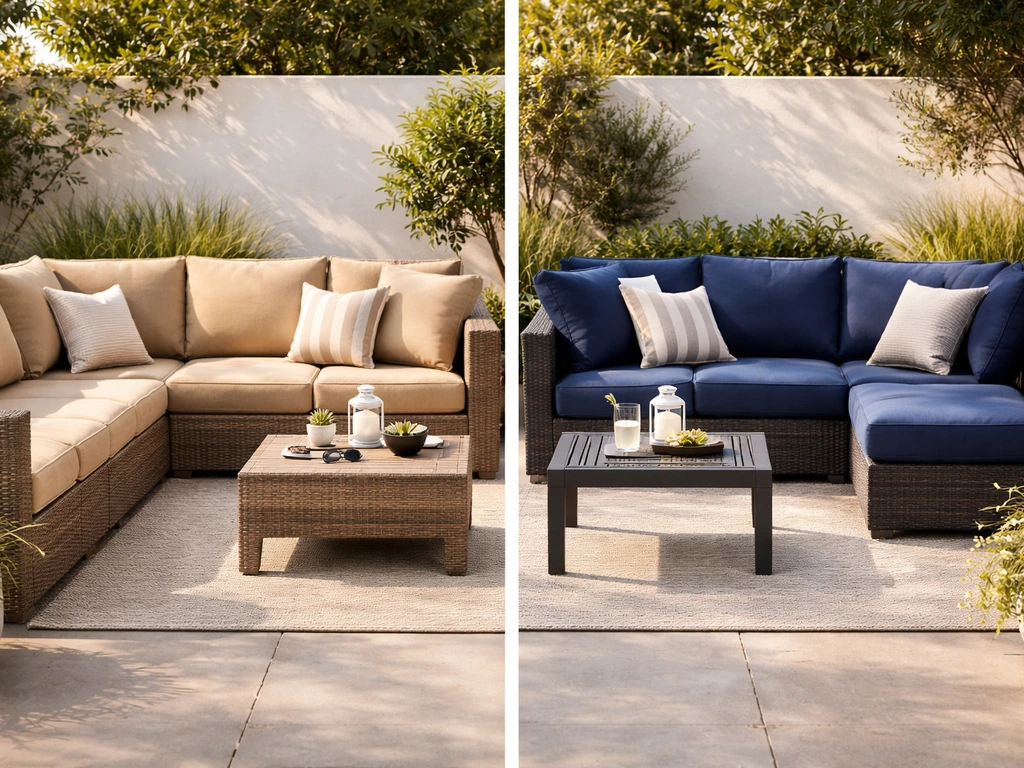
Best Color for Outdoor Patio Cushions in 2026
Choose the best cushion color for sun, heat, and fading in 2026, with pairing tips for patio furniture and durability.