
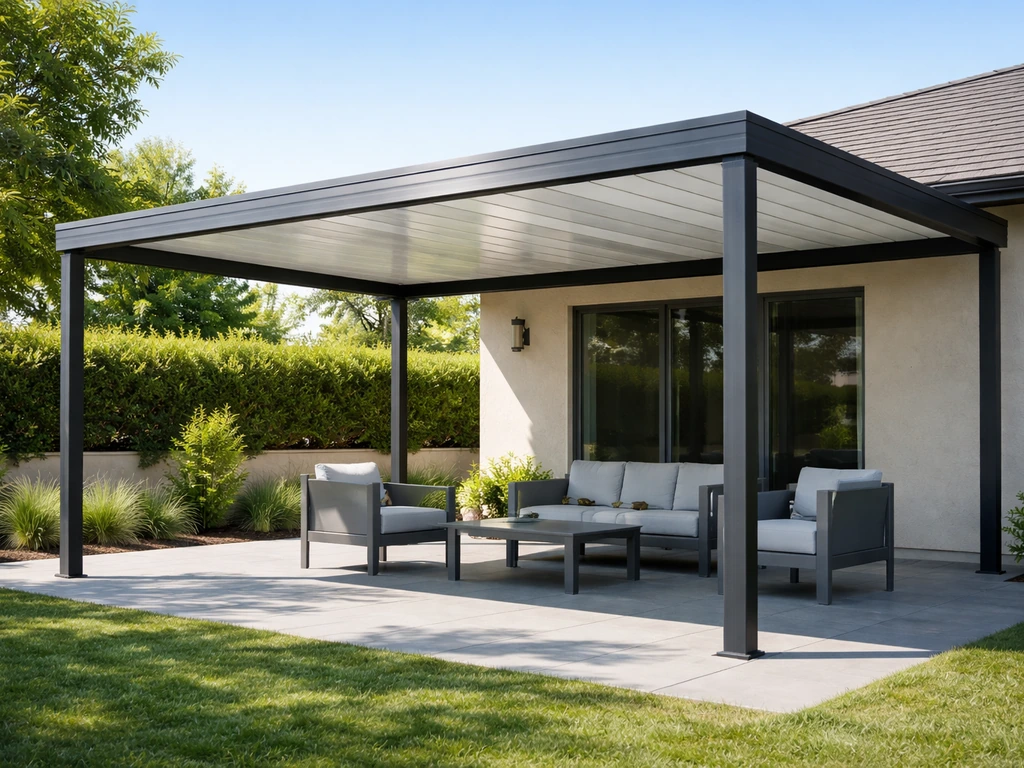
Yes, aluminum patio covers are genuinely good for most homeowners. They hold up well in rain, sun, and moderate snow, they need almost no maintenance compared to wood, and they typically last 20 to 30 years with just occasional cleaning. The main trade-offs are noise during heavy rain, some heat transfer on very hot days if you skip insulated panels, and a look that some people find less warm or natural than wood. For the majority of backyards and budgets, aluminum is one of the strongest choices you can make.
Are Aluminum Patio Covers Good? Pros, Cons, and Costs

Lark Perry
8 Jun 2026
What 'good' actually means for a patio cover
Before you decide if aluminum is right for you, it helps to know what you're actually evaluating. A patio cover earns the label 'good' when it does all of the following reliably over its lifetime: blocks enough sun and rain to make the space usable, sheds water without leaking onto your patio or house, survives the wind and snow loads in your climate, doesn't demand constant upkeep, and looks good enough that you don't regret it in three years. Cost matters too, but only in context of how long the cover actually lasts and what you'd spend maintaining a cheaper alternative.
Aluminum checks most of those boxes out of the box. Where it doesn't, there are usually add-ons or design choices (insulated panels, gutter integration, powder-coat finish upgrades) that close the gap. The sections below go through each performance area so you can judge for your specific situation.
Weather protection and durability: how aluminum actually holds up
Rain and water drainage
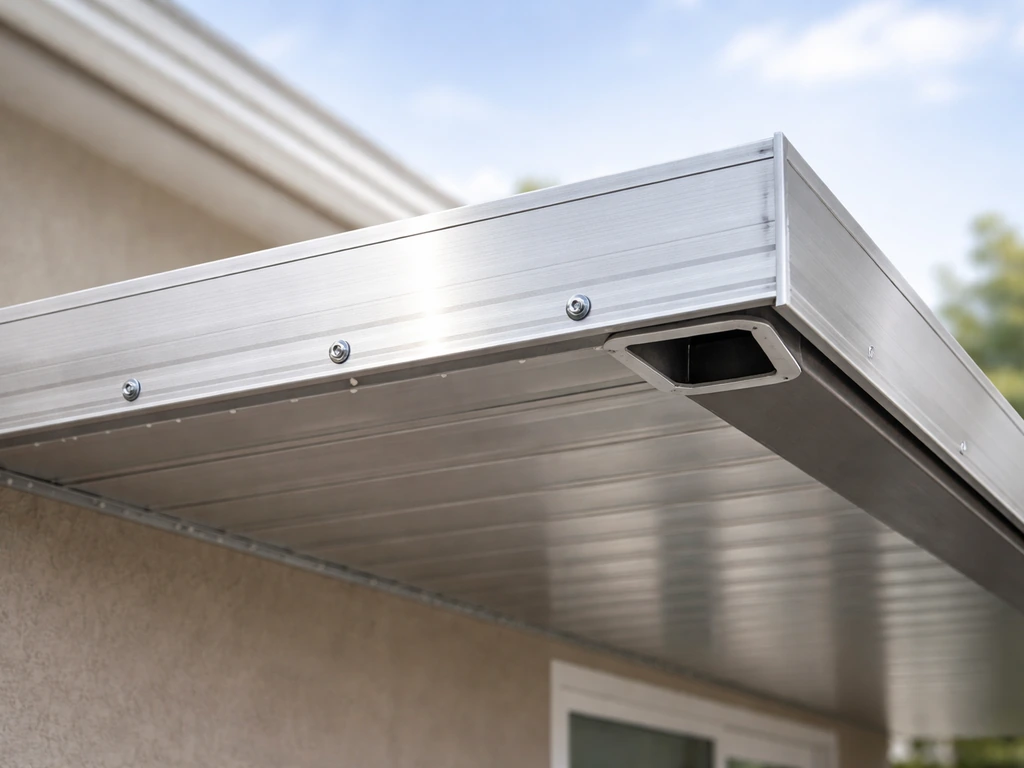
A solid aluminum patio cover sheds rain completely as long as it's installed with the right slope. The general guidance from patio cover manufacturers is a drainage pitch of about 3/8 to 1/2 inch per foot. That slope is enough to push water off the panel surface and into a built-in gutter channel, which most quality solid covers include. Home Depot's Classic attached aluminum cover line, for example, explicitly markets controlled drainage through a built-in gutter as a core feature.
Where leaks happen is almost always at the connection points, not the panels themselves. If the cover is attached to your house, the flashing behind the ledger board is the weak spot. If that flashing isn't installed and caulked correctly, or if the installer skips it entirely, water will sneak behind the assembly and show up as a drip or stain inside your soffit or on your siding. This is a workmanship issue, not a material flaw. When you're evaluating installers, ask specifically how they handle the house attachment flashing. Also check that gutter downspouts are sized and spaced to handle your roof area without ponding more than about half an inch, which is the practical threshold before drainage performance starts to degrade.
Wind and snow load ratings
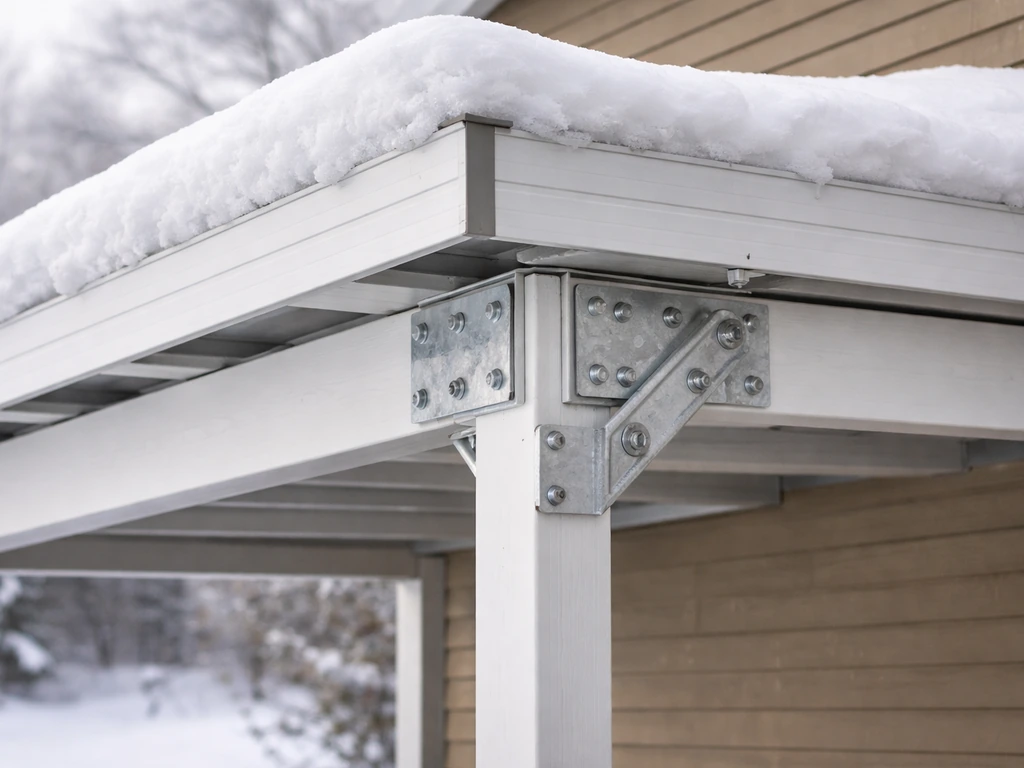
This is where skipping the research can really cost you. Patio covers are regulated under the IRC (International Residential Code), and Appendix AH specifically requires that patio covers handle a minimum vertical live load of 10 psf plus all dead loads. If your area has snow loads exceeding that 10 psf baseline, the structure must be designed to match the actual local snow load, not just the minimum. Wind design is calculated using ultimate design wind speed (Vult) from local code tables.
Reputable aluminum patio cover systems have been evaluated for code conformance. ICC-ES evaluation reports (like ESR-1398P and ESR-2676P) document the load ratings and connection requirements for specific aluminum and steel patio cover systems, giving you a traceable reference to bring to a building permit office. Manufacturers like Solara publish their snow and wind load specs in psf, so you can match their product ratings directly against your local design requirements. Never buy a cover based solely on marketing language like 'heavy duty' without seeing actual psf ratings.
Corrosion resistance
Aluminum doesn't rust. That's a real and meaningful advantage over steel or iron structures. In normal inland conditions, a powder-coated aluminum cover will resist corrosion for decades without any extra treatment. In coastal or salt-air environments, the finish matters a lot more. Salt spray accelerates surface oxidation even on aluminum, and bare or anodized aluminum can start showing pitting faster than you'd expect near the ocean. Quality powder coatings add a significant protective layer, and some manufacturers (like Jerith) test their coatings to 3,000 hours of salt spray and 5 years of continuous coastal exposure without failure. If you're within a few miles of the coast, ask specifically about the coating system and look for PVDF fluoropolymer-based powder coats, which outperform standard polyester coatings in salt-air conditions. The base alloy also matters: 6063 aluminum is a common and well-regarded choice for extruded patio cover components because of its balance of strength and corrosion resistance.
Maintenance, longevity, and finish considerations
Most aluminum patio covers last 20 to 30 years, and in good conditions with quality finishes that range can stretch further. Coastal or industrial environments with heavy salt or pollution exposure will see faster wear. The biggest maintenance drivers are finish degradation, mildew, and oxidation staining, not structural failure of the aluminum itself.
Powder coat finishes are warranted separately from the structural components. Warranty terms vary widely: CFR Patio warrants its factory-applied powder coat for 3 years from order completion, covering repair or replacement of the coating at their discretion but excluding labor and reinstallation costs. HAPCO's powder coat warranty is structured similarly. The takeaway is that finish warranties look better on paper than they function in practice, since claiming them typically means paying for labor out of pocket. Choose a manufacturer with a longer powder coat warranty, and budget for a touch-up paint application every 5 to 10 years if you want the finish to stay sharp.
Black streaks on an aluminum cover almost always mean mildew or mold, usually fed by dirt, pollen, or runoff from roof shingles above. This isn't a defect, just a cleaning task. Standard guidance from manufacturers like Alumawood is to wash with a household detergent solution and rinse thoroughly. For tougher staining and oxidation, specialty aluminum cleaners like AlumaShine are formulated specifically for this and work well on built-up grime. Plan to wash your cover at least once a year, twice if you're under trees or in a humid climate.
Noise, heat, and comfort: real-world expectations
Rain noise
Rain noise is the most common complaint about aluminum patio covers, and it's worth being honest about. On a basic solid aluminum panel with no insulation layer underneath, a hard rain can get loud. Outdoor Elements has measured rain on aluminum patio roofing at roughly 50 dB, which is roughly equivalent to a normal conversation but constant. During a genuine thunderstorm with hail, it's going to be noticeably louder than that.
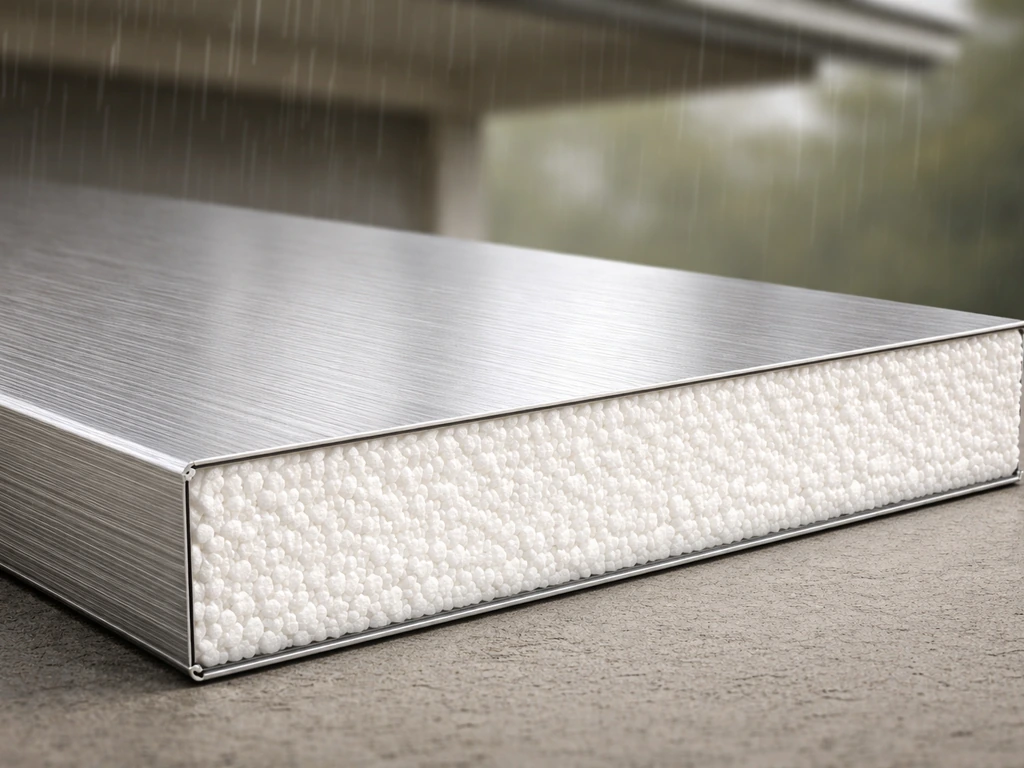
The fix is an insulated panel system, which sandwiches foam between two aluminum skins. The foam acts as a damping layer and brings rain noise down to a point where you can hold a conversation underneath without straining. The study on metallic roof-covering systems reports that rain impact noise on metal roofing is influenced by the covering system layers, including damping layers that can change rain-noise outcomes blank" rel="noopener noreferrer">foam acts as a damping layer. Research on metal roof systems confirms that the layers in the assembly matter as much as the material itself for sound performance. If you're attaching the cover to a room you'll be in (like a sunroom conversion or a very large covered patio adjacent to the house), insulated panels are worth the added cost. For a simple shade cover in the yard where you're mostly outside anyway, standard solid panels are fine.
Heat and sun comfort
A solid aluminum cover blocks direct sun completely, which is exactly what you want for shade. But bare aluminum conducts heat, and a thin panel in full Arizona or Texas summer sun can radiate warmth downward. This is a real consideration if you're in a very hot, sunny climate. If you live in a very hot climate, insulated panels are the key feature to look for because they reduce the amount of heat that transfers through the cover are aluminum patio covers hot. Insulated panels solve most of this too, since the foam core dramatically reduces heat transfer. Louvered aluminum covers are a different story: they let you adjust the angle of slats to control how much sun comes through, which gives you flexibility but doesn't provide the same full rain protection as a solid cover. If heat and comfort are your primary concern in a hot climate, the article on whether aluminum patio covers get hot covers this in more depth.
Aluminum patio cover cost and installation
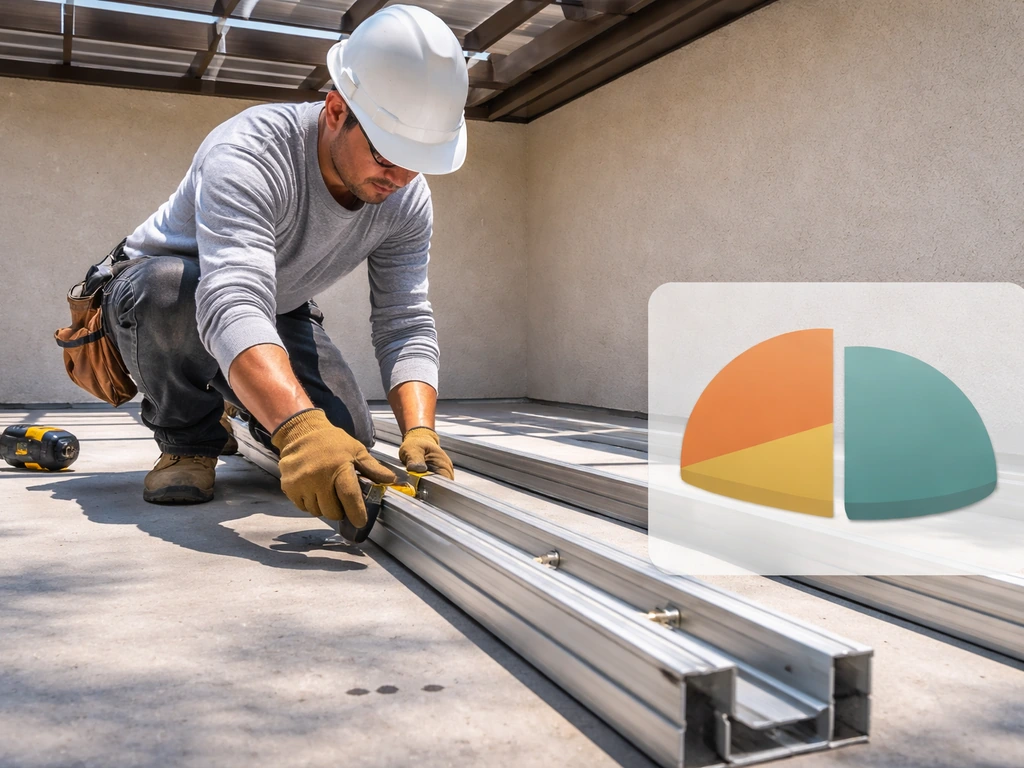
Installed aluminum patio cover costs typically run from about $20 to $50 per square foot for a solid cover, based on 2026 pricing data from multiple regional markets. Aluminum lattice covers sit lower, around $20 to $35 per square foot installed. On the high end, custom work or premium insulated panel systems can exceed $75 per square foot. For a typical 12x16 foot patio cover (192 square feet), you're looking at roughly $3,800 to $9,600 for a professionally installed solid aluminum cover, before any add-ons.
Labor is a significant part of that cost. In Southern California, for example, labor for aluminum patio cover installation adds roughly $7 to $11 per square foot depending on complexity. An attached cover that requires ledger board connection, flashing, and integration with an existing roof line will always cost more than a freestanding pergola-style structure.
DIY vs. hiring a pro
Aluminum patio cover kits are sold for DIY installation, and for a freestanding structure on a relatively flat surface, a competent DIYer can pull it off. The kits come with pre-cut components, instructions, and hardware. Where DIY gets risky is the attached version. Flashing an aluminum cover correctly to your house requires understanding how water moves through your specific wall assembly, and getting it wrong means water damage to your house, not just a leaky patio. If you're going the attached route, I'd strongly recommend at least having a professional handle the ledger attachment and flashing, even if you do the rest yourself.
Permits are almost always required for attached patio covers and frequently required for freestanding ones too, depending on size and local jurisdiction. More on that in the buying checklist section below. A detailed breakdown of total cost ranges and what drives pricing up or down is covered in the separate guide on how much aluminum patio covers cost.
Aluminum vs. wood, vinyl, and other cover types
Here's how aluminum stacks up against the main alternatives across the factors that matter most to most buyers.
| Cover Type | Durability | Maintenance | Rain Protection | Heat/Comfort | Aesthetic | Typical Installed Cost |
|---|---|---|---|---|---|---|
| Aluminum (solid) | 20-30+ years | Very low (annual wash) | Excellent | Good with insulated panels | Clean/modern | $20-$50/sq ft |
| Aluminum (lattice) | 20-30+ years | Very low (annual wash) | Partial (not waterproof) | Good (airflow) | Open/airy | $20-$35/sq ft |
| Wood | 10-20 years with upkeep | High (stain/seal every 1-3 yrs) | Depends on design | Good (natural insulator) | Warm/natural | $25-$60/sq ft |
| Vinyl/PVC | 15-25 years | Very low | Good | Can sag in heat | Plain/neutral | $15-$40/sq ft |
| Steel/Iron | 15-25 years with coating | Moderate (rust risk) | Depends on design | Similar to aluminum | Industrial/heavy | $20-$55/sq ft |
| Canvas/Shade sail | 3-7 years | Low (seasonal removal) | Light rain only | Good shade, no full cover | Casual/colorful | $2-$15/sq ft |
Wood has the warmest, most architecturally natural look, and if that matters a lot to you, it's genuinely hard for aluminum to compete visually. But wood requires regular staining or sealing (every 1 to 3 years depending on your climate), it can rot if water gets trapped, and it costs more to maintain over its lifetime even if the upfront price is similar. Compared with aluminum, wood typically needs regular staining or sealing and can rot if water gets trapped wood requires regular staining or sealing. A full comparison of aluminum versus wood covers is worth reading if you're genuinely torn between the two.
Vinyl is the main low-maintenance competitor to aluminum. It's cheaper upfront in some markets and resists moisture well, but it can sag or warp in sustained high heat, and the structural options are more limited. Vinyl covers rarely carry the same engineering certifications for snow and wind loads that aluminum systems do. Canvas or shade sail systems are a different category entirely: they're inexpensive and easy to install, but they don't provide full rain coverage and typically need to be replaced every few years.
The bottom line on comparisons: aluminum is the best all-around choice for most homeowners who want genuine weather protection and long-term low maintenance. Wood wins on aesthetics if you're willing to commit to the upkeep. Vinyl is a reasonable budget alternative if your climate isn't extreme. Canvas or shade sails make sense for renters or anyone who wants a temporary, low-cost solution.
What to check before you buy or install
Before you sign a contract or order a kit, go through this checklist. These are the questions that separate a cover that performs well for 25 years from one that causes headaches in year two.
- Snow load and wind rating: Ask the manufacturer for the psf snow load and Vult wind speed rating of the specific product. Match it to your local design requirements. If you're in a snow belt or a hurricane-prone region, this is non-negotiable.
- Engineering and permit requirements: Contact your local building department before ordering anything. Most jurisdictions require a permit for attached patio covers and many require one for freestanding structures over a certain size. Some require stamped engineering drawings, especially for larger or high-load-area projects.
- ICC-ES or equivalent evaluation report: Ask if the product has an ICC-ES evaluation report (like ESR-1398P or ESR-2676P). This gives you documented evidence that the system has been evaluated for code conformance, which matters for permits and insurance.
- Gutter integration and drainage slope: Confirm the cover includes or is compatible with a built-in gutter system. Ask about the installed drainage pitch and where downspouts will discharge. You don't want runoff directed onto a walkway or pooling against your foundation.
- Flashing details for attached covers: If the cover attaches to your house, ask exactly how the ledger board will be flashed and sealed. Request photos or diagrams from the installer.
- Fastener quality: In coastal environments especially, ask whether stainless steel fasteners are used throughout. Galvanic corrosion between dissimilar metals is a real issue that can cause staining and structural loosening over time.
- Finish and coating type: Ask specifically whether the finish is polyester or PVDF fluoropolymer powder coat. For coastal installs or high-UV climates, PVDF is worth the premium. Get the powder coat warranty in writing and read what is and isn't covered.
- Manufacturer warranty coverage: Separate the structural warranty from the finish warranty. Understand what 'at our option' language in repair/replacement clauses means in practice. Longer structural warranties (10 to lifetime) from established manufacturers are a good sign.
- Local code specifics: Some municipalities have additional requirements beyond the IRC, particularly for HOA communities, fire-prone zones, or coastal overlay districts. Check before you buy.
Maintenance checklist and common mistakes to avoid
Aluminum patio covers are low maintenance, but not zero maintenance. Here's what to actually do to keep yours in good shape, and the mistakes that cause most of the problems I see.
Annual maintenance routine
- Wash the cover surface with a mild household detergent mixed with water, then rinse thoroughly with a garden hose. Do this at least once a year, twice if you're under heavy tree cover or in a humid climate.
- Check for black streaks or spots, which signal mildew. Treat with a mildew remover or a dedicated aluminum cover cleaner (like AlumaShine) and rinse well.
- Inspect all gutter channels and downspouts for debris. Clogged gutters cause water to back up and overflow onto your patio or, worse, toward your house foundation.
- Check the flashing at the house attachment point for any gaps, cracks, or lifted sections. Recaulk with a paintable exterior caulk if needed.
- Look at all fastener and screw heads for rust staining, which can indicate non-stainless hardware corroding. Address early before staining spreads across panels.
- Inspect the powder coat finish for chips or scratches. Touch up small areas with manufacturer-matched touch-up paint to prevent the bare aluminum underneath from oxidizing.
Common mistakes to avoid
- Using pressure washers at high PSI directly on seams or panel joints, which can force water into the assembly and behind the flashing.
- Skipping the drainage slope during installation. Even a slight error in pitch can cause ponding water on top of panels, which accelerates staining and puts unintended load on the structure.
- Ignoring permit requirements and installing without one. This can create problems when selling your home or making an insurance claim, and some jurisdictions require you to remove unpermitted structures.
- Assuming the manufacturer's warranty covers labor for finish repairs. Almost no powder coat warranties include reinstallation or removal labor, so read the fine print before counting on warranty relief.
- Choosing a cover rated for lower snow or wind loads than your climate requires to save money. This is where structural failures actually happen, and the cost difference between a properly rated and an underrated system is rarely large enough to justify the risk.
- Neglecting to check for oxidation staining in the first year. Early oxidation responds quickly to cleaning; staining that's been sitting for several years is much harder to remove and may require abrasive cleaning that can damage the finish.
If you follow this routine, an aluminum patio cover should stay looking good with minimal effort for decades. The material itself is forgiving. The installation details and finish care are where the long-term outcome is actually decided.
FAQ
Are aluminum patio covers good if I only want shade, not full rain protection?
Yes, but confirm what type you’re buying. Louvered or lattice-style aluminum covers mainly control sun, they are not designed to fully shed rain. If you want rain to reliably stay off your patio and furniture, choose a solid attached cover with a defined drainage path (slope plus gutter channel).
How do I know if an aluminum patio cover will handle the snow in my area?
Don’t rely on “heavy duty” marketing. Ask for the system’s certified snow load and verify it matches your local design requirements, especially if your region exceeds the 10 psf minimum baseline. Also ensure the installer uses the rated connection hardware and spacing shown in the product documentation.
Will aluminum patio covers work in high-wind locations?
They can, but the details matter. You should request the wind load rating for the specific cover system, not just the aluminum thickness. Then confirm the attachment plan to your structure (ledger, bracing, and fasteners) is built to the manufacturer’s connection requirements.
Are aluminum patio covers good near the ocean?
They can be, but you need the right finish. Ask whether the powder coat is designed for salt air, for example PVDF-based coatings or coatings with verified salt-spray performance. Also plan for more frequent rinsing to remove salt residue, which reduces staining and surface oxidation.
Do aluminum patio covers get permanently stained or pitted?
They may develop staining, especially mildew black streaks or oxidation marks, but pitting is usually localized to harsh coastal exposure or contaminated surfaces. Regular annual cleaning is your best prevention, and if you catch oxidation early you can often restore appearance with an aluminum-specific cleaner rather than waiting for heavy buildup.
What causes leaks on aluminum patio covers, and how can I prevent them?
Most leak issues happen at house connections and flashing, not the panel field. For attached covers, require proper ledger flashing installation and correct caulking, then verify downspouts and discharge prevent water pooling near the system. If you see interior soffit stains after rain, suspect the flashing path first.
Are aluminum patio covers good for noise reduction in storms?
Standard solid panels are noticeably louder in heavy rain. If you want conversation-level comfort, choose an insulated panel system with foam between two aluminum skins. Also consider where you’ll be seated, if you’re close to the house wall the sound may feel louder regardless of material.
Do aluminum patio covers make the patio too hot?
Bare aluminum can conduct and radiate heat, especially in intense sun. If you’re in a hot climate or you plan to use the space during midday, look for insulated panels or evaluate solar control options. Shade coverage alone may not be enough for comfort if the cover is thin and uninsulated.
Is DIY installation a good idea for aluminum patio covers?
Freestanding kits are often manageable for experienced DIYers, but attached covers are higher risk because flashing and water routing must match your house assembly. If you go attached, it’s a common compromise to DIY the framing but have a professional handle the ledger attachment and flashing strategy to reduce the chance of water damage.
What’s the difference between the warranty on the powder coat and the warranty on the structure?
Treat them as separate products. Finish warranties typically cover the coating material, repair, or replacement decisions, but labor and reinstallation are often excluded. Ask what the warranty actually pays for, how long labor is covered, and whether the warranty assumes proper cleaning and exposure conditions.
How often should I clean an aluminum patio cover, and what’s the safest method?
At least once a year, and twice if you’re under trees or in a humid area where mildew forms faster. Use mild detergent and thorough rinsing to avoid leaving residues that can create streaking. If streaks persist, use an aluminum-specific cleaner designed for oxidation and buildup rather than abrasive tools that can damage the finish.
Are aluminum patio covers good for resale value and curb appeal?
They often help because they look clean for years and require little upkeep, but “good” depends on style match. If your home is traditional and wood-like textures matter to buyers, consider finish options such as powder-coat color choices and trim details, since appearance changes can influence perception even when performance is strong.
Next Articles
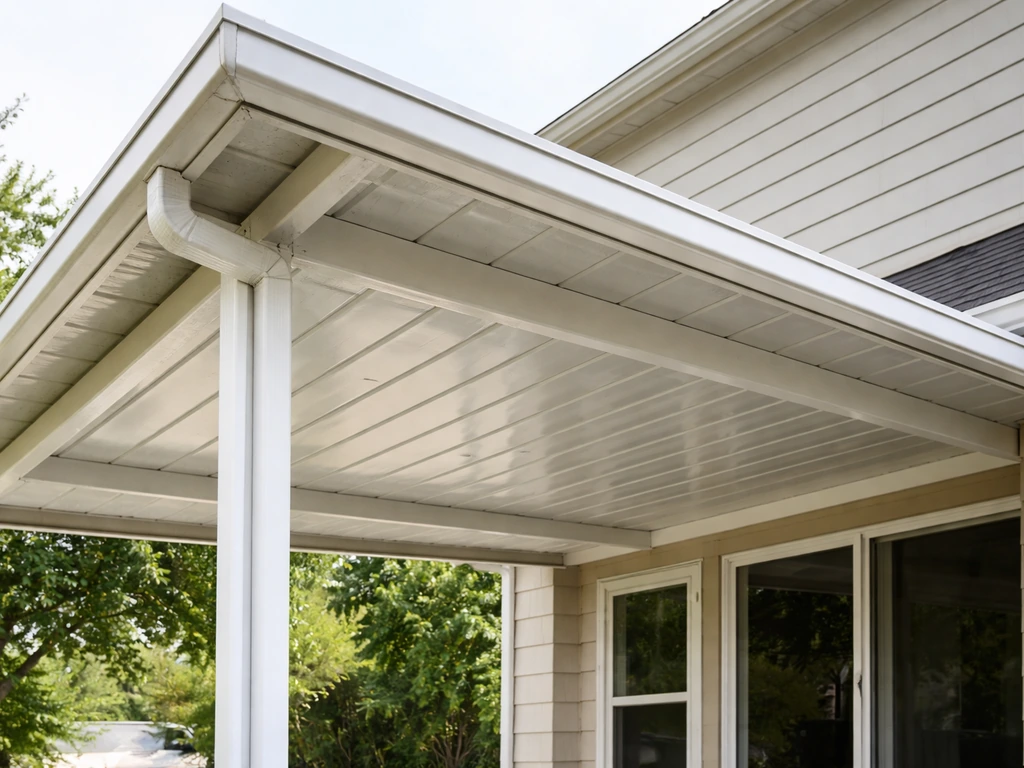
Best Aluminum Patio Cover: How to Choose the Right One
Choose the best aluminum patio cover by fit, roof style, weather loads, drainage, corrosion resistance, insulation, and
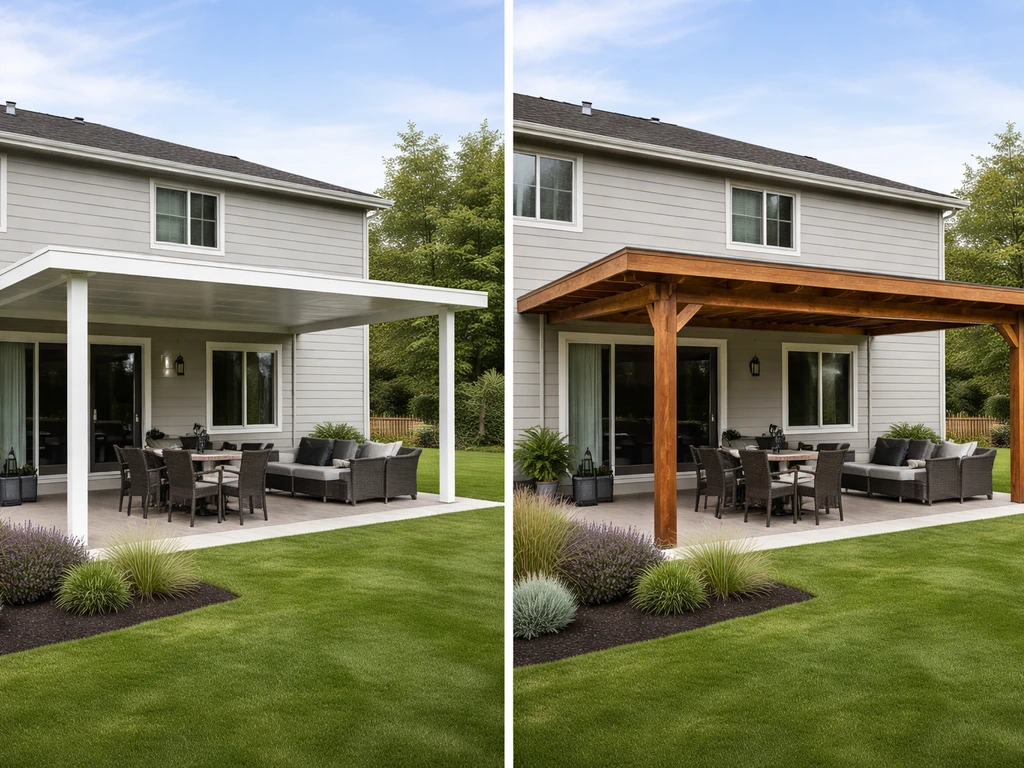
Aluminum Patio Covers vs Wood: Cost, Durability, Maintenance
Compare aluminum vs wood patio covers on cost, durability, maintenance, weather performance, installation, and resale va
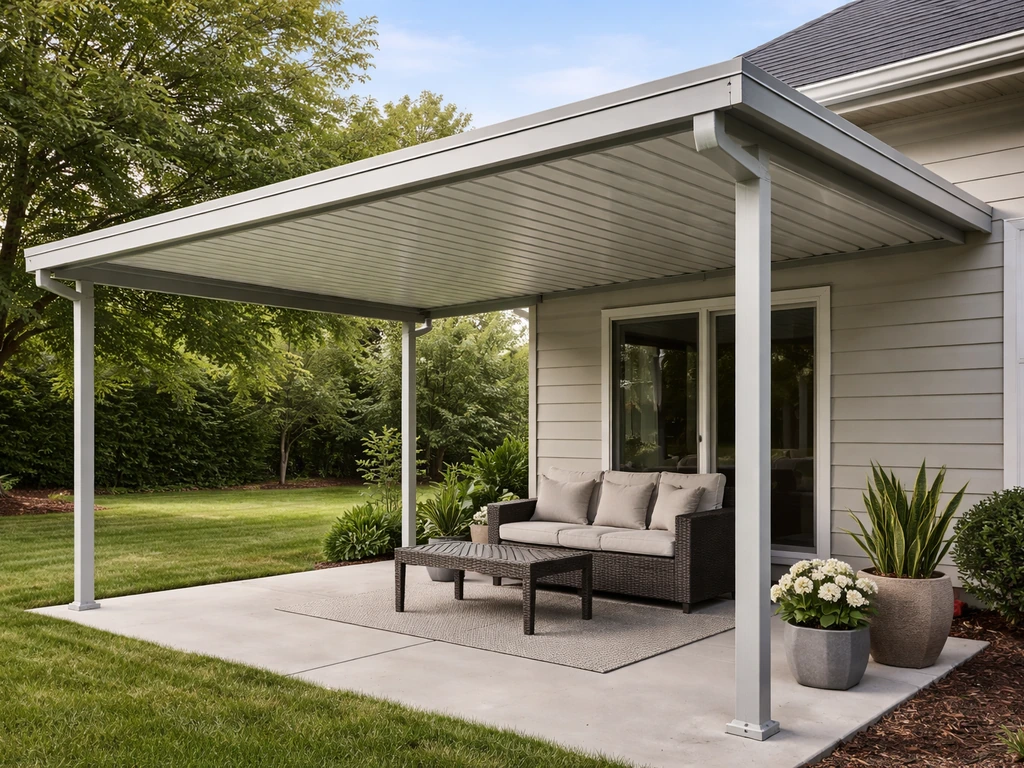
How Much Do Aluminum Patio Covers Cost? 2026 Pricing
2026 pricing for aluminum and Alumawood patio covers, with cost ranges, what affects totals, and key quote questions.