The best patio sun shade for you depends on four things: how much sun you're fighting, whether you rent or own, how windy your area gets, and how much you want to spend per season. A retractable awning is the most versatile and weather-smart option for homeowners with a solid mounting wall, while shade sails win for large open spaces on a budget, and umbrellas are the only real answer for renters who can't drill anything. Every other type, from outdoor curtains to pergola kits, sits somewhere in between and makes sense in specific situations. This guide walks through each category honestly, with the specs and real-world gotchas that reviews tend to gloss over.
Patio Sun Shade Reviews: Best Options, How to Choose
Lark Perry
3 Jul 2026
What you're really buying: shade types for patios and when each wins
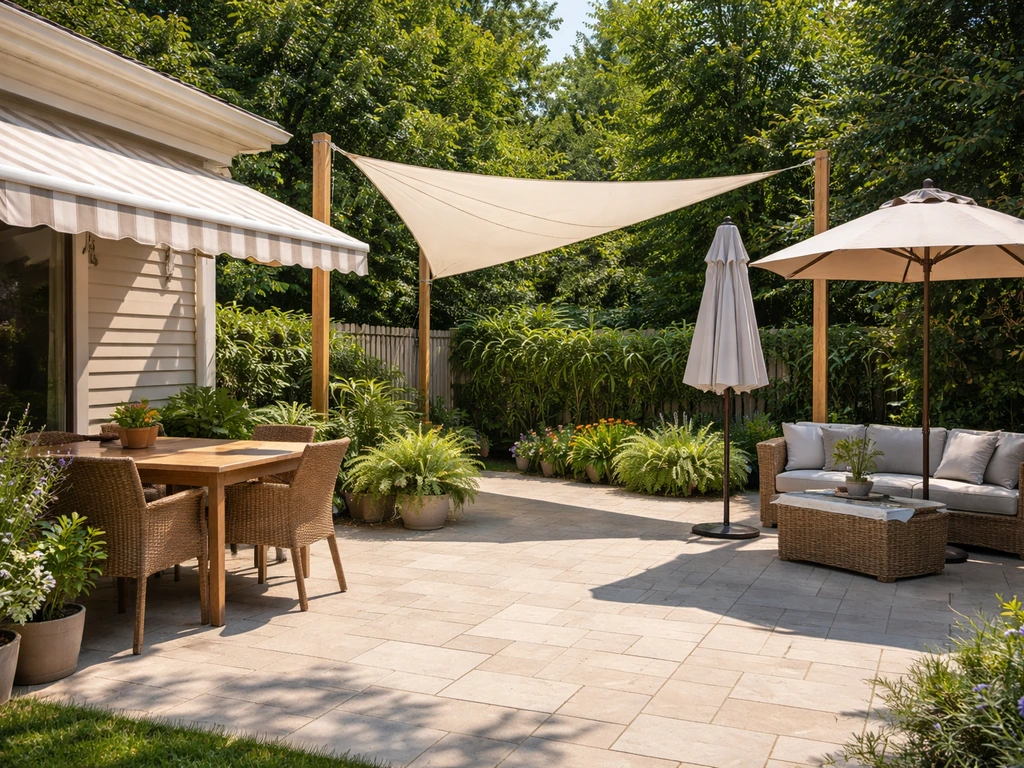
Most people search for patio sun shade reviews expecting a single winner. In practice, no one product wins across every patio situation. The category you choose matters more than the brand you pick within that category, so let's be clear about what each type actually does.
| Shade Type | Best For | Rain Protection | Wind Tolerance | Rental-Friendly | Rough Cost Range |
|---|---|---|---|---|---|
| Retractable Awning | Homeowners, full coverage, versatile use | Light rain only; retract in heavy rain | Up to ~35-40 mph when retracted promptly | No (wall mounting required) | $500–$4,000+ |
| Shade Sail | Large open spaces, budget installs, DIY | None (mesh breathes; water passes through) | Moderate if tensioned correctly | Possible with freestanding posts | $50–$400 |
| Patio Umbrella | Renters, small tables, flexible placement | Minimal | Low; close above 20-25 mph | Yes | $80–$700 |
| Outdoor Curtains | Privacy + shade combo, pergola/gazebo frames | Minimal unless coated | Low; needs frame attachment | Possible with freestanding frame | $60–$350 |
| Pergola Kit (with shade top) | Permanent, stylish, structural shade | Depends on roof panel type | High if built correctly | No (permanent structure) | $800–$10,000+ |
| Roll-Up Shade Screen | Screened-in porches, covered patios, deck rails | Low to moderate | Moderate if anchored well | Possible with tension mounts | $100–$600 |
| Motorized Retractable Canopy | Convenience, large coverage, smart-home setups | Light rain; sensor-retract helps | Up to ~35-40 mph with wind sensor | No (wall mounting required) | $2,000–$8,000+ |
A couple of things worth flagging: shade sails are made from knitted HDPE mesh, which is breathable and UV-blocking but explicitly not waterproof. Water passes straight through. If rain protection matters to you, a shade sail is the wrong tool. Retractable awnings can handle light rain but should be retracted in heavy storms because pooling water creates weight loads that strain the fabric and frame. If you want something you can leave up through weather events without worrying, a solid pergola with a polycarbonate or metal roof panel is the only real set-it-and-forget-it solution.
How to measure your patio and match coverage to sun exposure
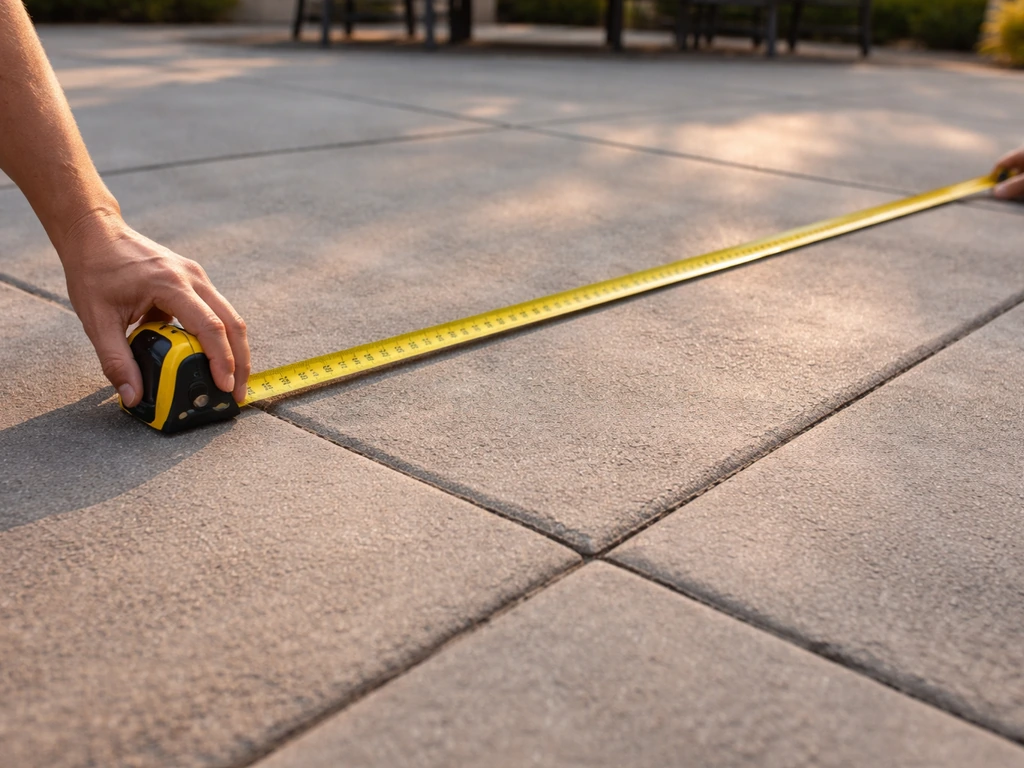
Before you buy anything, get your tape measure out. Most shade underperforms not because the product is bad but because the buyer guessed at coverage and ended up with a sail or awning that's too small to actually shade the area they use.
Measuring for a retractable awning
Measure the width of your wall opening (the door or window the awning will sit above) and add at least 2 feet to each side to capture the full seating area. For projection depth, remember that retractable awnings pitch downward when extended, so the "projection" spec on the product is measured along the fabric slope, not as a flat horizontal distance. That means a 10-foot projection spec will cover slightly less than 10 feet of flat ground. A good rule of thumb is to subtract about 10-15% from the projected spec when estimating your actual ground coverage. Most common residential projections run 8 to 12 feet.
Measuring for a shade sail
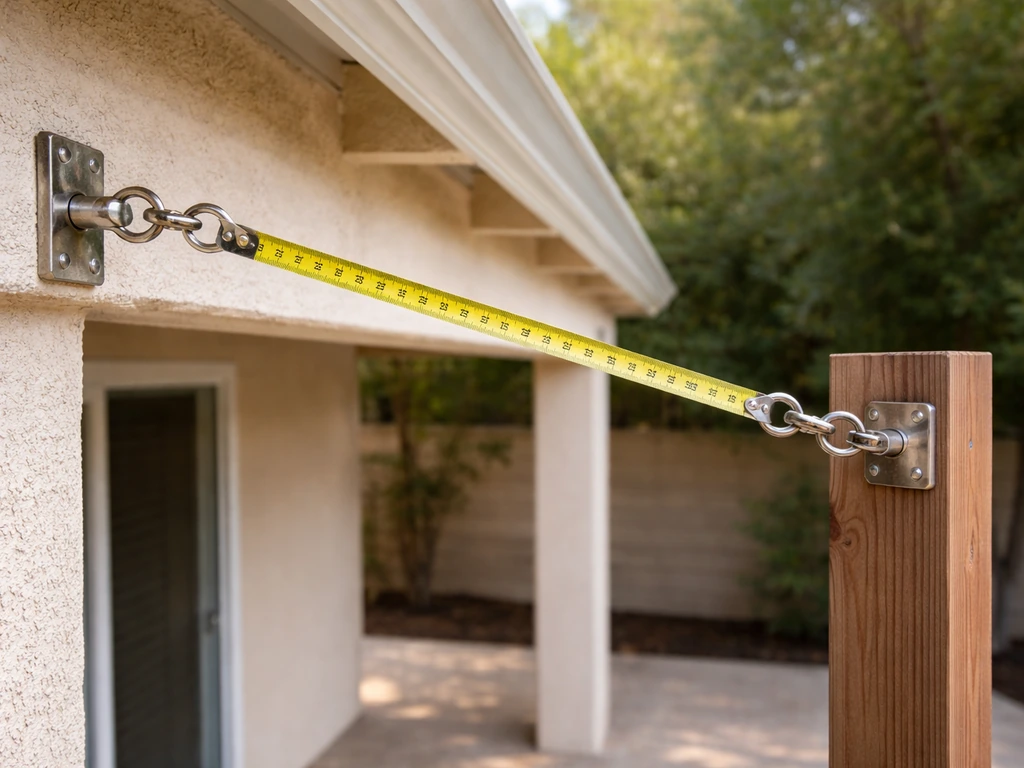
Shade sails should be installed at an angle, typically 15 to 25 degrees of height variation between attachment points, so that rainwater runs off instead of pooling. This means your mounting points can't all be at the same height. A triangle sail uses three attachment points; a square uses four. Plan for your sail to cover roughly 10-15% more ground than you want shaded because the angled install and corner tension reduce effective flat coverage. Always measure the distance between your actual anchor points (posts, walls, trees) before ordering a sail size.
Sun path and exposure timing
Know what direction your patio faces and when the sun hits hardest. A west-facing patio gets brutal afternoon sun from about 2 PM to sunset, meaning your shade needs to cover the western angle. A south-facing patio gets overhead sun all day. Use a free sun-path tool online to map your specific address and time of day before committing to a placement. This directly affects whether a fixed shade sail or a directional umbrella is more practical, and whether you need a deep awning projection or a wide one. If you are deciding between options, the best patio sails are typically HDPE mesh shade sails installed with proper height variation and correct anchor hardware.
What to look for in reviews: UV and heat reduction, weather performance, and adjustability
Most patio shade reviews focus on how it looks and whether assembly was annoying. Those are valid, but the specs that actually determine whether you stay comfortable are different. Here's what to dig into.
UV blocking and openness factor
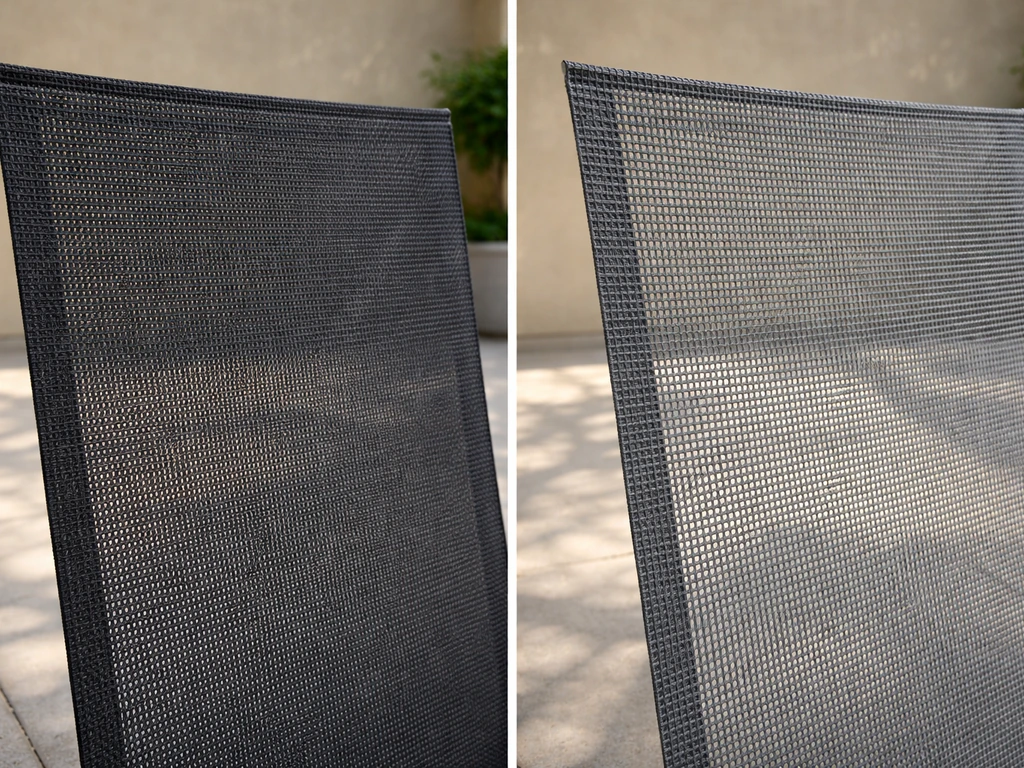
UV protection is usually listed as a percentage, such as 90% UV block or 95% UV block. For shade sails and mesh screens, a related spec called "openness factor" matters just as much. Openness factor is the percentage of open space in the fabric weave. A 10% openness factor means 10% of the material is open gaps, which lets airflow through while still blocking most sun. Lower openness equals more shade and heat reduction but less breeze. In very hot climates, a 5-10% openness factor balances shade with ventilation better than a near-solid fabric. Coolaroo and similar HDPE mesh products offer multiple UV-blocking grades, and the difference between a 50% block and a 90%+ block is significant in intense sun.
Weather performance and wind ratings
Most retractable awnings are rated to handle around 35 to 40 mph winds when properly installed and maintained, but the key qualifier is "when properly installed." The mounting surface has to be structurally sound, and the awning needs to be retracted before sustained high winds arrive. Lateral arm awnings should generally be closed when winds exceed about 20 mph. For shade sails, the hardware is usually the first failure point under load, not the fabric itself. Eye bolts that aren't designed for angular loads can open or bend under tension, so the hardware you use matters as much as the sail material. If you're in a coastal or high-plains area, look explicitly for wind-load ratings and invest in a motorized awning with a wind sensor.
Adjustability and retractability
Manual crank awnings work fine for most homeowners and cost significantly less than motorized versions. Motorized adds convenience and, more importantly, the ability to connect to a wind sensor that auto-retracts the awning before a gust causes damage. If you're frequently away from home or your climate includes sudden afternoon thunderstorms, that automation is worth the premium. For umbrellas and shade sails, adjustability is more limited; umbrellas can be tilted and repositioned, but sails are essentially fixed once installed.
Category-by-category patio sun shade reviews
Retractable awnings
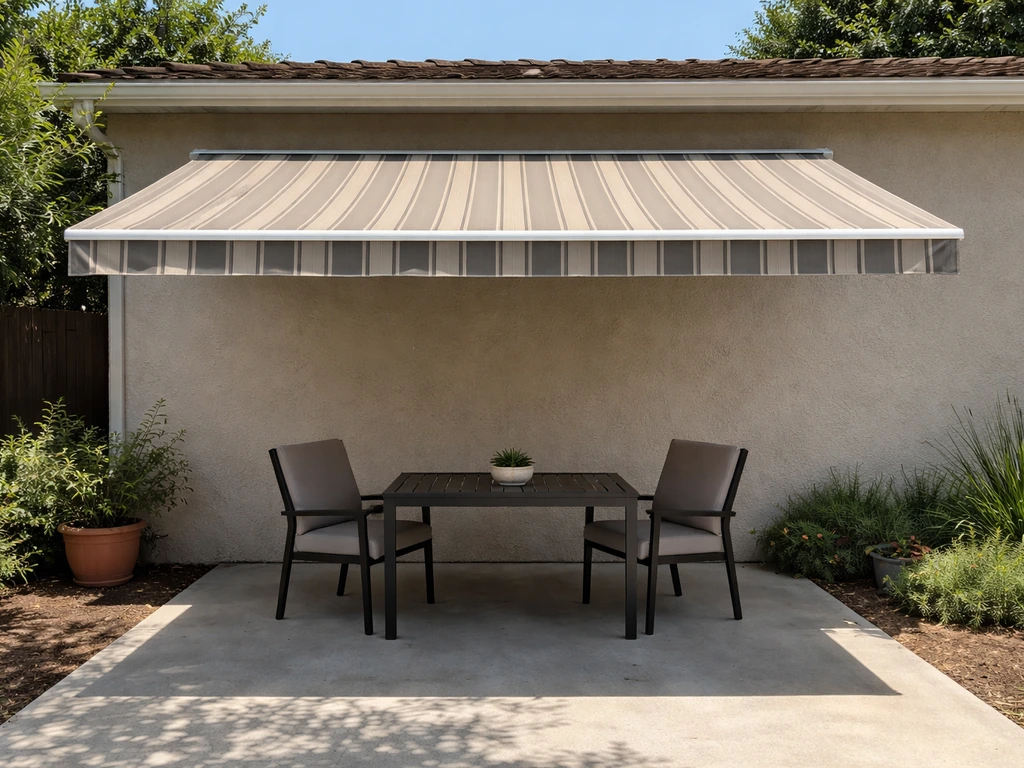
Retractable awnings are the most practical choice for homeowners who want serious, adjustable coverage over a defined seating or dining area. The fabric (usually solution-dyed acrylic or coated polyester) blocks UV effectively, handles light rain, and retracts when you want full sun or before a storm. If you're looking for affordable shade patio covers reviews, focus on UV block level, weather performance, and how easily the system adjusts for your sun angle. A standard residential retractable awning weighs roughly 7 to 12 pounds per linear foot, which means your mounting wall has to be solid framing, not just drywall or a brick veneer facade. If you're mounting into brick, make sure you're hitting the actual masonry or structural backing, not just the veneer layer.
- Pros: Adjustable coverage, solid UV and heat reduction, light rain tolerance, long lifespan with proper care (10-15 years for quality fabric)
- Cons: Requires strong structural mounting, should be retracted in heavy rain or high winds, higher upfront cost than most alternatives
- Best for: Homeowners with a south- or west-facing wall, medium to large patios (12-20+ feet wide), climates with mixed sun and occasional rain
Shade sails
Shade sails cover more ground per dollar than almost any other category. A quality HDPE mesh sail with 90%+ UV block costs $100-$250 and can cover a 12x12 or 16x16 foot area. The trade-off is that installation is more involved than it looks, and the hardware decisions are critical. Use hardware rated for angular loads (not standard eye bolts), tighten turnbuckles gradually and in alternating corners, and install with height variation of at least 12-18 inches between attachment points to drain water and create tension. Shade sails are not waterproof and are not meant to be. If you want rain coverage, a shade sail is not your answer.
- Pros: Low cost, large coverage area, breathable fabric, visually clean look, DIY-friendly with prep
- Cons: Not waterproof, hardware failure is common if installed wrong, limited adjustability once mounted, fades faster than premium awning fabric without UV-stable HDPE
- Best for: Budget-conscious homeowners with open yards, large patios needing overhead coverage, renters willing to set freestanding posts in planters or weighted bases
Patio umbrellas
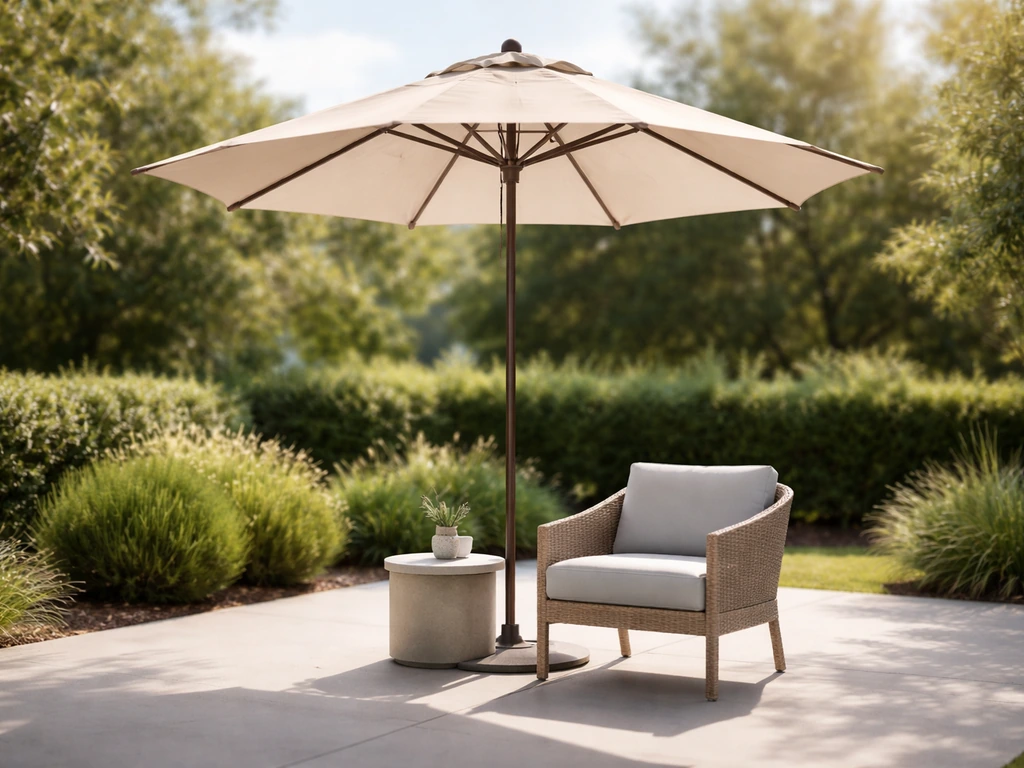
Umbrellas are the most flexible option and the only truly portable shade solution. A good 9-foot market umbrella with a vented or tiered canopy handles moderate afternoon sun well for a 4-person table. The vented canopy design reduces wind pressure on the fabric, which is important because a non-vented umbrella acts like a sail in gusts and will tip over without a very heavy base. A 9-foot umbrella needs a base of at least 50 pounds; an 11-foot umbrella needs closer to 100 pounds. Close your umbrella any time winds consistently exceed about 20-25 mph. blank" rel="noopener noreferrer">Wind resistance specs in product listings are often inflated, so if you're in a reliably windy area, a shade sail or awning is a better long-term choice than an umbrella.
- Pros: No installation, portable, affordable, works for renters, wide style selection
- Cons: Limited coverage area, needs heavy base to be safe in wind, has to be manually closed in gusts, doesn't scale well for large patios
- Best for: Renters, small patios, dining tables, anyone who needs shade without any permanent installation
Outdoor curtains
Outdoor curtains do something none of the other categories do as well: they combine side shade, privacy, and wind blocking in one product. They work best when attached to an existing pergola, gazebo, or covered patio frame with a rod or cable system. Freestanding frames work too but need to be weighted or staked. Look for solution-dyed acrylic fabric (the Sunbrella category) over cheap polyester. Polyester outdoor curtains fade fast and start mildewing once dirt builds up in the weave, often within one or two seasons in humid climates. Solution-dyed acrylic holds color and resists mildew significantly better. Don't use bleach on most outdoor curtain fabrics; it can damage the fibers and cause color loss.
- Pros: Privacy + shade combo, great for blocking low-angle afternoon sun, easy to replace panels, can be removed for winter
- Cons: Not overhead coverage, requires a frame or attachment structure, cheap materials degrade quickly, wind can make them unruly without proper tie-backs
- Best for: Covered patios, pergolas, screened areas where privacy and side-sun blocking matter as much as overhead shade
Pergola kits with shade tops
A pergola with a louvered or solid roof panel is the most permanent, highest-value shade upgrade you can make to a patio. DIY metal pergola kits start around $800-$1,500 for a 10x10 foot structure; premium louvered pergolas with motorized slats run $3,000-$10,000+. The advantage is structural: a properly anchored pergola handles wind and rain in ways that no fabric shade system can match. The downside is cost, permanence, and the fact that most require permit applications and footing work. For renters, this is a non-starter. For homeowners planning to stay in their home more than 5 years, the cost-per-season math often works out better than repeatedly replacing fabric systems.
- Pros: Permanent, high wind and rain tolerance, adds property value, most customizable aesthetically
- Cons: High upfront cost, may need permits, not renter-friendly, installation complexity is significant
- Best for: Homeowners with large outdoor living areas, high-sun or high-wind climates, anyone treating their patio as a true outdoor room
Roll-up shade screens
Roll-up screens mount to the exterior fascia or overhead beam of a covered patio and unroll to block sun at specific angles. They're particularly useful on covered patios where the roof provides overhead shade but the afternoon sun still hammers in from the west at a low angle. The openness factor spec matters here the same way it does for shade sails: a screen with 5-10% openness blocks heat while letting air move. Motorized roll-up screens are a popular upgrade for screened porches and covered outdoor kitchens where the goal is heat and glare control without full enclosure.
- Pros: Targeted sun angle control, clean look, can be retracted when not needed, good heat reduction
- Cons: Requires overhead attachment point, doesn't provide overhead shade on its own, lower-end models can be flimsy in wind
- Best for: Covered patios with afternoon side-sun exposure, outdoor kitchens, screened porches
Installation realities: mounting, wind, and rental-friendly setups
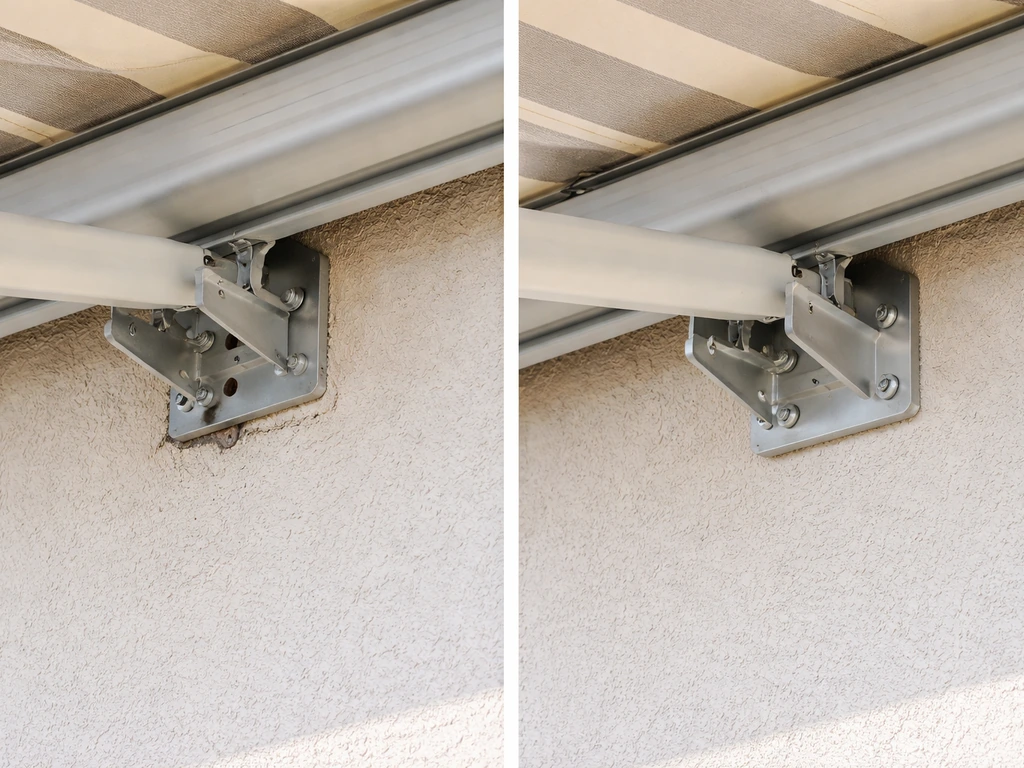
The number one installation mistake across every shade category is underestimating the structural demands. Shade products catch wind, accumulate rain weight, and apply tension to their attachment points in ways that aren't obvious from the box. Here's what actually matters category by category.
Retractable awning mounting
Mount into solid framing members, not just sheathing or brick veneer. A fully loaded awning applies significant pulling force to its mounting bolts during wind events, and veneer or foam-backed cladding will not hold it. If you're mounting into masonry, use proper masonry anchors rated for the load. California and other states have specific code requirements for awning structural loads, including minimum vertical live loads and wind resistance, so check your local residential code before you start drilling. Most professional awning installers will assess your wall before committing to a job; if a quote skips that step, ask about it directly.
Shade sail installation tips
Use stainless steel or hot-dipped galvanized hardware rated for the angular loads a sail creates. Standard shoulderless eye bolts can open or bend under the diagonal pull of a tensioned sail, especially in wind. Tighten turnbuckles gradually, alternating between corners instead of fully tensioning one side at a time. Install with intentional height variation between attachment points (aim for 15-25 degrees of slope) so water drains off and the sail holds tension properly. If you don't have existing anchor points, weighted post bases or ground sleeves can make this rental-friendly, though they're less stable than posts set in concrete.
Rental-friendly setups
For renters, the realistic options are umbrellas, freestanding shade structures (weighted gazebo frames or offset umbrellas with heavy bases), and shade sails mounted to freestanding weighted posts rather than walls. Some tension-mount roll-up screens can attach to porch railings or beams without permanent fasteners, which works on covered patios. Avoid any system that requires drilling into the wall or structural anchoring; even if your landlord agrees verbally, lease terms often make you responsible for restoration.
Maintenance, durability, and cost-per-season
What you pay upfront is only part of the story. The more honest number is cost per season, which accounts for how long the product lasts and what it takes to maintain it.
| Shade Type | Expected Lifespan | Annual Maintenance | Estimated Cost Per Season |
|---|---|---|---|
| Retractable Awning (quality fabric) | 10-15 years | Clean fabric 2x/year, retract in storms, inspect hardware annually | $50-$300/season |
| Shade Sail (HDPE mesh) | 3-7 years | Remove/store in winter in harsh climates, inspect hardware each season | $20-$80/season |
| Patio Umbrella | 3-6 years | Store in winter or use a cover, close in wind, replace canopy fabric if needed | $30-$150/season |
| Outdoor Curtains (acrylic) | 5-10 years | Machine wash or hose down, remove/store in winter | $40-$120/season |
| Pergola Kit (metal/aluminum) | 20+ years | Annual hardware check, repaint or touch up if painted steel | $40-$200/season |
| Roll-Up Shade Screen | 5-10 years | Clean screen fabric, lubricate mechanism annually | $30-$100/season |
Fabric degradation is the most common maintenance issue across every category. UV exposure breaks down coatings and weave integrity over time, so the fabric quality you buy upfront directly determines how long you avoid replacement costs. Solution-dyed acrylic (Sunbrella is the benchmark brand) outlasts coated polyester significantly in sun-heavy climates. HDPE mesh sails from quality brands like Coolaroo hold up better than unbranded imports. For awnings, leaving the fabric extended when it's not in use (especially overnight) dramatically shortens its lifespan compared to retracting it when you're done.
In snowy or freezing climates, remove shade sails, curtains, and roll-up screens for winter. Water trapped in fabric or hardware can freeze, expand, and crack attachment points or damage the weave. Retractable awnings can typically stay mounted through winter if retracted, though retracting them fully and covering the cassette in extremely wet climates adds years to the fabric's life.
How to choose your best option today: shortlist checklist and next steps
Work through this checklist before you buy. It takes five minutes and will save you from a return or a frustrating install.
- Are you renting or do you own? If renting, limit yourself to umbrellas, weighted freestanding structures, or shade sails on freestanding posts.
- How large is your shade area? Measure the space you actually use, not just the patio footprint. Add 10-15% to account for sun angle and coverage gaps.
- What direction does your patio face and when is it hottest? West-facing afternoon sun needs different positioning than a south-facing midday exposure.
- How windy is your location? If you regularly see gusts above 20-25 mph, rule out standard umbrellas and consider awnings with wind sensors or a pergola.
- Do you want rain protection? If yes, eliminate shade sails and standard mesh products. Look at awnings, pergolas with solid roofs, or covered structures.
- What's your real budget? Calculate cost-per-season, not just sticker price. A $200 shade sail that lasts 4 years costs $50/season. A $1,500 awning that lasts 12 years costs $125/season but gives far better coverage.
- Do you have a solid mounting surface for an awning? Check for structural framing or masonry behind your intended attachment wall before ordering.
- What fabric grade do you need? In high-UV climates, look for solution-dyed acrylic or HDPE mesh with 90%+ UV block. Verify openness factor if airflow matters.
- Have you verified local permit requirements? Permanent structures and larger awnings may require permits in your municipality.
For most homeowners with a south- or west-facing patio and a solid mounting wall, a manual retractable awning in the $600-$1,500 range hits the best balance of coverage, durability, and flexibility. If you have a large open area without a mounting wall, a shade sail on quality hardware is the right starting point, and you can layer in outdoor curtains or a roll-up screen later for side coverage. Renters should start with a quality offset umbrella (at least 50-pound base) and upgrade to a freestanding shade sail system if the space allows. If you're deep in the research phase on shade sails specifically, the nuances around fabric types and hardware options are worth reviewing in detail, as are the broader comparisons between sail shapes and configurations.
One final thing most reviews skip: buy slightly bigger than you think you need. Coverage that feels adequate at noon often leaves you squinting by 3 PM as the sun shifts angle. An extra foot of projection on an awning or one size up on a shade sail is almost always worth it.
FAQ
Do patio sun shade reviews account for how much area is actually usable after you factor in sun angle?
Many don’t. When you read reviews, treat the listed size as “anchor-to-anchor” or “fabric footprint,” then do a second check for your actual seating position at peak times (often 2 PM to sunset for west-facing patios). If your shade only covers where you sit at noon, it will likely miss late-day glare, so confirm coverage against where people will sit, not just where the product mounts.
Is a shade sail ever a good choice if I want protection during light rain?
Only for very light drizzles, not real rain. HDPE mesh sails are intentionally breathable and water passes through, so during steady rain you will still get wet and the sail can add weight as water accumulates unevenly. If rain avoidance is a priority, plan for a solid roof solution like a pergola panel, or choose a retractable awning and be willing to retract in heavier storms.
How windy is too windy for each patio sun shade type?
The threshold depends on how the product interacts with wind. Umbrellas need immediate closure when gusts are consistently around 20 to 25 mph because the canopy acts like a sail. Retractable awnings are rated around 35 to 40 mph only when installed correctly and retracted before high wind arrives, and lateral arm models should generally be closed earlier (around 20 mph). Shade sails usually fail at the hardware under load, so prioritize wind-load rated anchors and angular-load hardware even if the fabric looks fine.
What’s the biggest “hidden” reason an awning or shade sail underperforms after installation?
It’s usually not fabric quality, it’s fit and structural setup. Undercoverage happens when you don’t add enough margin beyond the opening, and poor performance also happens when the mounting point isn’t structurally solid or the sail slope and tension aren’t set correctly. If your coverage feels short, measure again from the actual seating area, then verify projection calculations (including the downward pitch on awnings).
Should I prioritize openness factor or UV-block percentage when comparing shade sails or mesh screens?
Start with openness factor if you’re in a heat-heavy, still-air environment where airflow matters. Lower openness gives more shade and heat reduction but reduces breeze, so a 5 to 10% openness range is often the practical sweet spot for very hot climates. UV-block percentage still matters, but openness factor affects how much heat and moisture buildup you feel under the shade.
Can I leave a retractable awning extended overnight?
It’s usually a bad idea. Leaving fabric extended, especially overnight, increases UV exposure and accelerates fabric and coating degradation. If you can, retract when you’re not using it, and if you expect wet weather, retract ahead of heavier storms to avoid pooling weight that strains the system.
For shade sails, how do I choose the height difference between attachment points?
Aim for a noticeable slope, typically 15 to 25 degrees across the install, so water drains rather than pools. Practically, that means not all attachment points should be the same height. Also plan on covering more than you want shaded because corners and tension reduce effective flat coverage, so order based on actual anchor spacing and the extra margin.
What mounting mistake do renters often make when trying to install patio sun shade solutions?
Assuming verbal landlord permission equals a safe plan. Avoid anything that requires drilling into walls or structural anchoring unless you’re sure the lease allows it and you can restore the space fully. In many cases, the most realistic renter options are offset umbrellas with heavy bases, freestanding weighted shade structures, or shade sails on posts that don’t penetrate the building.
If a product lists wind resistance, how should I interpret it when reading patio sun shade reviews?
Be skeptical, because umbrella and shade listings often overstate performance. Treat wind ratings as best-case scenarios that assume proper base weight, correct use, and ideal conditions. Your real decision should include your local gust patterns and your willingness to retract or close before a storm, not just the peak mph number in the listing.
How do I estimate my hardware and fastening needs, especially for shade sails?
Don’t just buy the sail, budget for the correct angular-load hardware and anchoring method. Standard eye bolts may not handle the diagonal pull from tensioned corners, so look for rated hardware for angular loads, and confirm your anchor points are rated for the loads you’ll apply. If you’re missing anchor locations, decide early whether you’ll use posts set in concrete or rental-friendly alternatives, since stability directly affects safety.
What’s the best way to decide between an awning and a shade sail for the same patio?
Use three quick checks: your mounting constraints, your rain tolerance, and your sun variability. Awnings work best when you have a solid mounting wall and want adjustable coverage over a defined seating zone. Shade sails are ideal for large open areas with correct angled setup, strong hardware, and a plan for no true waterproofing. If your main issue is late-day glare, choose the option that can realistically keep the seating area covered when the sun shifts.
Next Articles
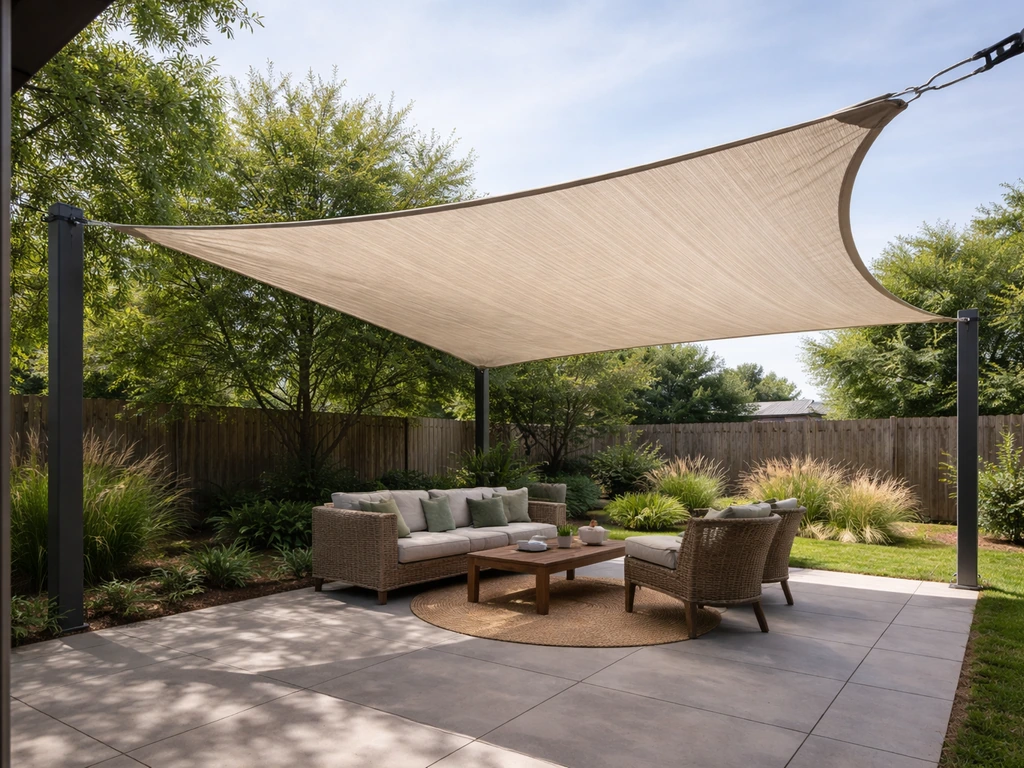
Patio Shade Sail Reviews: What to Buy for Real Coverage
Real patio shade sail reviews: coverage, UV, wind and rain performance, sizing, mounting, durability, value, and setup t
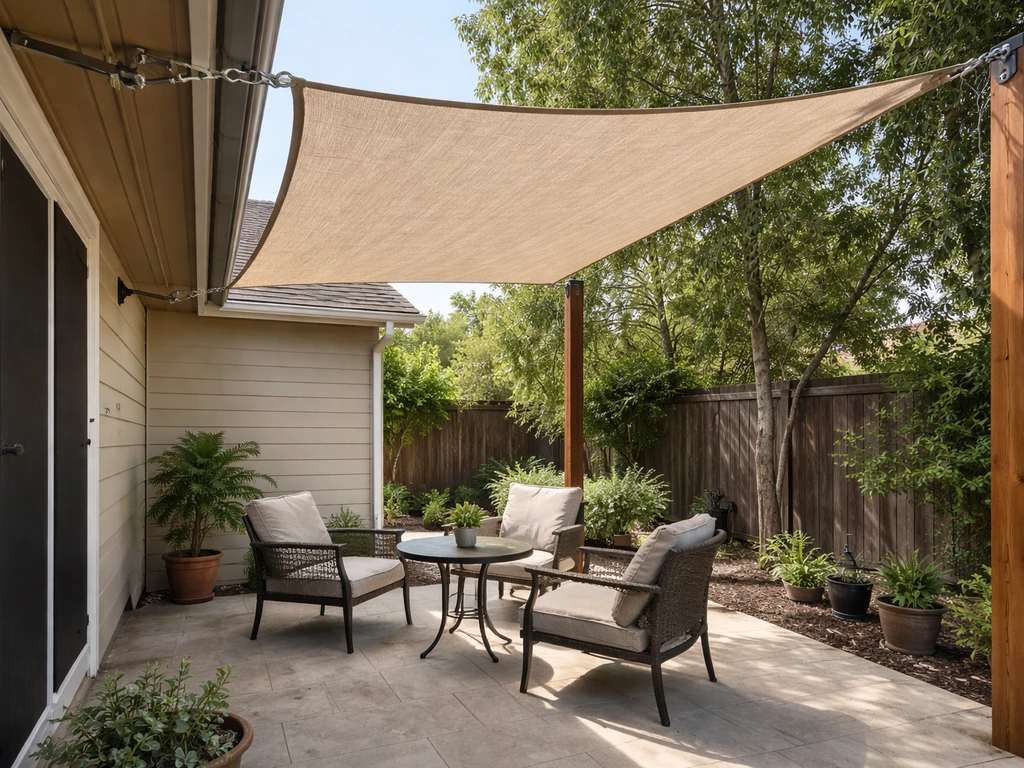
Affordable Shade Patio Covers Reviews: Best Budget Picks
Budget shade patio cover reviews with types, real performance, costs, and a side-by-side checklist to pick the best fit.
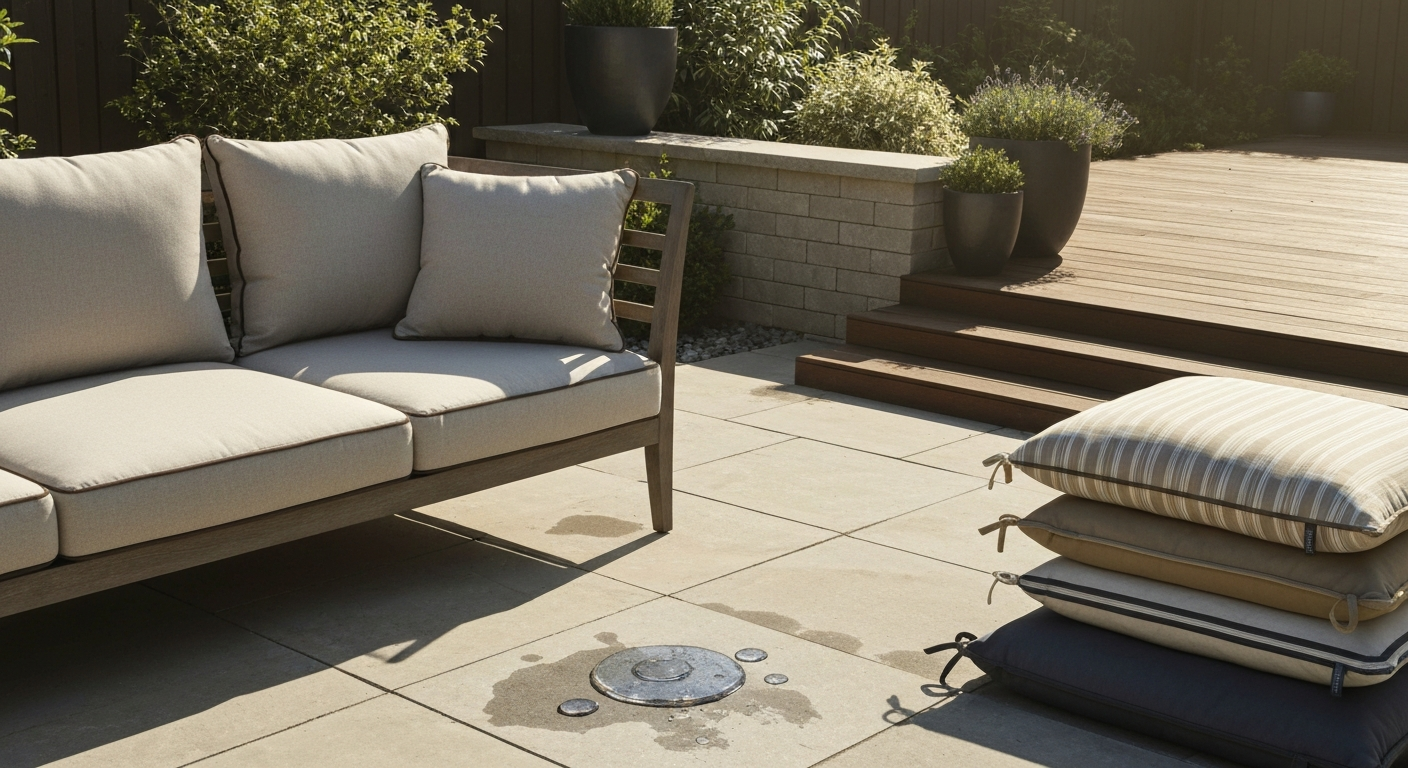
Best Sunbrella Patio Cushions: Top Picks, Guide & Maintenance
Find the best Sunbrella patio cushions: durable, fade‑resistant picks, buying tips, care, and top recommendations.