
A patio rattan daybed with a retractable top canopy is one of the most versatile pieces of outdoor furniture you can buy, it's a lounge chair, a sofa, and a shaded retreat all in one. The best models pair a powder-coated aluminum or steel frame wrapped in PE (polyethylene) rattan weave with a canopy that slides open and closed on a track system, giving you on-demand sun coverage without committing to a fixed umbrella. If you pick the right size, the right canopy fabric, and a frame that can handle your local weather, one of these daybeds can realistically last five or more years with minimal fuss. If you skip those checks, you'll be dealing with torn canopy fabric, rusty frames, and waterlogged cushions by season two.
Patio Rattan Daybed with Retractable Top Canopy: How to Choose

Lark Perry
20 Jun 2026
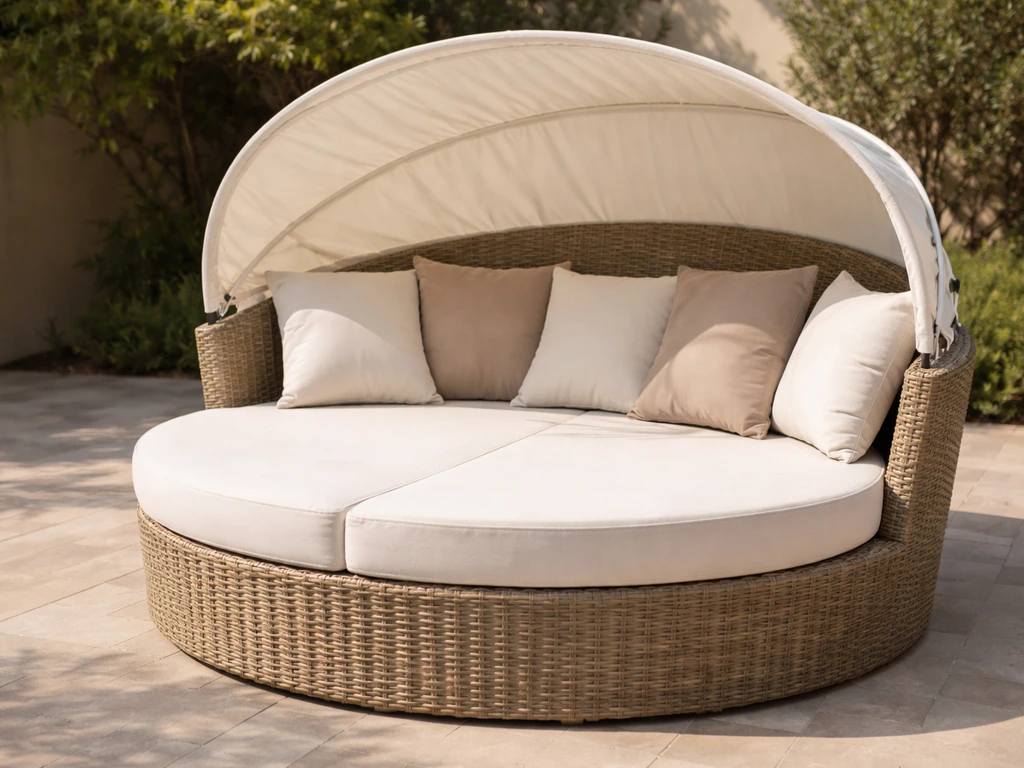
What a retractable-top rattan daybed really includes
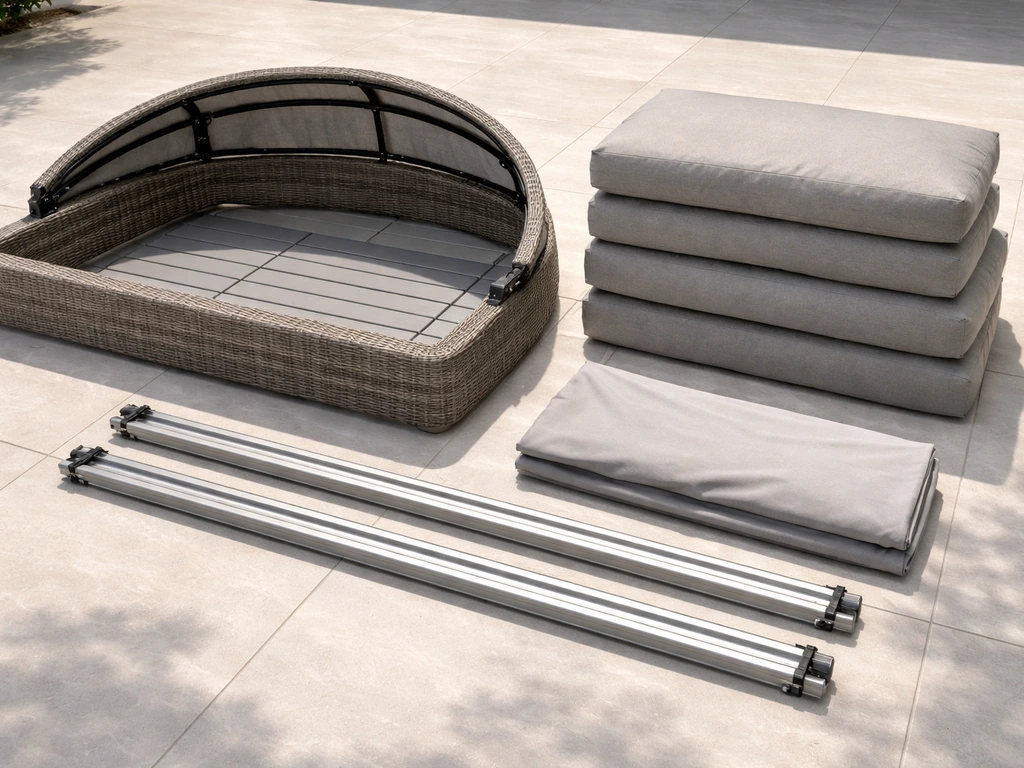
These daybeds are sold as sets, but it pays to know exactly what's in the box before you buy. A standard package includes the daybed frame itself, seat and back cushions, throw pillows (usually four), the retractable canopy assembly, and often two foldable side trays, one popular Lowe's listing describes trays that measure 10 inches by 7.5 inches, just big enough for a drink and your phone. The Gymax model sold at Macy's and Best Buy, for example, includes 2 seat cushions, 4 throw pillows, and an instruction manual alongside the main frame and canopy.
The canopy itself is a fabric panel that rides along two parallel tracks attached to the canopy frame posts. When you pull or crank it, the fabric extends forward to cover the seating area; retract it and you're in full sun. The tracks are the most mechanically critical part of the whole system, more on that below. The frame is usually a welded steel or aluminum skeleton covered in woven PE rattan strips. The cushions sit on top of the frame base and are separate from the canopy structure entirely, which matters for cleaning and storage planning.
Choosing the right canopy: coverage, mechanism, and weather performance
Manual pull vs. crank/gas strut operation
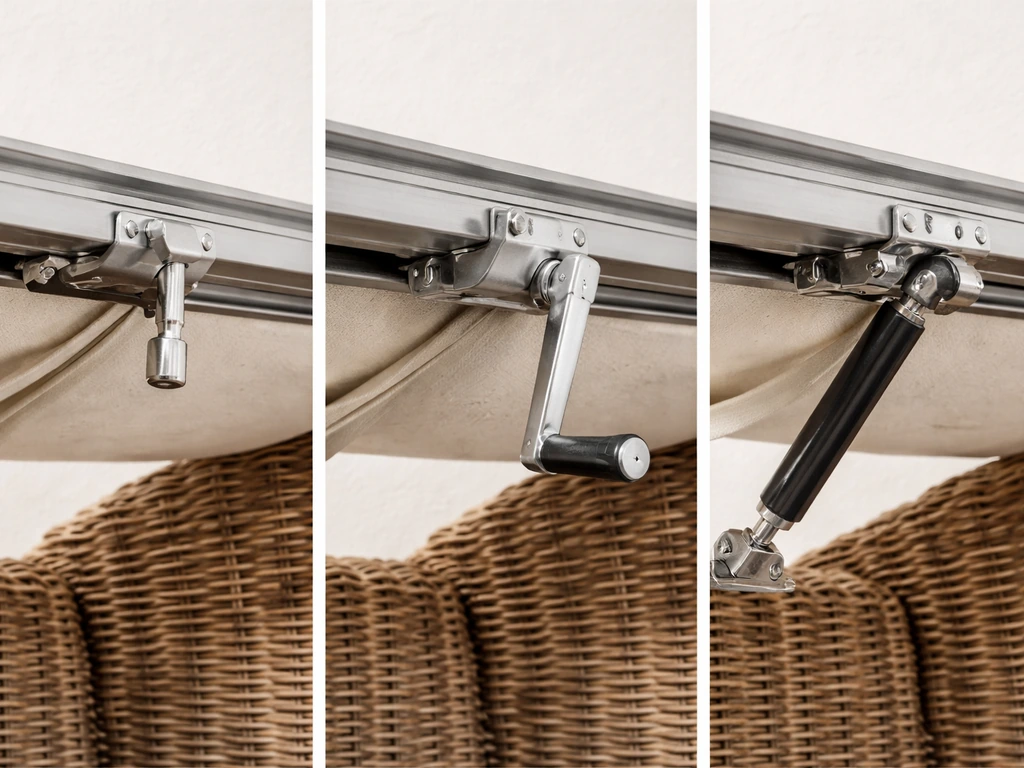
Most rattan daybeds in this category use one of three retraction mechanisms: a simple manual pull-and-push system, a hand crank, or gas struts (sometimes called a gas-lift assist). Manual pull is the most common and the least expensive, you just grab the canopy frame and slide it along the track. A crank system gives you more mechanical advantage and is easier on windy days when the fabric has resistance. Gas strut systems, like the one noted on a Mondawe model sold at Best Buy, use pressurized cylinders to help the canopy rise and extend with less effort, which is genuinely useful if you're opening and closing the canopy multiple times a day.
One real-world note from people who use retractable shade systems regularly: you'll find yourself adjusting the canopy as the sun moves. It's not a set-it-and-forget-it situation like a pergola or fixed canopy. A manual hand crank is actually the most reliable long-term because there's no motor to fail and no electricity required, a point worth keeping in mind if your patio doesn't have power access.
How well does the canopy actually block sun and handle rain?
The canopy fabric is what separates a good buy from a frustrating one. The best canopy fabrics are solution-dyed acrylics, Sunbrella is the most recognized brand name in this category, and it carries a manufacturer's limited warranty on its shade fabrics specifically because the dye goes all the way through the fiber rather than being applied as a surface coating. Solution-dyed acrylic is UV-resistant, color-stable, and water-resistant (meaning it sheds light rain). It's not fully waterproof in a heavy downpour, and one Mondawe listing actually cautions buyers to "avoid rain exposure for prolonged service life", that's honest and worth taking seriously. If you live somewhere with frequent heavy rain, plan to retract the canopy when storms roll in rather than treating it as a rain shelter.
For UV blocking, solution-dyed acrylic and solution-dyed polyester are the top choices. They resist fading far longer than standard polyester or canvas. If a listing just says "polyester fabric" without specifying solution-dyed, that's a lower-quality canopy that will fade and weaken faster under direct sun. Prioritize fabrics labeled solution-dyed acrylic or those that reference Sunbrella or comparable marine-grade fabric brands.
Track and zipper reliability
The canopy rides along a track, and in most designs the fabric edges are secured with a zipper or bead-in-channel system. This is the most common failure point in the whole daybed. Wind is the primary enemy: strong gusts can literally pull the zipper out of the track, leaving the canopy flopping around or permanently bent. One SunAir warranty document specifically calls this out as a known failure mode. The fix is both in placement (put the daybed in a wind-sheltered spot) and in daily habits (retract the canopy when you're not using it or when wind picks up).
Rattan, frame, and cushions: what 'weatherproof' really means
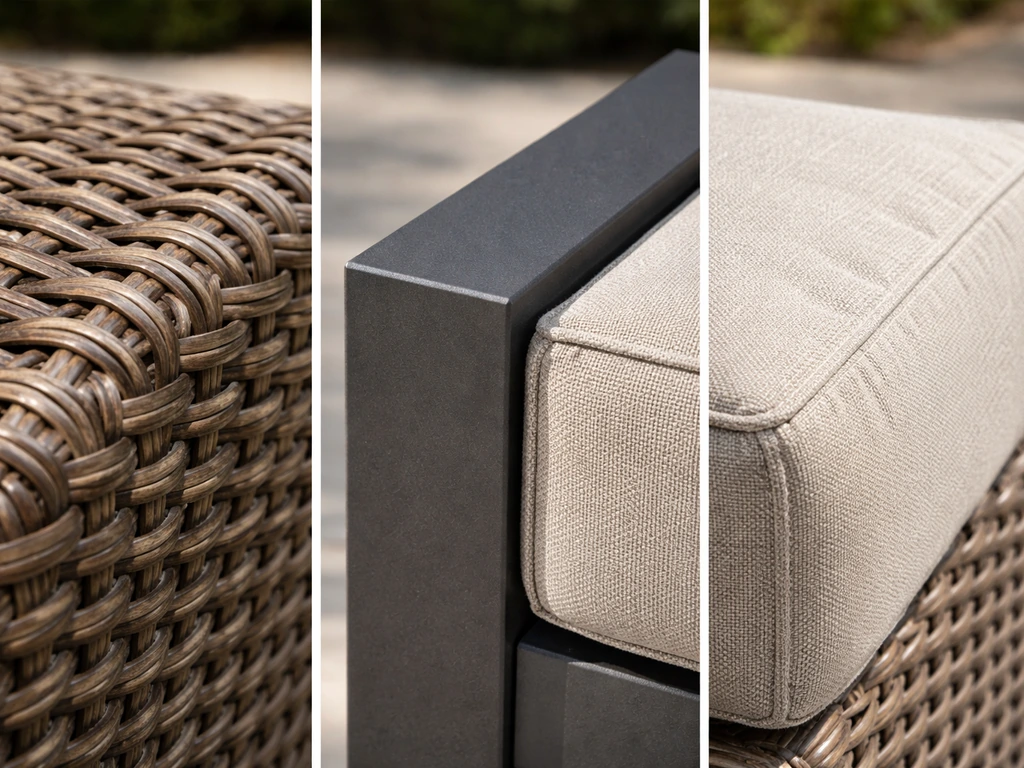
"Weatherproof" on a product listing is a marketing term, not a technical standard. Here's what it actually means for each component of a rattan daybed.
| Component | What 'Weatherproof' Means in Practice | What to Look For |
|---|---|---|
| PE Rattan Weave | Synthetic plastic strips that don't absorb water or rot the way natural rattan does. Resistant to UV fading but can become brittle after years of direct sun. | PE rattan labeled HDPE or UV-stabilized; tight, even weave without gaps |
| Frame | Powder-coated steel rusts if the coating chips; aluminum does not rust and is lighter. Both handle rain fine when the coating is intact. | Powder-coated aluminum frame for best long-term rust resistance; thick-wall tubing over thin |
| Cushion Fill | Foam cores absorb water if the fabric isn't sealed. Quick-dry foam (open-cell) drains faster but still needs to dry fully. | Cushions with removable, washable covers and quick-dry foam fill |
| Cushion Fabric | Polyester covers repel light moisture; solution-dyed acrylic (Sunbrella-type) handles sustained exposure much better. | Look for Sunbrella or similar solution-dyed fabric; avoid thin polyester without water-resistant coating |
Natural rattan is not a practical material for a patio daybed that stays outside. It will crack, warp, and degrade within a season or two in most climates. Every serious outdoor daybed in this category uses PE (polyethylene) synthetic rattan, which looks nearly identical but handles moisture and UV without breaking down. If a listing says "rattan" without the PE prefix, ask specifically what material it is before buying.
Sizing and placement: measurements and clearances that actually matter
Rattan daybeds with retractable canopies are bigger than they look in product photos. The canopy frame adds significant height and the extended canopy adds to the overall footprint. Here are real dimensions from actual listings to help you plan:
| Model / Source | Length | Width | Height (with canopy) | Notes |
|---|---|---|---|---|
| Gymax (Best Buy) | 75.5 in | 52 in | 50 in | One of the larger footprints; allow 80+ in of clear length |
| GOUUN Wicker (Macy's) | 60 in | 52.5 in | 54.5 in | Taller canopy frame; check overhead clearance |
| Gymax Rattan (Walmart) | 65 in | 60.5 in | 54.5 in | Dimensions when canopy is expanded |
| Latitude Run Alivio (Wayfair) | 60.5 in | 65 in | 58.5 in | Includes canopy and side trays in the overall measurement |
The key sizing insight here is that the width with side trays extended can reach 65 inches, which is over five feet. Plan for at least 12 to 18 inches of clearance on each side so you can walk around the daybed comfortably and access the tracks for cleaning. For length, add at least six inches beyond the listed dimension so the canopy can extend without hitting a wall or fence.
For placement, keep the daybed at least 3 meters (roughly 10 feet) away from any open flame source, this is explicitly called out in use and care manuals and matters if you have a fire pit, grill, or gas patio heater nearby. Wind exposure is the other critical placement factor: a spot with partial wind break from a fence, wall, or dense planting will dramatically extend canopy life. Avoid positioning the daybed where water pools after rain, constant moisture contact under the frame accelerates any rust issues on steel frames and keeps cushions damp.
Features that matter most for comfort, stability, and daily use
Weight capacity and frame stability
Multiple models in this category are rated to 800 lbs, which is substantial and gives you real confidence if two adults are lounging at the same time. That said, weight capacity is a static measurement, it doesn't account for the leverage stress created when someone shifts or sits on the edge. A thick-wall frame with welded joints (not bolted-together thin tubing) is what actually translates a high weight rating into real stability. When you assemble the daybed, check that the frame feels rigid and doesn't flex side-to-side when you push on it. A wobbly frame will get worse over time, not better.
Cushion thickness and comfort for lounging vs. sitting
Most people use a rattan daybed in two modes: sitting upright like a sofa, and lying down to lounge. For sitting, even a 3-inch cushion is workable. For lounging, you'll want at least 4 to 5 inches of cushion depth, preferably with a high-density foam that doesn't bottom out under your hips after 20 minutes. Cushion covers that zip off for washing are a practical must, outdoor cushions accumulate pollen, sunscreen, and bird droppings, and being able to pull the cover off and wash it extends the life of the cushion dramatically.
Canopy adjustability and coverage angle
Some models let you tilt or angle the canopy as well as extend it, which is useful when the sun is low in the morning or late afternoon and a straight-out canopy doesn't shade your face. If you are researching step2 all around playtime patio with canopy reviews, focus on shade coverage, canopy durability, and how reliably the canopy adjusts in real everyday use tilt or angle the canopy. If you use the daybed during those golden-hour time windows regularly, canopy tilt adjustability is worth paying extra for. If you mostly use it midday, a fixed-angle retractable canopy does the job fine.
Maintenance and care for long-term outdoor performance
Cleaning the canopy fabric
Brush loose dirt off the canopy fabric first, doing this dry prevents grinding debris into the weave when you add water. Then clean with a mild detergent and lukewarm water, working it in with a soft brush, and rinse thoroughly. Avoid harsh cleaners or bleach on solution-dyed acrylic unless the manufacturer specifically allows it, as they can break down the fabric's finish. Let the canopy dry fully in the open position before retracting and storing it, retracting a damp canopy traps moisture against the fabric and breeds mildew.
Keeping the tracks and zippers functional
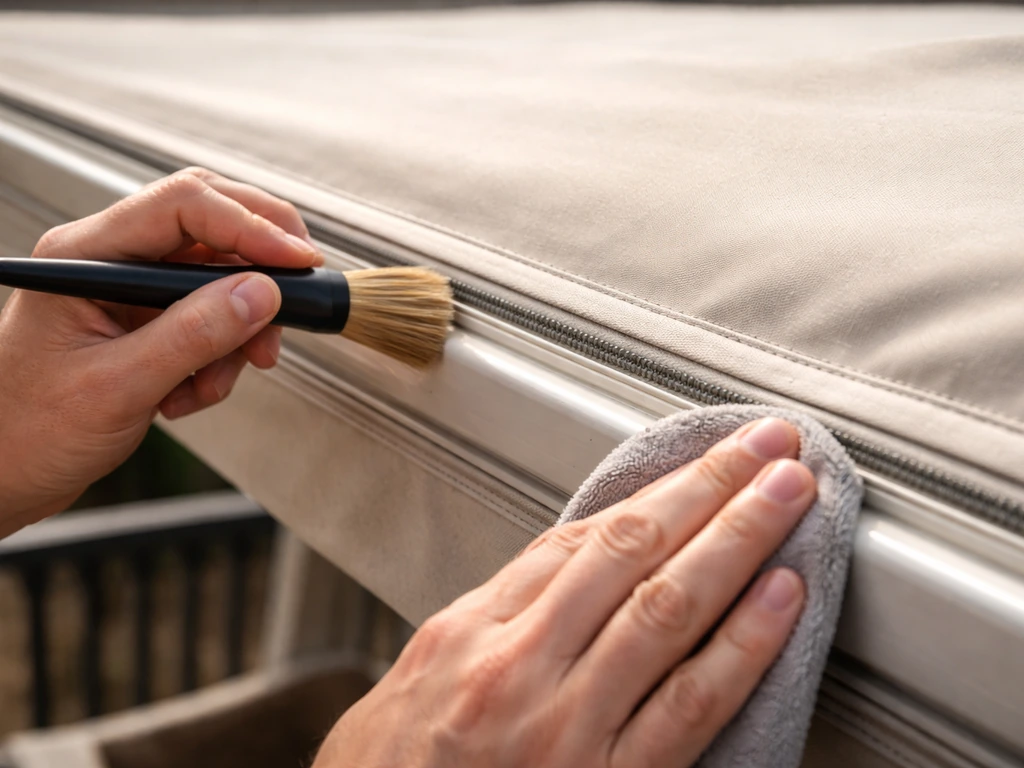
This is the maintenance step most people skip and then wonder why their canopy is hard to open. Dirt, grit, and pollen accumulate in the track channels and create friction that stresses the zipper and fabric. The outdoor retractable canopy assembly manual similarly emphasizes keeping the canopy tracks clean so dirt and debris do not interfere with smooth operation Dirt, grit, and pollen accumulate in the track channels and create friction. Clean the tracks with a dry brush or compressed air every few weeks during heavy use season. When lubrication is needed, use only a dry lubricant (silicone-based dry spray) in the zipper track guide slots, never WD-40 or oil-based lubricants, which attract and hold grit. The assembly manual for retractable canopy systems specifically calls out approved dry lube as the right choice.
Cushion care
Hand-wash removable cushion covers with mild soap and cold water. Don't tumble dry unless the care label explicitly says it's safe, heat can shrink fabric or damage water-resistant coatings. The most important rule for cushion storage: never store cushions while they're even slightly damp. Mildew grows fast inside a closed storage bag or box, and once foam is mildewed it's extremely difficult to fully clean. Set cushions on end in a sunny spot and let them dry completely before putting them away. This applies whether you're storing for the off-season or just covering the daybed overnight.
Off-season storage and covering
If you can disassemble the daybed for winter storage, do it, the frame and canopy assembly are easier to protect in pieces, and the canopy fabric lasts longer when it's not exposed to freeze-thaw cycles under a cover. If disassembly isn't practical, use a weatherproof cover that's sized specifically for the daybed (including the canopy frame height) and make sure it promotes airflow rather than sealing completely. Avoid covering the furniture while any part of it is wet or damp. A cover that traps moisture is worse than no cover at all.
Alternatives, comparisons, and common mistakes to avoid
Retractable canopy daybed vs. other shade options
The retractable top canopy on a daybed has a clear advantage over a patio umbrella for this use case: coverage moves with the furniture, the shade is directly overhead without a pole interrupting the seating area, and the integrated design looks intentional rather than added-on. The trade-off is cost and complexity, a canopy daybed is more expensive than a standard daybed plus a separate umbrella, and the canopy mechanism requires maintenance that an umbrella doesn't. If you're choosing between a canopy daybed and a side-shade solution, know that side shade options (like a cantilever umbrella) are easier to reposition but don't give you that overhead covered-retreat feeling that makes these daybeds so appealing. If you want to use the same retractable shade idea on the water, look for an aqua patio pontoon bimini top setup that matches your boating layout.
Patio swings with canopies are another comparison worth noting, they offer shade and gentle motion but don't give you the flat lounging surface that a daybed does. If lying fully flat is a priority, a canopy daybed is the right category. If you just want a shaded seat that rocks, a 3-person canopy swing might be a simpler and more affordable option. A patio swing top cover can help protect the canopy fabric from rain and sun, extending its lifespan canopy swing.
Common mistakes that shorten the life of a canopy daybed
- Leaving the canopy extended during high winds or rain — this is the single biggest cause of zipper-track failures and canopy tears
- Choosing a steel frame without checking the coating quality — thin powder coat chips easily and once it chips, the exposed steel rusts fast
- Buying based on dimensions listed without accounting for canopy extension — the overall footprint with the canopy open can be 5 to 10 inches larger than the base frame
- Storing cushions even slightly damp — mildew in foam is nearly impossible to fully eliminate
- Skipping track cleaning — gritty tracks create friction that tears canopy fabric and strips zipper teeth over time
- Placing the daybed directly under a tree — sap, leaf debris, and bird droppings are constant and more damaging than UV on most canopy fabrics
- Using oil-based lubricants on the track — they attract grit and make the problem worse
Your pre-purchase checklist
- Measure your patio space and compare it to the expanded dimensions (with canopy and side trays), not just the base frame size
- Confirm the frame material is aluminum or powder-coated steel — ask specifically if the listing is unclear
- Check the canopy fabric spec: solution-dyed acrylic is the best choice; standard polyester is a compromise
- Verify the weight capacity covers your realistic use scenario (800 lbs is the benchmark for multi-adult use)
- Check what the canopy mechanism is (manual pull, hand crank, or gas strut) and whether replacement canopy fabric is available from the manufacturer
- Confirm cushion covers are removable and washable
- Budget for accessories: a weatherproof cover sized for the full canopy height, a cushion storage bag, and dry silicone lubricant for track maintenance
- Plan your placement: wind exposure, proximity to flame sources (minimum 10 feet), drainage, and access to the track channels for cleaning
FAQ
How do I tell if the retractable canopy is likely to jam after a season or two?
Look for track designs that have smooth, enclosed guide channels and inspect whether the zipper or bead-in-channel runs straight without wrinkles when the canopy is fully opened. After delivery, open and close it a few times and pay attention to resistance changes near the end stops, that often signals misalignment that will worsen with grit in the track.
What wind conditions should I use as a practical rule for retracting the canopy?
If you cannot keep the patio area calm when you check the forecast, retract the canopy when you are not actively using it. Even moderate gusts can pull the canopy edge out of its track system if the zipper or bead track fit is slightly loose, so treat windy days as “retract and secure” days, not “leave it extended” days.
Is solution-dyed acrylic actually okay for light rain, or should I never leave it out?
It is water resistant, meaning it sheds light rain, but it is not designed to sit through heavy downpours repeatedly. If heavy rain is common where you live, retract the canopy during storms and let the fabric dry fully afterward to reduce mildew risk in the weave.
Can I use WD-40 or regular oil to make the canopy open smoother?
Avoid WD-40 and oil-based lubricants in the zipper track guide slots. They can attract dust and grit, which increases friction over time and can accelerate zipper and fabric stress. Use only a dry, silicone-based spray lubricant if your manual allows it.
Do I need to store the cushions indoors in winter?
If temperatures regularly freeze or there is persistent damp storage, it is best to store cushions indoors or in a dry, ventilated area. At minimum, keep cushions completely dry before any off-season storage, mildew can set quickly and foam is difficult to fully restore after it becomes mildewed.
What clearance do I need for side trays and for operating the canopy safely?
Plan for walking space along the sides and room to access the canopy tracks for cleaning. A useful rule is at least 12 to 18 inches of clearance on each side, and confirm that the canopy extension will not hit a wall, fence, or low overhang when it fully extends.
How much cushion thickness do I really need for lying flat comfortably?
For sitting upright, around 3 inches can work, but for lounge use you generally want 4 to 5 inches of cushion depth. Also check that the foam is high-density so you do not bottom out when pressure concentrates around your hips and lower back.
What should I check in the frame to avoid long-term wobble?
During assembly, test for side-to-side flex by pushing firmly near the center and near the legs. A high weight rating does not guarantee stability if the frame uses thin bolted tubing, welded joints and a rigid feel usually correlate better with long-term durability.
Can I replace canopy fabric later if it fades or tears?
Sometimes replacement fabric is available, but it depends on the canopy system and track dimensions, many sets use proprietary sizing. Before buying, ask whether the manufacturer sells replacement canopy fabric or a full canopy assembly, and whether it matches your model’s zipper or bead-in-channel system.
What is the safest way to place a patio rattan daybed with a canopy if I use a fire pit or grill nearby?
Keep the daybed well away from open flames and direct heat sources, roughly 10 feet or more is commonly referenced in care guidance for these setups. Also avoid placing the canopy so heat blasts into it, repeated heat exposure can degrade fabric and shorten track component life.
Next Articles
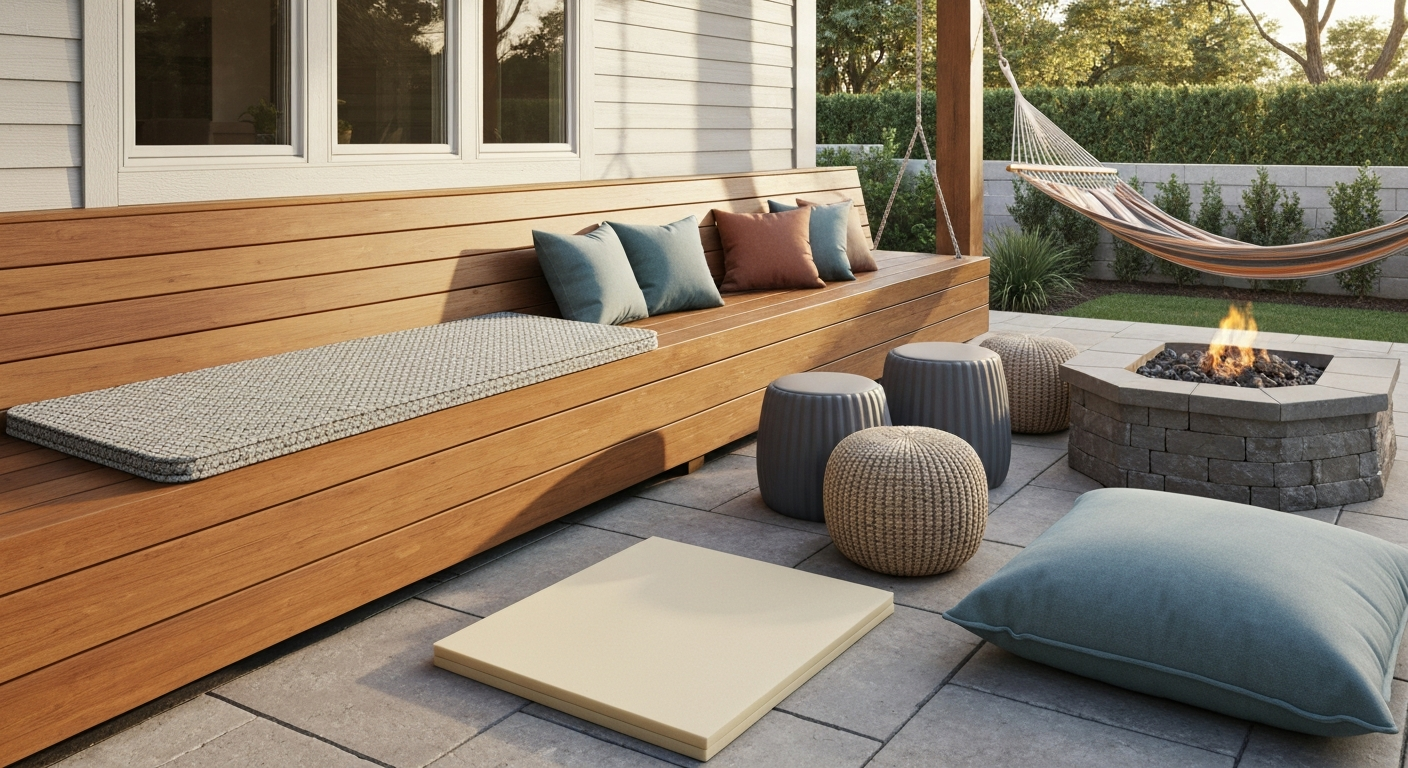
Alternative to Patio Cushions: Durable, Stylish Options and DIY
Alternative to patio cushions: durable, weatherproof seating options, pros, DIY tips & buying guide.
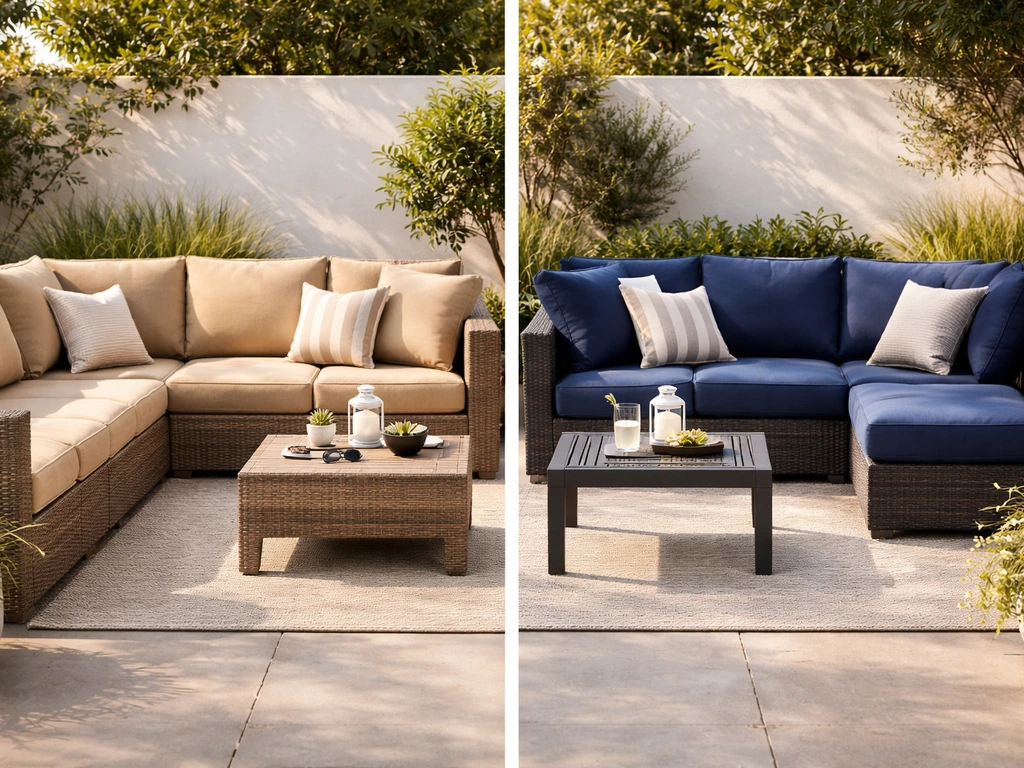
Best Color for Outdoor Patio Cushions in 2026
Choose the best cushion color for sun, heat, and fading in 2026, with pairing tips for patio furniture and durability.
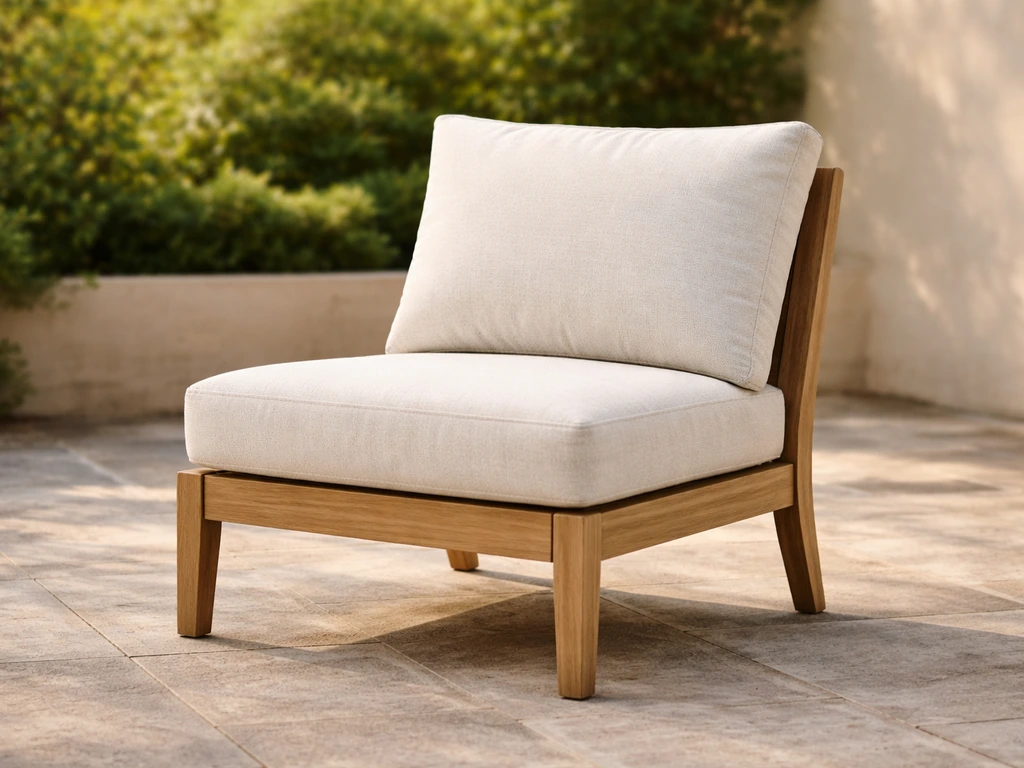
Top Rated Patio Cushions: How to Choose Fast and Right
Step-by-step guide to choose top rated patio cushions by fit, materials, weather durability, and easy cleaning for your