
A 13-gallon outdoor patio trash can is the sweet spot for most patios: big enough to handle a full day of entertaining without overflow, small enough to tuck beside a grill or seating area without dominating the space. The key is picking one with a well-sealing lid, weather-resistant HDPE construction, and a design that actually closes itself after every use. Get those three things right and you'll have a can that controls odors, keeps pests out, and survives seasons outdoors without cracking or rusting.
Outdoor Patio Trash Can 13 Gallon: Buying Guide & Setup

Lark Perry
19 May 2026
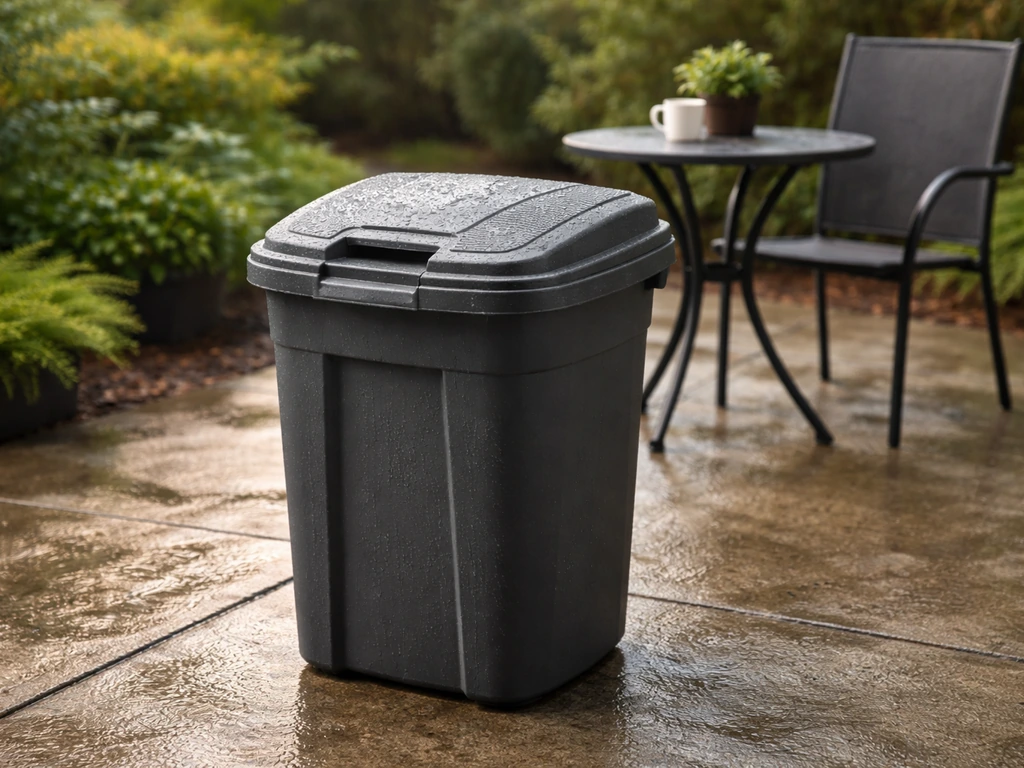
What to look for in a 13-gallon outdoor patio trash can
Start with the lid. It's the single feature that determines whether your patio smells fine after dinner or draws every raccoon in the neighborhood by midnight. After that, think about material, build quality, and whether the can actually fits the liner you're going to buy. Here's what each of those really means in practice.
- Lid seal quality: Look for lids that close flush with no visible gaps. Even a small gap lets flies in and odors out, and it's the main way raccoons get started.
- Locking or latching mechanism: A plastic bungee latch or twist-lock lid is worth it if you have wildlife pressure. Rubbermaid's Animal Stopper-style latch, for example, tightens around the handles and keeps determined animals out.
- HDPE construction: High-density polyethylene is UV-resistant and weather-resistant. Cheaper plastic cracks in cold snaps and warps in heat. HDPE holds up through both.
- Base venting: Some outdoor bins include air vent holes at the base. This isn't a gimmick. It helps bags release without sticking and makes liner swaps much less frustrating.
- Liner compatibility: A standard 13-gallon liner (roughly 24" x 27" in bag dimensions) will fit most cans labeled 13 gallon. You want about 3 to 4 inches of overhang over the rim for tying. Drawstring bags work especially well because you can cinch the top.
- Handle placement: If you're going to carry this can from the patio to the curb or a larger bin, solid integrated handles matter. Flimsy ones crack under load.
- Footprint: Most round 13-gallon cans run about 14 inches in diameter and 17 inches tall. Measure your intended spot before buying.
One thing that trips people up: some cans marketed as "outdoor" are really just indoor kitchen cans with a slightly thicker wall. Check that the product specifically mentions UV resistance or weather resistance, not just that it's made of plastic. If the listing doesn't say HDPE or UV-stabilized, assume it won't last more than a season or two in direct sun.
Best lid types for odor control and pest prevention
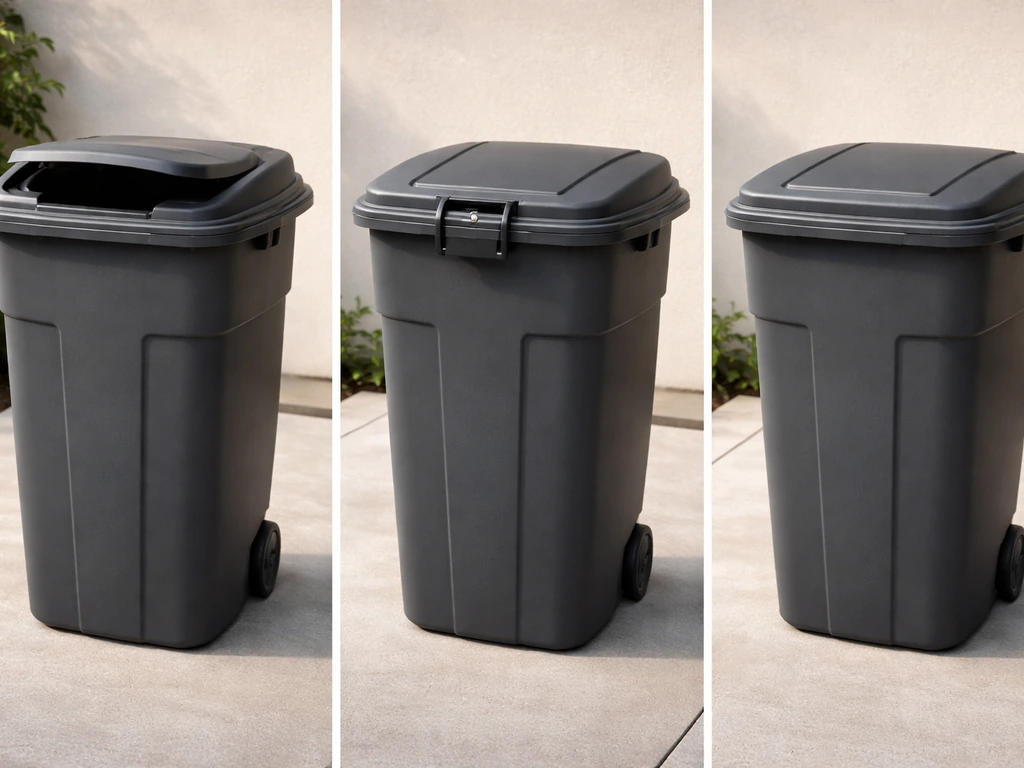
Not all lids work the same way outdoors, and the type you choose has a direct impact on both smell and wildlife problems. Here's a honest breakdown of the main styles.
| Lid Type | Odor Control | Pest Resistance | Best For | Watch Out For |
|---|---|---|---|---|
| Swing-top / flap lid | Moderate | Poor | Quick-toss access | Gaps around the flap let odors escape and give pests a foothold |
| Hinged dome lid (no lock) | Good | Moderate | Low-wildlife areas | Raccoons and larger animals can nudge it open |
| Hinged lid with locking latch | Excellent | Excellent | Any patio with wildlife pressure | Slightly slower to open; check the latch is one-handed operable |
| Rain bonnet / rain cap lid | Good | Good | Rainy climates | Doesn't replace a seal; still needs to close flush |
| Step-on pedal lid | Good | Poor outdoors | Convenience-focused setups | Pedal mechanisms corrode; not ideal for prolonged outdoor exposure |
For most patios, a hinged dome lid with a locking latch is the practical winner. It keeps odors in, handles rain without letting water pool inside, and a determined raccoon can't pry it open the way it can a plain snap lid. If you live somewhere with minimal wildlife, a tight-fitting hinged lid without a lock is fine, but the moment you have a single raccoon incident you'll wish you'd gone with the latch.
A rain bonnet or rain cap design is worth considering if your patio is exposed rather than covered. It channels water away from the lid seal instead of letting it pool and seep in, which also reduces the moisture that accelerates odor and mold inside the can. Think of it as a secondary weather defense on top of the main lid.
Self-closing lids deserve a special mention: if other people on your patio (kids, guests) are likely to leave the lid open, a spring-loaded self-closer eliminates the single biggest source of outdoor trash can odor problems. Lid left open equals bugs in, smells out, pests attracted. A self-closer removes that variable entirely.
Materials and build quality for weather exposure
Outdoors is a different environment than your kitchen. UV radiation, rain, freezing temps, and humidity all work against trash can materials over time. Here's what actually holds up.
HDPE plastic
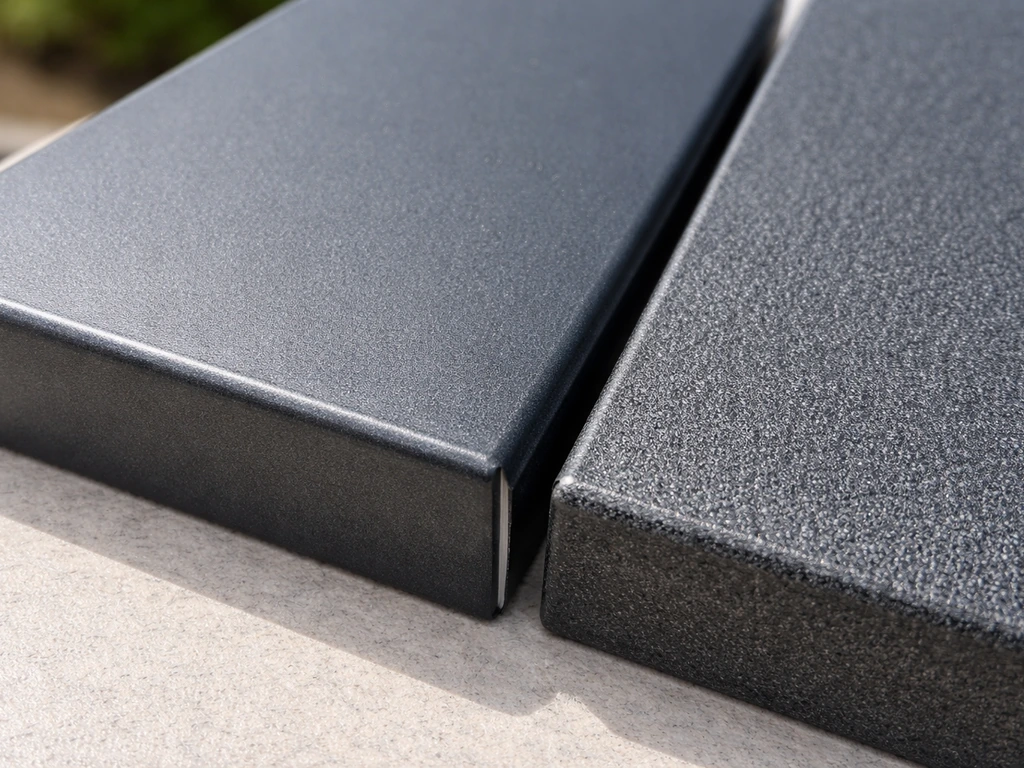
This is the go-to for outdoor trash cans and for good reason. HDPE (high-density polyethylene) is UV-stabilized, which means it resists the chalking and cracking that kills cheaper plastics within a couple of summers. It doesn't dent, doesn't rust, and is easy to clean. Municipal specs for outdoor bins often mandate injection-molded HDPE lids specifically because of this durability. If a can is described as HDPE, you can expect it to handle several years of patio exposure without falling apart.
Powder-coated steel
Powder-coated steel outdoor receptacles look sharp and feel substantial, but they require more care. A corrosion-resistant polyester powder coat finish does protect the steel, but any chip or scratch becomes a rust starting point. For a covered patio where the can isn't getting rained on directly, a steel can is a great-looking, durable option. For a fully exposed patio, HDPE is more forgiving long-term unless you're willing to touch up scratches.
Galvanized or stainless steel
True stainless is excellent outdoors but tends to appear on commercial or decorative models that cost considerably more. Galvanized steel is cheaper and fairly rust-resistant but can develop surface rust at cut edges. If aesthetics are a priority and budget allows, stainless is a strong pick. For purely functional patio use, HDPE gets the job done at a lower price and without the rust risk.
One build-quality detail that's easy to miss: hinge construction. Cheap hinges are often thin metal pins that rust or plastic tabs that snap in cold weather. Look for hinges described as weather-resistant plastic or stainless hardware. A rusted hinge means a lid that either won't close properly or won't open at all, and both outcomes defeat the purpose.
Where to place it on a patio
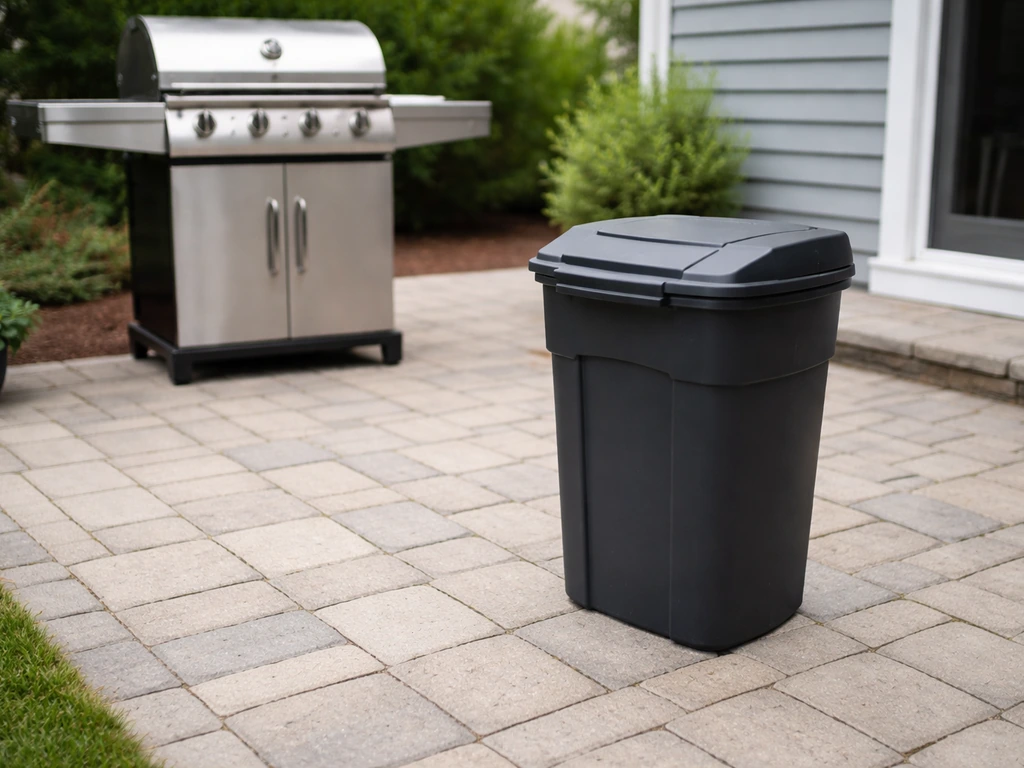
Placement sounds like a small detail but it affects how often people actually use the can, how well odors stay contained, and how easy it is to carry inside or to the curb. A few practical guidelines make a real difference.
- Near the grill but not directly beside it: 3 to 5 feet from the grill gives easy access for food scraps without the can sitting in heat and grease splatter, both of which accelerate odor and degrade the plastic.
- Close to the door to the house: If the can is inconvenient to reach, people will walk past it and leave trash on tables. Within 6 to 8 feet of the door keeps it in the natural flow of movement.
- Away from your A/C unit: Air conditioning units pull outdoor air in, and if your can is sitting beside one, odors can be drawn into the house through the system. Give it at least 5 to 6 feet of clearance from any A/C intake.
- Not directly against the house wall: A few inches of airflow behind the can reduces moisture buildup that can cause mold on the can exterior and on the surface behind it.
- On a solid, level surface: A can that tips easily is a pest magnet. Place it on pavers, concrete, or a flat deck board. Avoid gravel or uneven ground where it rocks.
- In a well-lit area if possible: Pests are bolder in dark, sheltered spots. Good lighting is a passive deterrent.
- Shaded from direct afternoon sun when feasible: Sun accelerates plastic degradation and superheats the interior, making odors worse. A spot with afternoon shade extends the life of both the can and the liner.
For a 13-gallon can (roughly 14 inches wide), you don't need much room. A spot 18 to 20 inches wide and deep comfortably fits the can with room to open the lid and swap liners without awkward maneuvering. The lid swing radius on hinged models is usually 8 to 10 inches, so make sure there's clearance above and behind the can for the lid to open fully.
Cleaning, maintenance, and odor prevention tips
Even the best outdoor trash can gets gross if you ignore it. The good news is that a consistent light-maintenance routine takes about 10 minutes and prevents the kind of buildup that leads to persistent odor, fly attraction, and mold. Here's what actually works.
Regular cleaning routine
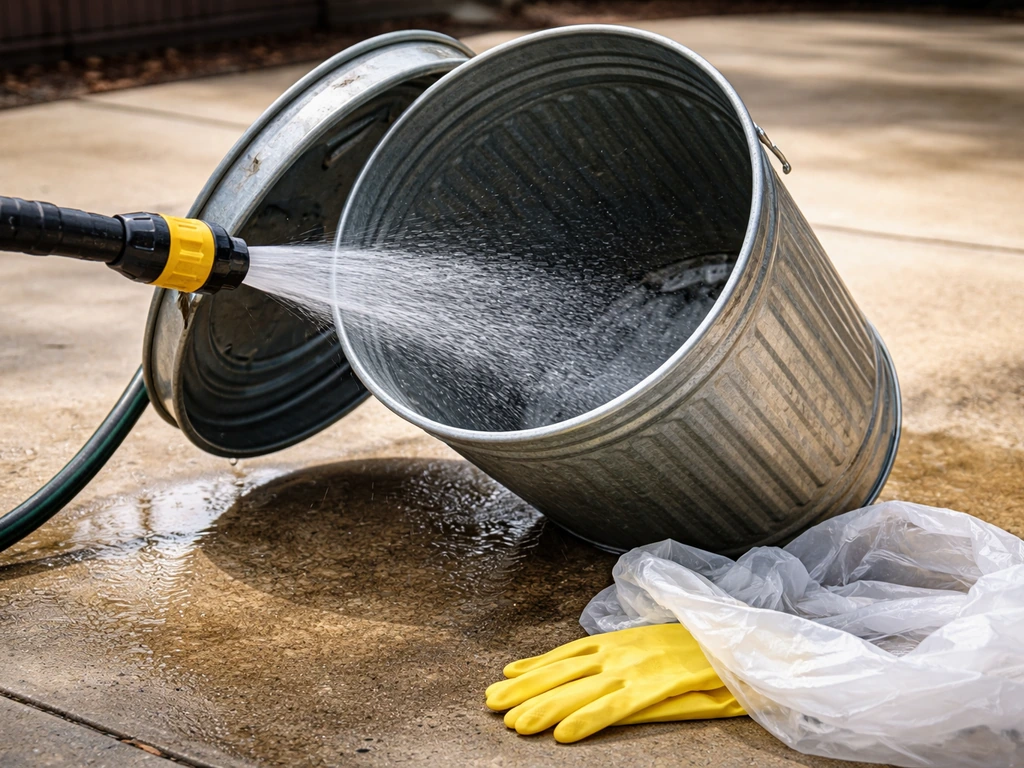
- Empty the can completely and remove the liner.
- Rinse the inside with a garden hose to loosen debris and residue.
- Spray with a household disinfectant or a diluted bleach solution (about 1 tablespoon of bleach per gallon of water). Let it sit for a couple of minutes.
- Scrub the interior with a long-handled brush, paying attention to the bottom where liquid residue collects.
- Rinse thoroughly until no cleaning product residue remains. Leftover residue traps odors.
- Tip the can upside down or prop the lid open and let it air dry completely before replacing the liner. Sealing a damp can is how mold starts.
For most patios, doing this monthly is enough. If you're using the can heavily during grilling season or tossing food scraps regularly, bump it to every two weeks. A quick wipe-down of the lid and interior walls each time you change the liner adds maybe two minutes and meaningfully extends the time between deep cleans.
Odor prevention between cleanings
- Sprinkle baking soda in the bottom of the can before inserting a fresh liner. It absorbs odors without damaging plastic the way some chemical deodorizers can.
- Use a dedicated trash can deodorizer product (like Arm & Hammer's trash can deodorizer) if baking soda isn't keeping up with heavy use. It's the same baking-soda chemistry, just formulated for continuous slow-release.
- Always use a liner. A bare plastic can accumulates residue in every scratch and seam. Liners keep liquid off the plastic surface.
- Tie off liners before they overflow. A bag at or past capacity is more likely to leak at the bottom, which is where odor-producing bacteria and moisture accumulate.
- Rinse the can after any liquid spill before putting in a new liner. Five seconds with a hose now saves a deep clean later.
One more thing worth mentioning: the lid itself collects odors and residue on the interior surface. When you clean the can body, wipe down the underside of the lid too. It's the spot most people skip, and it's often the actual source of lingering smell.
Sizing help: when 13 gallons is enough vs when to go bigger or smaller
Thirteen gallons is genuinely the right size for most single-household patios. It holds a full day of casual outdoor use and fits standard kitchen-size liners (24" x 27" bags work perfectly, with the 3 to 4 inches of overhang you need for easy tying). Most households can go 2 to 3 days between swapping the liner without the can getting close to full on normal patio use days. On a heavy grilling day with guests, you might need to swap it once mid-afternoon.
| Situation | Recommended Size | Why |
|---|---|---|
| 1-2 person household, light patio use | 10-13 gallons | Infrequent use means even a 13-gal can goes days between swaps |
| Family of 3-4, regular patio entertaining | 13 gallons | Sweet spot: handles a full day of use, fits standard liners, manageable footprint |
| Frequent large gatherings (10+ people) | 20-30+ gallons | A 13-gal can will overflow mid-party; better to size up |
| Small apartment balcony or tight space | 7-10 gallons | 13 gallons may be physically too large for a narrow balcony railing area |
| Poolside or outdoor kitchen setup | 30-39 gallons | High-volume wet waste needs a bigger can with a matching liner size |
If you're regularly hosting large groups, look at the larger options in the 30 to 39-gallon range, which use full contractor-bag-size liners. The Suncast 33-gallon hideaway models are a popular choice in that size range for patios specifically. If you're considering Suncast specifically, look at the hideaway design for secure lid closure and long-lasting outdoor build quality The Suncast 33-gallon hideaway models. On the other end, if your patio is a small apartment balcony, a 7 to 10-gallon can is often more practical than a 13. The size step below 13 is worth the trade-off when physical space is genuinely tight.
The most common sizing mistake isn't going too small: it's buying a 13-gallon can for a setup that needed a 30-gallon. An overflowing can is worse than no can at all from a pest and odor standpoint. An “1-inch gap” is identified as a key vulnerability in the bear-resistant trash receptacle manual, meaning small openings can let pests get access An overflowing can is worse than no can at all from a pest and odor standpoint.. If you're consistently filling the can in a single day, go bigger.
Buying checklist and common mistakes to avoid
Use this before you buy. It covers the decisions that seem minor but end up determining whether your patio trash can works well or becomes a recurring headache. If you’re shopping for the best outdoor trash can for patio use, focus on a well-sealing lid, weather-resistant materials, and the right size for how often you’re emptying it.
Quick buying checklist
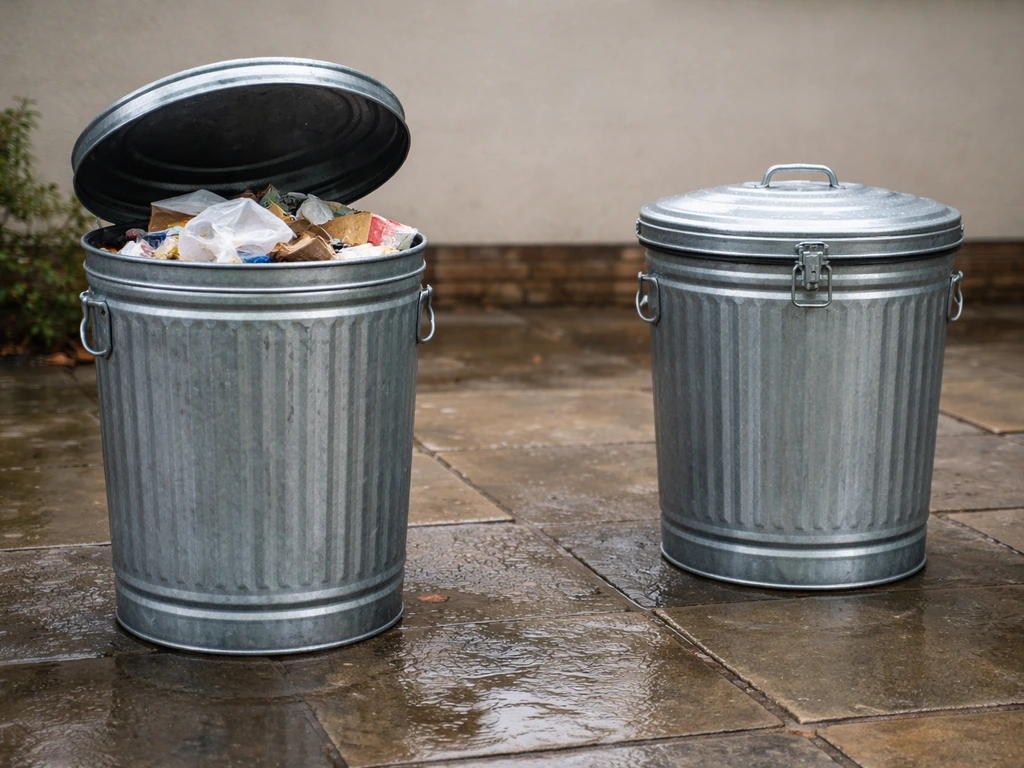
- Material is HDPE or powder-coated/stainless steel (not generic unlabeled plastic)
- Lid type matches your wildlife pressure (locking latch if you have raccoons, opossums, or dogs on the patio)
- Lid closes flush with no gaps and ideally self-closes or has a spring mechanism
- Hinge is weather-resistant plastic or stainless, not bare metal
- Footprint fits your space: measure width and lid-swing clearance before ordering
- Base venting or drainage hole present if the can will be exposed to rain
- Standard 13-gallon liner compatible (look for drawstring bag compatibility in the product description)
- Handles are solid and integrated, not thin plastic clips
- Product explicitly states UV resistance or outdoor use, not just 'durable plastic'
Common mistakes to avoid
- Buying a swing-top or open-top can for an exposed patio: these are fine indoors but outdoors they're basically an open invitation to flies and wildlife.
- Underestimating weather exposure: if your patio gets direct sun or rain, a cheap polypropylene can will crack or warp within a season. HDPE costs a little more and lasts years longer.
- Skipping the lock because it 'looks complicated': locking latches take about two seconds to operate once you're used to them. The one night you skip the can with no lock is when the raccoon finds it.
- Ignoring drain or vent design: a can with no drainage or base vent that sits outside through rain will accumulate water inside the liner, making the bag heavy and the bottom of the can a mold problem.
- Buying too small for your actual use: 13 gallons fits most scenarios, but if you entertain regularly, size up. An overflowing can causes more pest and odor problems than a can that's a little larger than needed.
- Placing it next to the A/C unit: odors get pulled into the house through the air system. Keep several feet of clearance.
- Not using a liner: bare plastic surfaces accumulate residue in every seam and scratch, making the can nearly impossible to keep odor-free long-term.
- Choosing a decorative can without checking outdoor suitability: some decorative outdoor patio trash cans look great but are made for covered or sheltered use only. Check the product specs before assuming it handles full weather exposure.
If you're weighing a basic functional 13-gallon HDPE can against a more decorative option, keep in mind that decorative outdoor patio trash cans sometimes prioritize looks over lid seal and material durability. There are attractive options that also perform well outdoors, but it takes a closer look at the specs to find them. For a fully exposed patio where pest pressure is real and weather is varied, start with performance and then find the best-looking option in that category, rather than the other way around.
FAQ
Will a 13 gallon outdoor patio trash can work with standard kitchen trash liners?
Usually, yes, if you choose liners that match the can’s opening and bag overhang. A common fit is 24 x 27 inch bags, but confirm the bag width against the liner holder or inner rim, since some outdoor cans have a narrower throat even if the volume is 13 gallons.
How can I tell if a “plastic” outdoor can is actually UV-ready HDPE?
Look for wording like HDPE, UV-stabilized, or weather-resistant in the spec section, not just in the marketing headline. If the listing only says “durable plastic” or “outdoor use,” treat it as less reliable for direct sun and rapid temperature swings.
What’s the best liner approach to reduce odor in a 13 gallon can?
Use an appropriate bag and avoid overfilling so the liner doesn’t stretch and leave gaps near the lid. If you routinely throw in wet food scraps, consider a thicker liner grade and tie off before the bag sags, since moisture and drips accumulate at the bottom edges first.
Do I need to rinse the can or can I just wipe it?
For routine maintenance, wiping is usually enough, but if you see residue around the hinge area or underside of the lid, do a more thorough clean. Spot-wash with mild soap and dry the lid seal area, because trapped moisture under the gasket or rim is a common odor trigger.
What should I do if the lid doesn’t seal tightly after a few months?
First check for a warped hinge, debris on the latch points, or a liner that’s bunching up and preventing full closure. If the lid still closes poorly in multiple liner sizes, the hinge hardware may be failing or the seal surface may be warped, which is when replacement is often cheaper than repeated adjustments.
Can I use a 13 gallon outdoor patio trash can in freezing weather?
Yes if the lid and hinges are built for weather, but avoid forcing frozen lids open, since that can damage the latch. Let it thaw slightly, remove the bag carefully, and keep water out of the seal area because ice buildup is often what breaks proper closing.
How much clearance do I actually need for a hinged dome lid?
Beyond the can footprint, you need room for the lid swing and to tie off the liner without reaching around. If space is tight, place the can so the lid opens toward open space, not into a wall, fence slat, or low shelf.
Is a locking hinged lid overkill for a 13 gallon can?
If you’ve never had wildlife, it can be fine without a lock, but a lock becomes valuable quickly if raccoons, stray cats, or other animals are present. The main benefit is preventing lid lift even when trash smells start to attract attention.
How do I prevent raccoons or other animals from getting into the can?
Choose a lid design that closes firmly and, ideally, locks. Also reduce “attractants” by not leaving the can open during liner changes, fully tying bags, and keeping the can area free of spilled trash around the lid opening.
How often should I deep-clean a 13 gallon outdoor patio trash can?
Monthly wipe-downs are a baseline for normal use, but deep-clean when odor persists after routine cleaning or when you notice sticky residue. A good rule is to deep-clean anytime the underside of the lid or the latch area smells even after bag changes.
What’s the right size if my can fills in a single day?
If a 13 gallon fills consistently within one day, step up to a larger capacity so you can extend emptying time without overflow. An overflowing can invites bugs and makes odors much harder to control, so sizing up is usually a better fix than using stronger deodorizer products.
Are decorative outdoor patio trash cans a bad choice?
Not necessarily, but decorative models sometimes compromise on seal tightness or hinge durability. If your patio is fully exposed and pest pressure is real, prioritize a well-sealing lid, weather-resistant hardware, and UV-capable materials, then choose the appearance once those are confirmed.
Next Articles
Alternative to Patio Cushions: Durable, Stylish Options and DIY
Alternative to patio cushions: durable, weatherproof seating options, pros, DIY tips & buying guide.

Best Color for Outdoor Patio Cushions in 2026
Choose the best cushion color for sun, heat, and fading in 2026, with pairing tips for patio furniture and durability.
Top Rated Patio Cushions: How to Choose Fast and Right
Step-by-step guide to choose top rated patio cushions by fit, materials, weather durability, and easy cleaning for your