
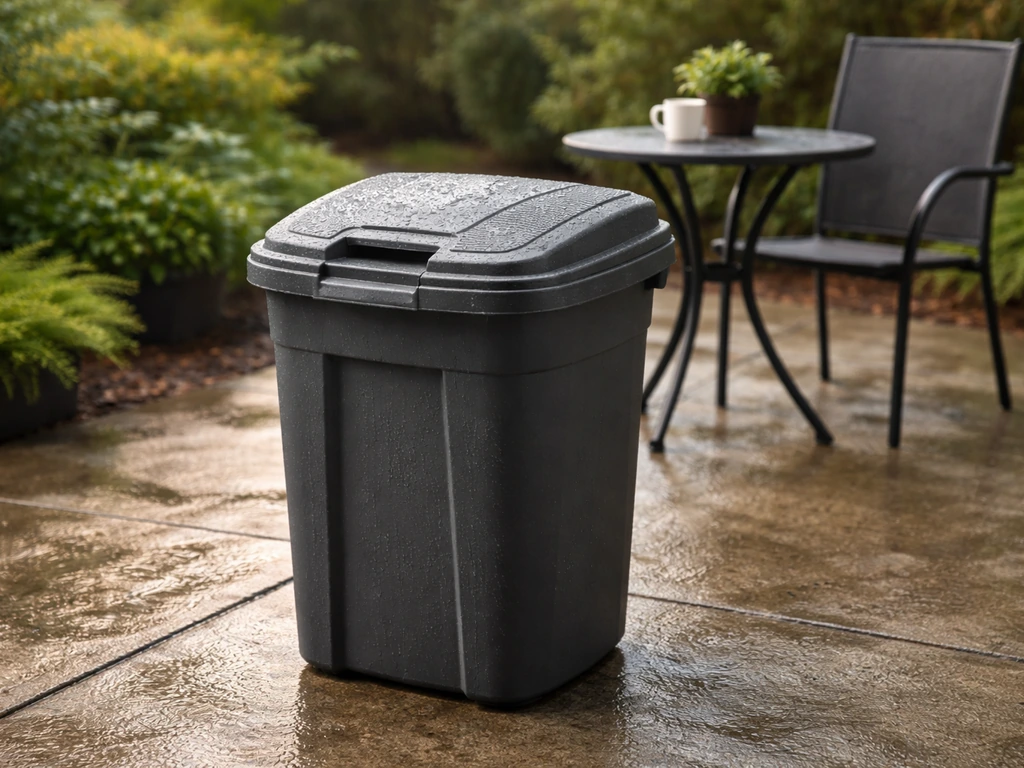
The best outdoor trash can for most patios is a resin hideaway-style unit in the 30 to 33 gallon range with a latching lid, like the Suncast Trash Hideaway (GH1732J). It keeps pests out, handles rain and UV without rusting, fits standard trash bags, and looks intentional rather than tacked-on. If you want black specifically, a dark peppercorn or wicker-finish version checks every box and blends into most patio setups without drawing attention.
Best Outdoor Trash Can for Patio: Black Picks Guide

Lark Perry
9 Jul 2026
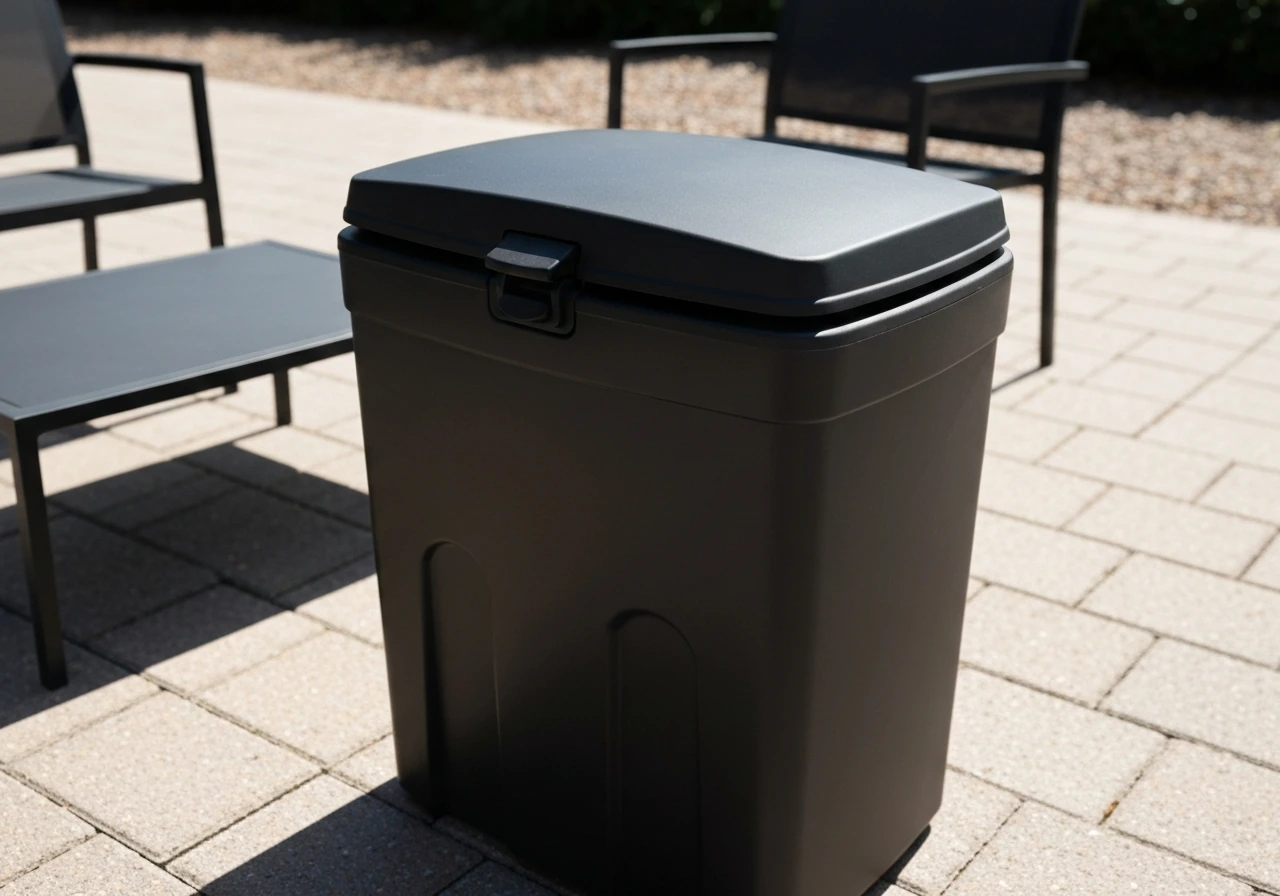
How to choose an outdoor patio trash can
Three things matter most when picking a patio trash can: capacity, lid type, and where you're actually putting it. Get any of those wrong and you'll either be emptying it every day, fighting off raccoons every morning, or constantly moving it out of the way.
Capacity
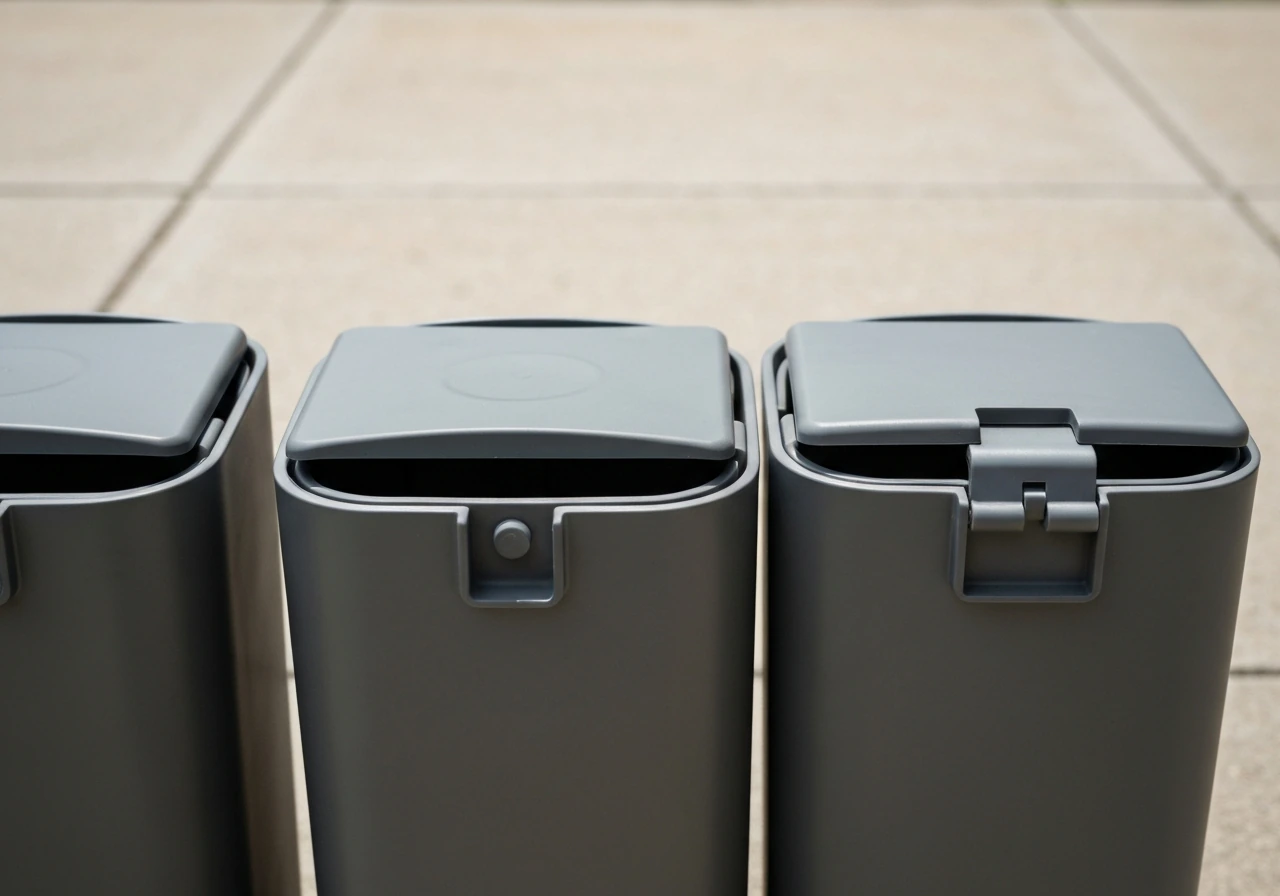
For most residential patios, 30 to 33 gallons is the sweet spot. If you want a practical option in that size range, the Suncast 33 gallon hideaway trash can for patio is a solid choice for typical residential use. It holds enough for a weekend of outdoor entertaining without needing mid-party trips to the dumpster, and it uses standard trash bags you already buy. If you're doing frequent large cookouts or have a bigger outdoor setup, stepping up to a 36 to 39 gallon model (like the Suncast GH3900) makes sense. For a small balcony or modest side table area, a 13 gallon unit keeps things proportional without looking like you dragged the kitchen bin outside.
Lid type
This is where most people make a mistake by defaulting to a basic swing-top or open-top can. Outside, you need something with a positive closure. A latching lid is the baseline for pest resistance. Step-on lids are convenient but the spring mechanisms can corrode or weaken in outdoor conditions. Hinged lids with a stay-open feature are great for heavy use days when you're constantly adding waste. Avoid open-top or loosely fitting lids outdoors entirely because they do almost nothing to keep out raccoons, opossums, or even strong winds.
Placement
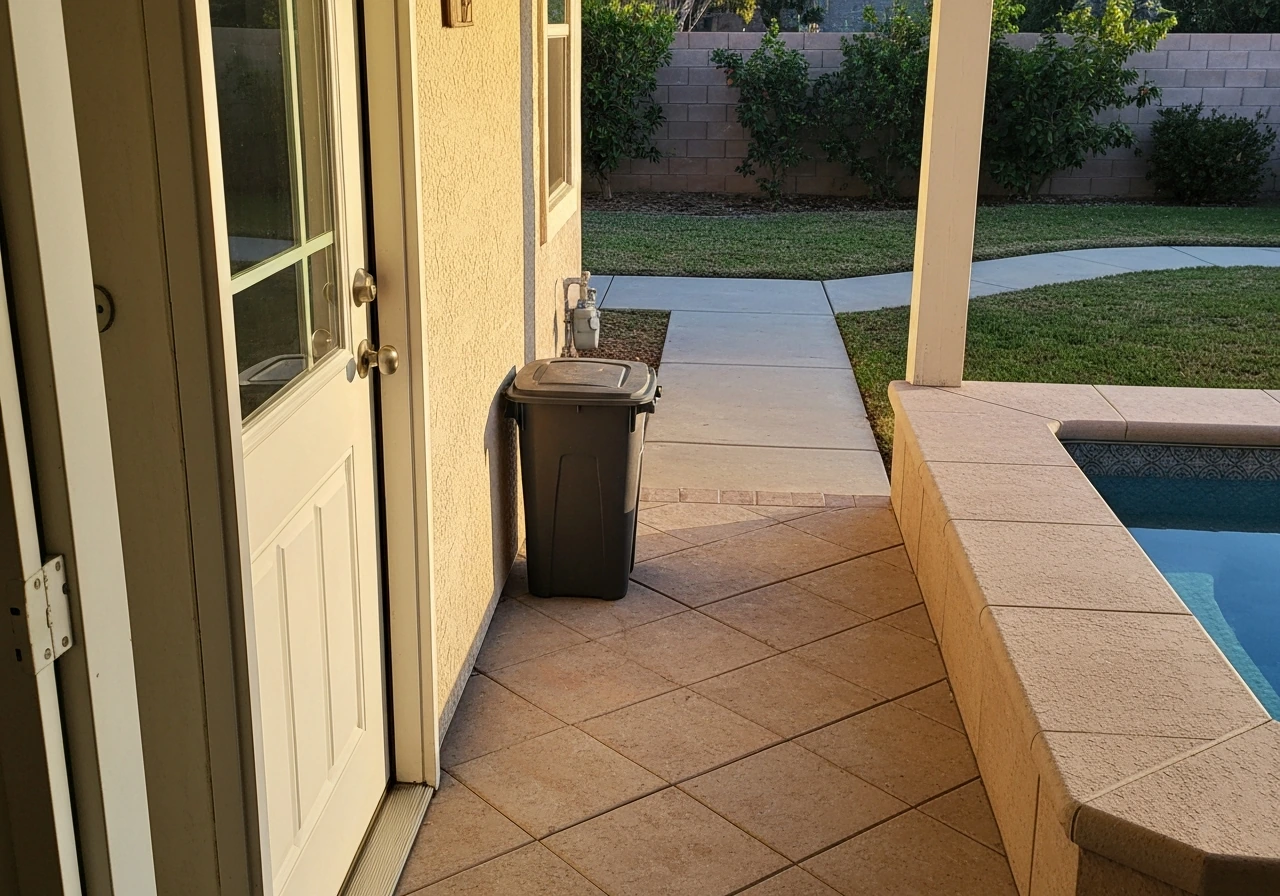
EPA guidance is pretty direct on this: place trash cans away from doorways and entry areas to reduce pests finding their way inside. On a patio, that means near the edge of the space or in a corner rather than next to your sliding glass door. If your patio connects to a kitchen or dining area, aim for at least six to eight feet of distance from the primary door. It's a small change that genuinely reduces ant and fly traffic around entrances.
Why black is the right call for most patios
Black or near-black finishes (peppercorn, espresso, dark wicker textures) are consistently the most versatile choice for outdoor trash cans. They blend with dark aluminum furniture, fade into the background against fences and privacy screens, and don't show grime or scuff marks the way white or tan units do. Suncast's Peppercorn color is a good example of this done right: it reads as black from a distance but has enough texture variation that it doesn't look cheap.
The one real tradeoff with black is heat absorption. In direct summer sun, a black resin container will get warm to the touch. This can accelerate odor buildup because heat speeds up decomposition. The fix is simple: position the can in a shaded corner of the patio or under a side table, or plan to empty it more frequently during heat waves. If your patio is entirely exposed, a lighter color might genuinely be worth considering, but for most people with even partial shade, black works fine.
Weather resistance and durability
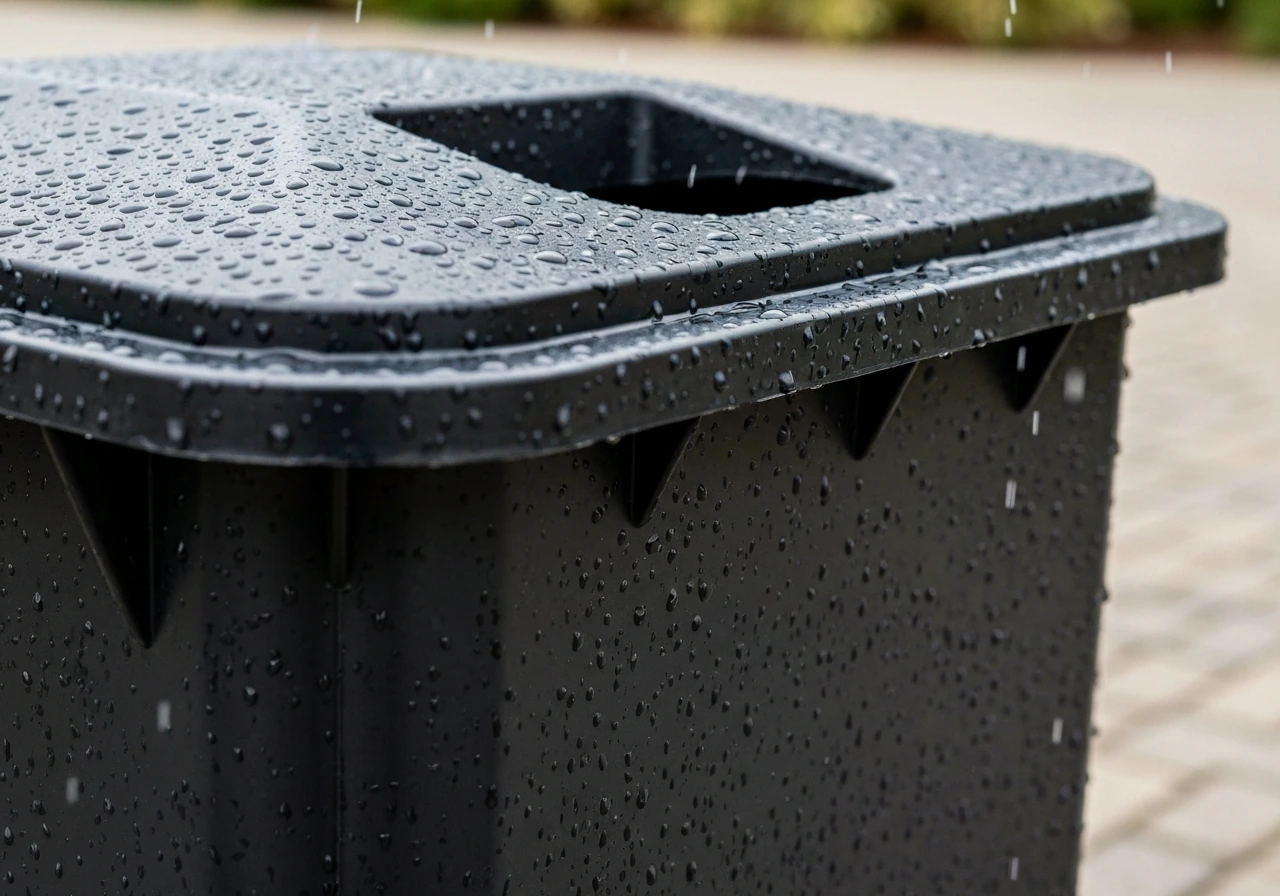
Outdoor trash cans need to survive rain, temperature swings, UV exposure, and the occasional hard knock. The material choice here matters a lot.
| Material | Rust Risk | UV Resistance | Impact Resistance | Best For |
|---|---|---|---|---|
| Resin/HDPE plastic | None | Good (with UV inhibitors) | Good | Most residential patios |
| Galvanized steel | Low-moderate | Excellent | Excellent | Heavy-duty, industrial feel |
| Stainless steel | Very low | Excellent | Excellent | Premium look, higher cost |
| Powder-coated steel | Low (if coating intact) | Good | Good | Mid-range, stylish setups |
| Wicker-over-resin | None | Good | Moderate | Decorative patio aesthetics |
For most homeowners, resin (HDPE or similar plastic) hits the best balance. It won't rust, it's lightweight enough to move when you need to clean underneath it, and quality units include UV inhibitors to slow fading and brittleness. Suncast specifically uses resin construction across their hideaway line, and their limited warranty (3 years on most models) covers manufacturing defects, though they do note that damage from reflected sunlight, extreme temperatures, or wind is excluded. That exclusion is worth knowing: if your patio has a reflective glass wall or gets concentrated heat from a nearby surface, resin can warp over time.
Galvanized or powder-coated steel is the right call if you want an industrial or more traditional look. It's heavier and more resistant to physical damage, but watch the lid hinges and any seams: those are where rust starts. For a purely decorative patio setup, wicker-wrapped resin bodies give a furnished look without sacrificing the weatherproofing of plastic.
Keeping odors down and pests out
Odor and pest control come down to the same thing: keeping the lid sealed and emptying the can regularly. Both the EPA and King County public health guidelines emphasize this combination as the most effective non-chemical approach to reducing pest attraction around waste. A tight latching lid makes a real difference compared to a loose-fitting swing-top.
Locking lids with clamp-style mechanisms (like those found on bear-resistant carts such as the Toter Bear Tough line) are the gold standard for pest resistance. For most residential patios you don't need bear-level security, but a latching lid that requires a deliberate push or flip to open will deter raccoons and dogs that might otherwise knock or pry a loose lid off. Reddit discussions from homeowners dealing with wildlife confirm that simple locking clips make a dramatic difference versus basic snap-fit lids.
For odor management beyond the lid seal, a few practical habits help a lot. Line the inside of the can with a properly sized bag every time (30 to 33 gallon bags for most patio cans) and tuck the excess bag lip over the rim before closing the lid so waste doesn't contact the can walls directly. Between bag changes, wipe the interior with a diluted bleach solution or white vinegar. Sprinkling baking soda at the bottom of the liner adds another layer of odor absorption. In hot weather, emptying every two to three days rather than waiting for the can to be full prevents the heat from compounding odor problems.
Easy maintenance and cleaning
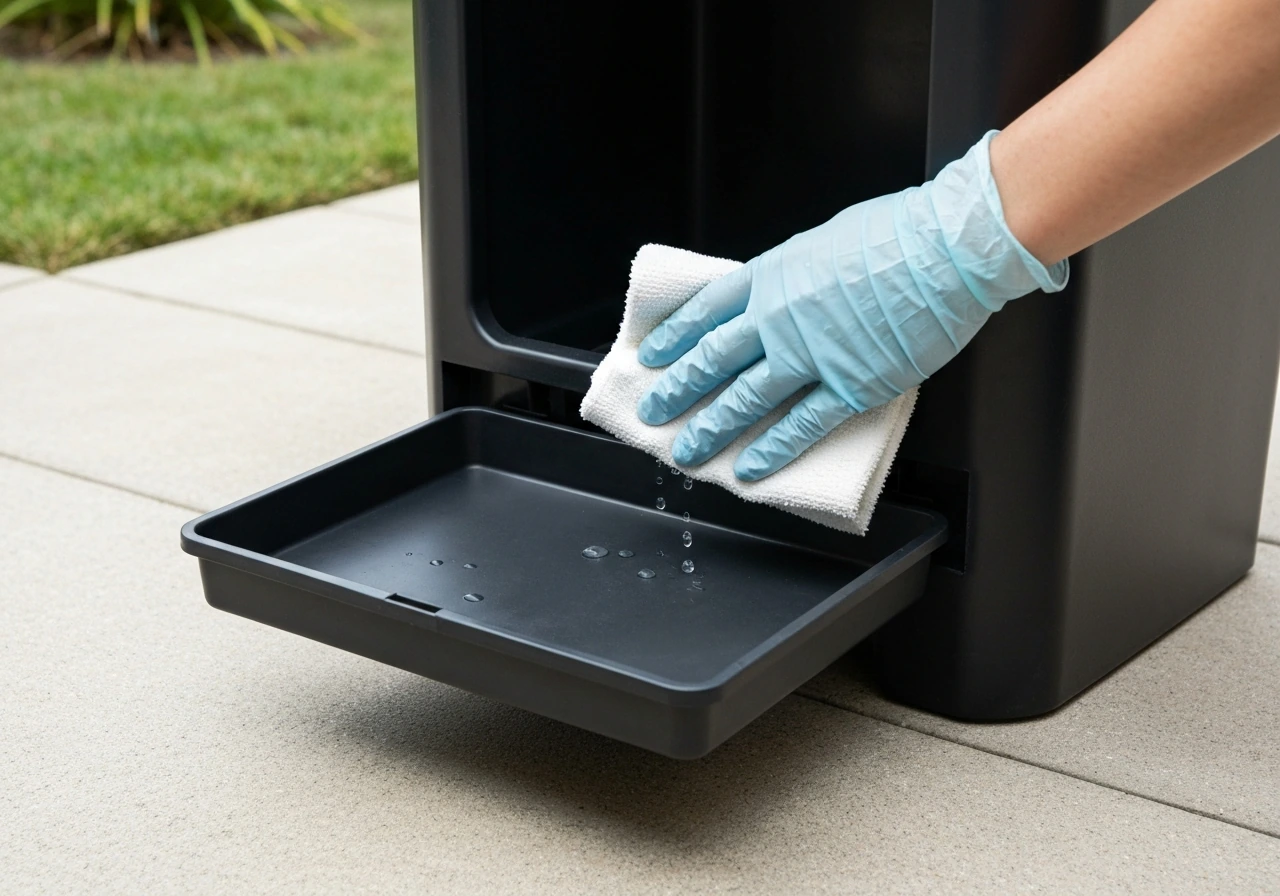
The easier a trash can is to clean, the more likely you'll actually clean it. A few features make a big difference here.
- Drainage holes or a removable bottom tray: The Suncast GH3900 (36 to 39 gallon) includes a pullout liquid catch tray that collects drips and leaked liquids, making cleanup far easier than tipping and hosing out a full-size can.
- Smooth interior walls: Textured or ribbed interiors trap residue. Smooth resin walls wipe clean in seconds.
- Removable lids: Detachable lids let you hose down the body and lid separately instead of wrestling with a half-open hinge.
- Lightweight construction: A 10 to 15 lb resin unit is easy to carry to a hose bib. A heavy-gauge steel unit might require dragging, which means you'll clean it less often.
- Bag management: Units that allow you to tuck the bag lip over the rim (the Suncast owner's manual specifically mentions this technique) keep the can walls clean between full deep-cleans.
Plan to do a full wash-out of your outdoor trash can at least once a month during summer and every six to eight weeks in cooler seasons. Rinse, spray with diluted bleach or an outdoor disinfectant, let it air dry completely before adding a new bag, and you'll avoid the buildup that makes cans smell bad even when they're empty.
Getting the size right for your patio
Size isn't just about how much trash fits. It also determines how often you need to empty it, how much floor space it takes up, and whether it looks proportional to your patio setup.
| Patio Type | Recommended Capacity | Typical Emptying Frequency | Notes |
|---|---|---|---|
| Small balcony or apartment patio | 13 gallons | Every 2–3 days | Compact footprint, easier to carry inside for washing |
| Mid-size residential patio | 30–33 gallons | 2x per week (daily use) or after each gathering | Fits standard trash bags, good balance of size and capacity |
| Large patio or outdoor kitchen | 36–39 gallons or dual-compartment unit | 1–2x per week | Consider dual hideaway for trash + recycling separation |
| Heavy entertaining (frequent parties) | 33+ gallons, or multiple cans | After each event | Keep a backup liner roll nearby for quick swaps |
The Suncast Dual Trash Hideaway (GHD6400P) is worth noting if you entertain regularly and want to separate recycling from general waste. It has two independent latching lids in a single unit, which keeps the footprint smaller than running two separate cans. For a decorative patio approach where you want something that looks more like furniture than a trash can, decorative outdoor patio trash cans with wicker or stone finishes are designed specifically for this. And if your patio setup consistently needs more than 33 gallons, the Suncast 33 gallon hideaway series has a clear step-up option in the 36 to 39 gallon range.
Top picks: best overall and best value
Here are the picks I'd actually recommend based on the criteria that matter for patio use today.
Best overall: Suncast Trash Hideaway GH1732J (30–33 gallon)
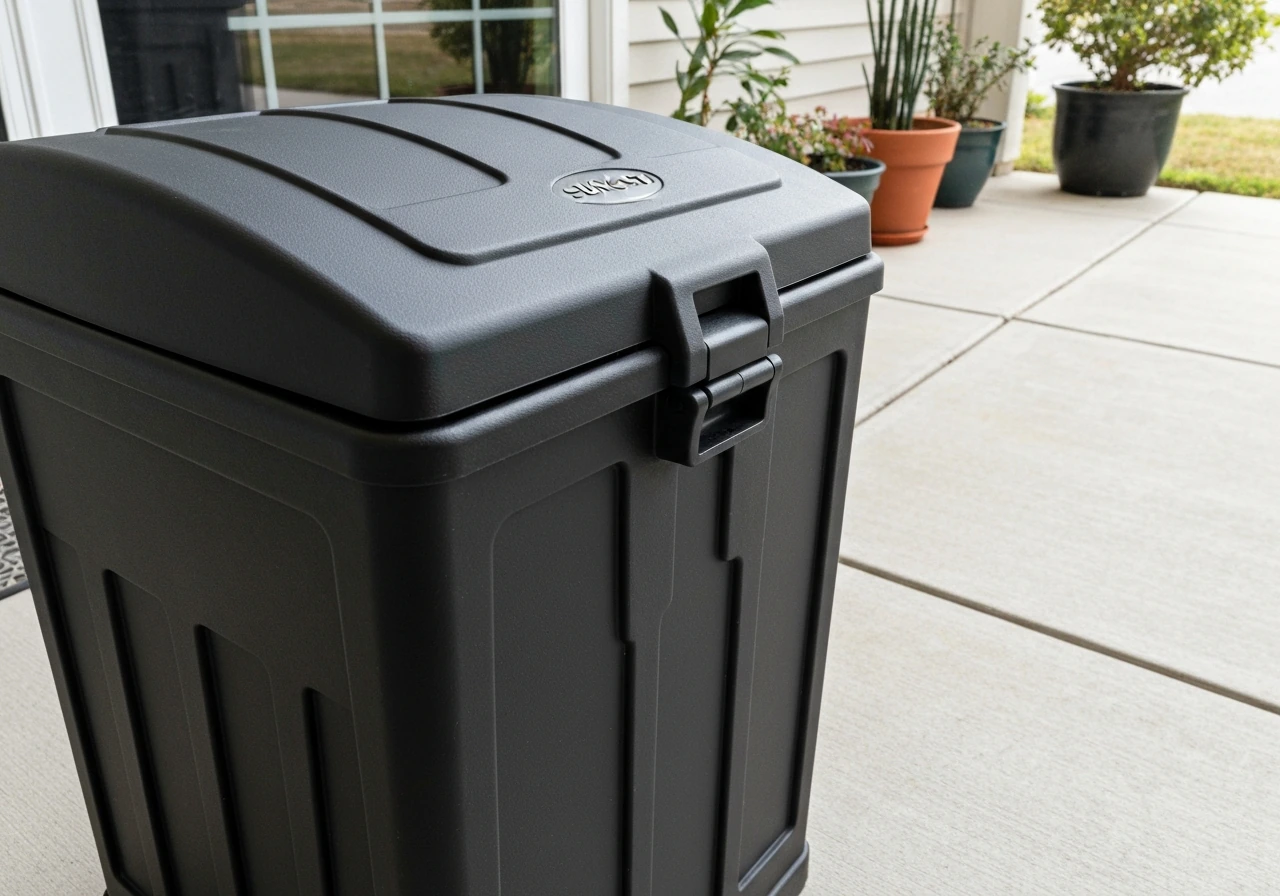
This is the one I keep coming back to for most residential patios. It stands about 31.6 inches tall, fits standard 30 to 33 gallon bags, has a latching lid that actually keeps raccoons and dogs out, and the resin construction handles outdoor conditions well. On Target’s product page for the Suncast 33-gallon Trash Hideaway (GH1732J family), it states the can stands about 31.6 inches tall and uses standard 30-gallon to 33-gallon trash bags. The wicker-texture finish (GHW1732 variant) adds a decorative touch that looks at home on a furnished patio rather than a back alley. It's available in dark finishes that read as black from most angles. The 3-year limited warranty is solid for the price range.
Best value: Suncast GH1732J in standard resin finish
The same core unit in a plain resin finish typically runs noticeably cheaper than the wicker version and performs identically in terms of pest resistance and weather durability. If you're putting this in a utility corner of the patio rather than a focal point, the smooth version is the better spend. Same latching lid, same bag compatibility, same weather performance.
Best for small patios: 13-gallon compact outdoor can
For balconies, small side patios, or setups where floor space is genuinely limited, a 13-gallon outdoor-rated can with a hinged or step-on lid is the right scale. It won't hold enough for a party, but for daily use it's easy to empty, easy to clean, and doesn't dominate the space. Look for one with a tight-fitting lid rather than a swing-top if you're in an area with raccoons or birds.
Best for heavy-duty use: Suncast GH3900 (36–39 gallon)
If you're running an outdoor kitchen, hosting frequently, or your patio is a primary entertaining area, the 36 to 39 gallon Suncast unit with a double-latching lid and pullout liquid catch tray is worth the step up. The pullout tray alone saves you from the most annoying part of outdoor trash can maintenance: dealing with the liquid that accumulates at the bottom.
Quick comparison
| Pick | Capacity | Lid Type | Best For | Key Feature |
|---|---|---|---|---|
| Suncast GHW1732 (wicker) | 33 gal | Latching | Most patios, decorative look | Wicker texture blends with patio furniture |
| Suncast GH1732J (standard resin) | 30–33 gal | Latching | Best value, utility placement | Same performance, lower price |
| 13-gallon compact outdoor can | 13 gal | Hinged or step-on | Small balconies, tight spaces | Compact footprint, easy to carry |
| Suncast GH3900 | 36–39 gal | Double-latching | Heavy use, outdoor kitchens | Pullout liquid catch tray |
| Suncast GHD6400P (dual) | Dual compartment | 2x independent latching | Trash + recycling separation | Two bins, single footprint |
The bottom line is that a latching-lid resin unit in the 30 to 33 gallon range handles the needs of most patio setups without overthinking it. Pick a dark or black finish if aesthetics matter, keep it in a shaded corner away from your door, use a proper-sized liner every time, and you'll have a patio trash can that does its job without becoming a pest magnet or an eyesore.
FAQ
Will a black outdoor patio trash can actually fit standard 30–33 gallon bags without gaps?
Most 30 to 33 gallon hideaway cans are designed for standard contractor-style bags, but bag “fit” varies by brand and bag thickness. If the bag sags inside the rim, the lid may not seal fully. Do a quick test with an empty bag before committing, and make sure you can tuck the bag lip over the rim so the liner does not touch the can walls when closed.
What’s the best way to keep a patio trash can lid from popping open in high wind?
Yes, but only if the lid stays fully latched when windy conditions hit. Place the can in a corner or behind furniture so gusts cannot lift or rack the lid, and confirm the lid has a positive click or latch rather than relying on gravity. If your model uses a hinge with stay-open, never leave it unsecured outdoors for long periods.
How often should I empty my patio trash can to prevent odor buildup?
Emptying frequency should be guided by odor and heat, not just fill level. In summer sun, plan on every 2 to 3 days, especially after grilling or when food waste is present. If you notice warmth or a “sour” smell before the can is full, that’s your cue to empty and re-line rather than waiting.
Can I use any cleaner, or are there products I should avoid inside an outdoor trash can?
Do not use regular household cleaners that leave strong residues inside a food-waste bin, especially if you rinse inadequately. For routine cleaning, use a diluted bleach solution or white vinegar as described in the article, then air-dry completely before adding a liner. Trapped moisture can worsen smells and make liners feel slimy when you close the lid.
Is black resin safe for a patio that gets intense reflected sun?
Resin can warp over time when it is repeatedly heated by reflected sun or concentrated heat sources. If your patio has reflective glass walls, bright stucco that bounces light, or a spot that bakes for hours, prefer a shaded placement, a lighter finish, or consider a heavier metal option. Rotating the can’s position occasionally can also reduce the worst heat load.
How do I protect a resin patio trash can from freezing and freezing-lid issues?
If you store the trash can outdoors year-round, freeze-thaw matters. Avoid leaving heavy wet waste that can freeze into the liner, and make sure the can is fully dry before winter storage. Also check that the latch action remains crisp after cold snaps, since grit and ice can reduce sealing.
What should I prioritize if raccoons are the biggest problem on my patio?
If raccoons are your main concern, focus on two things: a latching lid that requires deliberate closure and a placement away from doors and easy approach routes. Even good lids can be tested by repeated “jiggle” attempts, so choose a model with a firm latch engagement and keep it in a spot where they cannot get leverage from a nearby wall or furniture edge.
Why does my outdoor trash can still smell even after I line it?
For odor control, you want the liner to act as a barrier, then keep waste off the inner walls. Use the correct bag size and tuck the excess over the rim, so juices do not smear into the plastic. For deeper issues, follow a full wash-out and allow complete air-drying, because residual moisture is what re-accelerates smells.
Is it worth getting a dual-can (recycling plus trash) for a patio?
A separate recycling can is best when you have enough space, but the “double hideaway” approach can work well if you keep wet items out. Choose a dual-lid unit so you can keep general waste sealed while recycling stays accessible. If you have frequent cooking prep waste, do not mix it with recycling, since food contamination drives odors even when recycling is empty.
Where exactly should I place my patio trash can to balance convenience and pest prevention?
Yes, but avoid placing it in a way that forces you to drag it across a walkway every time you empty it. For safety and convenience, keep it near the patio’s waste path, but still follow the guidance of staying away from doorways (about 6 to 8 feet from the primary entrance when connected to indoor space). If possible, leave enough clearance for the lid to open fully without hitting adjacent furniture.
Next Articles
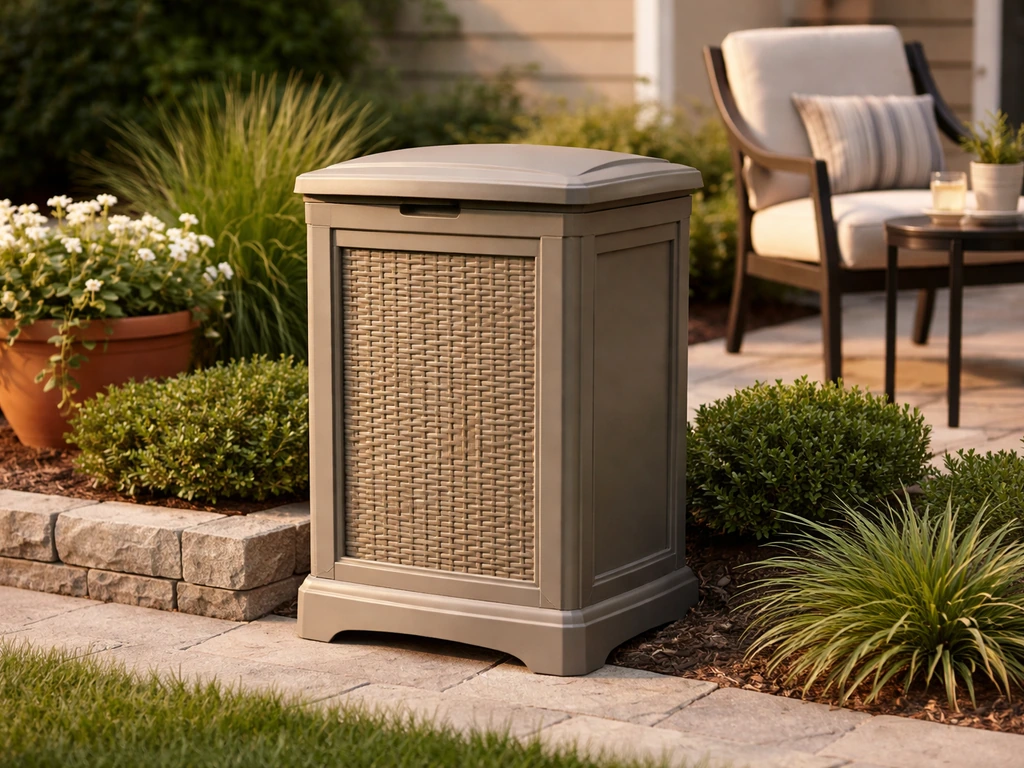
Decorative Outdoor Patio Trash Can Buying and Setup Guide
Choose a decorative outdoor patio trash can by size, weatherproof materials, lid and odor control, plus placement and ca
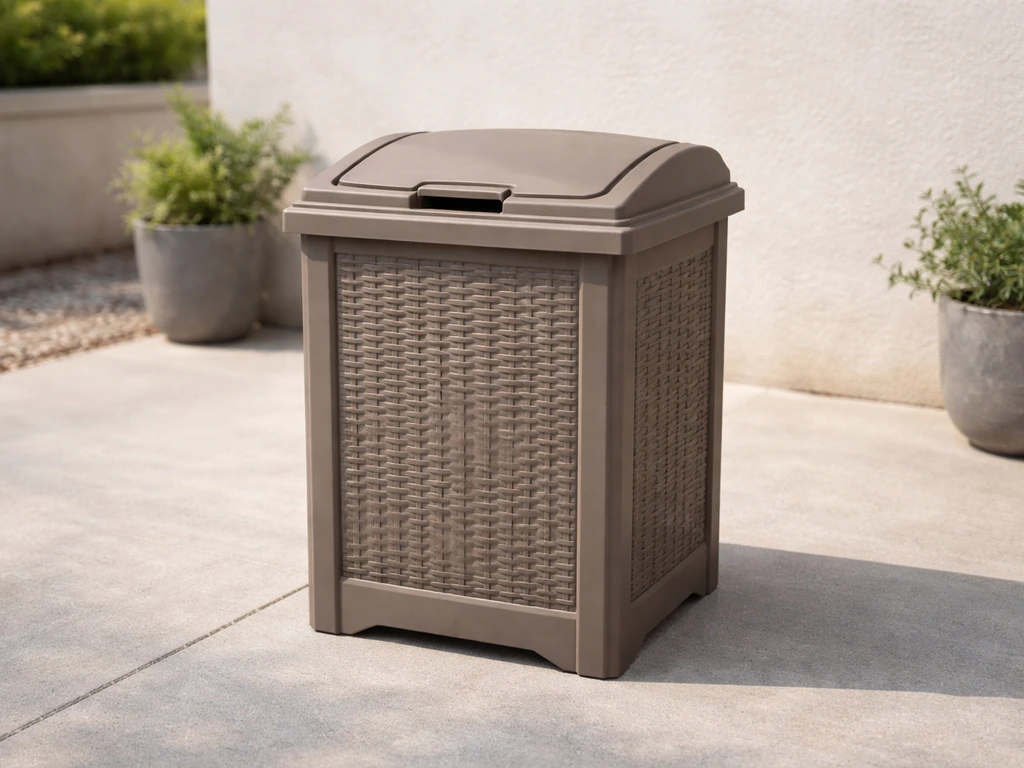
Suncast Patio Garbage Can: Size, Lid, and Setup Guide
Choose the right Suncast patio garbage can size, lid type, and fit, plus durable care and placement tips for outdoor use
Outdoor Patio Trash Can 13 Gallon: Buying Guide & Setup
Choose an outdoor patio trash can 13 gallon with weatherproof lid, odor control, pest resistance, and easy setup and mai