
The best patio swing in Canada right now is a powder-coated steel A-frame swing with a canopy, rated for at least 528 lbs, with removable cushion covers made from solution-dyed acrylic fabric. That combination holds up through Canadian summers (UV, humidity, rain) and winters (freeze-thaw cycles, snow load on the frame), works whether you own or rent, and doesn't require a structural ceiling or porch beam to hang from. If you want a specific starting point: the Outsunny 3-person covered porch swing with A-frame stand hits all the practical marks and is available at Home Depot Canada. But the right swing for you depends on your space, how many people will use it, and whether you need a freestanding base or a mounted setup, so read on for the full breakdown.
Best Patio Swing Canada: Buying Guide, Types, Features
How to choose the best patio swing for your space
Before you look at any specific product, answer three questions: How much floor space do you actually have? How many people will use it at once? And do you have a structural beam or ceiling to hang from, or do you need a freestanding base? These three things eliminate about 80% of options before you even start browsing.
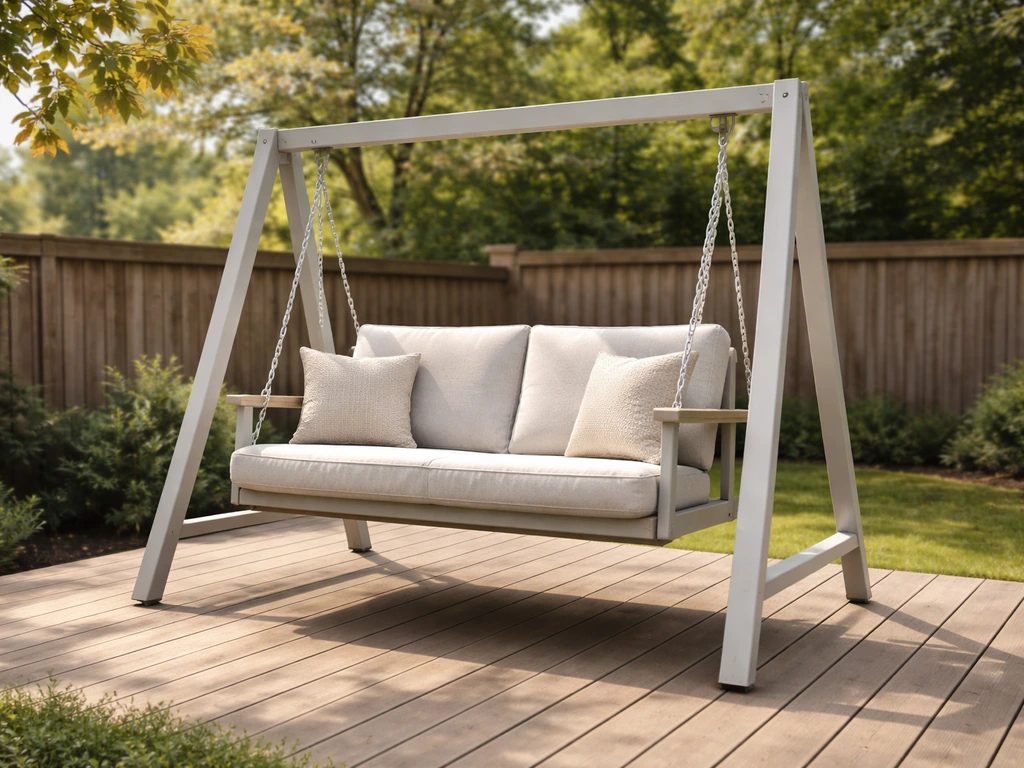
For a small patio or apartment balcony, a single hanging swing chair (sometimes called a pod chair or egg chair) is usually the better call. They need only one anchor point and take up minimal footprint. For a mid-size deck or patio, a 2-person bench-style swing on an A-frame stand is the sweet spot: no structural mounting required, typically around 174 x 118 cm at the base, and it moves with you if you relocate.
For larger patios, a hammock bed with stand is a comfortable alternative that still avoids the need for ceiling or beam mounting outdoor patio hammock bed with stand. For a larger backyard or covered porch with a proper beam, a 3-person swing hung directly from the ceiling gives you more swing arc and a cleaner look.
Budget also matters. A basic 2-person steel-frame swing with cushion starts around $200–$350 CAD. Step up to a 3-person model with canopy and you're looking at $400–$700 CAD. Solid wood swings (acacia, teak) and premium resin models push past $800–$1,200 CAD. For most Canadian homeowners, the $400–$600 range gets you everything you actually need without paying for aesthetics alone.
Swing types: bench, porch-style, A-frame stand, and swing chairs
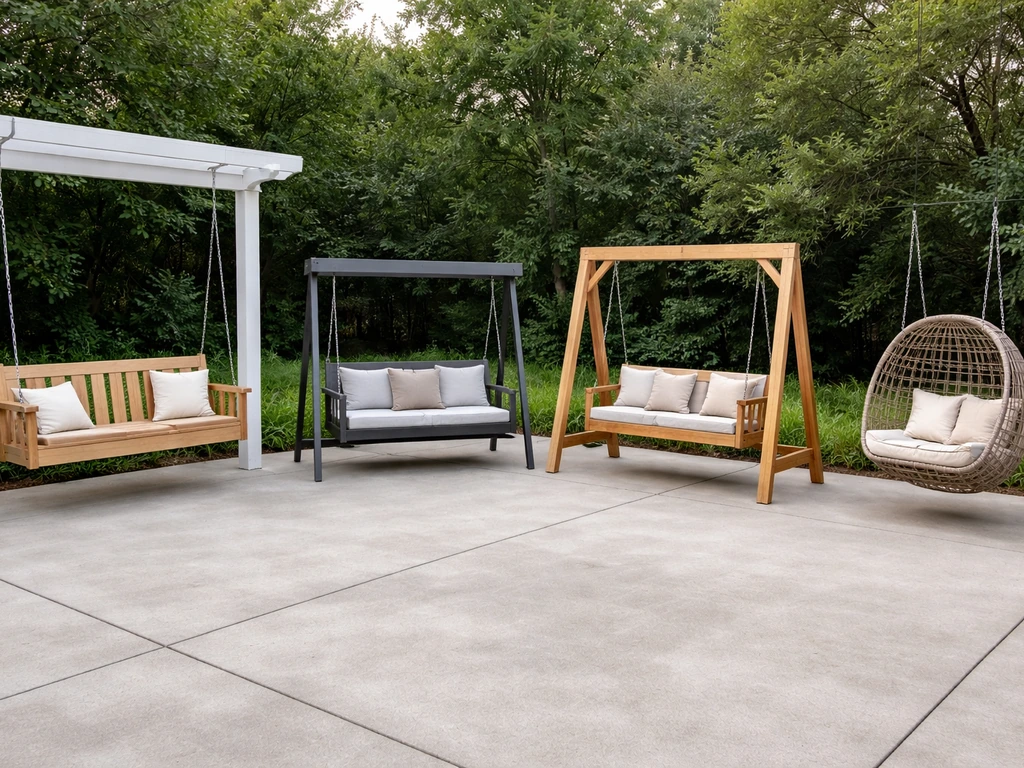
Not all patio swings work the same way, and picking the wrong type for your setup is the most common mistake. Here's what each type actually means in practice:
| Type | Best For | Mounting | Seats | Typical Price (CAD) |
|---|---|---|---|---|
| Bench-style porch swing | Covered porches with structural beams | Ceiling/beam hung | 2–4 | $150–$500 |
| A-frame freestanding swing | Decks, patios, renters, no beam available | Self-contained stand | 2–3 | $300–$700 |
| Swing chair (hanging pod/egg) | Small spaces, balconies, solo use | Single overhead point | 1 | $100–$400 |
| Glider-style swing | Level patios, older adults, kids | Floor-mounted frame | 2–3 | $250–$600 |
A-frame freestanding swings are the most practical choice for the majority of Canadian buyers. You're not dependent on a porch ceiling, you can move the swing to follow the shade, and setup is usually under two hours. The Outsunny and Velago models available at Home Depot Canada both use this configuration. If you already have a sturdy covered porch with a verified load-bearing beam, a hung bench swing gives a longer swing arc and a more traditional feel.
Swing chairs are worth considering if space is tight or you want a second relaxing spot without committing to a large footprint. If you're comparing these with patio gliders, the main difference is motion: gliders move forward and back on a fixed track (no arc), which some people find smoother and more stable, especially on uneven surfaces. If you want the smooth push-and-glide feel, compare these options against top rated patio gliders next.
Materials and weatherproofing for Canadian winters and summers
Canadian weather is genuinely hard on outdoor furniture. You get UV exposure and humidity in July, freeze-thaw cycles from November through March, and in many regions, wet springs that keep things damp for weeks. The material your swing is made from determines how much maintenance you'll do and how long it lasts.
Frame materials
Powder-coated steel is the most common and most practical frame material at this price range. The powder coating acts as a bonded barrier against rust, UV rays, and moisture. The Outsunny A-frame stand, for example, is rated to 528 lbs and uses powder-coated steel throughout. The catch: if the coating gets chipped, exposed steel will rust, especially in coastal or high-humidity zones.
Check the coating quality before buying and touch up any chips with outdoor spray paint rated for metal. Aluminum frames cost more but are rustproof by nature and significantly lighter, making winter storage easier. Solid wood (acacia, teak) looks great and weathers reasonably well but needs annual oiling and should be stored or covered during Canadian winters. Avoid untreated pine or softwood frames entirely for outdoor use in Canada.
Cushion and fabric materials
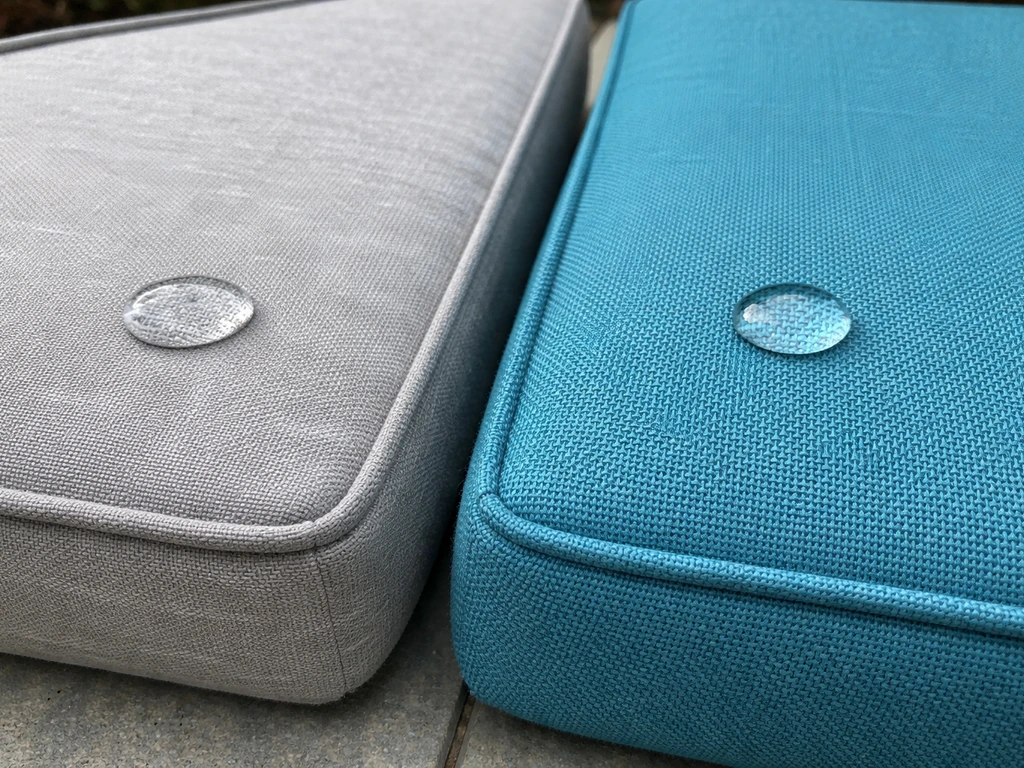
This is where a lot of swings fail within the first season. Cheap polyester cushion covers fade, trap moisture, and grow mold. Look specifically for solution-dyed acrylic fabric, like Sunbrella, where the UV-stable color pigment is soaked into the fiber itself rather than coated on top. For the best results, choose a high quality patio swing with solution-dyed acrylic cushioning and removable, washable covers solution-dyed acrylic fabric.
This means the color doesn't fade from the surface because it's part of the fiber all the way through. Sunbrella and similar 100% solution-dyed acrylic fabrics are genuinely fade-proof and much easier to clean than standard polyester covers. If a swing's cushion cover isn't removable and washable, that's a dealbreaker for Canadian use. Mold and mildew build up fast in humid summers and damp fall conditions.
Quick-dry and drainage features
Some swings (including certain Outsunny 2-person models) use a quick-dry mesh seat instead of a padded cushion. This is an excellent choice for rainy climates because water drains through rather than soaking in. The tradeoff is comfort: mesh is fine for short sessions but gets uncomfortable for longer lounging without an added cushion pad. Look for models that offer mesh as the base seat with an optional cushion on top so you get drainage and comfort.
Comfort and features that actually matter
Marketing descriptions for patio swings are full of fluff. Here's what actually affects your day-to-day experience and what you can mostly ignore.
- Cushion thickness: 3 inches minimum for comfortable extended sitting. Thinner cushions compress within one season.
- Canopy/shade cover: genuinely useful in Canadian summers where afternoon sun hits west-facing decks hard. Adjustable canopies that can angle forward are worth the premium.
- Chain vs. rope suspension: galvanized or stainless steel chain is more durable than rope, especially in wet climates where rope degrades from UV and moisture. Check chain gauge, not just weight rating.
- Armrest height and angle: often overlooked, but a swing with arms that hit your elbow wrong is miserable after 20 minutes. Look for flat horizontal arms wide enough to set a drink on.
- Cup holders: a minor feature but genuinely appreciated. Built-in tray tables on 3-person swings are worth having.
- Footrest options: some A-frame swings include a matching footrest/ottoman; this makes a big difference for relaxing vs. just sitting.
- Weight capacity per seat, not just total: the Outsunny 2-person model rates 264 lbs per seat, which matters more than a single combined number when two heavier adults use it.
Features you can mostly skip: decorative scroll ironwork (traps rust and debris), fixed canopies that don't adjust angle, and built-in speakers or LED lights unless you specifically want them (they add cost and failure points). Focus your budget on the frame quality, cushion fabric, and chain hardware before anything else.
Installation, mounting, and renter-friendly options
Setup method depends entirely on whether you're mounting to a structure or using a freestanding frame. Both are valid, but they involve completely different steps and tools.
Freestanding A-frame setup
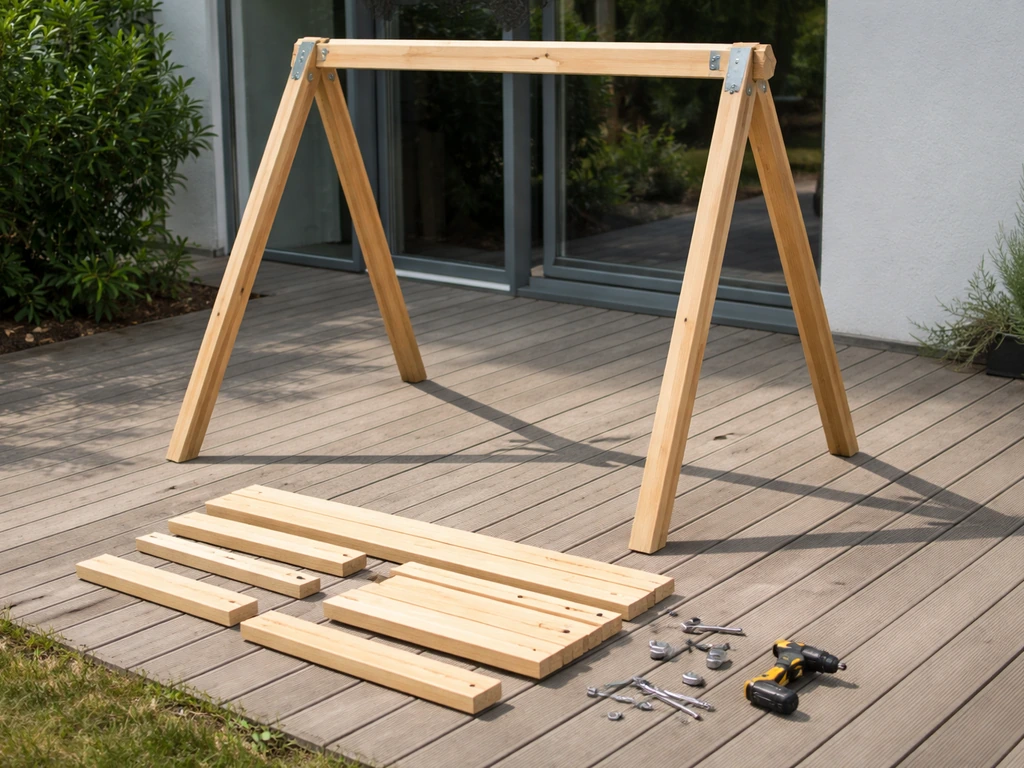
This is the easiest option and the best choice for renters or anyone without a covered porch. Most A-frame swings arrive as a flat-pack and assemble in 1–2 hours with basic tools (usually just a wrench or hex key). The base legs need to sit on a reasonably level surface. On uneven ground or grass, use rubber pads or adjustable feet under the frame legs to prevent wobble. Once assembled, check all bolts and tighten them again after the first week of use because vibration from swinging loosens hardware. Make sure the completed frame is planted on stable ground and isn't sitting on soft soil that can shift.
Ceiling or beam mounting
For a hung porch swing, you need a verified load-bearing beam or ceiling joist. This is not optional. The most common failure point in porch swing accidents is chain or hook hardware pulling out of a non-structural ceiling because someone mounted into drywall or a non-load-bearing member. Use eye bolts or heavy-duty screw hooks rated well above the total swing weight capacity, driven into a solid joist.
If you're not certain where the joists are or whether the beam is structural, hire a licensed contractor or handyman to confirm before you mount anything. Hang the chains so the seat sits blank" rel="noopener noreferrer">17–19 inches above the floor, measured from the floor to the seat surface. Use a tape measure and adjust chain length on both sides simultaneously to keep the seat level.
Aosom also recommends adjusting porch-swing chains or ropes to prevent tilting, including checking for equal chain length and adjusting if the swing tilts adjust chain length on both sides simultaneously to keep the seat level.
For renters, freestanding A-frame swings are the obvious answer since they require zero structural modifications and move out with you. Single hanging swing chairs are also renter-friendly if your building allows a single anchor point in a ceiling beam or overhead structure on a balcony or covered area.
Safety, weight ratings, and correct setup spacing
Weight ratings and spacing rules aren't just technical specs. They're what keeps the swing from tipping, collapsing, or injuring someone, and they're especially important if kids will be using it.
Always buy a swing rated for more than your expected load. If two adults averaging 200 lbs each will use the swing, don't buy a 400 lb rated model. The Kozyard 3-seat model with a 750 lb rating gives you real safety headroom. The Outsunny 3-person A-frame at 528 lbs total is fine for two average adults plus a child, but tight for three heavier adults. The 264 lbs per seat rating on the 2-person Outsunny model is the more relevant number in that case.
Spacing is equally important. Follow these clearances for both comfort and safety:
- Seat height: 17–19 inches above the floor (applies to hung swings; most A-frames are pre-set at this range)
- Front and back clearance: 3–4 feet minimum in the direction of swing motion so the seat doesn't hit a wall or railing at full arc
- Side clearance: 12–14 inches on each side between the swing and any adjacent structure
- Rear clearance (hung swings): at least 18 inches between the back of the swing and the wall behind it
- Ground clearance (especially for play-use): minimum 8 inches between the lowest point of the seat and the ground at rest
- Overhead clearance for A-frame: check the total frame height (the Velago CHAP is 147 cm tall) against any overhead structure like a pergola or umbrella
For families with young children, always supervise swing use and check that kids can't slip out from the side of an open bench swing. Some swing styles with high backs and armrests are safer for kids than open bench models. Check chain links and connection hardware at the start of each season, especially after a Canadian winter.
Maintenance, winter storage, and cover recommendations
A patio swing that gets no end-of-season care in Canada will look rough within two or three years. A little routine maintenance extends the life significantly and keeps the hardware safe.
During the season
Wipe down the frame monthly with a damp cloth and mild soap to remove debris and bird droppings before they etch the powder coating. Clean cushion covers every 4–6 weeks, especially if you're in a humid region. If your cushions are Sunbrella or solution-dyed acrylic, you can spot-clean with a mild soap and water solution and let them air dry completely before re-covering. Never store damp cushions in a sealed bag or box. Check all chain links and mounting hardware every 4–6 weeks during the season and tighten any loose bolts.
End-of-season and winter storage
Before winter, clean everything thoroughly and let it dry completely. Mold and mildew establish themselves fast if moisture is trapped, and you won't notice until spring when the damage is done. [Store cushions indoors in a dry space, ideally in a breathable storage bag rather than a sealed plastic tote. ](https://www.
polywood. com/blogs/outdoor-living/how-to-winterize-patio-furniture-in-4-easy-steps) For the frame itself, you have two options: store it in a garage or shed (best option), or cover it with a breathable, waterproof outdoor furniture cover designed for patio swing frames. Avoid non-breathable tarps that trap condensation and accelerate rust on powder-coated steel. Look for covers specifically rated for UV resistance and waterproofing.
Freestanding A-frame swings are generally easier to partially disassemble and stack flat in a garage, which reduces their exposure footprint significantly over winter.
Spring startup checklist
- Inspect all chain links and hardware for rust spots or stress cracks before rehinging or loading the swing
- Tighten all frame bolts and fasteners since freeze-thaw cycles can loosen them
- Touch up any chips or scratches in the powder coating with outdoor metal spray paint to stop rust before it starts
- Re-check swing height and levelness (ground can shift over winter) and adjust chain length if needed
- Wash and re-install cushion covers before first use
If you take care of those five steps every spring, a quality powder-coated steel swing should last 7–10 years in Canadian conditions without any structural issues. The cushions will likely need replacing sooner (every 3–5 years depending on fabric quality), but that's a much cheaper fix than replacing the whole swing.
What to buy: narrowing it down by situation
Rather than naming one universal winner, here's how to match swing type to your actual situation. If you're a renter with a mid-size deck and want something you can take with you: get a 2–3 person A-frame powder-coated steel swing in the $350–$500 range. If you want a quick way to decide, the best choice patio swing is the one that matches your space and mounting option, then survives Canadian weather with durable materials and weather-ready cushions. Outsunny and Velago both have solid options at Home Depot Canada.
If you have a covered porch with a verified structural beam and want a traditional hung swing: a 2-person bench-style swing with galvanized chain hardware is the right call. Budget $200–$400 for the swing and account for $30–$60 in mounting hardware. If you want maximum comfort for three adults on a larger patio: the Kozyard 3-seat model with a 750 lb rating gives you real headroom and breathable textilene seating, worth considering if you can source it.
If you want a solo relaxing spot without taking up much space: a hanging egg or pod swing chair is the right category to explore, separate from the bench-style options discussed here.
The most important thing is to not underbuy on weight capacity and not skip on cushion fabric quality. If you’re hunting for the top rated patio swings, use the same checklist to compare weight ratings, frame material, and cushion or mesh comfort. Those two decisions determine how safe and how enjoyable the swing is after the first season. Everything else is secondary.
FAQ
If I want a swing for 3 people, how do I choose between overall weight rating and per-seat rating?
In Canada, size up capacity for comfort, not just safety. If three people will sit “at once” (for example, adults plus a teen), use the per-seat rating or overall rating plus margin, then check the cushion width and depth so larger bodies do not crowd the sides where tips or slipping can happen.
What should I do if my patio surface is not perfectly level for an A-frame patio swing?
For freestanding A-frames, “level” matters for sway stability. On grass or uneven paving, add height-adjustable feet or rubber pads under each leg, and re-check after the first week. Even small rocking can loosen bolts over time.
Can I mount a hung patio swing under a roof overhang or eave instead of a porch ceiling?
You can, but only if you can still meet mounting rules. A swing mounted to a roof overhang typically needs the load carried by a structural member (joist/beam), not fascia or siding. If you cannot verify the structure, choose a freestanding model instead.
Should I choose a freestanding A-frame or a hung swing if I want to move it to follow the sun?
If you want to follow shade during the day, freestanding wins. Hung swings give a cleaner look and often a larger arc, but they are fixed in place and require verification of the joist beam and proper chain hardware.
Where does rust usually start on patio swings, and what should I inspect before buying?
Look for rust-prone points, not just the frame finish. Check chain hardware, hinge brackets, and any welded joints for thick powder coating, smooth edges, and tight tolerances, and confirm the seat sliders or pivots have weather-resistant bearings or bushings.
What type is best for regions with lots of rain or high humidity in Canada?
Yes, and it changes what “best” means. If your area gets frequent rain or long damp stretches, prioritize quick-dry mesh seats with an optional cushion pad, because standard padded cushions can stay wet and develop mildew even if the frame is powder-coated.
Can I leave a freestanding patio swing outside during Canadian winters?
A freestanding swing can be stored, but avoid leaving it fully assembled outdoors over winter unless the cover is truly breathable. Powder coating can still trap moisture around joints, so either partially disassemble and stack flat or cover the frame with a breathable, UV-rated outdoor cover, then store cushions indoors.
How can I tell if a patio swing’s canopy and cushions will actually hold up to Canadian UV and mold risk?
Do not assume all “fade-resistant” fabrics perform the same. Solution-dyed acrylic resists fading better, and removable covers matter because cleaning and drying prevent mildew. Also confirm seams and zippers are corrosion-resistant, since those are common failure points after a few seasons.
What setup mistakes are most risky if children will use the patio swing?
If you have kids, the key is preventing side ejection and preventing tampering. Prefer designs with higher backs or armrests when possible, and check clearances and chain hardware at the start of each season. Place the swing on stable ground so the base cannot shift.
What seat height should I aim for, and how do I adjust it for different users?
Yes. Use 17–19 inches from floor to seat surface as a baseline, then adjust for the tallest expected user’s comfort. If the swing sits too low, feet can catch in front when rocking; too high can increase risk if kids try to stand up during use.
What should I do if I am not sure my porch beam or ceiling joist is load-bearing?
If your structure is not verified load-bearing, you should not “make it work” with stronger chains alone. Hung swings fail when anchors or hooks are mounted to drywall or non-structural framing, so get confirmation of joists/beam, use appropriately rated hardware, and consider a freestanding model if you cannot confirm.
Are built-in lights or speakers worth it on a patio swing in Canada?
You do not need to overpay for lights or speakers, but you might want cable management. If you do choose them, confirm they are outdoor-rated and won’t require charging inside, and plan for winter, since electrical components fail faster than powder-coated steel.
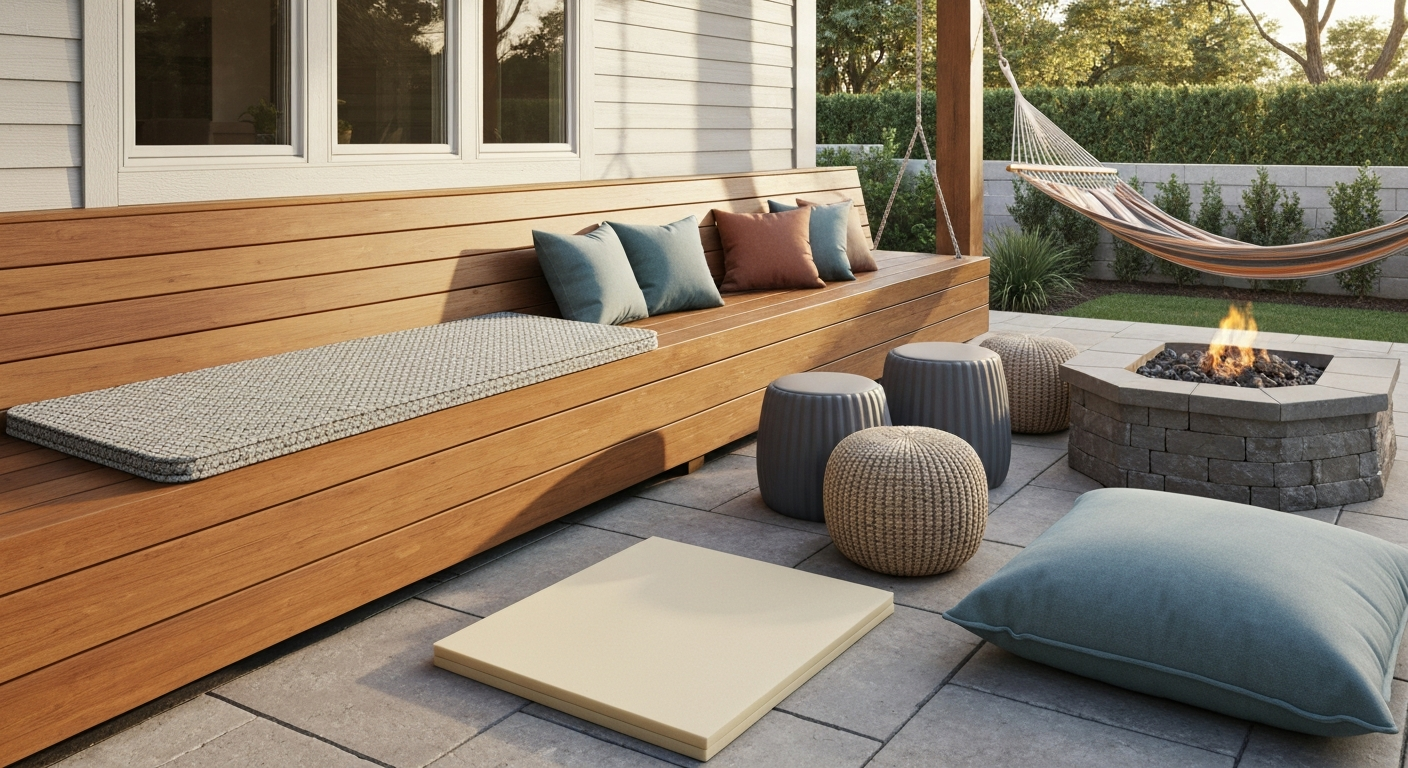
Alternative to patio cushions: durable, weatherproof seating options, pros, DIY tips & buying guide.
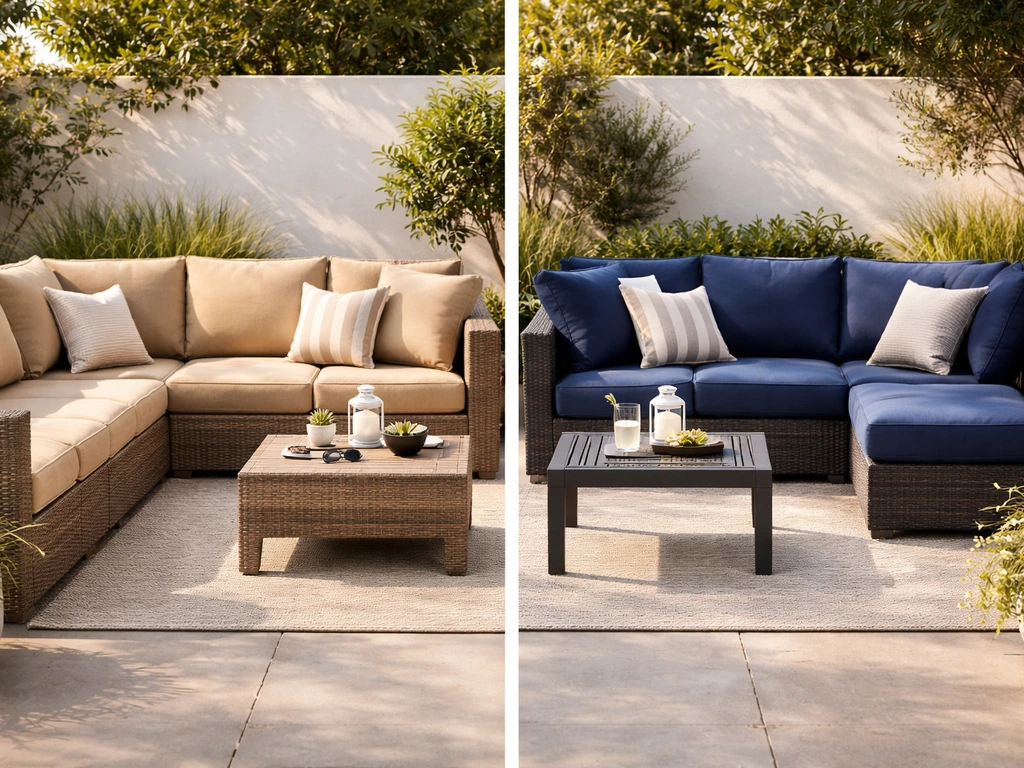
Choose the best cushion color for sun, heat, and fading in 2026, with pairing tips for patio furniture and durability.
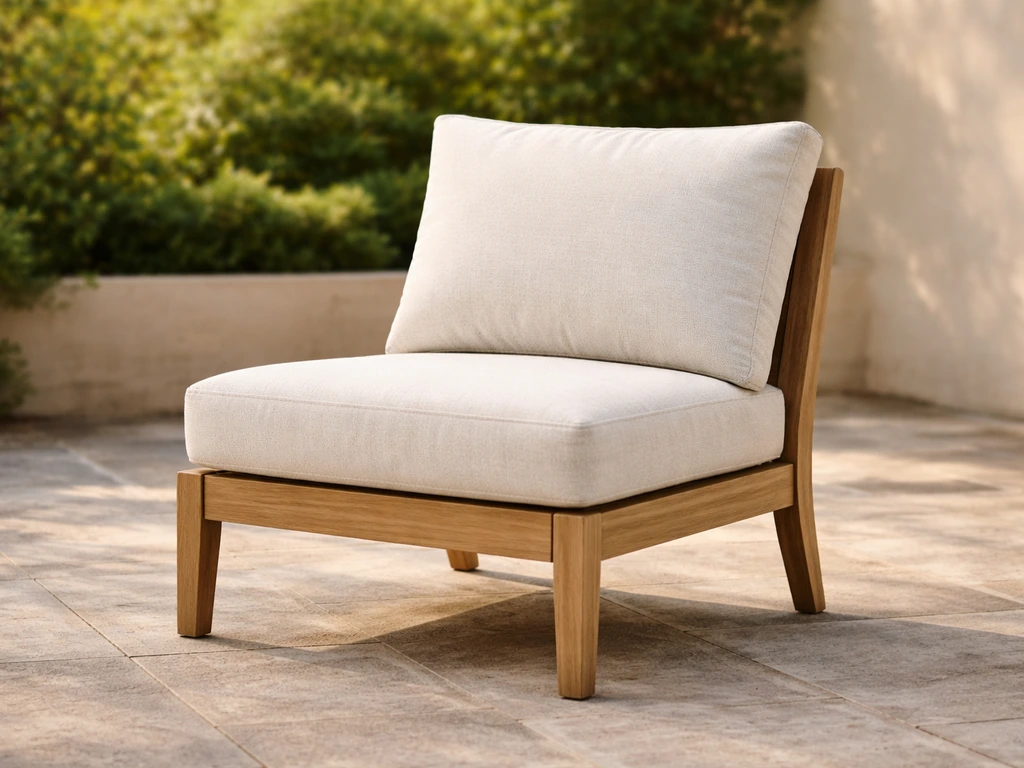
Step-by-step guide to choose top rated patio cushions by fit, materials, weather durability, and easy cleaning for your