
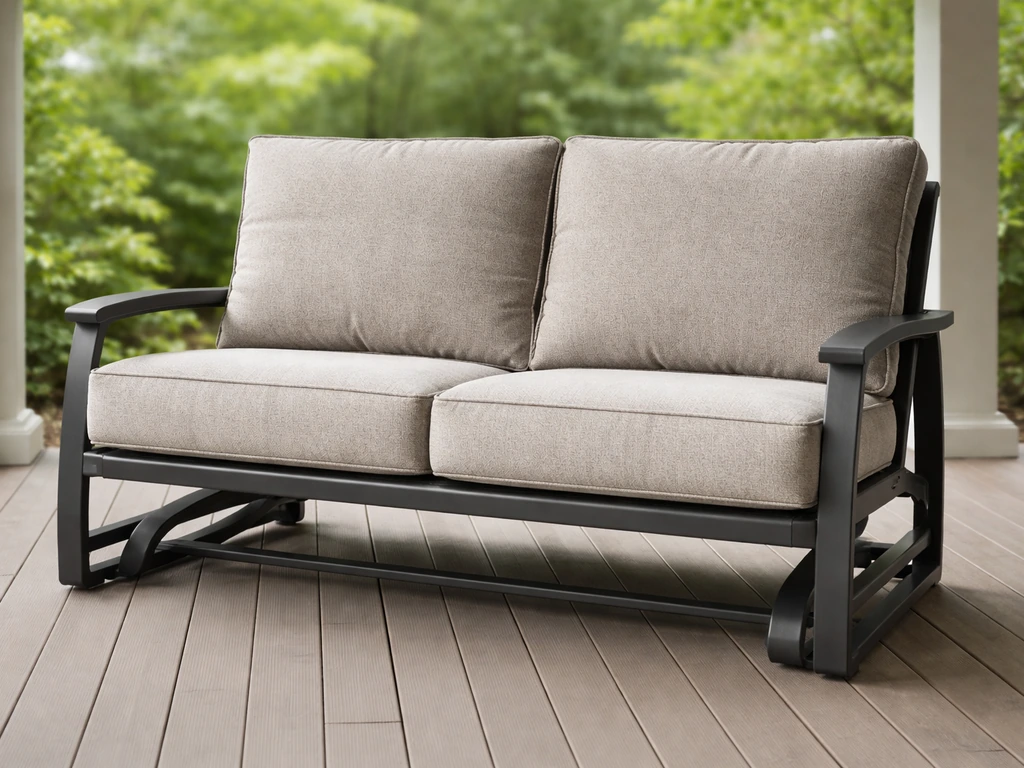
The top-rated patio gliders worth buying right now share three things: a powder-coated aluminum or steel frame (not bare metal), a gliding mechanism that stays smooth and quiet after a full season of use, and cushions thick enough to actually support your back for more than 20 minutes. A high quality patio swing is usually built around the same priorities: solid materials, stable hardware, and cushions that hold their shape. Brands like Kozyard, Outsunny, and Hampton Bay show up constantly in bestseller lists, but ratings alone don't tell the whole story. This guide breaks down exactly what those ratings are rewarding, what they're missing, and how to match the right glider to your specific space and lifestyle.
Top Rated Patio Gliders Buying Guide: Comfort, Durability

Lark Perry
22 Jun 2026
What makes a patio glider actually top-rated
Reviewers tend to reward three things above everything else: comfort, build quality, and durability. The problem is that all three are easy to fake in product photos and marketing copy, so you have to know what to look for underneath the surface claims.
Comfort: cushions and seating angle
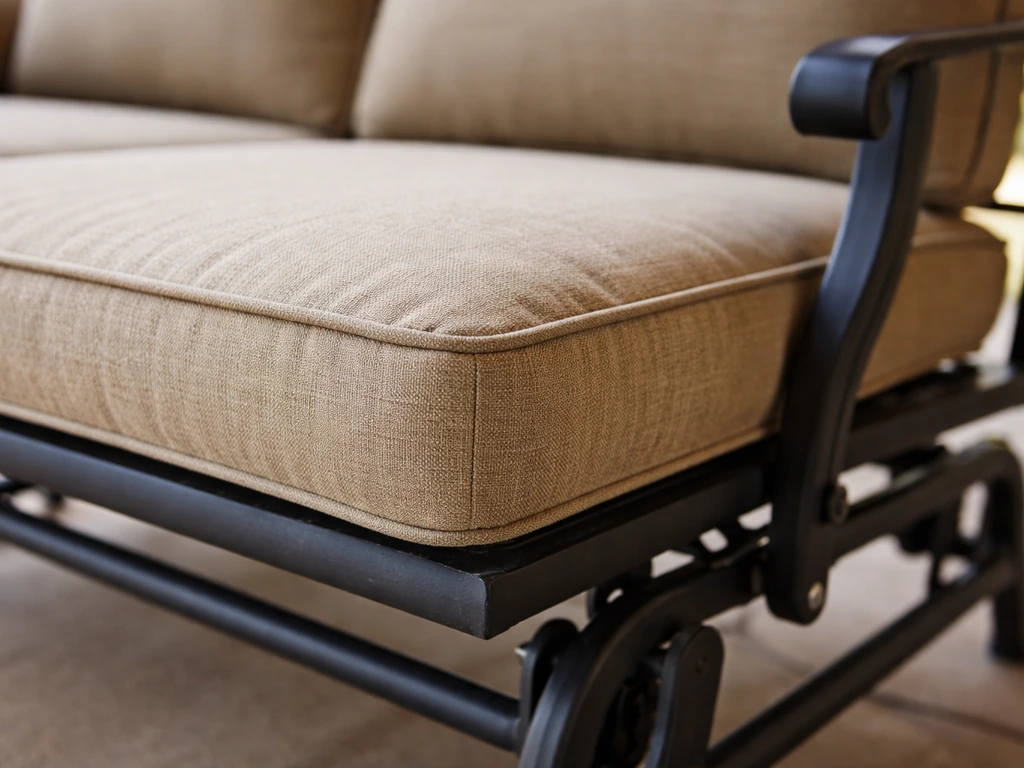
Cushion thickness matters more than cushion softness. A 3-inch or thicker cushion with high-density foam holds its shape through a full season, while thinner polyester-fill cushions compress flat within a few weeks of regular use. Beyond thickness, look at the seat angle. A slightly reclined back (around 100 to 105 degrees) takes pressure off your lower back. If the back is perfectly upright, you'll feel it after 30 minutes. The best gliders let you sink in slightly without slumping, and the seat edge shouldn't cut into the back of your thighs.
Build quality: frame and joints
The gliding mechanism is the first thing that fails on cheap models. Look for smooth welds at every joint, not rough or gapped seams. Rustproof hardware (stainless or galvanized bolts) is non-negotiable if the glider will sit outside. Consumer Reports has flagged this repeatedly: higher-priced gliders are usually powder-coated rather than painted, and that difference matters for both finish uniformity and long-term durability. If you're assembling the glider yourself, pay close attention to the pivot points for the gliding arms. A poorly assembled mechanism is the main cause of wobble, squeaking, and premature wear. In a Reddit discussion about Wayfair glider chairs, some commenters report missing parts or unclear assembly, and those problems can contribute to wobble and squeaks if the gliding mechanism is not installed correctly.
Materials: steel, aluminum, and wood
Powder-coated steel is the most common frame material in the mid-price range ($150 to $400) and performs well when the coating is intact. The risk is rust once the coating chips or scratches. Real-world reviews for some steel-frame gliders, including certain Hampton Bay models, include warnings about surface scratches leading to rust within a year or two. Aluminum frames cost more but don't rust, making them the better long-term investment for exposed patios. Wood gliders, typically cedar or teak, look beautiful but need annual sealing or oiling to stay in good shape. Wrought iron is heavy and classic but should be reserved for covered porches or paired with a quality furniture cover, because it's the most vulnerable to rust of all common frame materials.
Glider styles and configurations
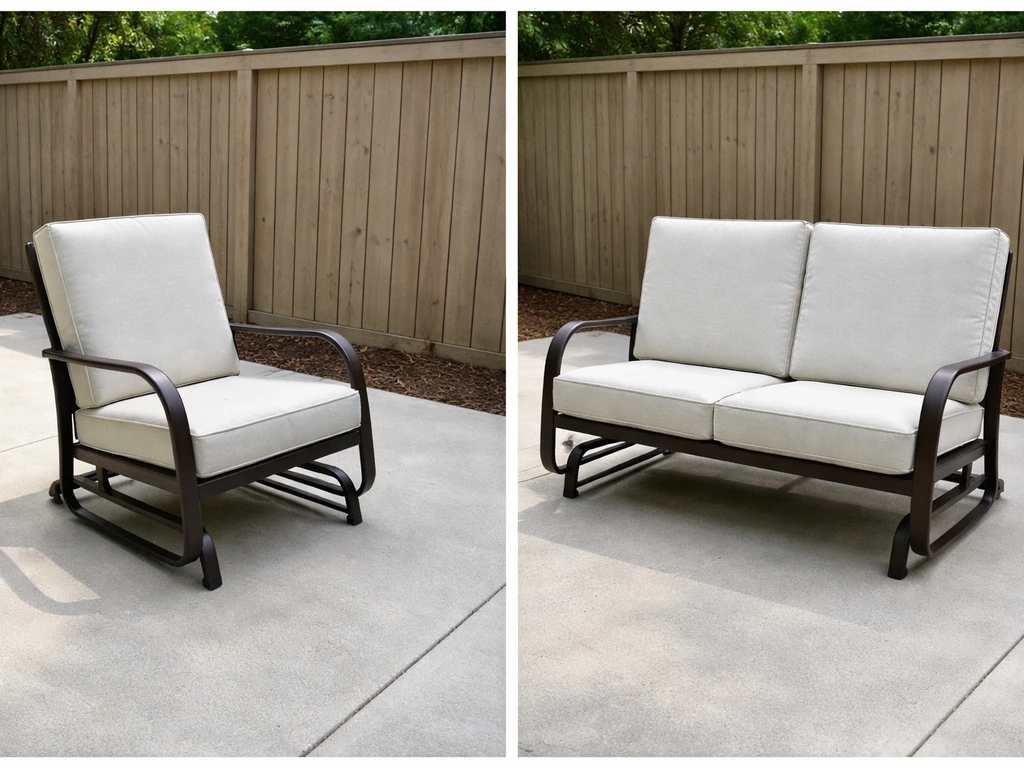
Patio gliders come in a few distinct forms, and picking the right one comes down to how many people you're seating and what kind of motion feels right to you.
Single glider chairs
A single glider is basically a rocking chair that moves forward and backward on a flat base instead of curved rockers. The flat base means it won't creep across your deck, which is a real advantage over traditional rockers. Single gliders are great for smaller patios or for pairing with a matching loveseat. They typically seat one person and have an arm-to-arm width of around 27 to 32 inches.
Loveseat gliders
The loveseat glider is the most popular configuration and the one most people picture when they search for patio gliders. It seats two adults side by side and glides in unison, so both people move together. Width typically runs 48 to 52 inches. Some models include a built-in center table or a matching ottoman. The loveseat is the best all-around choice for a couple, small family, or anyone who wants a dedicated seating anchor on the patio. If you want the best choice patio swing, focus on weather-resistant materials, smooth gliding mechanics, and cushions that support your back comfortably.
Porch swing vs. glider: what's the difference
Porch swings and gliders look similar and serve similar purposes, but they move differently and require different setups. A porch swing hangs from chains attached to a ceiling, pergola beam, or a freestanding swing frame, and it arcs forward and backward like a pendulum. A glider sits on its own base and slides in a controlled, horizontal motion without any suspension hardware. If you don't have an overhead structure to hang from, a glider is the straightforward choice. If you love the suspended, swinging feel, a porch swing is worth exploring. Related swing options like freestanding patio swing sets and hammock beds occupy a similar space in outdoor seating but suit different setups and preferences. If you're specifically shopping for the best patio swing in Canada, you'll also want to compare suspension setups, chain quality, and how the swing handles winter conditions patio glider.
How to size a glider for your space
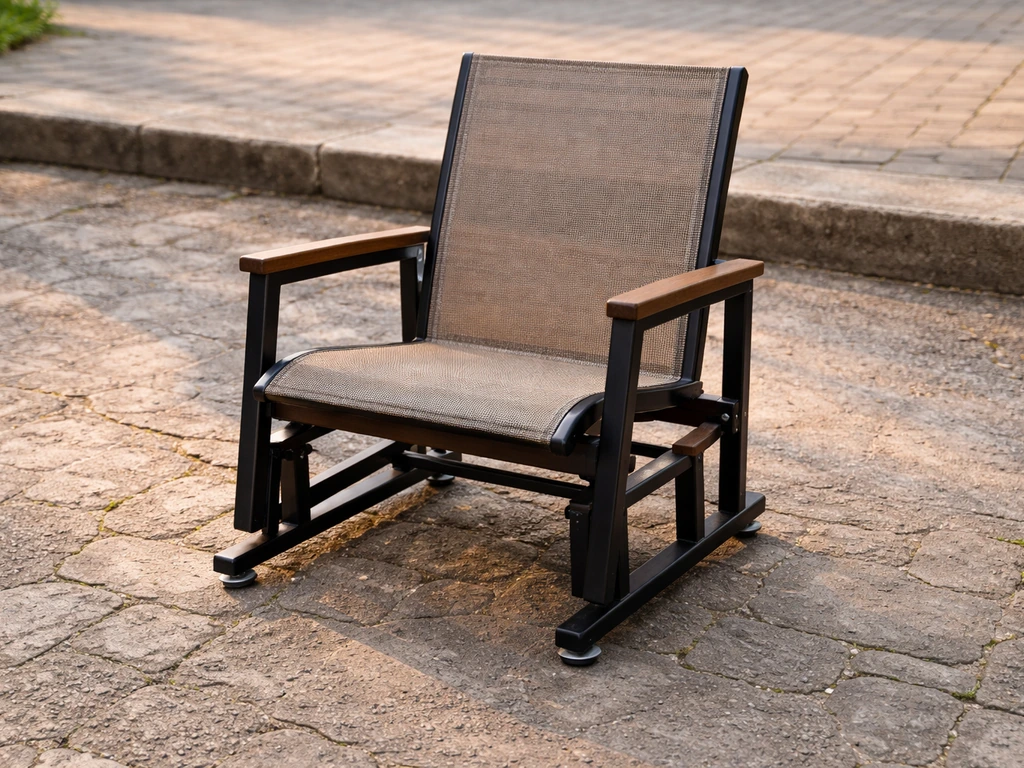
Getting the size right before you buy saves a lot of headache. Here's how to measure your space properly.
- Measure the usable width of your patio or porch section where the glider will sit. For a loveseat glider, budget at least 6 feet of width to account for the glider itself plus a little breathing room on each side.
- Measure depth from the back wall or railing to the front edge of your usable space. A standard loveseat glider is about 30 to 36 inches deep, but you need to add 12 to 18 inches in front for leg room and the forward glide arc.
- Check arm clearance from walls and railings. Allow at least 6 inches on each side so armrests aren't jammed against a post or rail.
- For porch placements with railings, confirm the glider's arm height clears or clears below the railing cap so it doesn't interfere with the glide motion.
- If you're adding a side table or ottoman, factor that into your total footprint. A matching side table typically adds 18 to 24 inches of width.
- Leave a walking path of at least 24 inches, ideally 36 inches, on any side that serves as a throughway on your patio.
One thing people forget: the glide arc. When a glider moves, the footprint doesn't change (unlike a rocking chair), but you still need the space in front to be clear so knees and feet don't hit a table or railing mid-glide. About 12 inches of clearance in front is the minimum; 18 inches is comfortable.
Best patio gliders by use case
Instead of recommending a single 'best' glider, it's more useful to match options to real scenarios. Here's how to think about it:
Best for covered porches
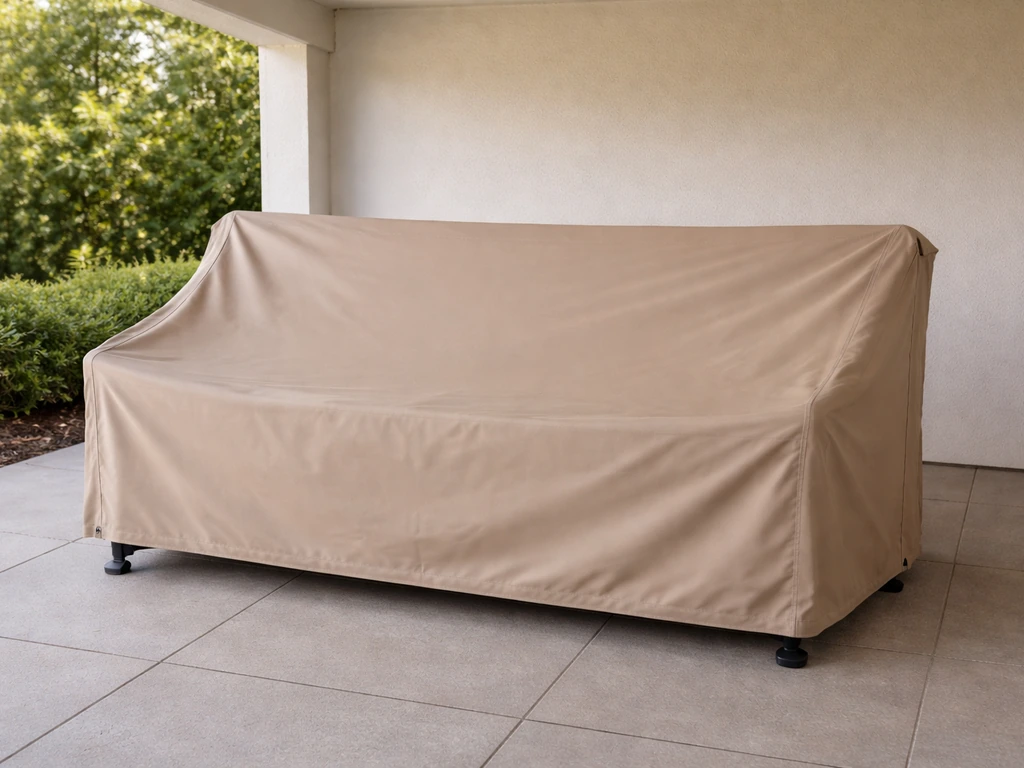
If your glider lives under a roof, you have more material flexibility. Wood gliders, including cedar and teak, shine in covered settings because they're not fighting constant sun and rain. Wrought iron also works well here since it's protected from the worst weather. For a classic porch look without sacrificing comfort, a wood-frame loveseat glider with thick cushions is hard to beat. Budget around $250 to $500 for quality at this tier.
Best for exposed outdoor patios
Full sun and rain exposure demands powder-coated aluminum or a high-quality powder-coated steel frame with rust-resistant hardware. Cushions need to be either Sunbrella fabric or solution-dyed acrylic, both of which resist UV fading and dry quickly after rain. Outsunny's powder-coated steel gliders are a good entry point in the $150 to $250 range for covered-ish patios, but if the glider is fully exposed year-round, spending more on an aluminum frame is worth it to avoid the rust risk that steel carries.
Best for small patios and balconies
Look for a single glider chair or a compact loveseat in the 44 to 48-inch width range. Lightweight aluminum frames are ideal here because you can move them easily if you need to reconfigure a tight space. Avoid bulky models with wide armrests that eat up extra inches you don't have.
Best for family use and heavier loads
Weight capacity is a spec that most people overlook until it matters. Standard loveseat gliders are rated for around 400 to 500 lbs combined. If you're regularly seating two adults plus a kid or pet, look for models with a 600 lb or higher rating and a reinforced frame. Heavy-gauge steel or solid aluminum frames with thick-walled tubing handle real-world family use far better than lightweight budget options.
Budget vs. upgrade tier
| Tier | Price Range | Best Frame | Cushion Quality | Best Suited For |
|---|---|---|---|---|
| Budget | $100–$175 | Powder-coated steel | Polyester fill (basic) | Covered porch, seasonal use |
| Mid-range | $175–$350 | Powder-coated steel or aluminum | High-density foam, weather-resistant cover | Semi-exposed patio, regular use |
| Premium | $350–$700+ | Solid aluminum or hardwood | Sunbrella or solution-dyed fabric | Fully exposed, year-round use |
Features that actually affect day-to-day performance
Smoothness and noise of the glide
Product listings frequently advertise 'smooth and quiet' gliding, and it's worth taking that claim seriously as a filter. For example, Lowe’s product language for Kozyard’s loveseat outdoor glider emphasizes smooth, quiet rocking as part of its comfort pitch smooth and quiet. A well-designed gliding mechanism uses nylon or plastic glide inserts at the pivot points, which both reduce friction and prevent metal-on-metal squeaking. Over time, those inserts can wear, so check whether they're replaceable. Gliders with bare metal pivot points often start squeaking within a season and get louder from there. If a review mentions squeaking early on, that's a red flag for mechanism quality.
Stability on uneven surfaces
Most patios aren't perfectly level. A wide, low-profile base handles slight unevenness better than a narrow-legged design. Some gliders include adjustable leveling feet, which is a genuinely useful feature on decks or pavers with minor gaps. Without leveling feet, you'll end up shimming one corner with a folded mat or furniture pad, which works but is annoying.
UV and water resistance
UV resistance applies to both the frame finish and the cushion fabric. A powder-coated frame holds color better than a painted one, but any finish will eventually fade in direct sun over multiple seasons. For cushions, solution-dyed fabrics (where the color goes all the way through the fiber) fade far more slowly than surface-dyed options. Water resistance on cushion fabric matters for drying speed after rain, not just whether water beads off. Quick-dry foam cores are worth paying extra for if the glider won't be stored or covered consistently.
Hardware quality
Stainless or galvanized hardware is the only acceptable choice for outdoor use. Zinc-plated hardware, which is cheaper, starts showing rust at the bolt heads within a season in humid climates. If you're assembling the glider yourself and notice that some bolts look yellowish-plated rather than silver-bright, those are the ones to watch. Tighten them fully and check them again after the first heavy rain.
Maintenance and weather protection
Cleaning the frame and cushions
For powder-coated metal frames, a mild soap and water wipe-down two or three times per season is all you need. Don't use abrasive cleaners or steel wool, which scratch the coating and invite rust. For wood frames, clean with a soft brush and wood-safe cleaner, then apply a UV-protective sealant or teak oil annually. Cushion covers should be unzipped and machine-washed at least once mid-season if they're removable. If they're not removable, scrub with a solution of mild soap and water, rinse thoroughly, and let them air dry fully before putting them back.
Using furniture covers
A quality furniture cover extends the life of any glider significantly, especially steel-frame models. Consumer Reports specifically recommends covers for wrought iron and other rust-susceptible metals. Look for covers with vented sides to prevent mildew and a drawstring or clip system that keeps them on in wind. Don't use a solid plastic tarp as a substitute; it traps moisture underneath and creates exactly the humid environment that causes rust and mold.
Seasonal storage and checkups
At the end of the season (or during extended rainy stretches), store cushions indoors or in a waterproof storage bench. Cushions left outside through winter degrade quickly and lose structural support. For the frame itself, a covered or indoor space is ideal in snow climates. If you're leaving the frame outside, apply a light coat of paste wax over the powder-coated finish before the wet season. Before each new season, do a quick inspection: check all bolts and tighten any that have loosened, look for chips or scratches in the finish and touch them up with rust-resistant paint, and test the glide mechanism to make sure it's still moving smoothly.
Your final shopping checklist
Before you pull the trigger on any glider, run through this checklist. Top rated patio swings use the same quality signals, so you can apply these comfort, frame, and weather-resistance checks right away. It takes five minutes and will save you from the most common buyer regrets.
- Frame material: aluminum (best for exposed patios), powder-coated steel (good for covered/semi-covered use), wood (great look, needs maintenance), or wrought iron (covered porches only)
- Hardware: confirm stainless or galvanized, not zinc-plated
- Weight capacity: check it matches your real-world use, not just average adult weight
- Cushion specs: 3-inch or thicker foam, weather-resistant or Sunbrella fabric, removable covers preferred
- Glide mechanism: nylon or plastic inserts at pivot points, not bare metal-on-metal
- Measured fit: available width, depth, clearance in front for glide arc, and side clearance from walls or railings
- Warranty: look for at least a 1-year warranty on frame and mechanism; 3-year or more suggests the brand stands behind it
- Assembly reviews: search specifically for assembly complaints before buying; missing parts and confusing instructions are common causes of wobble and early failure
- Cover availability: confirm a compatible furniture cover exists for the model, especially for steel frames
- Return policy: patio furniture ships bulky; know the return process before something arrives damaged
The best patio glider for you isn't necessarily the one with the most five-star reviews. It's the one that fits your space, handles your local weather, and holds up after the honeymoon period. Use the specs and checklist above to filter out the noise, and you'll end up with something you're still happy with three seasons from now, not just three weeks.
FAQ
How do I tell if a “powder-coated” frame is actually coated well enough to resist rust chips?
Look for even, uniform color at welds and edges, especially around bolt holes and the glide pivot housings. If the listing shows bare metal at seams or the coating looks thin or glossy in only some areas, assume the finish is less durable, and plan to budget for touch-up paint sooner.
Do top rated patio gliders get squeaky even if they claim “smooth and quiet”?
Yes, squeaking can still happen if glide inserts are missing, not replaceable, or wear down quickly. A practical check is to look for nylon or plastic glide inserts at the pivot points and confirm whether replacement parts are sold for that specific model, not just “universal” replacements.
What clearance should I leave from a patio glider to a wall, railing, or table?
Plan for front clearance for the glide, and also side clearance so armrests or cushions do not brush obstacles at the widest points of movement. As a rule, match the front clearance guidance (12 to 18 inches) and add at least a few inches of side space to prevent scraping when both people shift in.
Should I prioritize 2-person loveseat width or overall seat comfort for long lounging sessions?
If you lounge for 20 to 60 minutes, seat angle and cushion thickness matter more than maximizing width. A slightly reclined back (about 100 to 105 degrees) plus a cushion that supports without slumping usually beats a wider frame with thinner foam, especially if you feel pressure on your lower back after half an hour.
Is a steel-frame glider worth it if my patio is fully exposed to rain?
It can be, but only if the powder coating is robust and you use proper maintenance, like quick wash-down after heavy weather and touch-ups on any scratches. If you see recurring review complaints about rust beginning near scratches or bolt heads, the long-term value typically favors aluminum or a higher-end, better-finished steel model.
How can I confirm weight capacity is meaningful, not just a marketing number?
Check whether the rating is for two adults combined and look for language about reinforced frame construction, thick-walled tubing, and whether the manufacturer specifies frame type for higher ratings (for example, heavier gauge steel). If the model claims 600 lb or higher, verify it is not limited to “static” weight only, since real use includes shifting and rocking motion.
What’s the best cushion fabric choice if I live in a humid climate?
Choose solution-dyed or performance outdoor fabrics that dry quickly, because humidity increases mildew risk. Even if water beads, prioritize fabric and construction that drain and dry fast, and make sure cushion covers (if removable) can be taken off and washed mid-season.
Can I use a glider on pavers or uneven decking without level problems?
Prefer models with adjustable leveling feet, because slight dips and gaps on pavers can cause wobble and uneven glide. If leveling feet are not included, you can shim, but repeated adjustments after rain or seasonal shifting are common, and it can shorten the life of pivot components.
Are replacement glide inserts available, and how do I know before buying?
Search within the product page or manual for mention of replaceable glide inserts at the pivot points. If replacement parts are not referenced, the inserts may be treated as non-serviceable, which means squeak or rough movement could become a full replacement scenario.
What maintenance can I realistically do to keep the frame looking good without damaging the coating?
Stick to mild soap and water for powder-coated finishes and avoid abrasive pads or steel wool, because micro-scratches can turn into rust starting points. For wood frames, plan for a yearly UV-protective seal or teak oil routine to prevent drying and cracking, and for cushions, wash or scrub only after fully drying and reinserting.
Do I need a furniture cover if I already store cushions indoors?
A cover helps the frame too, especially for rust-susceptible metals. Choose vented covers to reduce trapped moisture, and use a drawstring or clip system so it stays in place during wind. A solid, non-vented plastic tarp can trap humidity and accelerate rust or mildew.
What’s the quickest way to spot a “wobble” risk before the glider ships or arrives?
When the glider arrives, check for tight hardware at every joint, confirm the base sits flat, and test the glide through several full back-and-forth motions. If it shifts unevenly or you feel rattling, stop and verify the pivot assembly alignment and that all bolts were tightened to the manufacturer spec.
Next Articles
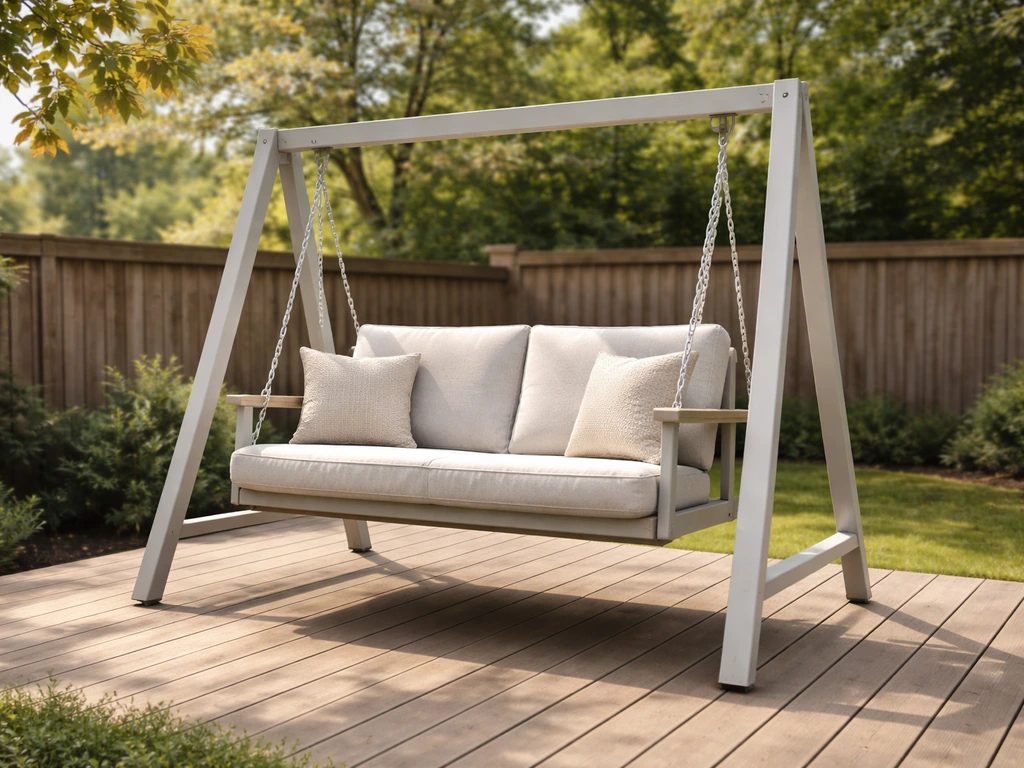
Best Patio Swing Canada: Buying Guide, Types, Features
Canada patio swing buying guide: choose bench, hanging or A-frame, compare materials, weatherproof features, install and
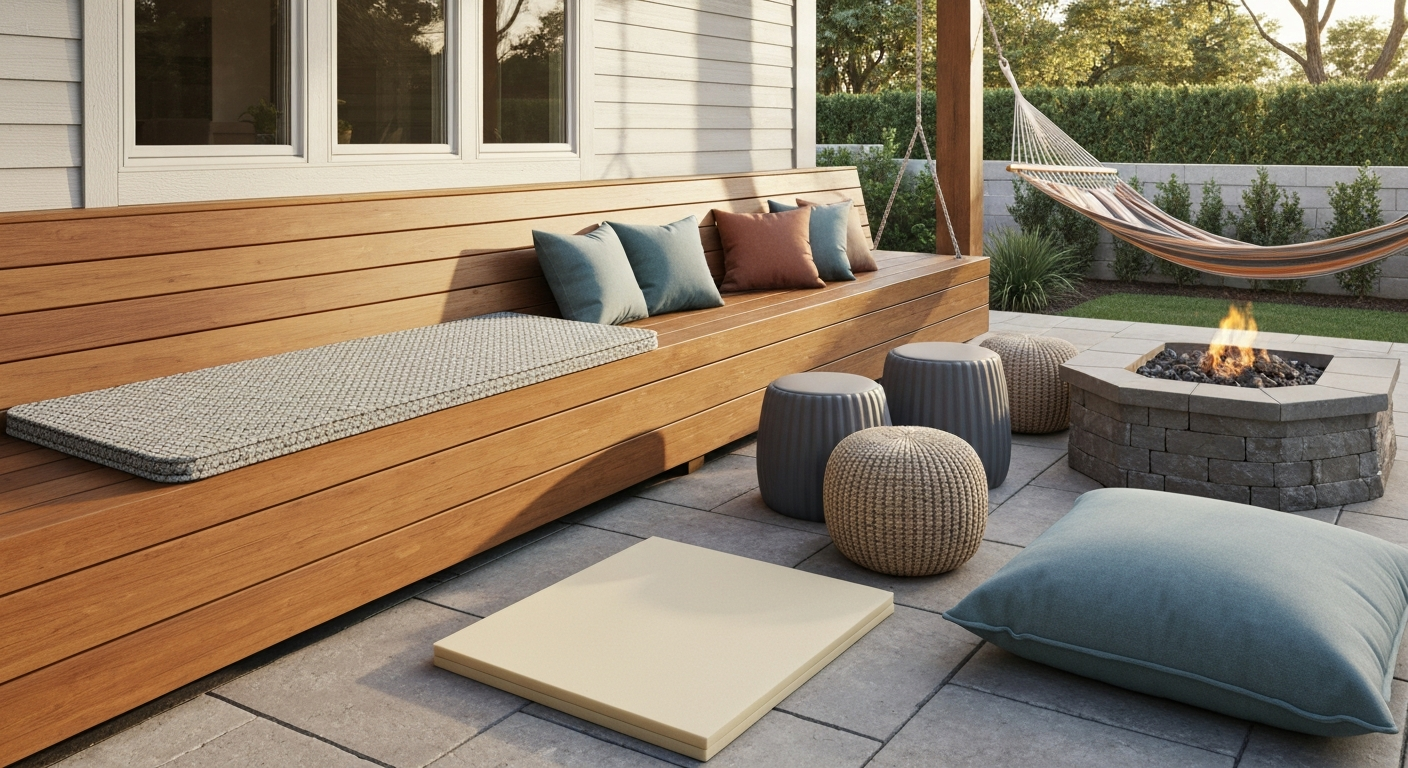
Alternative to Patio Cushions: Durable, Stylish Options and DIY
Alternative to patio cushions: durable, weatherproof seating options, pros, DIY tips & buying guide.
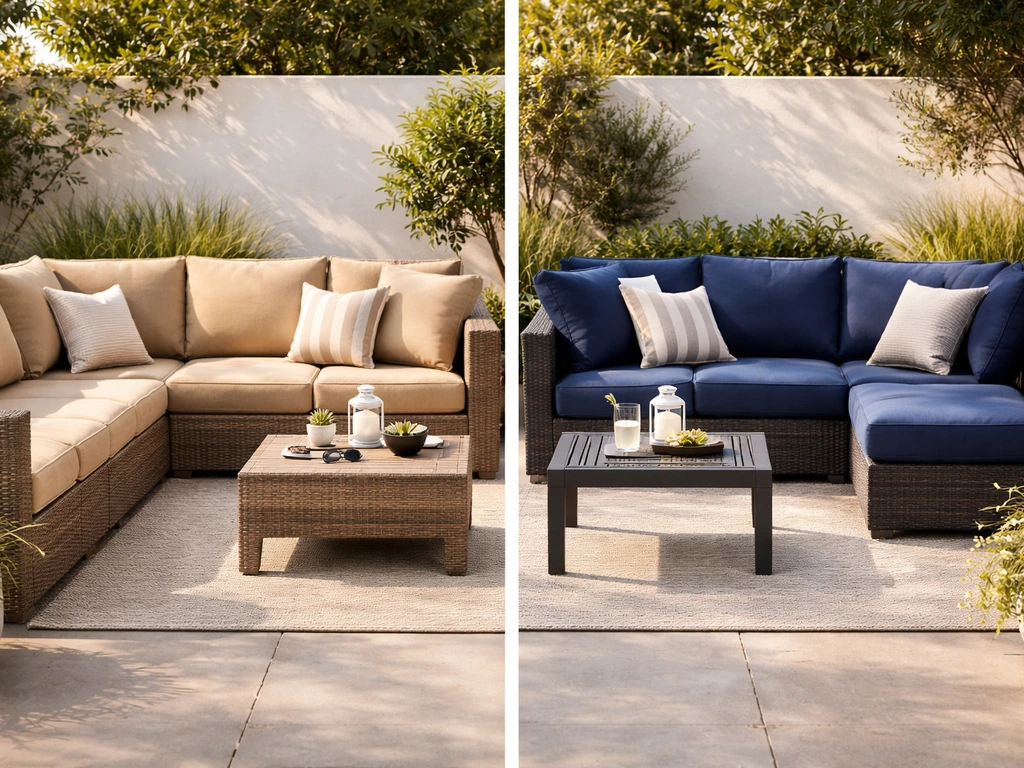
Best Color for Outdoor Patio Cushions in 2026
Choose the best cushion color for sun, heat, and fading in 2026, with pairing tips for patio furniture and durability.